Table of Contents
The National Speech and Debate Championship (NSDC) is back for its 13th edition. This premier intellectual competition will gather Uganda’s brightest young minds. Students from over 100 schools will compete for top honors. The event promises intense debates, powerful speeches, and creative performances.
This guide provides everything you need to know. We cover the event’s history, schedule and rules. Whether you’re a student, teacher, or parent, you’ll find essential information here.
A Legacy of Building Future Leaders: The NSDC History
The NSDC has a rich history of nurturing young talent. It started in 2009 as the National Schools Debate Championship. The competition was renamed in 2023 to become the National Speech and Debate Championship. This change reflected its growth to include more creative events.
The competition has alwayss had a strong thematic focus. Since 2019, it has operated under the themes of Transparency, Accountability, and Anti-corruption (TAAC). These themes guide the motions and speeches every year. The goal is to create socially conscious leaders.
The championship has grown significantly over the years. The first nationals had only 20 participating schools. By 2019, it attracted a record 80 schools. This growth shows the Increasing popularity of debate and speech education in Uganda.

The finals have been held at a prestigious venue since 2010. The Parliament of Uganda hosts the grand finale. This gives students a unique experience of the country’s democratic heart.
Celebrating Recent Champions and Key Figures
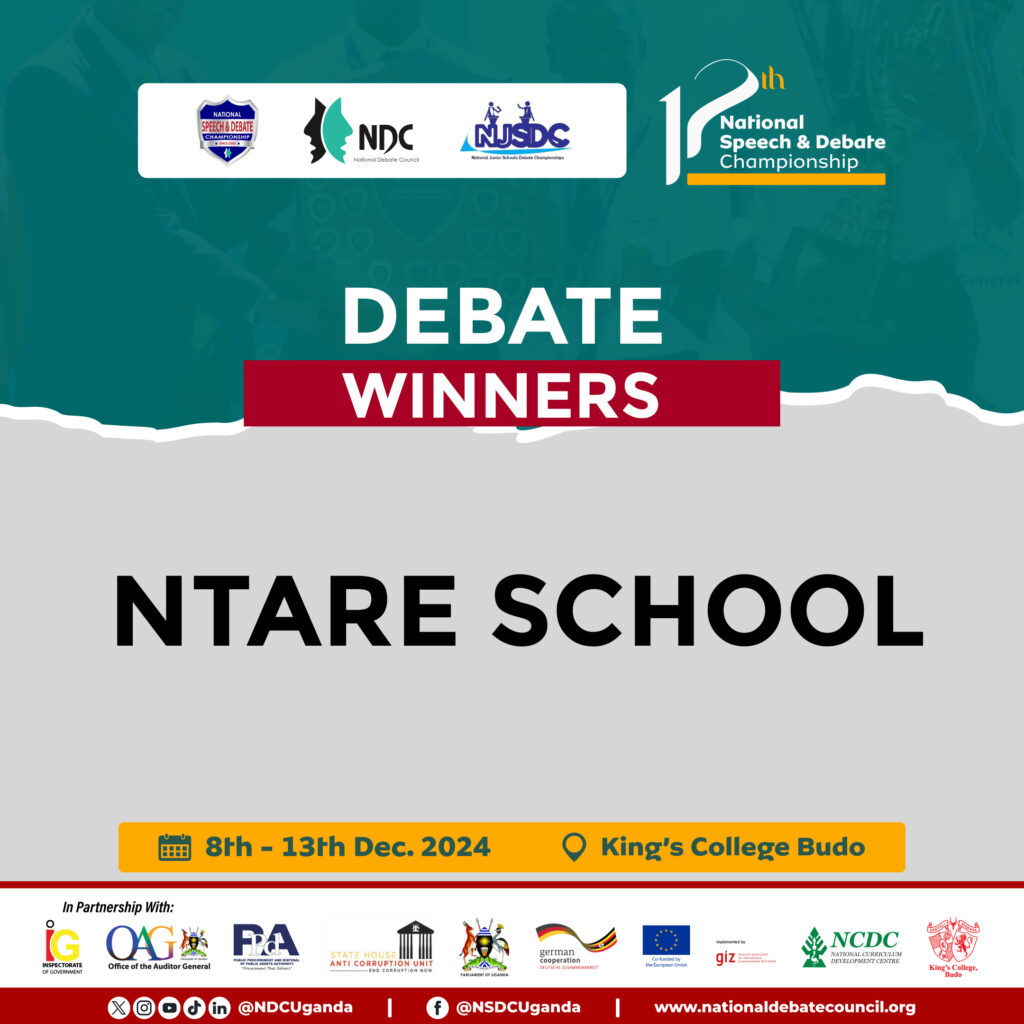
The 2024 championship saw exciting victories. Ntare School emerged as the national winners. They beat Holy Cross Lake View from Wanyange, Jinja City, in the finals. Earlier, Ntare School had defeated Kawempe Muslim in the semi-finals.Ntare School Secured for the trophy for the third time (2013, 2018, 2024).
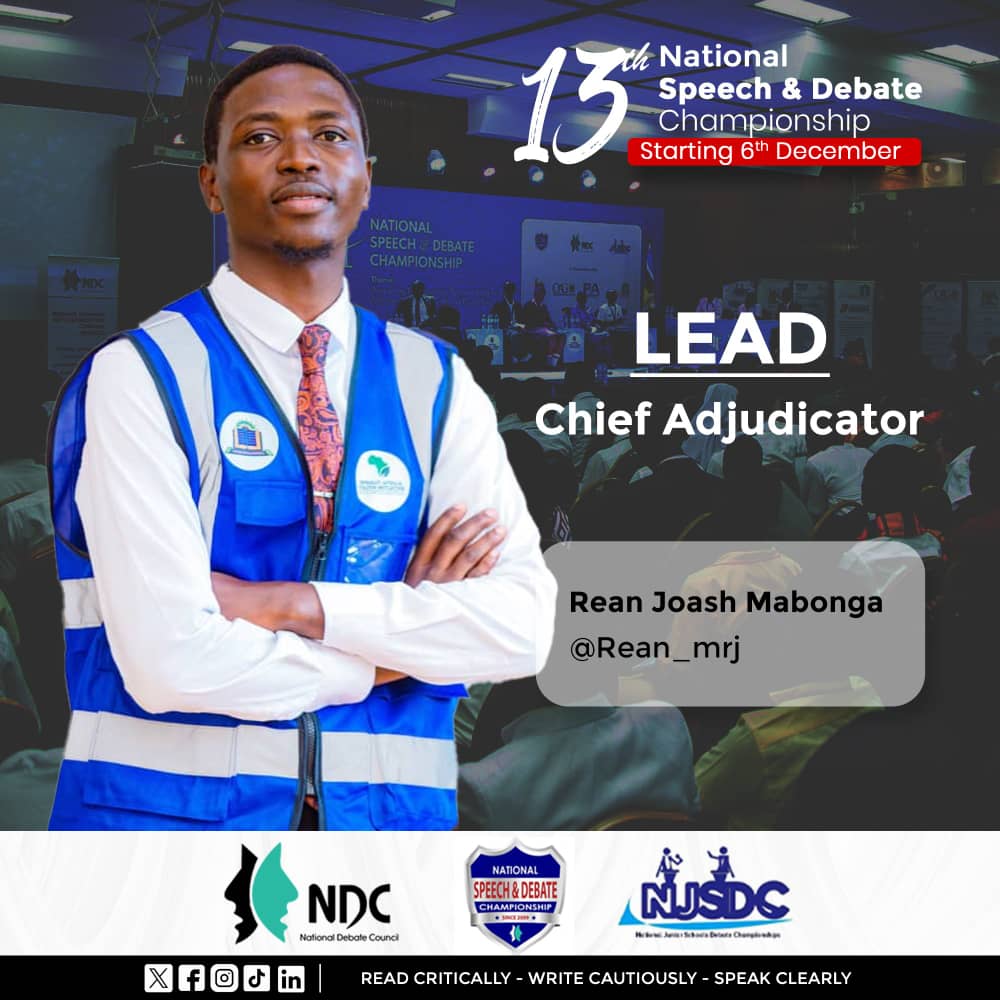
The competition Is led by experienced professionals. The Lead Chief Adjudicator is Mr. Rean Joash Mabonga. He has a distinguished career in running fair debate tournaments. His experience includes events like Mashariki Open and Uganda National Trials.
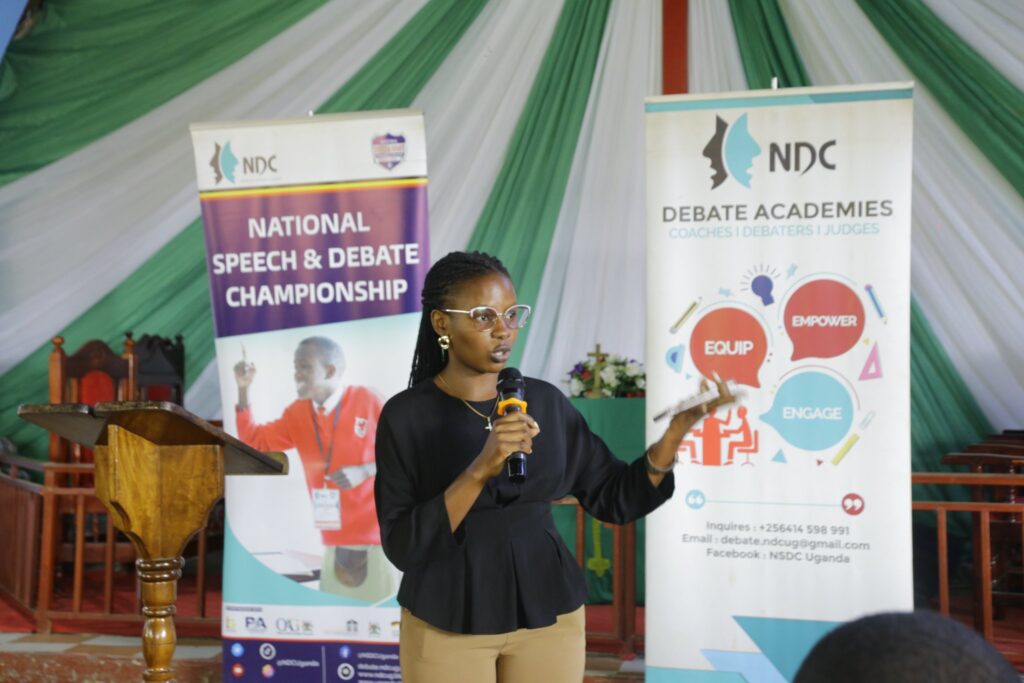
The Tournament Director is Ms. Leonah Naturinda. She was the Deputy Tournament Director in 2023. Interestingly, Leonah is a former participant. She debated in the NSDC 2019 edition as a high school student. Her journey from debater to director inspires many students.
Invitation to the 13th NSDC: Key Event Details
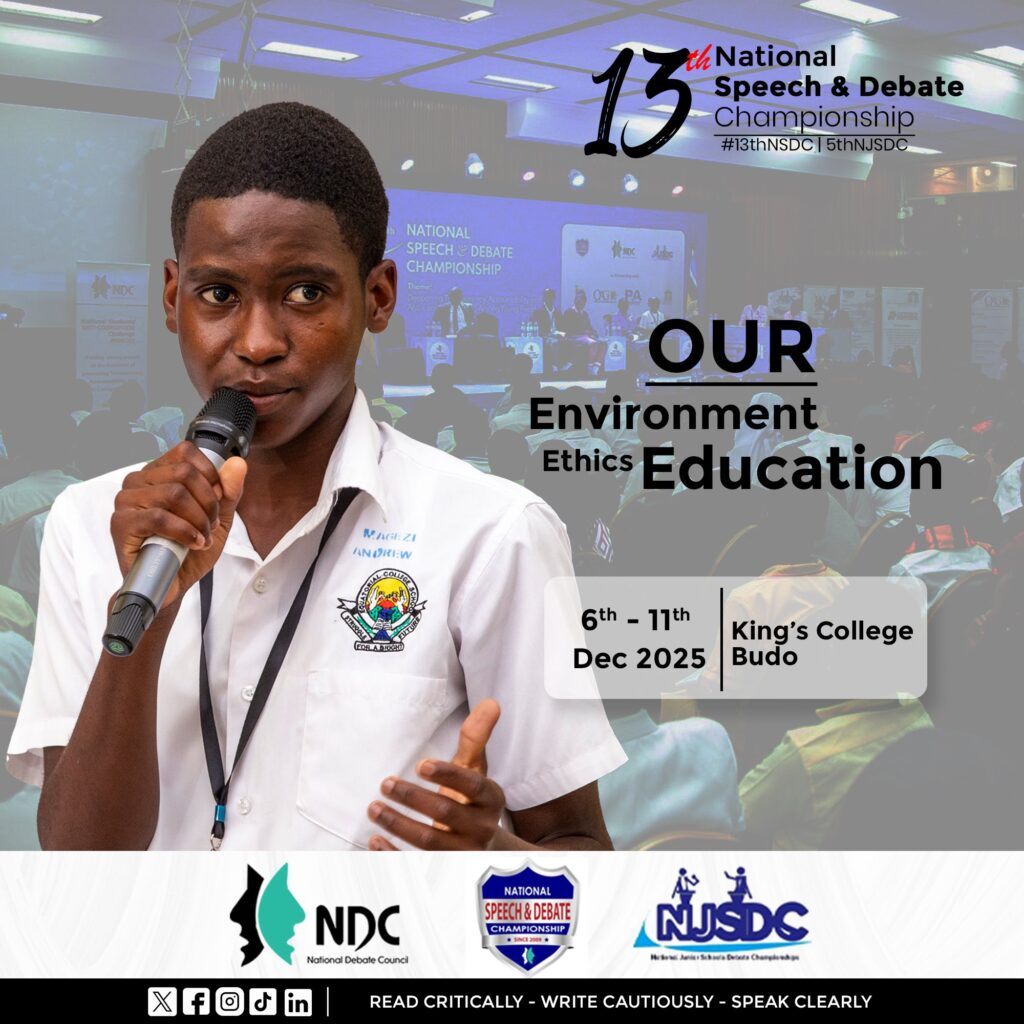
The National Debate Council has officially invited qualifying schools. The 13th NSDC finals are scheduled for December 2025. This is a fully residential event designed for deep learning and networking.
The theme for this year is “My Education, My Environment, My Ethics.” This theme will shape all prepared and impromptu tasks. It encourages students to think critically about these three pillars of society.
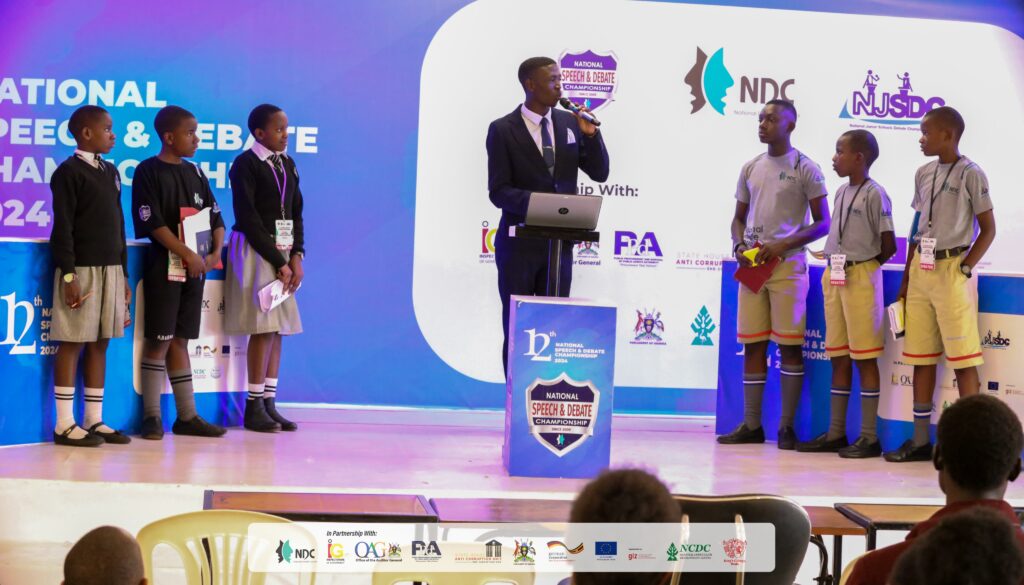
The event will take place at King’s College Budo. It will run from December 6th to December 11th, 2025. Students and teachers will stay on-site for the entire duration.
Understanding the Competition Tracks: Debate vs. Speech
The championship has two main tracks: Debate and Speech. Students can only register for one track due to scheduling conflicts. This ensures full commitment and preparation.
The Debate Track
The debate track follows specific formats. Secondary schools use the Karl Popper Debate Format. Primary schools under the NJSDC use the World Schools Deate Format. Orientation sessions will help first-time participants understand these formats.
Each debate team must have three members. For NSDC, only one team per secondary school is allowed. However, primary schools can register up to four teams under NJSDC rules.
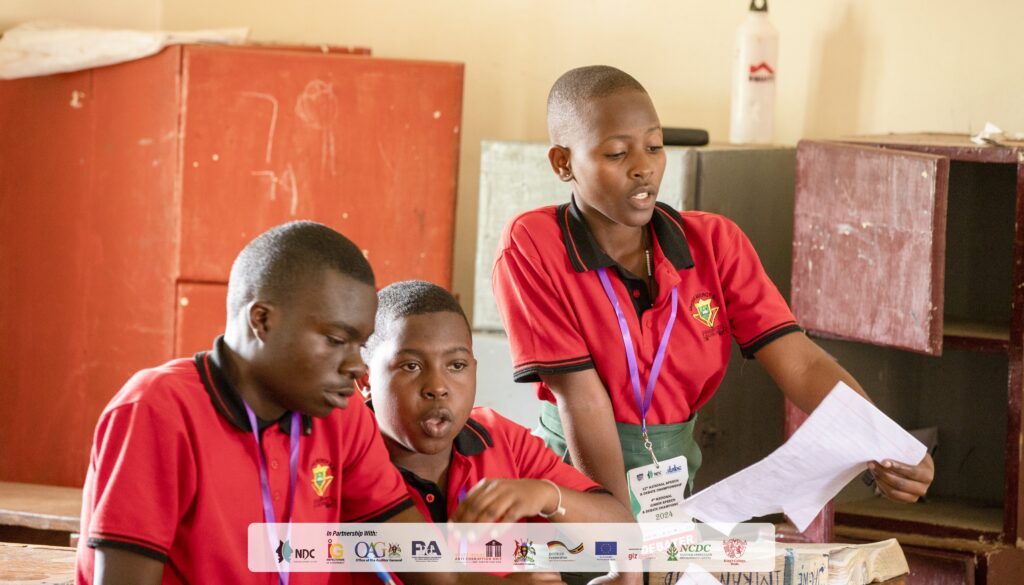
Debate motions come in two types. Prepared motions are provided in advance for research. Impromptu motions are given during the competition with limited preparation time. This tests students’ quick thinking and adaptability.
Strict rules govern the debate process. Team members cannot switch after the first round. Special rules apply for emergencies like illness. Teams must also submit feedback for all preliminary rounds to qualify for breaks.
The Speech and Performing Arts Track
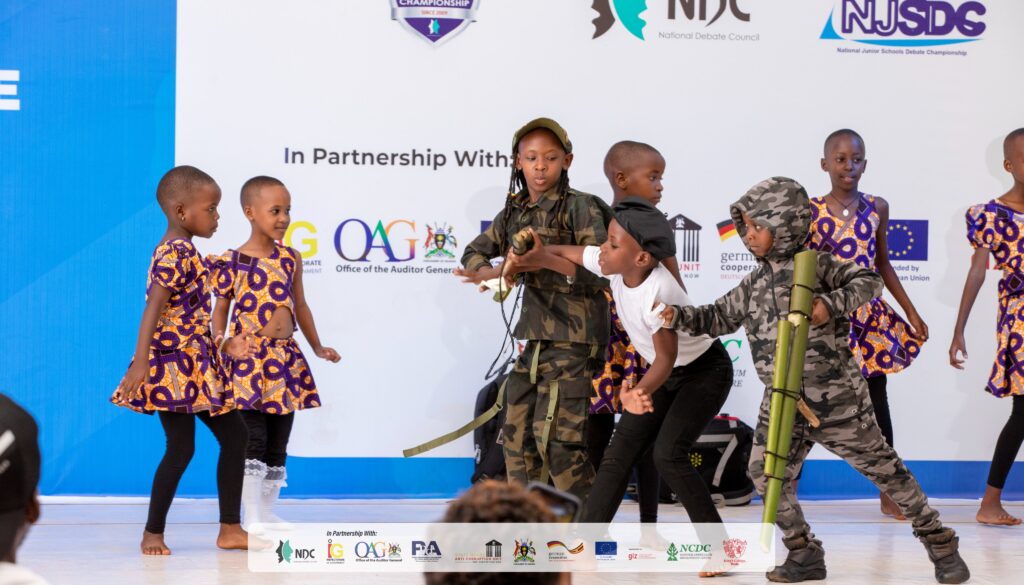
This track features individual and group events. Confirmed events include Public Speaking, Poetry (Spoken Word), and Storytelling. Also featured are News Anchoring and Creative Dance (a group event).
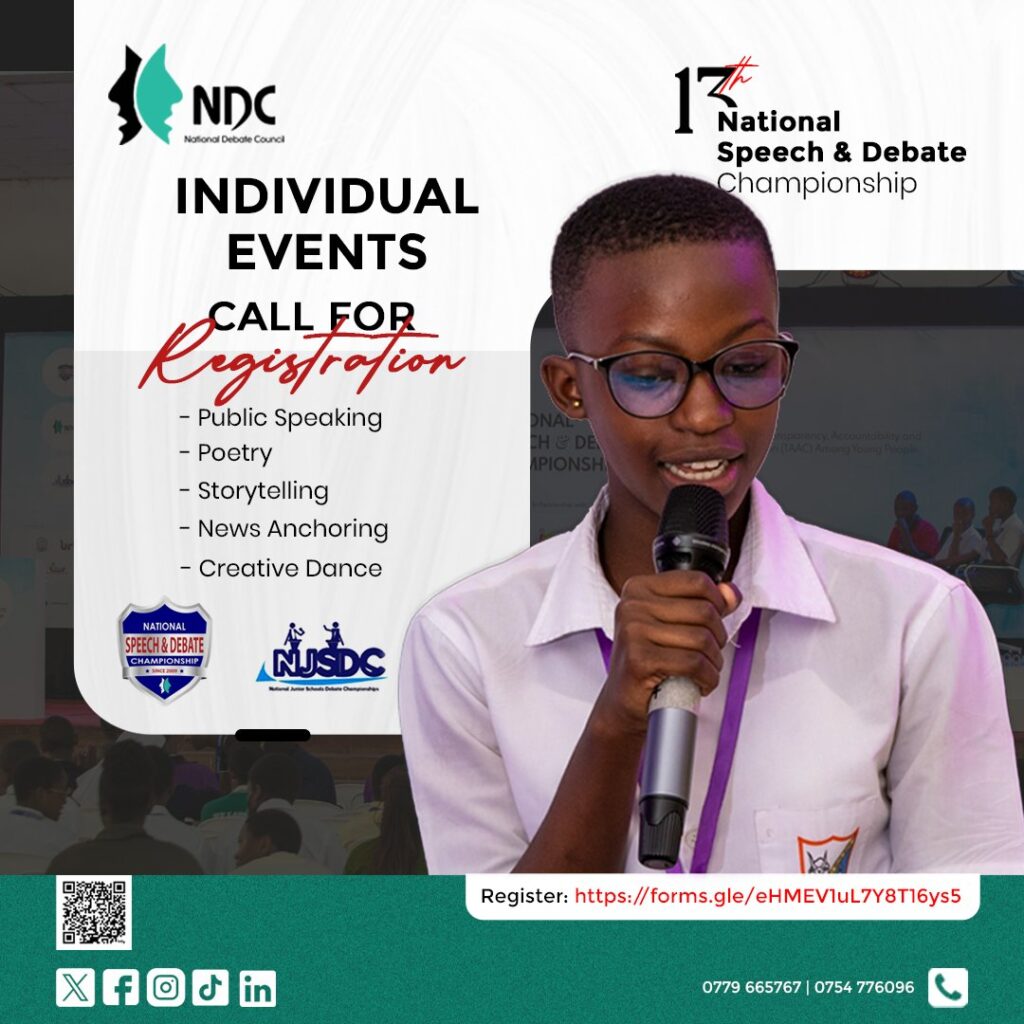
Qualification for speech events is flexible. Students do not need regional qualification. Their school does not need a debate team. This opens the platform to more talented individuals.
Creative Dance requires at least three participants per group. Schools can register multiple participants for individual events. Breaks are based purely on merit, so many students from one school can advance.
Speech participants must follow the same break rules as debaters. They cannot miss more than three-quarters of the preliminary rounds. They must also submit all required feedback.
Road to Nationals: The 2025 Regional Qualifiers
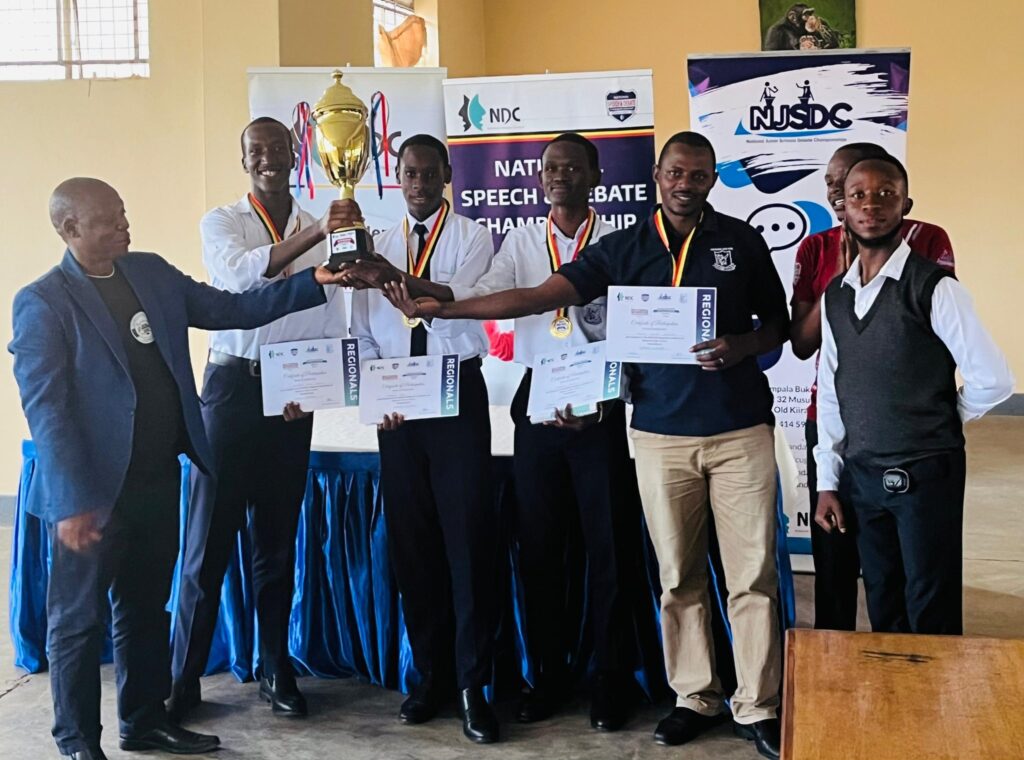
Before the nationals, schools compete in regional qualifiers. The 2025 qualifiers took place from June to July. Each region had a specific date and host venue.For example, the Elgon Regional was held on June 28th at Mbale SS. Turnout was lower than expected due to a national industrial strike by Arts Teachers. Despite this, the competition was intense and successful.
Mbale SS emerged as the debate champion, retaining their 2024 title. Rubongi Army SS Tororo won the Poetry category. Mbale High School produced the Speech Champion, and Nkoma SS won Storytelling.
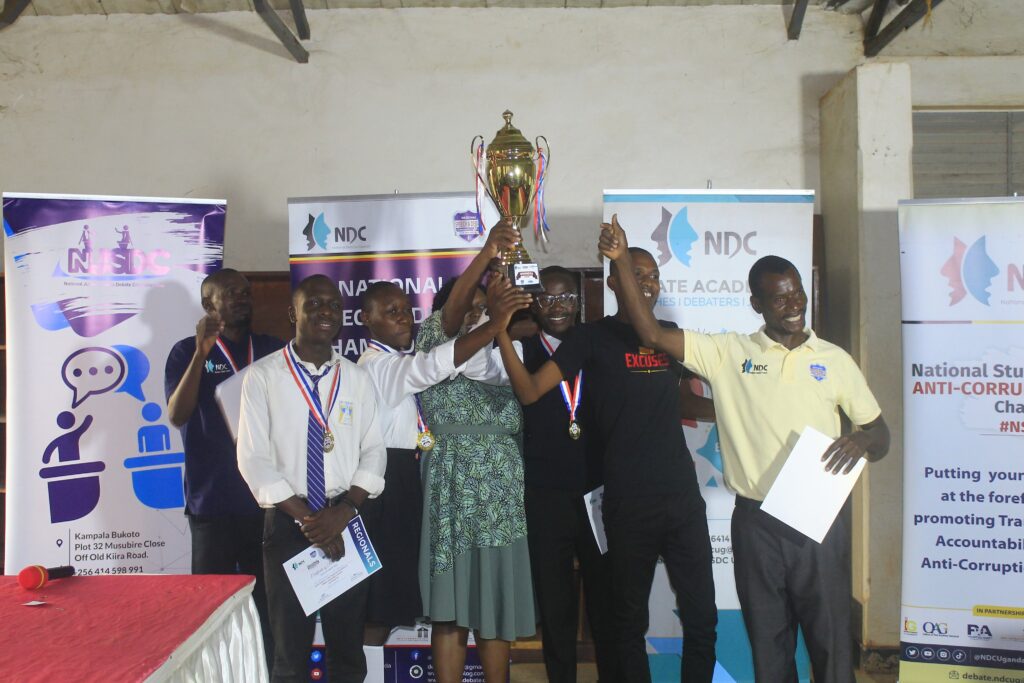
The full regional schedule was packed. It started with KCCA in Kampala on June. It ended with the Kampala Metropolitan region in Wakiso in July where Mengo Senior School triumphed over St. Maria Goretti SS Katende, claiming victory in the Wakiso–Kampala Regional Qualifiers . Each qualifier feeds winning teams and individuals into the national finals.
Essential Participation Rules and Guidelines
All participants must follow clear rules. These ensure fairness, safety, and a positive experience for everyone involved.
Dress Code and Conduct. Decency is emphasized throughout the tournament. During competitive rounds, all participants must wear formal school uniform. This includes closed shoes. Judges and patrons must also dress formally.
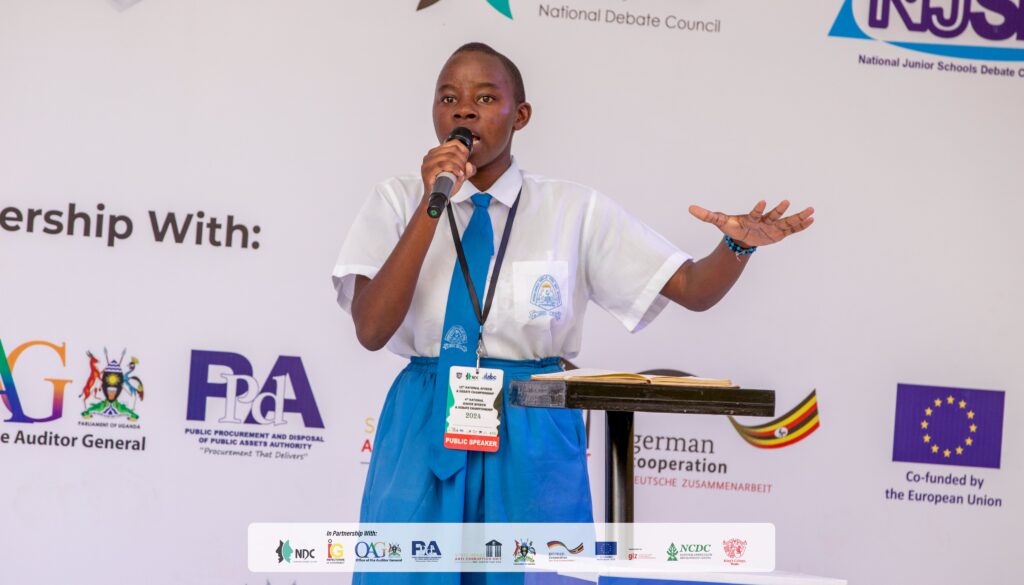
Identification tags must be worn at all times. The only exception is official NDC branded wear, when authorized. Outside rounds, modest casual wear is allowed for social events.
Strict rules prohibit illegal substances. Possession of drugs or alcohol leads to immediate disqualification. Authorities will be informed of any violations. This maintains a safe and focused environment.
What to Bring to the Residential Event
Participants should come prepared for a five-day stay. Essential items include full school uniform sets and casual wear. Also needed are toiletries, bedding, and writing materials.
The event includes social and charitable activities. Therefore, participants should bring cultural wear for Cultural Night and elegant attire for the Grand Dinner. They are also encouraged to bring donations for the “NSDC Act of Kindness” drive. These can be clothes, shoes, sanitary items, or stationery for underprivileged communities.
Electronic devices like phones are permitted. However, they must be silent during sessions. The organizers are not responsible for lost gadgets, so students must keep them secure.
Beyond Competition: The Full NSDC Experience
The NSDC is more than just a competition. It is a holistic learning and networking experience. The schedule includes various non-competitive activities designed for fun and personal growth.
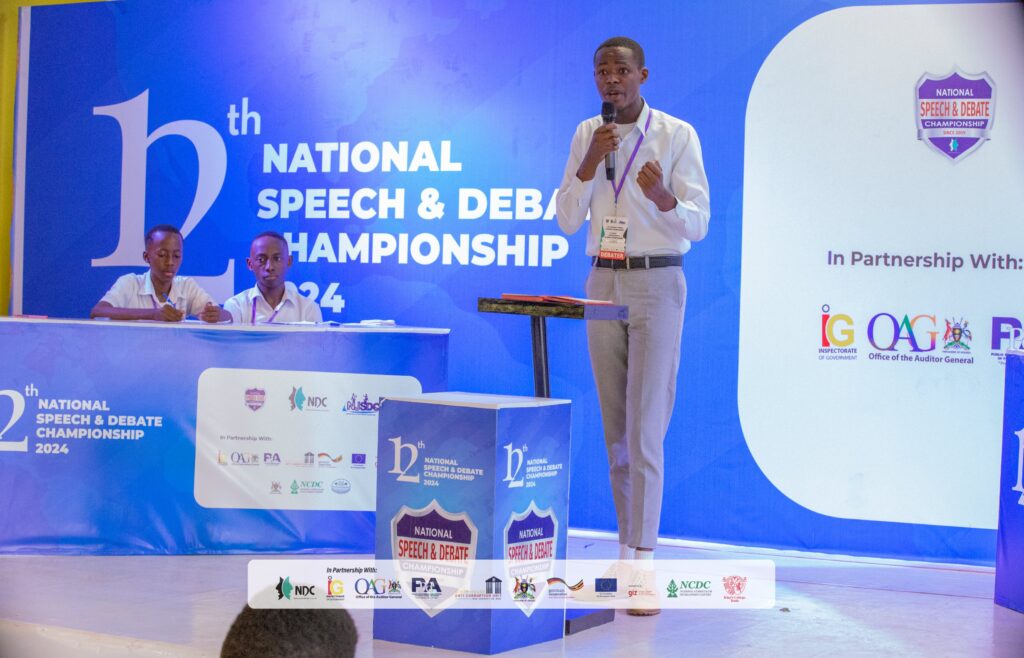
A Cultural and Talent Night allows students to showcase heritage and talents. Game Nights feature indoor games, quizzes, and a Spelling Bee. The grand Dinner Night is a formal celebration of everyone’s achievements.
The “NSDC Act of Kindness” is a special charity initiative. Participants are encouraged to bring donations. These items will support selected underprivileged communities. This teaches students the value of empathy and social responsibility.