Table of Contents
The story of President Yoweri Museveni since the day he was born
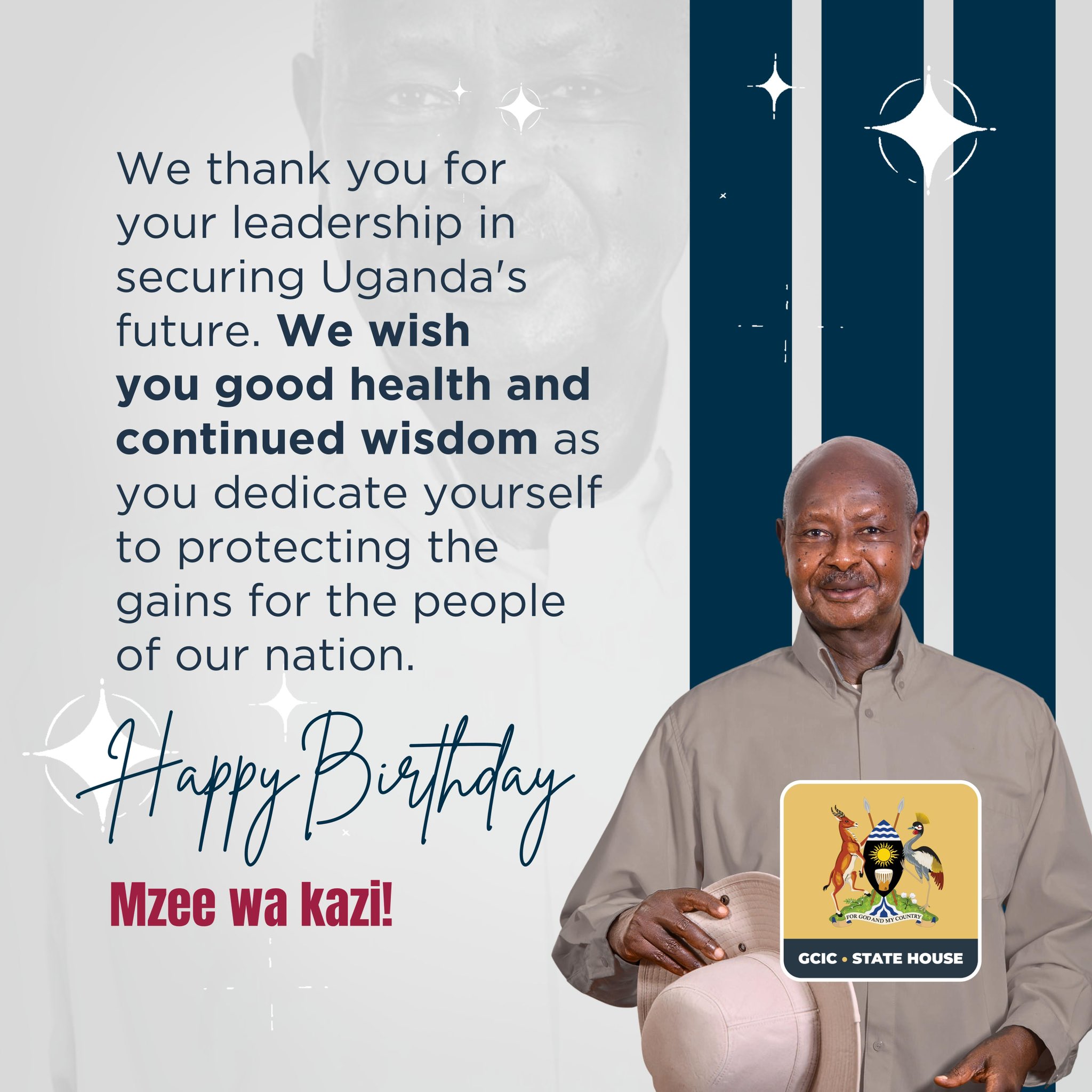
Today, 15 September 2025, President Yoweri Kaguta Museveni turns 81 years old. It is a remarkable milestone for Uganda’s longest-serving leader, a man who has remained at the center of the country’s history for more than four decades. Museveni, known for his slogan “securing your future” and more recently “we are protecting the gains,” has been both celebrated and criticized but remains one of the most influential figures in Africa.
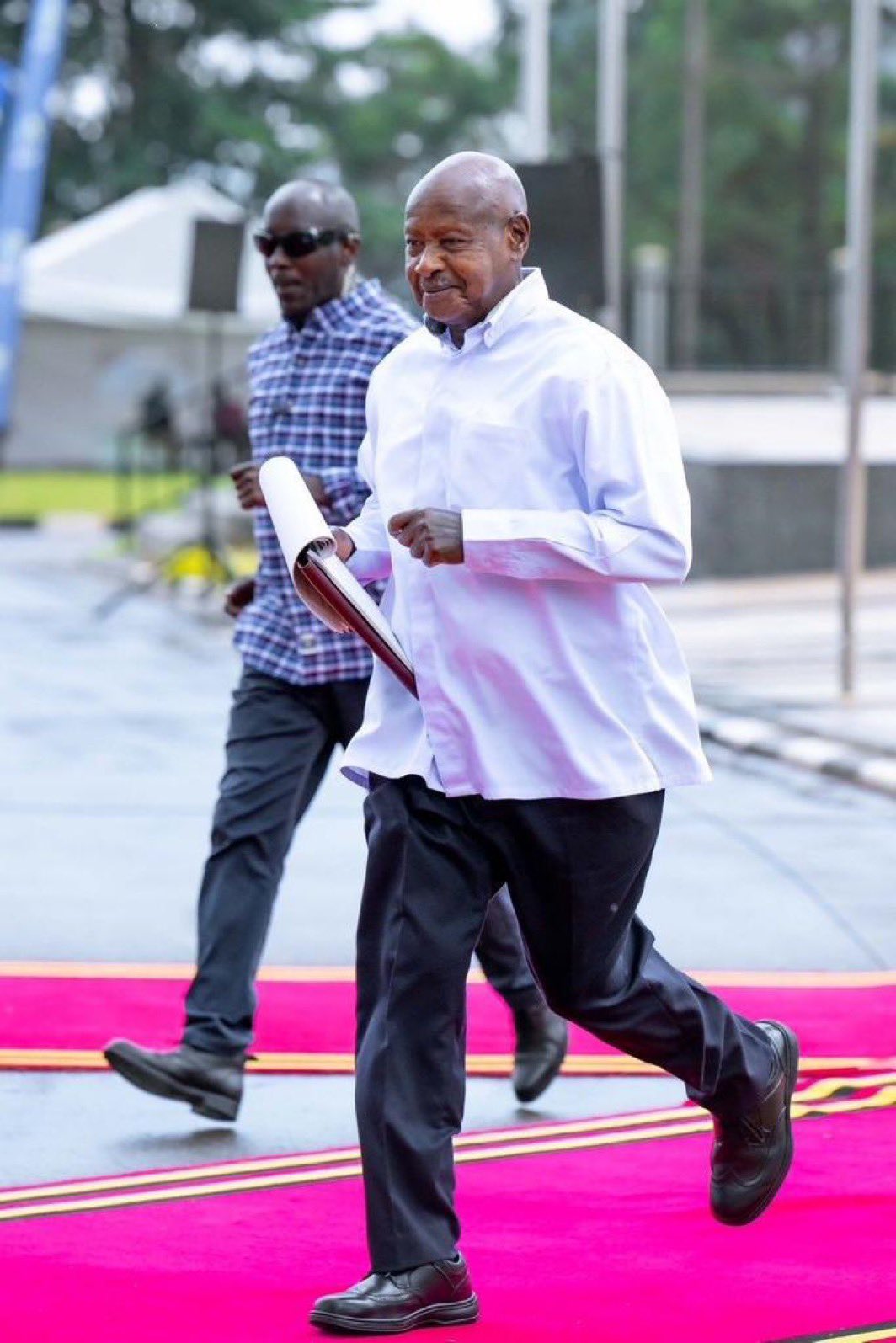
Over the years, his age has sparked controversy, with some claiming he was older than officially stated. Yet today, as he celebrates 81 years, we reflect on his life not just as Uganda’s president, but as a boy from Ntungamo who became a revolutionary, soldier, politician, and statesman.
Here are 81 facts — one for each year of his life — tracing Museveni’s journey from 1944 to 2025.
Early Life: 1944–1950 (Ages 0–6)
Age 0 (1944): Yoweri Kaguta Museveni was born on September 15, 1944, in Ntungamo, southwestern Uganda. He was the son of Amos Kaguta, a cattle keeper, and Esteri Kokundeka. His family was of the Banyankole ethnic group, and Museveni grew up surrounded by cattle, which influenced his lifelong attachment to farming and rural life.
Age 2 (1946): By this time, Museveni was already herding cattle, a responsibility common for Banyankole boys. The experience instilled discipline and a deep sense of survival, traits that later defined his political and military strategies.

Age 5 (1949): Museveni began primary education at Kyamate Primary School. His intelligence stood out early, and he was recognized as a hardworking and inquisitive child.
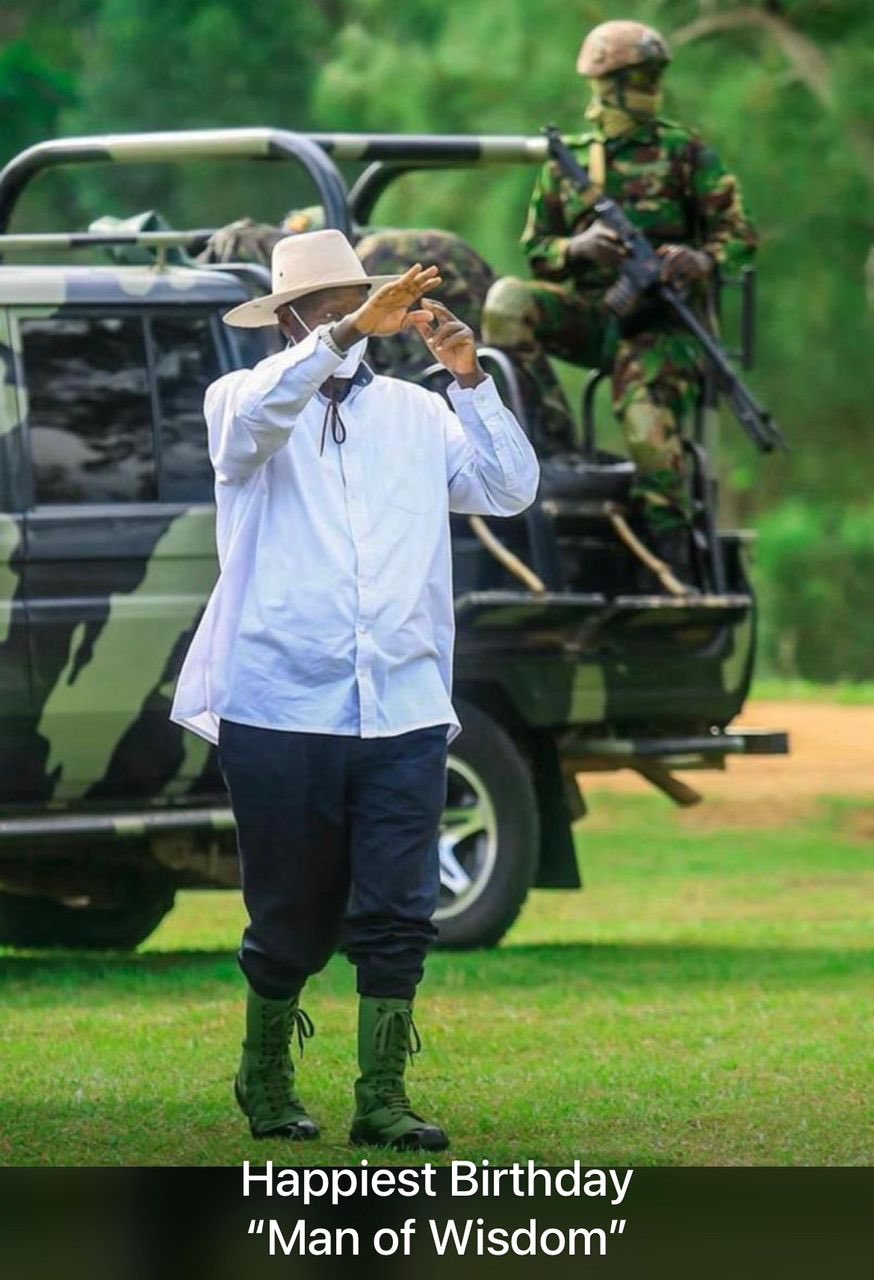
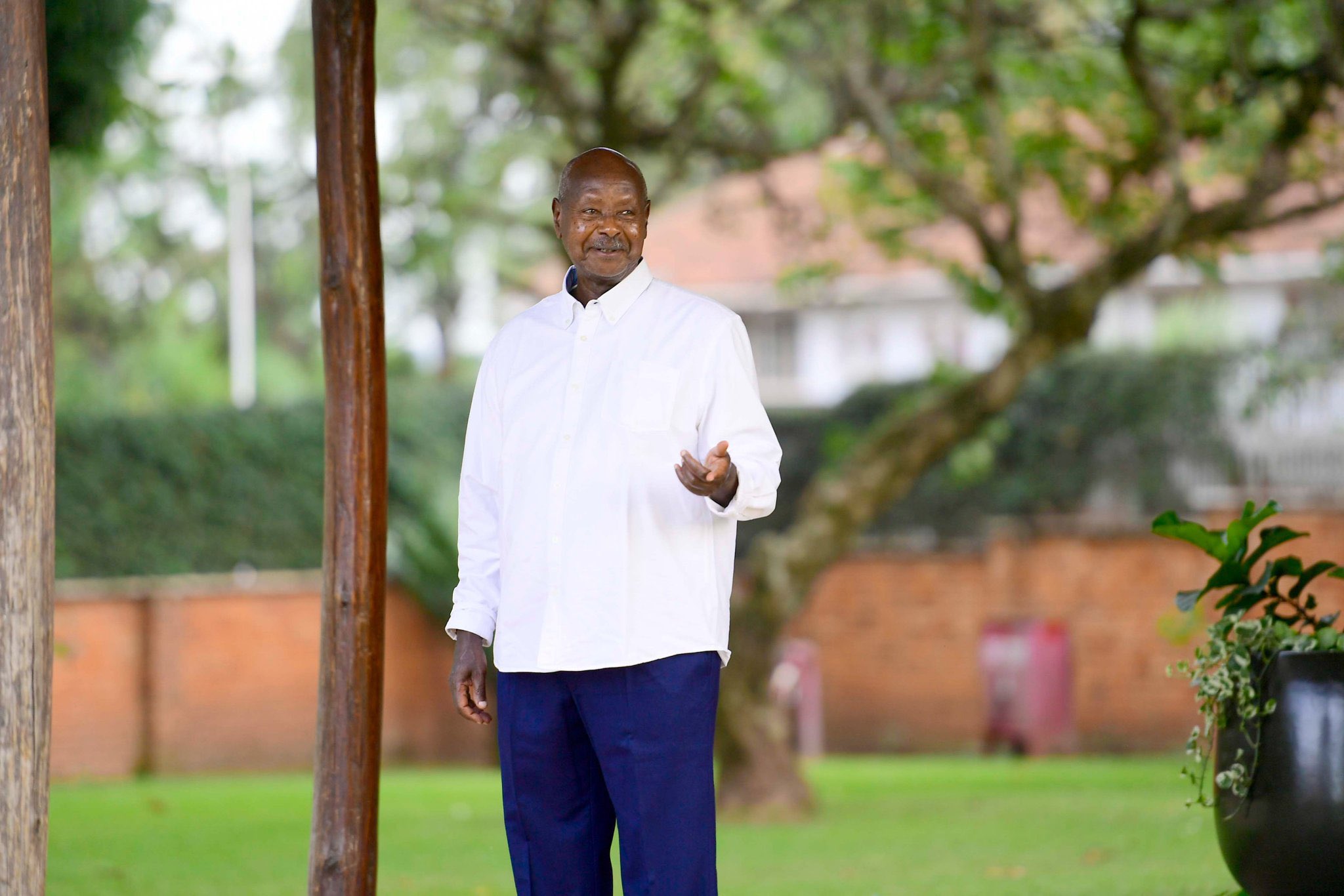
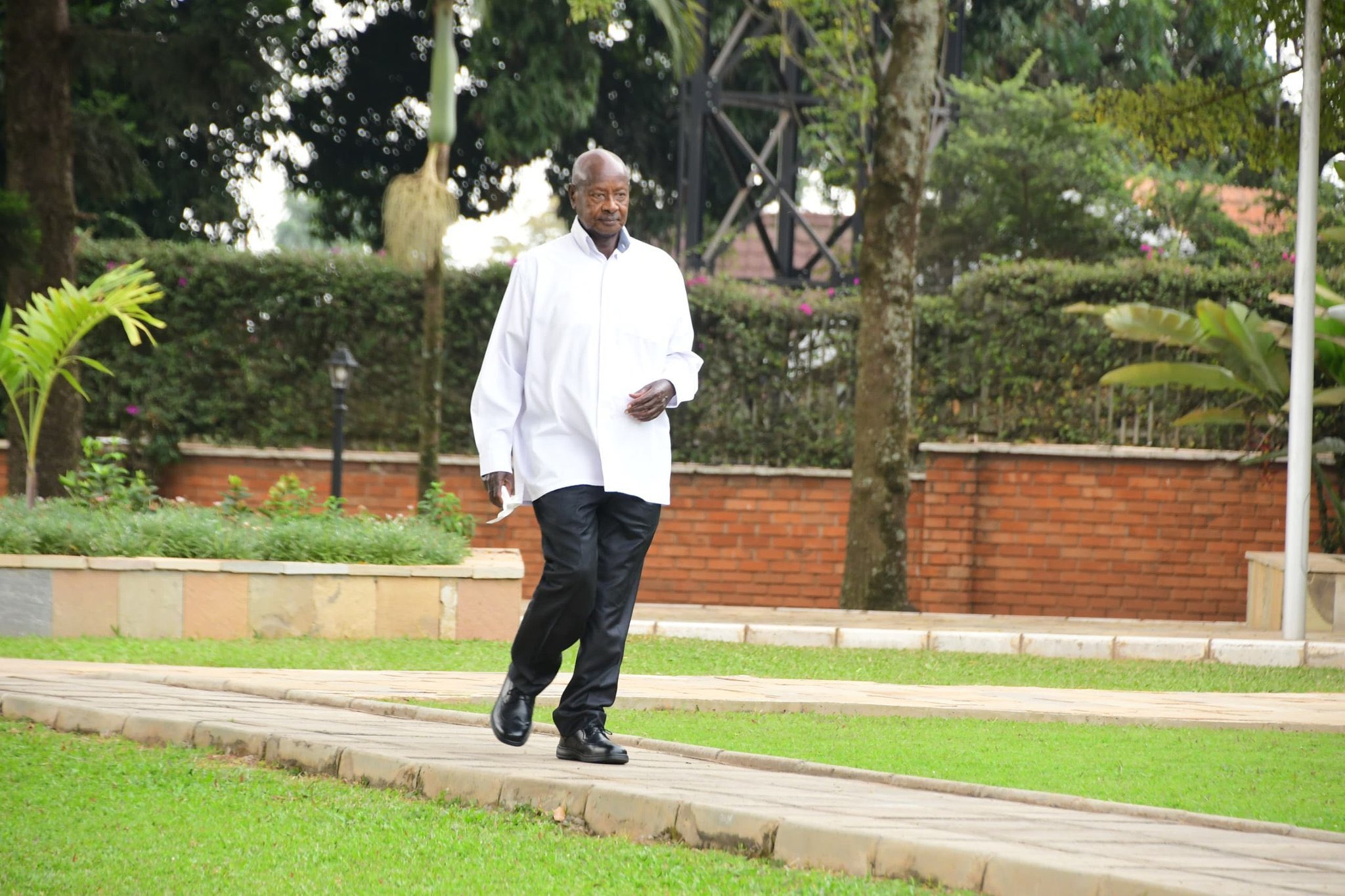
School Years: 1951–1965 (Ages 7–21)
Age 7 (1951): Museveni enrolled at Kyamate Secondary School, an Anglican-founded institution. He excelled in his studies and developed a reputation for leadership among his peers.
Age 10 (1954): Museveni was baptized as a Protestant. Religion played a big role in shaping his early worldview, though later he became more pragmatic, blending faith with politics.
Age 15 (1959): Museveni joined Mbarara High School. Here, he began reading widely about African independence struggles and admired leaders such as Kwame Nkrumah and Julius Nyerere.
Age 18 (1962): The same year Uganda gained independence, Museveni completed his secondary studies. He was deeply inspired by the nationalist wave sweeping Africa.
Age 20 (1964): Museveni joined Ntare School in Mbarara for A-Level studies. It was here that he became close friends with future Rwandan leaders like Paul Kagame, laying the foundation for his Pan-Africanist networks.
Age 21 (1965): He secured a place at the University of Dar es Salaam in Tanzania, a hotbed of revolutionary thought.
University and Early Politics: 1966–1970 (Ages 22–26)
Age 22 (1966): At Dar es Salaam, Museveni studied economics and political science. He was mentored by professors like Walter Rodney and connected with future liberation fighters from Mozambique, South Africa, and Namibia.
Age 24 (1968): He founded the University Students’ African Revolutionary Front (USARF), advocating for armed struggle against colonial and post-colonial oppression.
Age 26 (1970): Museveni graduated and returned to Uganda, taking a job as a researcher in President Milton Obote’s office of intelligence.
Into the Military and Exile: 1971–1978 (Ages 27–34)
Age 27 (1971): Idi Amin overthrew Obote. Museveni opposed the coup and fled into exile in Tanzania, where he began organizing resistance against Amin’s brutal regime.
Age 30 (1974): Museveni formed the Front for National Salvation (FRONASA), training guerrillas to resist Amin.
Age 34 (1978): Museveni played a central role in the Uganda-Tanzania War that ousted Idi Amin. His FRONASA fighters fought alongside Tanzanian forces to capture Kampala in 1979.
Rise to Power: 1979–1986 (Ages 35–42)
Age 35 (1979): After Amin’s fall, Museveni briefly served as Minister of Defence in the transitional government.
Age 36 (1980): Following disputed elections that returned Milton Obote to power, Museveni declared war and formed the National Resistance Army (NRA).
Age 40 (1984): The NRA gained strength, waging guerrilla warfare in the Luweero Triangle. Museveni emphasized discipline among his fighters and winning the support of civilians.
Age 42 (1986): On January 26, Museveni’s NRA captured Kampala, overthrowing Tito Okello’s short-lived government. Museveni became President of Uganda.
Consolidating Power: 1987–1995 (Ages 43–51)
Age 43 (1987): Museveni established the National Resistance Movement (NRM) as the ruling political organization. He began restructuring Uganda’s economy with donor support.
Age 46 (1990): Museveni supported the Rwandan Patriotic Front (RPF) led by Paul Kagame in their struggle to return to Rwanda.
Age 51 (1995): Uganda adopted a new constitution, which strengthened Museveni’s leadership and barred political parties, introducing a “no-party” system.
Regional Influence and Longevity: 1996–2005 (Ages 52–61)
Age 52 (1996): Museveni was elected president in Uganda’s first direct presidential election.
Age 56 (2000): The NRM held a referendum that upheld the no-party system, though Museveni hinted at political reforms.
Age 61 (2005): Parliament amended the constitution to remove presidential term limits, allowing Museveni to contest indefinitely.
The Age Debate and Family Legacy: 2006–2017 (Ages 62–73)
Age 62 (2006): Museveni won another election. Critics accused him of authoritarianism, but he maintained firm control.
Age 66 (2010): Museveni increasingly prepared his son, Muhoozi Kainerugaba, for military leadership, fueling speculation about succession.
Age 73 (2017): Parliament removed the presidential age limit, enabling Museveni to run beyond 75. This move sparked protests but cemented his path to continued rule.
Recent Years: 2018–2025 (Ages 74–81)
Age 74 (2018): Museveni emphasized industrialization and regional integration under the East African Community.
Age 76 (2020): Museveni managed Uganda’s response to COVID-19, using lockdowns and health campaigns to contain the virus.
Age 77 (2021): He was re-elected president after defeating Robert Kyagulanyi (Bobi Wine) in a tense election.
Age 80 (2024): Museveni maintained his grip on power, launching new infrastructure projects and strengthening ties with China and Russia.
Age 81 (2025): Today, Museveni marks his 81st birthday. Despite controversies over age and succession, he continues to lead Uganda, symbolizing persistence, resilience, and continuity.
How President Museveni became who he is
From a cattle-keeping boy in Ntungamo to a guerrilla fighter, revolutionary, and ultimately Uganda’s longest-serving president, Yoweri Kaguta Museveni’s 81 years tell the story of a man who shaped Uganda’s destiny. Supporters hail him as the best president Uganda has ever had, while critics argue he has overstayed his time.
As he turns 81, the debate over his legacy continues, but one thing is certain: Museveni’s story is inseparable from Uganda’s modern history.
Happy Birthday, President Yoweri Kaguta Museveni.