
What has happened during the National ID Renewal during Week 1?
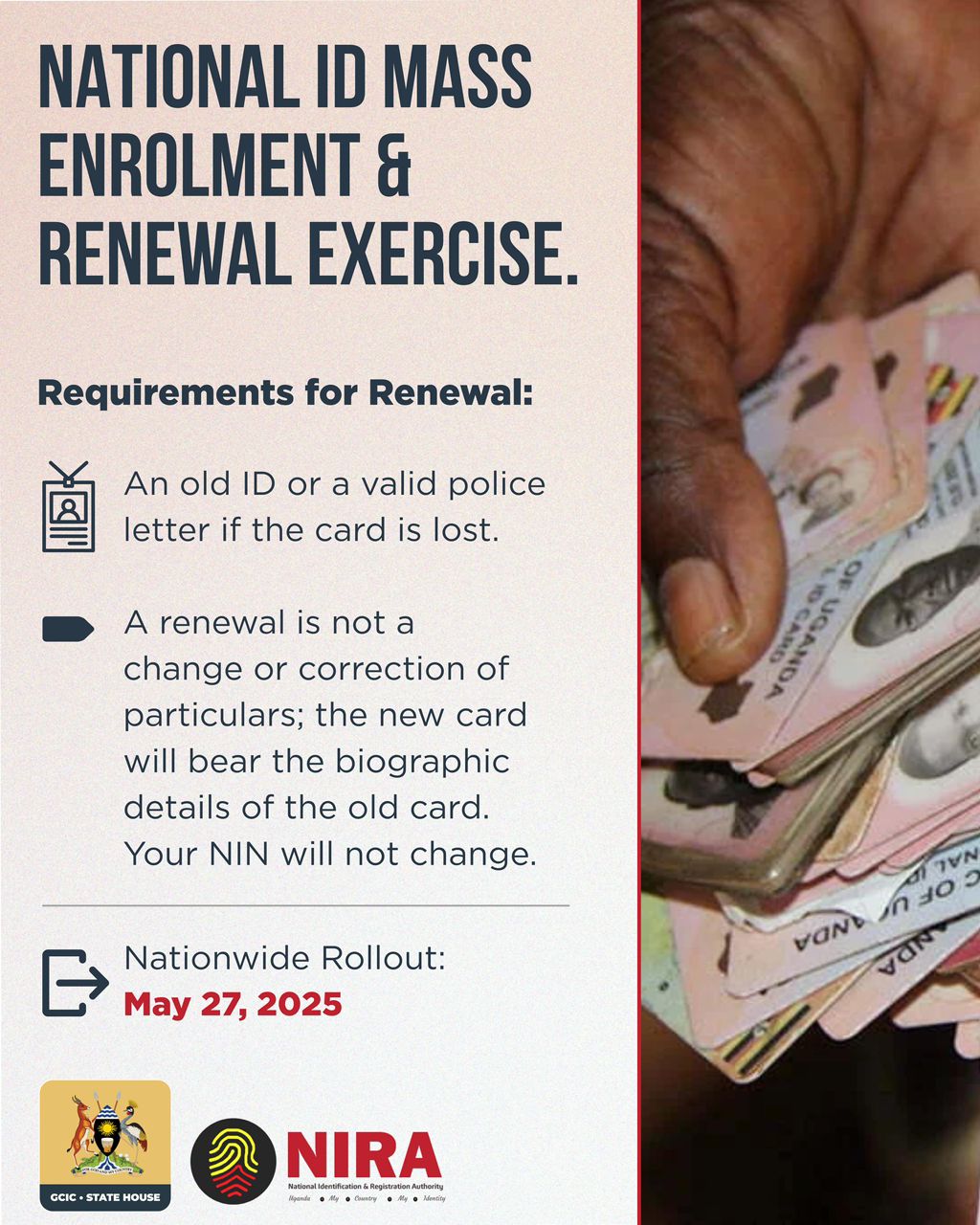
It started on 27, Tuesday May 2025, as a standard government announcement: Bring your old National ID for renewal. If you’ve lost it, carry a police letter. Fill in a form, get your fingerprints taken, and wait for your new ID.
But across Uganda today, the renewal exercise has become something else entirely.
From parishes to town centers, from dusty village fields to urban Internet cafés, the mass registration and renewal of National IDs has turned into a complex national ritual — one filled with urgency, frustration, exploitation, innovation, and hope. The very unforgiving hot sunshine joined the party and scorched citizens who were desperate to renew their own citizenship.

Whose fault is the Chaos?
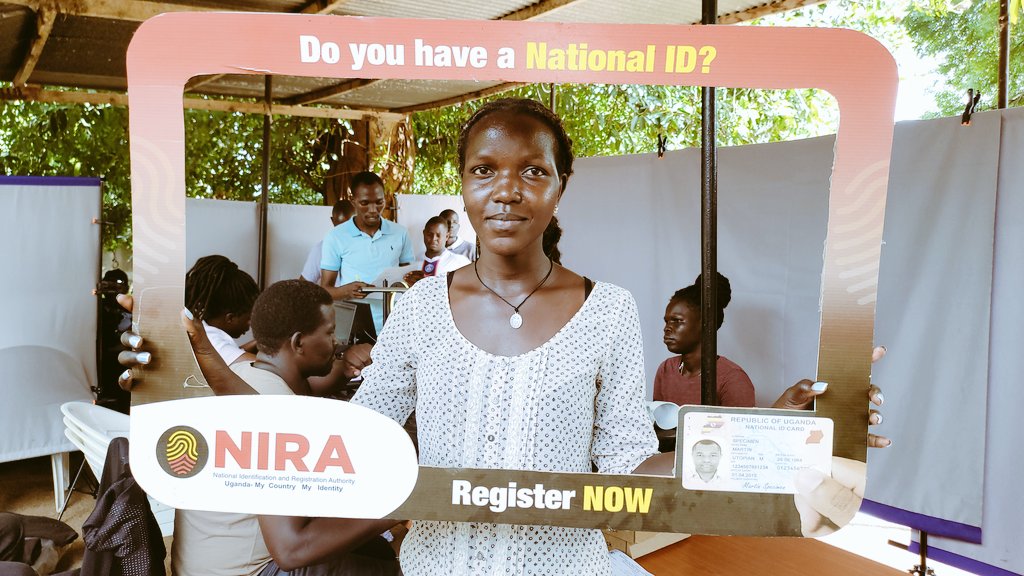
At the crack of dawn, hundreds of Ugandans gather at various NIRA registration points across the country, clutching worn-out envelopes with faded photocopies of their old IDs. Among them is Madam Tusubika Grace, a 52-year-old resident of Kyebando, who says she arrived at the center by 6 a.m. “I thought I would be among the first, but it’s now 5 in the evening, and they haven’t even called my name,” she says, her voice low, heavy with fatigue and disappointment.
Like many others, she didn’t know she needed to first fill out a renewal form—by the time she figured it out, the forms had run out. Others missed out because they submitted their documents too late, or arrived when the day’s quotas had already been filled. Some hopefuls return day after day, only to be turned away again and again.
Among the waiting crowd are elderly people leaning on sticks, pregnant women struggling to stay on their feet, and breastfeeding mothers trying to calm restless infants. While priority is sometimes given to the most vulnerable, the system can’t accommodate everyone. Frustration grows when people who arrive late expect to bypass those who have waited for hours. And though registration is supposed to end at 4 p.m., the chaos often spills into the evening as citizens beg not to be sent away.
Complicating the process further are individuals who try to use influence to jump the queue—sending in local leaders, calling politicians, or leaning on connections to get ahead. Even more troubling is the fact that some people attempt to exploit the desperation of others by unofficially selling forms, or setting up small-scale operations in internet cafés to profit from the exercise. These forms are supposed to be free, but in many cases, they are sold to unsuspecting citizens. In some communities, local leaders have been accused of demanding money in exchange for LC1 letters or even the forms themselves.
Meanwhile, the registration assistants on the ground—many of whom are still waiting to be paid—bear the brunt of this entire pressure. Long lines, rising tempers, and swelling expectations make for a tough working environment. They face the overwhelming task of serving hundreds of people each day with limited support, often caught in the middle of bureaucracy, public demand, and logistical confusion.
This renewal exercise has become not just a government process, but a daily emotional ordeal for thousands. People are pushing themselves to the limit to secure new IDs, especially knowing that the old ones will no longer be valid by 2026—and worse, are already unusable in foreign countries.
What You Actually Need to Renew Your ID
Let’s start with the basics.
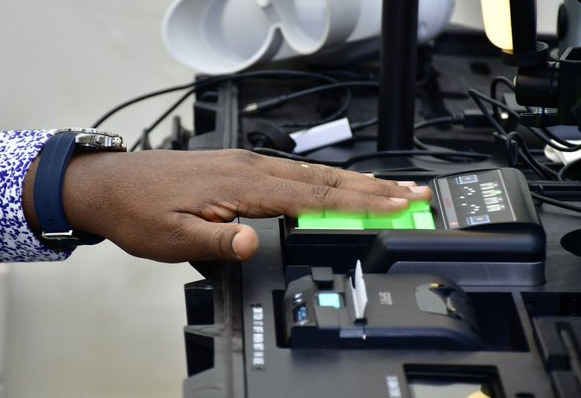
If you already have your National ID — whether it’s expired or not — you simply need to present it at a registration center. They’ll give you a renewal form to fill in. You complete the form, your details are reviewed, your fingerprints and photo are taken again, and you’re done.
But if your ID is lost, it’s a different route.
You must first go to the police and get an official police letter confirming that you’ve lost your ID. Then you come with your name and details and get a form to fill out. From there, your application proceeds just like everyone else’s.
That’s the official story.
Review on Week 1 National ID Renewal
The moment the renewal exercise kicked off, something shifted. Uganda’s public responded with urgency — some with panic.
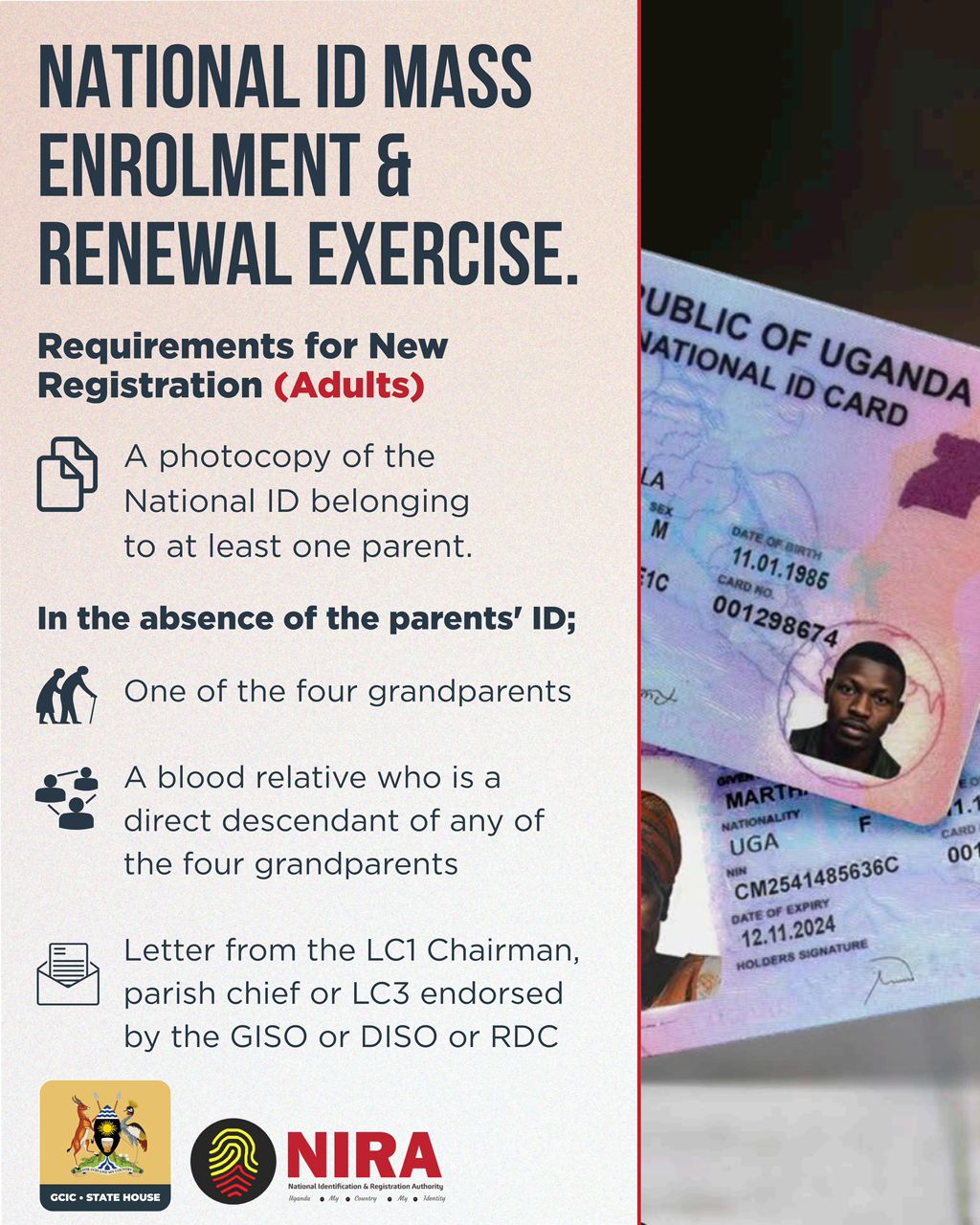
People want their IDs. They’ve waited for years to replace lost ones. Others, turning 18, are finally eligible for the first time. Parents are bringing children. Elders are arriving wrapped in shawls, leaning on sticks. The crowds are swelling, and in that chaos, new opportunities — and problems — have emerged.
The High-Tech Promise Behind the New IDs
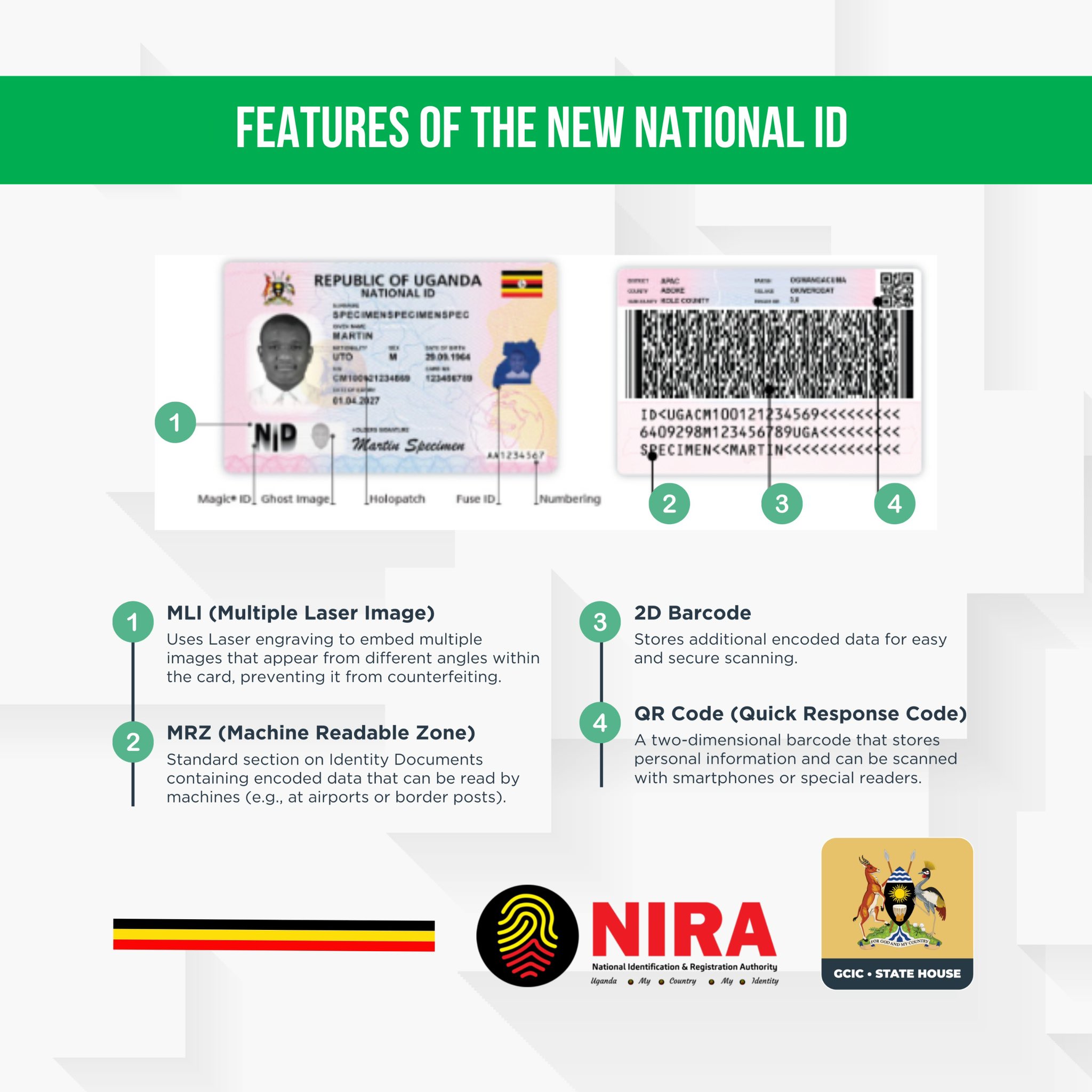
According to government sources, the new National IDs will be biometrically stronger, with improved security features. The ID production systems are using modern technology that’s expected to speed up delivery and reduce errors.
But while the machines in Kampala may be high-end, what many Ugandans see is still long queues, missing forms, and the same old frustrations.
Why Renewing Before 2026 Is Not Optional
This isn’t just about having a plastic card.
The 2026 general elections are approaching fast. Without a valid ID, you won’t vote. You may also face issues with mobile money registration, opening bank accounts, or accessing government programs.
Even though the government extended the validity of old IDs inside Uganda, the story is different for those traveling or living abroad. Outside Uganda, expired IDs are meaningless. Many Ugandans working overseas or applying for visas are now stuck in limbo.
That’s why there’s urgency — and tension — in this renewal drive. And that’s also where the system is being stretched.
How the System Is Being Exploited
Let’s talk about what’s actually happening out there — not in press releases, but in real parishes.
People are photocopying the official renewal forms and selling them to others. These forms are supposed to be free, but suddenly, you can find them for sale at UGX 1,000 to 5,000 — sometimes even more.
Internet cafes have turned the online pre-registration system into a business. For many who can’t access or navigate the online forms, cafes have stepped in. They offer to fill in your details — for a fee. Some charge UGX 5,000, others go higher depending on how desperate the client is or how fast they want it done.
Then there’s the LC1 leadership.
In some areas, LC1s — whose endorsement or signature may be needed for certain applications — have turned this requirement into a side hustle. Stories abound of leaders charging for their signature, or outright selling blank forms to residents. Some locals report being asked for UGX 10,000 to 20,000, simply to get what should be a free service.
None of this is officially sanctioned. But it’s happening. Everywhere.
Overwhelmed Registration Assistants — and Unpaid Promises
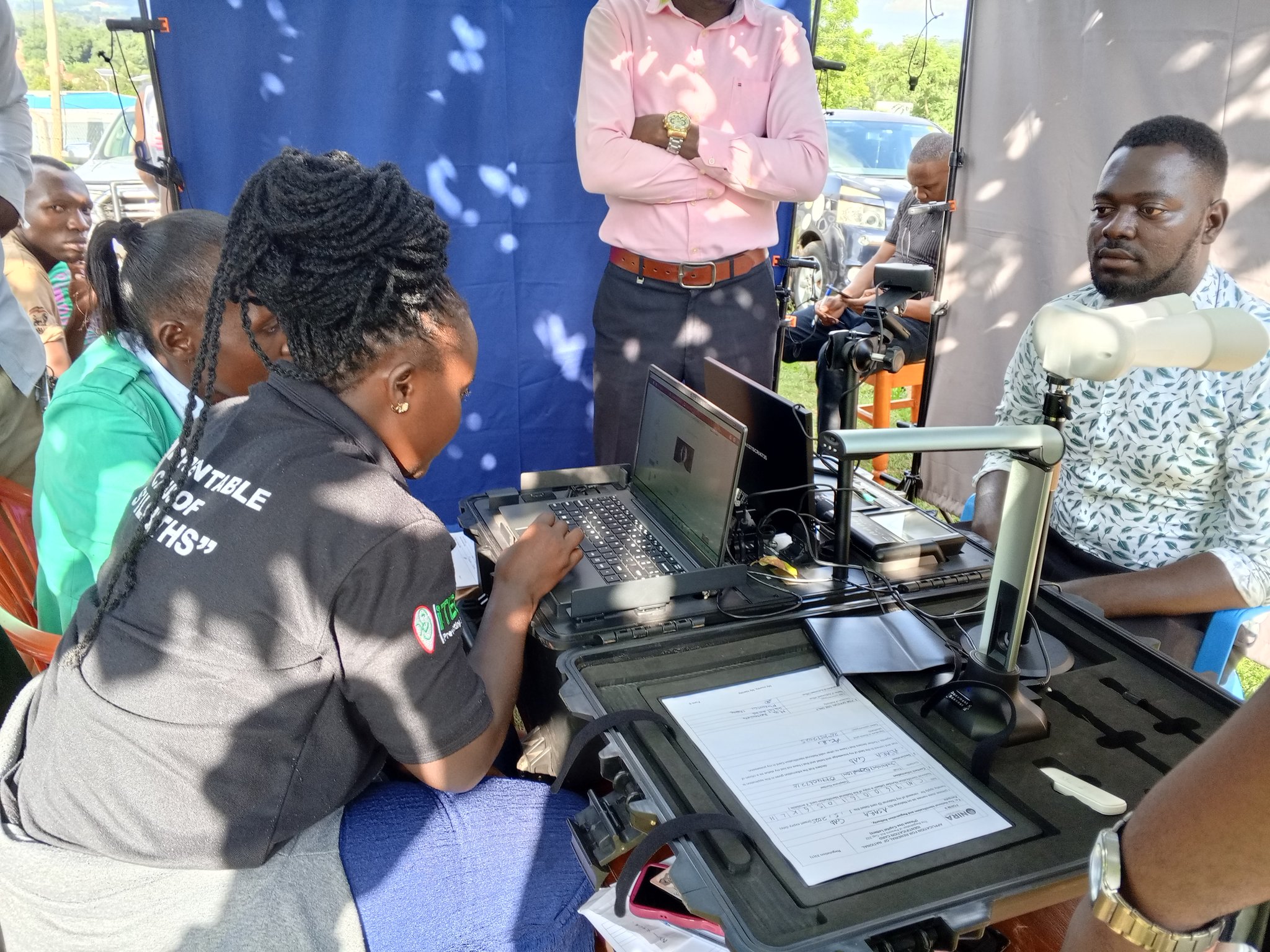
Behind the desks, in the sun, working 12-hour days, are the registration assistants.
Most of them are young people, trained briefly and deployed with laptops and fingerprint scanners. Their job is thankless. The queues are long, the sun relentless, and the complaints never end. Some of them are juggling hundreds of people per day.
And worse — many of them say they haven’t been paid. They’ve been promised payment “after the exercise”, but that date keeps shifting. Some are still working without contracts or formal terms. They’re surviving on personal grit, hope, and the generosity of the communities they serve.
Citizens Flocking, Waiting, Hoping
Despite everything — the heat, the delays, the confusion — Ugandans are showing up.
They’re coming with chairs, jerrycans of water, babies on their backs. Some line up as early as 5 a.m. Others wait all day and return the next, determined not to miss this moment.
For some, it’s more than just a renewal. It’s a declaration: I belong here. I exist.
Some young people who turned 18 during the COVID-19 pandemic are finally getting registered for the first time. Others have been without an ID for years, unable to replace the lost one due to backlog or bureaucracy.
In their eyes, this isn’t just a document. It’s proof of identity, of adulthood, of rights.
When It Started — and When It Might End
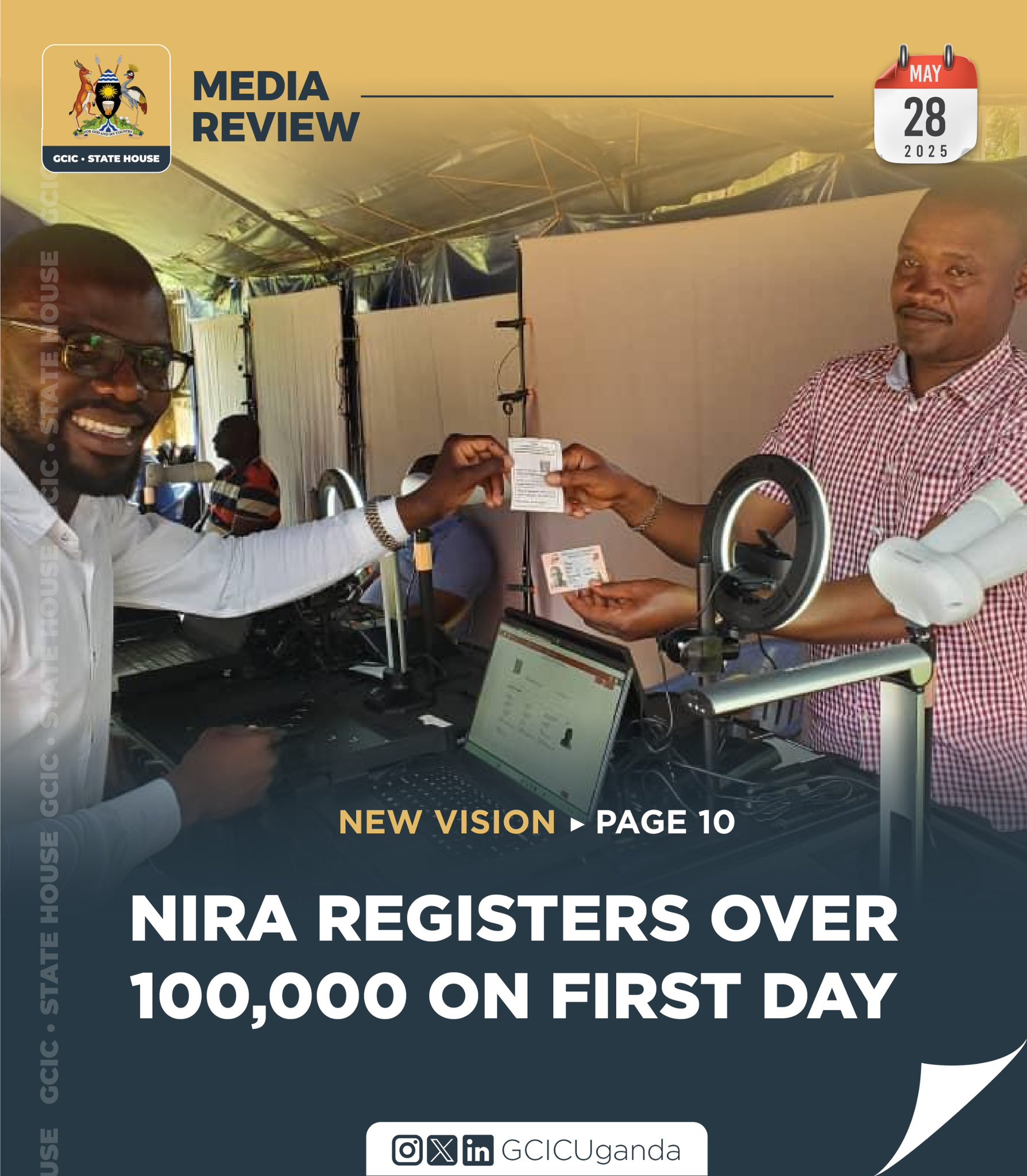
This mass registration and renewal campaign began nationwide in May 2025, after a pilot exercise earlier in the month. Officially, it’s expected to run for six months, but the government has said it may extend to ten months if necessary.
But with the 2026 elections drawing closer, and millions yet to register or renew, the pressure is on.
Final Word: A Moment of Truth for Uganda’s ID System
This renewal drive is more than a logistical operation. It’s a mirror — one showing both the resilience and the rot in our systems.
Yes, Ugandans are coming out in record numbers. Yes, some registration assistants are doing heroic work under miserable conditions. And yes, the government has invested in better technology and decentralization.
But the abuse, the unregulated fees, the unpaid labor, and the informal chaos around the process are just as real.
For Uganda, this is a defining moment.
Will the country rise to meet the challenge, or will bureaucracy and opportunism drown out the good intentions? Time — and the coming months — will tell.