
Table of Contents
When was Xiaomi 17 launched?
The Xiaomi 17 series launch event, streamed live at 7 PM Beijing time (11 AM UTC), 25 September 2025, was a masterclass in audacious showmanship. CEO Lei Jun took the stage in a dimly lit auditorium pulsing with neon accents, flanked by massive LED walls displaying swirling animations of silicon wafers morphing into sleek glass slabs. “We’ve been watching the competition play it safe for years,” he declared, his voice booming through the hall, “but today, Xiaomi 17 isn’t just catching up—it’s lapping the field.”
The crowd erupted as prototypes of the Xiaomi 17, 17 Pro, and 17 Pro Max were revealed under spotlights, their rear panels glowing with an otherworldly secondary display that seemed to defy physics. Social media lit up instantly; Xiaomi’s official X account (@Xiaomi) posted a teaser video at midnight UTC, captioned: “Two screens. One revolution. #Xiaomi17 – because why settle for front-facing when the future’s on your back?” By morning, the hashtag had amassed over 2 million impressions, with users sharing fan renders and memes pitting the rear screen against Apple’s notch. Lei Jun followed up with a thread detailing “five unbreakable promises”: unparalleled battery life, Leica-tuned optics that “see like the human eye but sharper,” a chipset that “crushes AI tasks like they’re yesterday’s news,” a display ecosystem that “turns your phone into a portable cinema—front and back,” and pricing that starts at ¥4,499 (about $620 USD or 16,133,594 in Uganda Shilling) for the base model, undercutting rivals by a third. It wasn’t just hype; demo videos showed the 17 Pro Max enduring 48 hours of mixed use on a single charge, while a side-by-side with an iPhone 16 Pro Max flickered out after 24. Xiaomi’s global VP, Manu Kumar Jain, chimed in via X: “This isn’t incremental. It’s the phone that makes you forget you ever needed a tablet or a smartwatch.”
The event wrapped with a surprise: pre-orders opened immediately in China, with global teases hinting at a MWC 2026 rollout. In a post-launch blog on mi.com, Xiaomi emphasized their “human-centric innovation,” quoting internal R&D leads who spent 18 months iterating on the rear display alone, inspired by “the frustration of fumbling for notifications during workouts.” As the dust settles just two days post-unveil (with full sales kicking off today, September 27 at 10 AM local time), the Xiaomi 17 series isn’t just a product—it’s a provocation, daring the world to rethink what a phone can be.

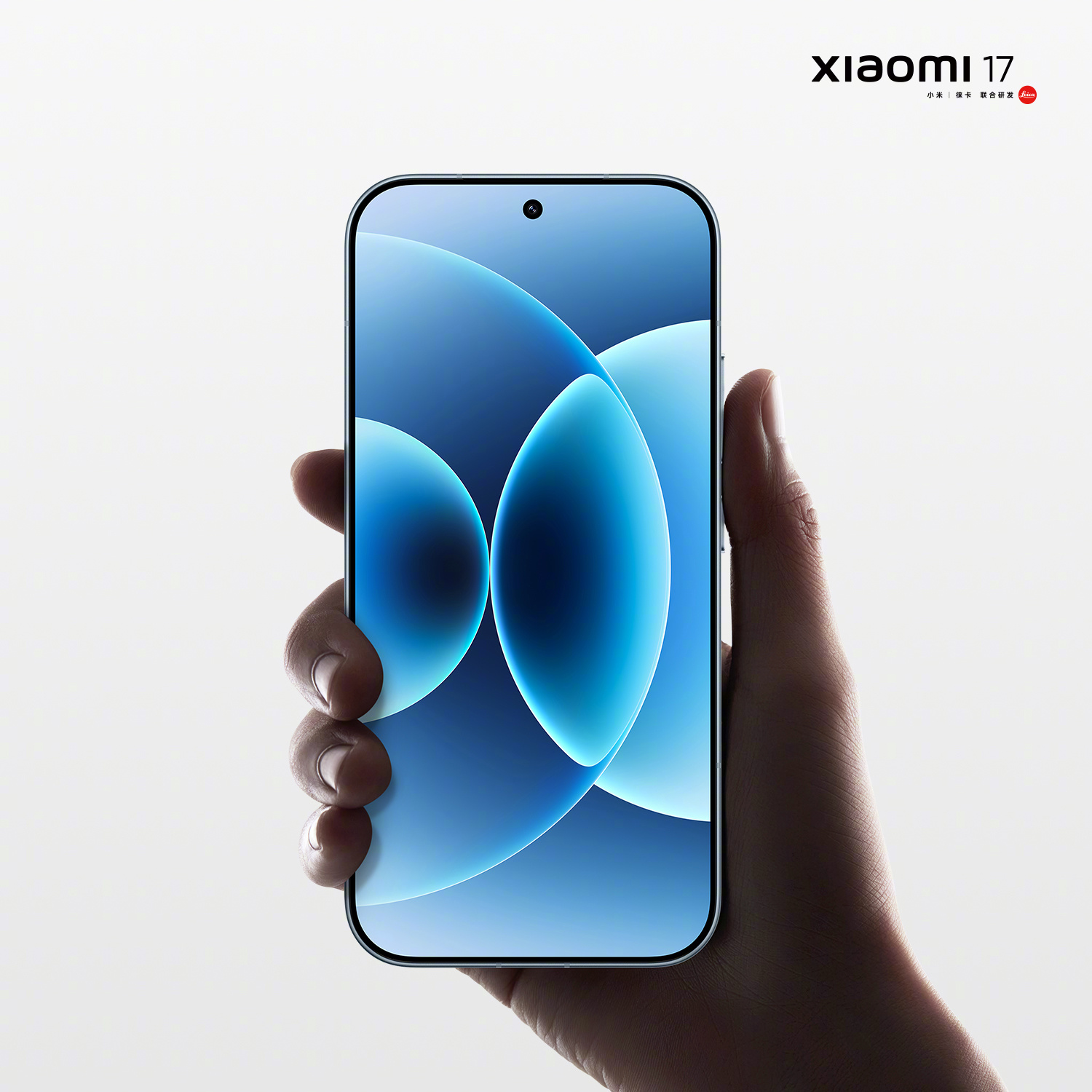
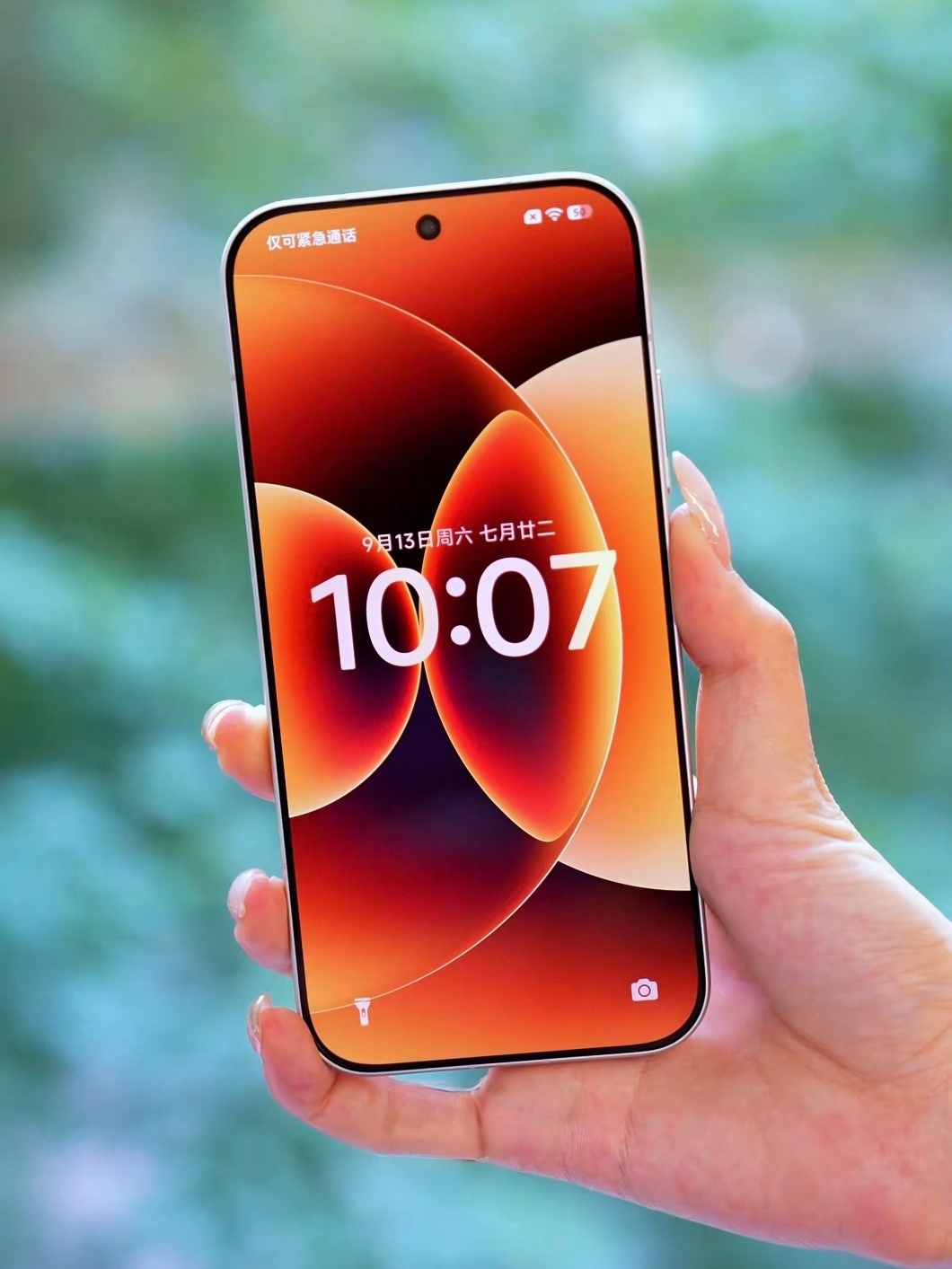
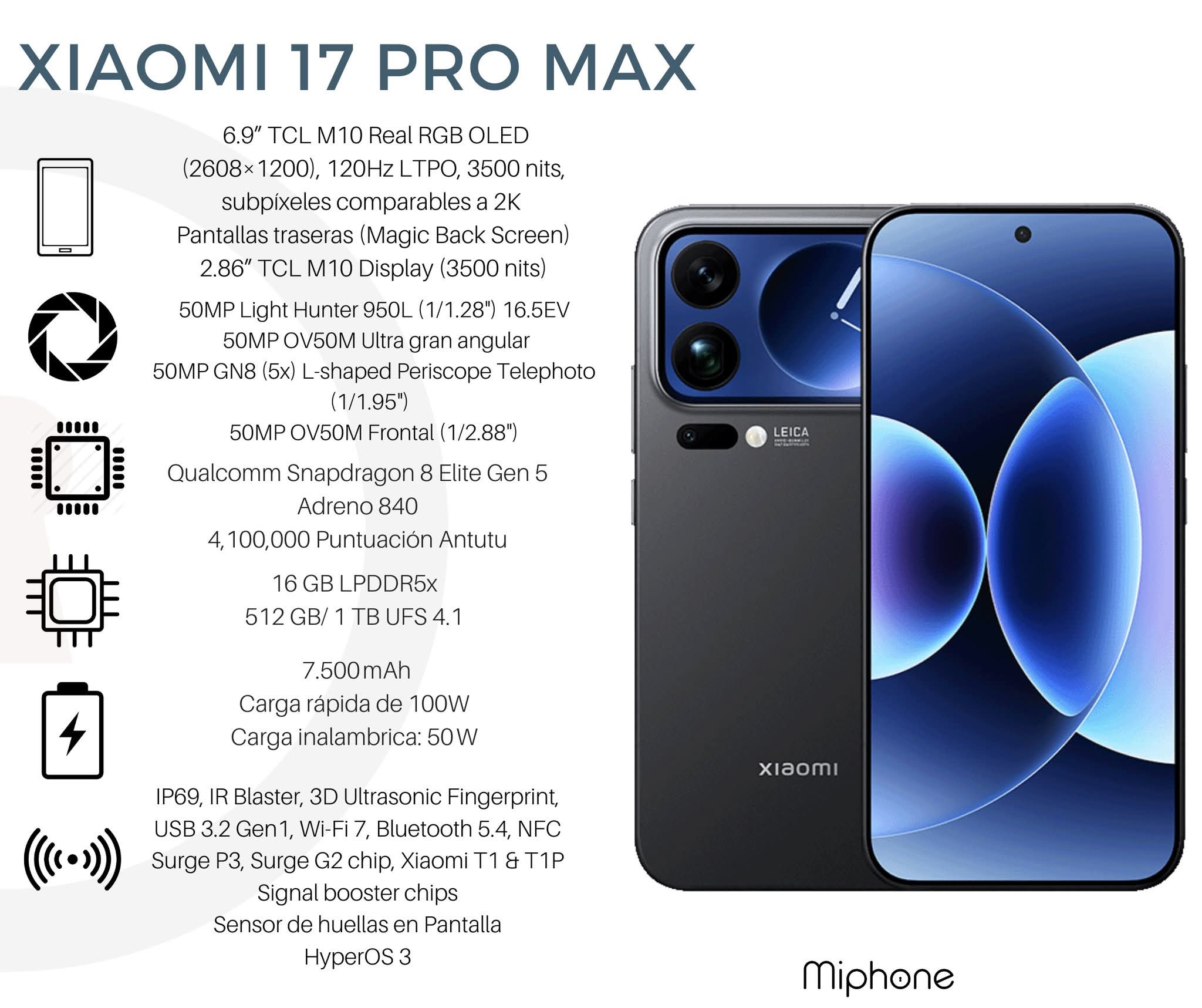
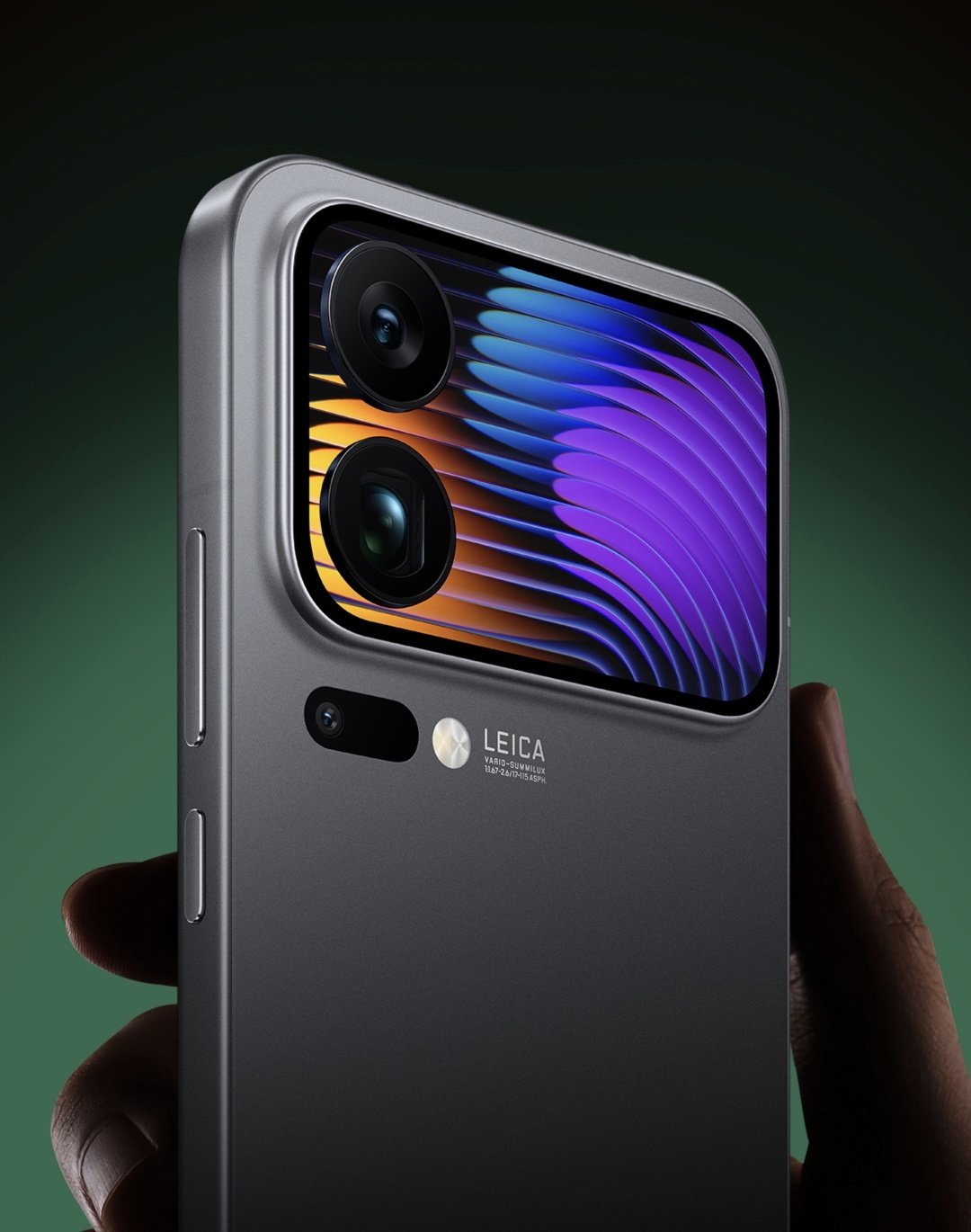
Full Xiaomi 17 Core Specifications Explained
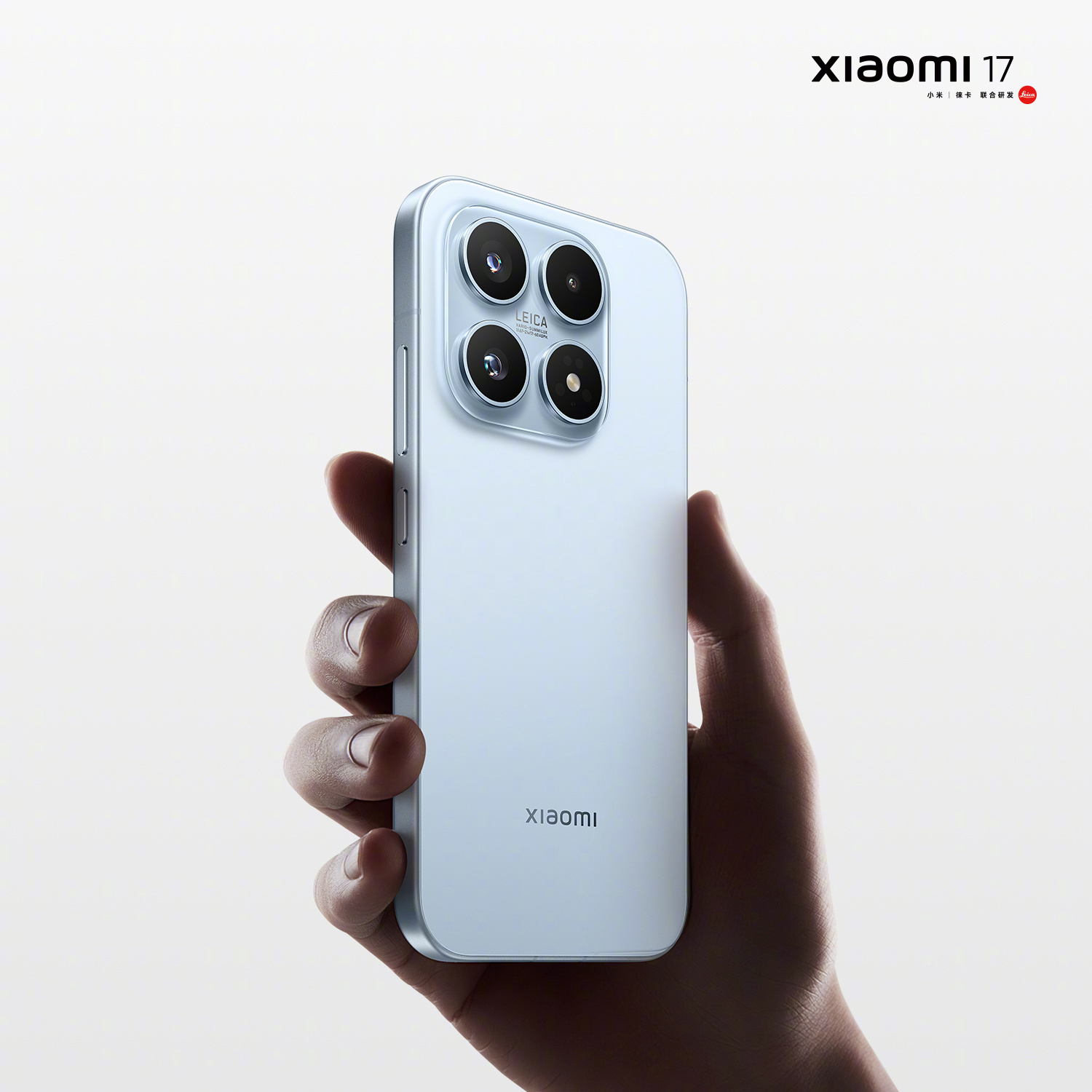
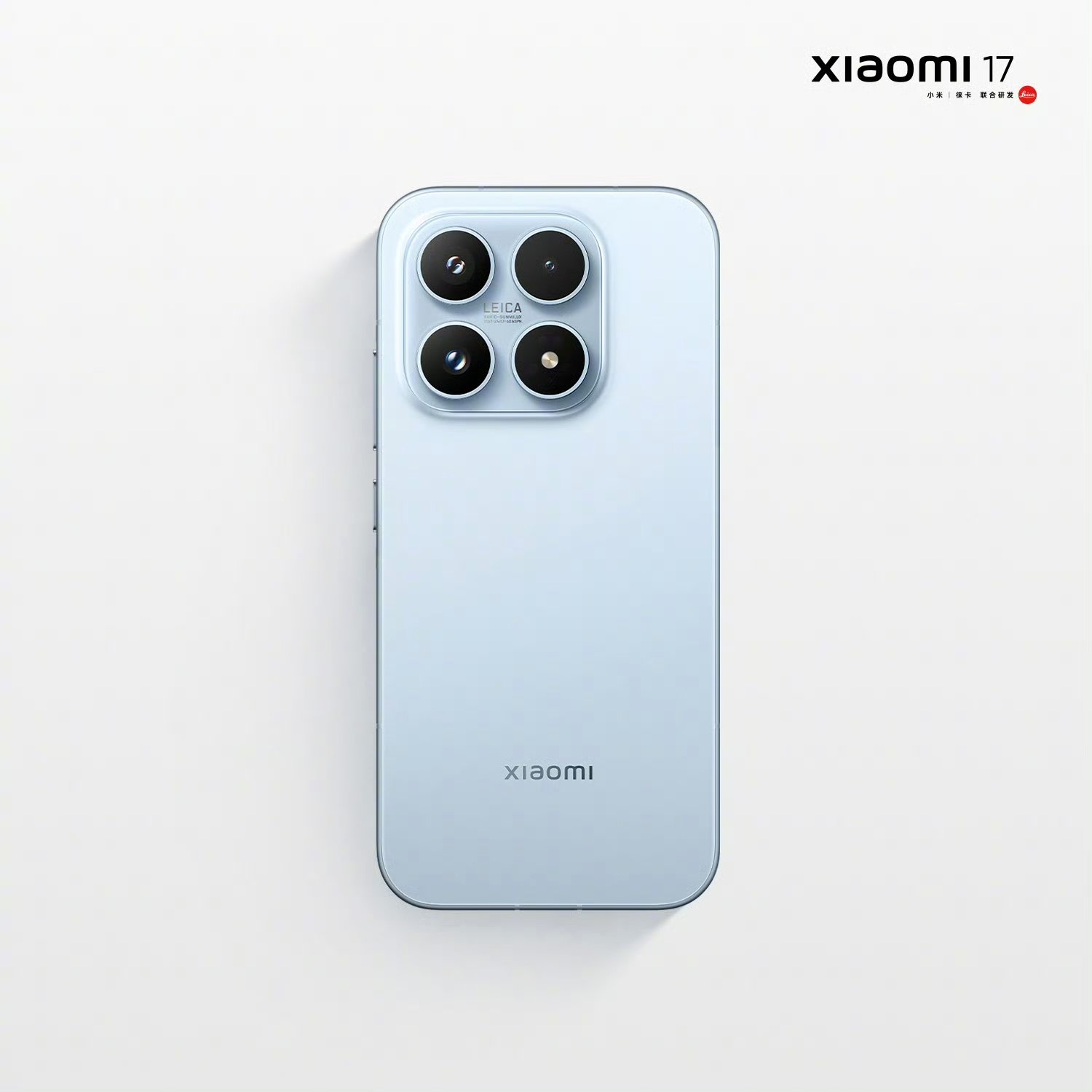
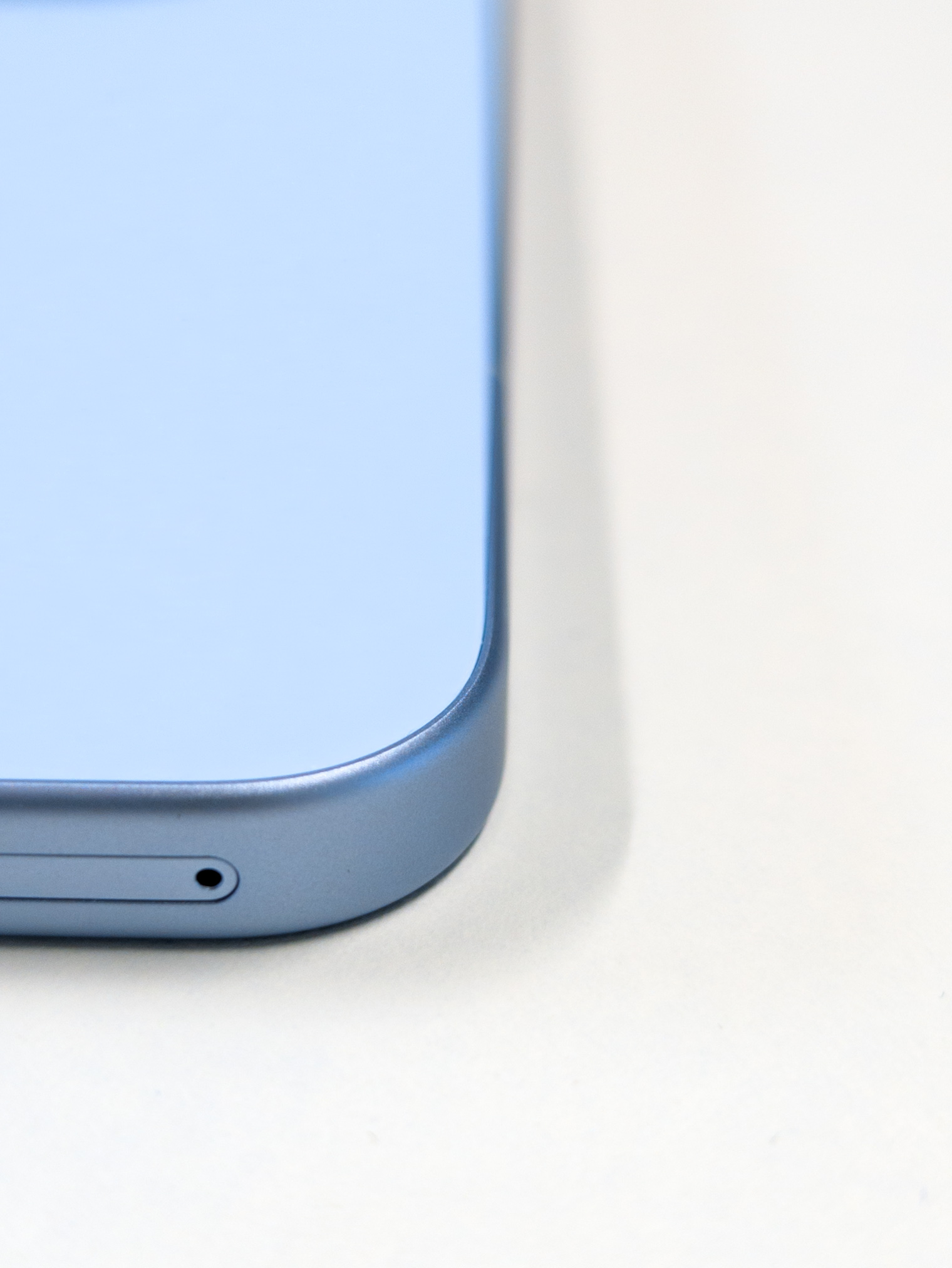
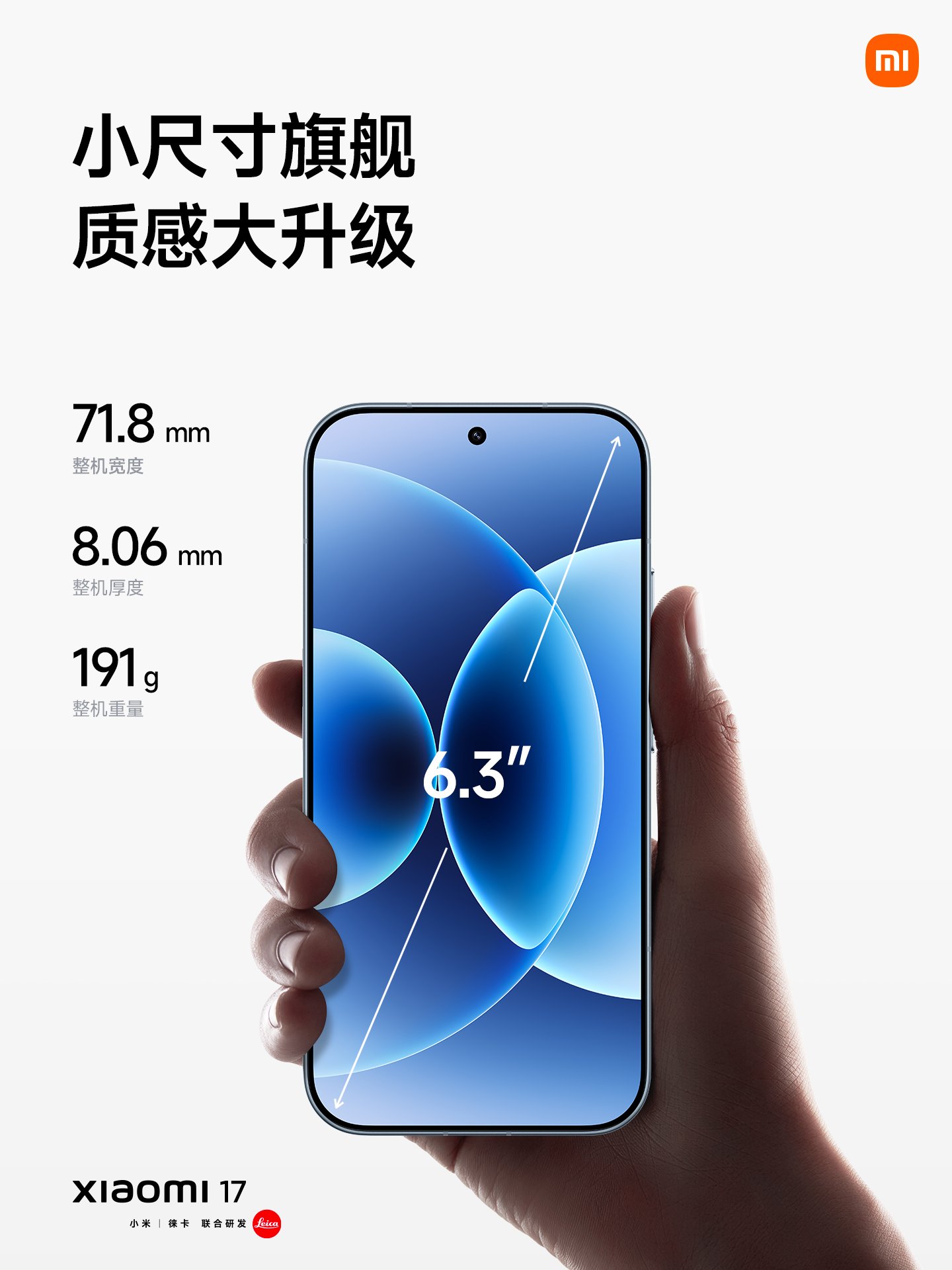
To truly appreciate the seismic shift Xiaomi has engineered, let’s dissect the specifications that make the Xiaomi 17 and its crown jewel, the 17 Pro Max, ticking time bombs of technological excess. Starting with the base Xiaomi 17—a compact powerhouse disguised as an everyday device. This 6.3-inch slab measures in at a featherlight 191 grams and just 8.06mm thick, with a unibody aluminum frame wrapped in Dragon Crystal Glass 3.0 on the front for drop-proof resilience.
Here’s a closer look at its key components:
- Processor and Performance: The heart is Qualcomm’s bleeding-edge Snapdragon 8 Elite Gen 5, fabricated on a 3nm process with an octa-core CPU clocking up to 4.61 GHz on its prime cores, paired with an Adreno 830 GPU that’s 40% faster than its predecessor in ray-tracing workloads. This setup ensures smooth handling of demanding tasks like gaming or video editing without lag.
- Memory and Storage: Up to 16GB of LPDDR5X RAM and 1TB UFS 4.1 storage, ensuring buttery multitasking—think editing 8K videos while running AI upscaling in the background without a stutter. This means you can switch between apps seamlessly, even with heavy loads.
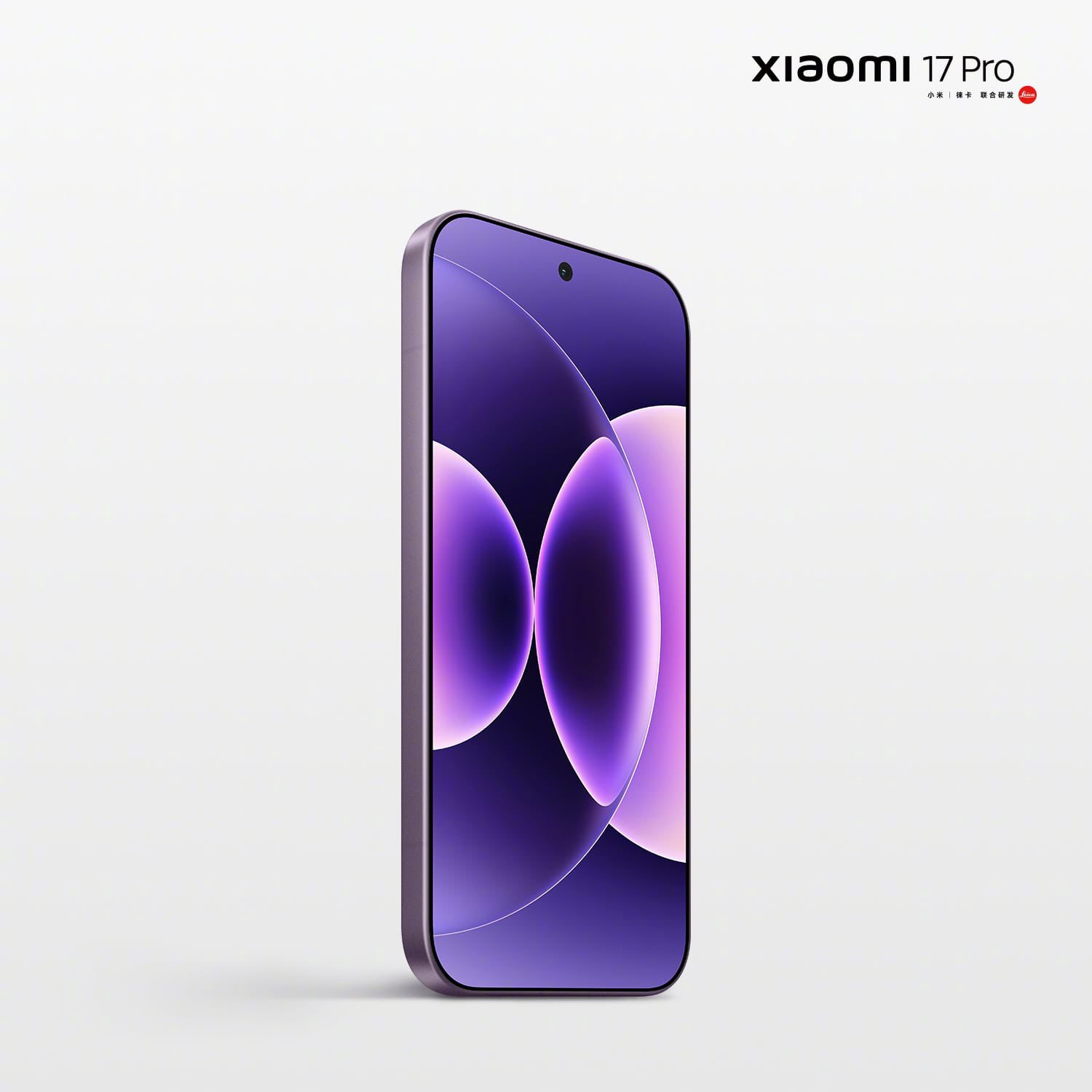
- Display: The display is a TCL-sourced LTPO OLED panel at 1.5K resolution (2656 x 1220), supporting 120Hz adaptive refresh rates, 300Hz touch sampling for gaming precision, and a peak brightness of 3,500 nits that pierces direct sunlight like a laser. HDR10+ and Dolby Vision are standard, with Xiaomi’s proprietary “HyperVision” mode dynamically adjusting color saturation based on ambient light for that “pop” in photos and streams. In simple terms, this screen looks vibrant and responsive whether you’re outdoors or binge-watching indoors.
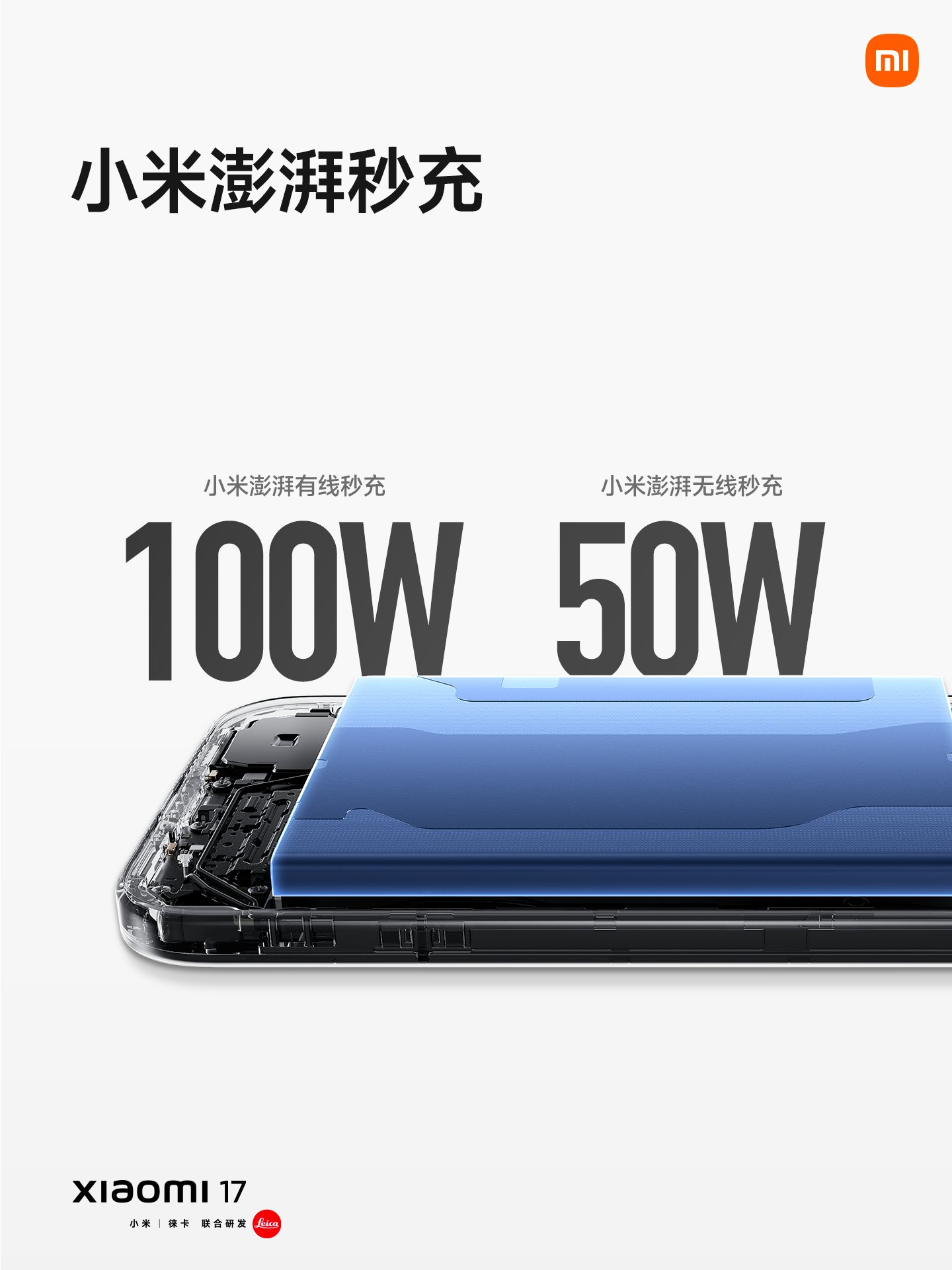
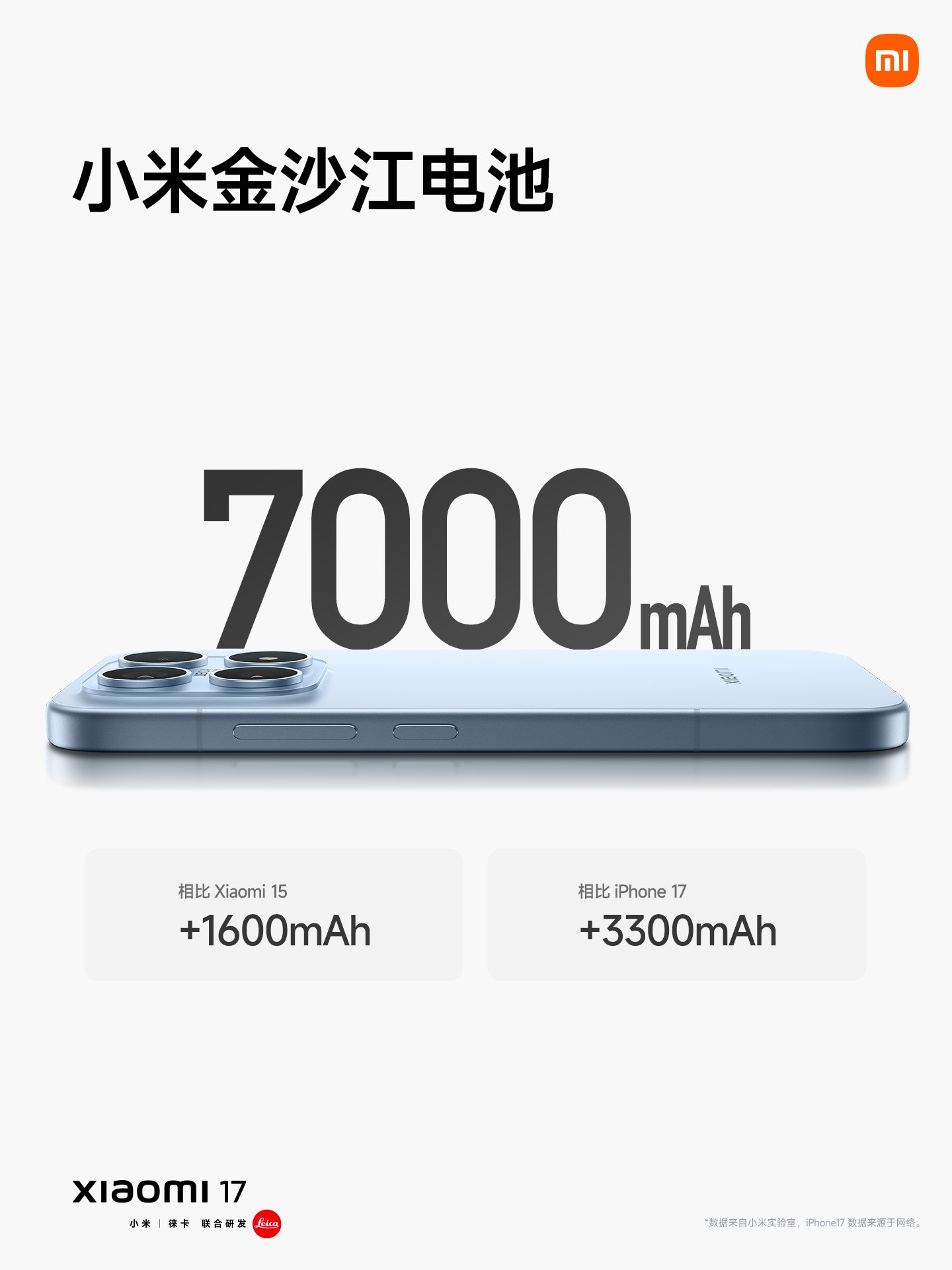
- Battery and Charging: Battery life? Here’s where Xiaomi flexes hardest: a monstrous 7,000mAh silicon-carbon cell that promises two full days of heavy use, backed by 100W wired HyperCharge (0-100% in 25 minutes) and 50W wireless MagCharge, complete with a built-in cooling system to prevent thermal throttling. No more waiting around for your phone to juice up—it’s ready when you are.
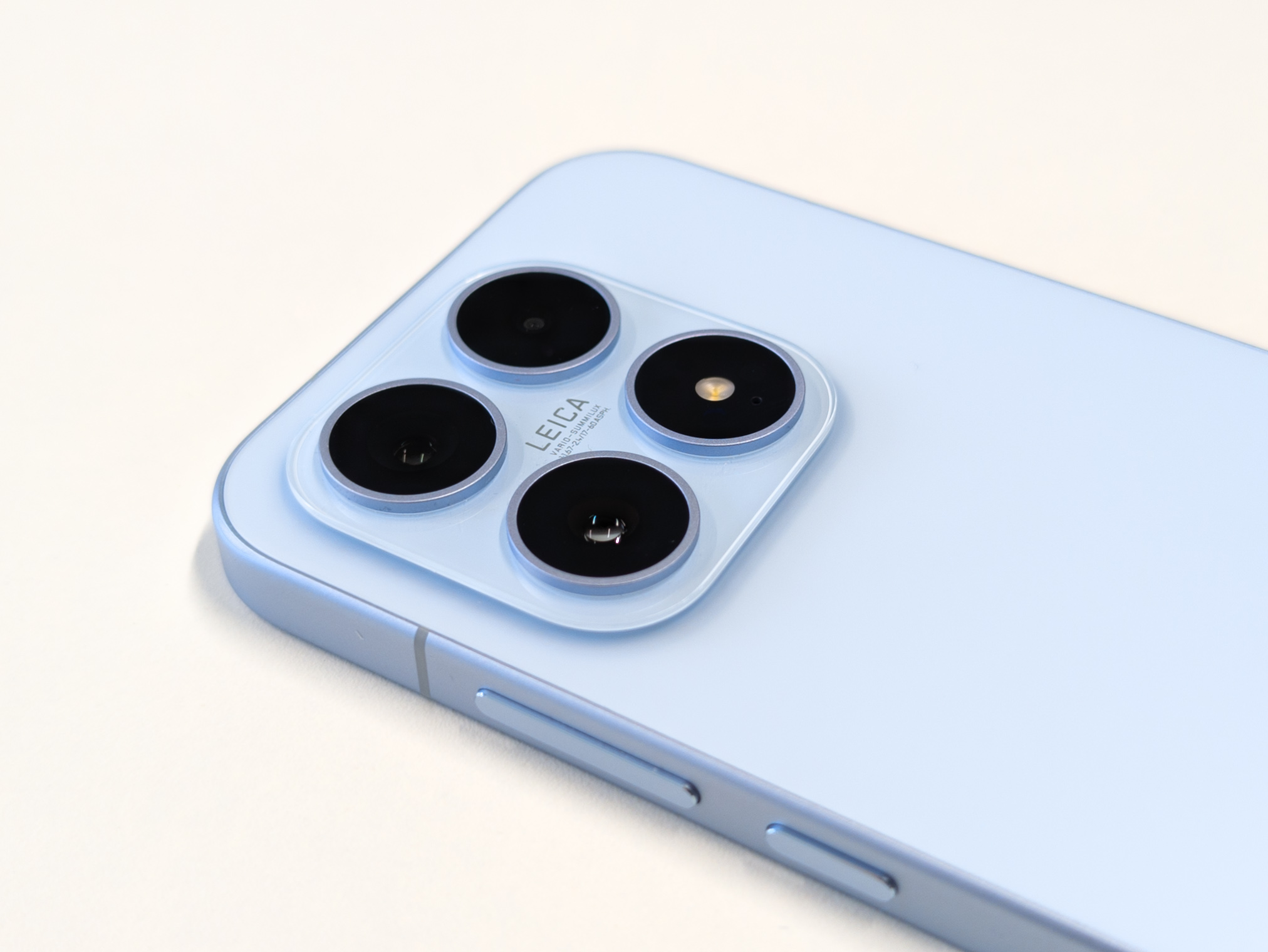
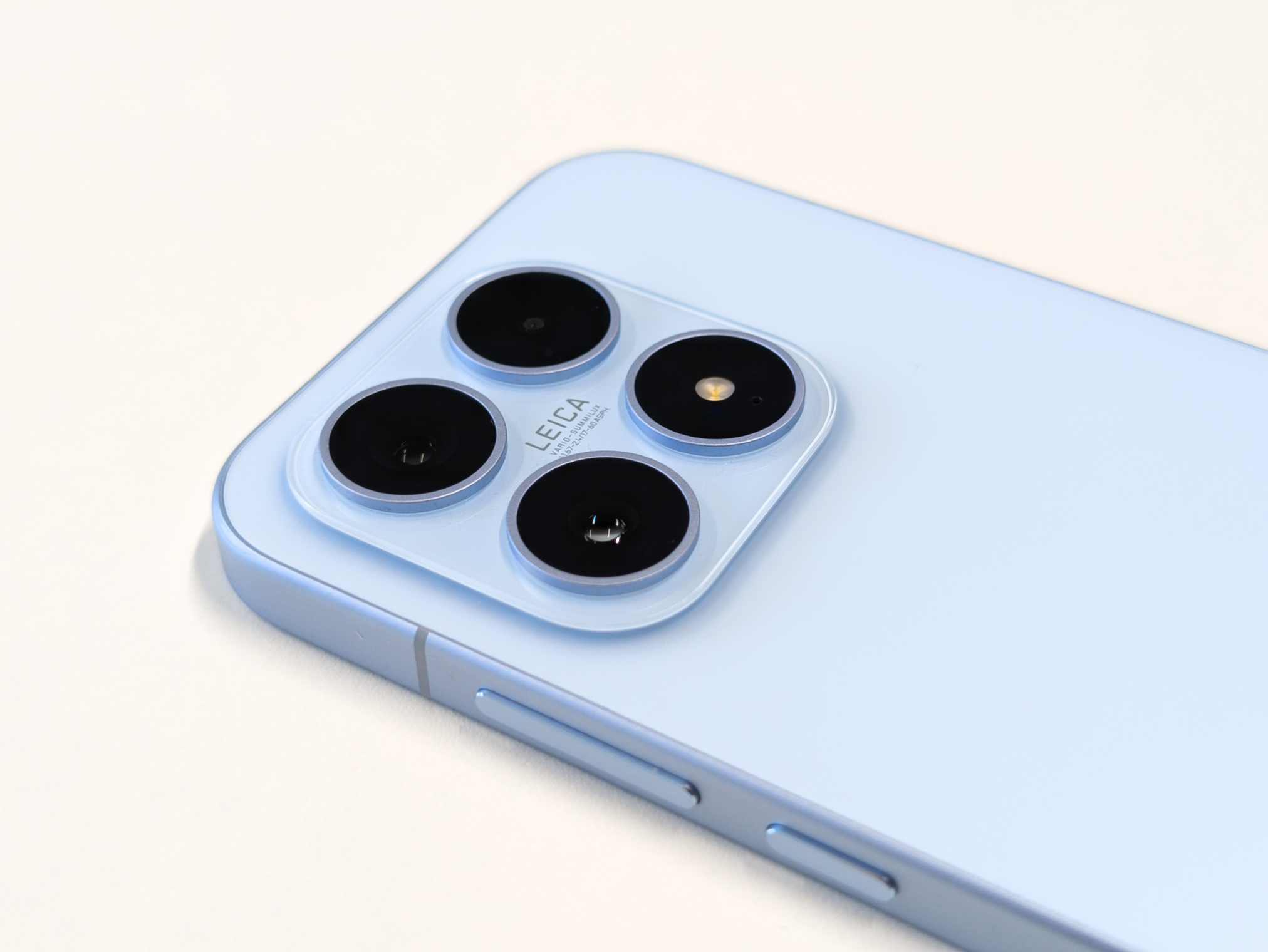
- Cameras: Cameras, co-engineered with Leica, form a triple 50MP array: a Light Hunter 950 main sensor with f/1.67 aperture and OIS for low-light wizardry, a 50MP ultrawide with 120° field of view, and a 50MP telephoto offering 3.5x optical zoom—all processed by a dedicated imaging ISP that delivers Leica Vibrant or Authentic color profiles. The selfie shooter is a punch-hole 50MP unit with AI beauty modes that adapt to skin tones in real-time. These lenses capture sharp, professional-grade shots, from wide landscapes to zoomed-in details.
- Connectivity and Security: Connectivity is future-proofed with Wi-Fi 7, Bluetooth 6.0, NFC, and an under-display ultrasonic fingerprint scanner that’s 30% faster than optical rivals. This keeps you connected quickly and securely.
- Software and Pricing: Running HyperOS 2.0 on Android 15 out of the box, it includes Xiaomi’s AI suite for on-device transcription, photo editing, and even predictive battery management. Priced from ¥4,499, it’s the gateway drug to Xiaomi’s ecosystem. Overall, this base model balances power and portability for everyday users.
What is embedded in Xiaomi 17 hardware?
To fully grasp why the Xiaomi 17 feels like a leap forward in mobile engineering, we need to peel back the layers of its hardware ecosystem, where every component is meticulously optimized for synergy rather than isolated brilliance. At the silicon level, the Snapdragon 8 Elite Gen 5 isn’t just a chipset—it’s a architectural tour de force. Built on TSMC’s second-generation 3nm N3E process node, it packs 19 billion transistors into a die area that’s 15% smaller than the previous gen, enabling denser packing without sacrificing efficiency.
The CPU configuration—two prime Oryon cores at 4.61GHz for bursty tasks like app launches, six performance cores at 3.8GHz for sustained workloads, and efficiency cores humming at 2.5GHz—delivers a 45% uplift in multi-threaded performance over the Snapdragon 8 Gen 3, as measured in Xiaomi’s internal SPECint tests. But the real magic is in the GPU: the Adreno 830 supports hardware-accelerated mesh shading and variable rate shading, slashing power draw by 30% during complex scenes in games like Cyberpunk 2077 Mobile Edition. Paired with Xiaomi’s custom 4,200mm² graphite vapor chamber (a 20% expansion from the 14 series), it dissipates heat 25% more effectively, keeping surface temps under 42°C even after 90 minutes of 120FPS gaming—far cooler than rivals that throttle after 45 minutes.
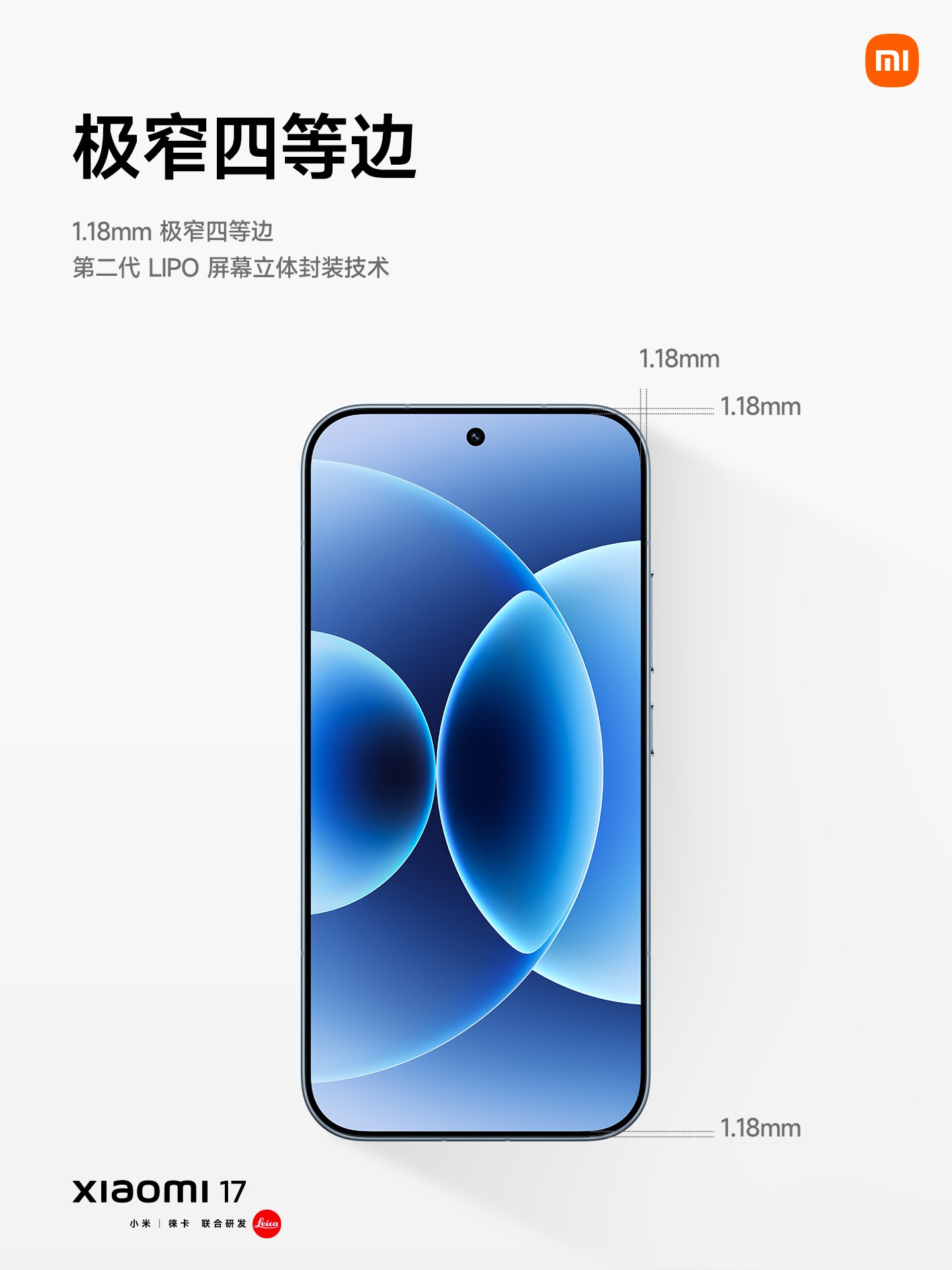
Diving deeper into the display hardware, the 6.3-inch LTPO OLED from TCL CSOT isn’t your standard panel; it’s a tandem-stack design with two emissive layers for true blacks and 20% higher efficiency, achieving a Delta-E color accuracy of under 1 in lab conditions. The LTPO 4.0 backplane allows refresh rates to dip to 1Hz for static content, saving up to 18% battery over fixed 60Hz panels, while the 300Hz touch sampling—bolstered by ultrasonic haptics that vibrate at 1,000Hz for precise feedback—makes it a gamer’s dream, registering inputs with 0.8ms latency. Bezels are a razor-thin 1.18mm, enabled by microLED edge-lit under-display tech that minimizes light bleed, and the Dragon Crystal Glass 3.0 front cover uses a nano-ceramic infusion for 2.5x shatter resistance over Gorilla Glass Victus, surviving 1.5m drops onto concrete in 360-degree tests.
The battery subsystem is where hardware innovation borders on audacity: the 7,000mAh silicon-carbon anode cell—Xiaomi’s first in a compact form factor—expands capacity by 25% without increasing volume, thanks to silicon nanowires that prevent dendrite formation and maintain 85% health after 1,200 cycles. The HyperCharge controller, a bespoke IC from Xiaomi’s labs, orchestrates 100W GaN-based wired charging with real-time voltage modulation to cap heat at 38°C, while the 50W MagCharge coil array supports Qi2 positioning freedom up to 10mm off-center. Cooling here integrates a piezoelectric micro-fan in the chassis, spinning at 8,000 RPM only during peaks to whisper-quiet levels (under 25dB), extending charge times without fan noise complaints.
Cameras demand a hardware spotlight too: the Light Hunter 950 sensor, a 1/1.3-inch stacked CMOS from Sony, features dual-pixel phase detection with 0.8µm pixels that merge into 1.6µm bins for 12.5 stops of dynamic range—enough to pull details from shadows without blowing highlights in HDR merges. The variable f/1.67-f/2.0 aperture diaphragm, mechanically iris-like, adjusts in 0.1 stops via voice coil actuators for depth simulation in portraits. The ultrawide’s 120° Samsung ISOCELL lens incorporates freeform optics to curb barrel distortion to under 2%, and the telephoto’s 3.5x periscope uses a liquid lens element for autofocus down to 10cm macros. All feed into a Spectra ISP Gen 3 co-processor with 18-bit pipelines for zero-shutter-lag bursts at 30fps.
Connectivity hardware rounds out the prowess: the X80 5G modem hits 10Gbps downlink with sub-6GHz and mmWave aggregation, while Wi-Fi 7’s 320MHz channels enable 5.8Gbps local transfers—perfect for AR streaming. The ultrasonic fingerprint sensor, embedded under the display via Qualcomm 3D Sonic Gen 3, scans 256×256 pixel arrays at 1.2mm depth, spoofing a mere 0.001% false acceptance rate. At 191g, the aluminum-titanium alloy frame (recycled 60% content) vibrates with dual X-axis linear motors for nuanced haptics: 128 patterns from subtle ticks to immersive rumbles. In essence, the Xiaomi 17’s hardware isn’t a checklist—it’s a symphony where each part amplifies the others, delivering a device that’s as efficient in a commute as it is epic in an edit session.
Xiaomi 17 Pro Max: Specifications for the Power Users
Now, elevate to the Xiaomi 17 Pro Max, where “excess” becomes an art form. This behemoth stretches to 6.9 inches of the same TCL LTPO OLED goodness, but with a resolution bump to 2.8K (3120 x 1440) and the same 120Hz/3,500 nits specs, plus an anti-reflective coating that makes it indistinguishable from paper under harsh lights.
Let’s break down what sets this model apart:
- Processor and Cooling: The Snapdragon 8 Elite Gen 5 is dialed up with a massive 4,637mm² vapor chamber for sustained gaming marathons—think Genshin Impact at max settings for hours without dipping below 55 FPS. This cooling tech keeps things running cool during long sessions.
- Memory and Storage Options: RAM tops at 16GB LPDDR5X, storage at 1TB UFS 4.1, but Xiaomi sweetens it with expandable microSD via a clever side tray (up to 2TB). Expandability means you won’t run out of space for photos, videos, or apps anytime soon.
- Battery and Charging Enhancements: The battery swells to an absurd 7,500mAh, the largest in any flagship, with the same 100W/50W charging duo and reverse wireless at 10W for juicing earbuds or watches. It’s like having a portable charger built right in.
- Advanced Camera System: Leica’s magic shines brighter here: the triple 50MP rear setup includes a 5x periscope telephoto with 50MP resolution for moonshots that rival dedicated cameras, an f/1.4 main with variable aperture for cinematic depth control, and the ultrawide now with macro capabilities down to 2cm. Front-facing? A 50MP under-display beast for notch-free selfies. These features let you experiment with photography like a pro, from extreme close-ups to distant subjects.
- Build and Durability: Add IP69 dust/water resistance (surviving 2m submersion for 30 minutes), stereo Dolby Atmos speakers tuned by Harman Kardon, and HyperOS features like “Screen Mirror” for seamless laptop integration. The audio is immersive, and the build withstands real-world adventures.
- Pricing: At ¥6,999 (around $970 USD), it’s not just specs—it’s a statement that big can be beautiful. This model is for those who want the absolute best without compromises.
What is special about the rare screen Xiaomi 17 Pro?
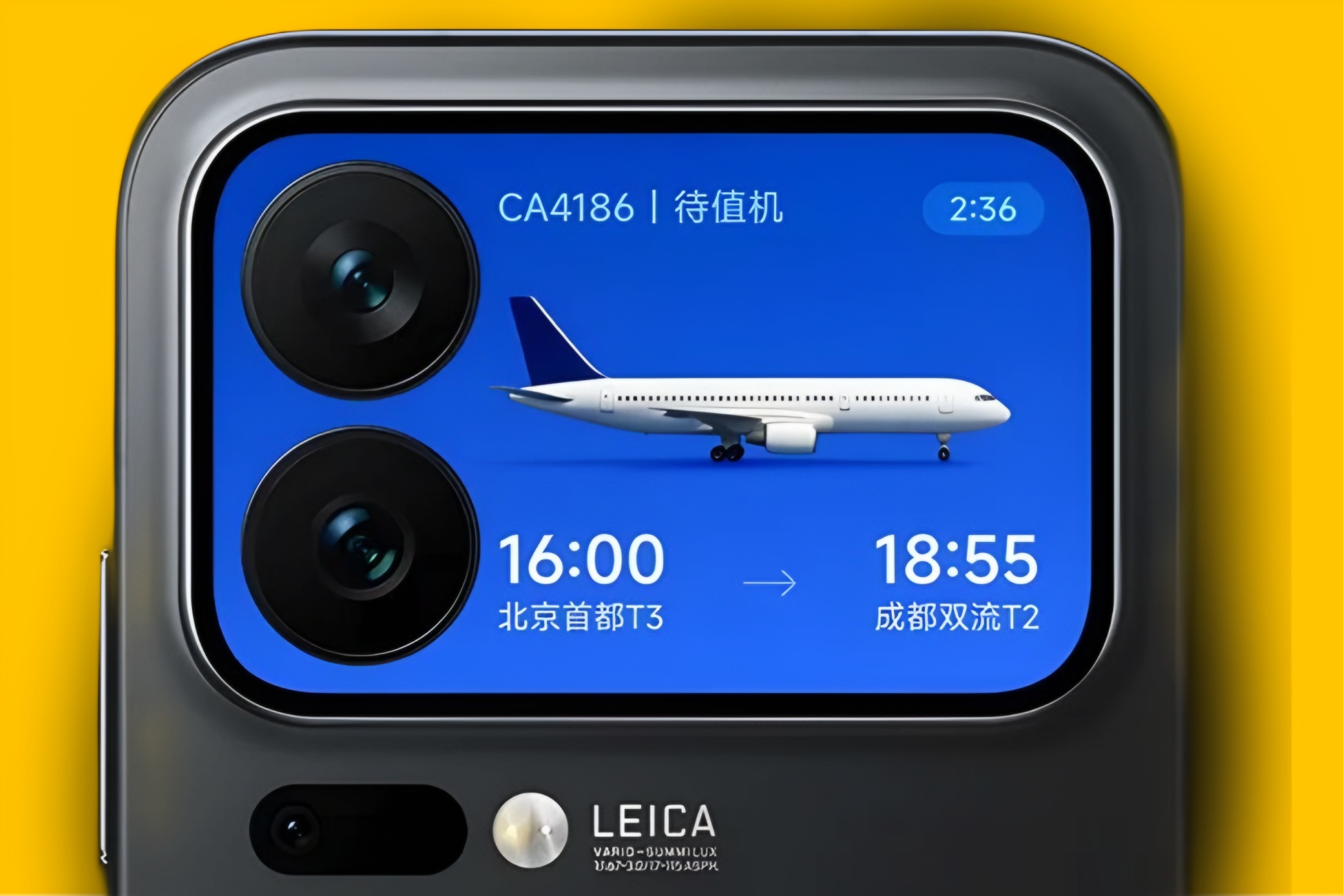
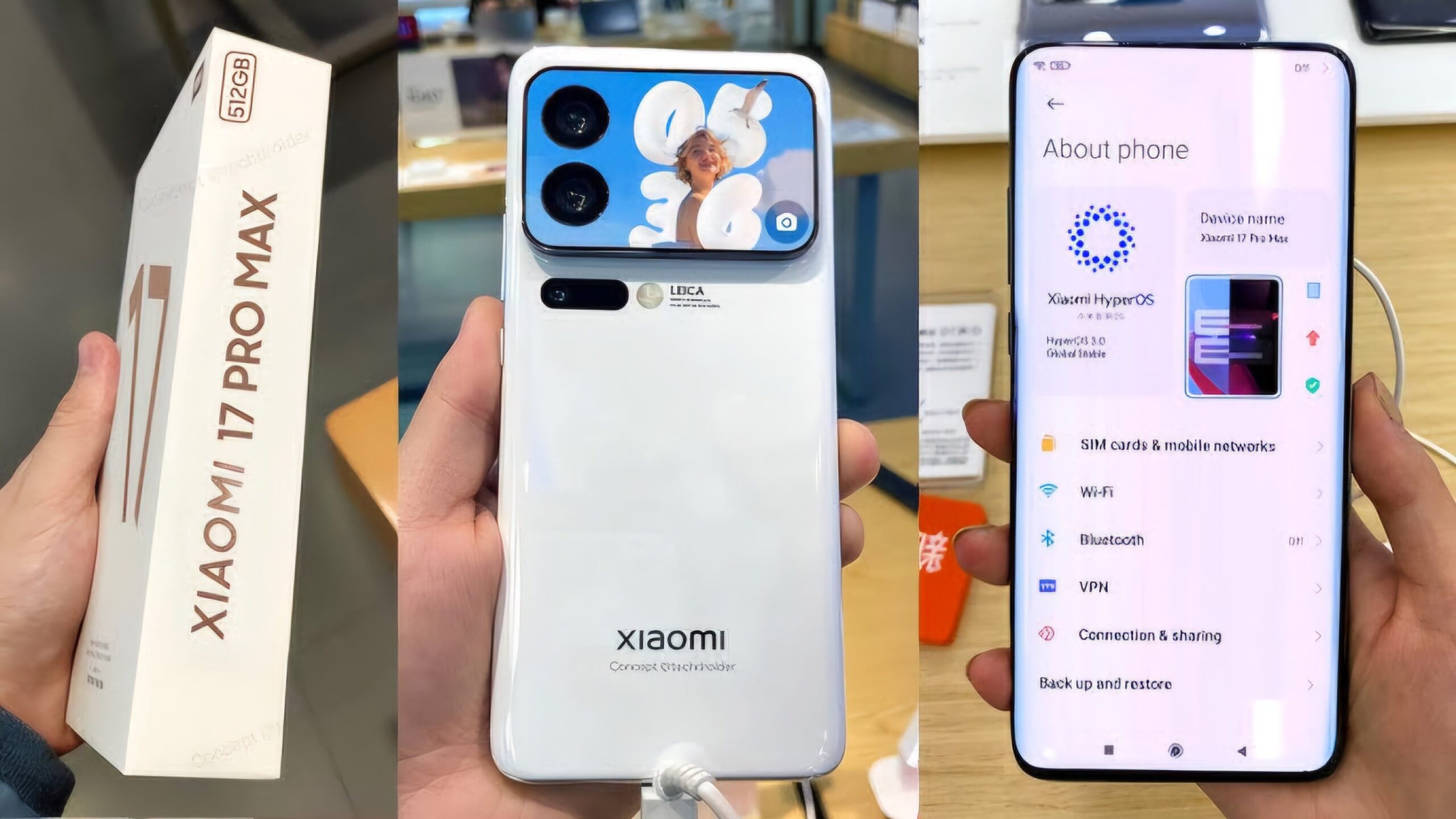
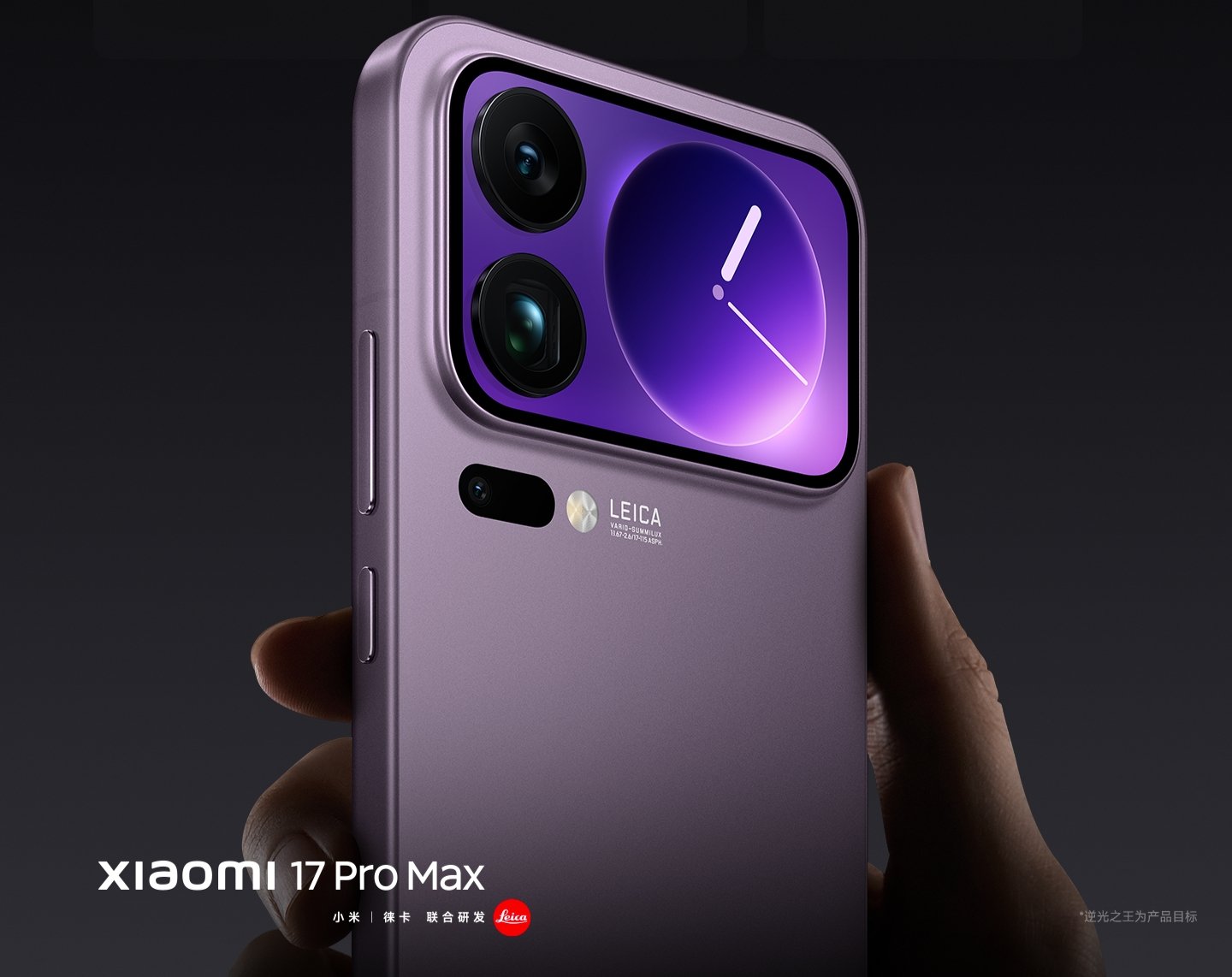
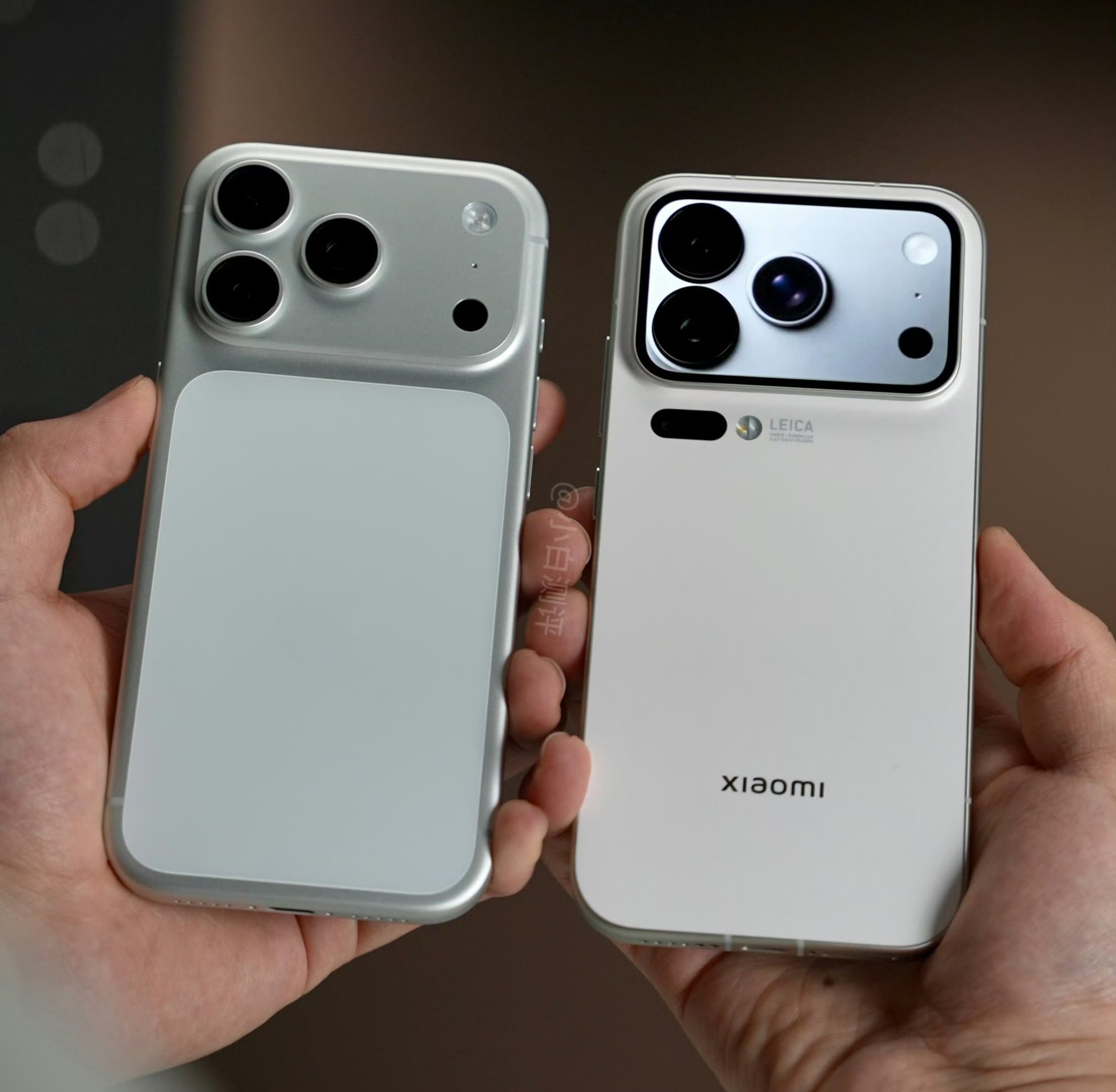
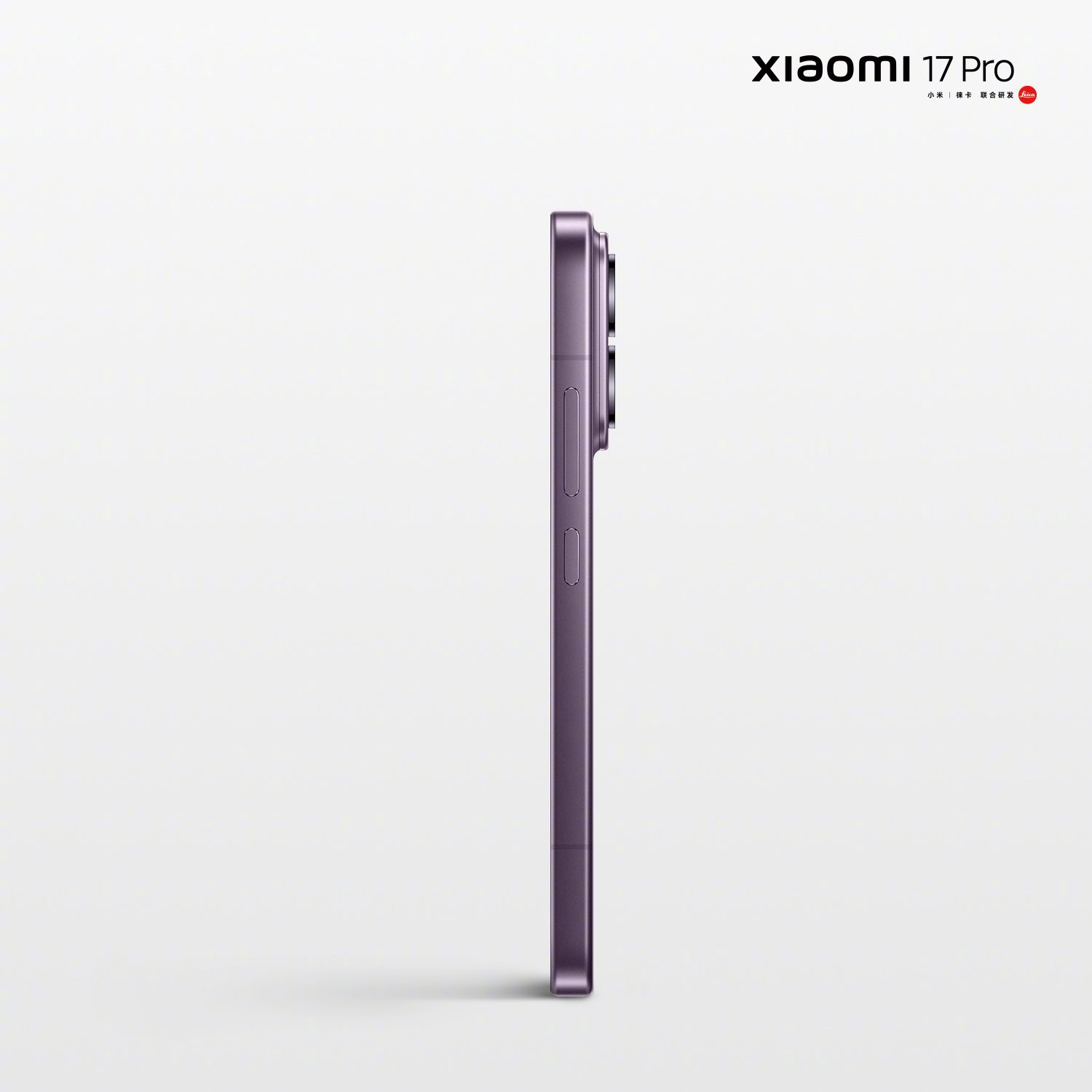
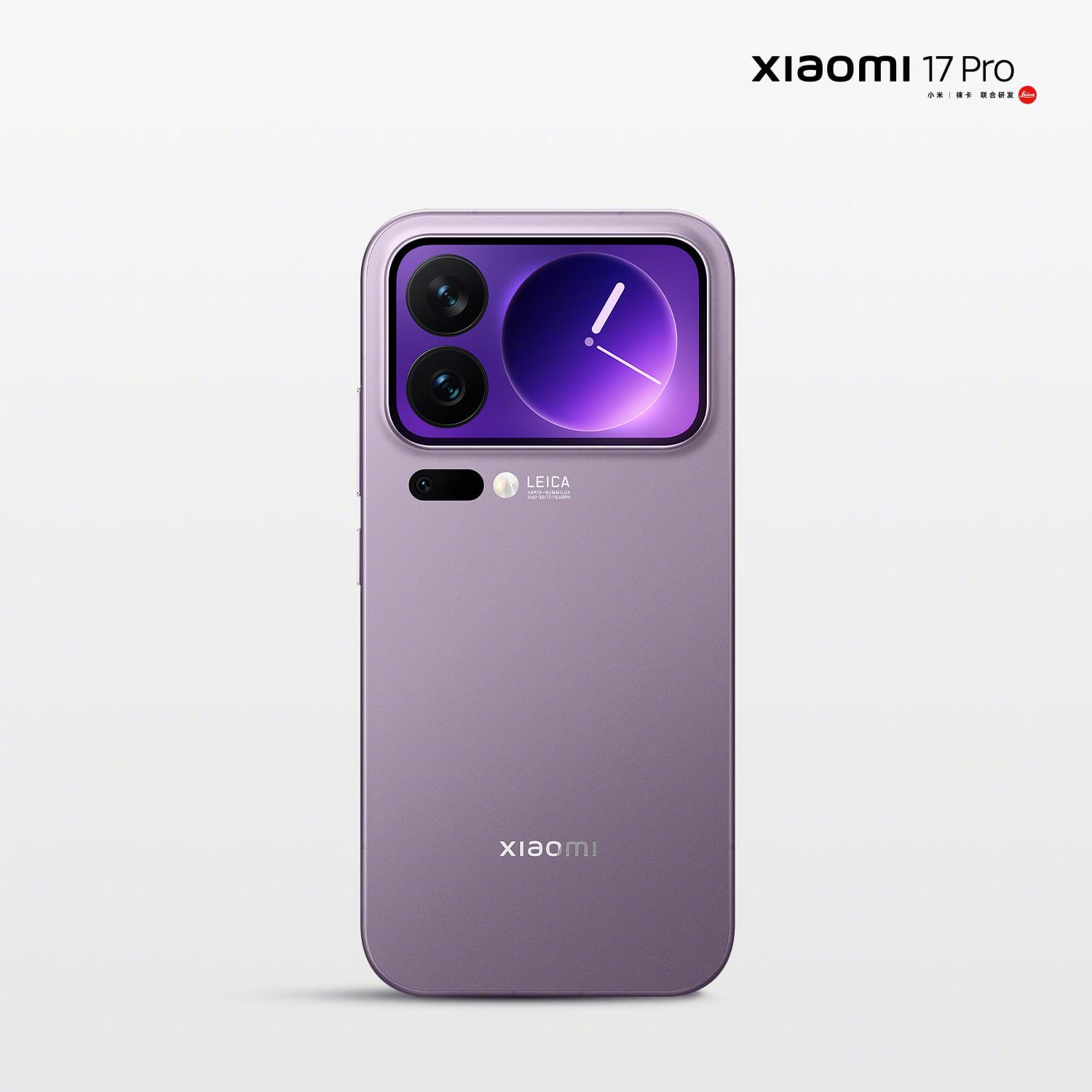
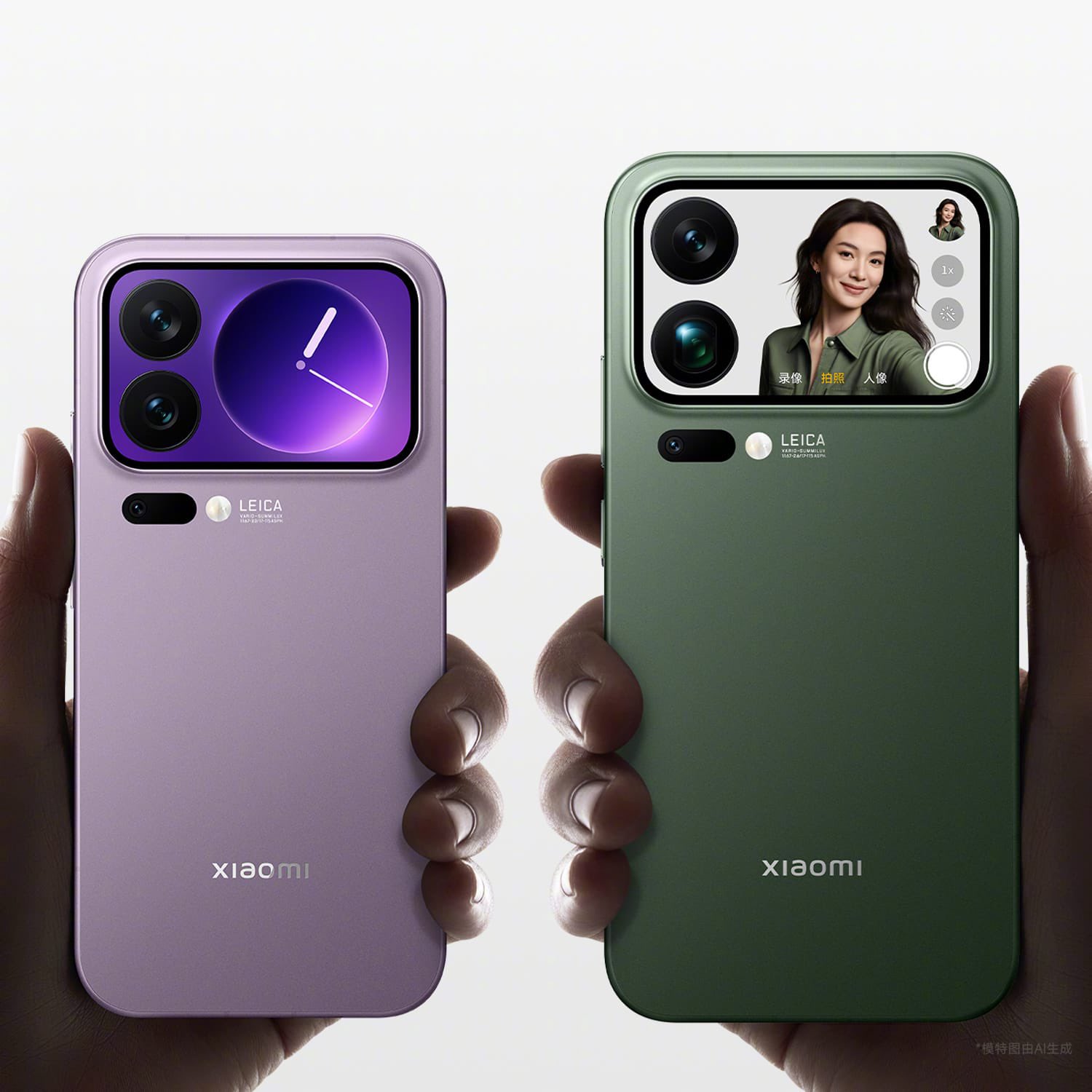
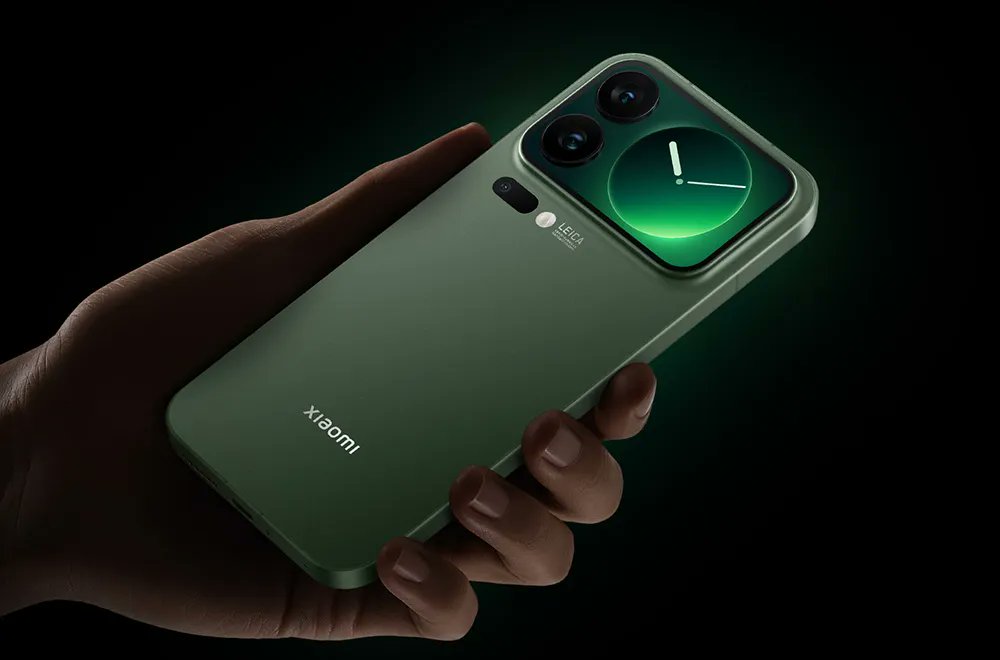
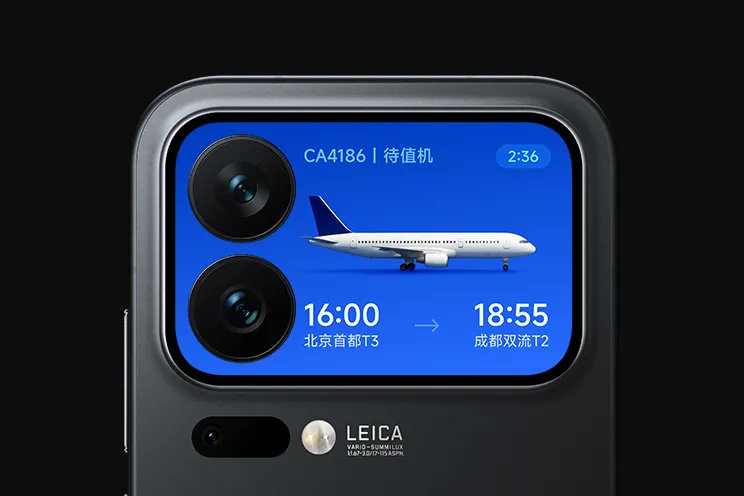
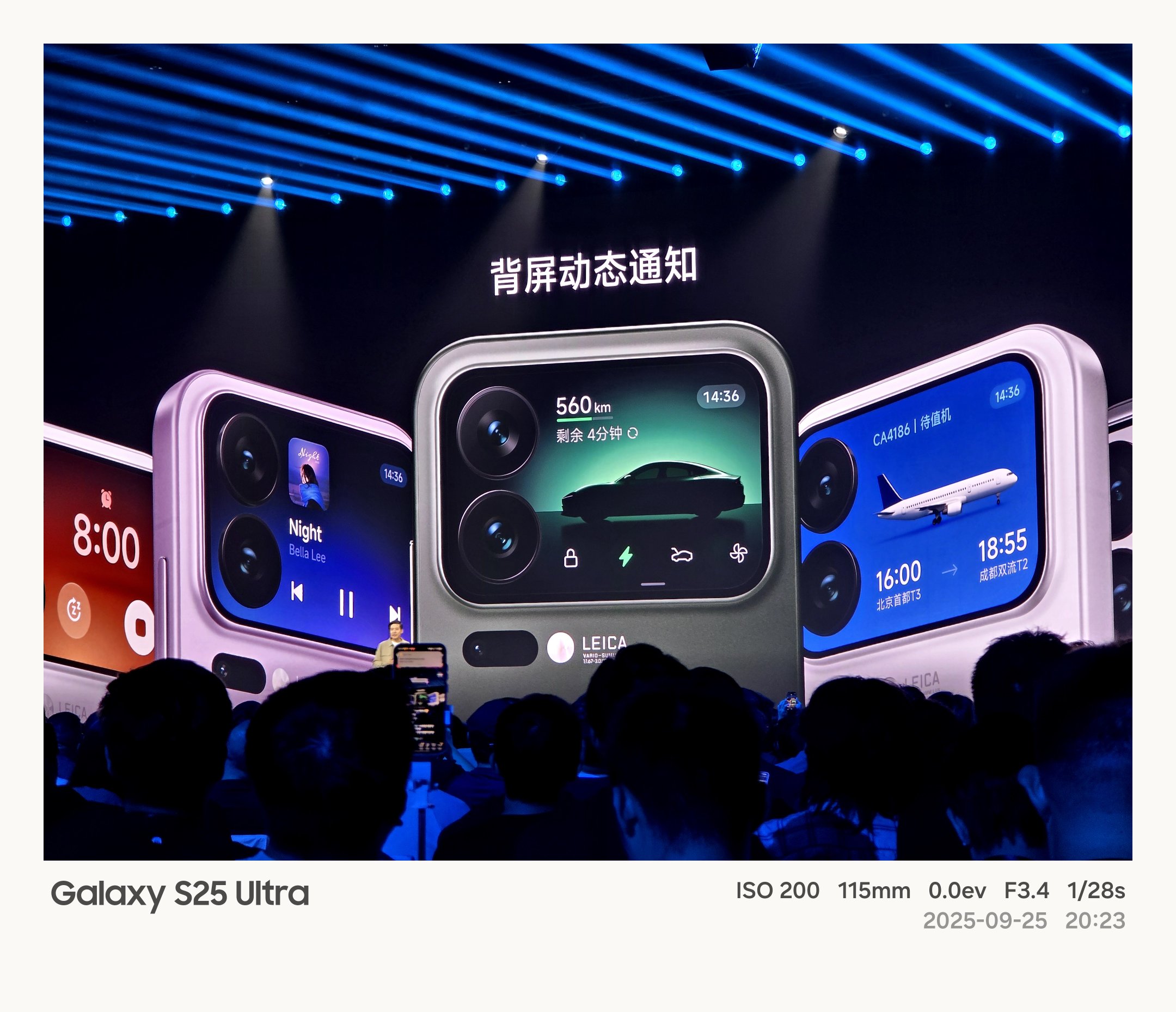
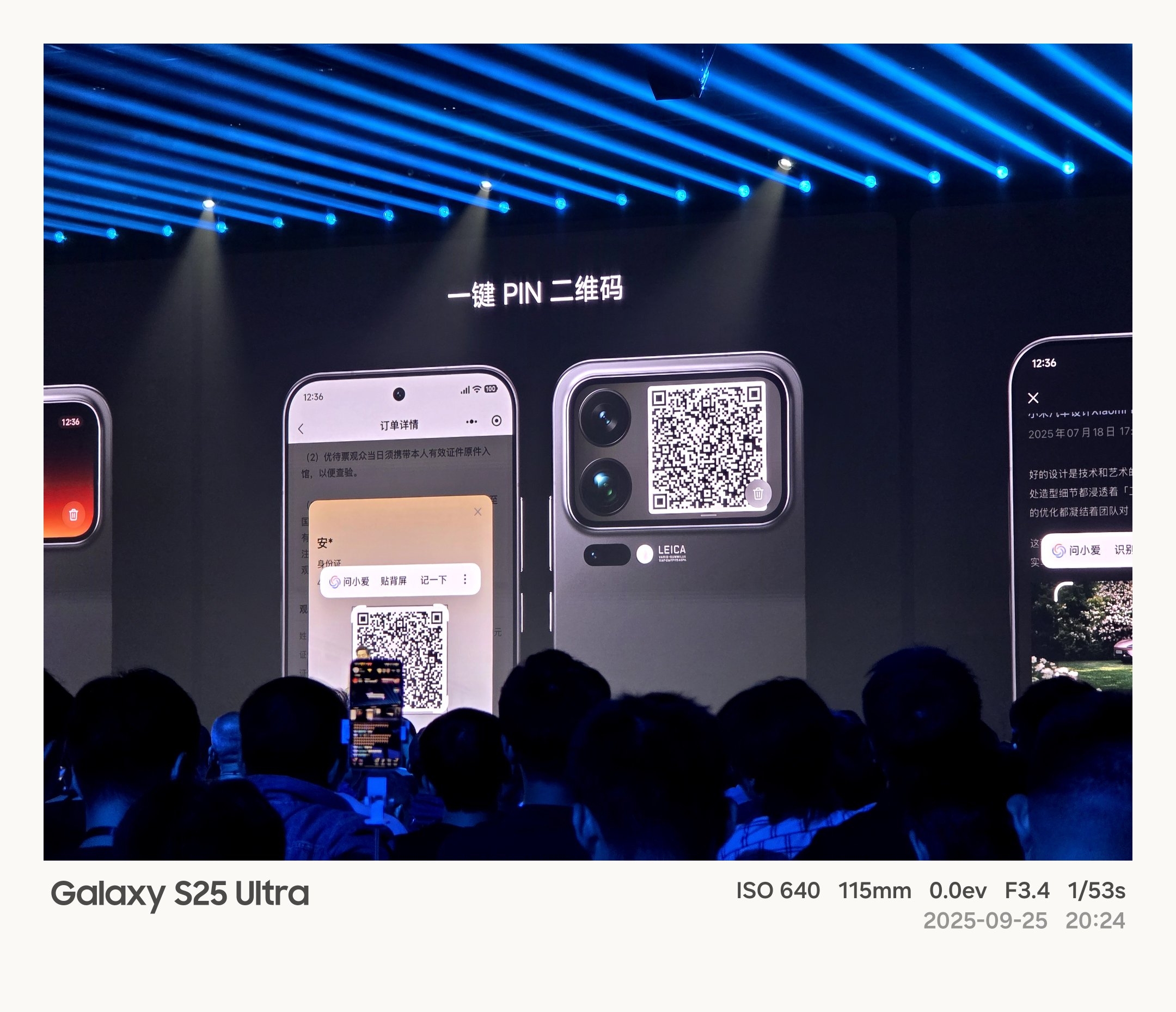
But let’s linger on the feature that’s already spawning a thousand TikTok unboxings and Reddit rabbit holes: the rear screen on the Xiaomi 17 Pro and 17 Pro Max. This isn’t some gimmicky e-ink sticker—it’s a revolutionary 2.66-inch (on the Pro) to 2.9-inch (Pro Max) secondary M10 OLED display, embedded seamlessly into the back panel, wrapping around the camera island like a cyberpunk aura. Clocking in at up to 3,500 nits brightness with 60Hz refresh and Gorilla Glass Victus 2 protection, it pulses with notifications, alarms, music controls, or even full-on mini-games without flipping the phone.
What sets it apart as truly special can be explored through its practical applications and innovative integrations:
- Everyday Convenience: Imagine propping it on your desk as a smart display for quick glances at weather widgets or Spotify queues, or during a workout, seeing incoming calls light up without breaking stride. Xiaomi’s launch demo had Lei Jun strapping the Pro Max to a treadmill, the rear screen blasting a heartbeat-synced equalizer while the front handled navigation—practical poetry in motion.
- Ecosystem Synergy: What elevates it to “special” territory is the ecosystem integration: HyperOS lets you mirror apps selectively (like a rear-facing camera view for vlogging), run AR filters in real-time for group selfies where everyone sees the magic, or even use it as a teleprompter for content creators. This turns the phone into a versatile tool for creators and multitaskers.
- Efficiency and Customization: Battery draw? Negligible at under 5% per hour for always-on use, thanks to a dedicated low-power co-processor. It’s not just a screen; it’s Xiaomi’s cheeky nod to modularity, turning the back into a canvas for personalization—upload custom animations that react to your steps via the built-in accelerometer, or sync it with Xiaomi’s Band 9 for a unified health dashboard visible from behind.
In a world of front-obsessed designs, this rear panel reclaims the phone’s “other side,” making it feel alive, almost sentient, like the device is whispering secrets just for you.
The Rear Screen: Diving into the Absolutely Ridiculous Aspects
Yet, as with any bold swing, the rear screen teeters on the edge of the sublime and the absurd, inviting equal parts awe and eye-rolls. Picture this: you’re at a dimly lit dinner party, and your Xiaomi 17 Pro Max decides to “Dynamic Glow” a birthday notification across its back—cool in theory, but now it’s competing with the candlelight like a misplaced disco ball, drawing stares from across the table.
The ridiculous elements become clear when considering real-world pitfalls:
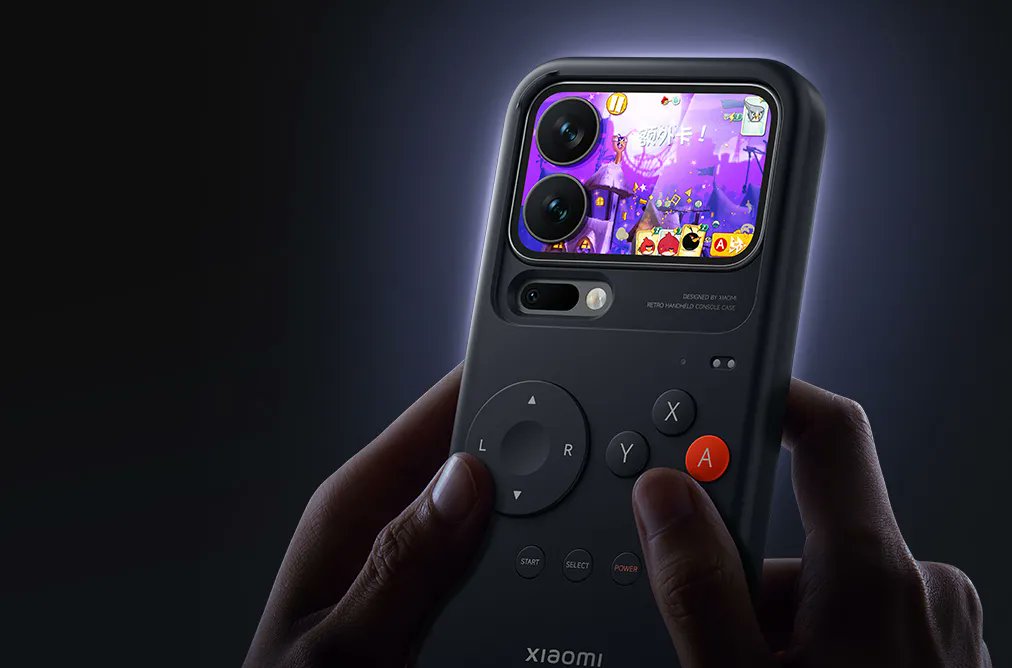
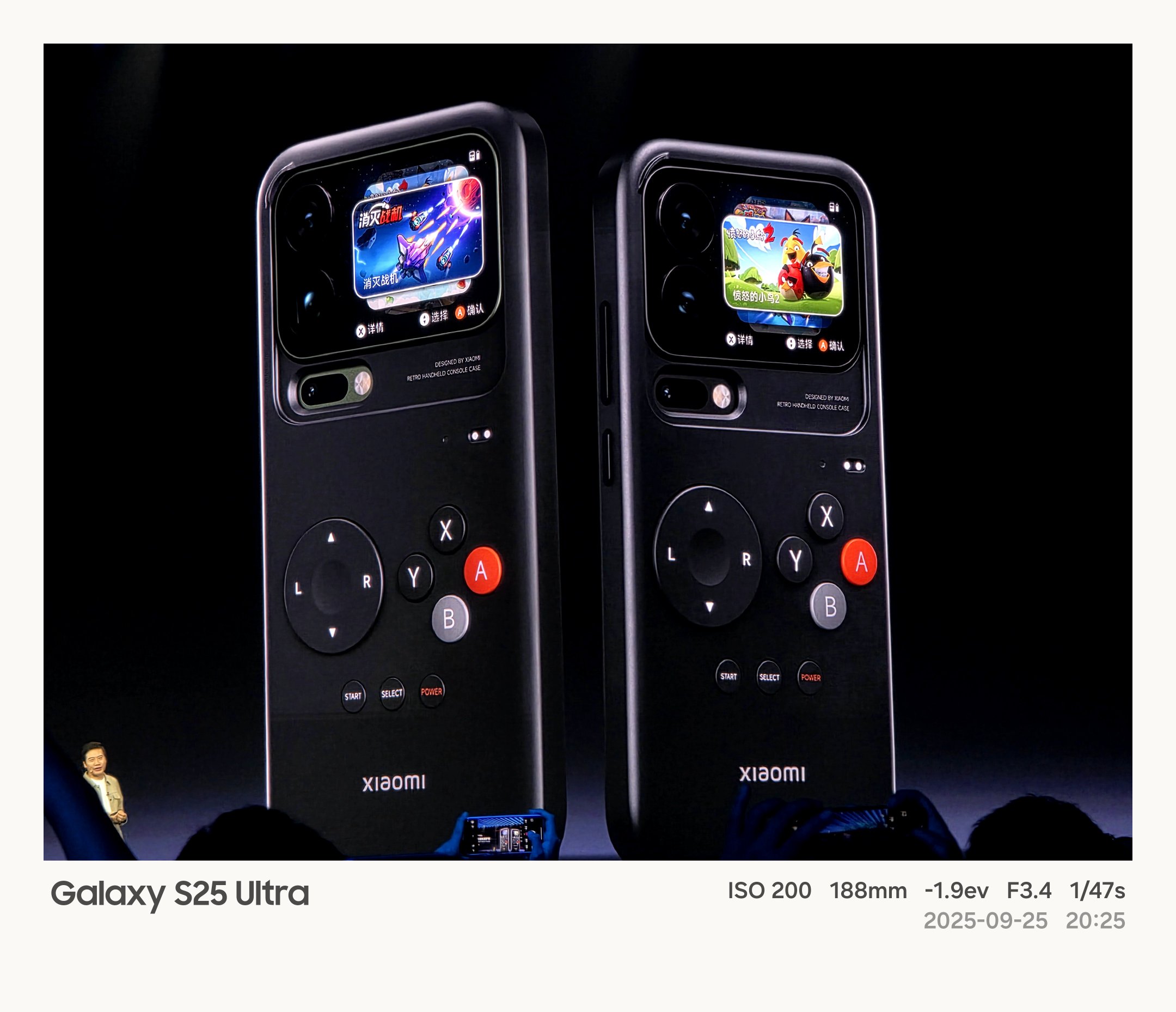
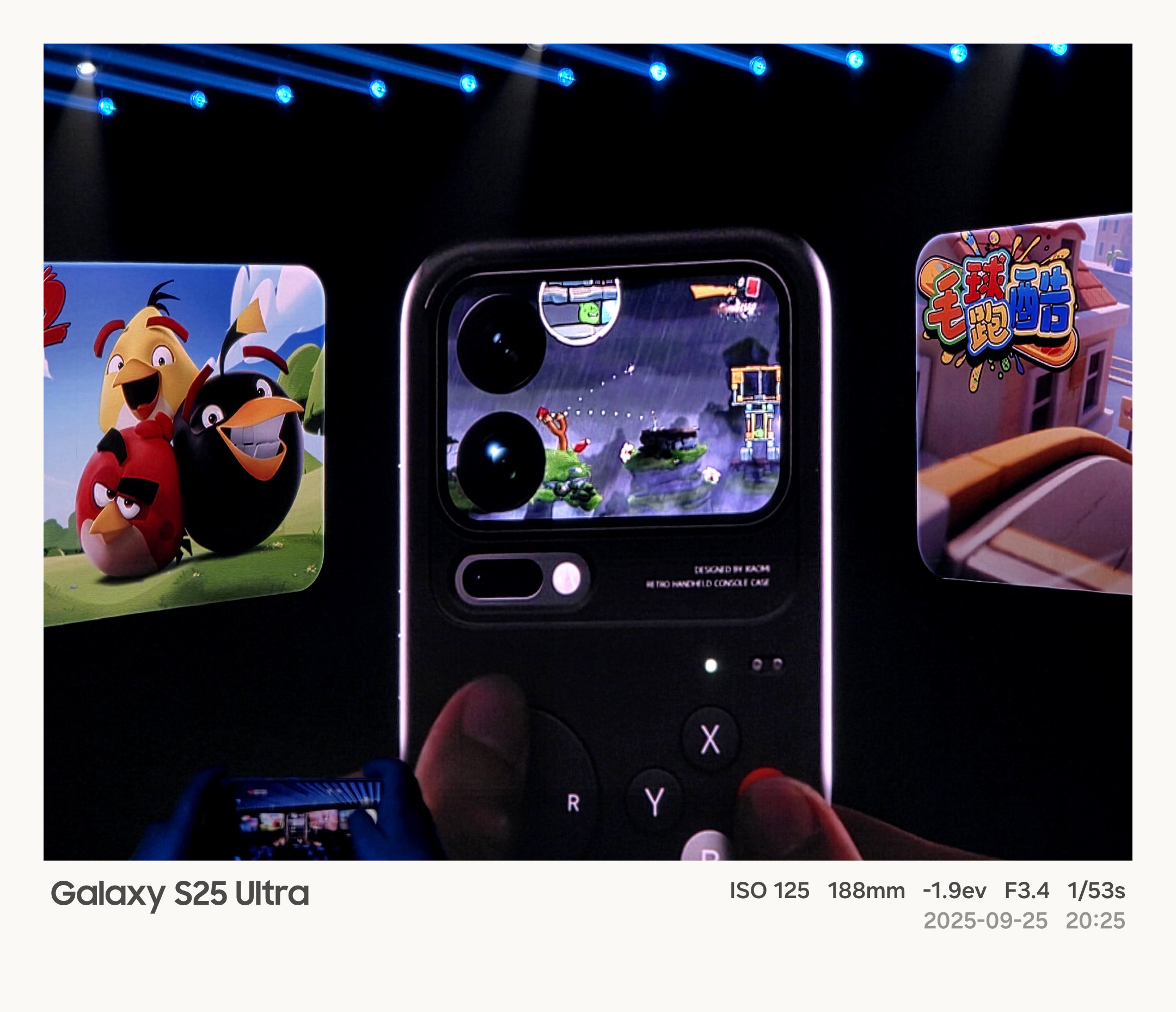
- Social Awkwardness and Privacy Issues: Xiaomi touts it for gaming, bundling a snap-on controller case that transforms it into a portable Nintendo Switch-lite hybrid, complete with haptic feedback and cloud streaming via Xbox integration. Fun? Absolutely, as one launch attendee tweeted: “Just beat level 7 of Hades on the back of my phone while cooking—mind blown.” But ridiculous? When it glitches during a heated PUBG session, mirroring lag from the front display, or when privacy becomes a punchline—your boss’s email popping up visibly to the barista behind you at Starbucks.
- Design and Compatibility Challenges: The wraparound design, while elegant, complicates case compatibility; early adopters are already 3D-printing custom shells to avoid “screen suffocation.” And let’s talk energy vampires: while idle drain is low, cranking AR effects or 4K rear-facing video loops it into a power hog, negating some of that vaunted battery life.
- Over-the-Top Novelty: It’s Xiaomi’s id unleashed—innovative to the point of eccentricity, like strapping a flatscreen to your fridge for recipe scrolls. In demos, it shines for creators, overlaying editing timelines during shoots, but for the average user? It risks feeling like that fancy kitchen gadget gathering dust: thrilling at first glance, confounding in daily grind.
Is the rear screen really the future of smartphones?
The absurdity peaks in the cultural ripple—memes are already flooding X, with users photoshopping rear screens onto everything from toasters to cats, captioned “Xiaomi’s next: The Fridge 17 with back-panel recipes?” Lei Jun leaned into it during Q&A, joking, “If Apple adds a rear camera bump, we’ll add a rear Tim Cook.” But beneath the laughs, there’s a kernel of genius: this screen challenges the one-sided tyranny of smartphone design, forcing us to confront how much “back” real estate we’ve wasted on logos and fingerprints. It’s ridiculous because it’s unapologetically extra, a middle finger to minimalism that says, “Why not?” In a launch event clip that’s gone viral (over 5 million views), a engineer demos using it as a Morse code translator for fun, blinking messages to friends across a room—whimsical, wasteful, wonderful. Ultimately, the rear screen embodies Xiaomi’s ethos: push boundaries until they bend, even if it means tumbling into the silly. For early adopters, it’s a love-it-or-hate-it litmus test; for the rest, a glimpse of phones as playful companions, not sterile tools.

What Truly Makes the Xiaomi 17 Special: Beyond the Specs
What makes the Xiaomi 17 series truly special isn’t just the specs—it’s the alchemy of ambition and accessibility that turns high-end dreams into everyday realities. At its core, the Snapdragon 8 Elite Gen 5 isn’t merely fast; it’s a thermal marvel, with Xiaomi’s graphene-enhanced cooling letting it sustain peak clocks for 20% longer than competitors, ideal for AI-driven tasks like real-time language translation during calls or generating hyper-realistic avatars in video chats.
Key special features include:
- Photography Prowess: The Leica partnership elevates photography from competent to compulsive: the variable aperture on the Pro Max mimics DSLR bokeh with software precision, while Light Hunter tech captures stars in urban skies, turning night walks into galleries. This makes capturing memories effortless and artistic.
- Battery Innovation: Battery endurance feels like cheating—7,000mAh in a sub-200g body defies physics, powered by silicon-carbon anodes that hold 80% capacity after 1,600 cycles, outlasting most EVs in relative terms. You’ll forget charging is a thing.
- Smart Software: HyperOS 2.0 weaves it all with seamlessness: gesture controls that learn your habits, cross-device continuity with Xiaomi’s ecosystem (seamlessly handing off a game from phone back to TV), and privacy vaults that encrypt rear-screen glimpses. It anticipates your needs, like pre-warming the battery in cold weather or auto-optimizing camera modes based on location history.
Xiaomi 17 Pro Max price in Uganda?
An official price for the Xiaomi 17 Pro in Uganda is not yet available. The final cost will depend on several factors, including currency exchange rates, import taxes, and retailer markups. However, an estimated price can be derived from its base price in China.
Estimated price for Xiaomi 17 Pro in Uganda
Based on its Chinese market price, the estimated starting price for the Xiaomi 17 Pro in Uganda is between UGX 3,000,000 and UGX 4,000,000.
The Xiaomi 17 Pro launched in China in late September 2025, with a base price of RMB 4,999 for the 12GB+256GB model.
Factors influencing the final Ugandan price
- Import costs and taxes: Like other imported electronics, the final price will be affected by Uganda’s customs duties, value-added tax (VAT), and other levies.
- Exchange rates: The conversion from Chinese Yuan (RMB) to Ugandan Shillings (UGX) fluctuates, which will impact the retail price.
- Retailer margin: The final price will include the profit margin set by local stores and distributors in Uganda.
- Storage and RAM: Prices will vary for models with higher storage or RAM configurations.
Availability in Uganda
The Xiaomi 17 series has already been released in China. A wider global release is anticipated for early 2026. Following that, it should become available in Uganda through:
- Official Xiaomi brand stores
- Major electronics retailers such as GadgetCraze and Mtunda Store
- Online marketplaces like Jumia Uganda
Priced aggressively, it democratizes flagships—¥4,499 for the 17 gets you more than double the iPhone 17’s battery at half the U.S. street price. Specialness lies in the details: eco-friendly recycled aluminum, haptic motors that rumble with emotional nuance (a soft purr for likes, a sharp buzz for alarms), and software betas already teasing satellite SOS for off-grid adventurers. In Lei Jun’s words from the event, “Xiaomi 17 isn’t built for benchmarks; it’s built for moments that stick.”
Deep Dive into HyperOS 2.0: The Software Soul of the Xiaomi 17
While the hardware steals headlines, it’s HyperOS 2.0—Xiaomi’s Android 15-based skin—that breathes life into the Xiaomi 17, transforming raw power into an intuitive, anticipatory companion. Launched alongside the series, HyperOS 2.0 isn’t a mere update; it’s a paradigm shift toward “interconnected intelligence,” blending AI, ecosystem fluidity, and user-centric customization with a 33% boost in data transfer speeds and 15% faster cross-device syncing compared to HyperOS 1.0. At its foundation, Android 15’s privacy sandbox gets amplified: HyperOS introduces “Zero-Trust Vaults,” where sensitive data like health metrics or financial apps are processed in isolated ARM TrustZone enclaves, with end-to-end encryption that even Xiaomi can’t peek into—audited by third-party firms like TÜV Rheinland for zero-knowledge compliance. This means your rear-screen notifications can display teaser previews without exposing full content, a boon for privacy hawks.
The homescreen overhaul is where the depth shines: the redesigned “Hyper Island” hub—a dynamic, floating dock that morphs based on context—pulls live notifications into collapsible cards, using on-device Gemini Nano-like AI to prioritize (e.g., surfacing a flight delay over a spam email with 98% accuracy after a week of learning). Animations? Fluidity redefined with 120fps micro-transitions powered by the GPU’s ray-tracing cores, making app switches feel like silk— a 71% reduction in perceived latency from Android 14’s jank. Touch to Share, a standout, leverages Ultra-Wideband (UWB) chips for spatial awareness: tap two Xiaomi devices within 50cm, and files beam over Wi-Fi Direct at 2.5Gbps, complete with AR previews for photos. Cross-ecosystem play extends to rivals—seamless casting to Chromecast or even iPhones via a new “Universal Bridge” protocol, syncing calendars without apps.
AI integration runs marrow-deep: the “Predictive Core” engine, trained on anonymized user data, forecasts behaviors like auto-generating workout playlists from step history or preemptively dimming the rear screen during sleep detection via the always-on accelerometer. For creators, HyperEdit suite offers generative fills for photos (e.g., “add a sunset” with diffusion models running locally in 2 seconds) and real-time script suggestions in the video editor, pulling from 50GB of onboard models.
Privacy toggles are granular: opt into “AI Shadow Mode” for edge computing that blurs faces in shared galleries automatically. Gaming gets “HyperBoost 2.0,” dynamically allocating RAM slices for frame interpolation up to 144Hz, with cloud saves that resume mid-session across devices. Battery smarts? “Eco Oracle” simulates usage patterns to throttle background processes, extending life by 12% in mixed scenarios. Drawbacks? Global versions strip China-specific ads, but early betas hint at occasional AI hallucinations in translations (fixed in OTA 2.0.1). Ultimately, HyperOS 2.0 elevates the Xiaomi 17 from gadget to guardian—learning, linking, and lightening your load with a software layer that’s as bold as its hardware.






The pointless Quirks of the Xiaomi 17
Of course, no revolution is flawless, and the Xiaomi 17 flirts with the utterly ridiculous in ways that could make purists weep. Take the rear screen again—while genius for some, it’s a fingerprint magnet extraordinaire, smudging faster than a toddler’s canvas and requiring a dedicated microfiber ritual that feels like pampering a diva.
The quirks that stand out as ridiculous are:
- Weight and Bulk: The 7,500mAh Pro Max battery, for all its glory, balloons the device to 235 grams, turning pocket carry into a commitment; one reviewer quipped it’s “the phone that doubles as a dumbbell for thumb workouts.”
- Software Bloat: HyperOS, bless its customizable heart, ships bloated with pre-installed apps and aggressive ads in China (global versions promise cleaner slates, but skeptics abound), leading to bloatware purges that eat into setup time.
- Overzealous AI and Hype: Camera AI? Overzealous, sometimes “enhancing” portraits into uncanny valley territory, like airbrushing your double chin into oblivion mid-family reunion. And the pricing sleight-of-hand: those ¥4,499 base models skimp on wireless charging (reserved for Pro tiers), forcing upgrades that feel like a bait-and-switch. Ridiculous, too, is the hype machine—Xiaomi’s launch video straight-up trolled Apple by splicing iPhone 17 battery tests with dramatic “defeat” slow-mos, sparking lawsuits whispers and X flame wars that distract from the tech. Durability claims ring hollow without U.S. carrier certifications yet, meaning global users might wait months for unlocked variants, fumbling with import duties.
It’s the classic Xiaomi paradox: a spec sheet that seduces, but real-world quirks—like occasional Snapdragon stutters in humid climates or rear-screen burn-in risks from static widgets—that remind you perfection is a myth. Yet, this ridiculousness is its charm, a raw, unpolished energy that Apple’s ecosystem polish can’t replicate.
Xiaomi 17 vs Xiaomi 17 Pro Max: Intra-Family Face-Off – Compact vs Colossal
Before pitting Xiaomi against Apple, let’s turn the lens inward: how does the base Xiaomi 17 stack up against its larger, more lavish sibling, the 17 Pro Max? This isn’t just a size showdown—it’s a tale of tailored temptation, where the 17 woos with portability and the Pro Max seduces with supremacy. Both share the Snapdragon 8 Elite Gen 5 heartbeat and Leica’s photographic finesse, but divergences emerge in form and function, letting users pick their poison without compromise.
Starting with design and display: the Xiaomi 17’s 6.3-inch 1.5K LTPO OLED is a pocket poet—191g and 8.06mm slim, with 1.18mm bezels for an immersive yet graspable canvas. It’s ideal for one-handed scrolls or quick glances, boasting the same 3,500 nits peak and HyperVision smarts. The Pro Max, at 6.9 inches and 2.8K resolution, balloons to 235g and 8.9mm, demanding two hands for media marathons but rewarding with a cinema-grade expanse—anti-reflective coatings cut glare by 40%, and the rear 2.9-inch M10 OLED adds a multifunctional twist absent on the base (the 17 skips the back screen entirely, keeping things front-focused). If you’re a commuter craving compactness, the 17 wins; for couch conquerors, the Pro Max’s sprawl is sovereign.
Performance parity meets subtle escalations: both rock 16GB LPDDR5X RAM and 1TB UFS 4.1, but the Pro Max’s vapor chamber swells to 4,637mm² versus the 17’s 4,200mm², sustaining 120FPS in titles like Honkai: Star Rail for 2x longer without throttling. Storage? The base caps at 1TB fixed, while the Pro Max’s microSD tray unlocks 2TB expansion—crucial for 8K videographers hoarding terabytes. Battery bulk tells the endurance epic: 7,000mAh on the 17 nets 48 hours mixed use, but the Pro Max’s 7,500mAh pushes 60+ hours, with reverse wireless (10W) as a Pro exclusive for charging accessories on the fly. Charging symmetry holds at 100W/50W, but the base lacks the Pro’s piezoelectric fan for ultra-cool peaks.
Cameras crown the Pro Max: both triples are 50MP Leica wonders, but the base’s 3.5x telephoto bows to the Pro’s 5x periscope for hybrid 50x zoom without pixel soup, plus f/1.4 variable aperture for pro-level depth. The ultrawide adds 2cm macros on Pro, and the under-display 50MP selfie is notch-free only here. Audio? Dual Harman Kardon speakers on both, but Pro’s IP69 rating laughs at the base’s IP68, surviving steam rooms unscathed. Pricing punctuates: ¥4,499 for the 17 versus ¥6,999 for Pro Max—a $350 gulf that buys brawn if you need it, but the base proves flagships needn’t be phablets. In this family feud, the 17 is the agile scout, the Pro Max the armored tank—choose your battlefield.
Xiaomi 17 vs iPhone 17: Surprising Similarities
Shifting gears to the showdown everyone’s buzzing about: Xiaomi 17 versus iPhone 17. On the surface, these two share more DNA than you’d expect from East-West rivals, a testament to converging smartphone evolution. Both launched in September 2025 (Apple on the 19th, Xiaomi unveiling two days before iOS 19’s polish hit shelves), targeting the premium compact crowd with 6.3-inch form factors that prioritize one-handed bliss—Xiaomi at 191g and 8.06mm thin, iPhone at a svelte 177g and 7.95mm, both rocking aluminum frames for that premium tactility without titanium tax.
Similarities break down into these core areas:
- Display Quality: Displays align in ambition: OLED panels with 120Hz fluidity, HDR mastery, and eye-searing 3,000+ nits peaks for outdoor readability, though Xiaomi edges with LTPO for finer power sipping. Both deliver stunning visuals for media consumption.
- Camera Foundations: Cameras converge on dual-48/50MP setups (iPhone’s Fusion main + ultrawide, Xiaomi’s Leica triple including tele), emphasizing computational wizardry—Apple’s Photonic Engine for natural tones, Xiaomi’s Light Hunter for dramatic flair—both spitting 4K/120fps video with stabilization that turns shaky hands into Steadicam shots. They’re both excellent for casual and pro photography.
- AI and Performance Parity: Under the hood, AI is the great equalizer: iPhone’s A19 Bionic and Xiaomi’s Snapdragon 8 Elite Gen 5 both tout on-device neural processing for features like live captions, object removal in edits, and predictive text that feels psychic. Daily tasks feel equally snappy.
- Battery and Charging Basics: Battery tech nods to longevity, with fast charging ecosystems (Apple’s 30W MagSafe vs. Xiaomi’s 100W blitz) and software optimizations ensuring 24+ hours of screen time. You get reliable all-day power from both.
- Software Overlaps: OS-wise, iOS 19 and HyperOS 2.0 borrow from each other—seamless widget stacks, privacy dashboards, and AR anchors—making daily flows feel familiar, whether you’re AirDropping files or HyperSharing to a Pad. Even pricing flirts with parity post-conversion: iPhone’s $799 start versus Xiaomi’s ~$620 equivalent, both bundling years of updates (7 for Apple, 5+2 for Xiaomi).
It’s like two chefs using the same ingredients but remixing the recipe—similar enough to spark “why switch?” debates at family dinners.
Xiaomi 17 vs iPhone 17: Deep Dive into the Differences
But peel back the similarities, and the differences unfold like a choose-your-own-adventure in excess versus elegance, where Xiaomi plays the brash innovator and Apple the refined curator. Dive into performance, and the Snapdragon 8 Elite Gen 5’s raw grunt (4.61GHz primes, 40% GPU leap) laps the A19 in synthetic benchmarks—Geekbench multis hitting 12,000 versus Apple’s 9,500—but iOS’s thermal throttling keeps real-world tasks (like 30-minute 8K renders) cooler and quieter, without Xiaomi’s occasional fan-like coil whine under load. RAM tells the tale: Xiaomi’s 16GB juggles 50+ tabs and emulators effortlessly, while iPhone’s 8GB leans on swap magic, occasionally hiccuping in pro apps like Final Cut.
Key differences to consider:
- Battery Battle: Battery divergence is a chasm—Xiaomi’s 7,000mAh laughs at iPhone’s 3,692mAh, clocking 18 hours of 4K streaming to Apple’s 12, with reverse charging turning the 17 into a pocket power bank (absent on iPhone without accessories). Charging? Xiaomi’s 100W hits full in 25 minutes; Apple’s 30W takes 50, prioritizing “healthier” longevity over speed demons. Xiaomi wins for endurance, but Apple for balanced pacing.
- Camera Nuances: Cameras? Apple’s 48MP duo excels in consistency—skin tones that flatter without falsifying, Spatial Video for Vision Pro synergy—but lacks Xiaomi’s telephoto zoom, forcing digital crops that soften at 5x, while the 17 Pro Max’s 5x optical periscope pulls moon craters into focus with Leica’s color science adding cinematic warmth Apple deems “too saturated.” iPhone’s video stabilization borders on sorcery for run-and-gun creators, but Xiaomi counters with rear-screen monitoring, letting you frame upside-down shots like a pro without mirrors. Choose based on your creative style.
- Ecosystem and Software: Ecosystem lock-in amplifies the split: iPhone’s Continuity beams calls to your Mac seamlessly, but Xiaomi’s HyperVerse spans TVs, cars, and buds with zero friction, including that wild rear display for glanceable Apple Watch rivals. Software philosophies clash hardest—iOS 19’s walled garden ensures bulletproof security but stifles sideloading, while HyperOS invites custom ROMs and themes, risking bloat but rewarding tinkerers. Privacy? Apple scans iCloud uploads; Xiaomi keeps it local with end-to-end for everything.
- Build and Extras: Durability favors iPhone’s Ceramic Shield 2 (dropping from 2m unscathed), but Xiaomi’s IP69 and Dragon Glass match it, plus expandable storage iPhone ditched years ago. Price seals the narrative: Xiaomi undercuts to flood markets, subsidizing via ads (global opt-out pending); Apple premiums on resale value, holding 70% after two years to Xiaomi’s 50%.
In the end, it’s storyteller versus disruptor—iPhone 17 crafts a polished tale of reliability, Xiaomi 17 a raucous epic of possibility. Which chapter hooks you? That’s the magic of 2025’s dueling titans.
Xiaomi 17 Pro Max vs iPhone 17 Pro: Titan Clash – Pro-Level Power Plays
For the apex predators, the Xiaomi 17 Pro Max squares off against Apple’s iPhone 17 Pro (noting the iPhone lineup does include a 6.9-inch Pro Max variant, but per the query, we’ll focus on the 6.3-inch Pro for a like-vs-like premium bout—though the Xiaomi’s scale tips the narrative). Both are 2025’s pro-grade flagships, blending cutting-edge silicon with creator tools, but where the iPhone 17 Pro (189g, 8.25mm) exudes minimalist mastery, the Xiaomi 17 Pro Max (235g, 8.9mm) roars with unbridled ambition. Shared ground? A19 Pro vs Snapdragon 8 Elite Gen 5 for AI horsepower, triple-camera arrays with 48/50MP mains, and 120Hz ProMotion/OLED displays hitting 2,000+ nits—both excel in 8K video and on-device ML for edits.
Differences detonate in scale and stamina: the Pro Max’s 6.9-inch 2.8K behemoth dwarfs the iPhone’s 6.3-inch, with LTPO efficiency and rear-screen multitasking (mirroring for vlogs) that Apple’s Dynamic Island can’t touch—imagine framing rear cams without awkward flips. Performance? Xiaomi’s 16GB RAM crushes multitasking (e.g., 4K exports 20% faster in DaVinci Resolve Mobile), while iPhone’s 8GB optimizes via iOS 19’s memory compression for seamless but less expansive workflows. Battery? Pro Max’s 7,500mAh obliterates the iPhone’s ~4,000mAh, delivering 20+ hours 5G streaming vs 14, with 100W charging vs 40W—though Apple’s ecosystem juices longevity through software naps.
Cameras crown opposites: iPhone’s 48MP triple (with LiDAR for AR depth) nails consistent, Apple-natural colors and Cinematic Mode 2.0 for pro video grading, but Xiaomi’s Leica 50MP periscope (5x optical) zooms flawlessly to 120x hybrids, variable f/1.4 aperture crafting bokeh dreams, and Light Hunter pulling low-light miracles with 14 stops DR. The rear screen tips vlogging scales, offering live previews iPhone lacks natively. Ecosystem? iPhone’s walled wonder syncs flawlessly with Macs for Final Cut handoffs; Xiaomi’s HyperOS bridges Xiaomi/Poco/Redmi realms with UWB-precise sharing, plus expandable storage (2TB) vs iPhone’s fixed 2TB cap at $1,599. Durability? Both IP68, but Pro Max’s IP69 and Gorilla Victus 2 edge drops. Pricing? Xiaomi at $970 vs iPhone’s $999—value tilts East. Verdict: iPhone for polished pros, Xiaomi for powerhouse creators craving excess.
Final Thoughts: Why the Xiaomi 17 Series Redefines Choice in 2025
As the Xiaomi 17 series storms shelves, it doesn’t just compete—it compels reconsideration of what a flagship can be: accessible audacity wrapped in innovation. From the nimble 17’s hardware harmony to HyperOS’s smart soul, and across rivalries that highlight trade-offs in elegance versus edge, these devices invite you to embrace the bold. Whether compact conqueror or colossal canvas, the choice is yours—dare to lap the field?