
Table of Contents
When was NTV and Daily Monitor banned from parliament?
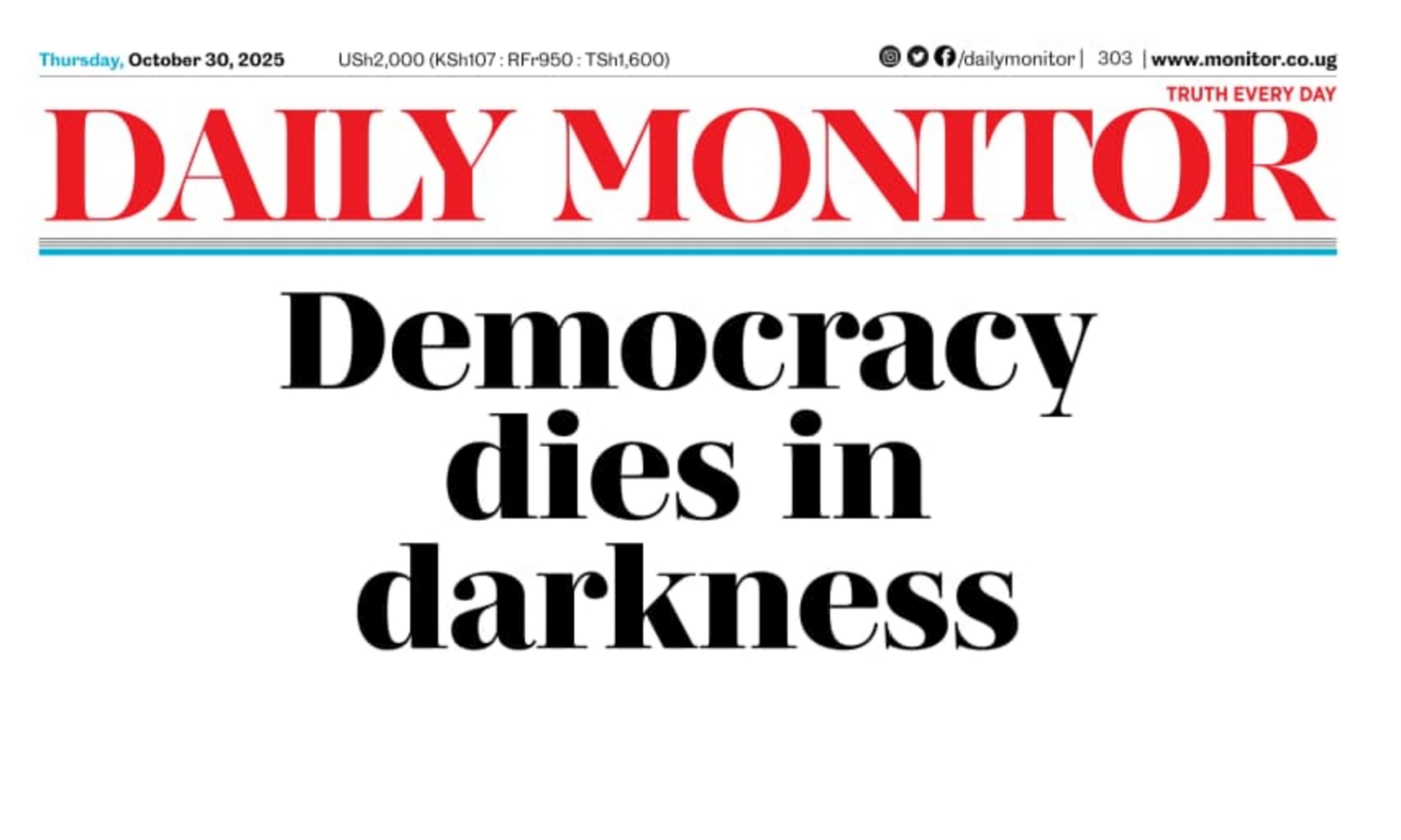
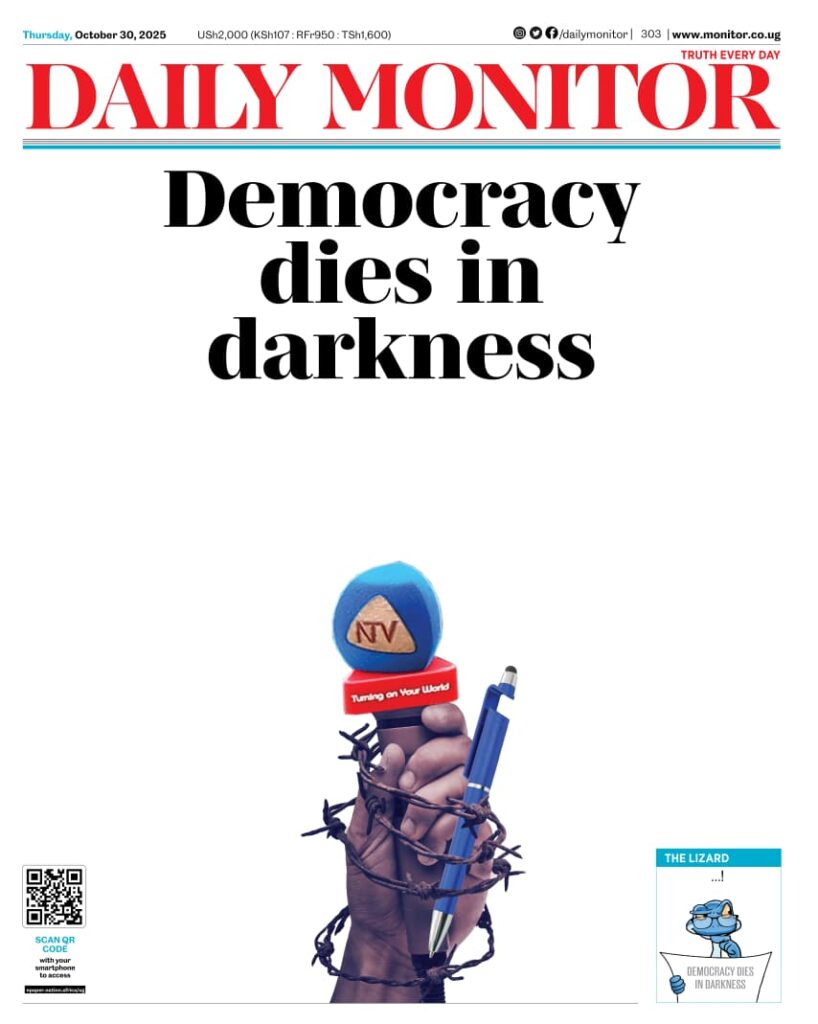
The gates of Parliament swung shut on journalists from Nation Media Group (NMG) Uganda on October 28, 2025, barring reporters from Daily Monitor and NTV Uganda from covering the House’s proceedings. Security personnel at the entrance to Parliament Buildings in Kampala confiscated accreditation cards and turned away the crew, citing an indefinite suspension of access. The action, decried as a blatant assault on press freedom, comes amid heightened scrutiny of parliamentary elections and unopposed candidacies, spotlighting NMG’s role as a thorn in the side of the establishment. According to KFM, the directive came from the speaker Hon. Anita Among.
When and How Did the Ban Take Effect?
NTV Uganda’s team arrived at the main entrance around 8 a.m., only to be met by plainclothes officers who demanded their passes. “We were told our services are no longer needed,” recounted one journalist, speaking anonymously for fear of reprisal. The ban extends to all NMG outlets in Uganda, including Spark TV, KFM, and Dembe FM, effectively silencing a media conglomerate that reaches millions.
What Sparked the Immediate Backlash in Parliament?
Kira Municipality MP Ibrahim Ssemujju Nganda, a vocal critic of the National Resistance Movement (NRM) regime, was among the first to confront the government on the floor of the House. “Why have you blocked NTV and Daily Monitor from covering Parliament? This is not about journalism; it’s about hiding the rot we’ve exposed,” Nganda thundered, his voice echoing through the plenary as he tasked Internal Affairs Minister Maj. Gen. Kahinda Otafiire for an explanation.

Butambala County MP Muhammad Muwanga Kivumbi echoed the sentiment, urging the parliamentary administration to “demonstrate tolerance and reopen the doors to the fourth estate.” The Deputy Speaker, Thomas Tayebwa, who had previously assured NMG of fair access during a September 2025 meeting, offered no immediate resolution, leaving the ban in place as of Thursday morning.
Why Were NTV and Daily Monitor Specifically Targeted?
The trigger for this exclusion appears rooted in NMG’s unflinching coverage of the ongoing parliamentary by-elections and local council polls. Just days prior, Daily Monitor ran a series of investigative pieces on “unopposed candidates,” highlighting how NRM primaries had been marred by bribery, intimidation, and procedural irregularities. One October 25 exposé detailed how over 200 aspirants in Wakiso District allegedly paid bribes ranging from Shs50 million to Shs200 million to secure uncontested nominations, effectively buying their way into office.
Also read about the Empower Her Awards by NMG
NTV Uganda amplified the story with on-the-ground footage of frustrated voters protesting the “pre-selected” candidates, a narrative that painted Parliament – and by extension, the NRM – in a damning light. Critics, including the Uganda Journalists Association (UJA), argue this is retaliation: “The blockade is an affront to press freedom and a direct threat to democracy,” UJA President Hercules Byarugaba declared in a statement released on October 29.
Who Has Come Forward to Condemn the Ban?
Condemnations have poured in from across the spectrum, turning the ban into a rallying cry for media advocates. The Human Rights Network-Uganda (HURINET) labeled it “a regression to the dark days of one-party rule,” while international watchdog Reporters Without Borders (RSF) tweeted: “Uganda’s Parliament is now a no-go zone for truth-tellers. This must end.” On X (formerly Twitter), lawyer George Musisi captured the sentiment: “The NMG ban is a direct attack on media freedom. It sends a warning to other outlets that similar coverage could lead to the same consequences. This reflects the impunity of those in power.”
Veteran journalist Charles Onyango-Obbo, a former Monitor editor, added: “Uganda’s main mainstream newspaper @DailyMonitor with its sister NTV-Uganda station banned from covering Parliament, months after they were barred from the Presidency. The noose tightens.” Even broadcasters’ associations weighed in, calling it “an emerging pattern of censorship” that endangers the entire industry.
How Has the Government Previously Censored NMG?
This is no isolated incident; it is the latest chapter in a decades-long saga of state-orchestrated censorship targeting NMG, a Kenyan-headquartered giant that has long symbolized independent journalism in East Africa. Uganda’s media history is riddled with such suppressions, dating back to the colonial era when the 1949 Press Censorship and Publications Act banned African-owned papers like Sekanyolya for daring to critique British rule. Post-independence, Milton Obote’s regime in the 1960s escalated the clampdown during the Buganda Crisis, raiding newsrooms and jailing editors.
For NMG specifically, the scars run deep. In 1999, Daily Monitor editors Wafula Oguttu, Charles Onyango-Obbo, and David Ouma Balikoowa were arrested and charged with sedition for publishing stories alleging government complicity in rebel activities – charges that were later dropped amid international outcry. The most notorious episode unfolded on May 20, 2013, when police stormed Monitor offices in Kampala, sealing off the premises and halting printing presses for over a week.
The raid followed a front-page story alleging President Yoweri Museveni’s plot to eliminate political rivals opposed to his son Muhoozi Kainerugaba’s rise to power – a report based on leaked intelligence from exiled General David Sejusa. Human Rights Watch condemned it as “shooting the messenger,” noting the government’s history of broadcast shutdowns without due process. Radio stations were yanked off air, and journalists faced harassment, in what RSF called a “coordinated assault on the free press.”
The pattern persisted into the 2020s. In March 2025, NMG outlets were barred from covering presidential events, a restriction that persists to this day. That same year, Daily Monitor’s probe into fraud at the Ministry of ICT – alleging nepotism and ghost workers siphoning Parish Development Model (PDM) funds – prompted State House investigations but no accountability for the perpetrators.
And in July 2024, a Monitor series titled “House of Deals” exposed rampant bribery in Parliament, where MPs allegedly pocketed Shs10 billion in service awards amid whispers of a planned protest march on July 23. These stories, often laced with whistleblower testimonies and financial trails, have consistently placed the government, MPs, police, army, NRM, and Museveni himself under a harsh spotlight – earning NMG the moniker “Uganda’s watchdog” but also a bullseye for reprisals.
What Contradictions Exist in Museveni’s Stance Toward Monitor, NTV, and the Aga Khan?
At the heart of this irony lies Museveni himself, whose rhetoric toward Monitor and NTV oscillates between venom and pragmatism. In a June 15, 2018, address at State House, the 80-year-old strongman lambasted the outlets as “evil papers like Monitor,” accusing them of peddling debt narratives to undermine his regime. “Monitor… the one of Aga Khan who is making a lot of money here [at Serena Hotels] have been talking about how Uganda is heavily indebted,” he fumed, dismissing Red Pepper as “just stupid” but reserving special ire for NMG’s “malicious” reporting.
Yet, just last month on September 12, 2025, Museveni draped the Order of the Pearl of Africa around the neck of NMG owner His Highness the Aga Khan IV, honoring his contributions to health and education via the Aga Khan University Hospital groundbreaking in Kampala. During their meeting, Museveni urged investors like the Aga Khan to “report corrupt officials who demand bribes” – a plea that rings hollow against the fresh wounds inflicted on the tycoon’s media arm. As NMG defiantly stated in its October 29 response: “The State-NMG rift continues to deepen despite the Aga Khan’s September visit… We urge the Presidency and Parliament to uphold constitutional media rights.”
Why Does NMG Frequently Highlight Government Shortcomings?
NMG’s sin, in the eyes of its detractors, is its commitment to unvarnished truth-telling. Unlike state-aligned outlets that sanitize scandals, Monitor and NTV deliver raw accounts: the 2021 Office of the Prime Minister refugee funds heist, where Shs50 billion vanished into ghost projects, prompting donor freezes; the 2023 Santana vehicle redux, exposing ghost procurement in the army’s fleet upgrades; or the February 2025 rally coverage where opposition leader Kizza Besigye branded the NRM “the most corrupt government in Uganda’s history.”
Police brutality during Arua protests? NTV’s live feeds captured it. Army abuses in Karamoja? Monitor’s embeds documented the extrajudicial killings. These aren’t fabrications; they’re dispatches from the frontlines of accountability, often substantiated by court filings, leaked memos, and victim affidavits.
What Are the Broader Implications for Uganda’s Press Freedom?
As Uganda hurtles toward the 2026 general elections, this ban is more than a snub – it’s a siege on the public’s right to know. With NMG’s X poll capturing public fury – 89% of 6,000 respondents deemed the decision “unjust” as of Thursday – the question lingers: Will the fourth estate bend, or will it break the chains? For now, the voices of Monitor and NTV echo from afar, a reminder that in Museveni’s Uganda, truth is the ultimate contraband.