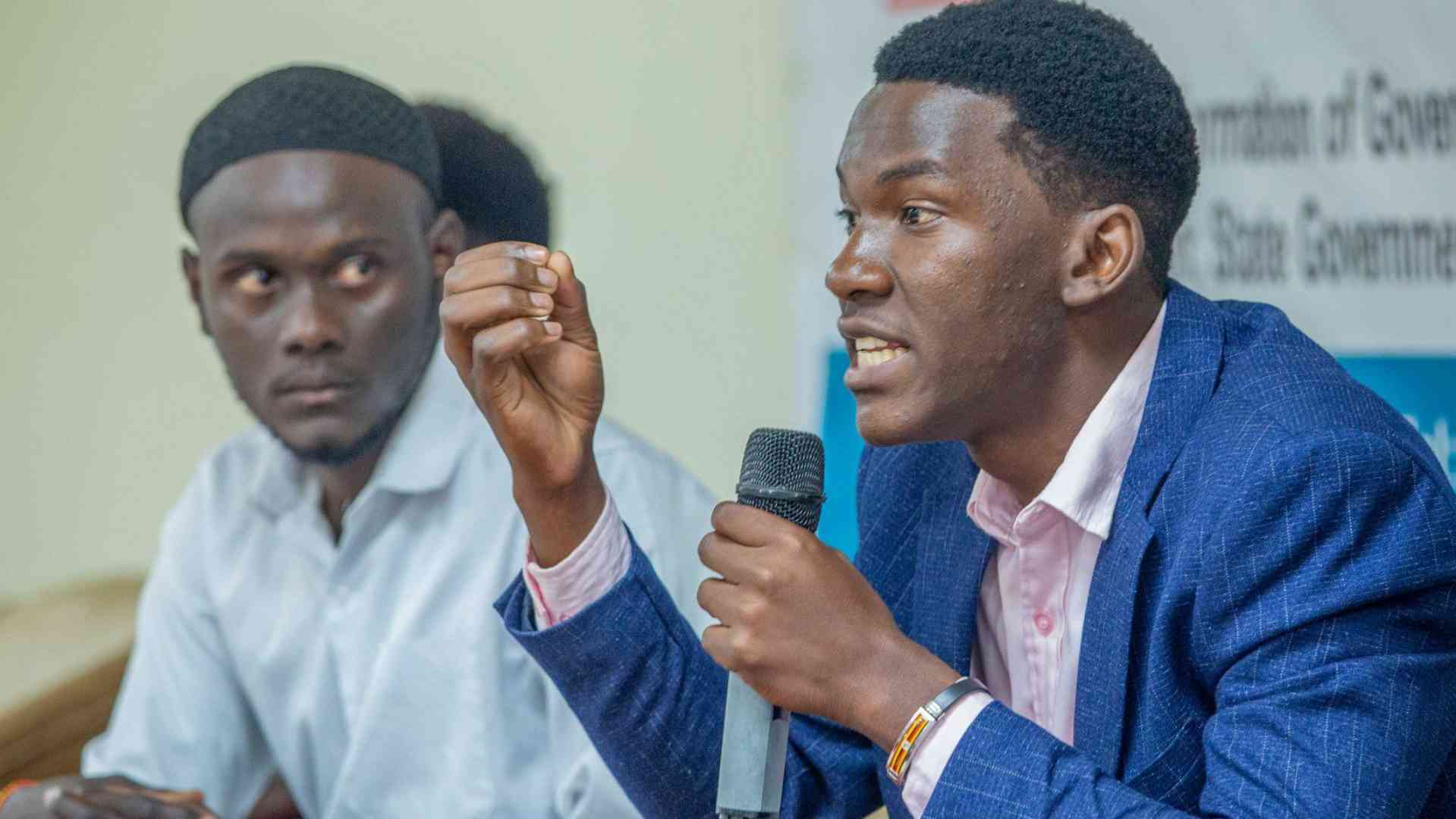

The CCG Inter-University Debate Season 5 culminated in a thrilling victory for Makerere University.The prestigious event, held at Kampala’s Hotel Africana on October 30th-31st, 2025, assembled 135 of Uganda’s top student debaters. Consequently, these bright minds engaged in a deep analysis of the nation’s political future.
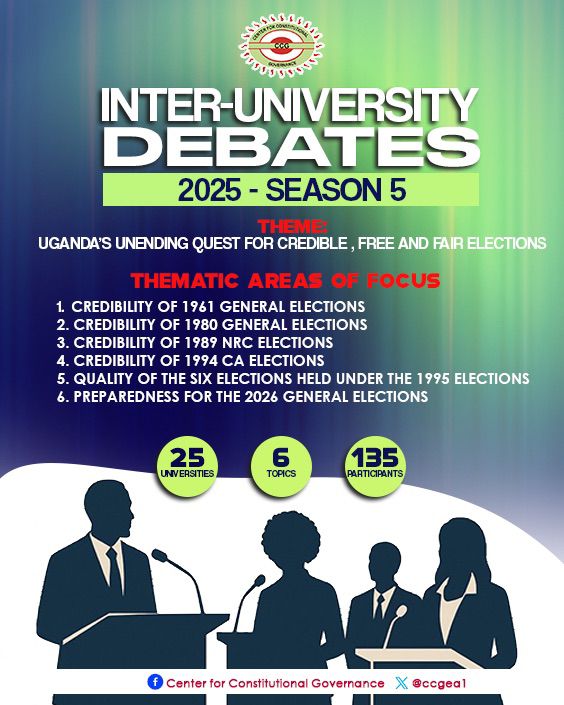
The CCG Inter-University Debate: A Confluence of Ideas and Hope
The two-day debate was a significant gathering, organized by the Center for Constitutional Governance (CCG). The event featured 135 talented debaters. These students represented 25 of Uganda’s top universities. Their collective mission was to tackle one central theme: “Uganda’s Unending Quest for Credible, Free & Fair Elections.”
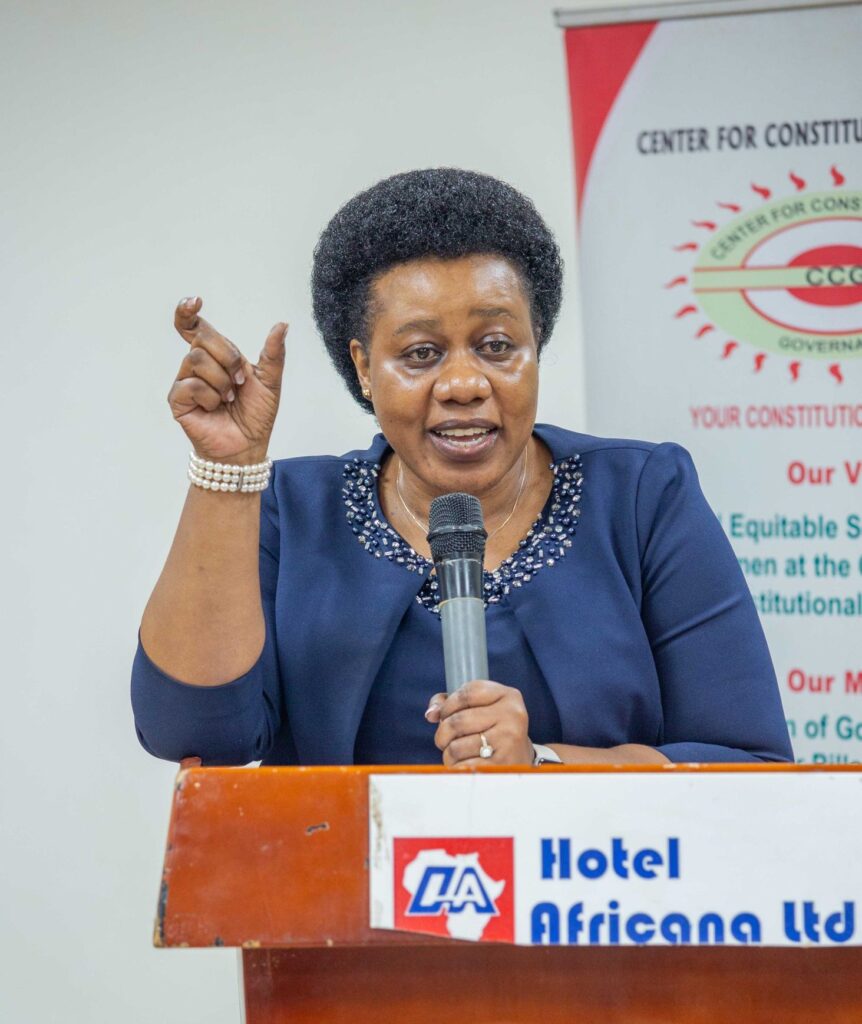
Sarah Bireete, the Executive Director of CCG, set the tone for the event. She explained the initiative’s core mission. “The CCG Hope Initiative Program was named to give hope to youths in Uganda that a better Uganda is possible,” she stated. Furthermore, she directly linked the debates to the upcoming 2026 general elections, urging participants to be active citizens. “If you can’t cast your vote, you will be denying the hope of Uganda and Ugandans,” Bireete emphasized.

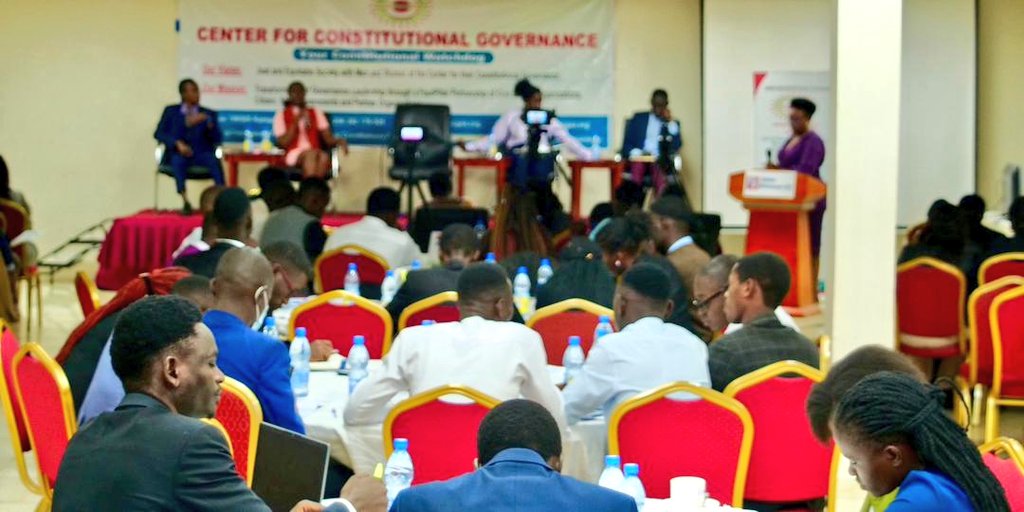
The Road to Finals: Intense Group Stage Battles
The competition began with a rigorous group stage. Universities were divided into several pools, each battling for a spot in the semi-finals. The debates were intense, focusing on the interplay of constitutionalism and Uganda’s election politics from 1961 to the present day.
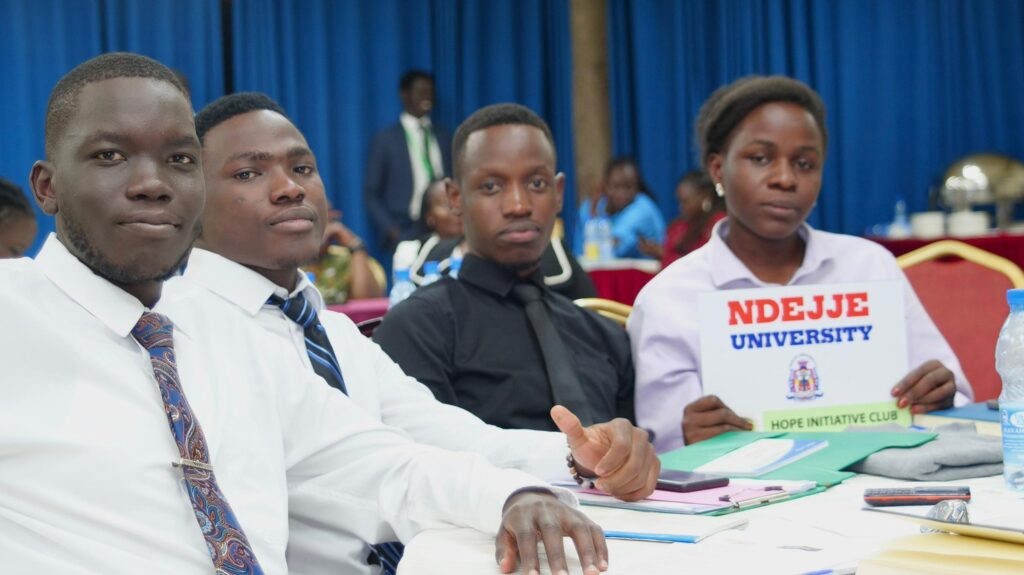
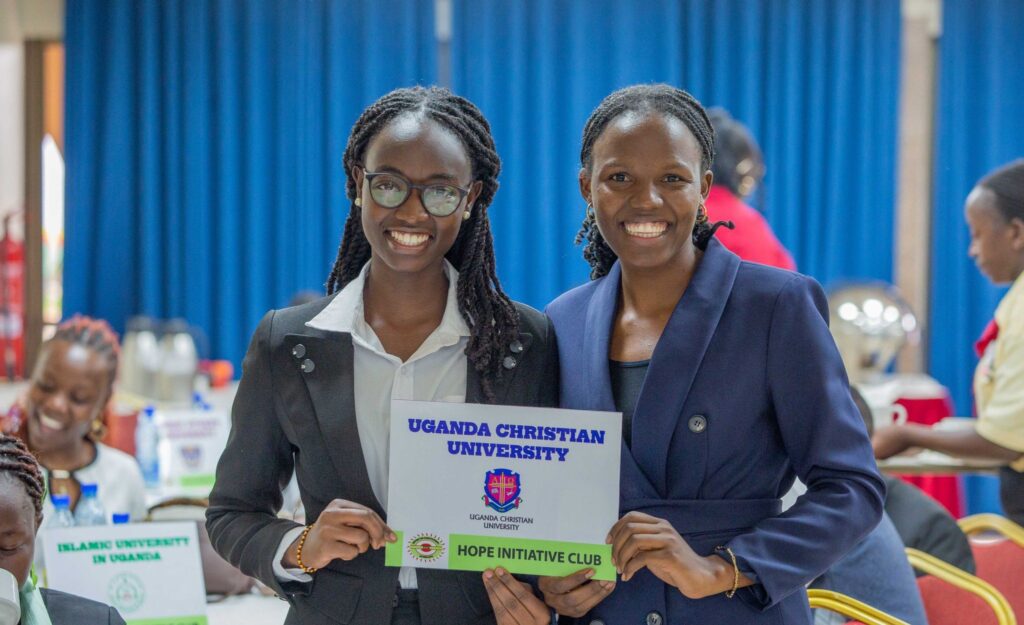
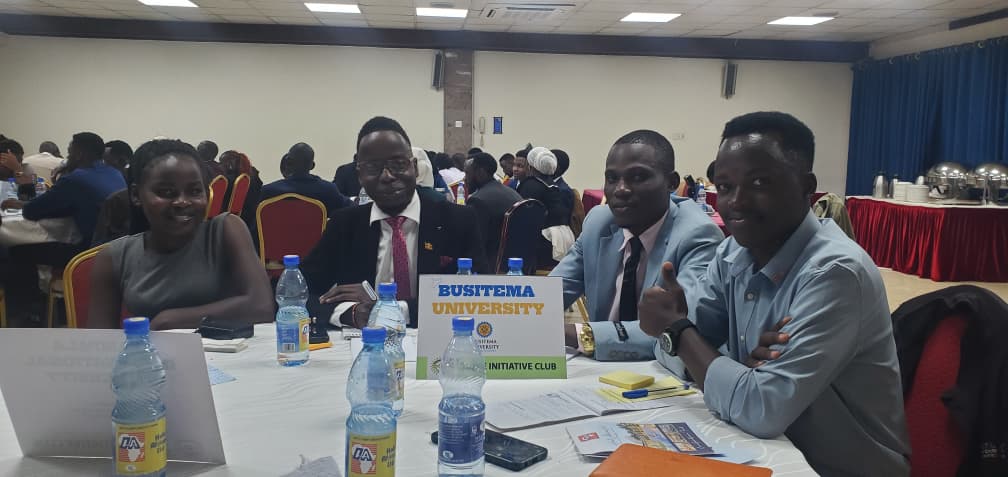
For instance, Group 1 included powerhouses like St. Lawrence University, Ndejje University, Cavendish University, IUEA, and the eventual champions, Makerere University. Meanwhile, in another pool, Busitema University was named the best in its group. This group featured strong contenders like Gulu University and Mbarara University of Science and Technology (MUST). Ultimately, the high level of discourse showcased the deep preparation of all teams.
The CCG Inter-University Debate Semi-Finals and Final Showdown: A Clash of Titans
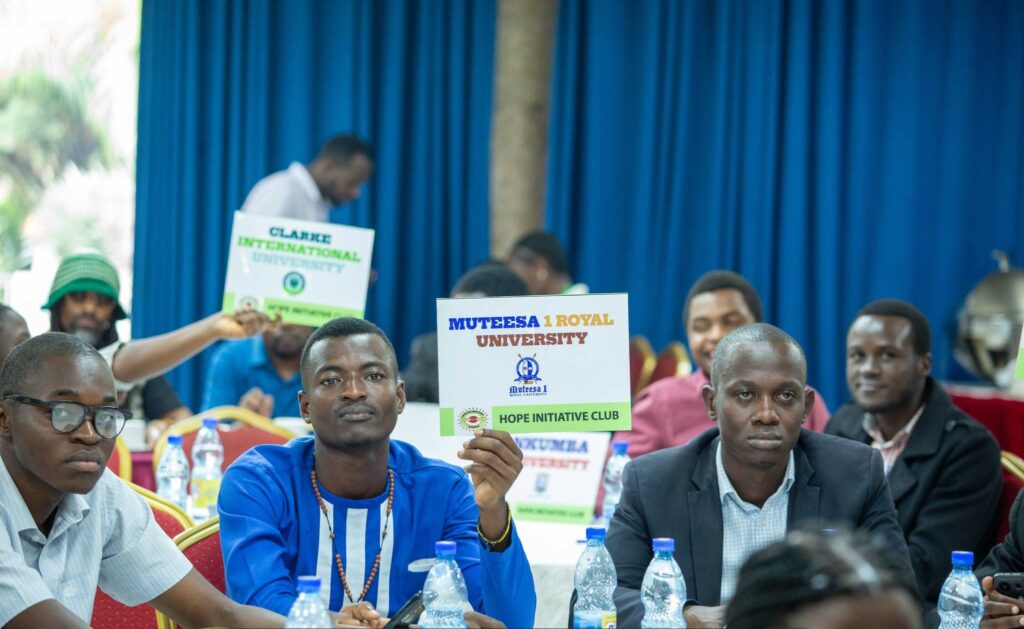
The group stages whittled the competition down to ten elite universities. The semi-finals saw Bishop Stuart University, Busitema University, Gulu University, IUIU, Kampala International University (KIU), IUEA, Kyambogo University, Makerere University, Ndejje University, and Uganda Christian University (UCU) vying for a place in the ultimate round.
Finally, the stage was set for the grand finale. The final panel debate featured five universities: Gulu University, Kampala International University (KIU), Kyambogo University, Makerere University, and Uganda Christian University (UCU). After a compelling and insightful exchange of ideas, Makerere University prevailed, claiming the top spot and the championship title for Season 5.

Honorable Guest: Inspiration from a Youth Leader
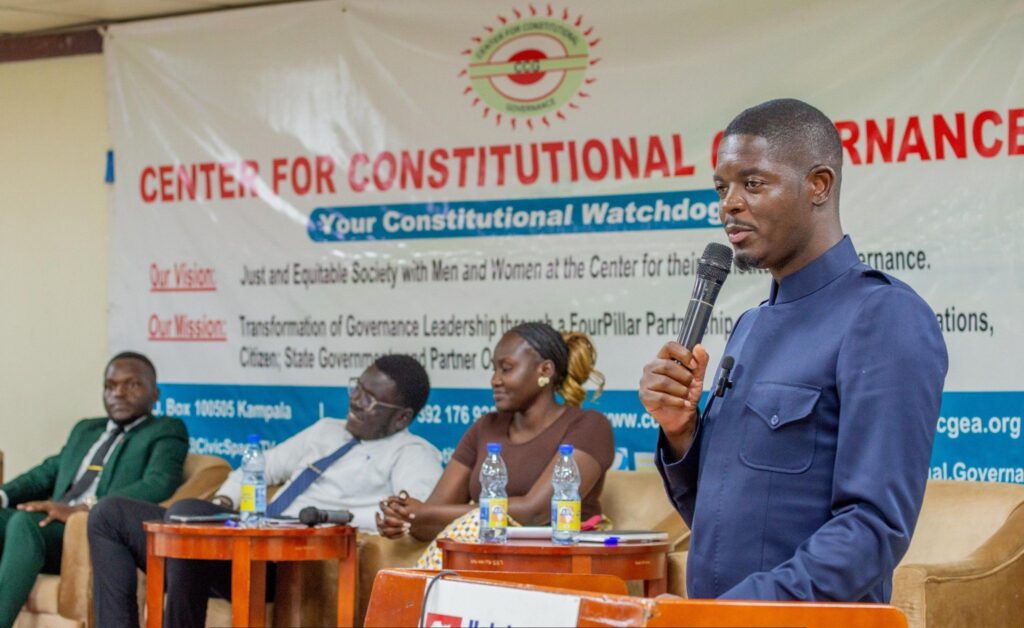
The event was graced by a distinguished chief guest, Hon. Shacky Timburwa, a Zimbabwean MP and a renowned advocate for youth-led development. Hon. Timburwa, named in Forbes’ 30 under 30 list in 2021, praised Uganda’s democratic space. “I love Uganda’s freedom of expression and association. The fact that we are able to have these debates towards elections, under a theme about credible free and fair elections,” he remarked.
He also offered crucial advice to aspiring young leaders. “To young politicians, I offer this advice: adopt a professional approach, engage in constructive debates, and prioritize fact-driven discourse.” Moreover, he stressed the importance of respectful dialogue, aligning it with African cultural values. “Effective leadership involves addressing issues with assertiveness, respect, and a focus on facts,” Timburwa concluded.
The Bigger Picture: CCG’s Regional Impact
The Inter-University Debate is more than just a competition. It is a key project of the Center for Constitutional Governance (CCG), a regional watchdog based in Kampala. CCG operates across the East and Horn of Africa, including Uganda, Kenya, Tanzania, Rwanda, Burundi, and South Sudan through its partners.
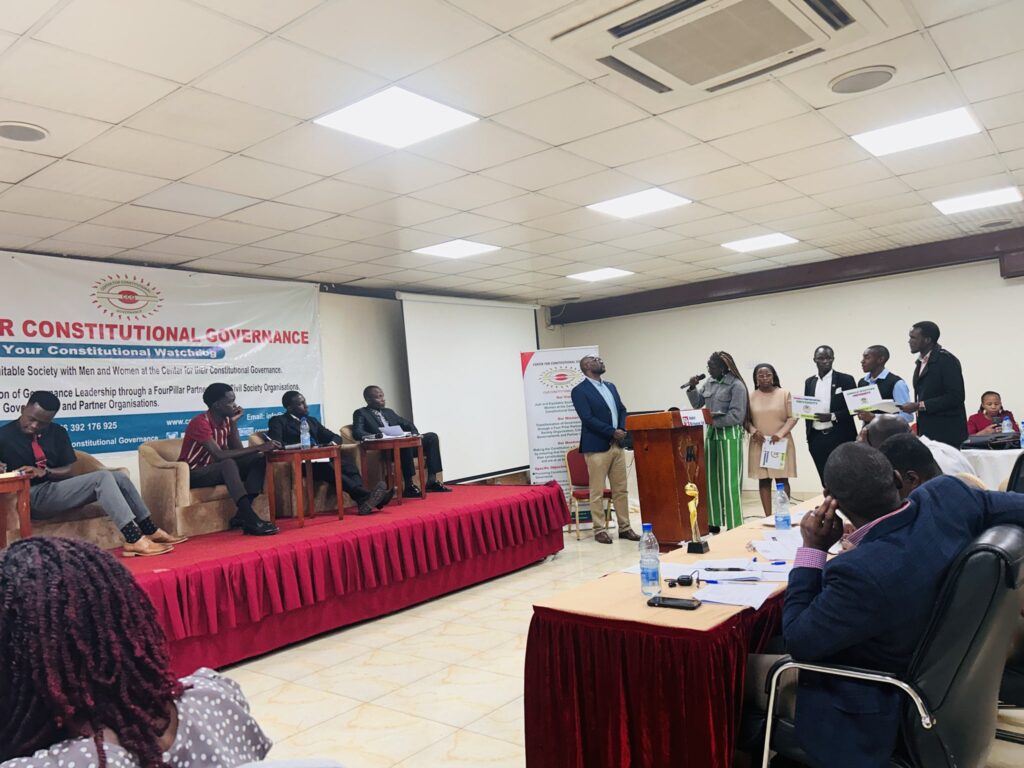
Therefore, this debate series is a vital platform for shaping future leaders. It empowers the youth to engage critically with governance and constitutionalism. By doing so, it truly fulfills its mission of nurturing “hope” for a better future across the region.