
Table of Contents
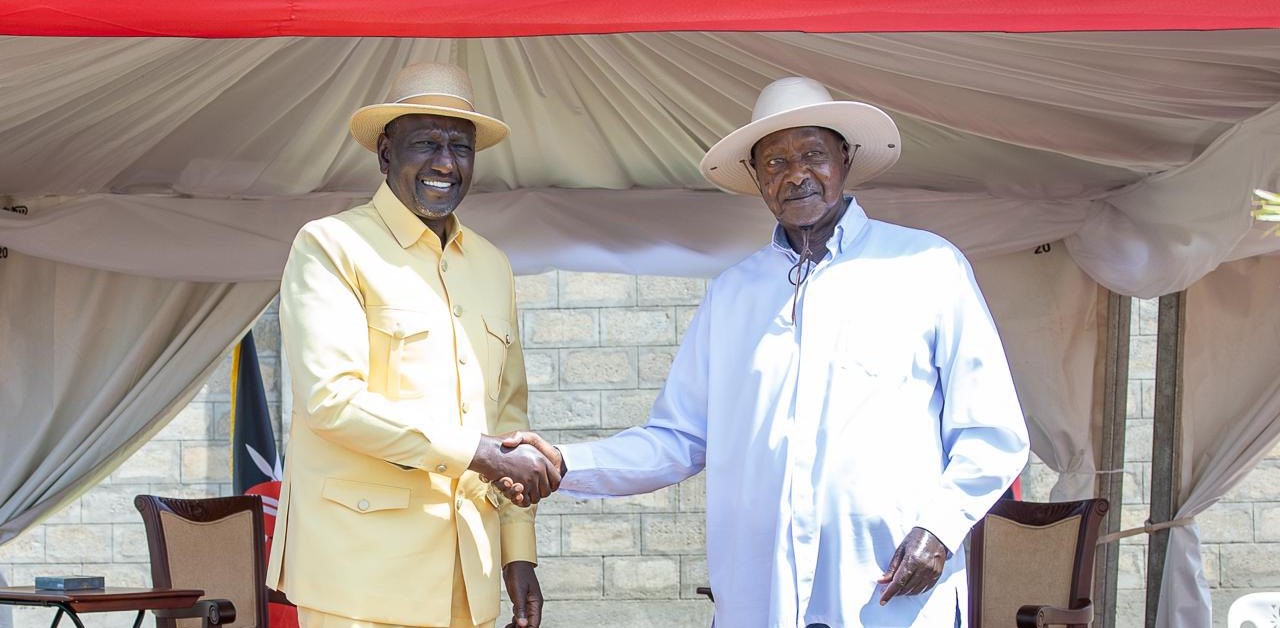
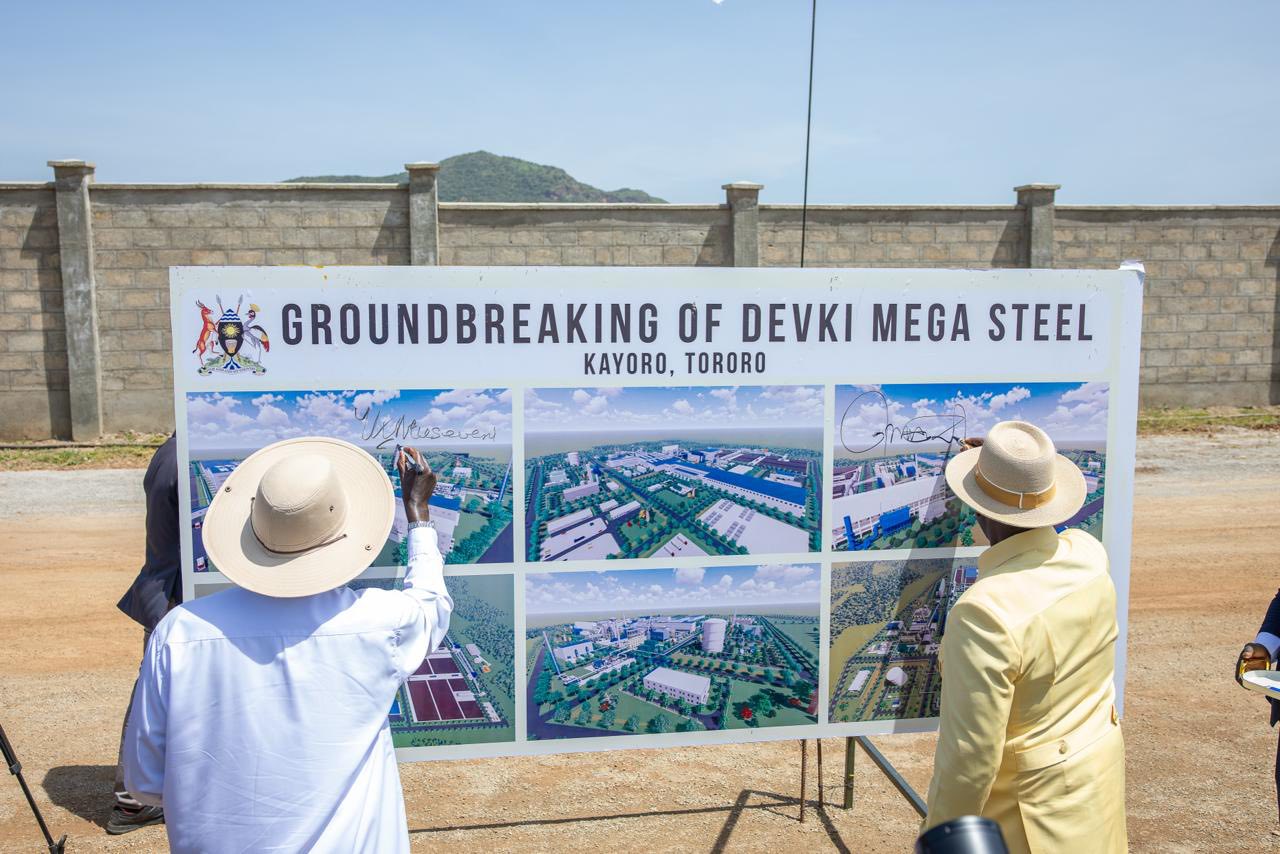
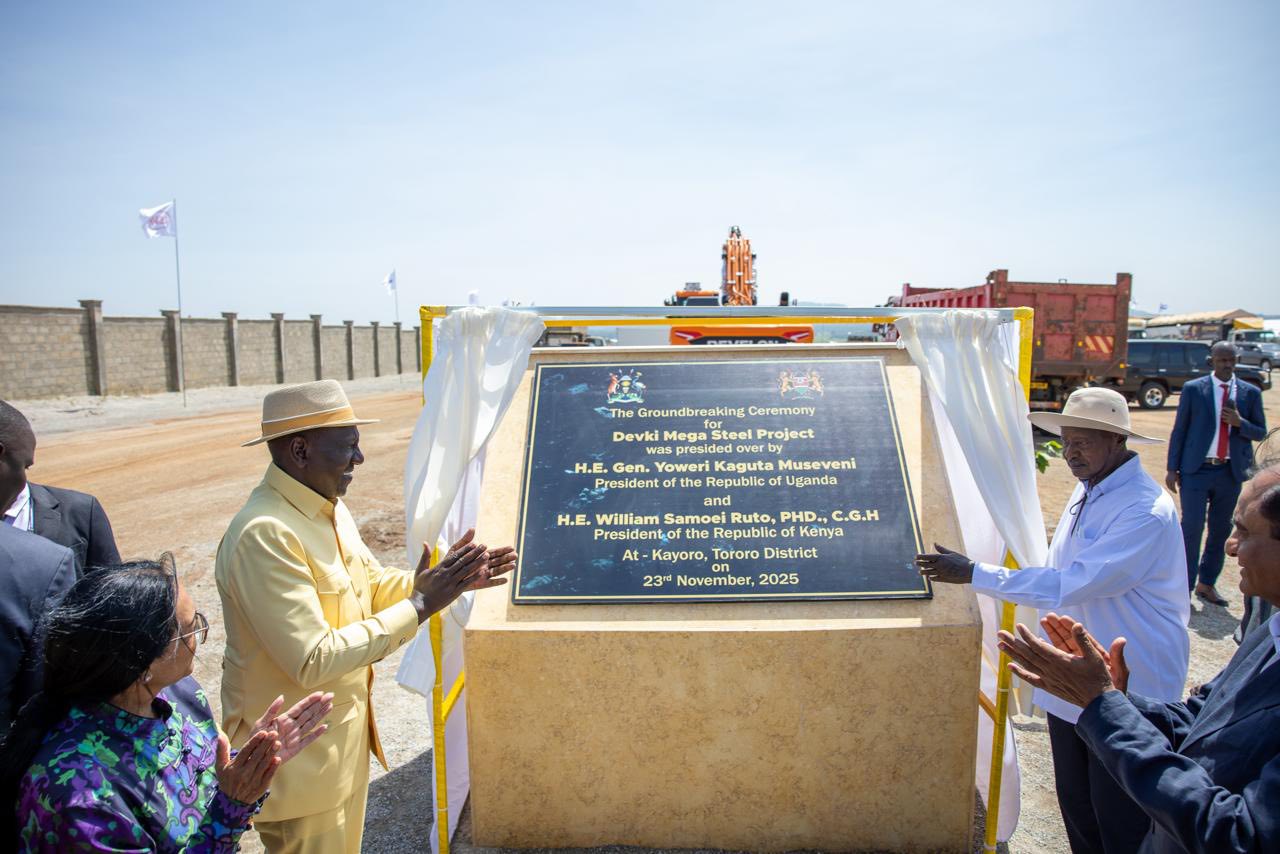
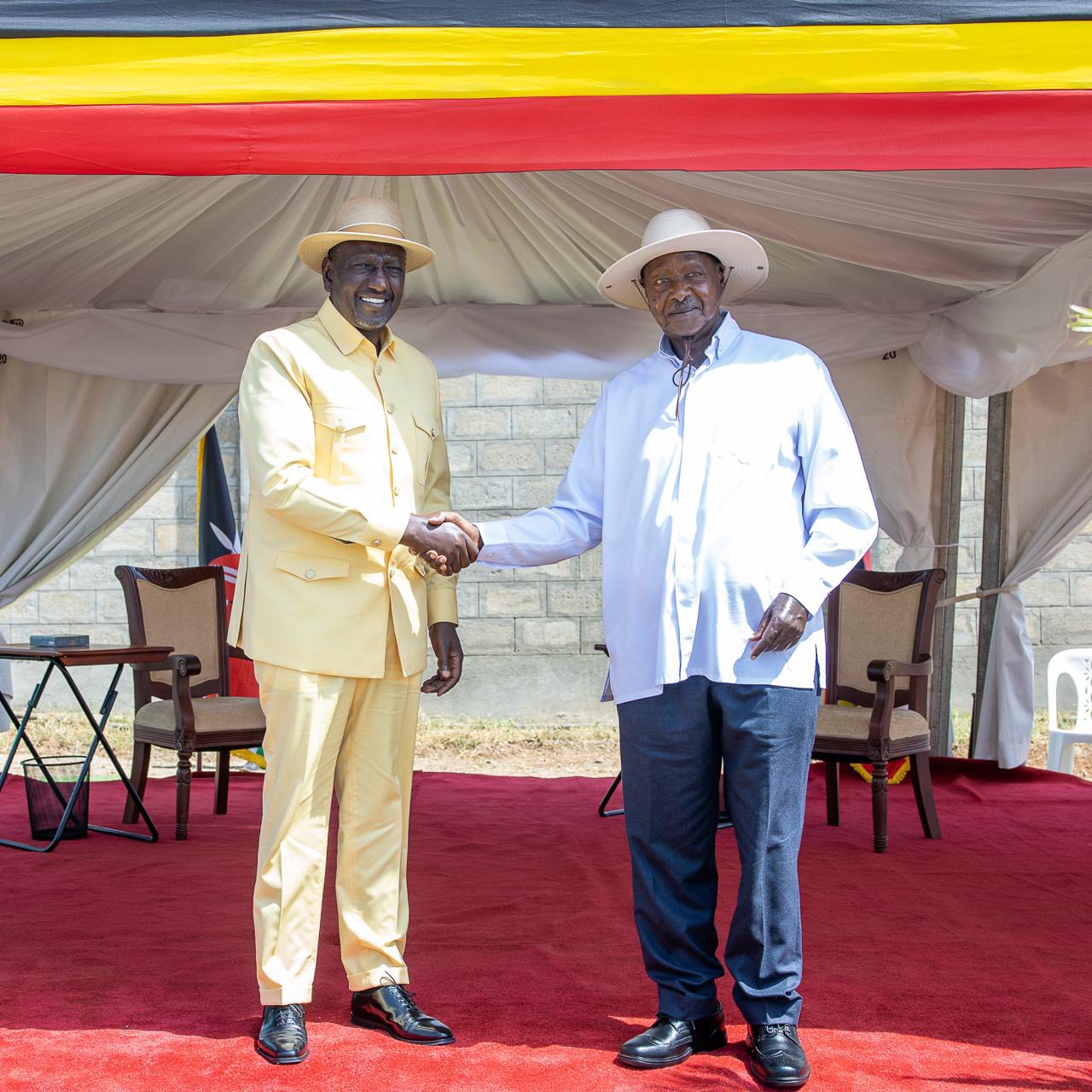
In a landmark moment for regional industrial development, President Yoweri Kaguta Museveni and Kenyan President William Ruto on sunday, 23rd November,2025 presided over the groundbreaking ceremony of the Devki Mega Steel Project in Osukuru, Tororo District. The project, spearheaded by Kenya’s Devki Group, is set to become one of East Africa’s largest steel production plants and a symbol of growing economic cooperation between Uganda and Kenya.
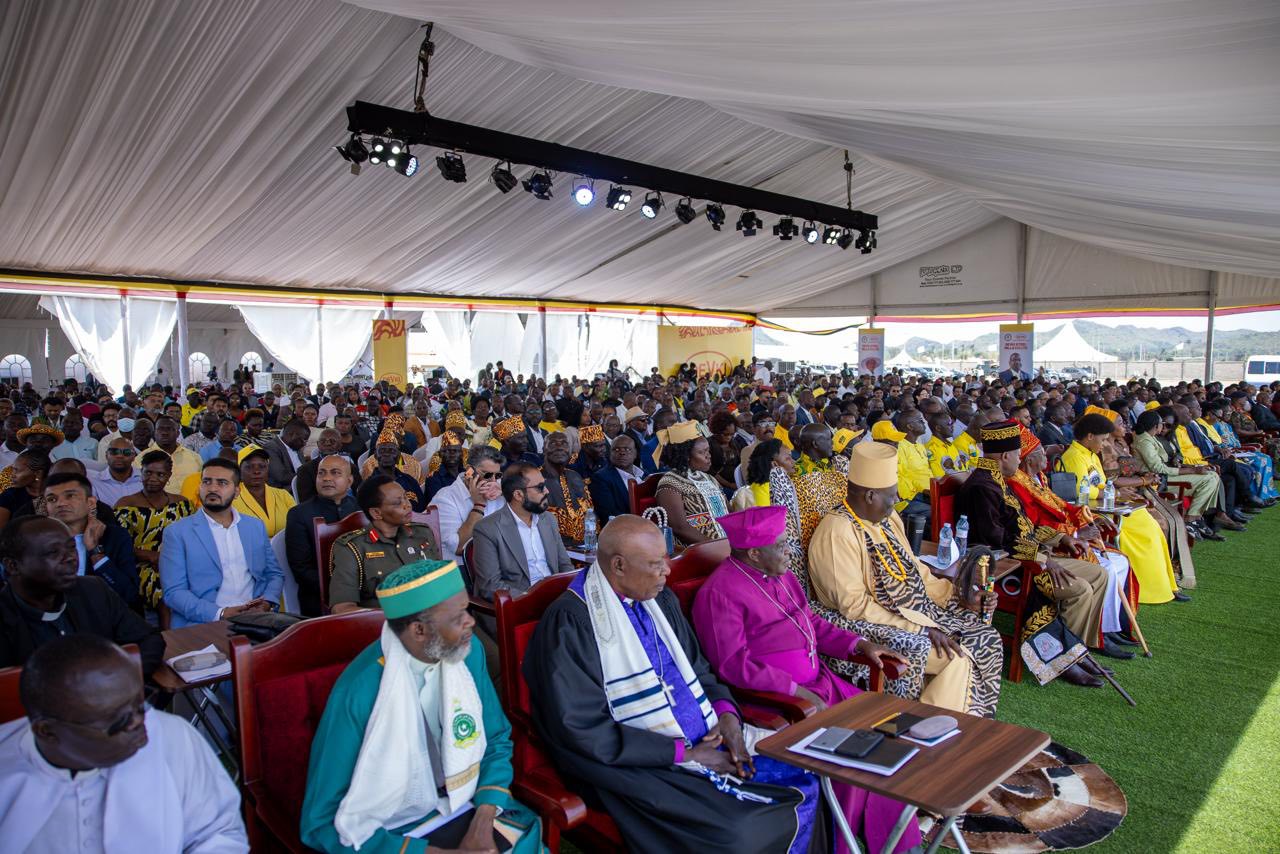
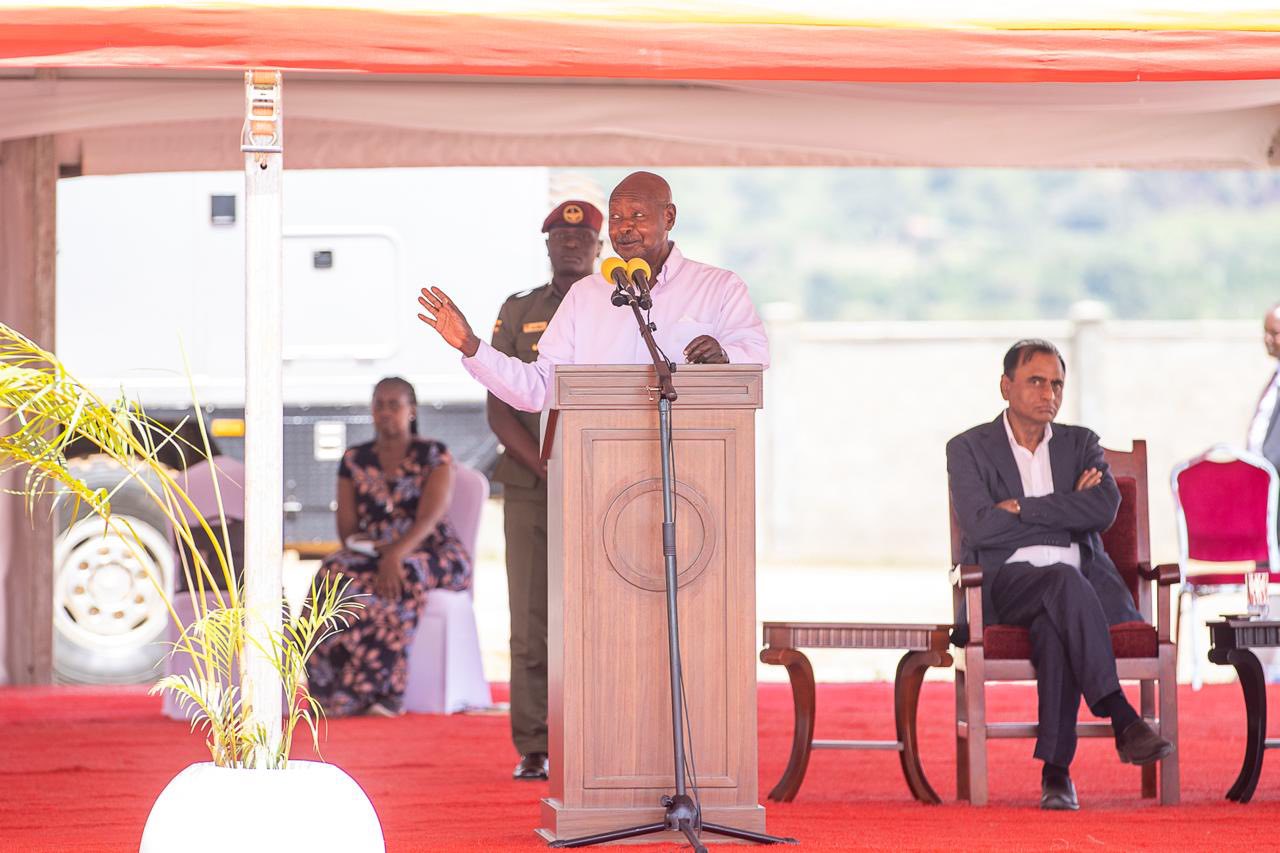
What President Museveni Said at the Groundbreaking of the Devki Mega Steel Project in Tororo
- Industrial Projects Must Benefit Local Communities
According to Africa Sustainability Matters, Museveni emphasized that “industrial projects only make sense when communities benefit first”.- He committed to ensuring that a large portion of the workforce at the Devki plant will come from Tororo and nearby areas.
- The goal is to make sure local people don’t just provide raw materials, but also gain decent-paying jobs in the plant.
- Reducing Import Dependence
Museveni reaffirmed his long-standing vision to process Uganda’s iron ore locally, rather than exporting it raw, in order to cut the country’s huge steel import bill.- He noted that Uganda could save about US $900 million annually (about UGX 3.1 trillion) on steel imports by refining its own ore.
- According to a media summary, he said: “We also plan to process our rich iron ore reserves into high-quality steel, which will significantly reduce our dependence on steel imports”
- Belief in Industrialisation as Uganda’s Future
Museveni reiterated that industrialisation is the surest path to wealth creation for Uganda.- He pointed to the growth of industrial parks in Uganda, saying they are transforming “towns of shops into towns of industries.”
- He argued that processing Uganda’s minerals (like iron ore) and agricultural produce locally was more beneficial than exporting raw commodities.
- Economic Sovereignty and Long-Term Vision
In line with his broader economic vision, Museveni spoke about strengthening Uganda’s self-sufficiency and economic resilience.- He reiterated his country’s 2040 economic target, where key pillars include mineral development (like refining iron ore), agro-industrialization, and innovation.
- He made a point that Uganda must “join the money economy,” moving beyond subsistence farming and basic exports. (He has emphasized this message in the past, particularly in regions like Tororo.)
Interpretation & Significance
- Strategic Value: Museveni’s remarks underscore that the Devki steel plant is not just a business venture — it’s a strategic tool in Uganda’s industrial-economic transformation.
- Local Empowerment: By promising that 90% of workers will be local, he is signaling that the government wants to ensure direct community benefit, not just taxation or land-use benefits.
- Import Substitution: His emphasis on reducing imports of steel through local value-addition aligns with broader national goals to conserve foreign exchange.
- Long-term Vision: The speech ties neatly into his 2040 economic vision, where industrialization is central
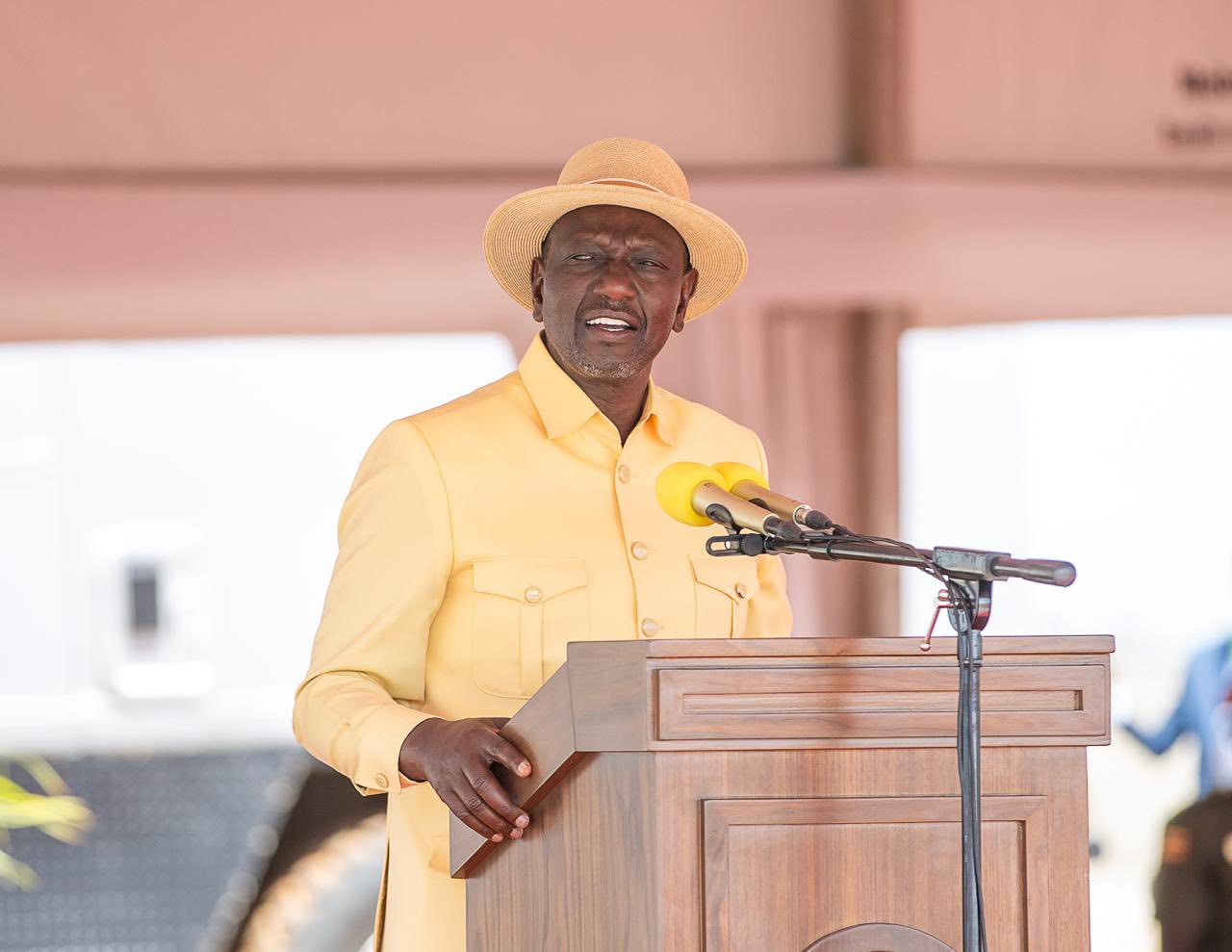
What President Ruto Said at the Groundbreaking of the Devki Mega Steel Project in Tororo
- Regional Industrial Cooperation
- Ruto hailed the Tororo steel project as a powerful symbol of regional cooperation. He argued that as a region, East African countries are stronger together: “The sum of our collective strength far exceeds the power of our individual nations.”
- He emphasized that coordinated industrial policies, shared infrastructure, and value-addition are vital for building a competitive and self-sufficient East Africa.
- Vision for Industrial and Economic Growth
- He described the project as “a bold new chapter in Africa’s industrialisation ambitions.”
- Ruto framed the plant not only as a business venture but also as part of Kenya’s strategic push to reduce steel imports, produce more locally, and export to neighboring markets.
- He expressed strong confidence in East Africa’s resource base: noting that Sub-Saharan Africa has 20 to 25 billion tonnes of proven or probable iron ore reserves.
- Support for Ugandan-Kenyan Partnerships
- He thanked President Museveni and his government, saying the joint project demonstrates “the strength of our bilateral ties and the growing economic integration between our countries.”
- He lauded Dr. Narendra Raval (Devki Group’s chairman) for his investment, saying it reflects vision, entrepreneurship, and a commitment to transforming future generations.
- Broader Strategic Importance
- Ruto linked the steel project to bigger continental goals: he said it supports Africa’s Agenda 2063 and the African Continental Free Trade Area (AfCFTA) by promoting value addition and deeper economic integration.
- He also dismissed media claims of tension between Kenya and Uganda over access to the sea. At the groundbreaking, he said such portrayals are exaggerated and reaffirmed that “Uganda and Kenya are brothers and sisters.”
Interpretation
- Ruto sees the Tororo steel plant not just as a commercial investment, but as a strategic pillar of East African industrialisation.
- He is making a strong case for regional integration, arguing that joint infrastructure and manufacturing projects are more powerful than isolated national efforts.
- By tying the project to Africa’s long-term economic agenda (Agenda 2063, AfCFTA), he is framing it as part of a continental shift toward value-added industrial economies, not just resource extraction.
What the Project Is All About
The Devki Mega Steel Project is a US$500 million (UGX 1.8 trillion) investment aimed at establishing a state-of-the-art steel rolling mill with an estimated annual production capacity of one million tonnes. The plant will utilize Uganda’s rich iron ore deposits—particularly from the eastern region—to produce high-grade steel for both domestic use and export.
Scheduled for completion by December 2027, the facility is expected to dramatically reduce Uganda’s reliance on imported steel, promote value addition, and create a sustainable industrial ecosystem. Devki Group, known for its extensive footprint in Kenya’s manufacturing sector, is making its first major cross-border venture through this project.

The plant will directly employ up to 15,000 Ugandans, with thousands more benefiting indirectly through supply chains, transportation, mining, and support services.
How the Two Nations Will Benefit
Presidents Museveni and Ruto celebrated the project as a milestone for regional industrialization and economic integration.
For Uganda, the steel plant will significantly cut down steel imports, saving the country substantial foreign exchange and boosting local manufacturing. With the country’s vast iron ore deposits currently underutilized due to a ban on raw mineral exports, the project provides the much-needed value addition and domestic processing capacity.
Kenya also stands to benefit as Devki Group expands its industrial influence in the region. President Ruto emphasized that the project strengthens bilateral cooperation, enabling both nations to tap into shared resources—Ugandan raw materials and Kenyan industrial expertise.
The steel produced in Tororo will supply markets across East Africa, including Kenya, Tanzania, Rwanda, South Sudan, and the Democratic Republic of Congo, enhancing the region’s collective manufacturing resilience.
Additionally, the ceremony coincided with deeper infrastructural partnerships, including Kenya’s commitment to support Uganda’s access to the Indian Ocean and Uganda’s acquisition of a stake in the Kenya Pipeline Company—moves expected to improve the regional flow of goods such as steel, petroleum, and other industrial products.
How Devki Mega Steel Project Will Benefit the People of Tororo District
For Tororo residents, the Devki Mega Steel Project promises transformative impact.
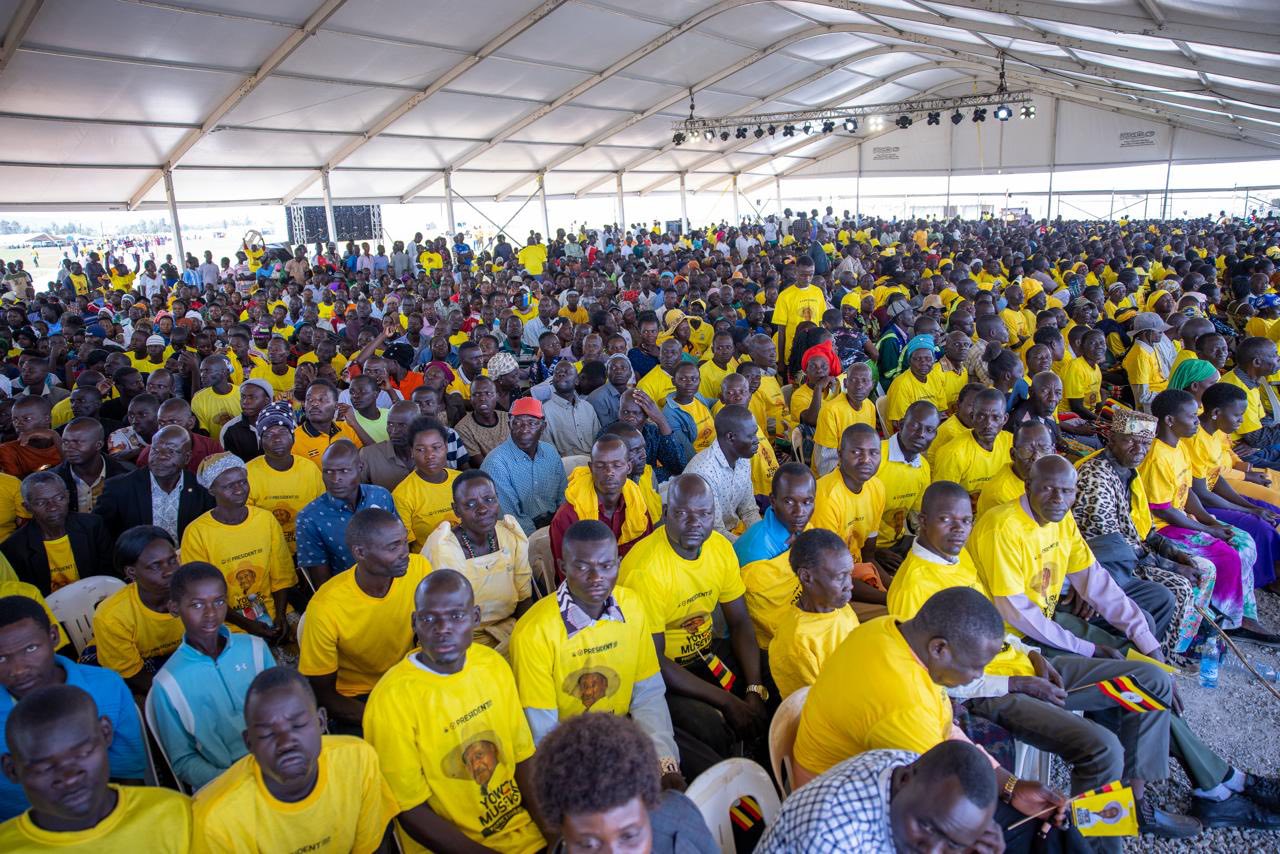
The massive job opportunities both direct and indirect will stimulate the district’s economy, increasing household incomes and reducing unemployment. Local businesses, from transport operators to suppliers and food vendors, are expected to experience a surge in demand as industrial activity grows.
The project will also improve local infrastructure. Roads, electricity lines, and other utilities are being expanded to support the plant, but these services will also benefit surrounding communities long after construction ends.
With the steel plant joining the existing Osukuru Industrial Complex, Tororo is on course to become a major industrial hub in Uganda. The district’s mineral wealth, previously exported in raw form or left unexploited, will now generate significant value locally, contributing to long-term poverty reduction and community development.
Also Read: Museveni wins CAF 2025 Award for CHAN 2024 Success
A New Era for Regional Industrial Growth
The groundbreaking of the Devki Mega Steel Project marks a new chapter for Uganda, Kenya, and the East African region. More than a steel plant, it represents a shared vision of industrial strength, economic independence, and regional cooperation.
For the people of Tororo, the project is not just an investment, it is a promise of opportunity, progress, and a brighter industrial future.