Table of Contents
When was the 2025 Young Content Developers Programme
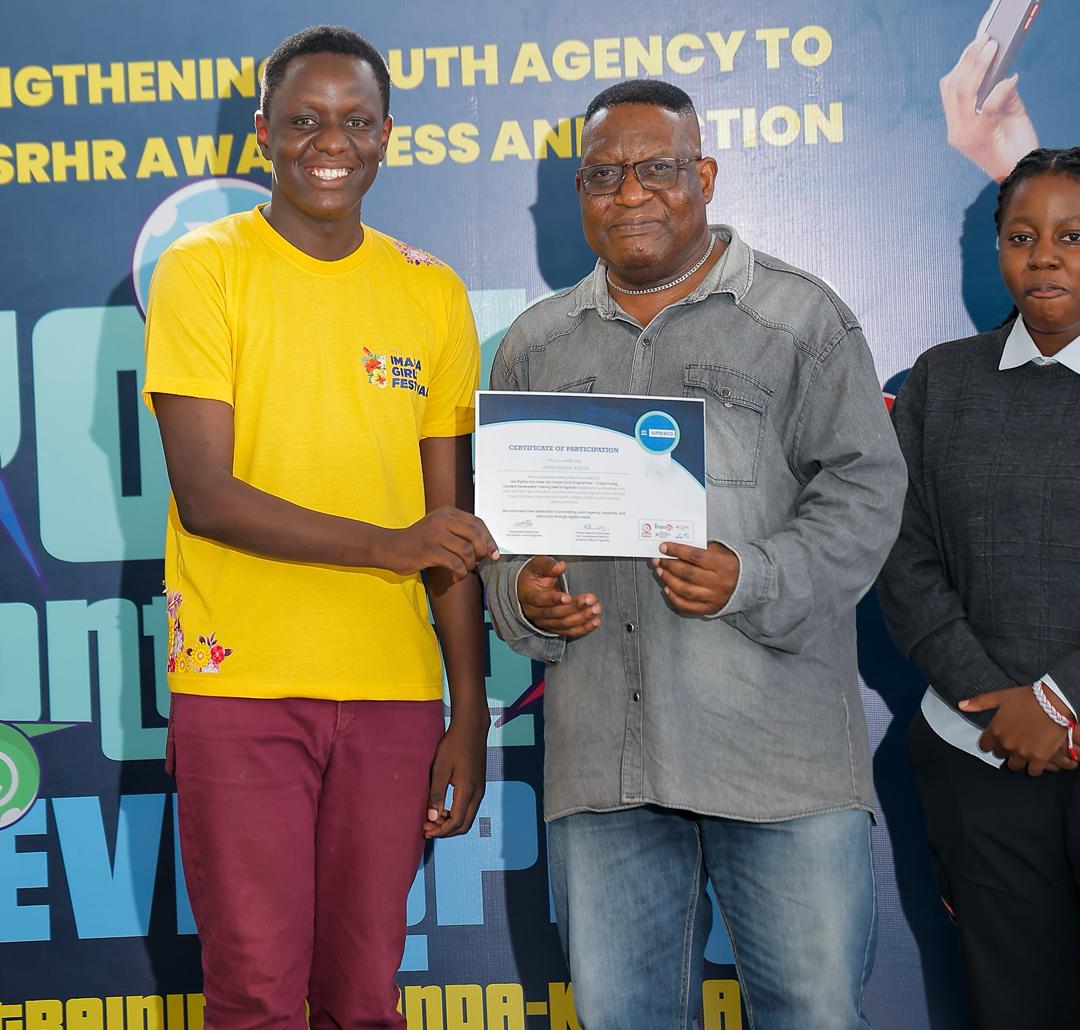
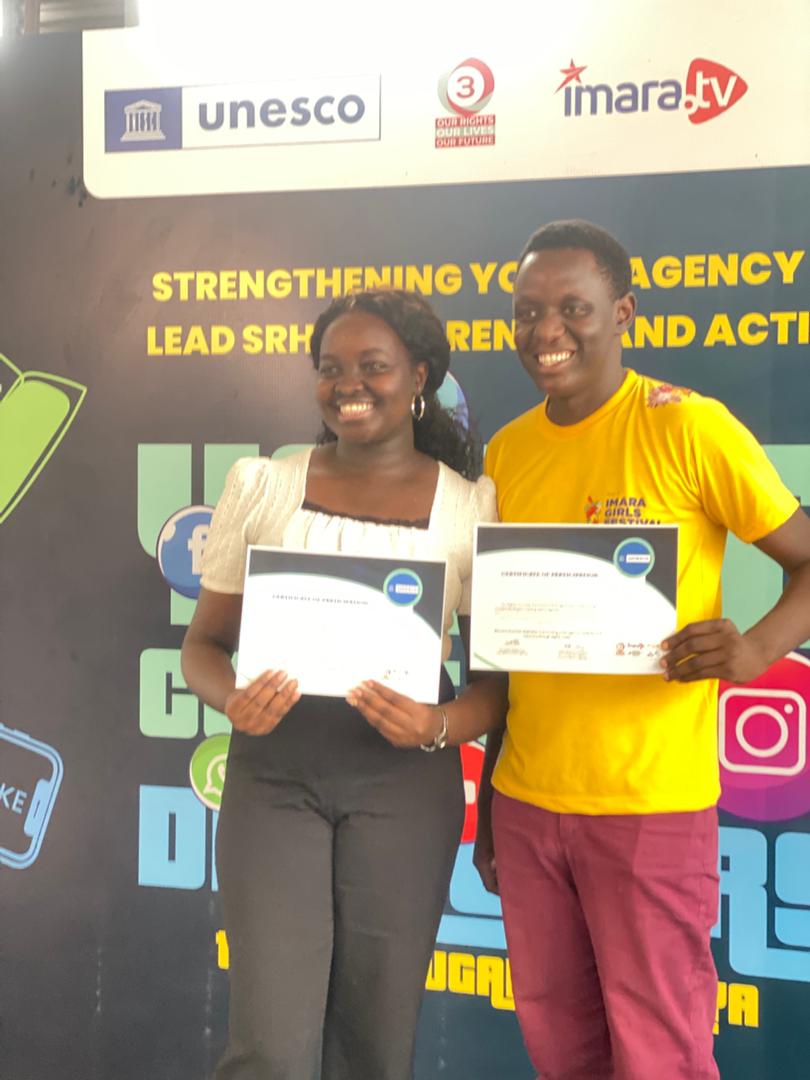
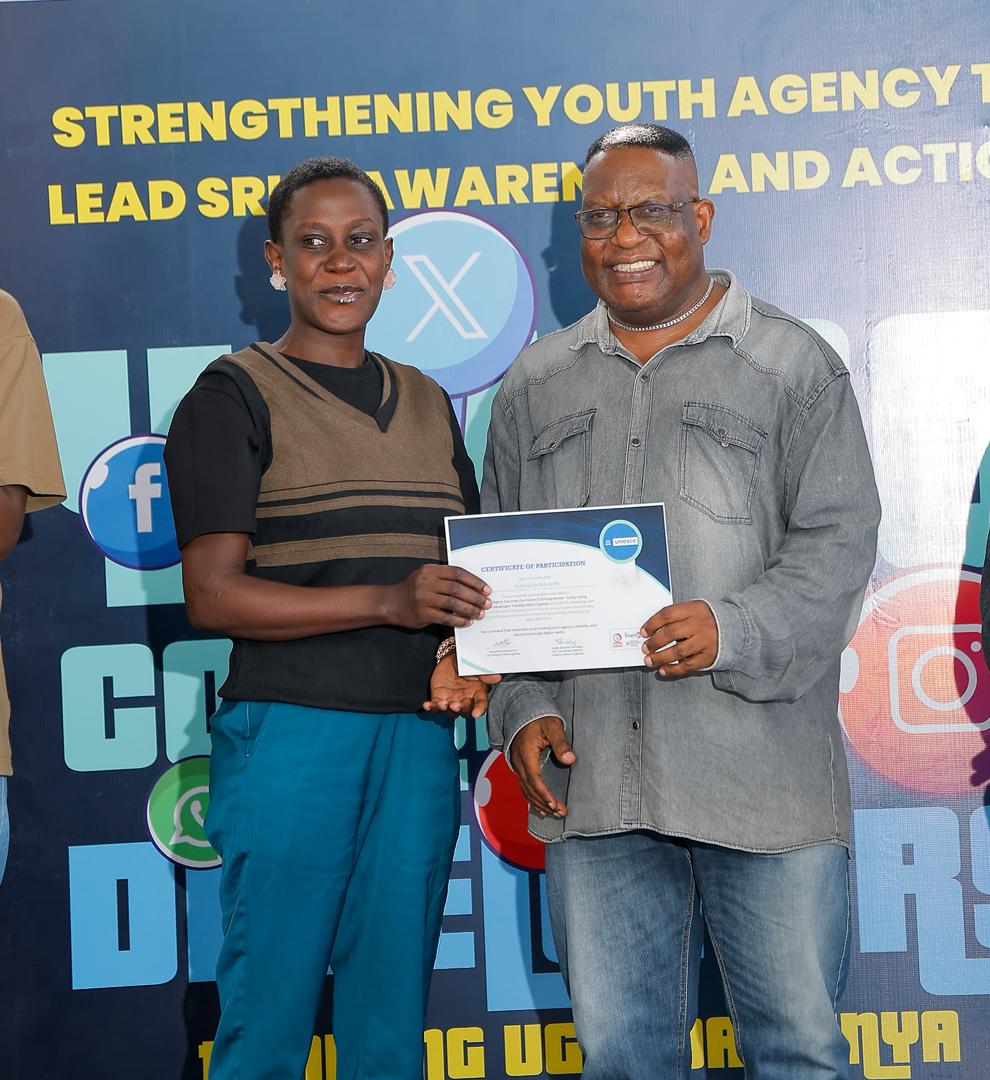
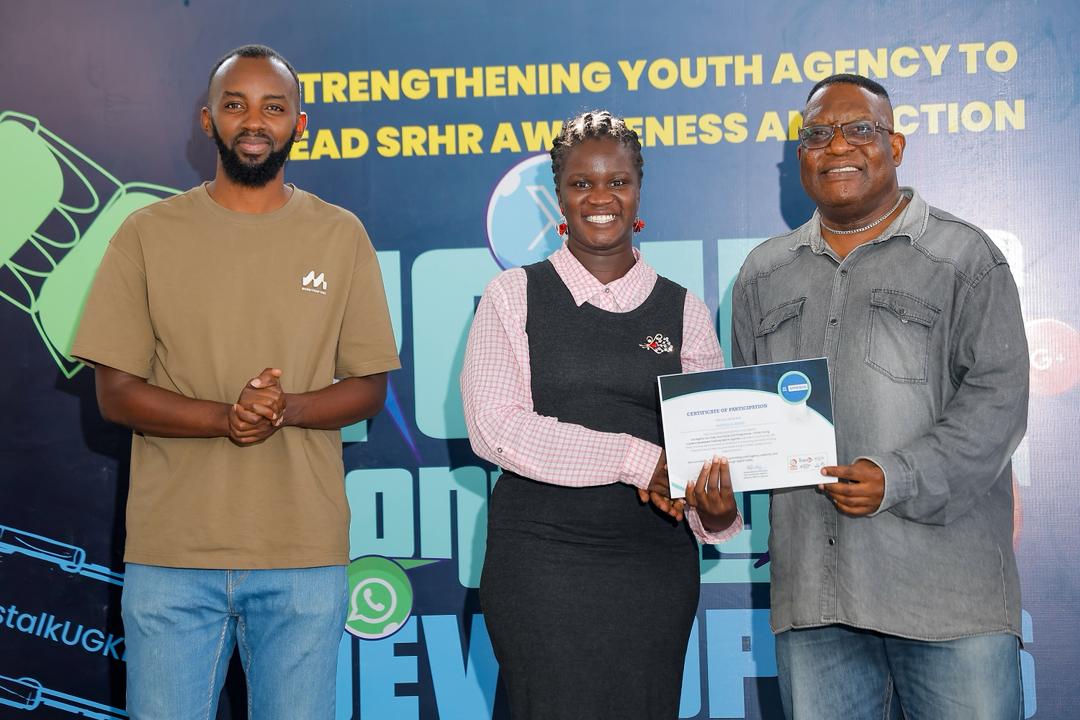
As the calendar turns toward the final days of 2025, the atmosphere in Kampala is charged with a peculiar blend of festive anticipation and reflective gravity. This year has been a watershed moment for Uganda’s public health landscape, marked by the tension between technological advancements and deep-seated behavioral stagnation. Recently (8th to 12th December 2025), I had the privilege of attending the Young Content Developers Programme, also known as #LetsTalkUg, an initiative by Reach A Hand Uganda (RAHU), founded by Humphrey Nabimanya.
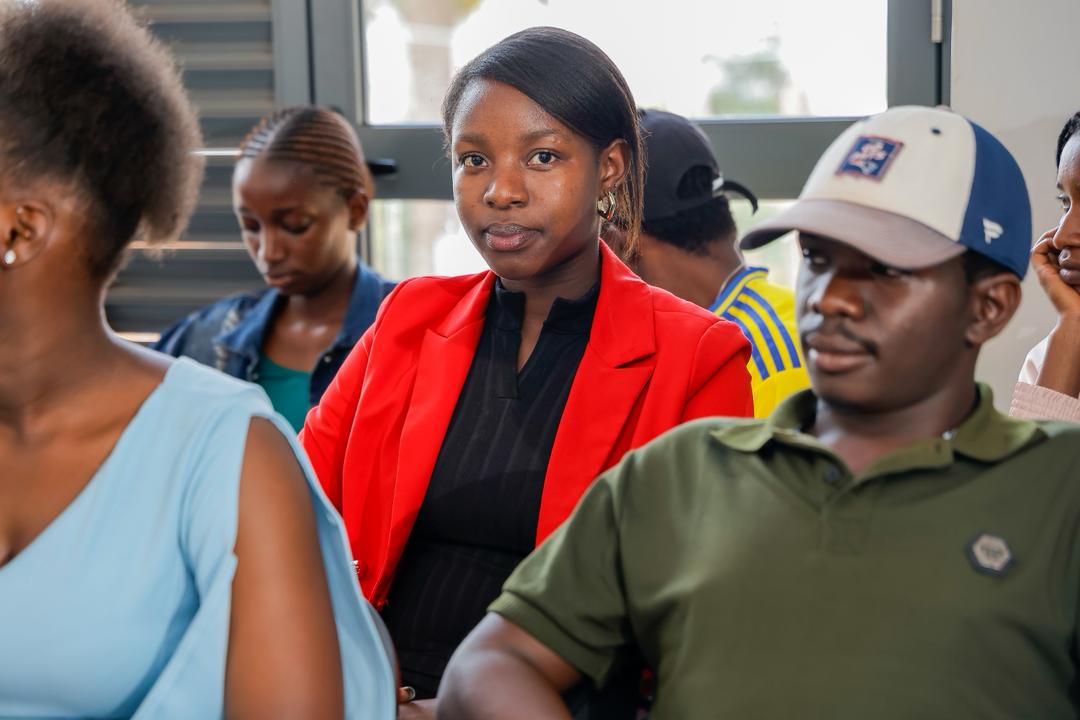
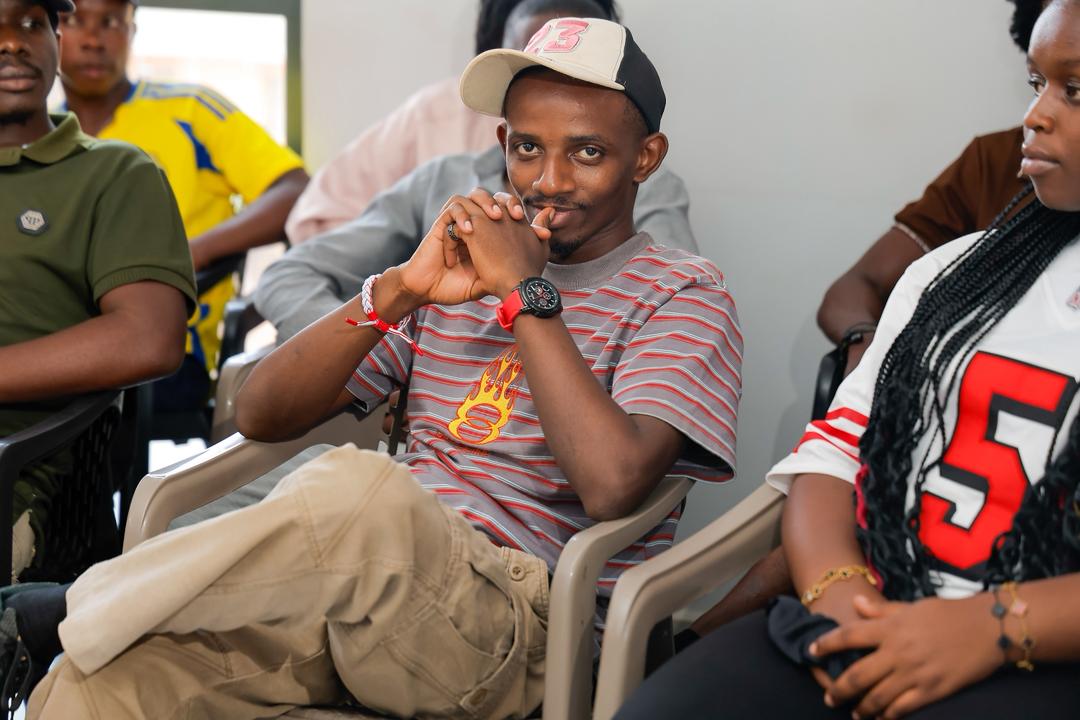
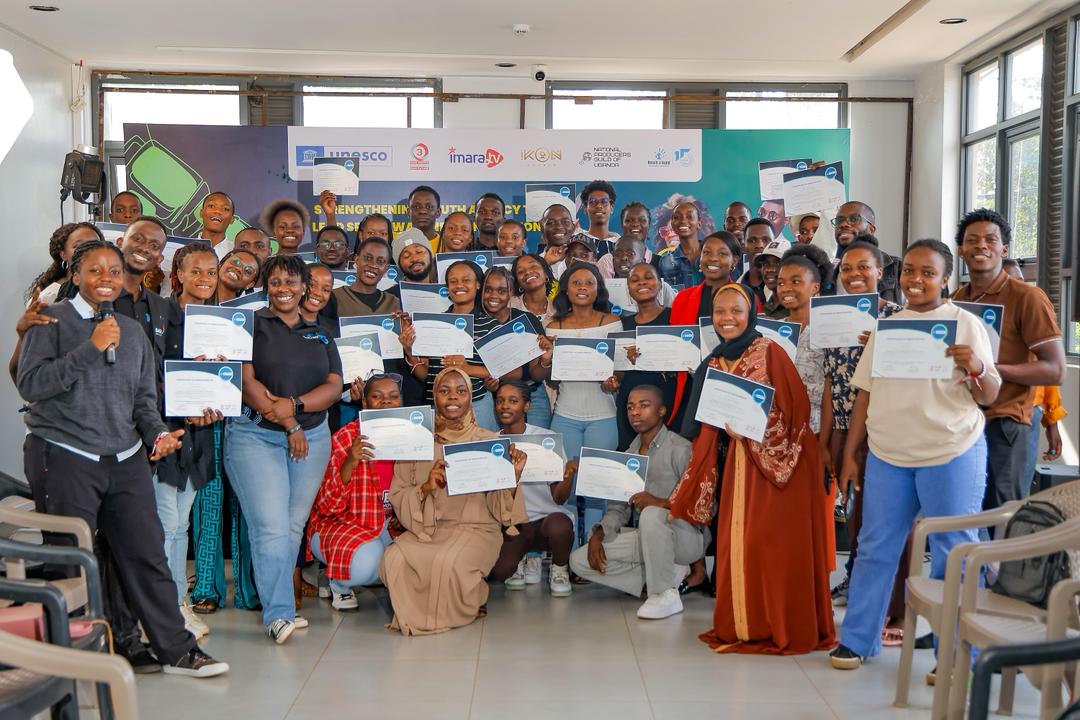
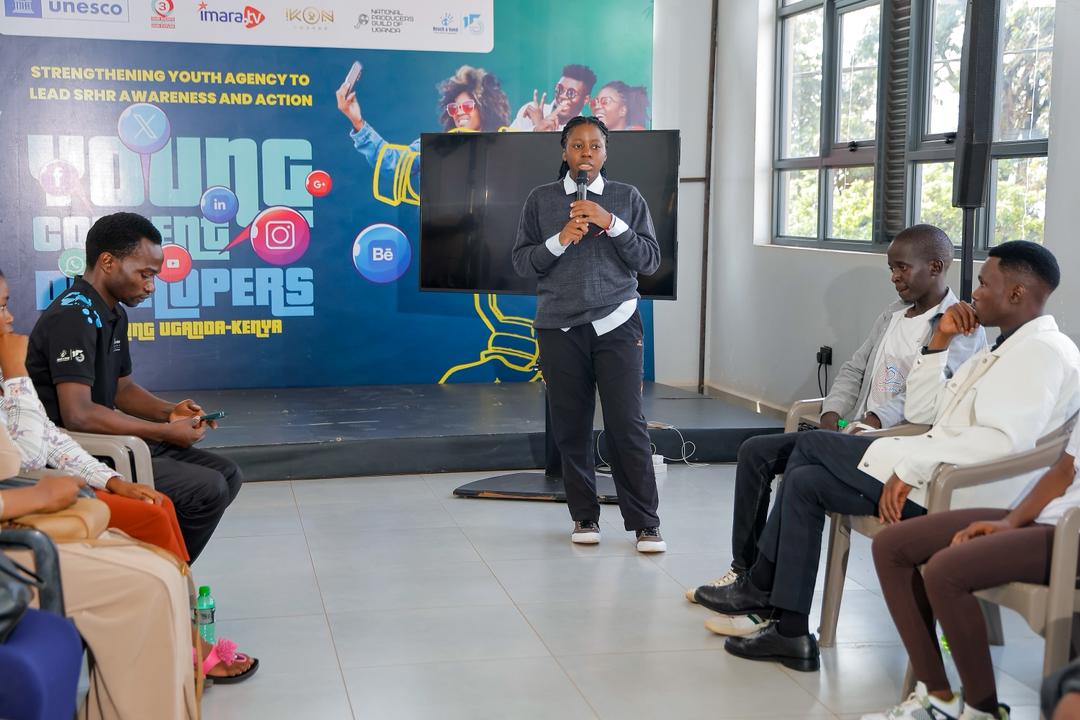
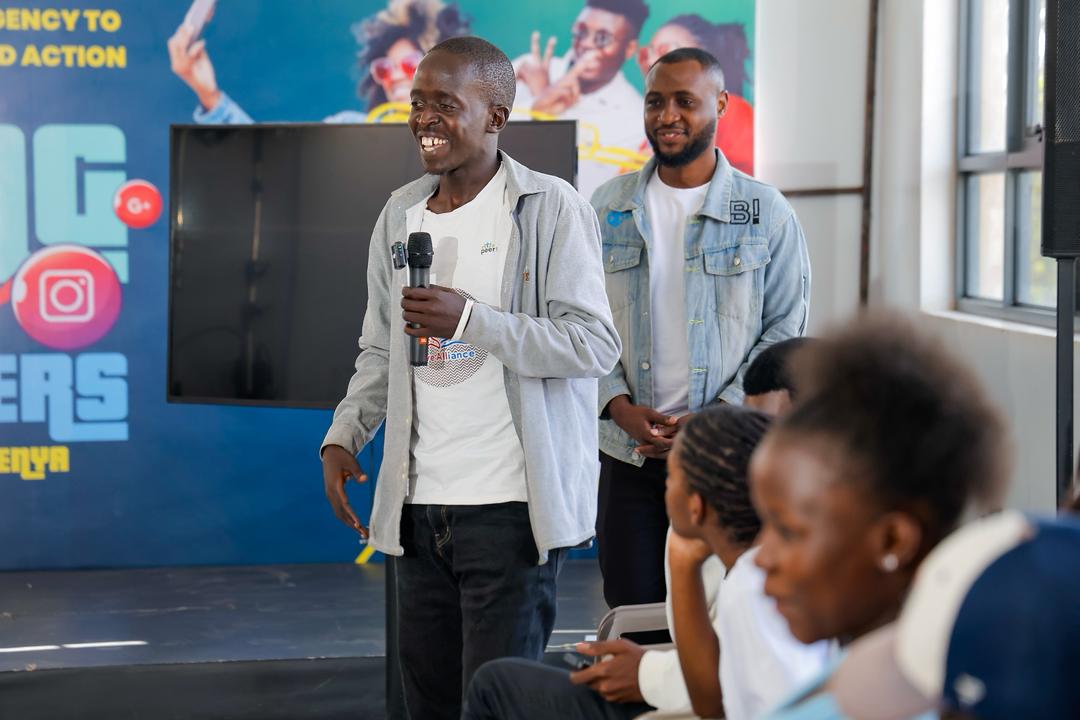
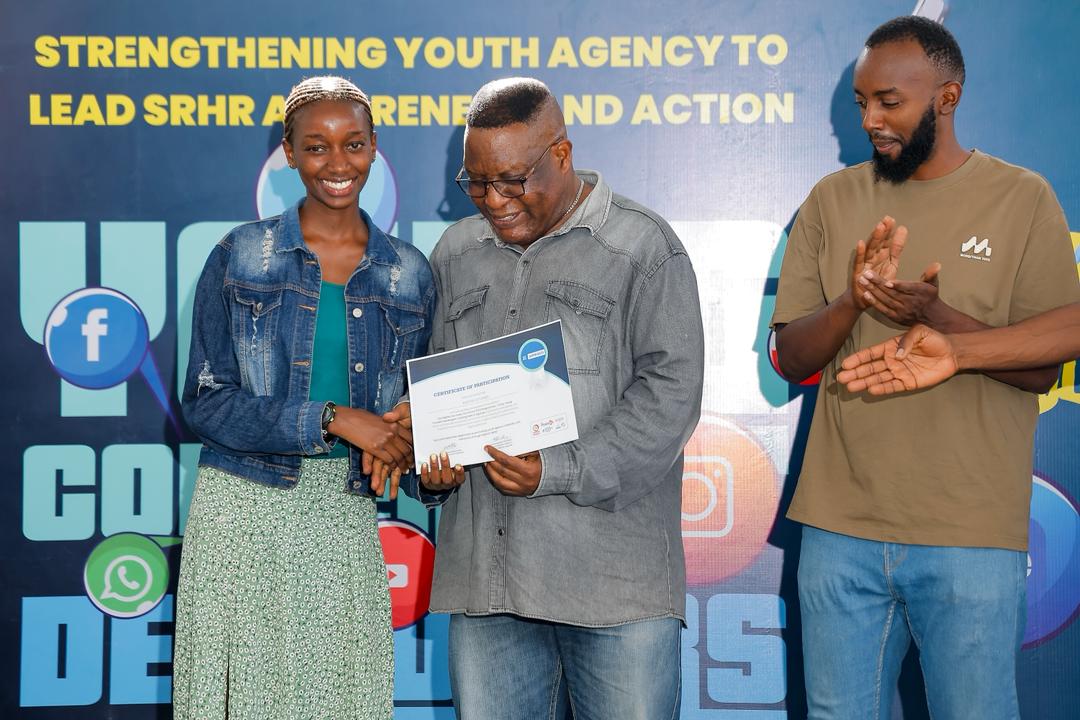
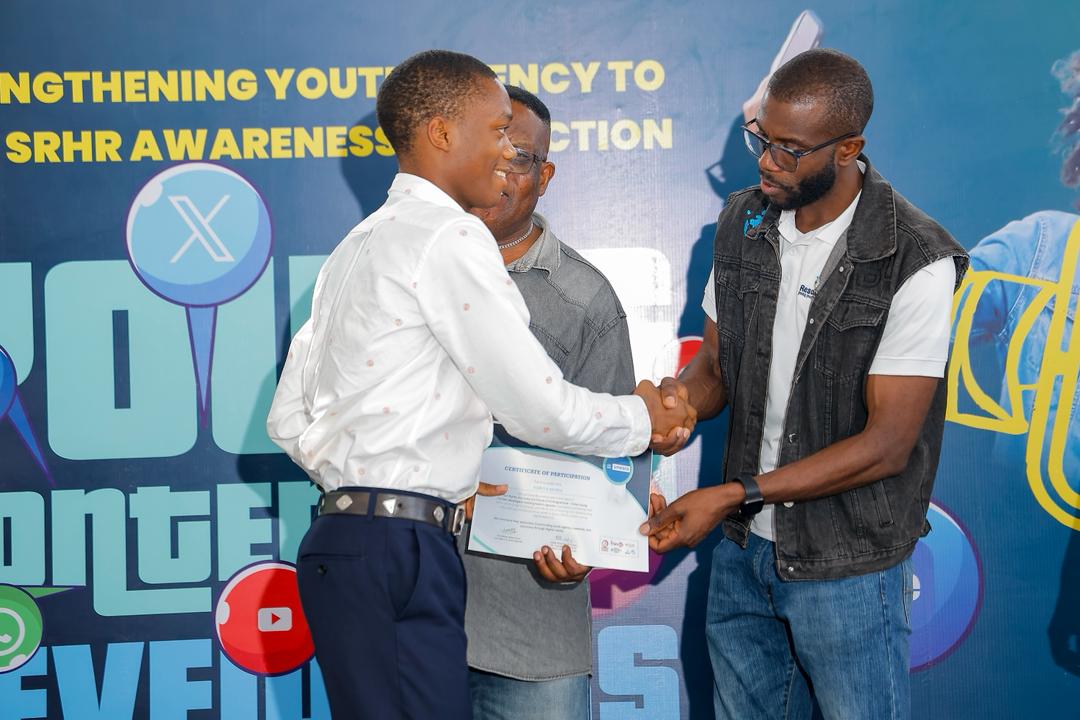
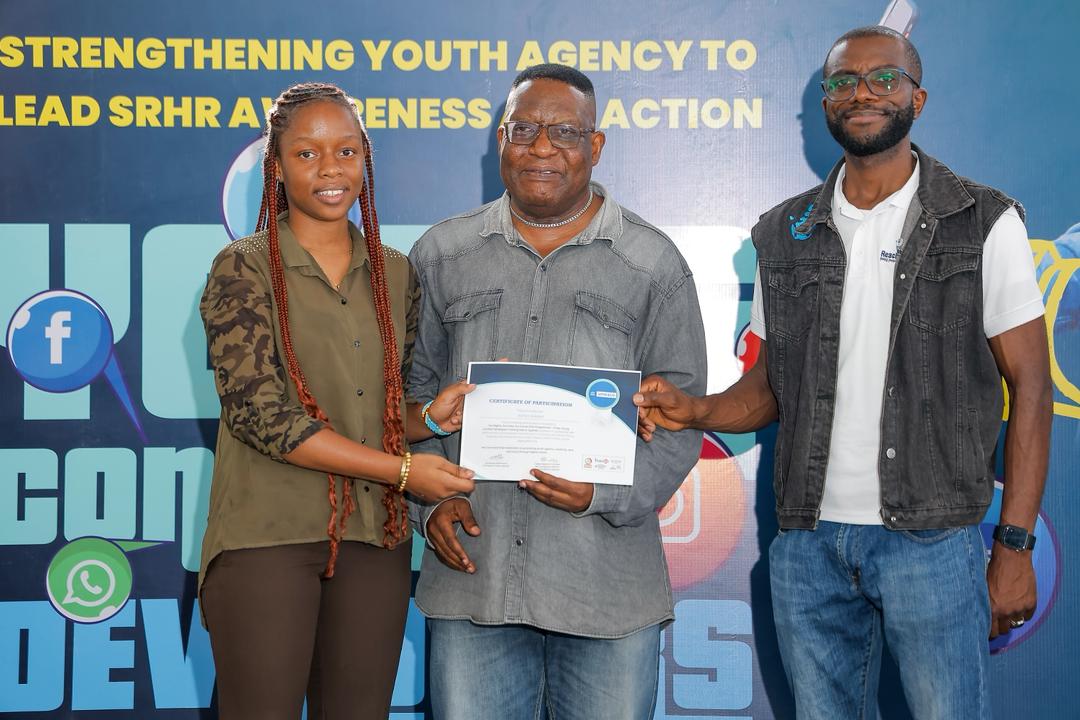
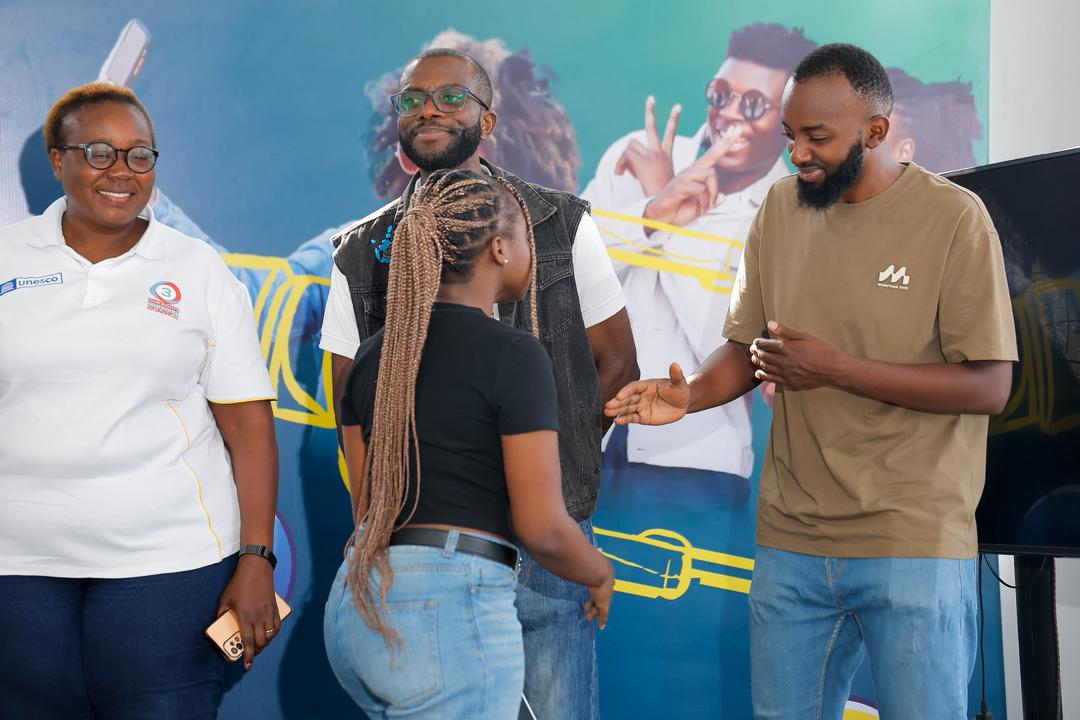
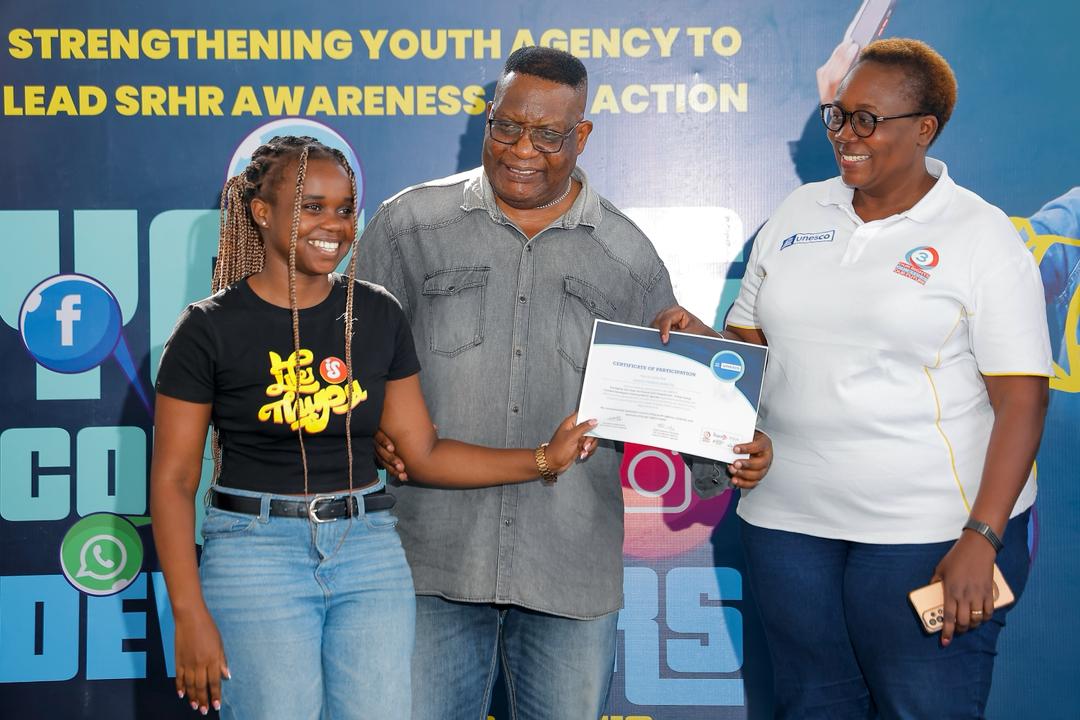
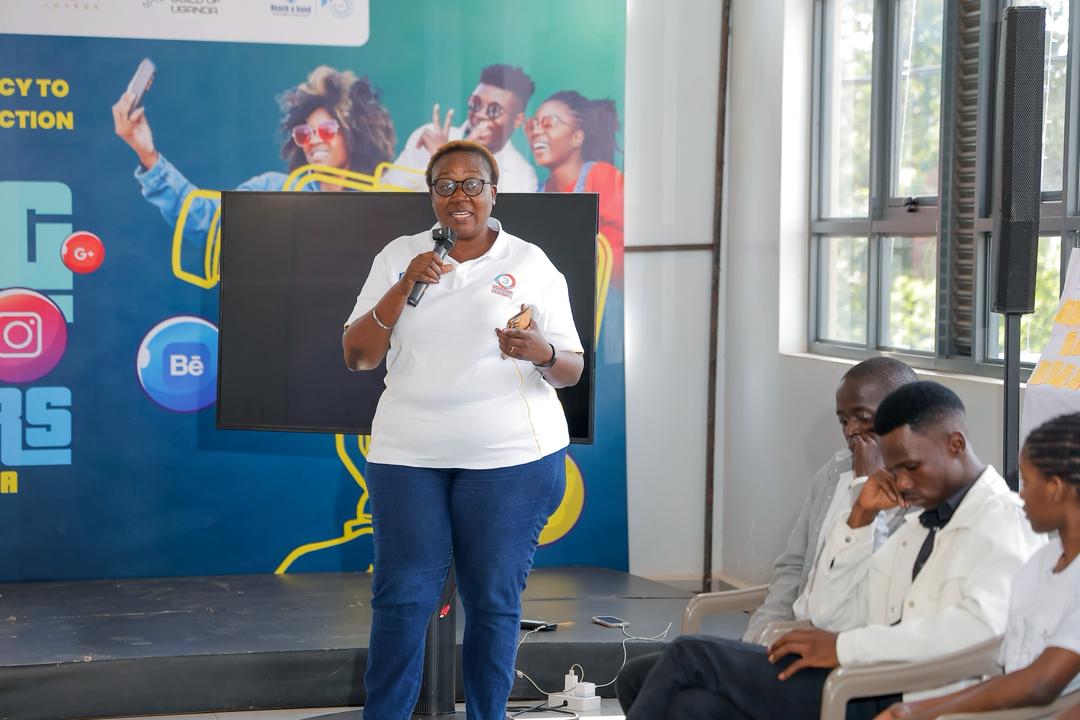
This gathering was not merely a workshop; it was a diagnostic exercise for the soul of our nation’s youth. Forty-eight of the country’s most influential digital creatives were brought together under the banner of the “Let’s Talk Ug” campaign, supported by the O3 Programme in collaboration with UNESCO. What transpired went far beyond content strategy; the sessions evolved into a raw, unfiltered exposition of the anxieties, contradictions, and hopes of a generation standing at the precipice of a new era.
How does our upbringing shape the way men and women see themselves?
We have seen a lot of organizations and people talk about women’s emancipation, the promotion of the girl child, and giving them opportunities. But then, society itself has positioned women to be pillars of morals while simultaneously positioning them to be objects. I mean this in every possible sense—literally objects—because in Africa, for example, a woman is trained specifically to be “good enough” for her husband. Everything she does revolves around that: her character, how she treats people—everyone refers it back to what will happen when she gets married.

Whereas for men, the criticism is about survival. How will they survive? How will they be able to provide for others? As young as a child might be, if they are a boy, they are not even trained; they are left for the wilderness. They have to deal with reality on their own. One may argue that women are vulnerable to society wanting to use them for sex, but the fact is that men are equally vulnerable. Men have sexual desires; that is their biggest challenge, and those desires come with high risks. You could sleep with an underage child and go to prison, or fall in love with someone who is already married and face immense issues.
This upbringing creates a “Provider Mandate” that crushes the Ugandan boy child. Society still defines a man’s worth almost exclusively by his financial output. In an economy where youth unemployment remains a challenge and the cost of living is soaring, many young men feel like failures before they even start. We tell girls, “You can be anything,” but we tell boys, “You must provide.” When the girl becomes a CEO, we celebrate; when the boy fails to find a job, we ridicule him.
Why are the internal struggles of men rarely part of the conversation?
There is something people don’t even talk about: male depression. Men get rejected every single day. Imagine telling someone you love them, and they say no—nobody even talks about that. It is treated as a normal thing, and men are expected to just deal with it. By the time a man gets a woman who loves him, he is already cold and hard. He lives above emotions.
Actually, women often lose attraction the moment they realize a man is emotional. That is how bad it is. Men are expected to be numb, without emotions, handling situations “maturely.” Someone once asked me why men fear crying. I replied that men actually do not fear crying, but they have cried so many times that nobody listened to them. At some point, we no longer have tears. Personally, I don’t have tears anymore. I can face the worst situation and still get back home, look at the screen, pray to God, and sleep.
But who is going to save me when I cry again? When I am in trouble, nobody calls my phone. I have to deal with whatever I am dealing with and get back on my feet alone. This mental health crisis is a direct driver of poor sexual health outcomes. Why do young men run away when they impregnate a girl? Often, it is not out of malice, but out of sheer, paralyzed terror. They look at their empty pockets, feel the weight of the provider mandate, and flee from a responsibility they feel incapable of fulfilling.
Is “equality” blinding us to our natural roles and differences?
It’s not about whether we are equal to women or not; we are simply different. We should accept that. Men are brave and outgoing. I know feminists will argue with me, but a woman cannot approach a man in a normal circumstance to express her feelings. Why? Because they have been designed to be objects. Again, objects do not approach their owners; it is the owners who go for the object. That is how society has designed it, and while it might not be right, that is the reality.
The more you put a woman in a position of making her feel “precious” and “sought after” without the same grind, the more she leans toward being an object. If a woman cannot work her way up to get a job and all she needs is her body, she will never earn the respect she is aiming to achieve. She stays a victim for the rest of her life. For men, it’s rare for anyone to hand things out. For women, there is always someone who is going to hand things to them.
We risk everything, and people still wonder why we seem “superior.” It’s not rocket science; it’s nature. If everyone becomes a man, nobody will produce children. If everyone becomes a woman, nobody will be the breadwinner or run after the other to tell them their feelings. A world where everyone is the same is very boring. We have different roles. A woman can be a mother; she deals with societal pressure and men running after her all day, yet she remains sane. Men deal with betrayal, denials, and things a woman may not handle. We shouldn’t compare an adult to a child; they are completely different worlds.
What are the current realities of health and reproductive rights in Uganda?
To understand the urgency of the # LetsTalkUG campaign, one must confront the cold reality of the data. As we close 2025, Uganda’s HIV prevalence rate remains stubborn, hovering between 5.1% and 5.4%. We have roughly 1.4 million people living with HIV and nearly 1,000 new infections every week, disproportionately affecting the youth.
A central theme of the RAHU convening was the disconnect between awareness and action. Young people do not want to use protection, even though it exists. The barrier is no longer logistical; it is psychological. There is a “Romanticization of Risk” where “flesh-to-flesh” intimacy is seen as the ultimate proof of trust, and a “Safety Illusion” where people assume a partner’s physical health correlates with their serostatus.
However, the biomedical horizon is bright. We have PrEP (the daily pill) and PEP (the emergency brake), yet they are underutilized due to stigma and “pill burden.” The real game-changer is Lenacapavir, the 6-month injection. Clinical trials have shown near 100% efficacy. This is the solution to the pill burden; a young person can visit a clinic twice a year with complete discretion. While it is “coming” in 2026, we must prepare the ground now.
Also, read aboutthe Impact Forge Program
We also heard from Joyce Nakato from Girls Not Brides Uganda, whose thesis on fertility became a lightning rod for debate. She noted that girls are biologically ready to conceive from at least 21, and they should ideally have had babies by 35. This is a biological reality that often crashes into the modern narrative of “career first.” We need to protect the girl child from being robbed of her childhood, but we also need to be honest about these biological windows so women can make informed life plans.
How can we bridge the gap between female empowerment and traditional expectations?
As we end 2025, the greatest challenge is the way society has groomed ladies. They have equal education, rights, finances, and jobs. The girl born 20 years ago has far more privileges than the one from the generation before. However, these women often still have the same mentality from 20 years ago. They expect a man to provide something more expensive than what they already have.
By the time a boy finishes university, he wants to marry, but the girls around him are expecting things as big as an iPhone 17. If he doesn’t have those things, they aren’t interested. He has to work harder because he doesn’t want to marry someone without a matching IQ, and it gets complicated. Either women should be sensitized on how to live after achieving this status, or men should be educated on how to deal with the psychology of an empowered woman. A woman remains a woman; she has to respect her husband and listen. If she’s not doing those things, she’s probably not a wife.
When choosing a partner, please choose someone who understands and respects you. Do not choose someone just because you are “able” to. Avoid people who you need to beg to accept you. If you need to beg, they probably love what you did to win them, not you. Currently, I’m pursuing a relationship myself, and I hope to settle eventually, but these are the fears I carry.
As we stand at the threshold of 2026, let us use the # LetsTalkUG platform to tell the truth. Let us protect the children—there is no reason a grown man should have sexual interest in a three-year-old baby. Let us sensitize those who practice rape and defilement. Let us enter the new year with a commitment to balance our ambition with our biology, and our empowerment with our humanity.