Table of Contents
When was Hoima City Stadium launched by Museveni?
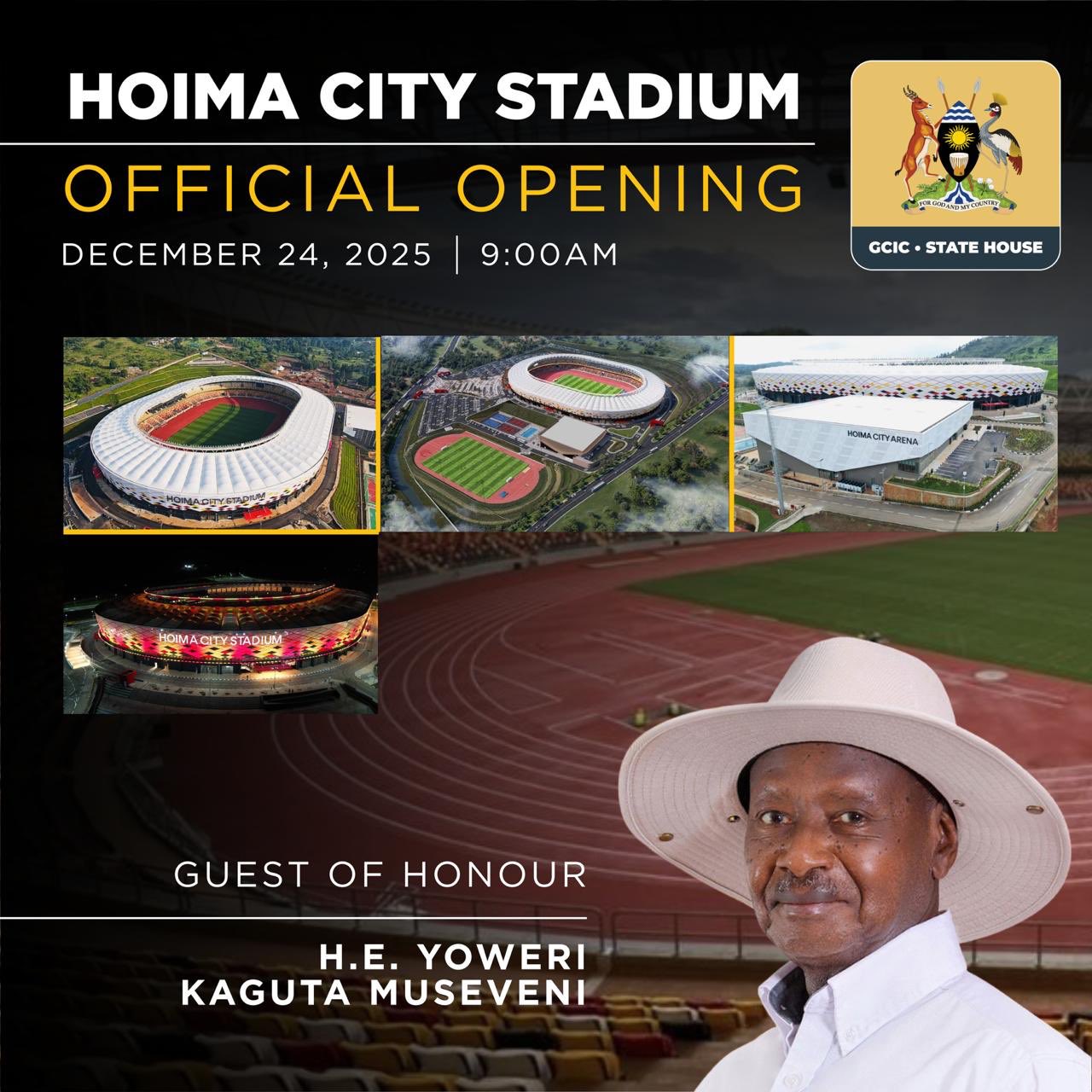
HOIMA, Uganda – On this Christmas Eve, December 24, 2025, President Yoweri Kaguta Museveni commissioned the state-of-the-art Hoima City Stadium, marking a pivotal moment in Uganda’s push to elevate its sports infrastructure. The event, attended by thousands including First Lady Janet Museveni, underscored the government’s commitment to youth development and regional economic growth in the Bunyoro sub-region. Amidst the festivities, which included exhibition matches in football, rugby, basketball, and athletics, the stadium’s opening came as Uganda geared up to co-host the 2027 Africa Cup of Nations (AFCON) alongside Kenya and Tanzania. This $130 million facility, completed in record time, symbolised not just sporting ambition but also a broader vision for socio-economic transformation.
What is the Hoima City Stadium and Why is it Significant?
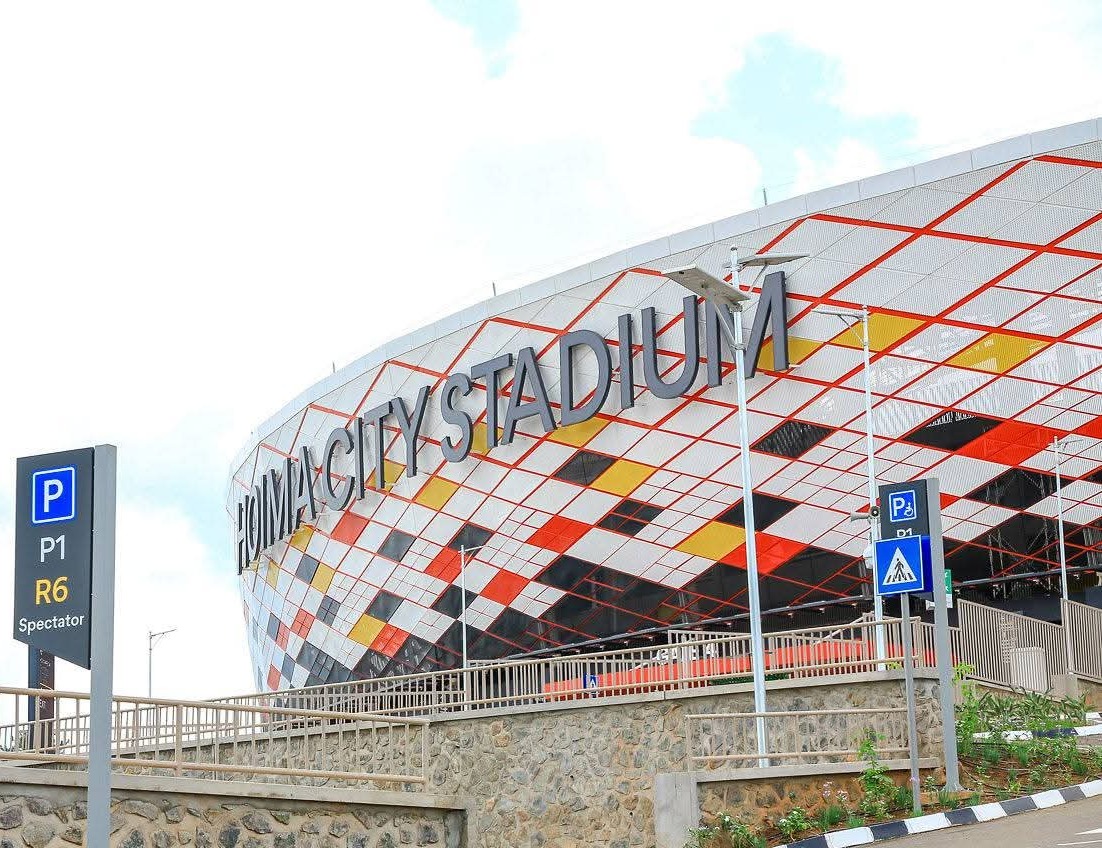
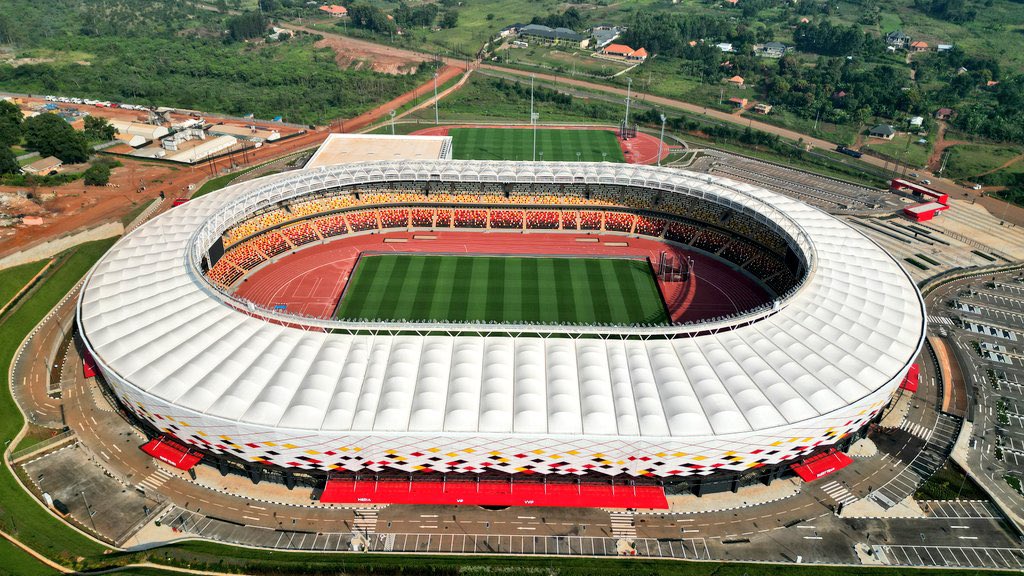
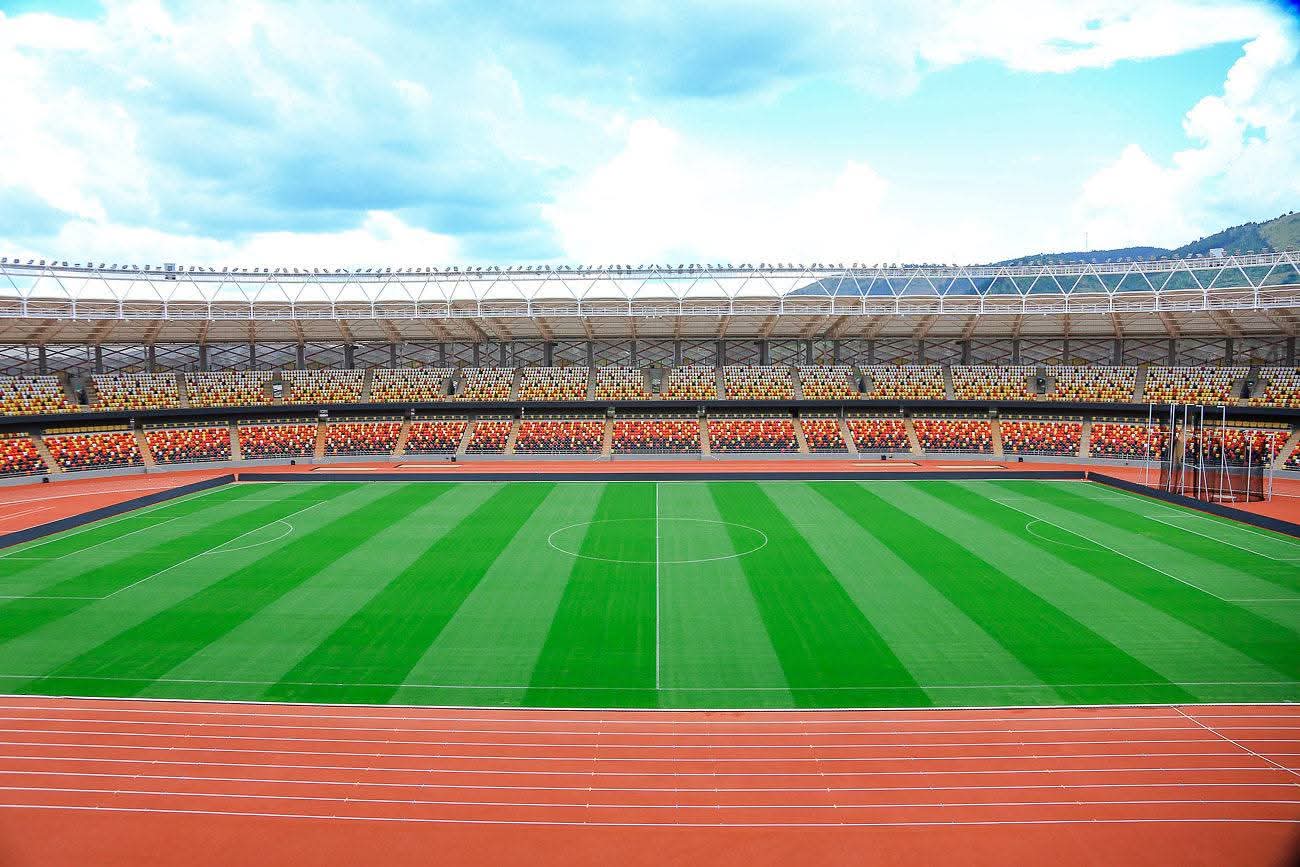
The Hoima City Stadium is a modern multi-purpose sports complex located in Kyarwiru cell, Hoima East division, in the heart of Uganda’s oil-rich Bunyoro region. Officially opened today at 9:00 AM, it represents a landmark investment in sports infrastructure, aimed at fostering talent and boosting local tourism. Its significance lies in its role as a key venue for upcoming international tournaments, including the 2026 African Nations Championship (CHAN) and AFCON 2027, where Uganda will host matches for the first time in decades. Beyond sports, the stadium is expected to drive economic activity through events, job creation, and increased visitor traffic, transforming Hoima from a regional hub into a vibrant sports destination.
Read here to find out more about the stadium plans for AFCON 2027

How Did the Idea for the Stadium Originate?
The concept for Hoima City Stadium emerged in the early 2020s as part of Uganda’s bid to co-host AFCON 2027 with Kenya and Tanzania. The idea was spearheaded by the Ugandan government under President Museveni, in collaboration with the Federation of Uganda Football Associations (FUFA) and the National Council of Sports (NCS). It was formalised after Uganda’s successful joint bid was confirmed by the Confederation of African Football (CAF) in September 2023.
The stadium was selected as one of three primary venues—alongside Mandela National Stadium in Namboole and Akii-Bua Stadium in Lira—to meet CAF’s infrastructure requirements. The decision to build in Hoima was strategic, aiming to decentralise sports facilities from Kampala and leverage the region’s growing economic potential from oil discoveries.

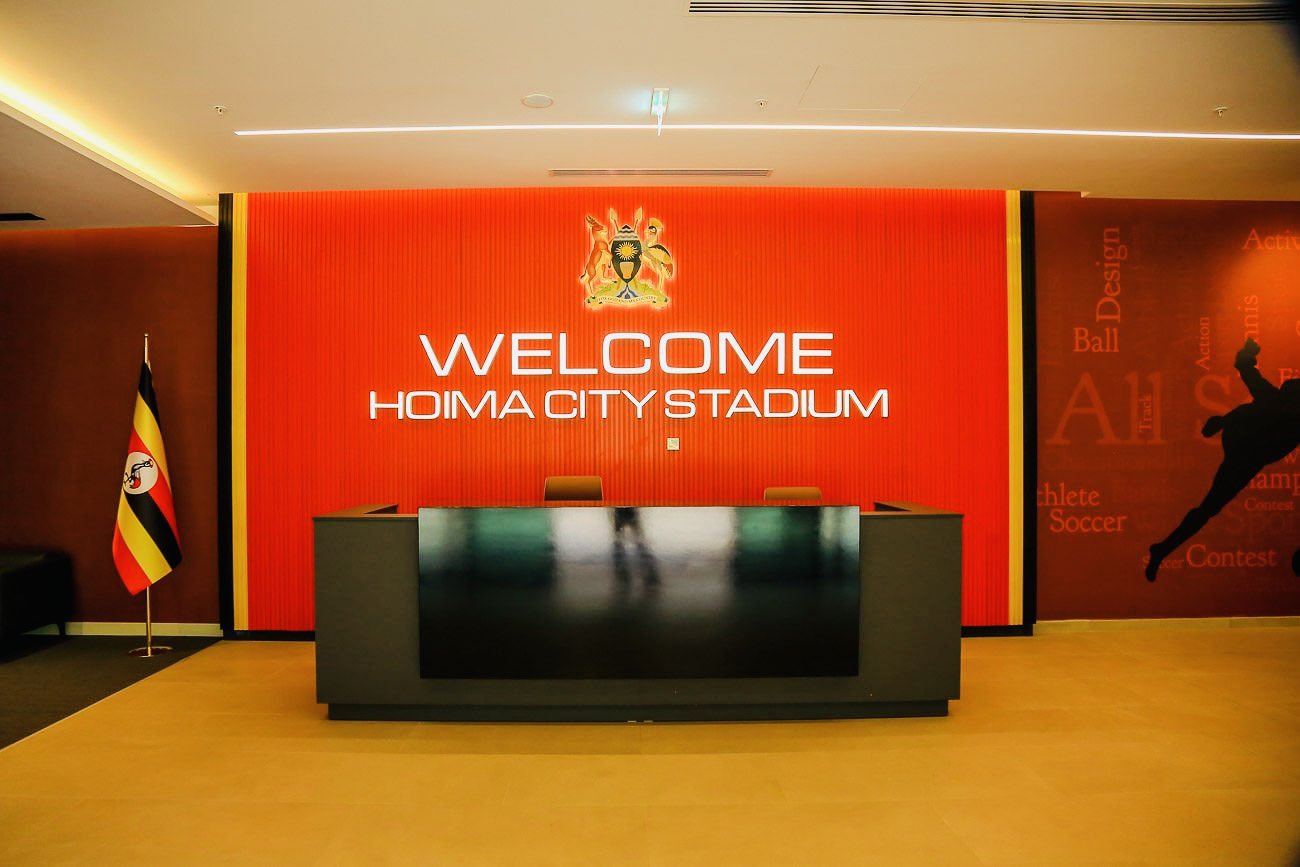
When and By Whom Was the Stadium Constructed?
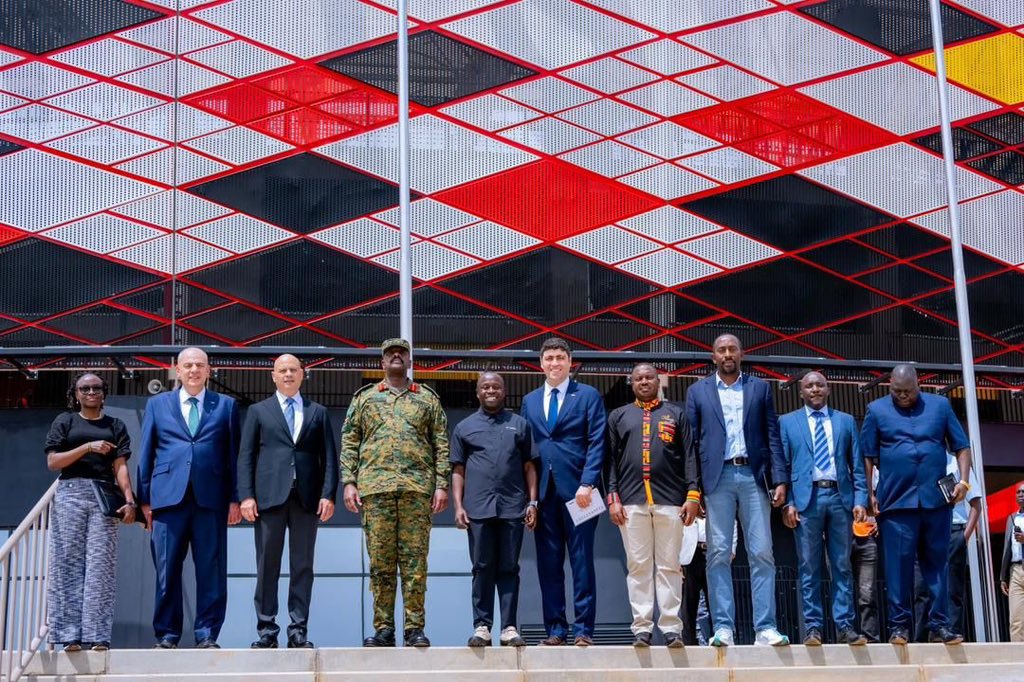
Construction of the Hoima City Stadium was awarded to Summa International Construction, a Turkish firm renowned for large-scale infrastructure projects in Africa. The contract, valued at approximately $130 million (about USh 463 billion), was signed in early 2024. Groundbreaking occurred on June 7, 2024, though some reports cite July or August as the official start due to preliminary site preparations. The project was overseen by the Ministry of Education and Sports, with regular inspections by the Local Organising Committee for CHAN 2026 and AFCON 2027. Summa’s expertise ensured compliance with international standards, and the stadium was handed over to the NCS just days ago on December 22, 2025, ahead of today’s ceremony.
What Was the Purpose of Building the Hoima City Stadium?
The primary purpose of the stadium is to enhance Uganda’s sports ecosystem by providing world-class facilities that nurture young talent, promote youth engagement, and support socio-economic development. As stated in official government communications, it aims to transform the Bunyoro sub-region by creating opportunities in sports tourism, employment, and community programs. The facility will host national and international events, including AFCON matches, while also serving as a hub for local clubs like Kitara FC. Additionally, it addresses the need for decentralised infrastructure, reducing over-reliance on Kampala-based venues and fostering regional equity in development.
How Quickly Has the Stadium Been Built?
Remarkably, the Hoima City Stadium was constructed in just 18 months, from groundbreaking in mid-2024 to completion in late 2025—a pace described as “super fast-tracked” by observers. Progress updates, including drone footage and site visits, showed significant advancements every few months, with foundational work in March 2025 evolving to near-completion by July. This rapid timeline was achieved through efficient project management by Summa, government oversight, and a dedicated workforce, ensuring readiness well ahead of AFCON 2027. Compared to similar projects globally, this speed highlights Uganda’s commitment to meeting international deadlines without compromising quality.
What Are the Key Specifications of the Hoima City Stadium?
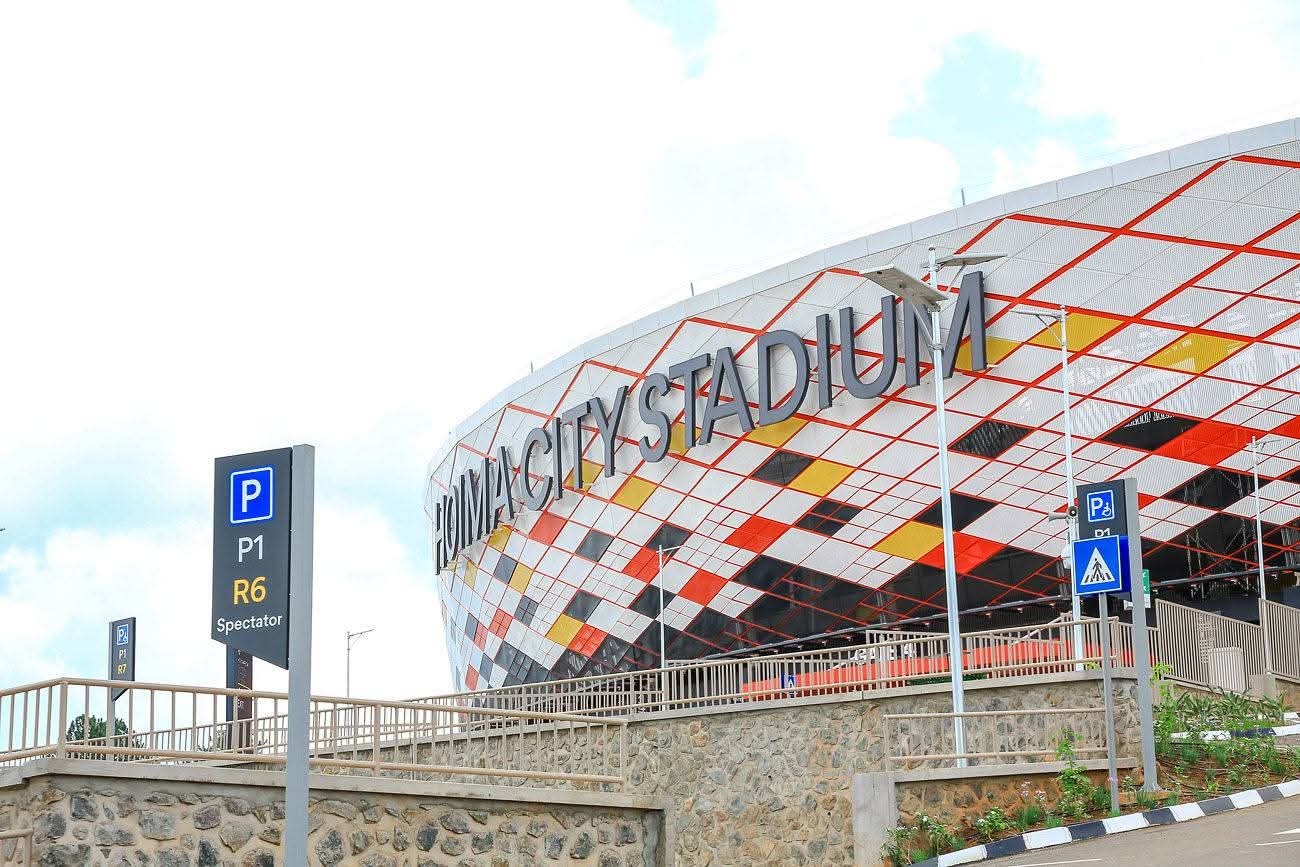
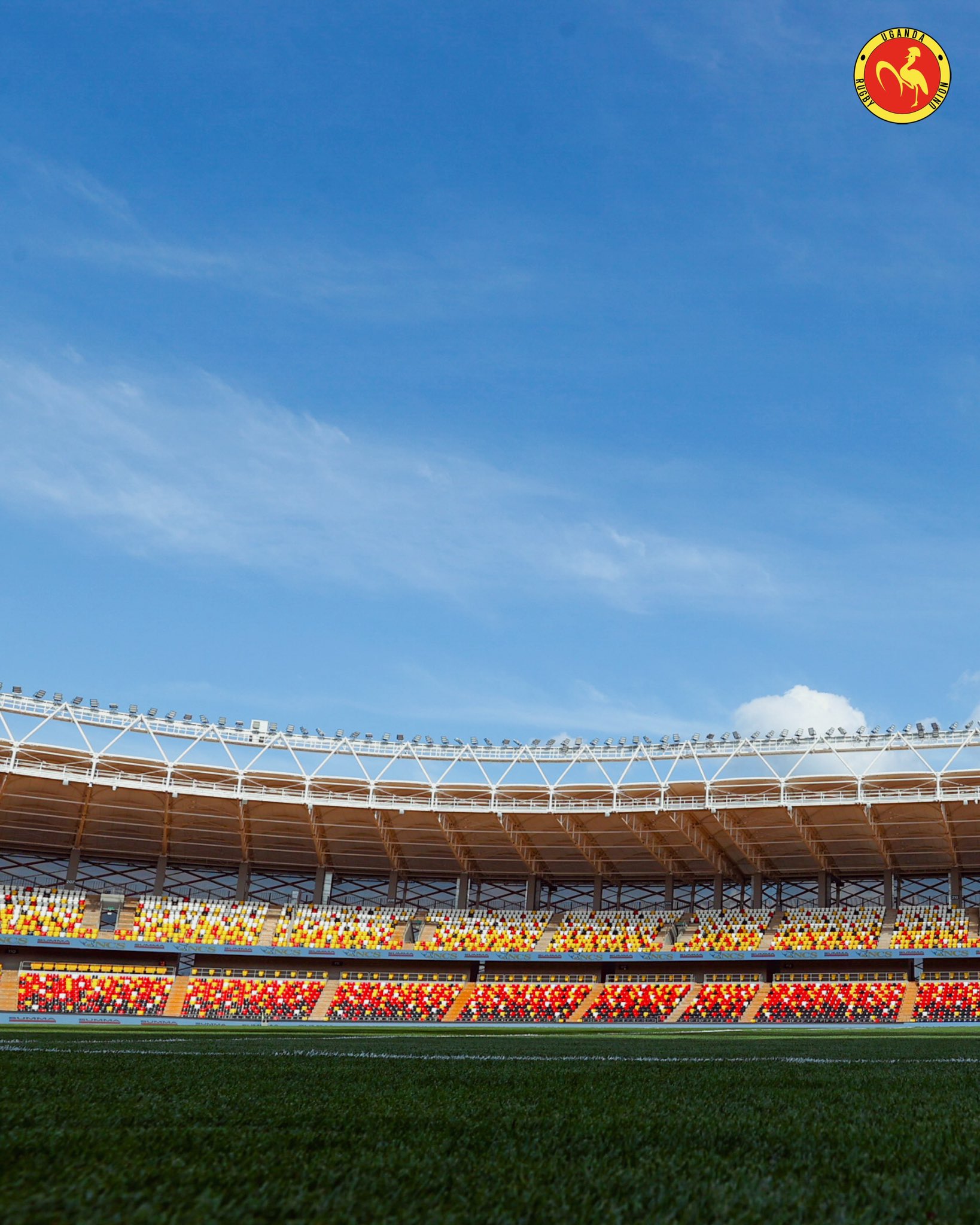
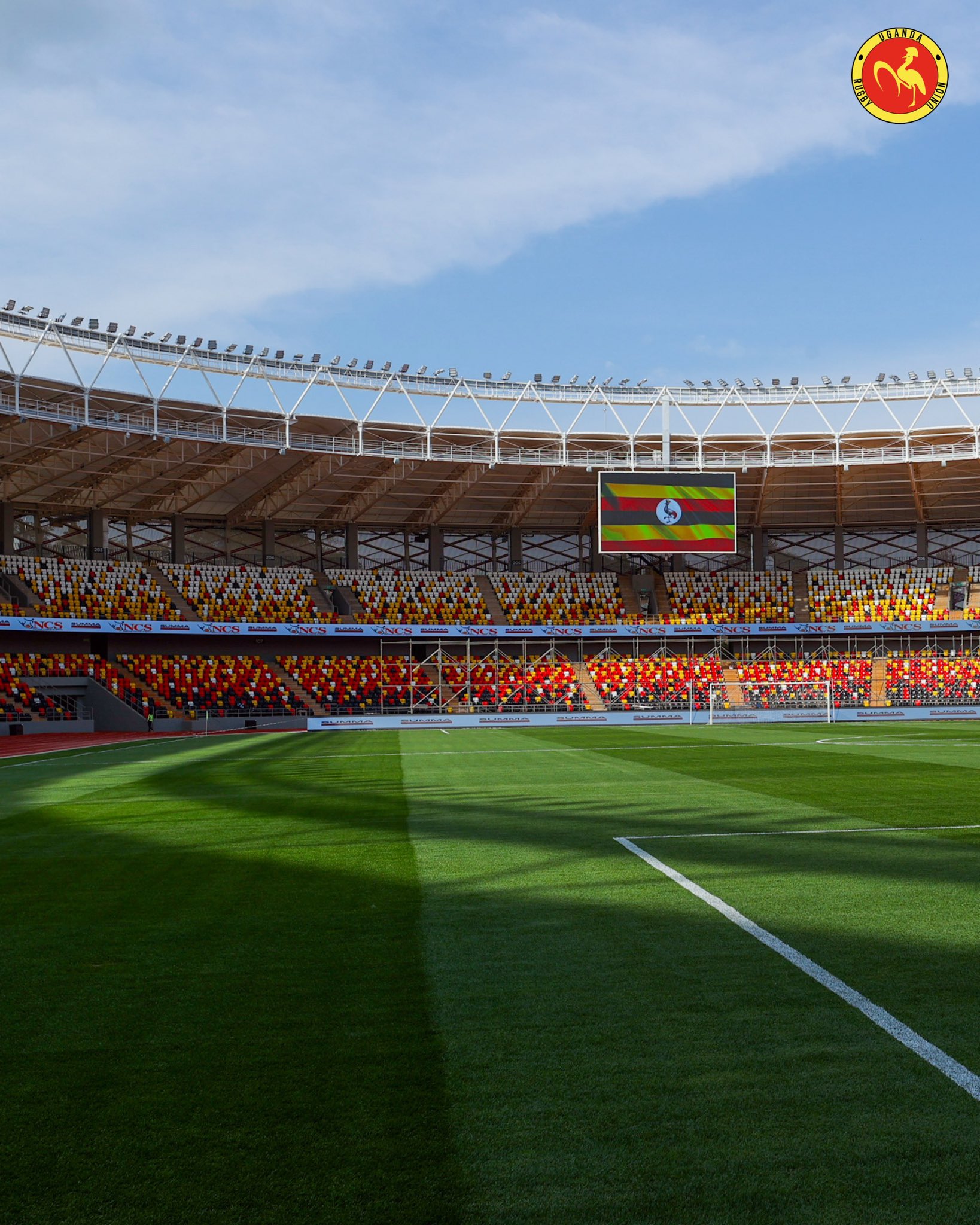
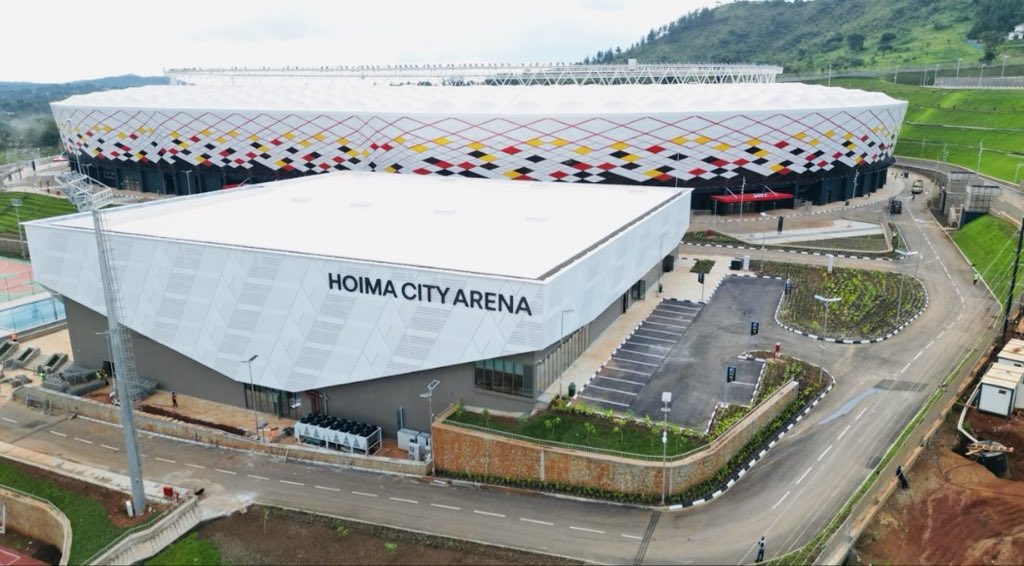
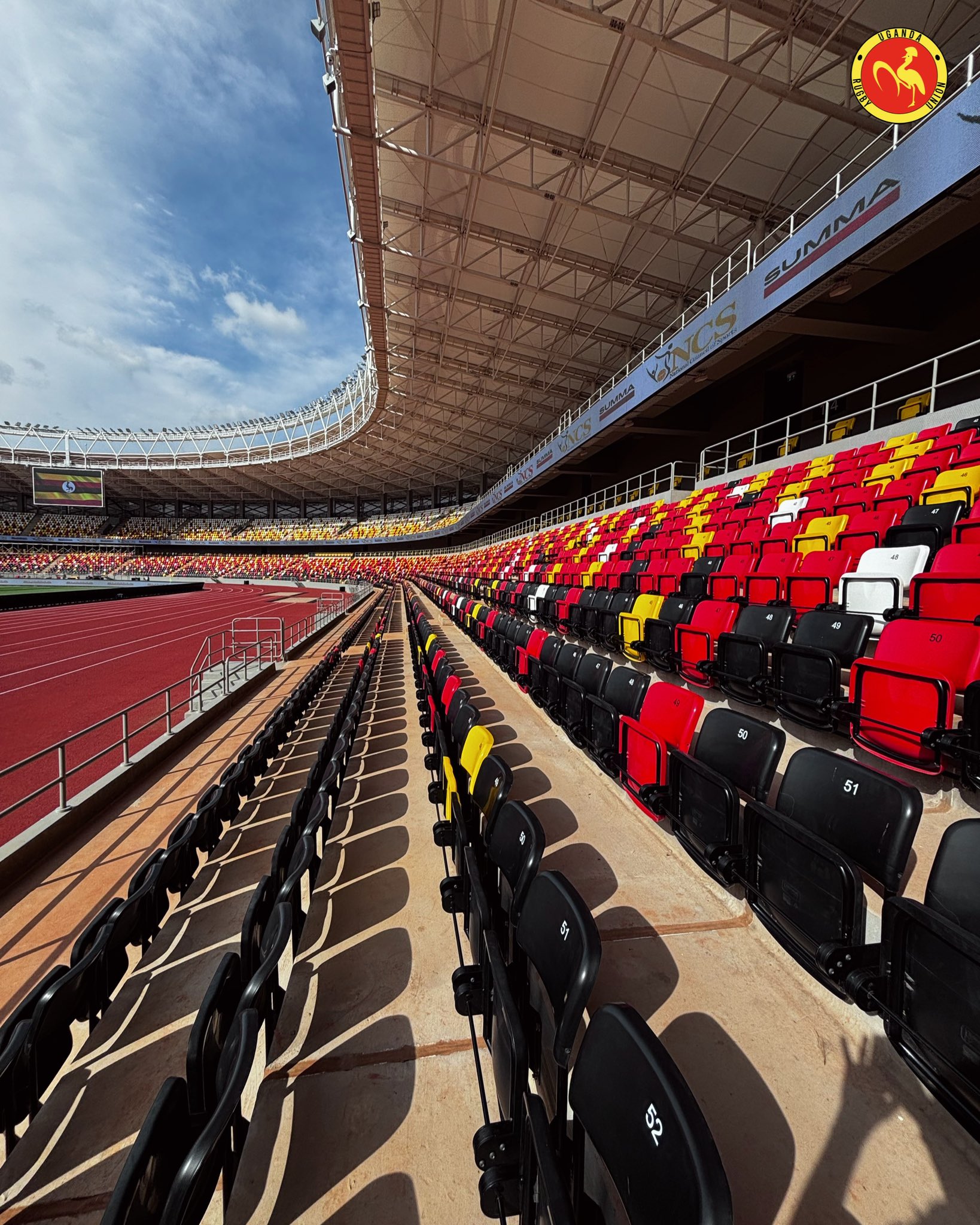
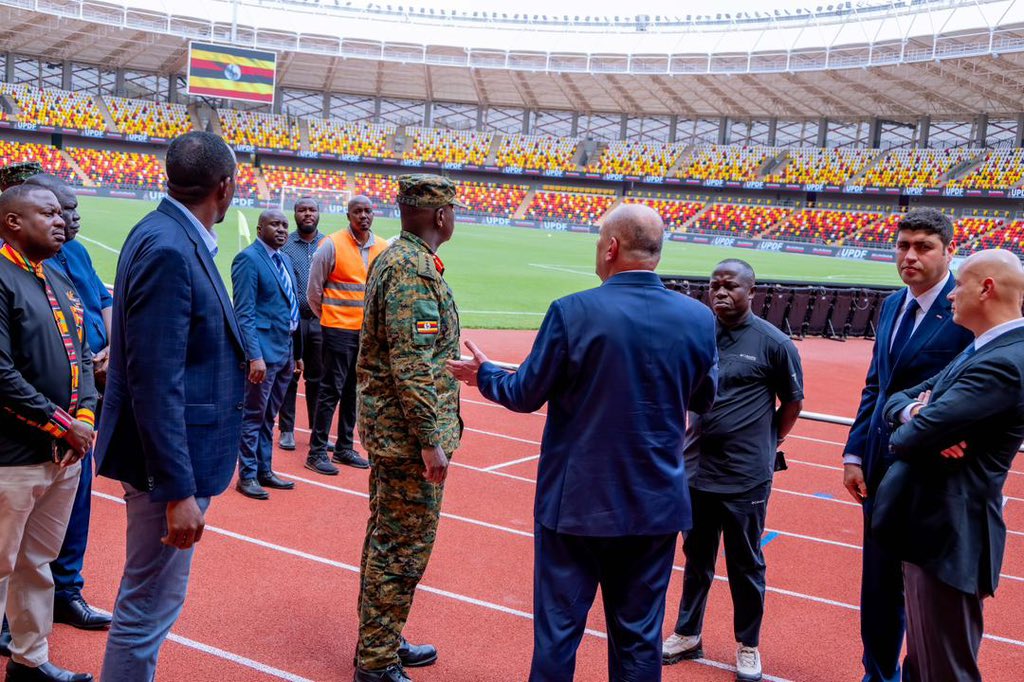
The Hoima City Stadium boasts a seated capacity of 20,000, making it one of Uganda’s premier venues. It features a FIFA-standard football pitch with an athletics track, floodlights for night games, and electronic scoreboards. Adjacent facilities include a 2,000-seater indoor arena for basketball, netball, volleyball, and other sports; a semi-Olympic-sized swimming pool; a training pitch; and parking for over 1,000 vehicles. The design incorporates modern amenities like VIP suites, media centres, and accessibility features for persons with disabilities. It will primarily be used for football matches, athletics events, rugby, and community activities, with potential for concerts and cultural gatherings. The complex’s eco-friendly elements, such as rainwater harvesting, align with sustainable development goals.
How Does Hoima City Stadium Compare to Mandela National Stadium (Namboole)?
While both stadiums serve as key national assets, Hoima City Stadium and Mandela National Stadium (commonly known as Namboole) differ in scale, design, and purpose. Namboole, built in 1997 and recently renovated at a cost of over USh 100 billion, has a larger capacity of 45,000 and is Uganda’s primary national stadium, hosting major events like Uganda Cranes matches. Similarities include multi-purpose functionality with football pitches and athletics tracks, meeting FIFA standards.
However, Hoima offers a more contemporary design with non-directional gates for better crowd flow, additional facilities like an indoor arena and swimming pool, and a focus on regional development—contrasting Namboole’s urban Kampala location. Hoima’s smaller size makes it ideal for mid-tier events, while Namboole handles larger crowds. Overall, Hoima represents a fresher, decentralised approach, potentially surpassing Namboole in modern amenities despite its modest scale.
What Has President Museveni Previously Said About the Stadium?
President Yoweri Kaguta Museveni has been a vocal advocate for the Hoima City Stadium, emphasising its role in national development. During a site visit in March 2025, he commended the “rapid progress” and reaffirmed the government’s commitment to sports infrastructure, stating, “We are good to go.” He pledged further investments, including upgrades to Akii-Bua Stadium and expansions at Gulu Airport, while instructing Prime Minister Robinah Nabbanja to facilitate new hotels in Hoima to support tourism. Museveni has repeatedly highlighted the stadium’s potential to nurture talent and drive socio-economic growth, aligning it with his vision for a transformed Uganda.
How Were Preparations Underway to Host President Museveni Today?
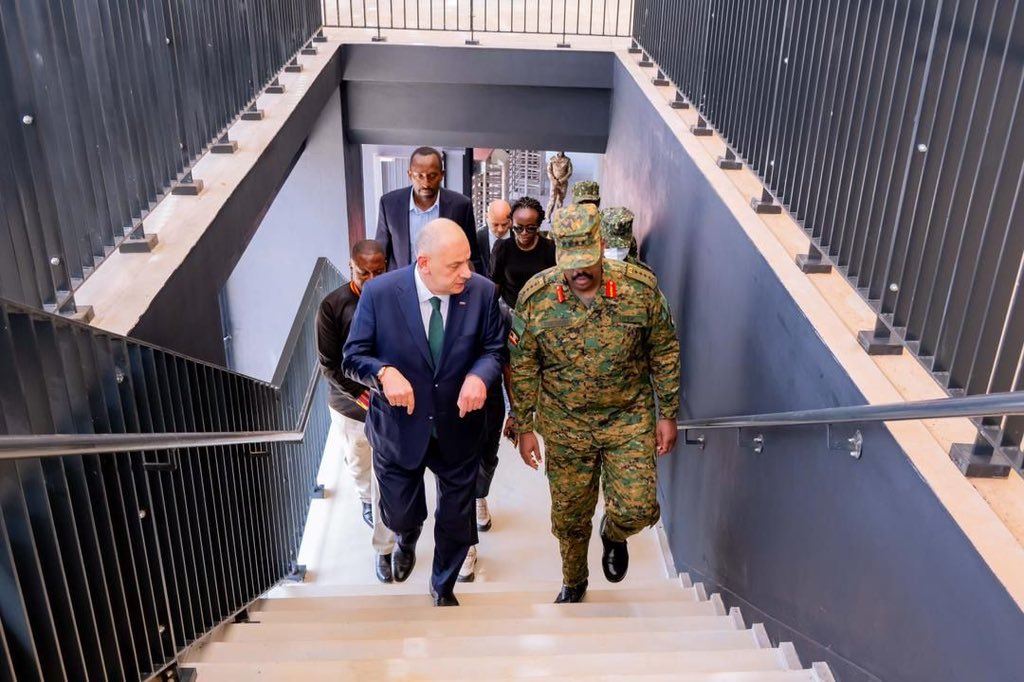
Preparations for today’s opening were meticulous, with the stadium handed over to the NCS earlier this week amid final inspections. Security measures, coordinated by Uganda Police, were in place to manage crowds, while free tickets drew hundreds to Hoima City headquarters. The programme included exhibition games: a rugby match between Rwenzori and Victoria teams, basketball and athletics displays, and a football clash between Kitara FC and KCCA FC. President Museveni, pausing his campaign trail for the 2026 elections as reported on local radio stations like KFM, arrived as the Guest of Honour alongside First Lady Janet Museveni. Community excitement was palpable, with teams conducting blow-outs and residents anticipating a festive atmosphere blending sports, celebrations, and national pride.
As the gates opened today, the Hoima City Stadium not only fulfilled a sporting dream but also paved the way for Uganda’s prominence on the African stage. With AFCON 2027 on the horizon, this facility stands as a testament to strategic vision and swift execution, promising lasting benefits for generations to come.