

Table of Contents
When were the 2025 PLE results announced?
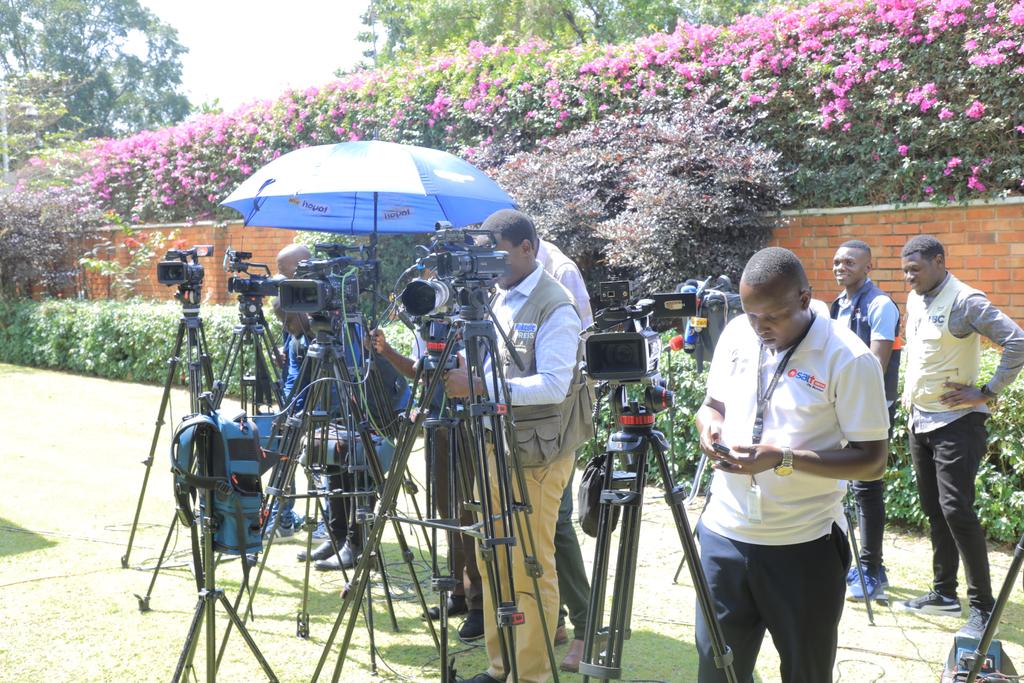
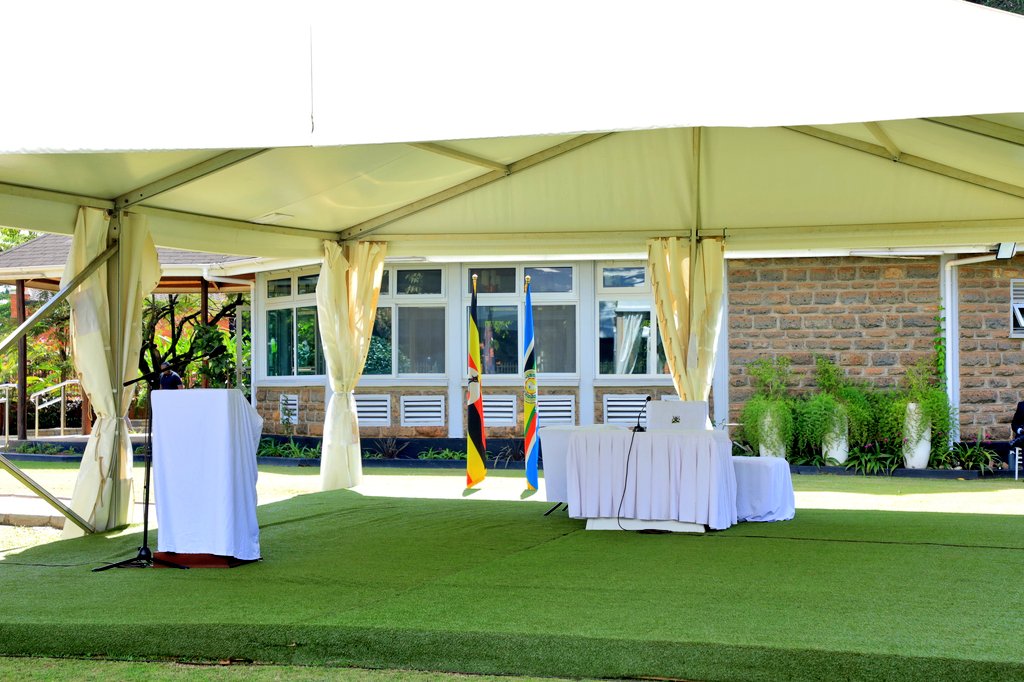
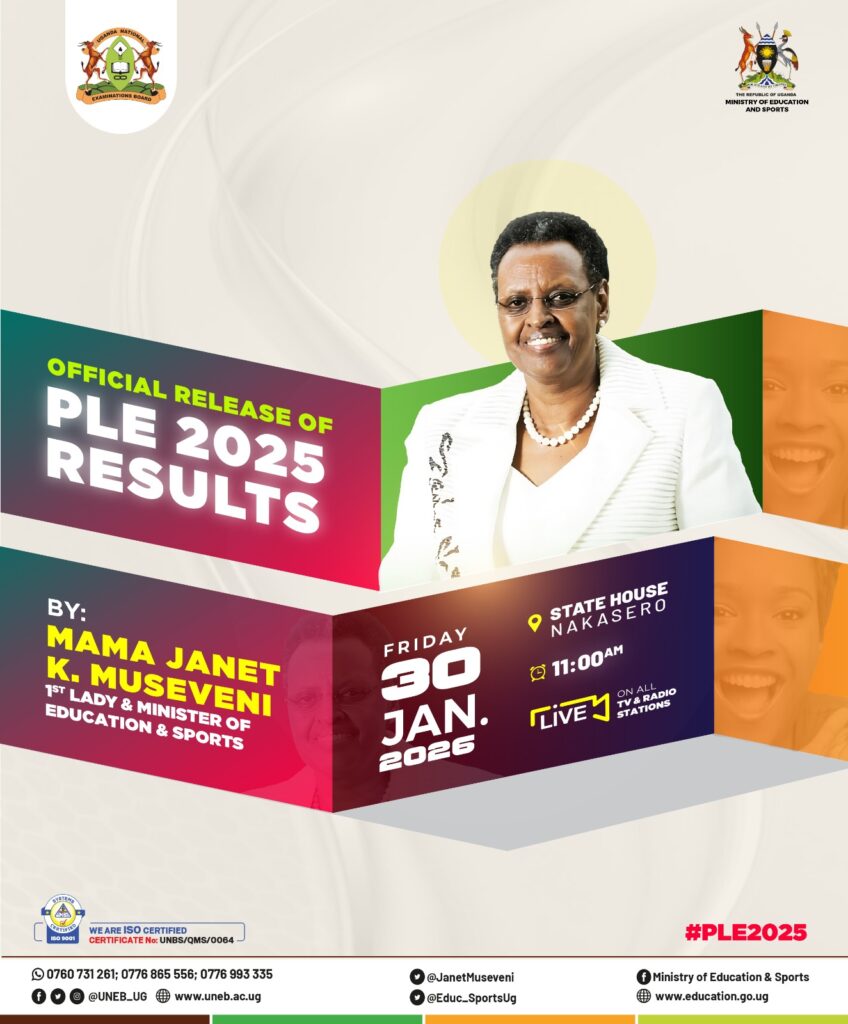
In a much-anticipated event at State House Nakasero, the Uganda National Examinations Board (UNEB) officially released the 2025 Primary Leaving Examination (PLE) results today, January 30, 2026. The ceremony, presided over by key education stakeholders including UNEB Chairperson Prof. Celestino Obua and Executive Director Dan Nokrach Odongo, kicked off at 1230 hours EAT—later than the initially announced 1100 hours, leaving anxious parents, teachers, and candidates waiting in suspense. This delay, while frustrating for many, did little to dampen the excitement as results revealed positive trends in overall performance, though persistent challenges in certain subjects and gender disparities remain evident.
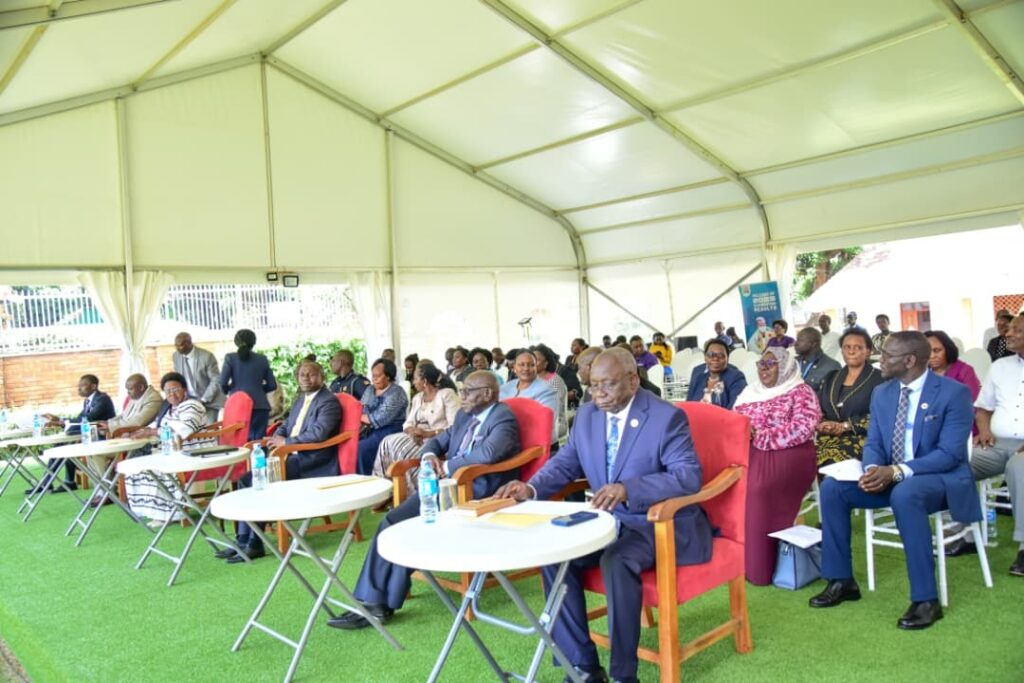
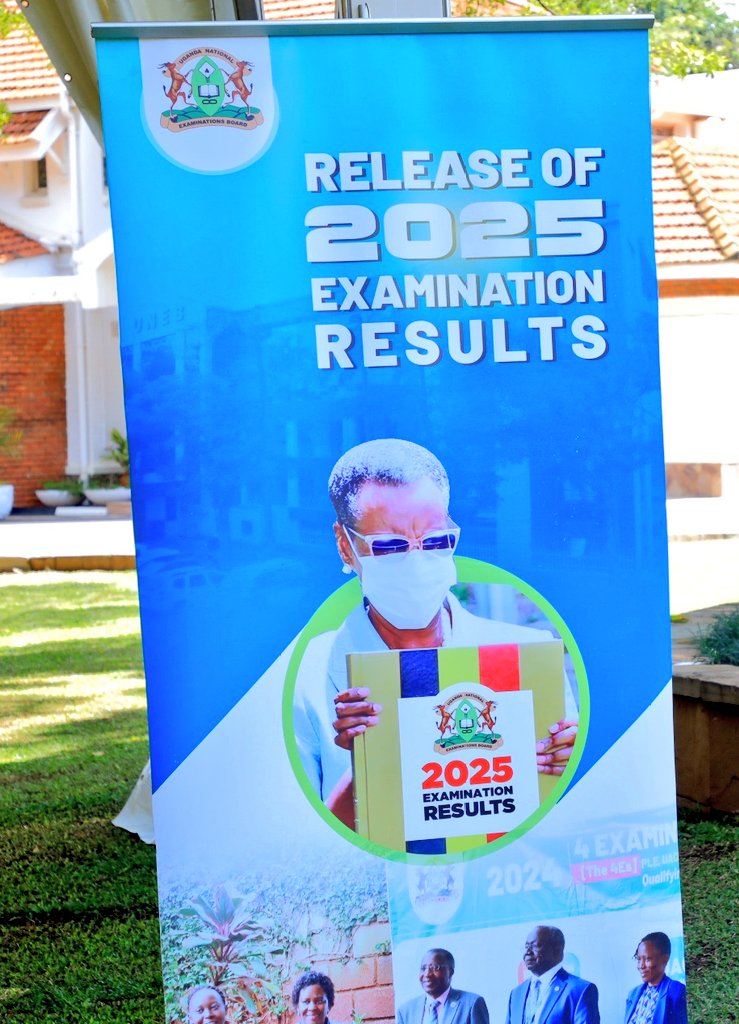
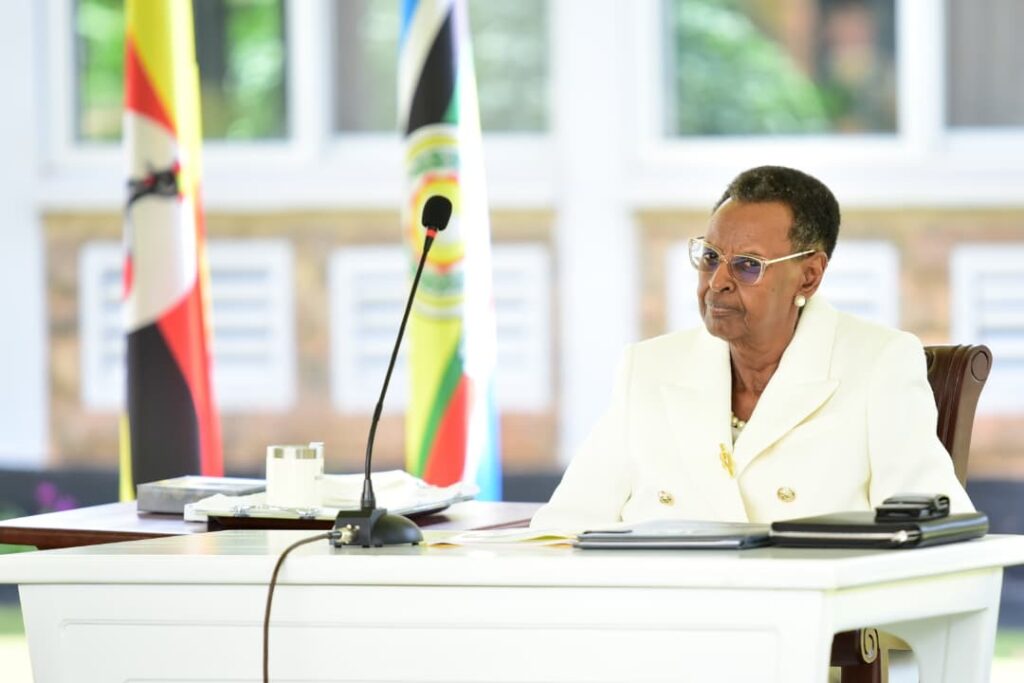
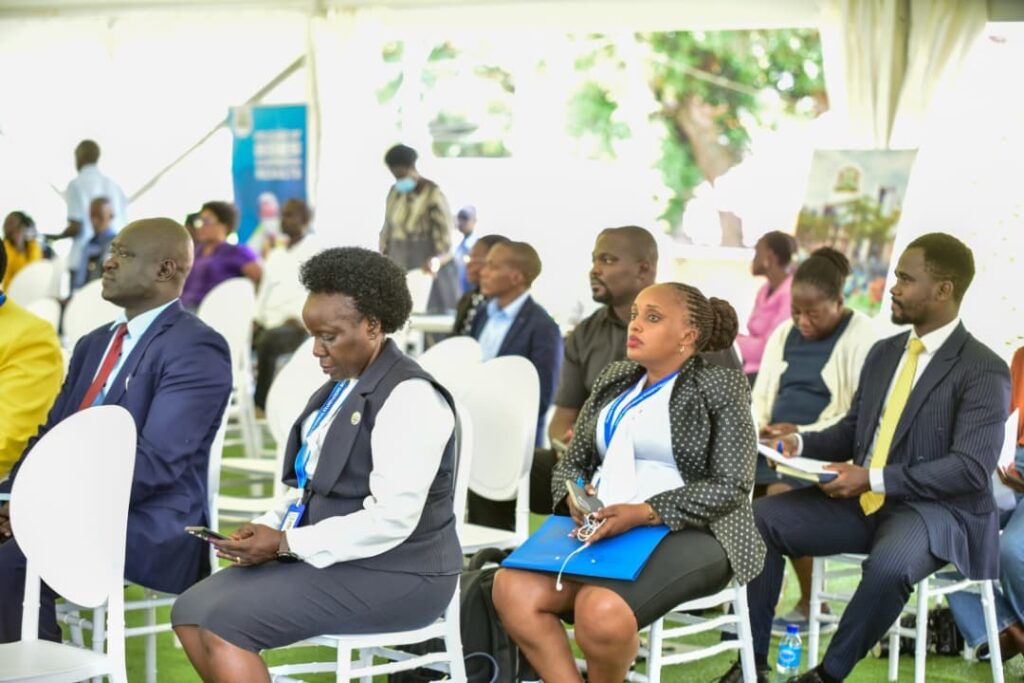
The 2025 PLE, conducted on November 3 and 4, 2025, under the theme “Embracing Security and Holistic Assessment of Learners in a Dynamic Environment,” saw a record-breaking number of candidates. A total of 817,883 learners from 15,388 examination centers registered for the exams, representing a 2.6% increase (20,439 more candidates) compared to the 797,444 registered in 2024. This upward trend in candidature has been consistent over the past five years, reflecting Uganda’s growing emphasis on universal access to primary education.
What Was the Total Number of Candidates in PLE 2025?
Breaking down the numbers, 522,036 candidates (63.8%) were beneficiaries of the Universal Primary Education (UPE) program, hailing from 11,525 centers. The remaining 295,847 (36.2%) were non-UPE candidates from 3,863 centers. This distribution highlights the government’s ongoing efforts to expand educational opportunities, particularly in rural and underserved areas. However, absenteeism remained steady at 1.3% over the last two years, with Prof. Obua expressing concern over any drop-outs and calling on the Ministry of Education to investigate underlying causes as promised in previous years.

How Did Performance Improve in the 2025 PLE Compared to 2024?
Overall, the 2025 results indicate an improvement in performance, particularly at the Division One level, with more candidates qualifying to advance to secondary or vocational education than in 2024. UNEB reports that all 730,000 graded and passing learners are expected to secure placements, thanks to the government’s expansion of post-primary institutions.
For the second consecutive year, UNEB conducted an item analysis of the four examination papers—English, Mathematics, Science, and Social Studies with Religious Education (SST/RE)—to assess proficiency levels. This aligns with Uganda’s shift toward a Competency-Based Curriculum (CBC), which emphasizes practical application of knowledge over rote memorization. The analysis revealed that English performed the best among subjects, with 18.5% of candidates demonstrating high ability levels—an improvement over 2024. Mathematics followed at 16.4%, and SST/RE at 15.9%. However, performance in SST/RE declined compared to the previous year, attributed to teachers’ challenges in adapting to competency-based teaching methods. Examiners noted that many candidates struggled with questions requiring real-world application, such as those related to community and national issues.
A concerning factor highlighted by UNEB was the circulation of misleading materials by unauthorized “examination bureaus” just before the exams, which negatively impacted candidate preparedness. Prof. Obua urged educators to focus on curriculum-aligned instruction and called for substantial capacity-building support for teachers. In a modest intervention, UNEB has provided targeted training to teachers in two low-performing local governments over the past two years, with plans to sustain this pending funding availability.
What Is the New Grading System for PLE in Uganda?
It’s important to note that UNEB continues to employ its established grading system for PLE, but with an evolving emphasis on competency-based assessment to better prepare learners for a dynamic world. Under this system, candidates are awarded divisions based on their aggregate scores across the four subjects, where each subject is marked out of 100, for a total of 400 marks. The divisions are as follows:
- Division One (Distinction): Aggregate scores of 4 to 12 (highest performance, indicating excellent mastery and application of skills).
- Division Two (Credit): Aggregate 13 to 23 (strong performance with good competency).
- Division Three (Pass): Aggregate 24 to 29 (acceptable performance but with room for improvement).
- Division Four (Pass): Aggregate 30 to 34 (basic pass, qualifying for progression but signaling need for support).
- Ungraded: Aggregate 35 and above (failure to meet minimum standards, requiring repetition or alternative paths).
This approach incorporates more questions testing practical skills, critical thinking, and real-life application, in line with the CBC rolled out in lower primary levels and gradually influencing upper primary. This shift aims to produce holistic learners equipped for modern challenges, but as UNEB’s analysis shows, full implementation requires enhanced teacher training.
How Did Boys and Girls Perform Differently in PLE 2025?
A detailed gender analysis reveals mixed trends. In 2025, boys constituted 389,469 (47.6%) of the candidates, while girls made up 428,324 (52.4%)—a slight decrease in the boys’ proportion from 47.5% in 2024, continuing a trend where girls slightly outnumber boys. However, in terms of performance, males generally outperformed females across most divisions, recording lower failure rates.
Here is a breakdown of performance by gender:
| Gender | Division 1 (%) | Division 2 (%) | Division 3 (%) | Division 4 (%) | Ungraded (%) | Total Candidates |
|---|---|---|---|---|---|---|
| Male | 12.54% (48,220) | 48.54% (186,638) | 20.15% (77,453) | 9.79% (37,658) | 8.97% (34,500) | 389,469 |
| Female | 10.35% (43,770) | 47.69% (201,655) | 20.76% (87,773) | 11.13% (47,066) | 10.07% (42,580) | 428,324 |
This translates to higher proportions of boys in Divisions 1 and 2, while girls showed higher rates in lower divisions and ungraded categories. Visual representations from UNEB’s report underscore these disparities, with males achieving stronger showings in higher divisions. UNEB attributes some of this to systemic factors, but the data prompts renewed calls for gender-sensitive interventions to bridge the gap.
How Is UNEB Supporting Learners with Special Needs in PLE?
UNEB’s commitment to inclusive education was evident in the registration of 3,636 learners with special needs in 2025, up from 3,328 in 2024. This includes categories such as the blind, deaf, physically handicapped, and those with dyslexia. Accommodations like braille papers, sign language interpreters, and extra time were provided to ensure fair assessment.
Performance among special groups varied, with notable highlights from prison inmate programs:
- At Uganda Government Upper Prison School, Luzira: 61 registered, 58 sat. Results: 4 in Division 1, 27 in Division 2, 13 in Division 3, 5 in Division 4, and 9 ungraded.
- At Mbarara Main Prison Inmates Primary School: 40 registered, 39 sat. Results: 7 in Division 1, 15 in Division 2, 10 in Division 3, 5 in Division 4, and 2 ungraded.
These outcomes demonstrate the potential for education in rehabilitative settings, though absenteeism remains a minor issue.
What About Examination Malpractice in PLE 2025?
UNEB Executive Director Dan Nokrach Odongo highlighted a troubling escalation in examination malpractice during the 2025 PLE. In some cases, school directors and headteachers reportedly bribed or threatened scouts and invigilators with physical harm to allow teachers to directly assist candidates inside examination rooms.
He expressed regret that some officers in District Education Offices, meant to safeguard exam integrity, have become complicit in these unprofessional acts. Odongo commended the dedicated Security Team for their tireless efforts in investigating and managing malpractice cases.
In line with Section 5(2)(b) of the UNEB Act, Cap. 259, the Board will withhold results of affected candidates pending investigations. Where a prima facie case is established, the Examinations Security Committee (Tribunal) will grant affected candidates a fair hearing before final decisions.
Most withheld cases this year originated from districts including Kisoro, Kampala, Mukono, Namutumba, Kassanda, Buyende, and Kaliro, among others. Odongo commended leadership in Kyenjojo, Kabarole, and Bundibugyo districts for notable improvements—particularly Kyenjojo, where firm action by the Chief Administrative Officer in 2024 resulted in zero reported cases this year.
These revelations underscore UNEB’s unwavering commitment to upholding the credibility of national examinations, despite persistent challenges from brazen attempts at cheating.
How Has PLE Registration Changed Over the Last Five Years?
Looking back, PLE registration has shown consistent growth:
- 2025: Total 817,883 (UPE 522,036, Non-UPE 295,847), Centers 15,388
- 2024: Total 797,444 (UPE 524,025, Non-UPE 273,419), Centers 14,883
- 2023: Total 749,254 (UPE 501,602, Non-UPE 247,652), Centers 14,859
- 2022: Total 832,654 (UPE 583,672, Non-UPE 248,982), Centers 14,691
- 2020: Total 749,762 (UPE 513,085, Non-UPE 236,677), Centers 14,300
This 2.6% increase from 2024 underscores the success of initiatives like UPE in boosting enrollment.
How Can I Check My PLE 2025 Results?
Candidates and parents can access results through convenient channels provided by UNEB:
- SMS Method: Send a text message with the word “PLE” followed by a space and the candidate’s full index number (e.g., PLE 001234/001) to 6600 on any mobile network. Results will be sent back via SMS. This is quick and costs a standard SMS fee.
- Online Portal: Visit the official UNEB website at www.uneb.ac.ug, navigate to the results section, and enter the candidate’s index number and examination year (2025). This method is free but requires internet access.
- School Collection: Results slips are available at respective schools for physical pickup.
UNEB advises verifying results promptly and reporting any discrepancies immediately. Note that withheld results due to malpractice investigations will not appear until resolved.
Full School List Coming Soon from Kampala Edge Times
As in previous years, Kampala Edge Times will publish the comprehensive list of top-performing schools across Uganda once fully compiled by UNEB. Stay tuned to our website and social media (@KampalaET) for updates, including district-wise breakdowns and success stories from standout institutions.
The 2025 PLE results paint a picture of progress amid challenges, with rising candidature, improved English performance, and a push toward competency-based education. Yet, issues like gender gaps, teacher capacity, misleading prep materials, and brazen malpractice remind us of the work ahead. As Uganda invests in its future generations, these results serve as both a celebration and a call to action for stakeholders to ensure every child thrives. For live updates and more analysis, follow #PLE2025 on X.