Table of Contents
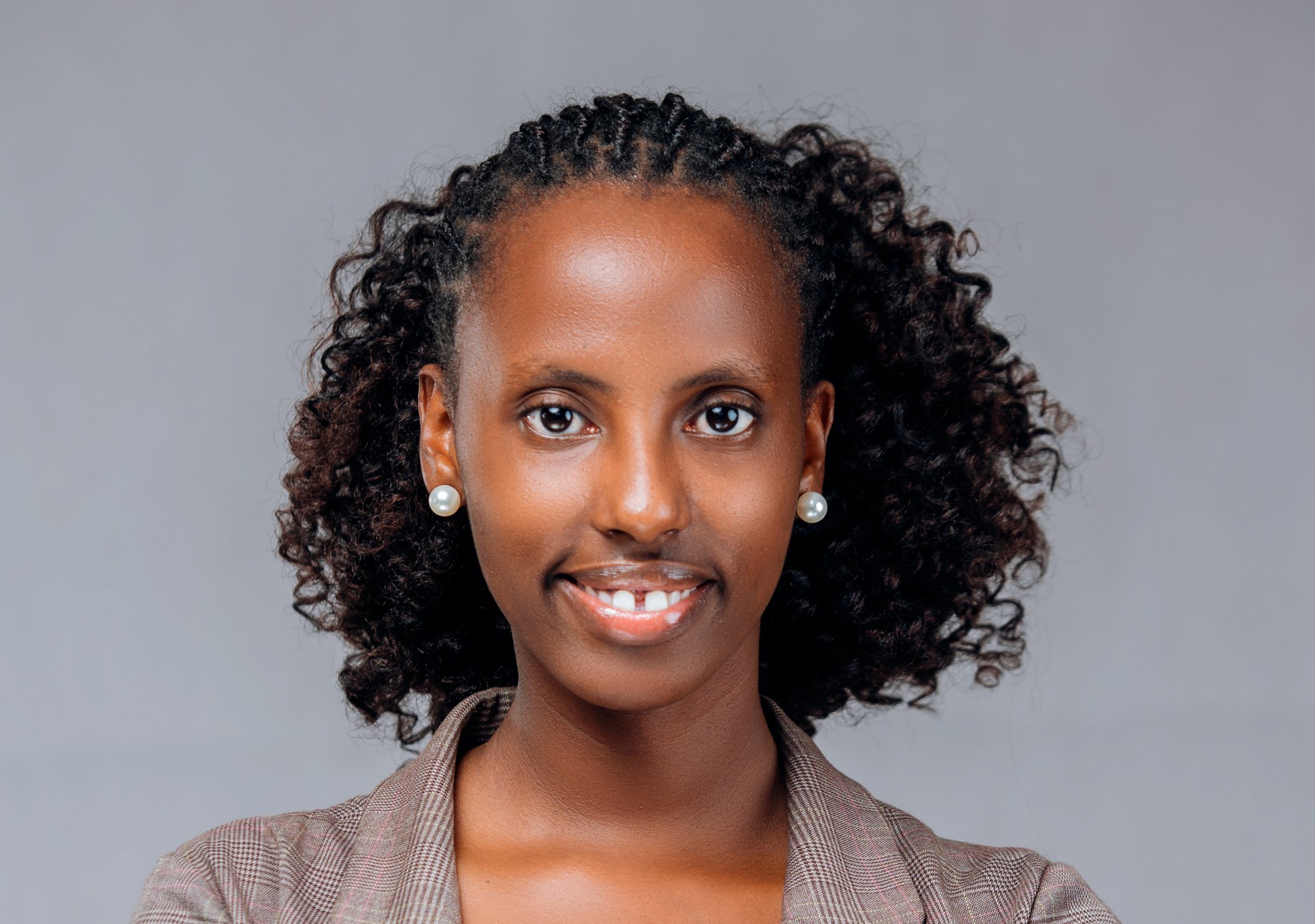
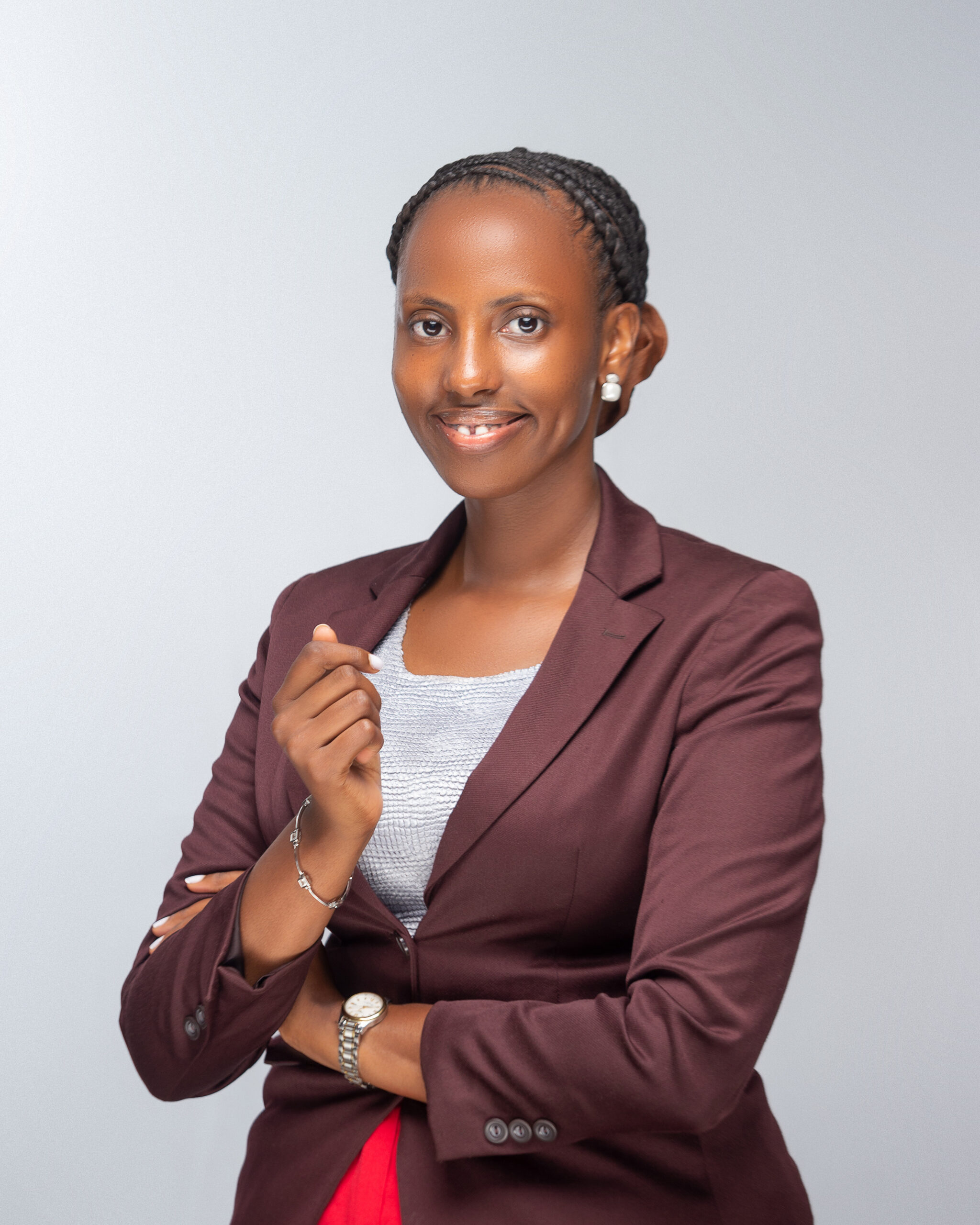
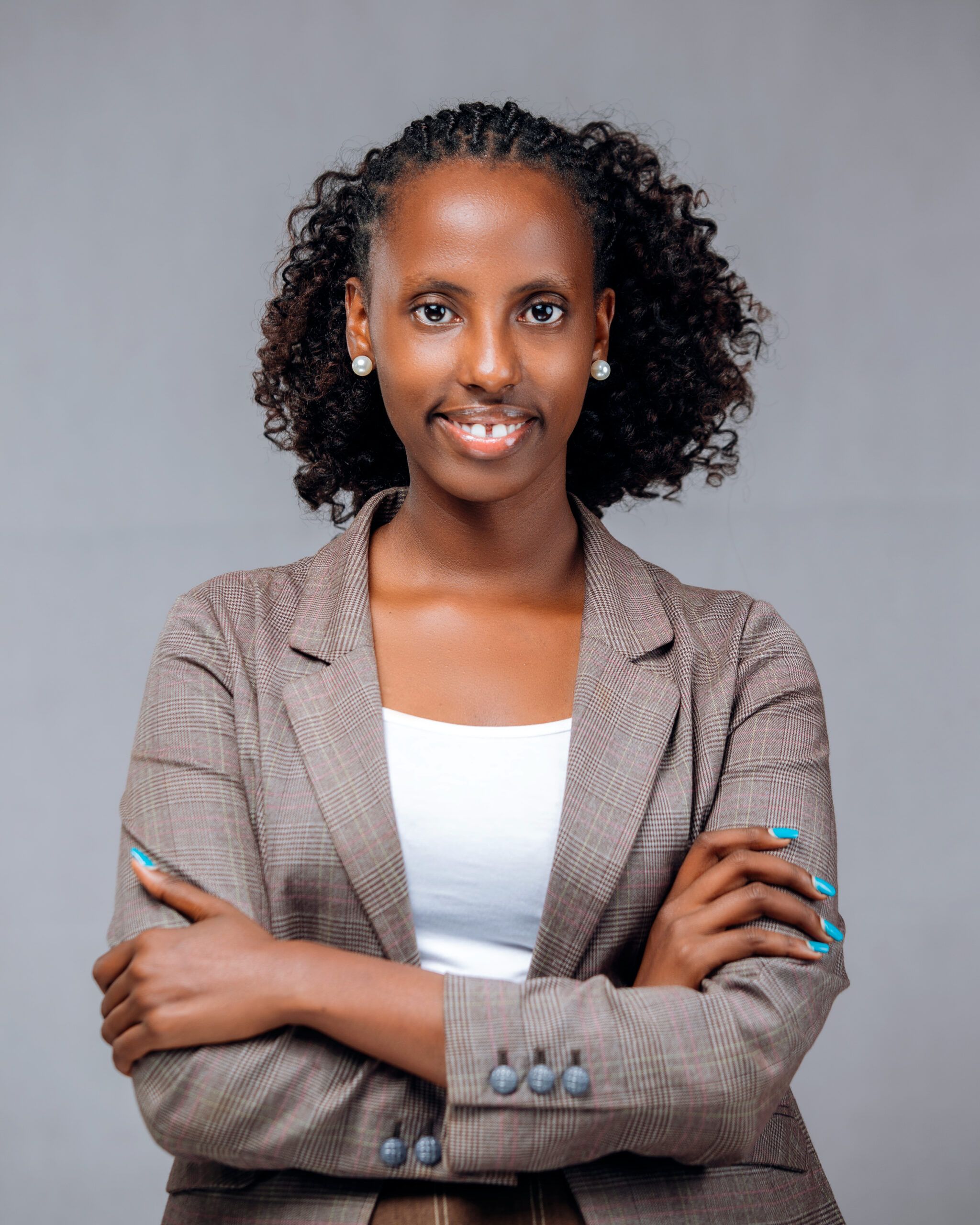
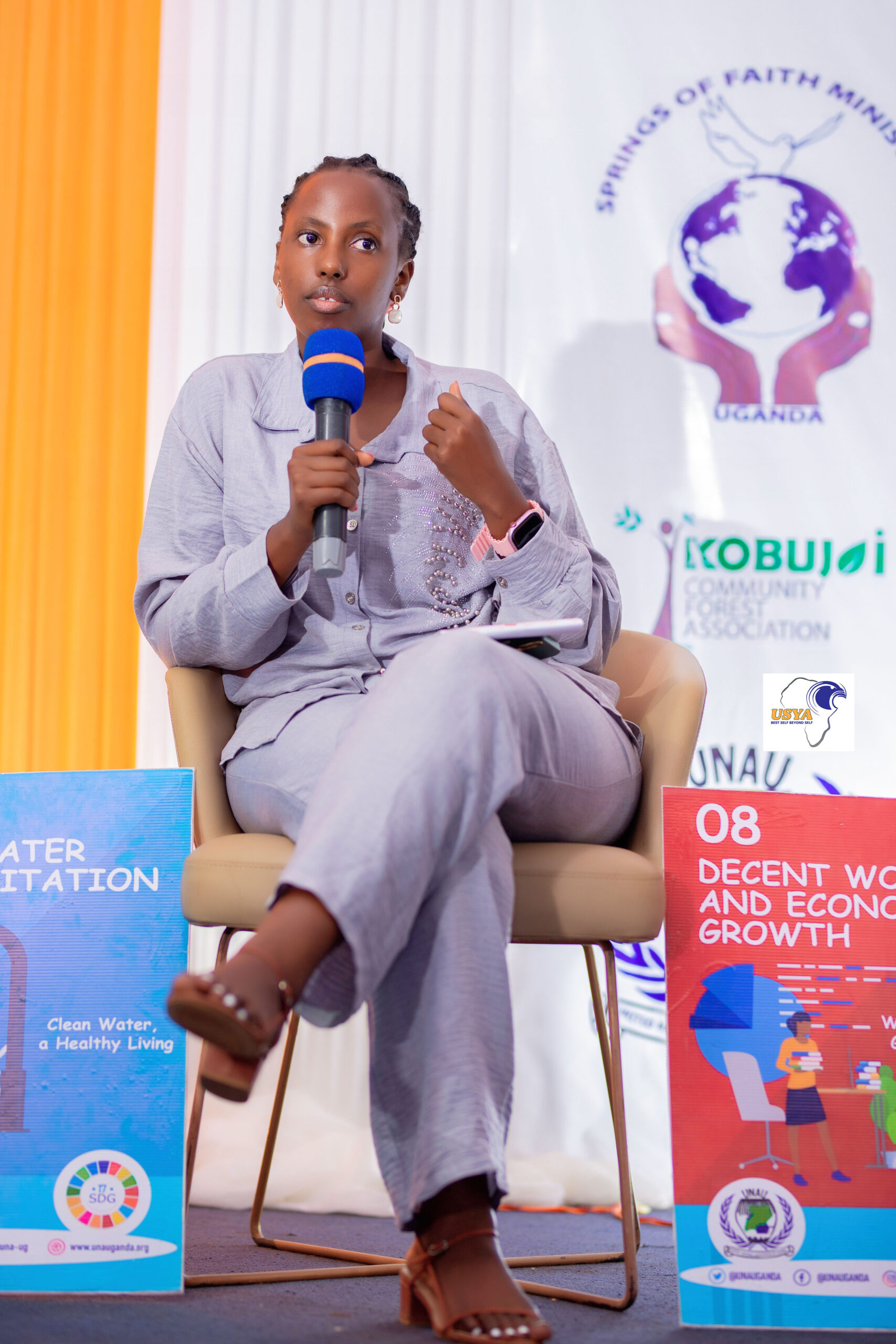
We are honored to host Phionah Boonabaana, the Founder and CEO of Igniteable Foundation. She is also pursuing a Master of Science in Environment and Natural Resources at Makerere University.
Phionah has dedicated her career to ensuring that the most vulnerable—specifically persons with disabilities—are not just considered, but centered in national and international policy. From the lecture halls of Busitema University to the high-stakes negotiation tables of COP 28 and COP 29, her journey is one of radical resilience and purpose.
In the following interview, Phionah opens up about the “personal pain” that sparked her foundation, the reality of representing Ugandan youth on the world stage, and her mission to prove that environmental sustainability is impossible without meaningful inclusion.

1. Who is Phionah Boonabaana in three words?
In three words: I am purpose-driven, resilient, and also optimistic.
2. When and where were you born?
I was born in Uganda.
3. How did your degree in Natural Resource Economics from Busitema University shape your view of Uganda’s future?
Studying Natural Resource Economics actually helped me understand the deep connection between environmental sustainability, livelihoods, and economic development. It also showed me that Uganda’s future really depends on how responsibly we manage our natural resources, while we ensure that the vulnerable communities are not left behind in climate action and development.
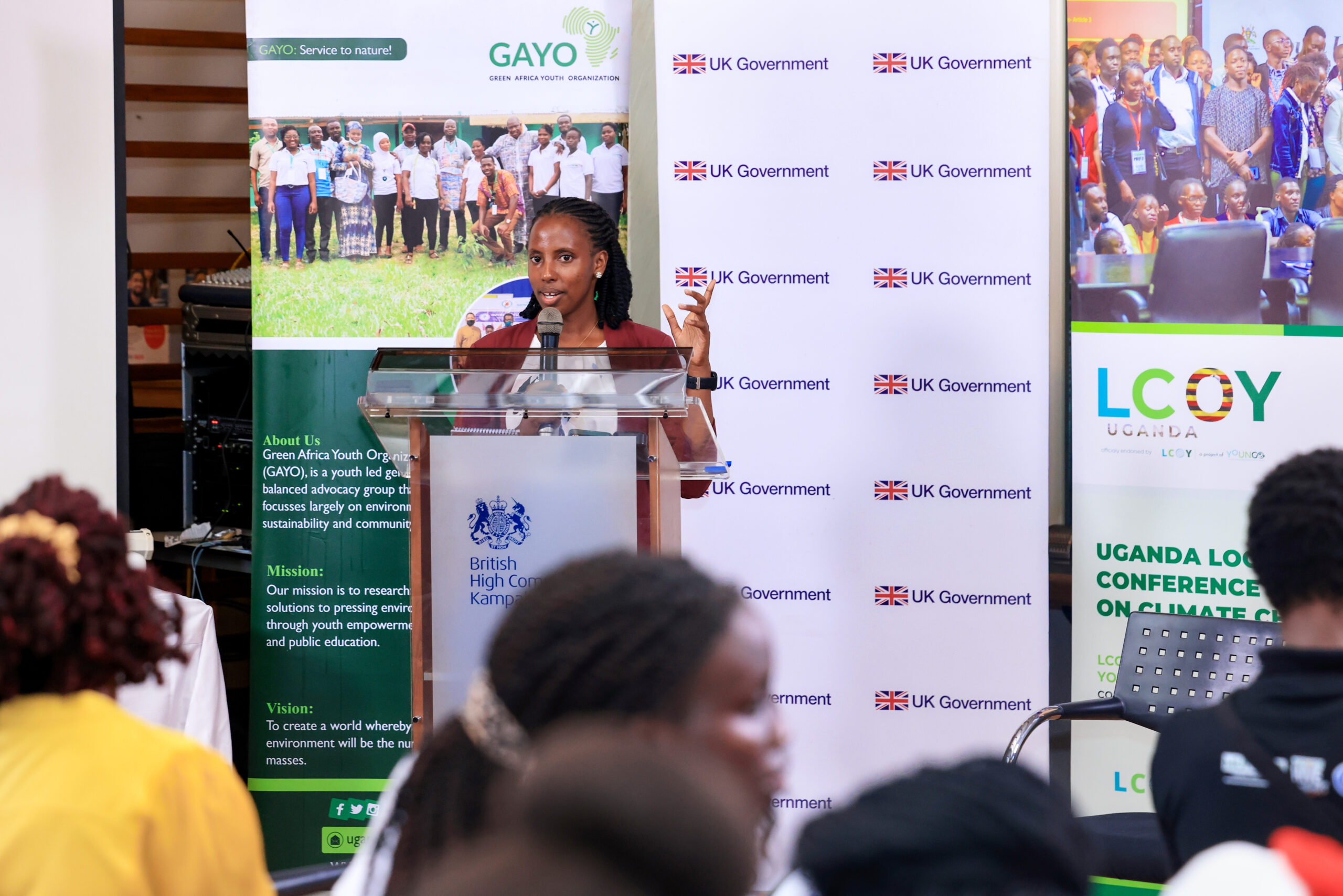
4. Tell us about your family—how did your siblings influence your path toward leadership?
We are seven children, so I have six siblings. Growing up with siblings itself is a responsibility, and it taught me responsibility and empathy in early life. It also brought out a strong bond of connection and collaboration. Like I said, we constantly support each other through challenges.
5. What was the specific moment or “spark” that led you to found Igniteable Foundation?
For me, it’s a very personal story. It was a spark that came when I saw how climate change was affecting vulnerable communities—and in the vulnerable communities, you cannot fail to mention the people with disabilities.
From what I observed and the stories shared from such communities, their voices are rarely included in climate discussions. I realized that advocacy must be inclusive, and that moment pushed me to create a platform that amplifies those voices.
But I also mentioned it’s a personal story: I am personally disabled, and going through school, I faced so many challenges. Having had my early education in a village setting which had climate crises—moving long distances when it has rained, roads are impassable—you struggle twice. You actually struggle twice as a person with disability to access resources. So that was my pain, and my reason for coming out to make sure other people facing similar challenges are helped, seen, and heard.
6. When was the foundation officially registered and launched?
Igniteable Foundation was officially registered in Uganda last year, 2025 in May. In April next month, we plan to launch it officially, though it has been operating.
To take you back, before last year, it was known as Bona Inclusive Foundation. But then, I did not want to attach so much of my name, because ‘Bona’ was coming from my surname, which is Boonabaana. I felt it was getting too personal, like ‘Why does my surname have to appear? Can’t I do this differently?’ I had a second thought later and was doubting. So, it was Bona Inclusive Foundation before; it was renamed to Igniteable Foundation. It was officially registered last year, and next month in April, we will officially launch our activities because between this time last year and now, I’ve been so much taken up by work, school, and other initiatives I’m part of.
7. What is the primary mission of Igniteable Foundation, and which communities do you serve?
It is a youth-led initiative focusing on climate justice, inclusion, and community empowerment.
8. Who are the key pillars on your team helping you drive this vision forward?
I currently don’t have a nanogram or structured document showing people in any particular key positions. It’s still just a vision I am driving although, it’s not just I myself on the team. However, I have access to a team of several climate advocates who support my work. They give me advice and support me in every way possible so we can take off. I have been in the climate space for quite a while now, most likely since 2022. So that was when I had just joined campus and over time, I have connected with so many people who assist me with their expertise and support in different ways in my goals.
9. How do you balance your work at the foundation with being the Finance Lead for the EU Youth Sounding Board in Uganda?
Oops, I beg to skip this since it’s confidential!
10. What is the organization’s most significant milestone or achievement to date?
I would say our most significant milestone was seeing people show interest when we started out. I was always wondering who looks out for people with disabilities in the conversations about climate change. Who stands up for them? An able-bodied person for example will not experience floods the same way a disabled person will.
11. Describe the toughest moment you’ve faced as a founder.
The toughest moment was definitely the initial registration phase. Like I mentioned earlier, we started as Bona Inclusive Foundation, and the process of rebranding while trying to secure funding was incredibly stressful. There was a point where we had almost zero balance in our accounts, and I had to personally fund some of our activities from my own savings. It was a test of faith and a test of how much I really believed in this vision.
12. What did that specific challenge teach you about the reality of advocacy?
It taught me that advocacy is expensive, and I don’t just mean financially. It’s emotionally and physically taxing. You have to be prepared to stand alone for a while before others see the light. It also taught me the importance of building a resilient financial model—you can’t rely on passion alone; you need systems and partnerships to sustain the work.
13. Why is “meaningful inclusion” for persons with disabilities such a central part of your mission?
Because when disasters hit or when climate crises are in place, they do not segregate on whom they are hitting. For example, if floods are happening in Kampala, they do not say, “We are taking the persons with disabilities, no, we are sweeping away properties of the rich.” Climate change affects everyone. But then, not everyone has an equal voice in the solutions.
I’ll give you an example for easy contextualization. If the government has put in place infrastructure in a school to make education accessible for all, but you’re not putting in place reasonable accommodation—if you’re constructing a storied building and you’re not putting ramps in place—then a student on a wheelchair will not be able to access the other floors. It is going to be hard for such a student to fully participate. Meaningful inclusion ensures that these solutions reflect the realities and needs of all people.
14. How has your participation in global stages like COP 28 and COP 29 influenced Igniteable’s climate advocacy?
It’s from COP 28 where the then Bona Inclusive Foundation was birthed. When I went to Dubai in 2023 to take part in the COP 28 negotiations—thanks to my funders, Tard Foundation led by Vanessa Nakate—I realized that us as people with disabilities, we did not have a constituency of our own at the UNFCCC. If you’re not on the negotiation table, then you’re not considered.
In the next COP, COP 29 in Azerbaijan, I made sure we form a coalition, what we call the Climate Caucus, targeting persons with disability taking part in these negotiations to be at the center stage of influencing change. We raised our voices through demonstrations while on ground. Successfully, we are now in the final stages of having our own working group as persons with disability within the UNFCCC processes. It is a win for us, really.
15. What has been the most surprising lesson you’ve learned as an Impact Forge fellow?
The power of collaboration over competition. I’ve been surrounded by so many brilliant social entrepreneurs, and I learned that the problems we are solving—like climate change and exclusion—are too big for one person. It’s not about who gets the credit; it’s about how many lives we change together.
16. How do you handle the pressure of representing Ugandan youth on international platforms?
I handle it by remembering that I’m not there for myself. I’m there for the girl in a village who can’t access school because of a flood, and for the young person with a disability who has been told they have no future. When I focus on their stories, my nerves disappear. I also stay grounded through prayer and by keeping a strong connection with my team back in Kampala.
17. What is one thing you wish you knew before you started your first major project?
I wish I knew that it’s okay to start small. When I first thought of the foundation, I wanted to change the whole country at once. But I’ve learned that deep, meaningful impact in one small community is more valuable than a shallow impact across a large area. Starting small allows you to refine your model and learn from your mistakes.
18. What is the next big goal or project for Igniteable Foundation over the next year?
Our next big goal is the official launch of our “Green Inclusion” pilot project this April. We are going to be training youth with disabilities in sustainable agricultural practices and climate-smart entrepreneurship. We are also working toward establishing a permanent Climate Justice Hub in Kampala where young advocates can gather and co-create inclusive climate policies.
19. What advice do you have for young women looking to break into the world of policy and environmental activism?
Don’t wait for an invitation. Often, women—especially those with disabilities—wait for someone to give them a seat at the table. I say, bring your own chair! Research the issues, build your expertise, and start speaking up in your local community. Also, find mentors. Find your tribe and keep pushing.
20. Where can people follow your journey and support the Igniteable Foundation?
You can follow my personal X and Instagram at @boonabaana_. You can also follow Igniteable via X at @IgniteAbleFdn. We are always looking for partners and volunteers who believe in a world where no one is left behind in the face of the climate crisis.