
Table of Contents
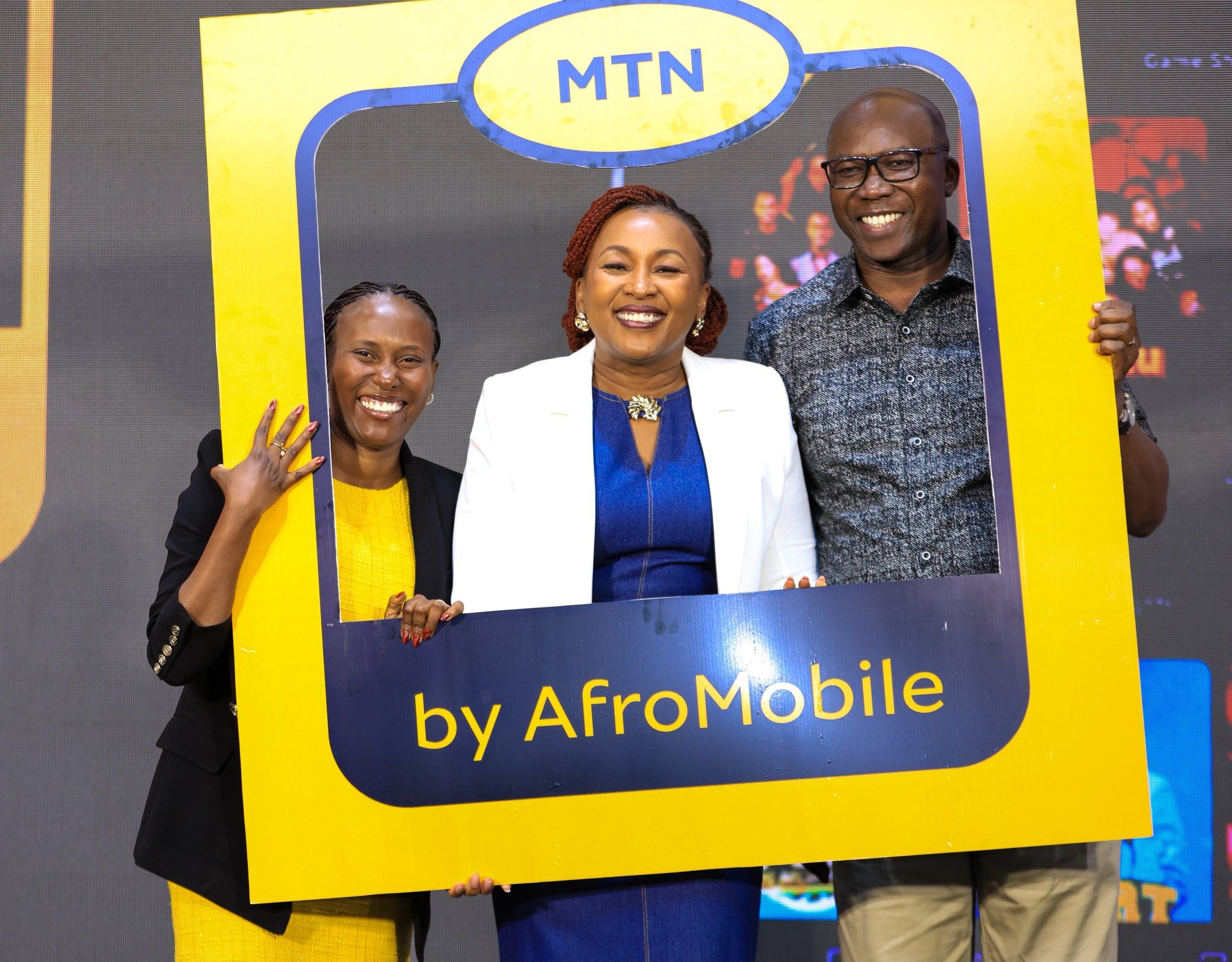
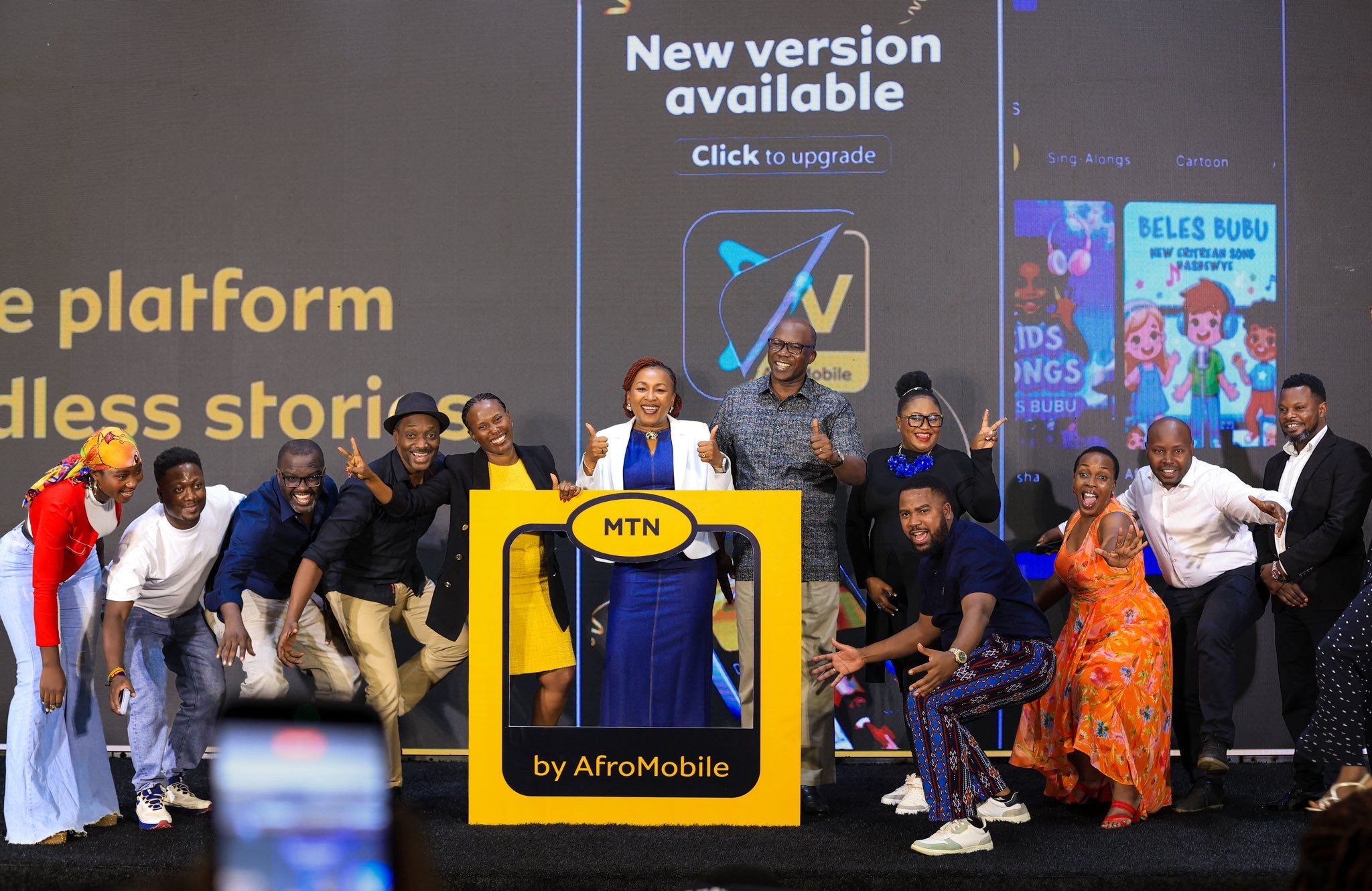
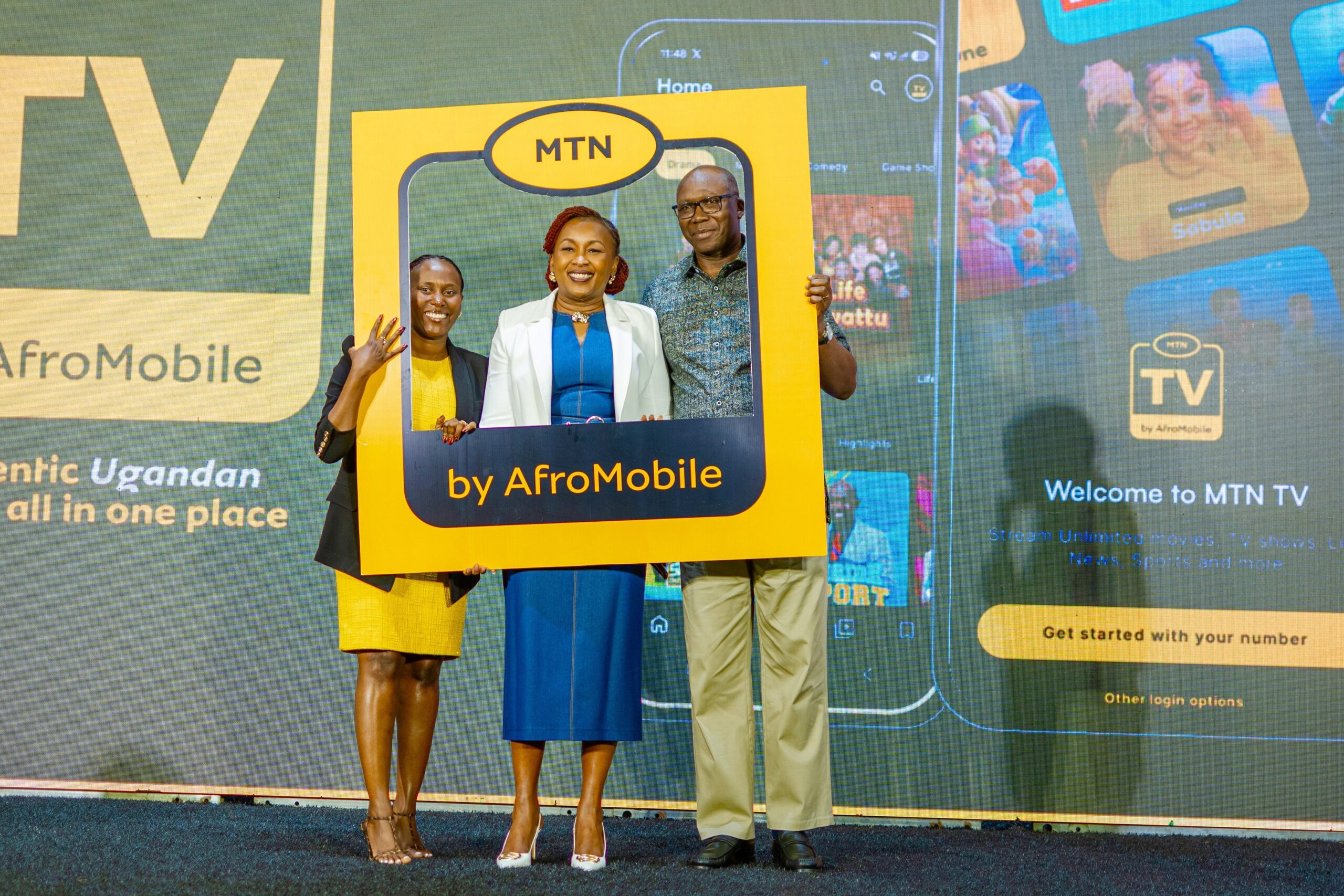
KAMPALA — The battle for Uganda’s mobile screens has officially escalated into an all-out corporate showdown. On Friday, 7th August 2026, telecom leader MTN Uganda unveiled MTN TV—co-branded in technical circles as MTN TV by AfroMobile—during a high-profile launch event in Kampala. It was oriinally teased with their campaign, ‘Your Screen, Your Rules’.
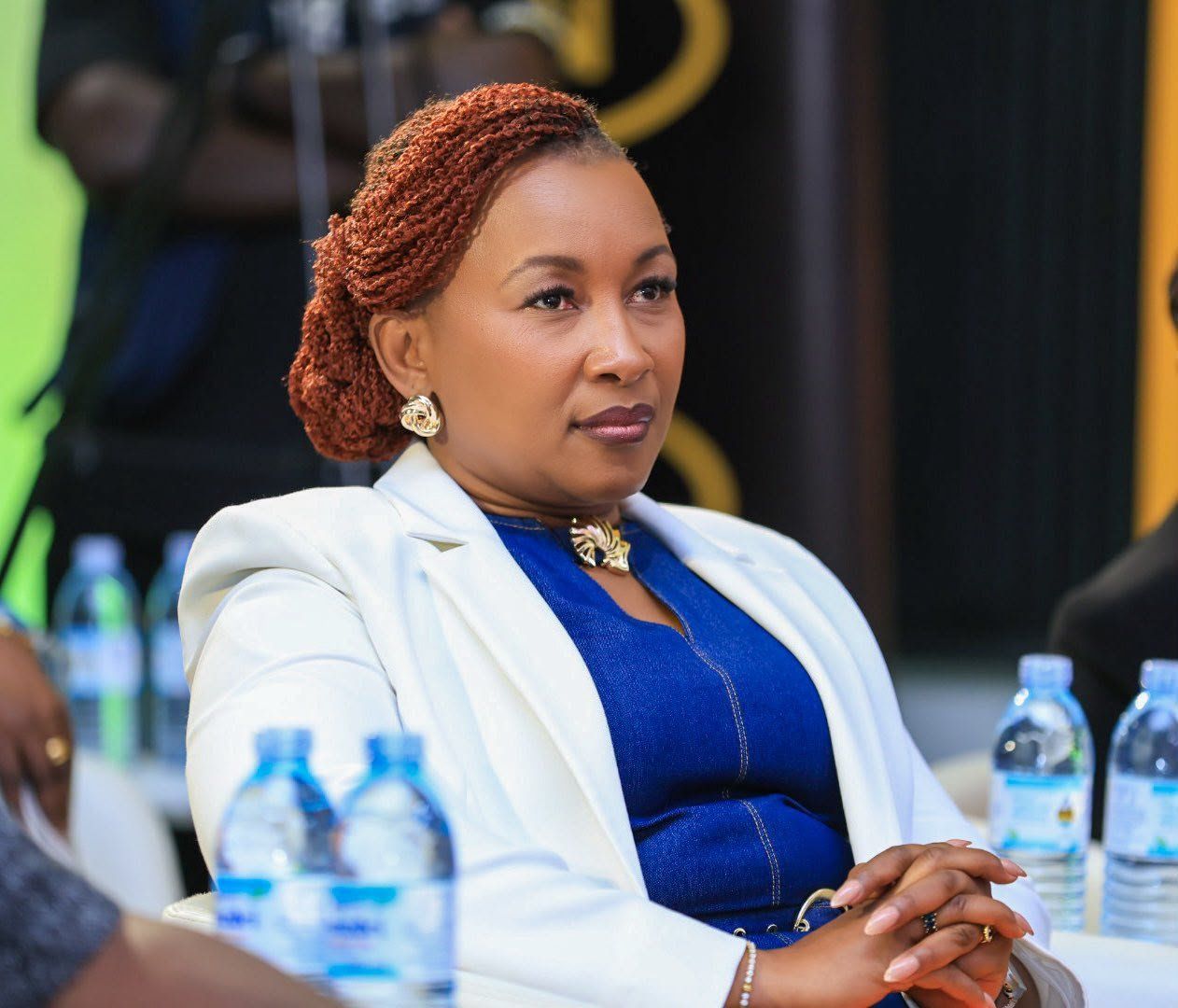
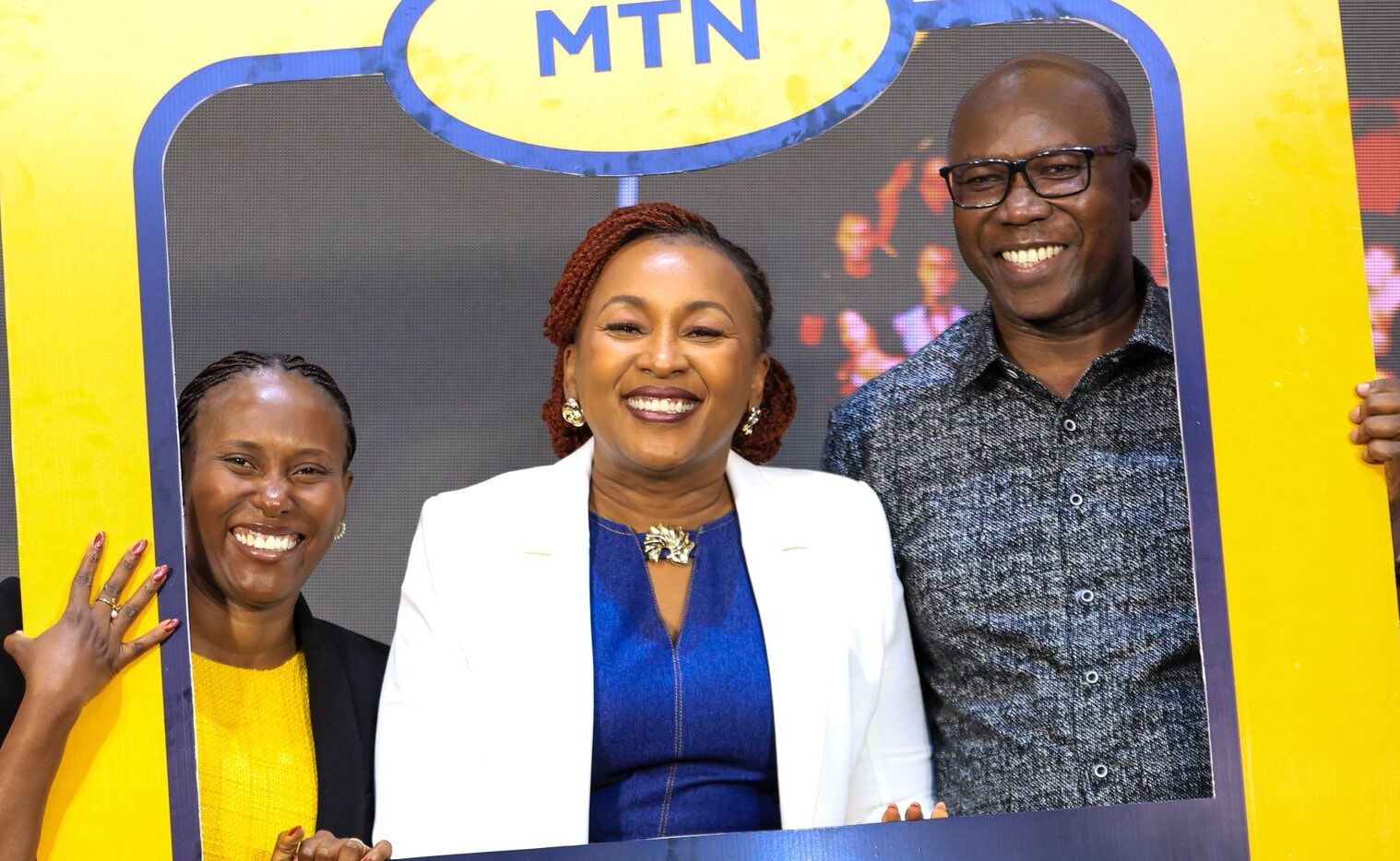
Presided over by MTN Uganda Chief Executive Officer Sylvia Mulinge, AfroMobile General Manager Kevin Kaija, and Uganda Communications Commission (UCC) Corporate Affairs Director Fred Otunnu, the launch signals a seismic shift in how Ugandans consume news, sports, and entertainment. As traditional television sets and terrestrial FM tuners gather dust, legacy broadcast houses are scrambling to secure a permanent foothold on mobile screens.




What is MTN TV and how does it work in Uganda?
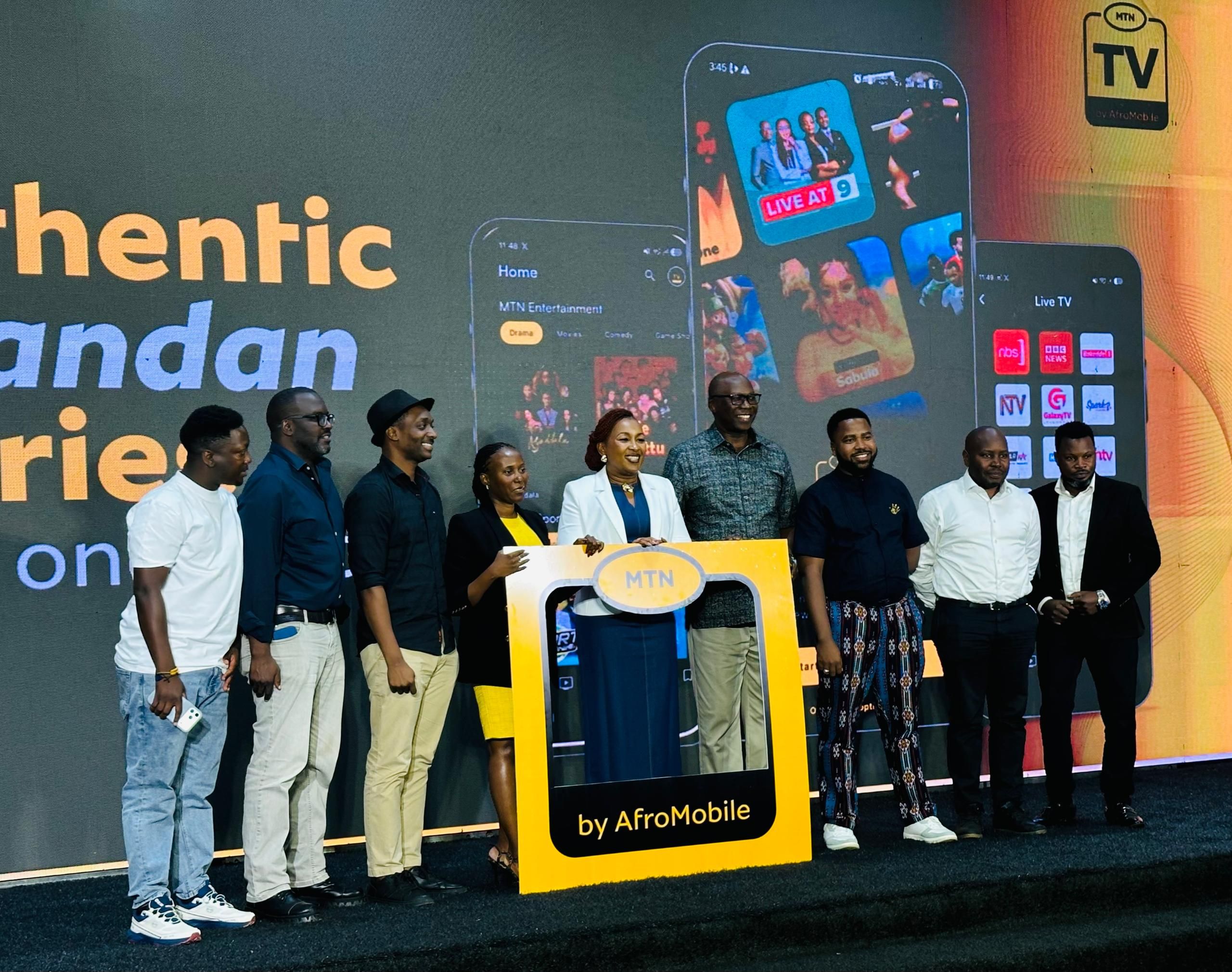
MTN TV is a dedicated mobile and web streaming application built to bring live television, digital radio, local films, television series, and sports directly onto smartphones, tablets, smart TVs, and web browsers.

Operating on a flexible freemium model, the platform allows any MTN customer with an active data bundle to access a selection of basic streams at zero extra subscription cost. For users seeking the full viewing experience, premium daily, weekly, and monthly packages unlock the complete broadcast catalog, offline video downloads, personalized viewing profiles, and simultaneous streaming across up to three devices. By integrating payment pipelines directly into MTN Airtime and Mobile Money (MoMo), the platform eliminates credit card barriers that have historically held back streaming adoption across East Africa.
How many live TV channels and radio stations are on MTN TV?
At launch, MTN TV boasts an entertainment library featuring more than 60 live television channels, 53 live radio stations, movies, drama series, children’s programming, and exclusive content from Ugandan digital creators.
To mark its grand entry into the market, the platform announced its headline sponsorship of music icon King Saha’s highly anticipated Tondeka e’ Kololo concert scheduled for 14th August 2026. The concert will stream live exclusively on the app before becoming available on-demand for subscribers.
On a broader scale, Uganda’s launch is part of MTN Group’s continental rollout of “MTN One TV,” an ambitious digital initiative unveiled in mid-2026 in strategic partnership with UK-based video software provider Synamedia to transform the telecom giant into a Pan-African digital entertainment powerhouse.
Is MTN TV a partnership with Kin Kariisa’s Next Media and AfroMobile?
While the application sports MTN’s signature yellow corporate identity, the underlying technology engine and content aggregation pipeline belong directly to AfroMobile.
AfroMobile was incubated and built under Dr. Kin Kariisa’s Next Media Services empire—the parent company behind NBS TV, Sanyuka TV, Salam TV, NBS Sport, and Next Radio. Rather than spending millions building a standalone streaming infrastructure from scratch, MTN licensed AfroMobile’s backend platform. In return, Next Media gains immediate access to MTN’s massive base of over 20 million subscribers, zero-rated data bundle synergies, and automated Mobile Money billing.
Will MTN TV kill AfroMobile or YoTV Channels?
Far from destroying AfroMobile, MTN TV actually supercharges it. The two platforms operate as two sides of the same commercial coin through a white-label expansion. Instead of struggling to persuade everyday Ugandans to download a separate AfroMobile app, Next Media can now channel its content directly through a default, pre-promoted MTN application.
The real corporate rivalry lies between the MTN TV and AfroMobile coalition on one side, and YoTV Channels on the other. For years, YoTV Channels maintained a dominant market position because it secured exclusive digital distribution rights for Nation Media Group (NMG) assets, including NTV Uganda, Spark TV, 93.3 KFM, and Dembe FM. Conversely, AfroMobile built its foundation on Next Media’s broadcast powerhouse. By launching MTN TV, MTN has thrown its full corporate weight behind the AfroMobile ecosystem, creating a direct threat to YoTV’s market share.
Why are Ugandan TV stations panicking while radio streams seamlessly?
The digital transition in Uganda highlights a stark operational divide between audio and video broadcasting. Radio stations made a remarkably smooth leap to the digital era because audio signals require minimal bandwidth, stream affordably, and plug effortlessly into universal aggregators like TuneIn or custom web players. Listeners can tune into 93.3 KFM, Capital FM, or CBS Radio in the background while commuting without draining their data bundles.
Conversely, television executives are in full panic mode. Video streaming demands high bandwidth, low latency, and expensive cloud infrastructure, all while mobile data remains a significant cost for everyday consumers. With traditional television advertising revenue plummeting as younger audiences migrate to TikTok, YouTube, and X, free-to-air TV channels risk becoming completely invisible if they fail to secure space on a zero-rated mobile app.
Can you stream NTV Uganda and NBS TV on the same app?
Under the current industry setup, Ugandan viewers are trapped in a frustrating content exclusivity war. Users on MTN TV or AfroMobile can watch NBS TV, Sanyuka TV, and NBS Sport, but they are completely blocked from viewing NTV Uganda or listening to 93.3 KFM. On the flip side, YoTV Channels subscribers enjoy NTV Uganda and Spark TV, but miss out on Next Media’s political talk shows and sports broadcasts.
This fragmentation forces Ugandans to manage multiple subscriptions and navigate different applications just to keep up with national news. However, this divide creates a massive market vulnerability. The moment a neutral telecom player or media aggregator successfully negotiates non-exclusive licensing deals to host both Nation Media Group and Next Media Group channels on a single platform, standalone apps like YoTV and AfroMobile will face an existential threat. Until then, the battle for Uganda’s mobile screens will remain fiercely contested in the app stores.