
Table of Contents
What is the ‘Organized Chaos with a Whistle’ | Ben Misagga Sounds Alarm on Boda Boda safety?
Sports leader, investor, and commentator Joseph Mbazzi Muguluma (Immanuel Ben Misagga) has called out the nationwide normalization of traffic chaos, describing Kampala’s daily road network as a ticking time bomb fueled by institutional compromise and driver impunity.
Writing in an opinion piece titled “We’re Playing With Wrong and Calling It Right on Our Roads,” the former SC Villa President argues that the daily breakdown of order on major arterial highways—such as Jinja Road and Entebbe Road—is neither “hustle” nor “resilience,” but a collective form of national self-sabotage that is claiming thousands of young lives every year.
What did visiting foreign delegates say about Kampala’s traffic lawlessness?
Highlighting how deeply entrenched traffic impunity has become in Uganda, Misagga recounted hosting international delegations from Zambia and Mozambique during high-level meetings in Kampala.

While urban congestion exists across African capitals like Lusaka and Maputo, the visiting foreign officials expressed sheer astonishment at the calm acceptance with which Ugandans tolerate blatant traffic violations, including boda bodas driving on pedestrian footpaths and traffic officers directing vehicles into oncoming lanes.
“They couldn’t believe how calmly we accept it. How we’ve normalized wrong and started calling it ‘the way things are done here.’ One of them said to me, ‘In our country, this would cause a national outcry. Here, it’s Tuesday.’ That’s the real danger. Not just the near-misses and the screeching brakes. It’s the fact that we’ve stopped flinching.”
Why does Ben Misagga describe traffic management as ‘organized chaos with a whistle’?
Misagga points out that daily violations have moved from minor infractions to standard operational behavior across Kampala’s road network:
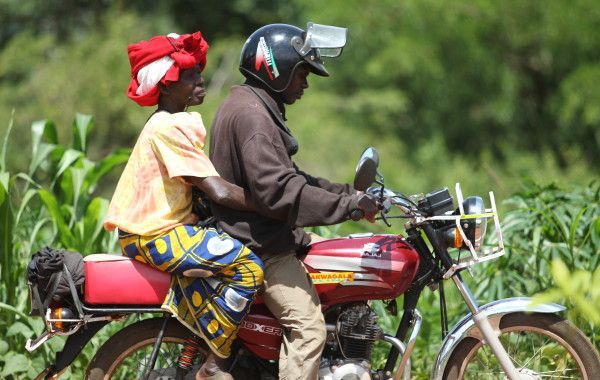
- Boda Boda Impunity: Motorcycles riding down the wrong side of busy roads, treating traffic lights as decorative suggestions, and converting pedestrian walkways into high-speed expressways.
- Institutional Compromise: Traffic officers waving motor vehicles into oncoming lanes during peak hours to clear gridlocks—a practice Misagga labels as “organized chaos with a whistle.”
- Erosion of Standards: Teaching the younger generation that personal convenience and saving 30 seconds takes priority over human safety and statutory law.
“It’s easier to ride in hell than to ride in Kampala city,” Misagga observes. “I pray the people in the business of panel beating are lining up at the bank every day because the coffin sellers are digging our graves next to purgatory.”
How many people die in road accidents in Uganda every year according to WHO data?
The human toll behind Kampala’s traffic crisis is backed by stark statistics. Official figures and World Health Organization (WHO) data show that Uganda loses over 4,000 people annually to road traffic crashes, with the Kampala metropolitan region accounting for a disproportionate share.
Furthermore, the WHO ranks road traffic injuries among the leading causes of death for young Ugandans—striking down breadwinners, entrepreneurs, and students in their prime.
Reflecting on his frequent upcountry travels across Kifuuta, Kyotera, and Buddu, Misagga shared the grim reality of attending burials for young accident victims in communities along the busy Lwengo and Lukaya highway corridors:
“Out here, we see traffic and boda cyclists coming to the burials of Kampala accident victims from the neighboring Lwengo and Lukaya highway. People we know. Young people. Breadwinners. And the story is always the same: ‘He was knocked by a boda coming from the wrong side.’ ‘She was hit on the pavement.’ ‘The driver was avoiding traffic.’ We bury them, we mourn, and then we go back to Kampala and do the same thing all over again.”
What solutions does Ben Misagga propose to fix Kampala’s road safety crisis?
Emphasizing that the road network will not fix itself without decisive political will and civic responsibility, Misagga outlines a four-part roadmap to restore order:
- Treat Road Safety as a Public Health Crisis: Government leadership must elevate road safety enforcement to the level of a national emergency rather than treating crashes as minor inconveniences.
- Expand Mass Transit and Fix Infrastructure: Expand organized public bus transportation systems to reduce over-reliance on boda bodas for short urban commutes, while repairing broken road sections.
- Consistent Enforcement Without Exceptions: Enforce traffic laws uniformly across all road users, eliminating passes or exemptions for “big men” or urgent corporate cases.
- Civic Refusal of Lawlessness: Passengers must actively instruct boda riders against mounting pedestrian footpaths or riding down wrong lanes, while drivers must respect red signals even in the absence of traffic officers.
“Kampala doesn’t have to be this way. Other cities with worse congestion and fewer resources have brought order back to their streets. It took political will, consistent enforcement, and a public that decided they were done accepting chaos as normal,” Misagga concludes. “Wrong is wrong. Fix the roads. Enforce the law. Stop pretending chaos is a solution.”