
Table of Contents
KAMPALA — In a heartbreaking cautionary reflection on aging, inheritance, and the erosion of traditional African family values, sports leader and public commentator Joseph Mbazzi Muguluma (Immanuel Ben Misagga) has shared a deeply personal journal written by his 99-year-old grandfather, Muguluma.
Discovered at the family’s ancestral home in Kifuuta, Kyotera, Buddu, the written notes outline a harrowing journey from financial independence to total abandonment. Despite giving away his entire fortune to his children, the family patriarch spent his final years living alone in Room 068 at the Kyotera Catholic Diocese care home, surrounded by the smell of disinfectant and boiled vegetables.
Writing in an essay titled “The Painful Truth of My Grandfather at 99,” published on May 8, 2026, Misagga highlights his grandfather’s story as a stern warning to aging parents across Uganda: never sell your home or surrender your financial independence to your children while you are still alive.

How did a UGX 245 Million home sale leave 99-year-old Muguluma destitute in a care home?
The descent into financial ruin began in 1998 following the death of Muguluma’s wife. In 2003, his children persuaded the aging patriarch to sell his fully paid-off ancestral home in Kifuuta, Buddu, for UGX 245 million.
Attempting to be a generous father, Muguluma distributed the proceeds almost immediately:
- UGX 81 Million was given directly to his daughter, Namaata.
- UGX 81 Million was given to his daughter, Nakyajja.
- UGX 81 Million was given to his son, Kasekende.
- UGX 2 Million was kept by Muguluma for emergency personal savings.
Following the sale, Muguluma moved in with his daughter Namaata. However, cohabitation lasted only eight months before she rented him a small, single-room apartment in Kyotera Town for UGX 900,000 per month. Without a steady income, the monthly rent rapidly consumed Muguluma’s remaining savings. By 2012, he was completely broke.
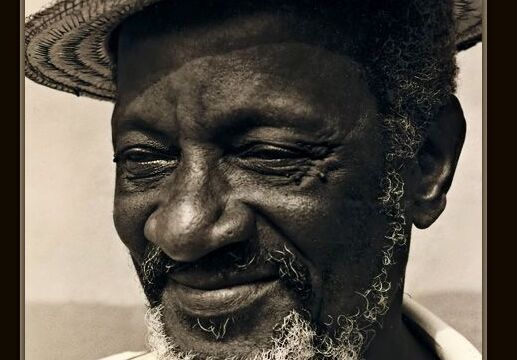
In 2013, at age 91, he was forced to enter a care center managed by the Kyotera Catholic Diocese, where the Catholic Church covered the majority of his living and medical expenses.
Why does Ben Misagga warn parents against giving away their ancestral land and homes to children?
The tragedy of Muguluma’s story lies not in a lack of family resources, but in the rapid breakdown of filial duty once financial leverage was lost. While his children owned spacious houses with ample land across Kyotera and Masaka, their aging father remained isolated in a church care home.
In his private journal, the 99-year-old recorded painful instances of neglect, noting that after suffering a severe fall that required emergency stitches, his daughter Nakyajja waited five days before visiting him—and stayed for only 30 minutes before leaving.
Misagga notes that when a parent surrenders their assets, the dynamic within the family alters permanently:
“He gave everything for 70 years: holidays, money, and his house. He thought it was what good fathers do. But when he became dependent and ‘no longer fun,’ love did not pay bills or create choices. If you do not keep your house, savings, and independence, you lose power. People, even your own children, treat you differently when you have nothing left.”
What painful lessons on financial independence and aging did Grandfather Muguluma leave behind?
Reflecting on his life from Room 068 in Kyotera, the family patriarch offered a final, urgent plea to parents and elders across Uganda: exercise generosity, but protect your personal security at all costs.
Muguluma emphasized that true security in old age does not rely on emotional promises, but on retained ownership of one’s shelter, land, and financial reserves.
“Be generous, but never leave yourself with nothing,” the grandfather recorded in his final notes. “I have learnt a lot of things in Kifuuta, Kyotera, Buddu. This spiritual shrine is God’s heavenly school.”
Misagga’s publication of his grandfather’s memoirs serves as a crucial wake-up call for African families navigating the delicate boundaries between supporting adult children and safeguarding an elder’s dignity in their twilight years.