Table of Contents
When were the Afrima Awards 2026 Winners announced?
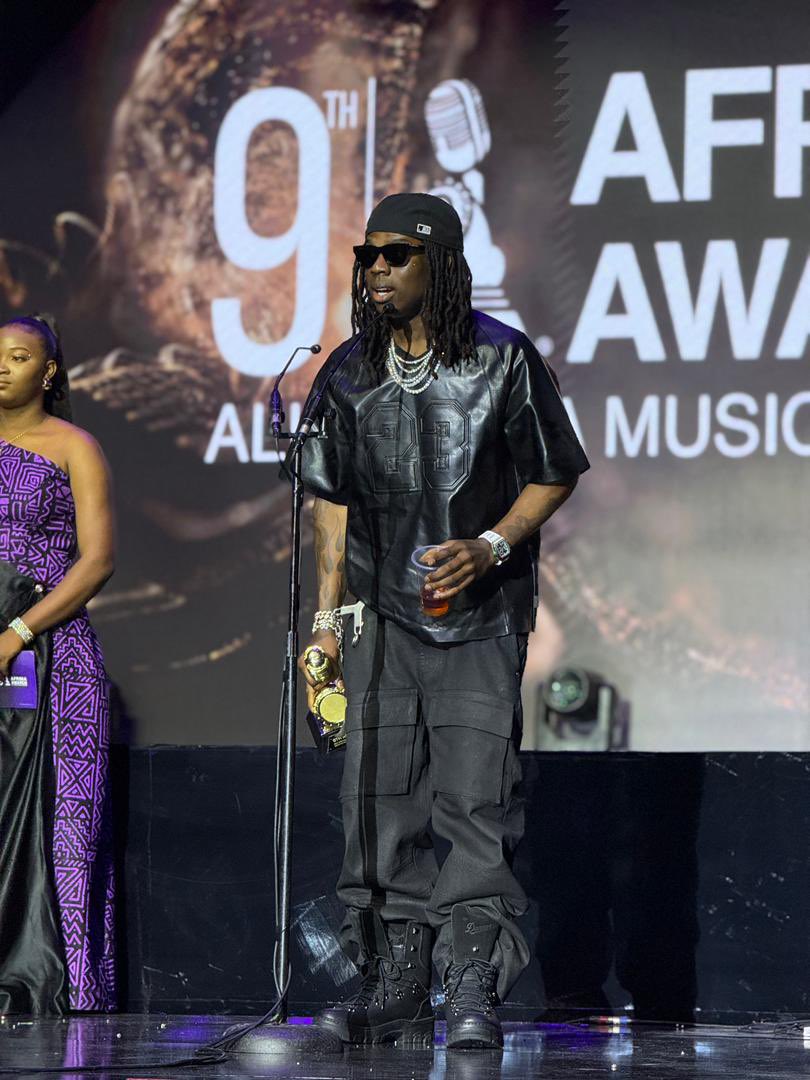
Lagos once again proved it is the pulsating heart of African music as it hosted the 9th edition of the All Africa Music Awards (AFRIMA) from January 7 to 11, 2026. The grand celebration brought together artists, industry professionals, and music lovers from every corner of the continent and the diaspora. Nigerian artists led the charge, with Rema walking away as the most decorated star of the night, claiming three major awards, including the prestigious Artist of the Year.
The event, held at the Eko Convention Centre, featured spectacular performances, vibrant cultural displays, and important conversations about the future of African music. Broadcast live across more than 84 countries, this year’s theme, “Unstoppable Africa,” perfectly captured the continent’s unstoppable rise on the global music stage.
What Is AFRIMA and Why Does It Matter for African Music?
The All Africa Music Awards (AFRIMA) is the continent’s most prestigious music honours ceremony. Launched in 2014, it celebrates excellence in African music across all genres and regions. Organised in partnership with the African Union, AFRIMA exists to promote African sounds worldwide, encourage cultural exchange, and strengthen the creative economy. Unlike country-specific or regional awards, AFRIMA is truly pan-African, recognising talent from North to South, East to West, and every genre in between—from hip-hop and Amapiano to jazz, reggae, and traditional music.

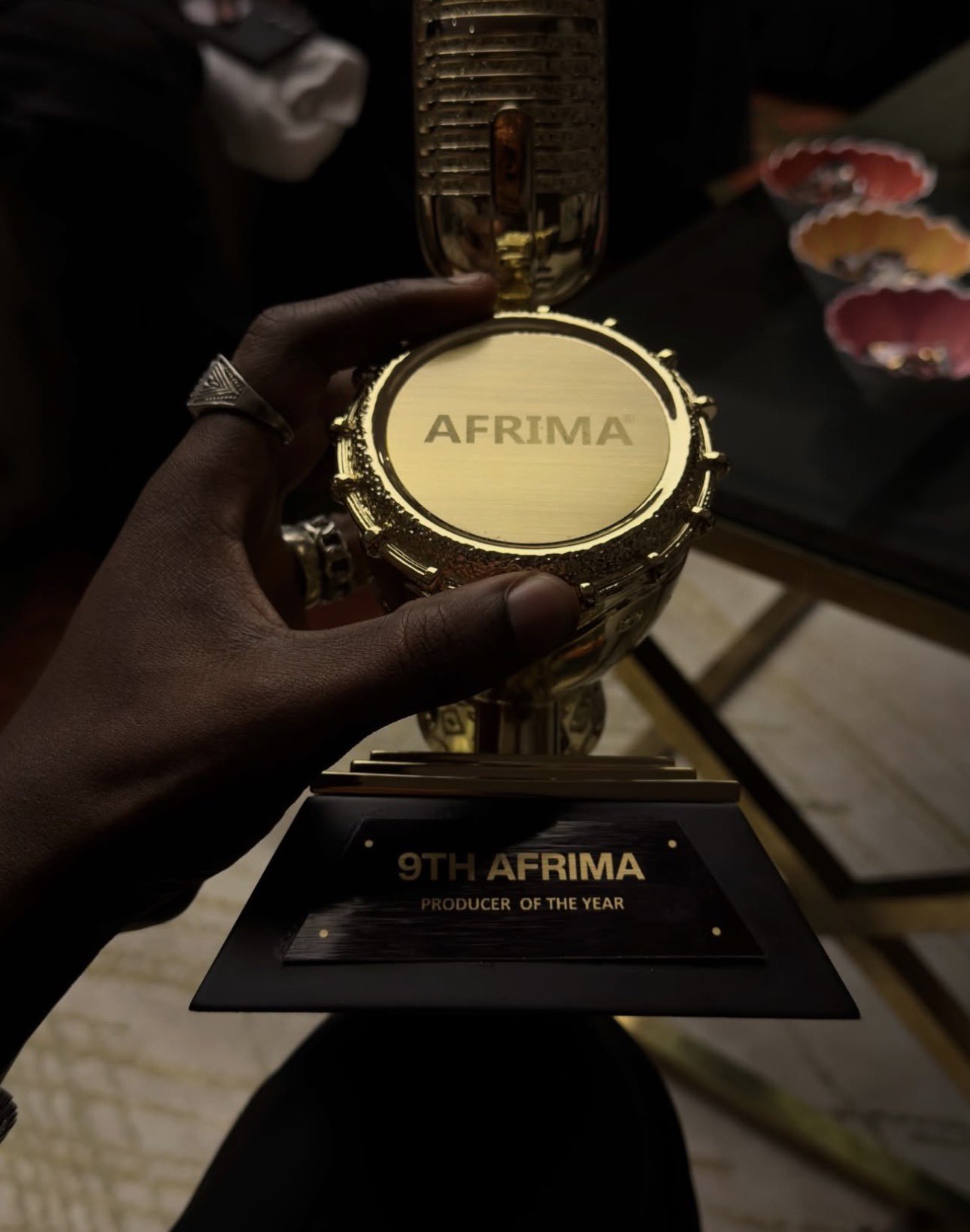
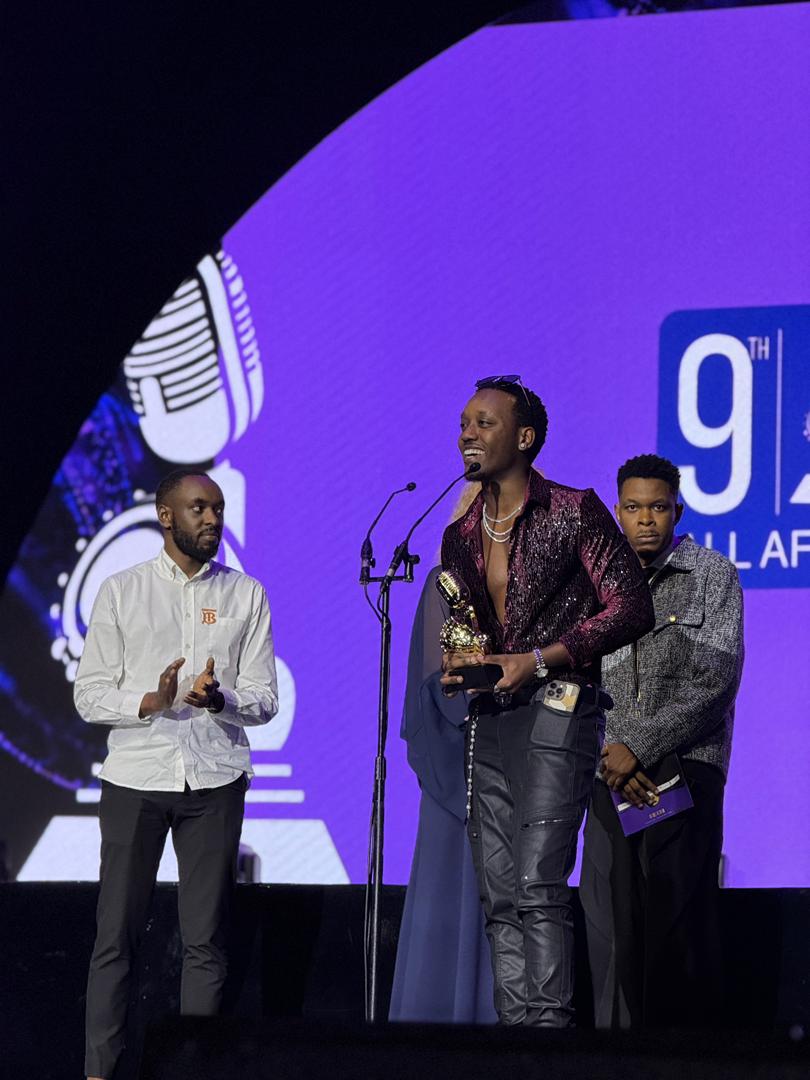
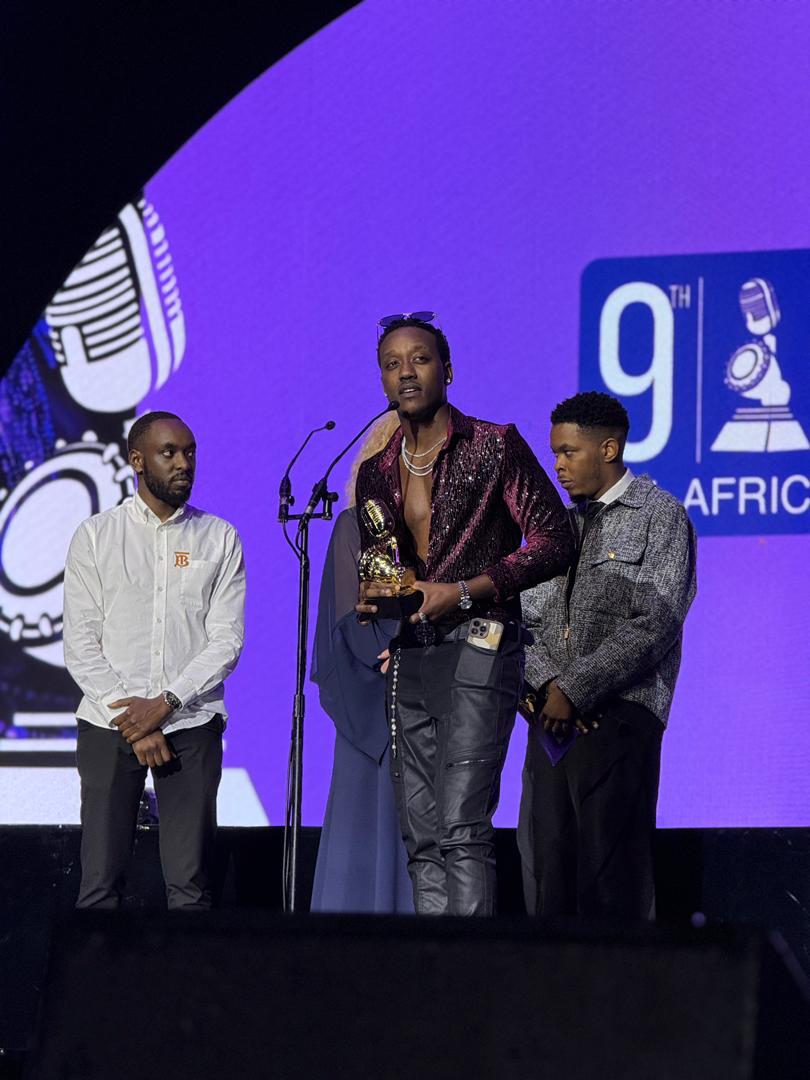
The awards provide a powerful platform for emerging artists, boost tourism in host cities, and spark important industry discussions about royalties, funding, and artist welfare. For Uganda and other East African countries, AFRIMA offers invaluable international exposure, even when local artists do not win.
Why Was AFRIMA 2026 Held in January Instead of Late 2025?
The 9th AFRIMA was originally scheduled for November 2025 but was postponed to January 7–11, 2026 after consultations with artists, partners, and stakeholders. The delay allowed more time for preparation, sponsorship finalisation, and alignment with the African Union’s cultural calendar. With Lagos returning as host for the third time, the extra months ensured a world-class production with improved global reach. While some fans initially questioned the timing, the postponement ultimately created greater anticipation and resulted in record-breaking voter participation.

Who Hosted the 9th AFRIMA Awards?
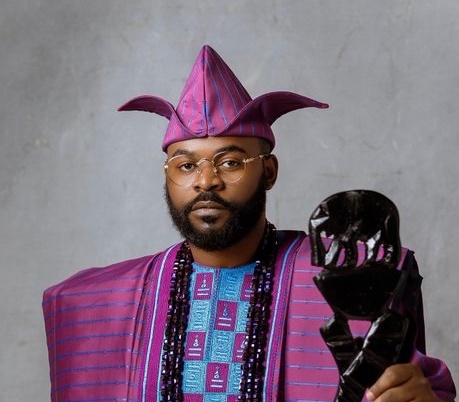
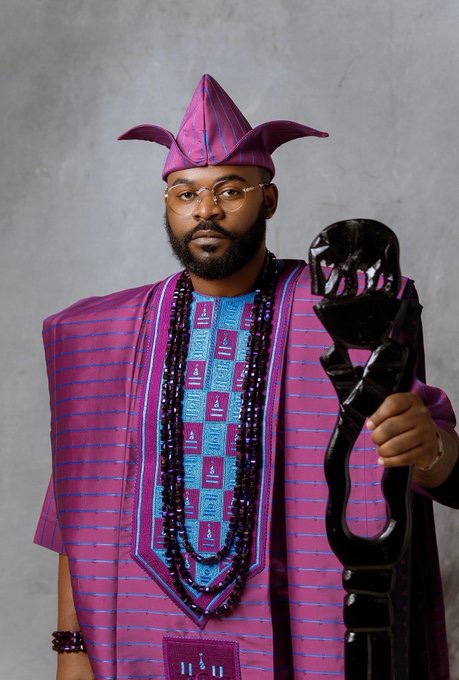
The ceremony was co-hosted by Nigerian rapper, actor, and social commentator Falz (Folarin Falana) and French-Senegalese media personality Liliane Maroune. Falz brought his signature sharp humour and street-smart energy, keeping the audience entertained with clever improvisations that celebrated African unity. Maroune, fluent in multiple languages and deeply connected to francophone and anglophone Africa, added elegance and international appeal. Their dynamic partnership was widely praised and helped make the night feel inclusive across the continent’s linguistic diversity.
What Were the Biggest Moments of AFRIMA 2026?
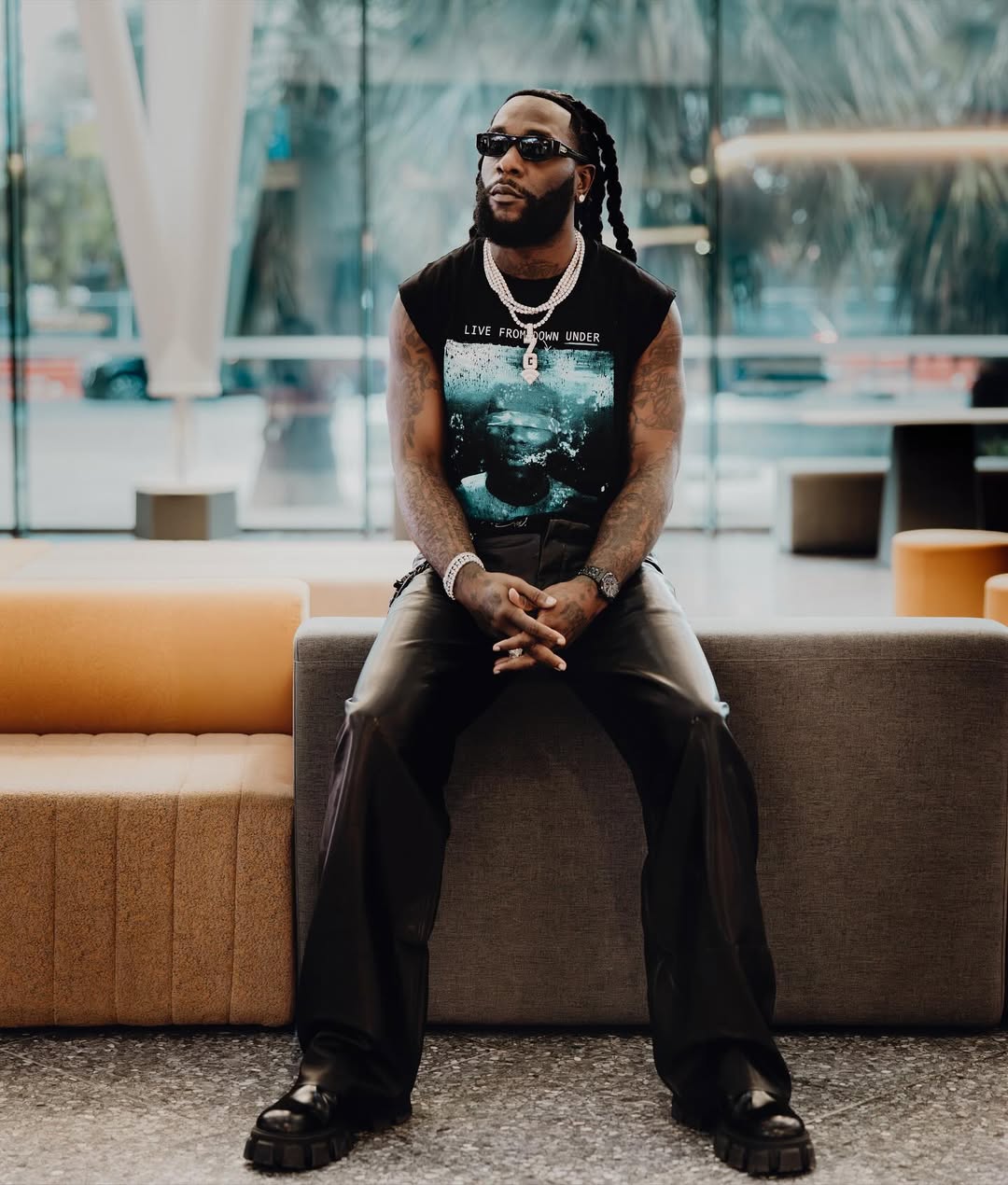
The week-long festival kicked off with a glamorous welcome soirée and ended with an unforgettable awards night. Burna Boy delivered a powerful performance of songs from his winning album No Sign of Weakness, blending Afro-fusion with live instrumentation that sent the crowd into a frenzy. Emerging stars like Qing Madi delivered emotional and captivating sets. Industry panels tackled critical topics such as sustainability, streaming royalties, and artist empowerment.
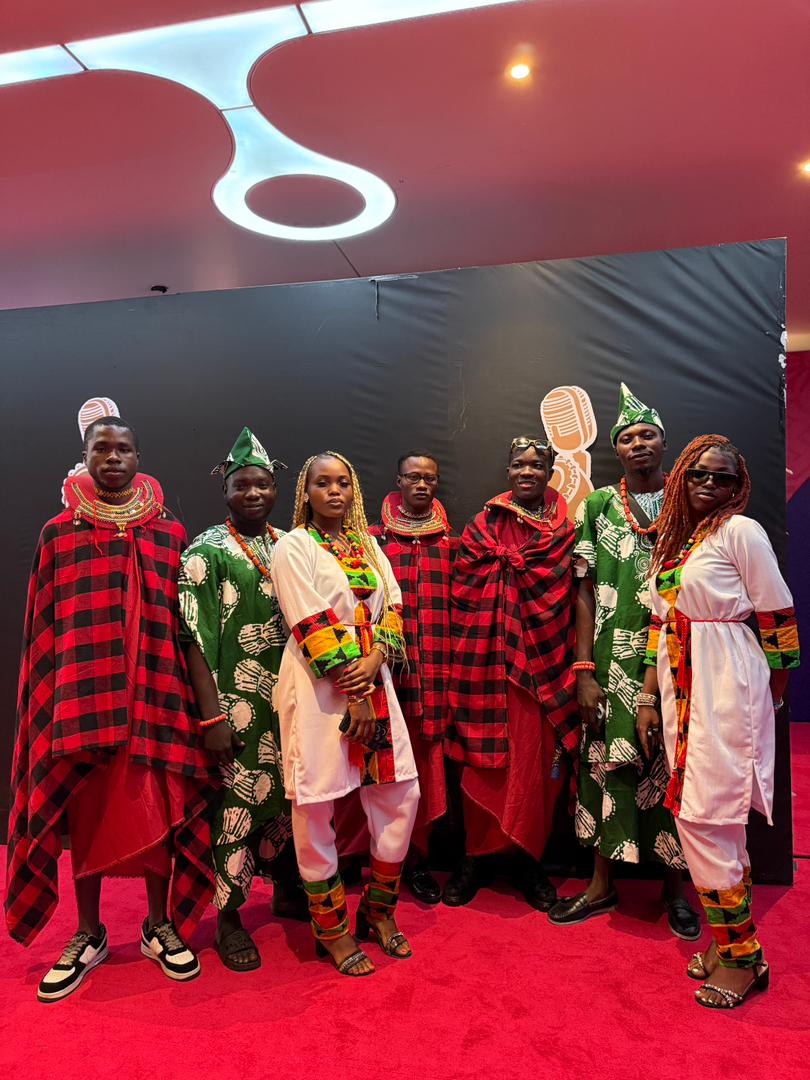
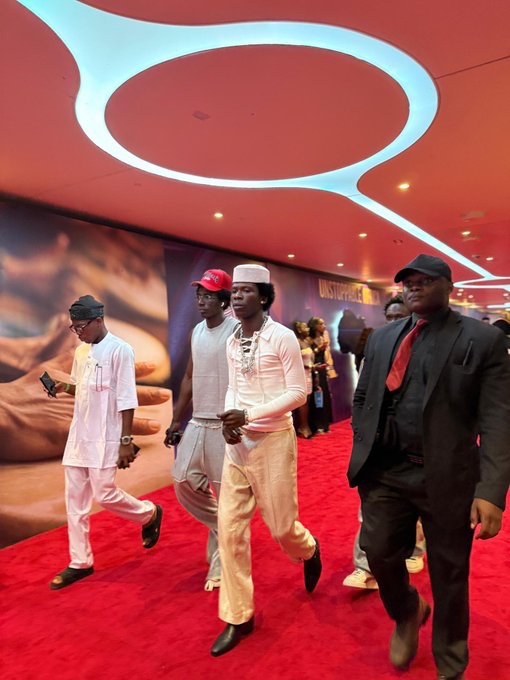
A heartfelt tribute to late African music icons, including Fela Kuti, brought tears to many eyes. The red carpet was a fashion showcase of African excellence—Nigerian agbadas, Tanzanian kitenges, Moroccan kaftans, and more. Nigeria dominated the winner’s list, but victories from Senegal, Ethiopia, Zambia, Algeria, and others reminded everyone of the incredible musical diversity across the continent.
Who Won Artist of the Year at AFRIMA 2026?
Rema (Divine Ikubor), the 25-year-old Nigerian superstar, was crowned Artist of the Year, defeating fierce competition including Burna Boy, Davido, and South Africa’s Tyla. This victory crowns an extraordinary year for Rema, whose global smash “Calm Down” (remix with Selena Gomez) continues to break streaming records and make him one of Africa’s most streamed artists worldwide. His signature blend of Afrobeats, trap, and R&B speaks directly to young people across borders, mixing themes of ambition, love, and resilience. Rema also won Best Male Artiste in Western Africa and Best African Artiste in R&B and Soul, making him the night’s most awarded artist.
Which Album Was Named Album of the Year?
Burna Boy’s No Sign of Weakness took home Album of the Year, further cementing his status as one of Africa’s greatest musical exports. Released in 2025, the project is a powerful exploration of strength, African pride, and personal growth, featuring a masterful fusion of Afrobeat, dancehall, soul, and highlife influences. The album’s production quality, lyrical depth, and thoughtful collaborations earned universal praise. Burna Boy (Damini Ogulu), widely known as the “African Giant,” dedicated the award to his loyal fans and described the project as a reflection of his journey through both triumphs and trials.
Who Took Song of the Year and Why Did It Stand Out?
Shallipopi’s infectious street anthem “Laho” was crowned Song of the Year. The track exploded across social media thanks to its catchy hook, high-energy vibe, and viral dance challenge. The collaboration with Burna Boy also earned it Best African Collaboration. Sung largely in Pidgin English, “Laho” captures the raw spirit of Nigerian youth culture and has become a global party staple. Shallipopi (Crown Uzama), who rose from Benin City’s underground scene, has quickly become one of the most exciting new voices in African music.
Who Was Named Most Promising Artiste of the Year?
Nineteen-year-old Nigerian singer-songwriter Qing Madi won Most Promising Artiste of the Year for her breakout Valorant EP. Her soulful, emotive voice and introspective lyrics about love, growth, and self-discovery have earned her comparisons to early global stars while remaining distinctly African. Qing Madi’s rapid rise from viral covers to major-label attention highlights the power of social media in discovering new talent. In her acceptance speech, she thanked mentors like Rema and stressed the importance of guidance for the next generation.
How did East African Artists especially Ugandans Perform at AFRIMA 2026?
East Africa celebrated several strong showings. Tanzania’s Juma Jux won Best Male Artiste in Eastern Africa for his romantic hit “Ololufe” featuring Diamond Platnumz. Madagascar’s Denise claimed Best Female Artist in Eastern Africa with her ethereal single “Dimama.” While Uganda’s Joshua Baraka was nominated in the Best Male Eastern Africa category, he did not win, but his nomination alone marks significant progress for Ugandan music on the continental stage. These results highlight East Africa’s growing influence, from Bongo Flava to modern traditional fusions.
Full List of AFRIMA 2026 Winners
Here is the complete list of winners from the 9th All Africa Music Awards:
| Category | Winner | Country/Description |
|---|---|---|
| Best Male Artiste in Central Africa | Singuila | The Congo |
| Best Female Artiste in Central Africa | Cindy Le Coeur | DRC |
| Best Male Artiste in Eastern Africa | Juma Jux | Tanzania |
| Best Female Artiste in Eastern Africa | Denise | Madagascar |
| Best Male Artiste in Northern Africa | Adviser | Mauritania |
| Best Female Artiste in Northern Africa | Sherine | Egypt |
| Best Male Artiste in Southern Africa | Yo Maps | Zambia |
| Best Female Artiste in Southern Africa | Nontokozo Mkhize | South Africa |
| Best Male Artiste in Western Africa | Rema | Nigeria |
| Best Female Artiste in Western Africa | Wendy Shay | Ghana |
| Best Male Artiste in African Inspirational Music | Milo | Côte d’Ivoire |
| Best Female Artiste in African Inspirational Music | Morijah | Côte d’Ivoire |
| Best African Artiste, Duo or Group in African Jazz | Haddinqo | Ethiopia |
| Best Artiste, Duo or Group in African Contemporary | Axel Merryl | Benin |
| Best Soundtrack in Movie, Series, or Documentary | You Are (“Iyanu”: The Animated Series) – Yemi Alade | Nigeria |
| Songwriter of the Year | Bakhaw Dioum – “Choix” (Mia Guissé ft. Wally B. Seck) | Senegal |
| African Fans’ Favourite | Chella | Nigeria |
| Best African DJ | DJ Moh Green | Algeria |
| Producer of the Year | Element Eleéh & Mugisha Fred Robinson | Rwanda |
| Album of the Year | No Sign of Weakness – Burna Boy | Nigeria |
| Best African Video of the Year | “Ova” – Mbosso | Tanzania |
| Song of the Year | “Laho” – Shallipopi | Nigeria |
| Best African Dance/Choreography | “Dimama” – Weeha | Ethiopia |
| Best African Act Reggae, Ragga & Dancehall | “On My Eyes” – Takana Zion | Guinea |
| Best African Collaboration | “Laho” – Shallipopi ft. Burna Boy | Nigeria |
| Most Promising Artiste of the Year | Qing Madi | Nigeria |
| Artiste of the Year | Rema | Nigeria |
| Breakout Artiste of the Year | Ciza | South Africa |
| Best African Lyricist Rapper | Didi B | Côte d’Ivoire |
| Best African Artiste, Duo or Group in African Hip Hop | Phyno | Nigeria |
| Best African Artiste, Duo or Group in African RnB & Soul | Rema | Nigeria |
| Best African Duo, Group or Band | Team Paiya | Côte d’Ivoire |
What Does AFRIMA 2026 Tell Us About the Future of African Music?
The 9th AFRIMA demonstrated that African music is more diverse, powerful, and globally relevant than ever before. While Nigeria continued its dominance, victories from 15+ countries proved the continent’s incredible depth of talent. As Africa’s music industry is projected to reach $10 billion by 2030, events like AFRIMA are crucial for showcasing this potential, attracting investment, and building infrastructure. For East Africa—including Uganda—the awards serve as both inspiration and a call to action to continue developing studios, training, and platforms at home. Ultimately, AFRIMA 2026 reminded the world that African music is not just surviving—it is thriving, uniting, and shaping the global sound of tomorrow.