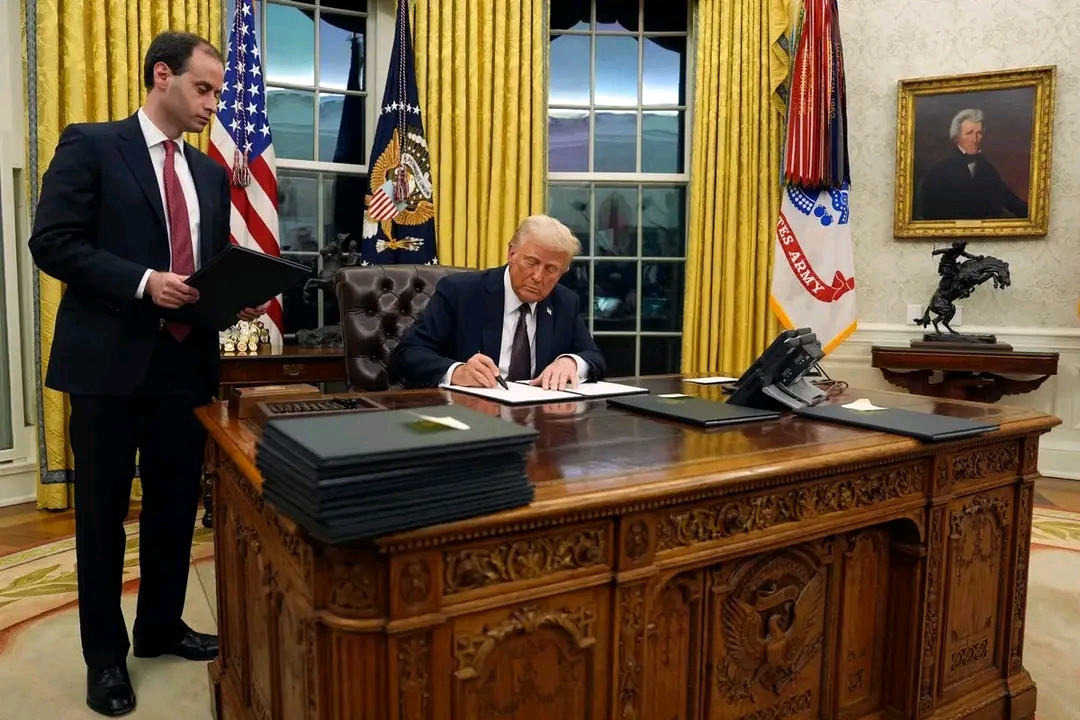
The United States has formally completed its withdrawal from the World Health Organization (WHO), concluding nearly eight decades of membership in the United Nations’ main global public health body. The move, announced on January 22, 2026, marks a dramatic shift in U.S. engagement with international health cooperation and is expected to have far-reaching implications for global disease response and public health collaboration.
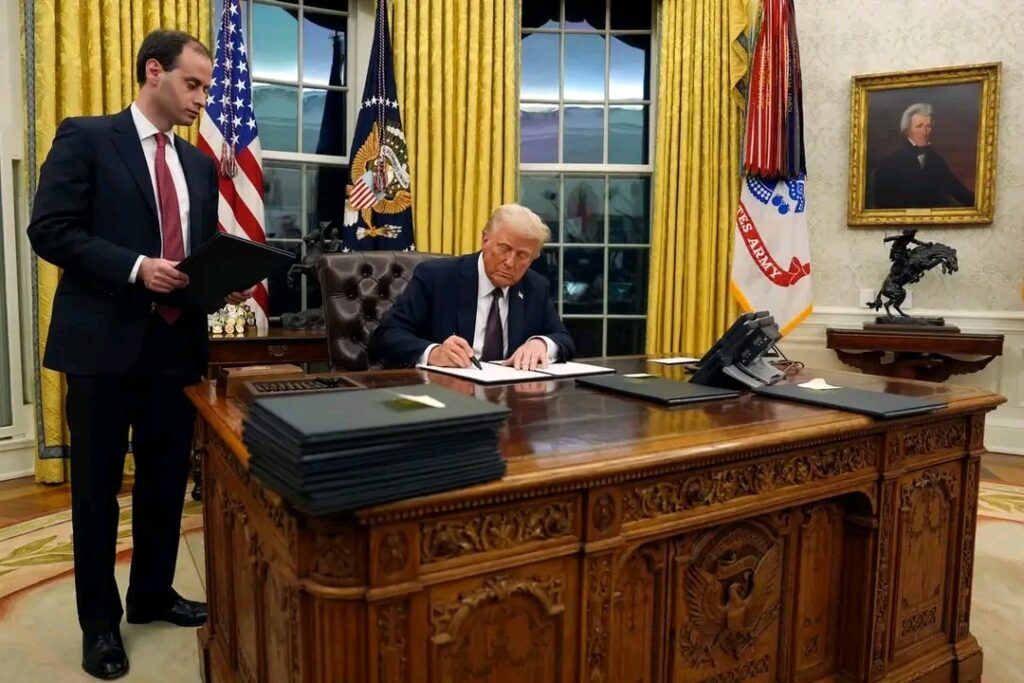
The decision stems from an executive order signed on January 20, 2025, by President Donald Trump on the first day of his second term. Citing what his administration described as the WHO’s mishandling of the COVID-19 pandemic, resistance to urgent reforms and susceptibility to political influence from member states, the U.S. initiated the required year-long withdrawal process.
Under U.S. law, membership termination required one year’s notice and the fulfilment of financial obligations; however, Washington has not fully paid its assessed contributions for 2024 and 2025, leaving millions in outstanding dues.

Full details here
U.S. Government Statement and RationaleIn official statements, the U.S. Department of Health and Human Services and the State Department said the withdrawal responds to perceived failures by the WHO during the COVID-19 pandemic — including delayed emergency declarations and deference to certain member states — and persistent governance issues that the administration says undermined effective global health action. The U.S. also announced it will end all funding and withdraw personnel previously embedded in WHO operations worldwide.
The administration said it plans to pursue alternative partnerships with countries, non-governmental organizations, and private-sector actors to address international health challenges while focusing on “emergency response, biosecurity and health innovation.”
Global Reaction and Funding Impact
Public health experts and global organisations have strongly criticised the decision. WHO officials and independent health authorities say the U.S. departure removes a key voice and financial supporter at a time when coordinated action against infectious diseases — including efforts to eradicate polio and respond to outbreaks such as Ebola — remains critical.
The U.S. had been among the WHO’s largest contributors, providing approximately 18 % of its budget through assessed and voluntary contributions. The loss of funding has already forced the agency to reduce staff and scale back pprogrammes.
Prominent health figures, including leading scientists and philanthropists, have warned that excluding the U.S. from WHO governance will weaken global surveillance systems for emerging pathogens and diminish access to shared data vital for vaccine development and disease control.
Although the U.S. will no longer participate formally in World Health Organization (WHO) governance or funding mechanisms, officials suggest limited collaboration could continue in specific areas as needed. Nonetheless, the absence of formal membership removes Washington from key decision-making forums, including technical committees that guide international health standards and disease surveillance networks.
Broader Implications of the United States’ Withdrawal from the World Health Organization
Analysts say the withdrawal could shift geopolitical influence in global health, with other major contributors — notably China — potentially filling leadership and funding gaps. Critics argue this may realign international priorities and leave gaps in collective readiness for future pandemics and health emergencies.
With the exit now complete, the U.S. enters an uncertain new chapter in global health engagement — one defined by bilateral cooperation and independent initiatives rather than multilateral coordination through the WHO.