Table of Contents
When did this happen?
In a glittering ceremony that lit up the Rwandan capital, the 4th African Women Awards – Greatest Icons of Africa celebrated the unyielding spirit of women reshaping the continent. Held on November 9, 2025, at a five-star gala in Kigali, the event under the theme “Empowering Heritage, Elevating Futures, Uniting African Women for Sustainable Progress” recognized 100 trailblazers across sectors like governance, entrepreneurship, social impact, and environmental advocacy. Among the honorees was Uganda’s Denise Ayebare, a 22-year-old climate justice champion who received the accolade for Most Influential Climate Activist of the Year.
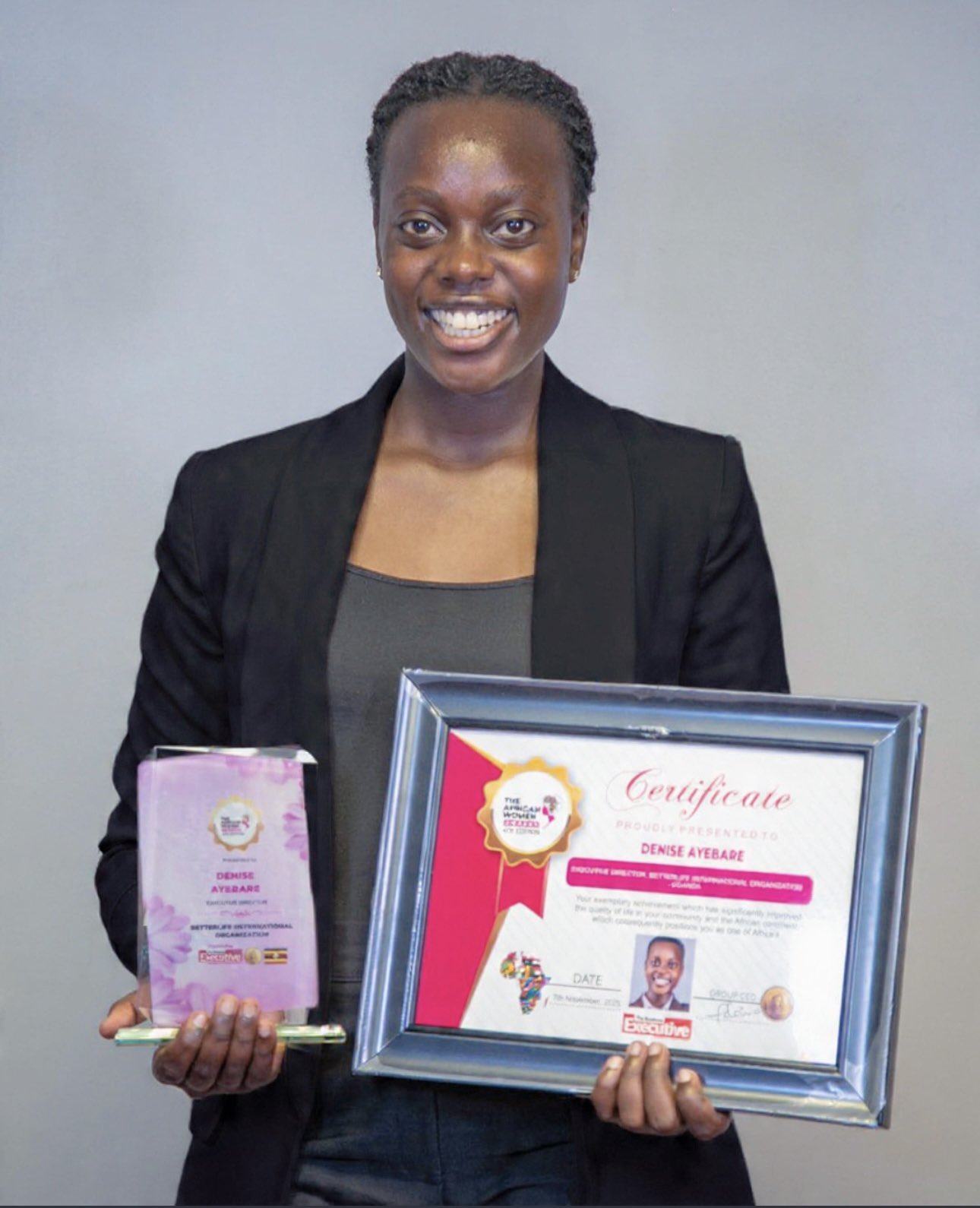
Ayebare’s recognition underscores the growing global spotlight on Africa’s youth-led responses to the climate crisis. In a heartfelt post on X (formerly Twitter) following the awards, she shared her joy and dedication, writing: “I was recognized as one of the 100 Most Influential Women in Africa, receiving the award for Most Influential Climate Activist of the Year at the African Women Awards held in Kigali, Rwanda.
This award belongs to every African child who dreams under a sky filled with smoke they did not create. To every farmer rebuilding after climate disasters. To every young leader refusing to accept a narrative of helplessness. At @BetterLife_Int we remain committed to advancing climate justice, amplifying youth-led solutions, and ensuring Africa speaks unapologetically on the global stage.”
The post, accompanied by a photo of Ayebare beaming in a sharp black suit while holding her award plaque, quickly garnered thousands of likes and shares, sparking conversations on social media about the intersection of gender, youth, and environmental resilience.
What Is the African Women Awards and Why Does It Matter?
Organized by The Business Executive Group, the African Women Awards serve as a premier platform to honor women of African descent for their outstanding achievements and progress. The 2025 edition, the fourth in the series, drew female leaders, ambassadors, heads of state, and dignitaries to Kigali, Rwanda’s vibrant hub of innovation and reconciliation. The selection process involved rigorous nominations from across the African Union member states, verified by independent consultants, followed by public voting via email and SMS to ensure transparency and merit.

This year’s gala emphasized sustainable progress, with panels and workshops highlighting how women’s leadership can drive economic growth, social equity, and climate action. As Rwanda – a nation that has risen from tragedy to become a beacon of gender equality, with women holding over 60% of parliamentary seats – hosted the event, it symbolized Africa’s collective journey toward empowerment. The awards not only celebrate individual triumphs but also foster a network of “SHE ACHIEVERS,” connecting honorees for collaborative impact.
Who Is Denise Ayebare and What Makes Her a Climate Icon?
Denise Ayebare is a 22-year-old Ugandan climate justice activist, founder and Executive Director of BetterLife International, a youth-led nonprofit focused on empowering refugees and vulnerable communities through climate-smart initiatives. A law student at Makerere University with a focus on international relations, she serves as Uganda’s Youth Presidential Advisor on Climate Change and has been a prominent voice for environmental equity since age 14.
Born in Rwanda in 2003 and raised in Uganda after her family fled civil war as refugees, Ayebare draws from personal experience to advocate for those disproportionately affected by climate change. Her flagship SMILES Project provides climate-resilient skills training – including drought-resistant farming, carpentry, hairdressing, and poultry rearing – to over 5,000 refugees annually in Uganda, South Sudan, and Tanzania. As a global speaker at forums like COP conferences and the UN Youth Assembly, and through research collaborations on renewable energy and justice, she amplifies marginalized voices and pushes for Africa-centered solutions.
Her growing list of accolades includes the 2024 GIZ Women in Climate Change Award, the Diana Award, and the 2025 Moonshot Award, all reflecting her impact in challenging narratives of helplessness and promoting resilient, youth-driven change.
What Are Some Highlights from the 100 Honorees?
The 2025 cohort of 100 Most Influential Women in Africa spans diverse fields, from social activism to finance and creative industries, embodying the continent’s multifaceted progress. While the complete list is being rolled out progressively by organizers, early announcements spotlight a powerhouse lineup of icons driving change.
Among the confirmed honorees:
- Alice Banze (Mozambique): A social activist lauded for her unwavering commitment to gender equality and sustainable development. This marks her second consecutive year on the list, highlighting her role in community empowerment programs.
- Gloria Darline Quartey (Ghana): Principal of the National Banking College, recognized for advancing financial literacy and women’s leadership in Africa’s economic sectors.
- Princess Sekyere Bih (Ghana): Founder of The Intelligent Lady, celebrated for her work in education and girl-child empowerment, transforming classrooms into launchpads for future leaders.
- Ayaa Irene (South Sudan): Director at AMDISS Media, honored for her journalism on humanitarian issues and women’s rights in conflict zones, joining the elite “SHE ACHIEVERS NETWORK.”
- Denise Kyozira (Uganda): A mentorship pioneer, noted for bridging generational gaps in leadership and innovation.
- Elizabeth Baslyos Lakew (Ethiopia): An entrepreneur and philanthropist, acclaimed for initiatives in health and education that uplift rural communities.
These women, alongside Ayebare, represent a tapestry of resilience – from Mozambique’s grassroots organizers to Ghana’s financial trailblazers. The full roster, expected to include more names from Rwanda, Kenya, Nigeria, and beyond, will be detailed on the official African Women Awards platform soon, underscoring the event’s role in uniting Africa’s daughters for shared futures.
How Does Ayebare’s Win Inspire Broader Climate Action?
Ayebare’s award arrives at a pivotal moment for Africa, where climate disasters displace millions and exacerbate inequalities. Her emphasis on youth-led, unapologetic advocacy resonates amid global summits that often sideline the continent’s voices. “This isn’t just about me,” Ayebare told reporters post-ceremony. “It’s about equipping every young African to demand justice – not pity – from the world that fueled this crisis.”
Through BetterLife International, Ayebare continues to innovate, integrating green livelihoods with policy advocacy to build dignified lives in the face of adversity. Her story challenges the helplessness narrative, proving that from refugee camps to international stages, African women are architects of tomorrow.
As the echoes of Kigali’s applause fade, Ayebare’s message endures: Africa’s sky may be smoke-filled today, but its daughters are lighting the path to clearer horizons.