Table of Contents
What has happened at the BBC?
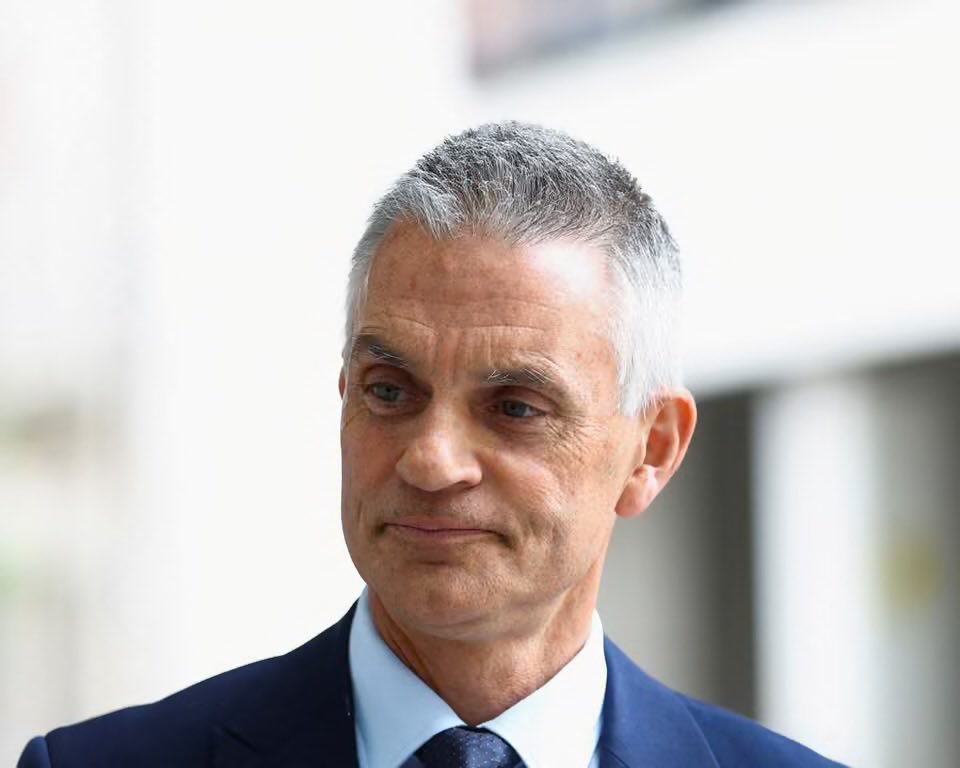
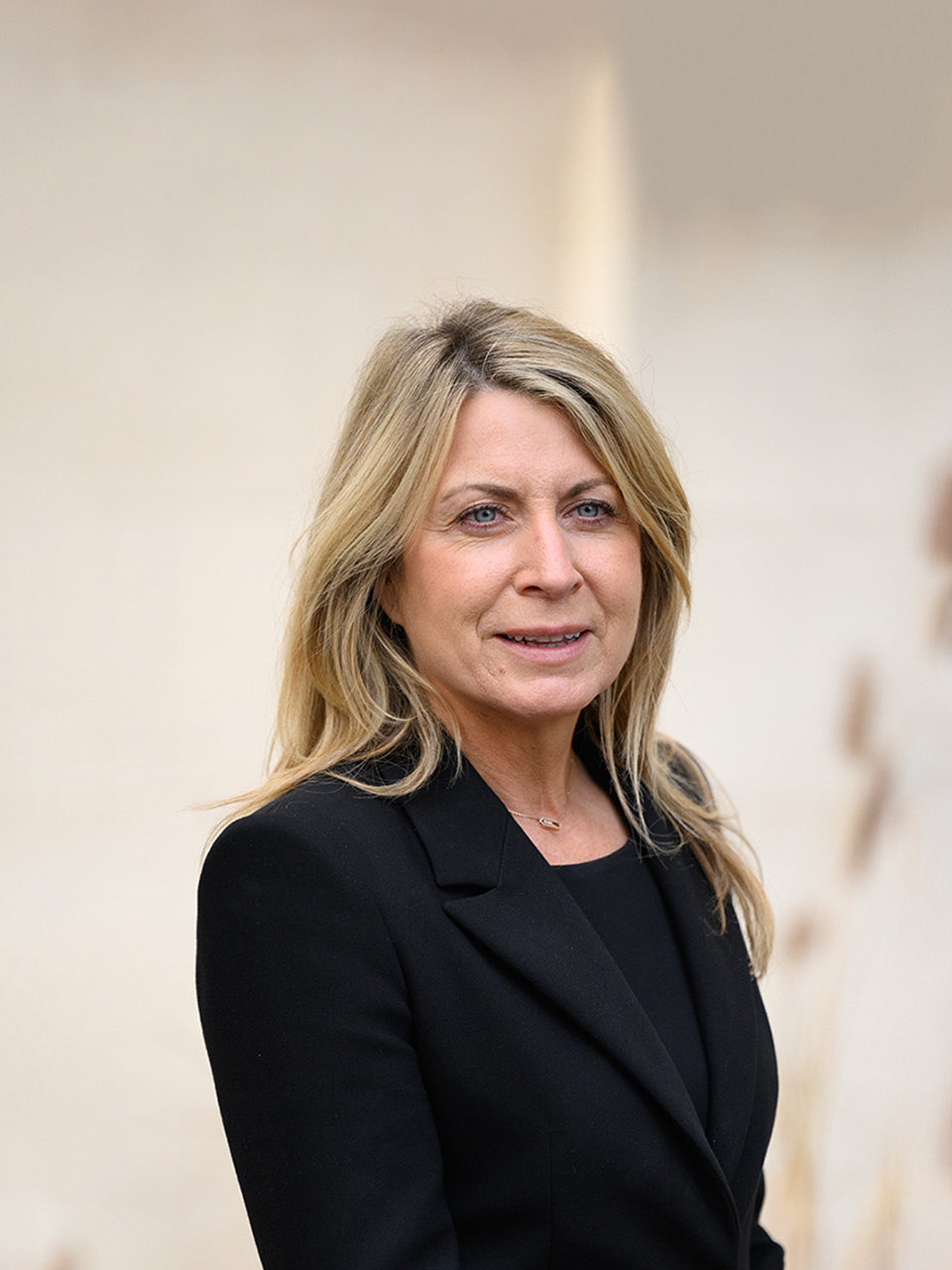
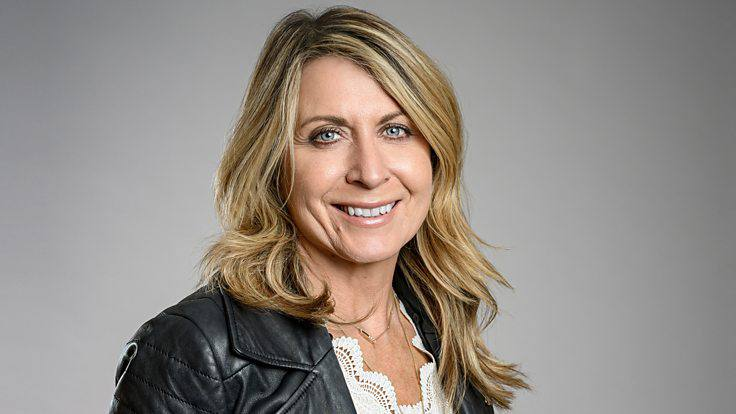
LONDON — The British Broadcasting Corporation (BBC) is reeling from the abrupt resignations of its two top executives: Director General Tim Davie and News and Current Affairs CEO Deborah Turness. The departures, announced on Sunday, November 9, 2025, stem from explosive accusations of editorial bias in a Panorama investigative documentary that allegedly doctored footage of a speech by U.S. President Donald Trump.
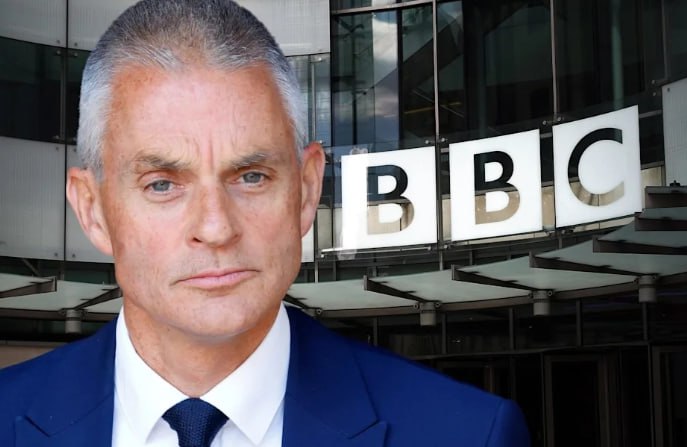
But this scandal transcends a single U.S. political figure; it exposes deeper fissures in the BBC’s commitment to impartiality, touching on coverage of global conflicts, gender identity debates, and the very trust that underpins public broadcasting. As the UK government prepares to renegotiate the BBC’s Royal Charter in 2027 — the legal framework that defines its existence — these events have ignited a transatlantic firestorm, with Trump allies hailing the resignations as a victory against “fake news” and British politicians demanding systemic reforms.
Funded by a mandatory £174.50 ($230) annual license fee from every UK household with a TV, the BBC employs over 21,000 people and broadcasts to nearly half a billion viewers worldwide in more than 40 languages. Its mandate for “due impartiality” is not just a slogan but a legal obligation, enshrined in its charter. Yet, as whistleblower revelations and regulatory rebukes pile up, questions swirl: Is the BBC a beacon of balanced journalism, or has it succumbed to the partisan pressures that plague its commercial rivals?
What Sparked the BBC Scandal?
The immediate trigger was a BBC Panorama episode titled Trump: A Second Chance?, aired in late 2024, just ahead of the U.S. presidential election that returned Donald Trump to the White House. The program, a flagship of the BBC’s investigative journalism unit, purported to scrutinize Trump’s fitness for a second term, drawing on archival footage from key moments in his presidency. Central to the controversy was its treatment of Trump’s speech on January 6, 2021, delivered to thousands of supporters at the Ellipse, a park near the White House in Washington, D.C., hours before a mob stormed the U.S. Capitol in a bid to overturn the 2020 election results.
In the unedited speech, which lasted over an hour, Trump repeatedly urged his followers to “fight like hell” against what he called a “stolen” election — a phrase he invoked 20 times in variations throughout the address. But the rhetoric was interspersed with calls for peace. Early in the speech, Trump said: “I know that everyone here will soon be marching over to the Capitol building to peacefully and patriotically make your voices heard.” Later, about 50 minutes after that line, he added: “We’re going to walk down to the Capitol… and I’ll be there with you. And we fight. We fight like hell. And if you don’t fight like hell, you’re not going to have a country anymore.”

Panorama’s editors spliced these segments together, creating a seamless clip that made it appear as if Trump was issuing a direct, inflammatory call to violence: “We’re going to walk down to the Capitol… and I’ll be there with you. And we fight. We fight like hell.” Crucially, the program omitted the earlier peaceful exhortation and contextual framing, where “fight” referred metaphorically to electoral and legal battles against alleged fraud. Critics, including Trump’s defenders, argued this edit not only distorted the speech but fueled the narrative that Trump bore direct responsibility for the Capitol riot — a view hotly contested in U.S. courts and political discourse, where Trump was impeached but acquitted by the Senate.
The documentary aired without immediate backlash, but it simmered beneath the surface. Internal concerns were raised at the time, but BBC managers reportedly dismissed them as non-breaches of editorial standards. It wasn’t until a leaked memo surfaced last week that the powder keg ignited.
What Did the Whistleblower Reveal Beyond Trump?
On November 3, 2025, The Daily Telegraph published excerpts from an internal dossier authored by Michael Prescott, a veteran journalist who until June 2025 served as an independent external adviser to the BBC’s Editorial Standards Committee. Prescott’s 50-page report, compiled over months of reviewing complaints, painted a picture of systemic lapses in impartiality. The Trump edit was its centerpiece, described as a “distortion” that eroded viewer trust: “Why should the BBC be trusted, and where will this all end?” But Prescott didn’t stop there. He lambasted the BBC for:
- Anti-Israel Bias in Gaza Coverage: Allegations that BBC Arabic had platformed journalists with antisemitic social media histories, including one who praised Hamas. This echoed a recent Ofcom ruling against a BBC Gaza documentary for failing to disclose a narrator’s ties to a Hamas official, deeming it a “serious breach” of impartiality rules.
- Transgender Issues: Claims that the BBC shied away from airing stories questioning aspects of transgender rights, such as debates over youth transitions or women’s sports participation, fearing accusations of transphobia. This tied into an upheld complaint against presenter Martine Croxall for altering a script to say “pregnant people” instead of “pregnant women,” which the BBC’s Executive Complaints Unit ruled breached impartiality guidelines just days before the resignations.
- Other Editorial Failures: Including not cutting away from anti-Israel chants at the Glastonbury music festival in June 2025, which drew similar Ofcom censure.
Prescott’s memo, leaked amid a Conservative Party push for BBC reforms, argued that these weren’t isolated errors but symptoms of a culture where complaints from progressive or left-leaning groups were prioritized over balanced scrutiny. When he raised the Trump edit internally, managers allegedly stonewalled, refusing to classify it as a standards violation. The leak thrust the BBC into crisis mode, with MPs summoning executives to a parliamentary committee and the White House piling on.
When and How Did the Executives Resign?
The fallout escalated rapidly. By Sunday, November 9 — six days after the Telegraph exposé — Davie and Turness had tendered their resignations. Neither departed in a coordinated blaze of glory; instead, they issued separate, somber emails to staff, framing their exits as acts of accountability rather than defeat.
Davie, 59, who had helmed the BBC since September 2020 and earned the moniker “Teflon Tim” for surviving scandals like the Gary Lineker impartiality row and high-profile presenter misconduct cases, wrote: “Overall the BBC is delivering well, but there have been some mistakes made and as director general I have to take ultimate responsibility.” He cited the “current debate around BBC News” as a factor but emphasized his decision was his alone, timed to allow a successor to lead into the 2027 charter review. Davie pledged an “orderly transition” over coming months.
Turness, 59, who joined as News CEO in 2022 after stints at ITV and NBC News, was more direct about the Trump controversy’s toll. In her email, she said: “The ongoing controversy around the Panorama on President Trump has reached a stage where it is causing damage to the BBC – an institution that I love. As the CEO of BBC News and Current Affairs, the buck stops with me.” Overseeing 6,000 staff, Turness had defended the broadcaster’s Gaza coverage amid similar bias claims but conceded errors had occurred.
The BBC confirmed the duo’s exits in a terse statement, noting both had “decided to leave the corporation” amid the scrutiny. No golden parachutes or severance details were disclosed, but insiders suggest Davie, whose salary topped £400,000 ($530,000), will remain in an advisory role briefly.
What Has the BBC Said About the Scandal?
The corporation’s official line has been one of contrition laced with defiance. On Monday, November 10, the BBC was widely expected to issue a formal apology to Parliament’s Culture, Media and Sport Committee for the Panorama edit, acknowledging it as a “misleading” portrayal that breached editorial guidelines. In staff communications, leaders admitted “mistakes have been made” but stopped short of confirming institutional bias — a charge that could invite funding cuts or charter overhauls.
Turness was unequivocal: “While mistakes have been made, I want to be absolutely clear: recent allegations that BBC News is institutionally biased are wrong.” Davie echoed this, framing lapses as operational hiccups in an otherwise robust organization. BBC Chair Samir Shah, who will lead the search for Davie’s successor (potential names include Charlotte Moore of BBC Content and James Harding, ex-Editor of The Times), defended the resignations as evidence of accountability, not collapse. Yet, with 20 impartiality complaints upheld this year alone, skeptics argue the rot runs deeper.
Is This Scandal Just About Trump?
While the Trump edit dominates headlines — amplified by its timing post-U.S. election — the scandal is emphatically not isolated to American politics. Prescott’s memo spotlights the BBC’s Arabic service’s handling of the Israel-Hamas war, where accusations of pro-Palestinian slant have drawn fire from Jewish groups and U.S. allies. In Uganda, where BBC Africa covers everything from regional elections to climate impacts, such biases could skew narratives on international aid or conflicts like those in the Democratic Republic of Congo, where Western media influence perceptions of foreign involvement.
Transgender coverage, too, resonates globally: The BBC’s reluctance to air counter-narratives mirrors debates in South Africa and Kenya over gender policies. And the Glastonbury incident? It highlights how cultural events can become battlegrounds for free speech, with chants of “Free Palestine” going unchallenged on air — a decision Ofcom called out as partial. These threads weave a tapestry of alleged “woke” overreach, where fear of backlash from progressive activists allegedly muzzles dissent, fueling claims from conservatives that the BBC prioritizes ideology over facts.
How Have Key Figures Reacted to the Resignations?
The resignations elicited cheers from Trump’s orbit. On Truth Social, the president posted: “The fake news BBC finally got what they deserved — their bosses are out after lying about January 6!” White House Press Secretary Karoline Leavitt amplified this, sharing memes labeling the scandal a “shot” followed by a “chaser” of the resignation news. For Trump skeptics, it’s vindication against a broadcaster they view as part of a liberal elite echo chamber.
In the UK, responses were bipartisan but pointed. Culture Secretary Lisa Nandy thanked Davie for his service while critiquing “not always well thought through” editorial calls, often left to individual journalists. Conservative leader Kemi Badenoch called the memo’s revelations “institutional bias that cannot be swept away with two resignations,” demanding “strong action.” Liberal Democrat chief Ed Davey warned that Trump’s team “claiming credit for his downfall… should worry us all,” framing it as foreign meddling in UK media.
Publicly, BBC presenter Nick Robinson captured the ambivalence on X (formerly Twitter): “Genuine concern about editorial standards and mistakes. [But] also a political campaign by people who want to destroy the organization.” Viewership data shows trust dipping: A post-resignation YouGov poll found 42% of Britons now doubt the BBC’s impartiality, up from 35% in 2024.
What Are the Broader Implications for Global Media?
The BBC’s woes serve as a cautionary tale in a world awash in information warfare — from Russian disinformation in Sudan to Chinese influence in East African telecoms. Its global services, including BBC Africa, rely on perceived neutrality to counter state media like China’s CGTN or Russia’s RT. Yet, if biases real or perceived persist, audiences may turn to fragmented, algorithm-driven platforms like TikTok or X, where echo chambers thrive.
For the BBC, the path forward hinges on the charter review. Badenoch’s Conservatives eye slashing the license fee; Labour’s Nandy pushes for “sensible” reforms. Davie’s exit — the 17th DG in 103 years — leaves a £400 million budget hole in leadership stability. Successor contenders must rebuild trust, perhaps by mandating external audits or AI-assisted fact-checking.
This case highlights whether public media can withstand the gravitational pull of politics, culture wars, and power. As Turness steps aside, loving the institution she helped steer, the BBC faces a pivotal moment in restoring its credibility. For now, the airwaves fall silent on that question — but the global conversation rages on.