
Nectar of Hope: How Beekeeping is Transforming Lives in Kyangwali
A Vision Born from Adversity
In Uganda’s Kyangwali Refugee Settlement, home to over 144,000 people as of July 2025, life is marked by profound challenges. Widespread poverty, scarce resources, and high unemployment—particularly among youth, with 62.5% jobless after school—create a cycle of hunger, malnutrition, and disease. Each year, over 138 children are registered as malnourished, yet limited access to food and medicine leaves many untreated. Families face daily struggles, some even contemplating relocation to meet basic needs.
The story of Samuel Usabuwera
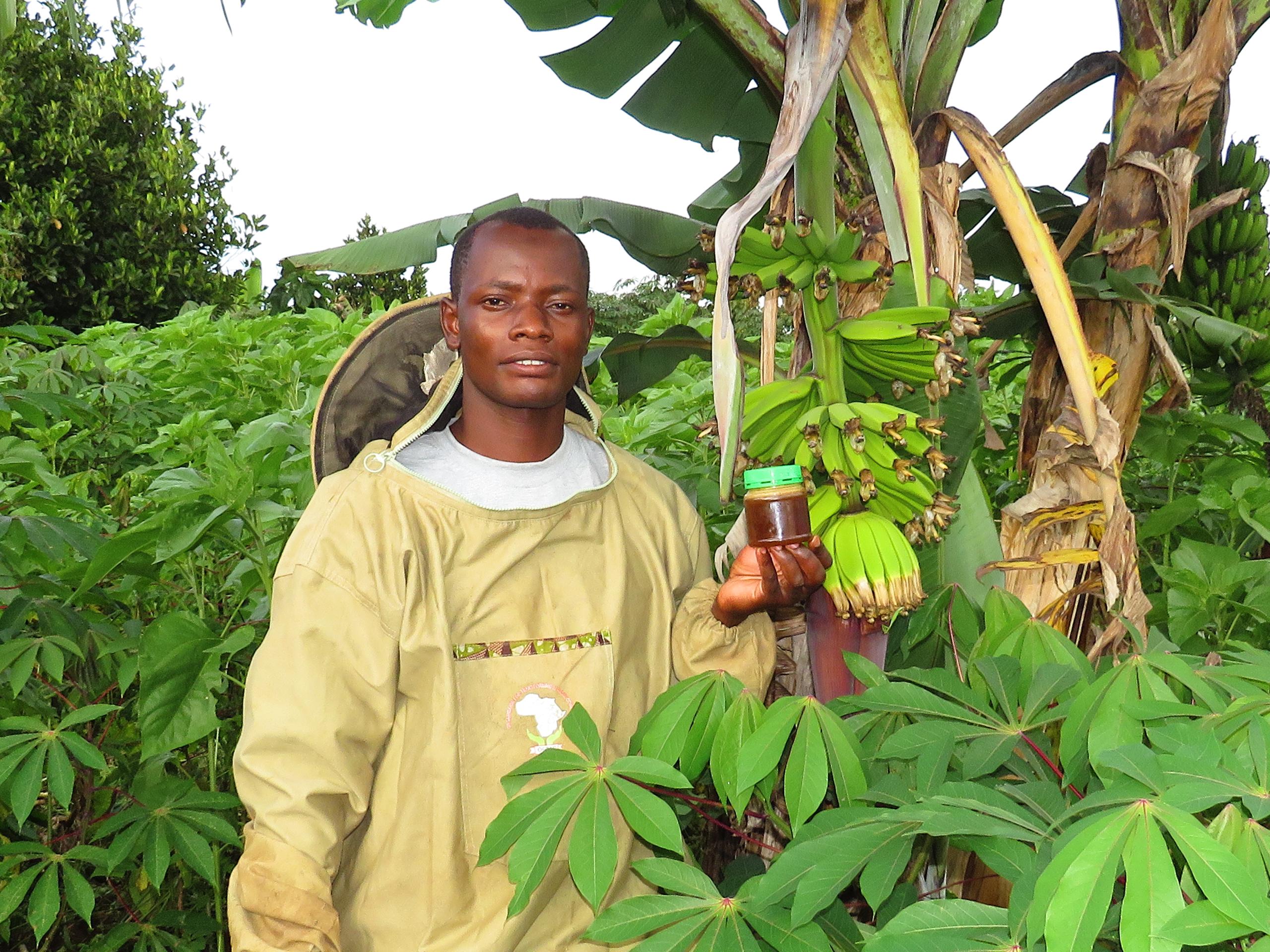
Amid this hardship, an inspiring story of resilience emerges through Samuel Usabuwera, an 18-year-old Rwandan refugee. Fleeing the Rwandan genocide, Samuel’s family arrived in Kyangwali, where displacement stripped them of nearly everything—except his father’s beekeeping expertise. This skill, passed down to Samuel, became more than a trade; it sparked a mission to empower refugees and break the chains of poverty.

From Refugee Camp to Youth Leader: Samuel’s Journey
At 15, Samuel co-founded the Organization for Transforming African Communities (OFTAC) with fellow young visionaries. His leadership roots trace back to his role as a youth leader in his village within Kyangwali, where he developed a passion for community development. Focused on skills-based programs, Samuel’s work unites refugees and local youth, offering pathways to self-reliance.
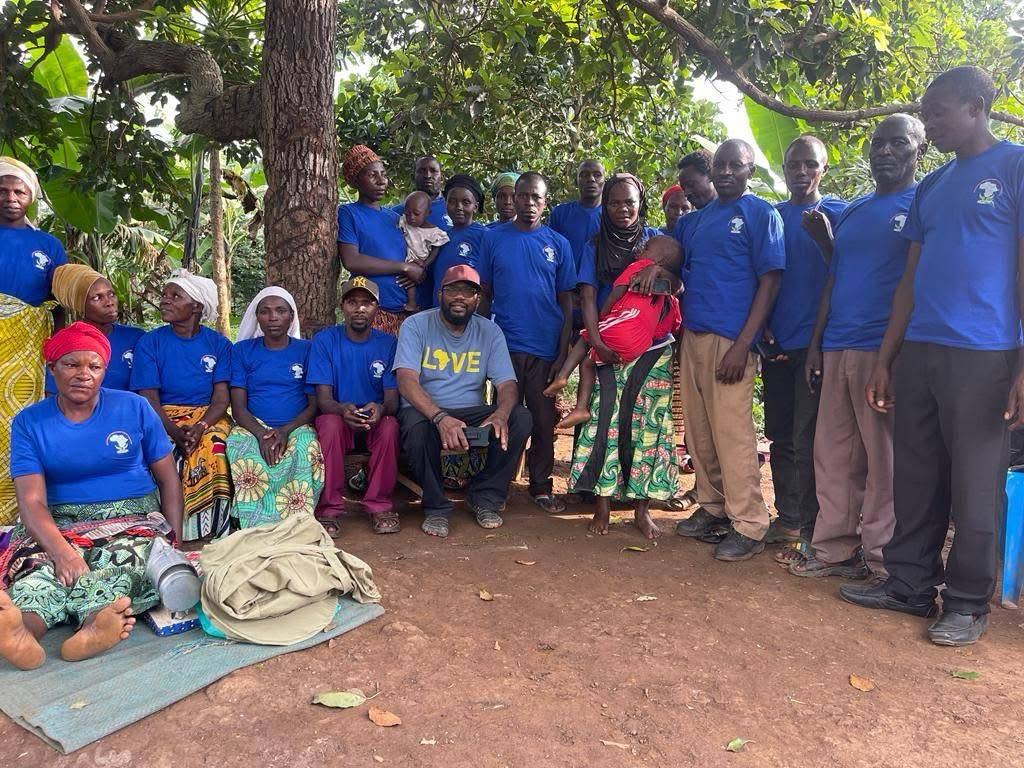
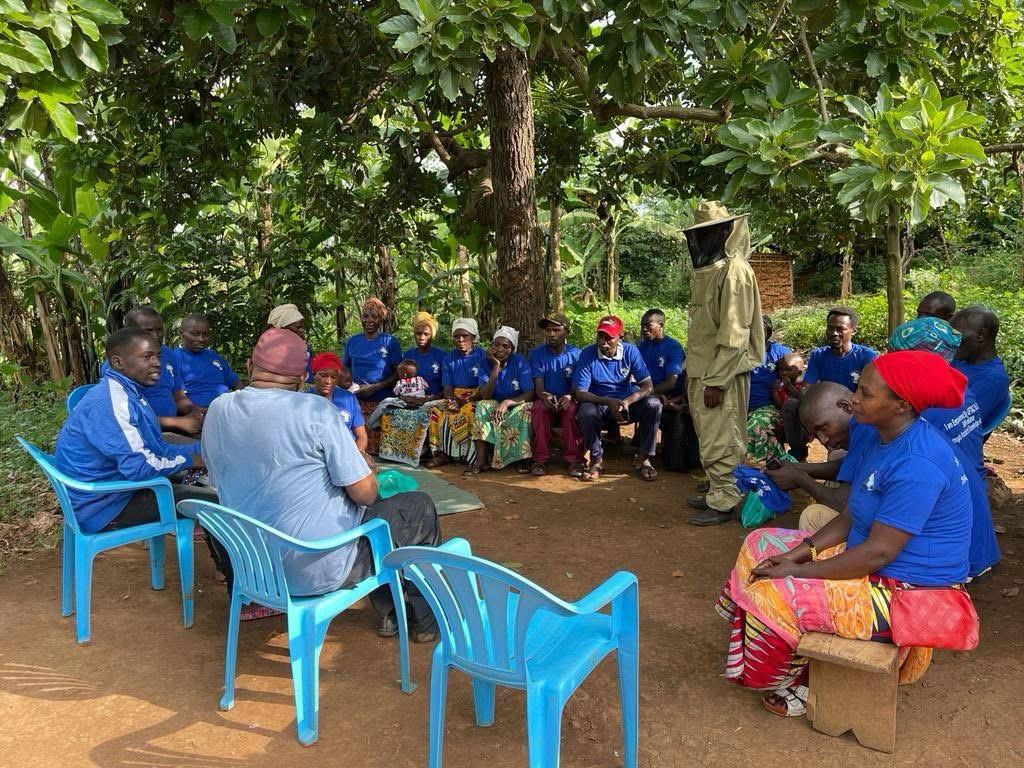
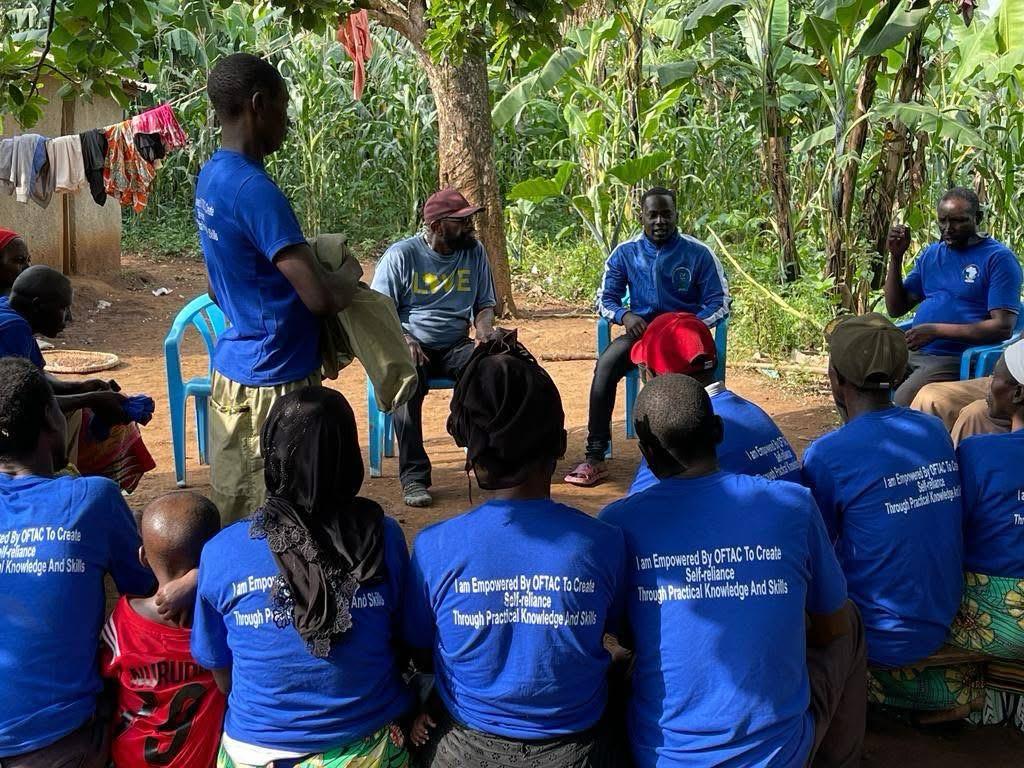
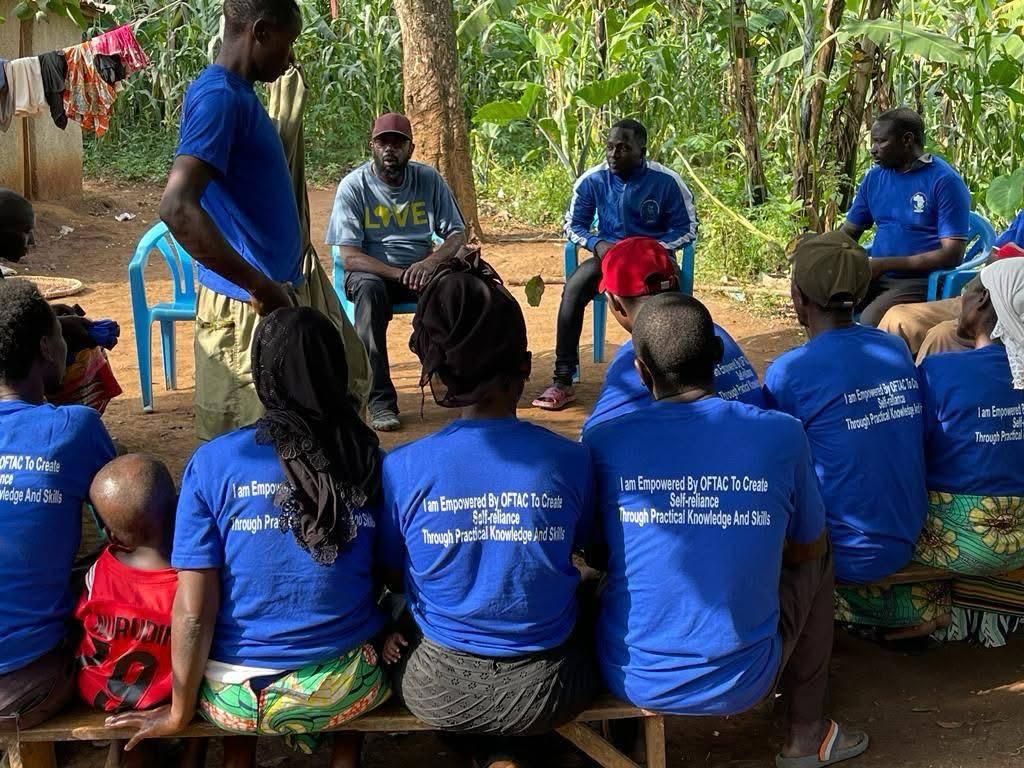
His experience as a refugee fuels his dedication. “With the right tools and support,” Samuel asserts, “young people and local farmers can overcome barriers, create opportunities, and thrive together.” In two years, OFTAC has trained 112 individuals in beekeeping and supported them in marketing their produce, guiding them toward financial independence.

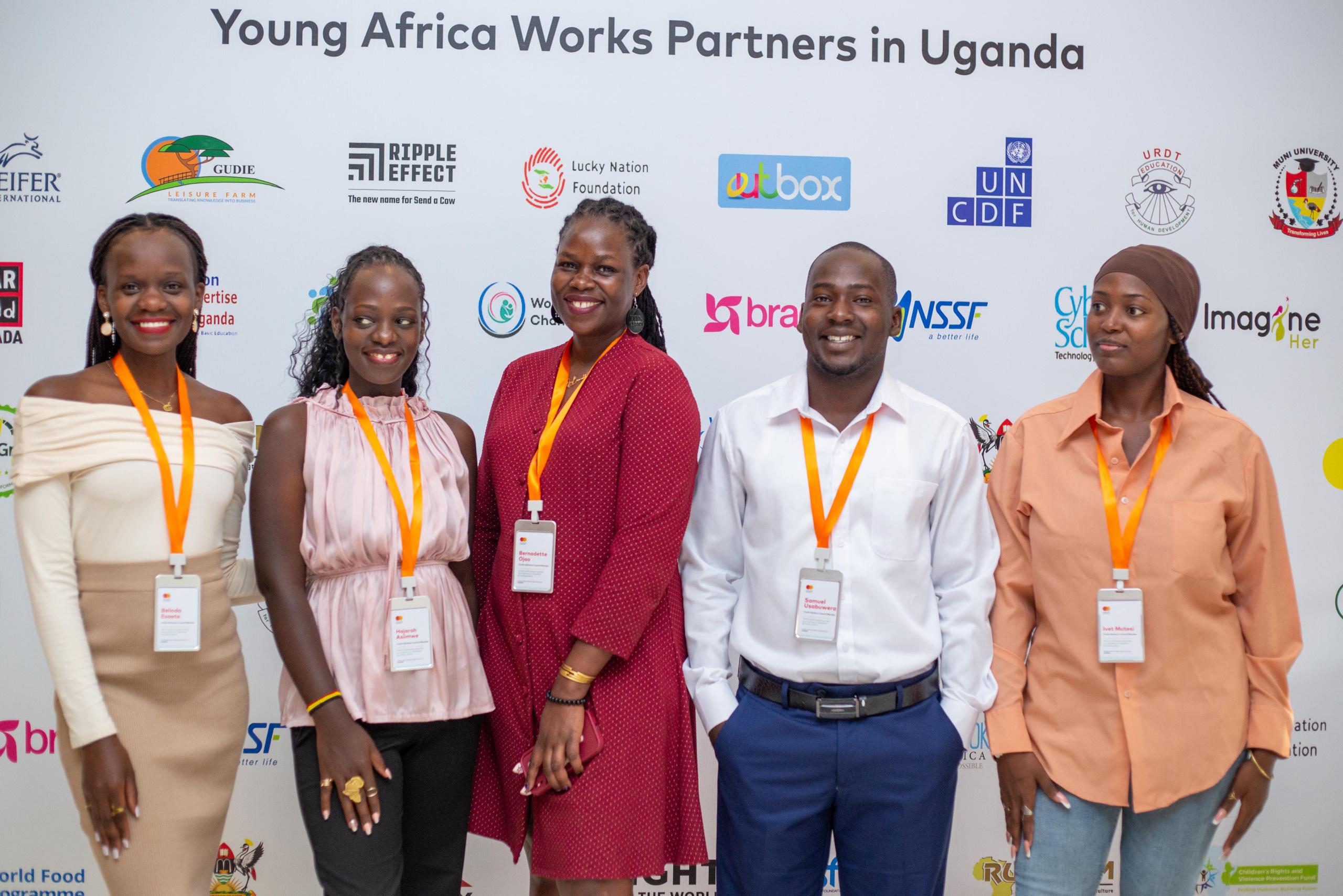
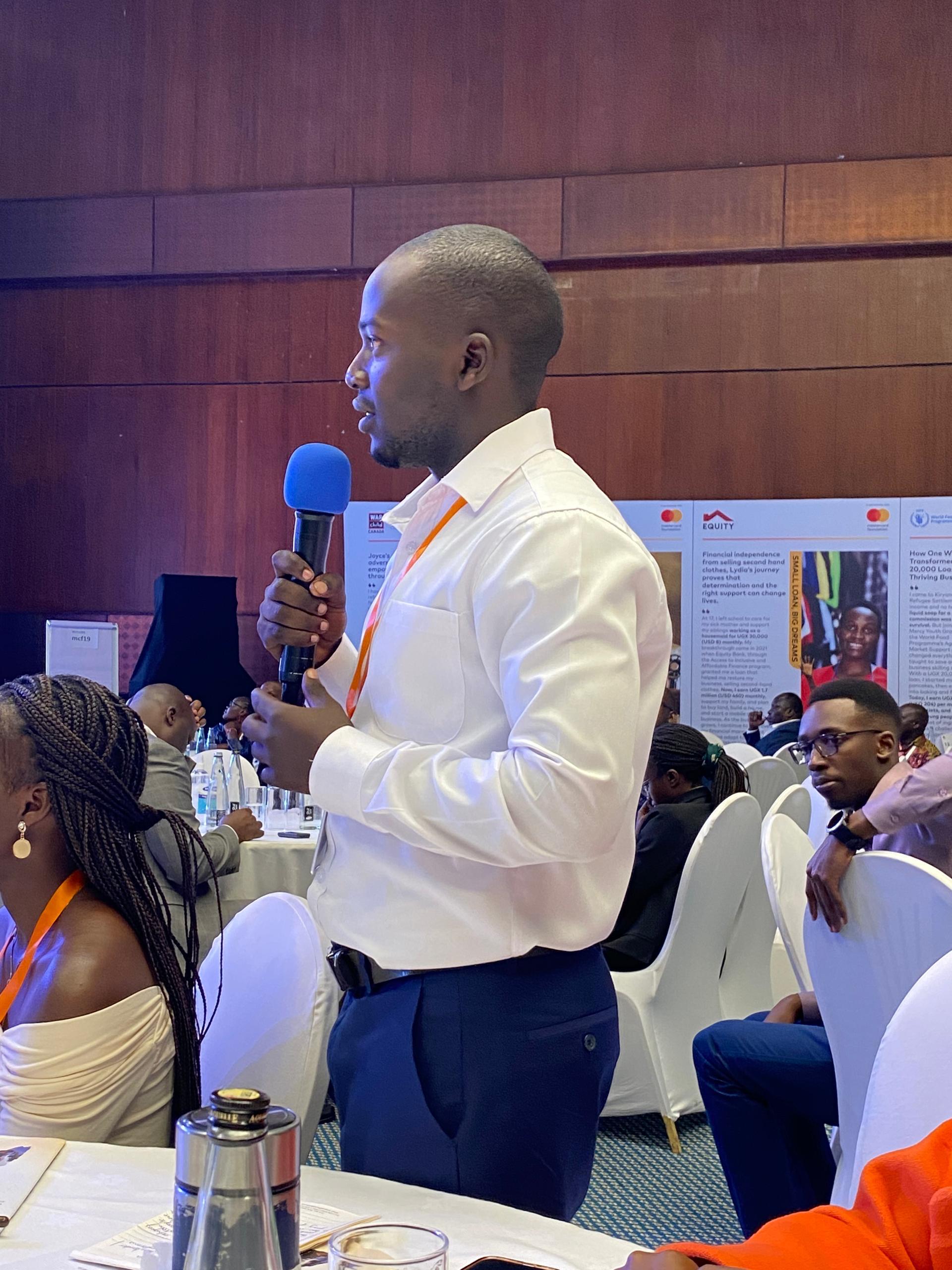
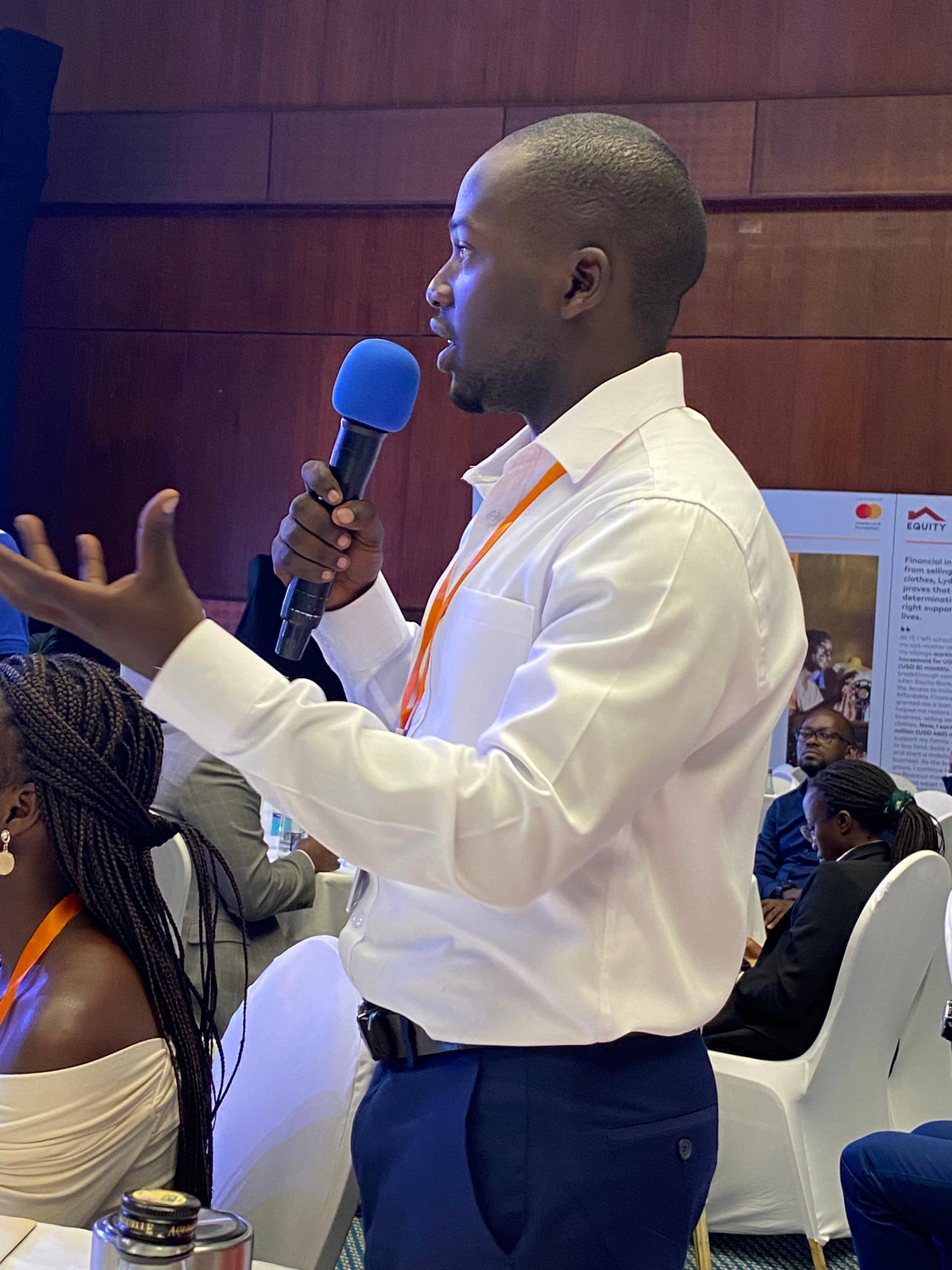
Samuel’s impact extends beyond Kyangwali. Selected to the Youth Advisory Council at Mastercard Foundation Uganda, he shapes strategies for education, employment, and entrepreneurship, advocating for policies to uplift vulnerable communities nationwide.
A Sweet Solution: Beekeeping as a Catalyst for Change
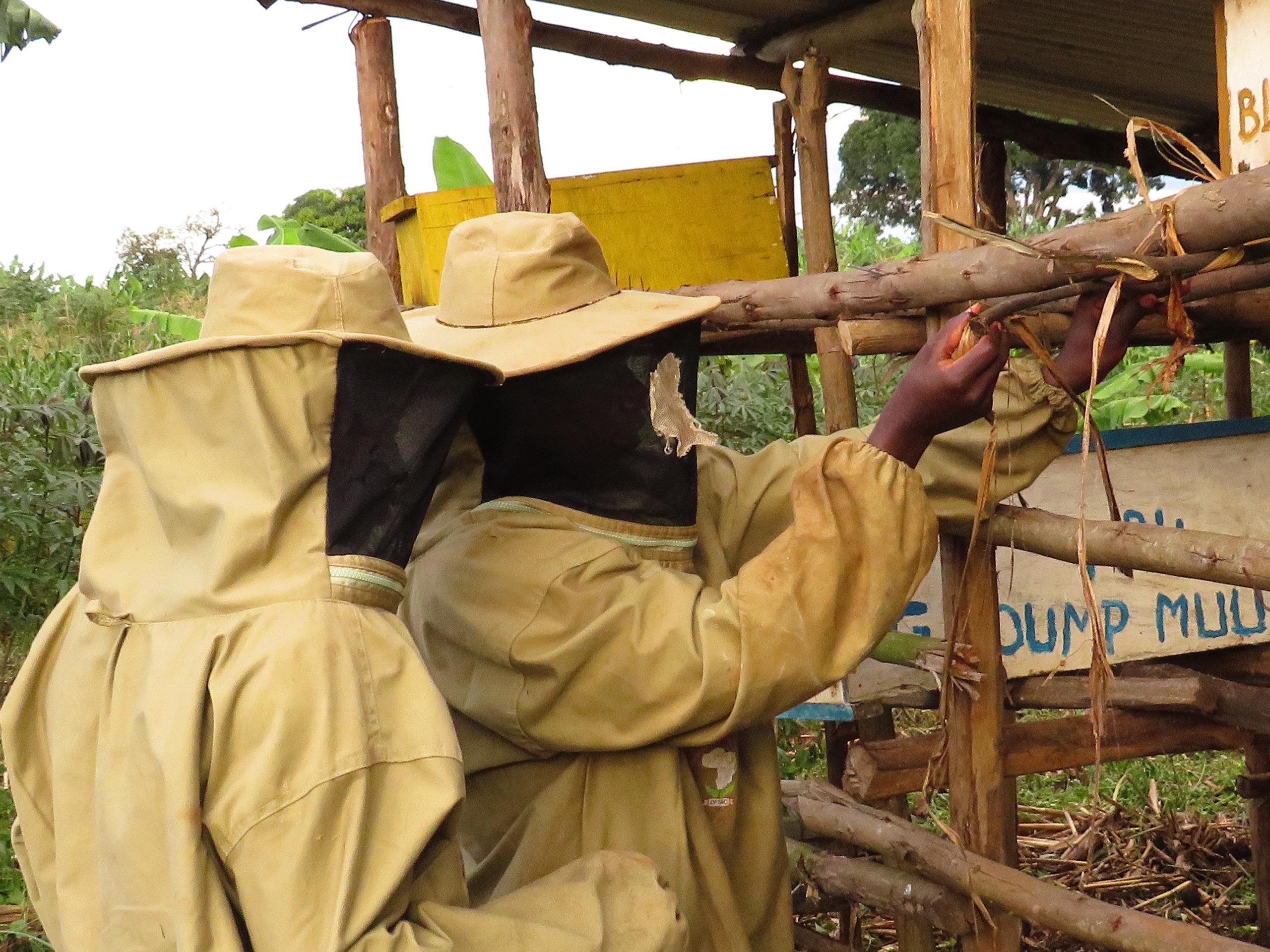
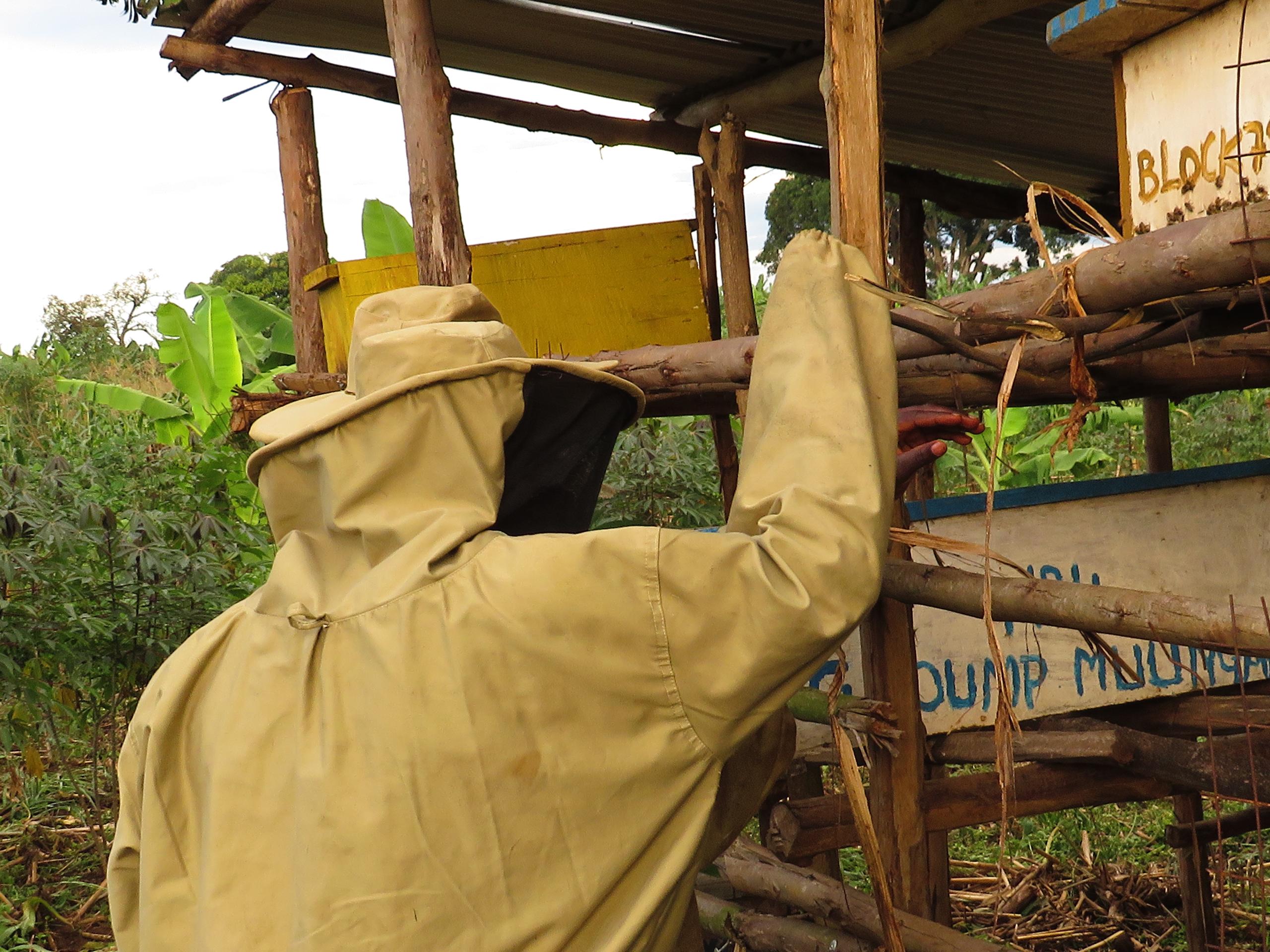
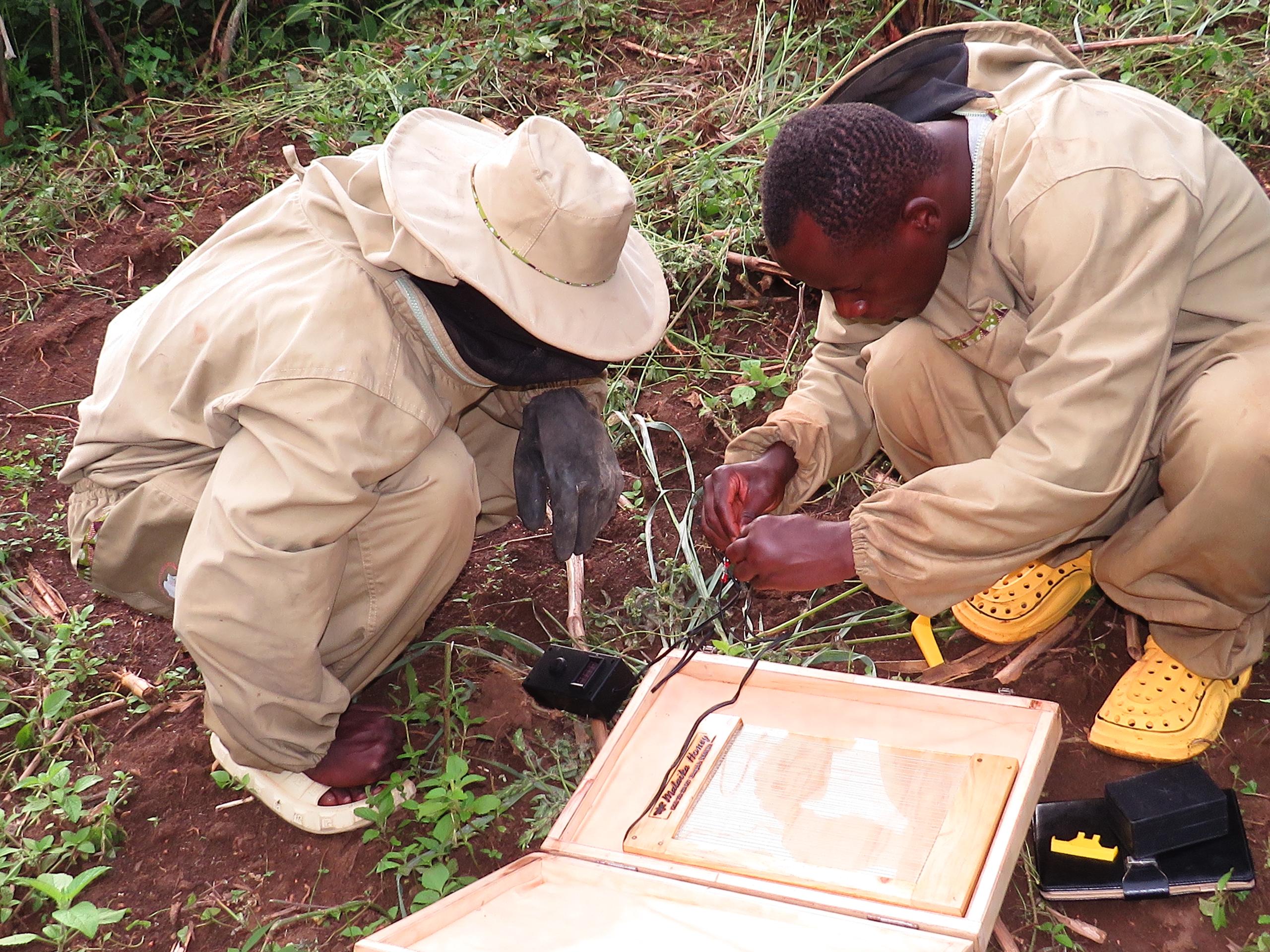
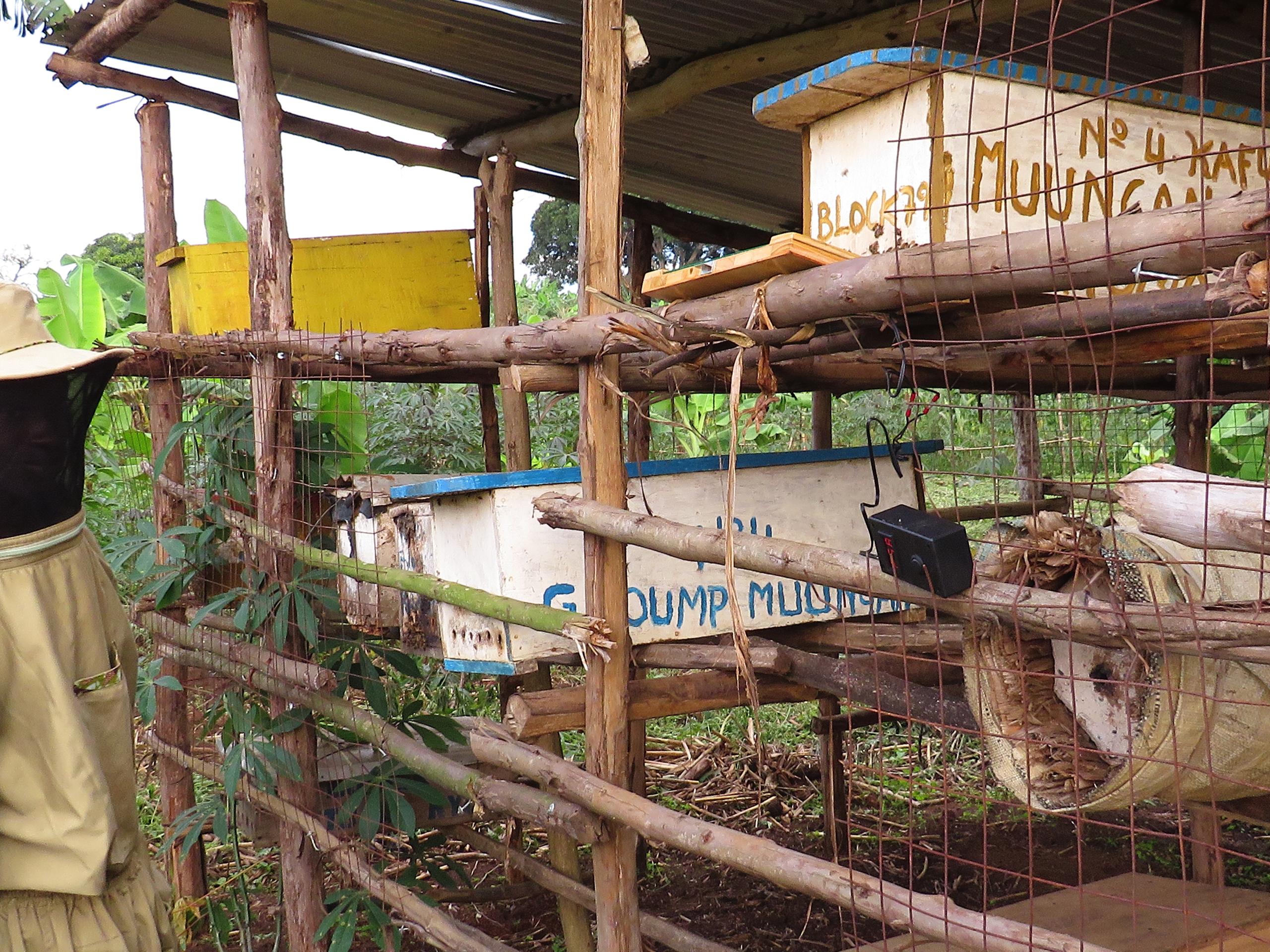
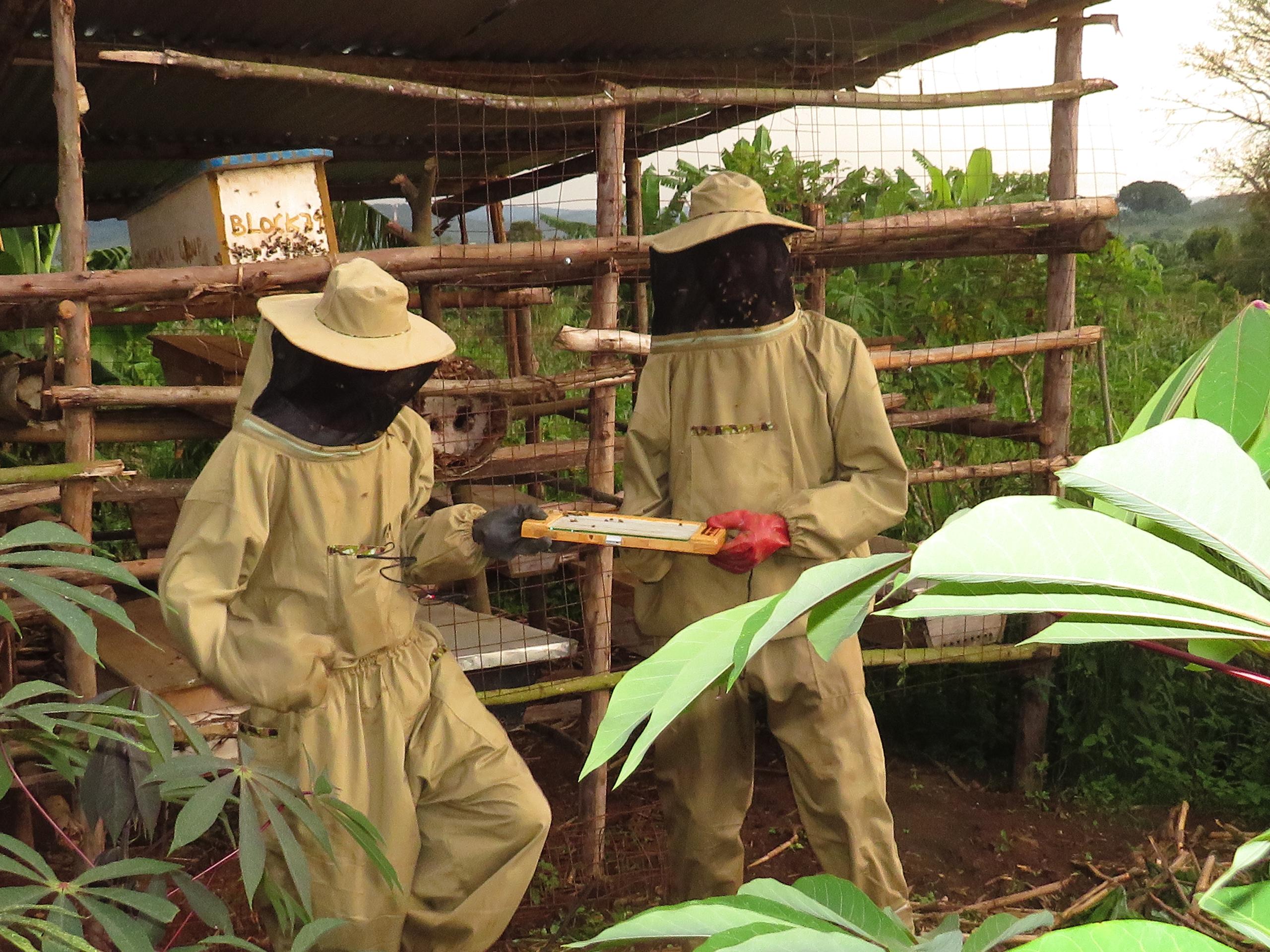
OFTAC’s beekeeping project is a practical, transformative response to Kyangwali’s challenges. Its mission: equip refugee families and youth with sustainable incomes to build financially independent households. The approach is comprehensive—providing beehives, training in beekeeping and honey harvesting, and aiding in marketing and sales.
The project’s impact is multifaceted:
- Employment and Empowerment: Beekeeping offers self-employment for youth funding their education or supporting families, especially those with health conditions limiting physical labor. It’s a trade that can be passed down, fostering generational wealth.
- Financial Independence: With monthly cash assistance slashed to $3.50 per person, OFTAC’s beehives and training create sustainable income sources. Seventy-two households now produce honey, achieving financial stability within six months. A single trained farmer can earn $550 annually from 50 kilograms of honey and $1,250 from 100 grams of bee venom, significantly boosting incomes.
- Health and Nutrition: Raw honey, rich in nutrients and antioxidants, combats malnutrition and diseases like diabetes. By increasing local honey production, OFTAC enhances access, supporting herbalists and improving household health.
Strategic Steps Toward a Brighter Future
OFTAC’s approach is strategic and sustainable:
- Targeting Mukarange Village: The project begins in Kyangwali’s poorest village, where unemployment is highest. Twenty-five members are undergoing four-month training in beehive construction and honey harvesting.
- Sustainable Support: Post-training, youth start their own ventures, with OFTAC providing ongoing guidance and partnerships with organizations like MTI and Hunger Fighters Uganda. A financial model reinvests 30% of proceeds into the project, with 70% boosting household incomes.
- Demonstration Farm: OFTAC’s registered plot hosts multiple beehives, allowing trainees to practice independently. It also offers affordable land rentals for startup beekeepers.
- Improving Efficiency: Current harvesting methods, which disrupt honeycombs and delay production, are being upgraded with extracting machinery and smokers for monthly yields.
- Scaling Marketing: OFTAC aims to export honey across Africa and beyond, seeking funding for labeling and marketing to build brand recognition.
Measuring Success and Future Expansion
Success is gauged by financially sustained households, efficient harvesting, and robust honey marketing. The goal: transform Mukarange into one of Kyangwali’s most prosperous villages, then expand to other vulnerable areas. This requires funding for training, protective gear, and infrastructure like offices and stores.
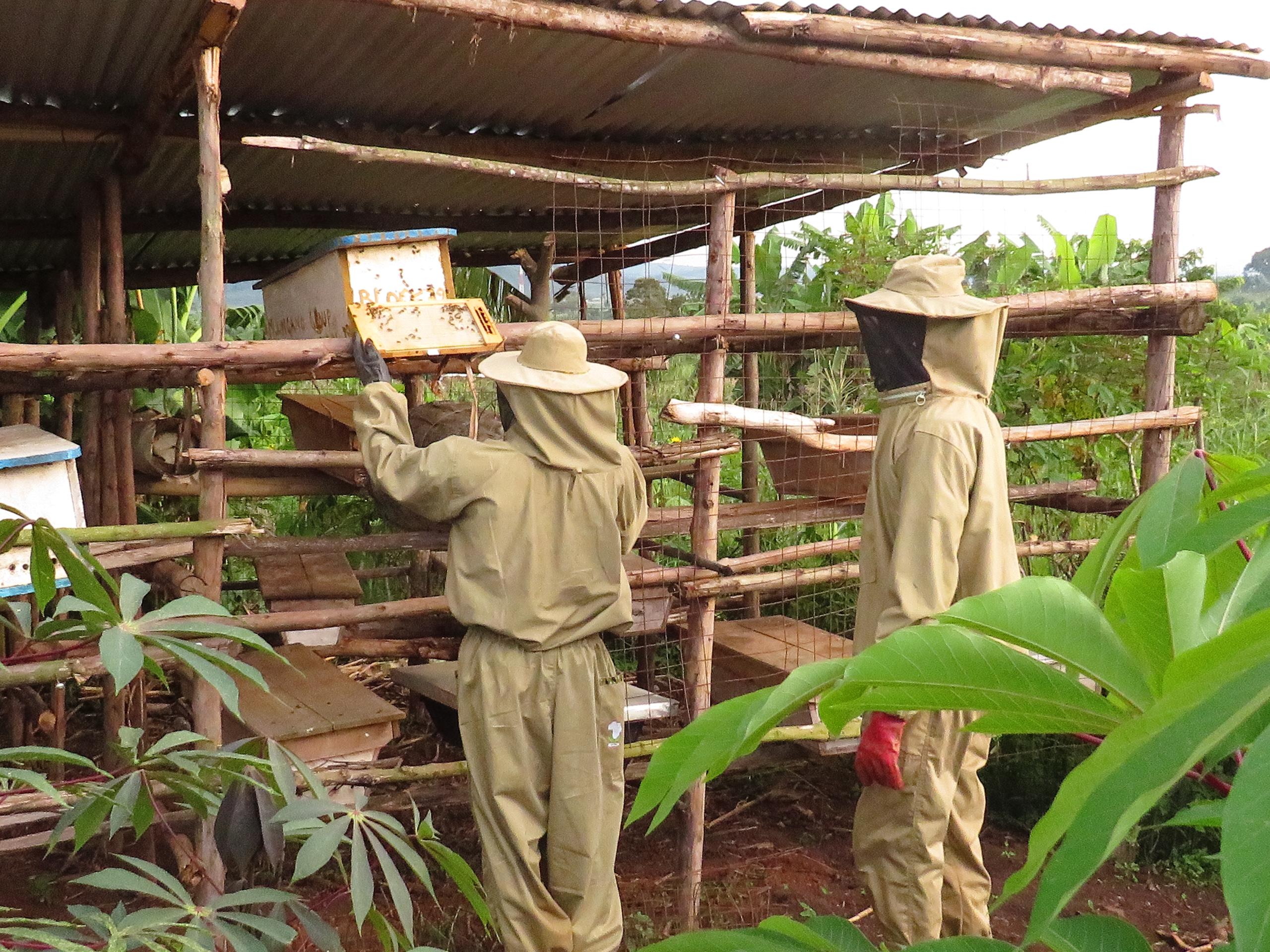

Samuel’s journey from refugee to visionary leader exemplifies transformation. Through beekeeping, OFTAC cultivates not just honey but hope and self-reliance. As Samuel says, “With the right tools and support, young people and local farmers create opportunities and thrive.” This is more than a vision—it’s a movement, one beehive at a time, proving that even in adversity, communities can build a sweeter future.