Table of Contents

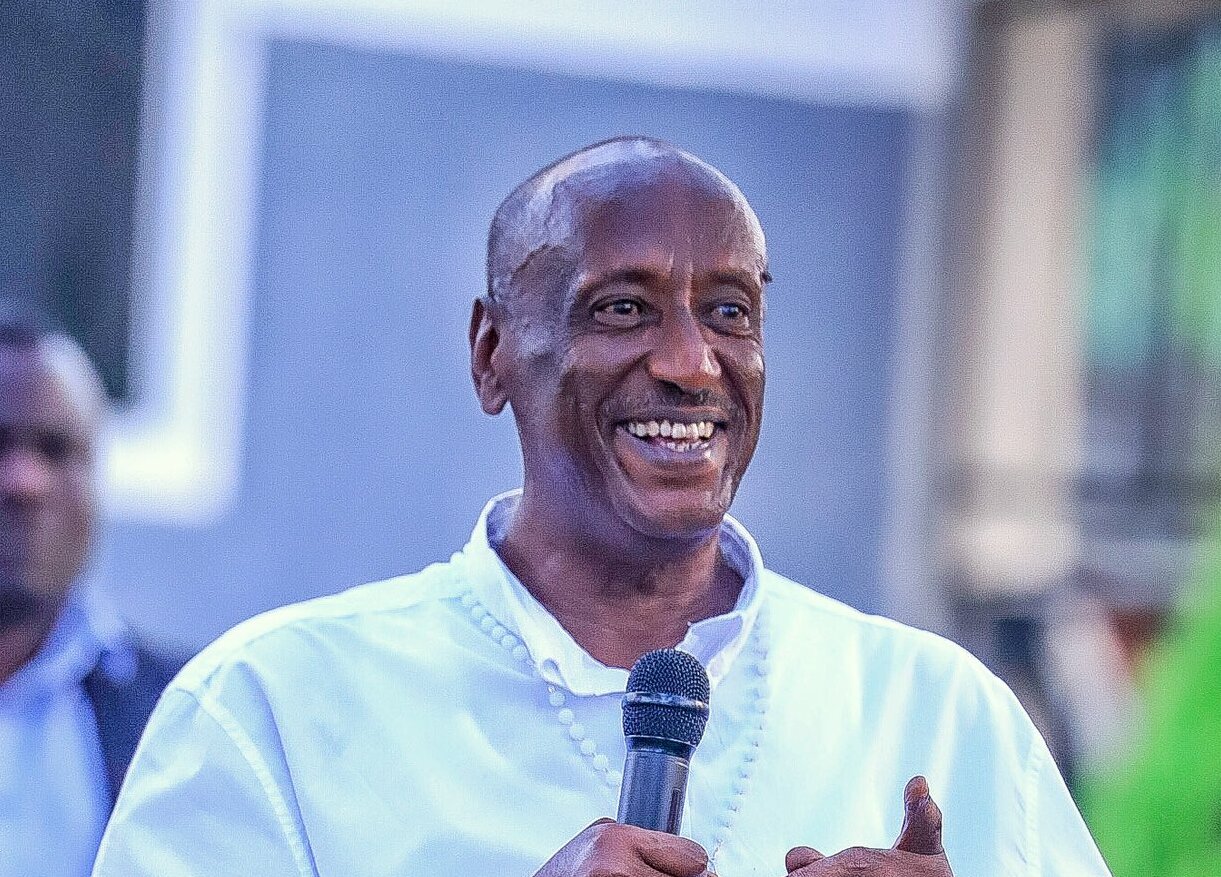
Dr. Sharon Okello Nagenjwa, a proud girl from Oyam, shares a leadership manifesto centered on Gen. Caleb Akandwanaho—better known as Salim Saleh.
What has Dr. Sharon Okello posted about Gen. Salim Saleh?
In a raw and unfiltered reflection that challenges the cynics and inspires the seekers, Dr. Sharon Okello Nagenjwa, a proud girl from Oyam, shares a leadership manifesto centered on Gen. Caleb Akandwanaho—better known as Salim Saleh. Her words cut deep, blending humor, hard truths, and hard-earned praise for a man whose path from battlefield to boardroom exemplifies what it means to lead by becoming one with the people. As Uganda grapples with economic transformation in 2025, Saleh’s story isn’t just anecdote; it’s action, backed by tangible impacts from Gulu’s fields to Kapeeka’s humming factories. Dr. Nagenjwa originally posted this powerful message as a thread on X, sparking conversations on humility, hustle, and national progress.
How did Salim Saleh become a leader?
“The man who discovered the excruciating pain in men’s testicles was kicked in the area,” Dr. Nagenjwa begins with stark imagery, alluding to Saleh’s early encounters with the brutal realities of life that forge unbreakable empathy. “Gen. Caleb Akandwanaho (Salim Saleh) discovered early what many textbook leaders don’t: to transform a group, you must first become them.” This principle isn’t theoretical for Saleh. During the turbulent years of northern Uganda’s recovery from conflict, he immersed himself among the farmers of Gulu, promoting food security initiatives that distributed seeds, tools, and training to rebuild shattered livelihoods. In July 2024, he presided over the pass-out of 419 agricultural cadres in Gulu, urging a shift to mechanized farming to boost yields and end subsistence drudgery. Saleh didn’t dictate from afar; he lived the soil, the sweat, and the struggle, turning personal grit into communal growth.
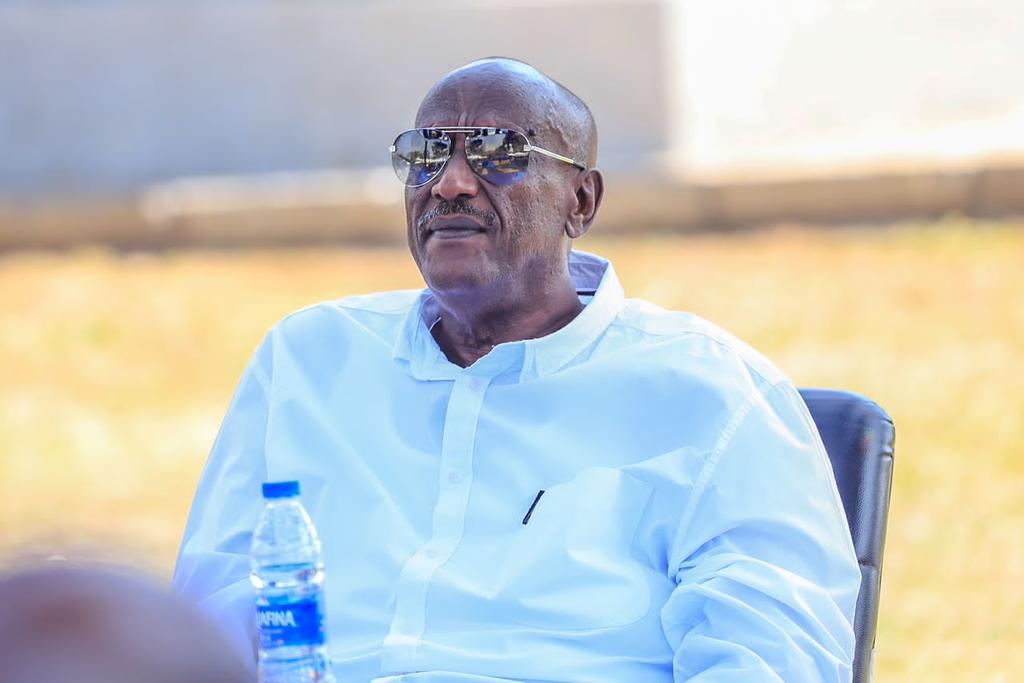
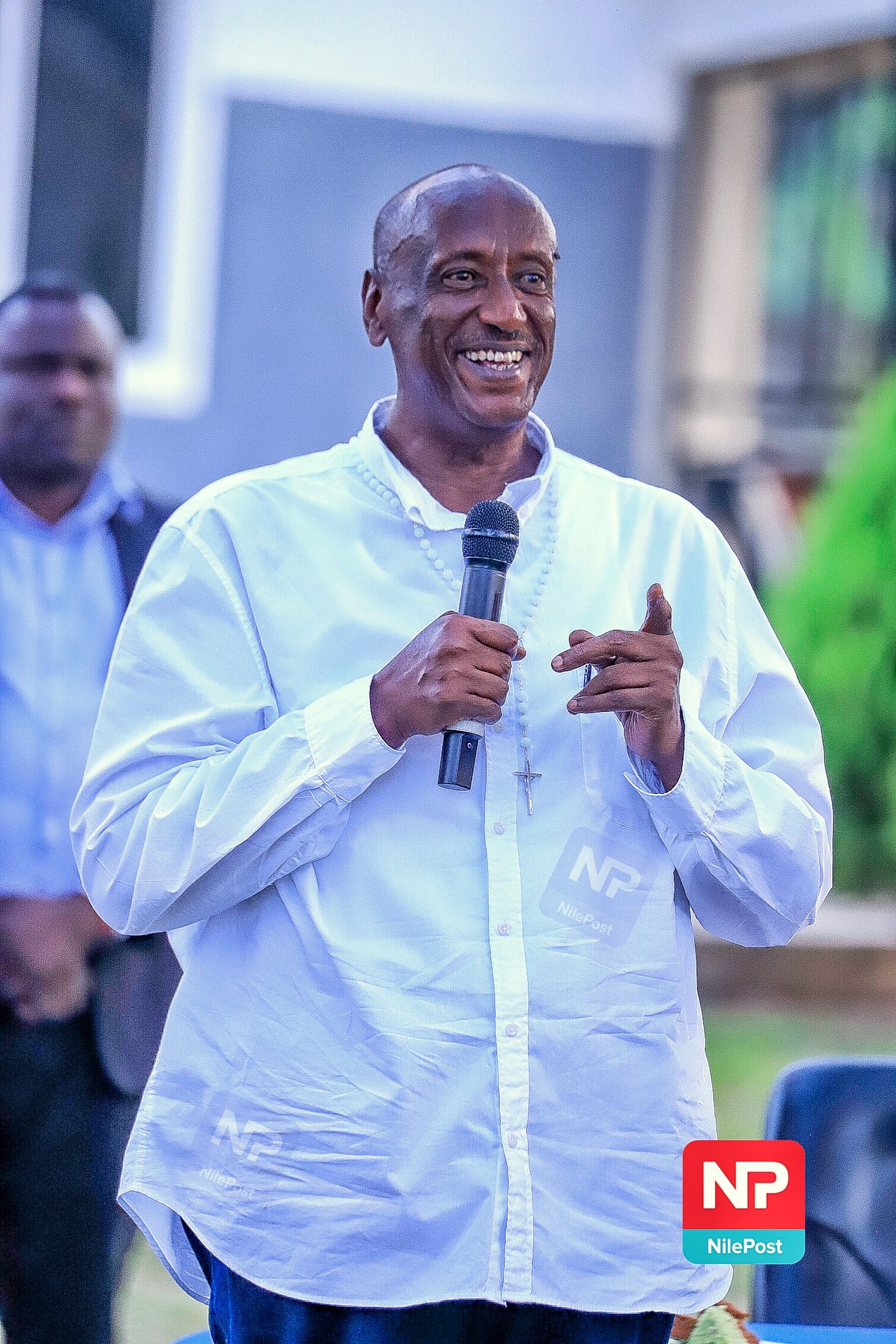
“Now of course, people will storm in with butty-licking accusations, thinking I’m an unlicensed lobbyist in the Ministry of Emotional Blackmail, instead of realizing this is a leadership lesson,” she anticipates the backlash with wit, dismissing the noise as misread motive. “You’ll find him saluting a comedian pretending to be his brother, not because he’s confused, but because he’s confirmed.” This moment captures Saleh’s legendary humility—a viral encounter with comedian Patrick Salvado, who hilariously impersonated President Yoweri Museveni, Saleh’s brother. In a lighthearted exchange that went viral in early 2025, Saleh played along with a crisp salute, showcasing a rare blend of power and playfulness that humanizes a national figure. Far from confusion, it was a nod to family bonds and the absurdity of life, reminding us that secure leaders can laugh at themselves.
Dr. Nagenjwa doesn’t stop at anecdotes; she skewers societal shortcuts. “You’ll also find some people, after touching small small money, washing their mother’s hands before greeting her, forgetting the unpleasant scenery and the ingredients involved in the route used for their birth.” It’s a biting critique of amnesia-fueled entitlement, where quick cash erases roots. This ties into Saleh’s own ethos of remembrance amid rise—he’s funded youth programs and SACCOs for boda-boda riders, ensuring economic lifts don’t sever cultural ties.

“We have a big problem. We live in a generation that would rather gossip about greatness than learn from it,” she declares, diagnosing a national malaise. “If studying character feels like worshipping idols to you, maybe mediocrity has been your real religion.” In Saleh’s case, studying his character reveals a blueprint for bridging divides. Take his engagement with Uganda’s vibrant music scene: While not always spotlighted, Saleh has supported ghetto artists through Operation Wealth Creation (OWC) grants and youth forums, where informal “jams” in urban underbellies fostered dialogue between power and the streets. In 2021, over two dozen musicians, including Jose Chameleone and Bebe Cool, directly appealed to him for industry funding, highlighting his role as a patron who “jams” with the creators shaping Uganda’s cultural pulse.
How did Salim Saleh transform Gulu?
Diving deeper into Saleh’s legacy, Dr. Nagenjwa spotlights his industrial alchemy: “Gen. Saleh lived with farmers in Gulu, jammed with musicians in ghettos, and built industries in Kapeeka, where over 30 factories now hum harder than Kampala traffic at rush hour. (If you haven’t yet, Google it, I didn’t come to trigger NUGU (jealousy).” Kapeeka, once a sleepy trading post in Nakaseke District, now boasts 38 active factories under Saleh’s vision, producing everything from steel and ceramics to fruit juices and fertilizers. Launched in 2015 as Namunkekera Industrial Park, it has grown into a flagship for private-sector-led industrialization, with nine operational parks creating thousands of jobs and drawing praise from CEOs for its “silent yet profound” transformation. In October 2025, Saleh himself toured the site, calling it a “symbol of what’s possible when policy, leadership, and investment work together.”
This industrial push aligns seamlessly with his agricultural crusade. “This is the same man who told OWC officers in 2025 that agriculture must move from subsistence to substance and yes, the numbers are real: 72% of Ugandans are in agriculture, 32% of GDP sits there, and 90% of those people still think ‘value addition’ means adding salt to cassava.” Saleh’s words rang true at a September 2025 OWC review, where he commended officers for accelerating the shift from subsistence to commercial farming, emphasizing value addition through processing and markets. The stats hold water: Agriculture employs about 72% of Uganda’s workforce and contributes roughly 24% to GDP (with recent projections edging toward 25-30% as value chains strengthen), yet low processing—often limited to basic salting or drying—keeps most farmers in poverty traps. Saleh’s OWC has distributed high-quality seeds and equipment, as hailed by Agago farmers just days ago, directly tackling this gap.
Dr. Nagenjwa brings it home with a personal revelation: “Even I got my shocker. I went there confidently pitching my ‘raw material’ proposals, and let me tell you, Kapeeka didn’t just reject them, it laughed in my face. That’s when I learned the new national language: Value Addition or Go Home. because in Kapeeka, you don’t present ideas, you present products.” Her anecdote mirrors the park’s ethos—exemplified by Saleh’s insistence on ready-to-market outputs, as seen in the 2025 trade fair where agro-processors showcased finished goods, not raw inputs.
“People confuse him for quiet. But quiet people aren’t weak, they’re just too busy producing results while others are producing gossip,” she asserts, flipping the script on perception. Saleh’s reticence has indeed fueled results: From rebuilding northern Uganda post-conflict to clarifying land use in Kapeeka for equitable growth.
“So before you mock a salute between humility and humor, remember this: some people rule departments, others rule destinies.” Saleh, she concludes, is destiny’s architect. “If humility had a factory, it would be in Kapeeka and its brand name would be ‘Saleh Limited.'”
Written by Dr Okello Sharon Nagenjwa—Girl from Oyam