Table of Contents
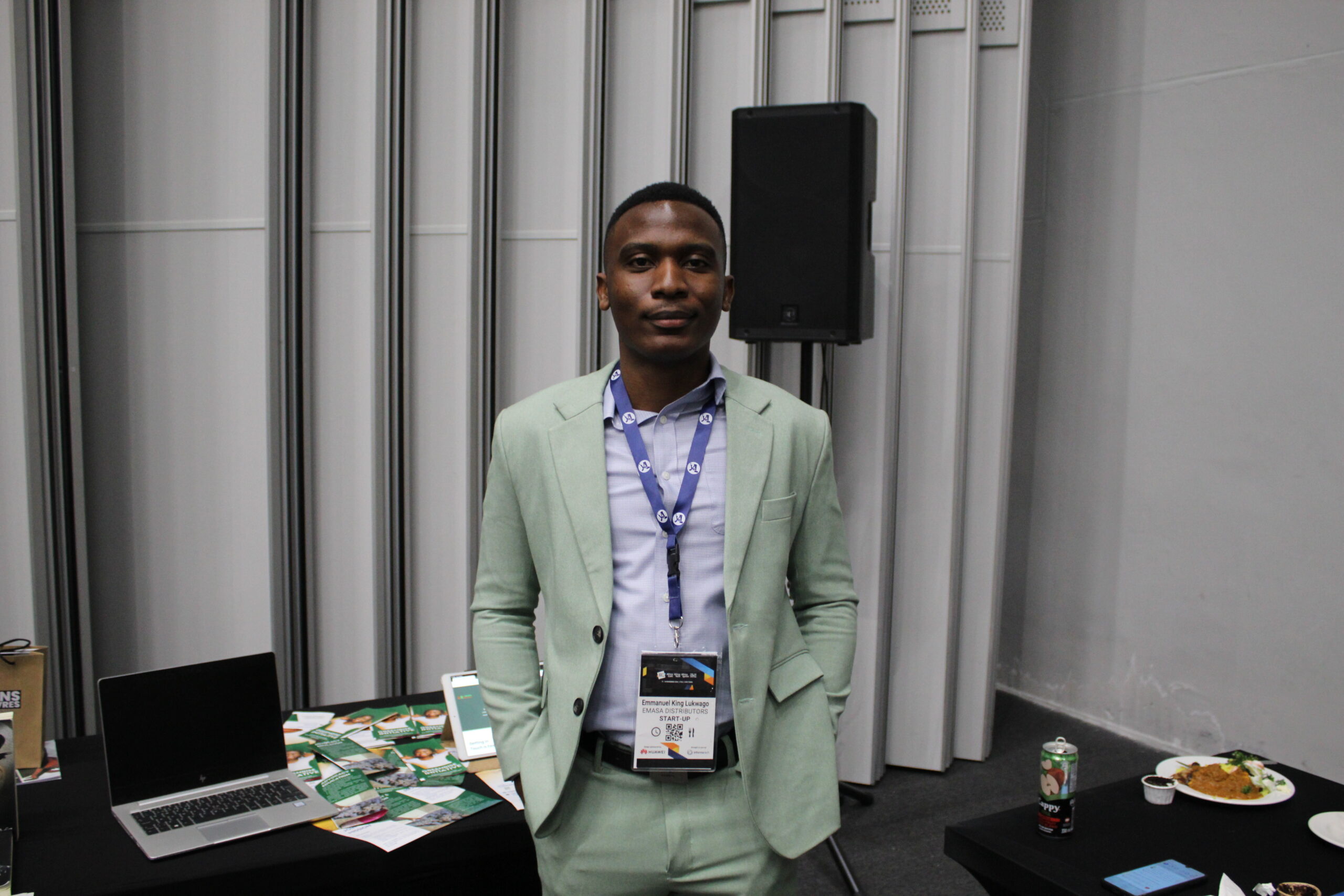
Emmanuel King-Lukwago is the founder and Managing Director of Emasa Distributors, a climate tech and agribusiness company, he is dedicated to empowering farmers through renewable energy and innovative practices. Founded in 2020, Emasa Distributors focuses on bridging the gap between global suppliers and local needs, promoting a shift from subsistence farming to climate-smart agriculture. With roots in Kampala and a passion for logistics and innovation, King-Lukwago’s journey exemplifies resilience and forward-thinking leadership in Uganda’s agro-sector.

Who is Emmanuel King-Lukwago in a sentence?
Emmanuel King-Lukwago is a life explorer who seeks to live fully and die empty. This self-description captures his essence as a dynamic leader in Uganda’s climate tech space, where he channels his love for mathematics and movement into transformative business ventures. As noted on professional platforms, he is recognized as a changemaker at the intersection of food systems, renewable energy, and climate resilience.
When and where were you born?
Born in Buziga, Kampala, King-Lukwago has spent his entire life in this vibrant Ugandan neighborhood, which has shaped his deep connection to local communities and agricultural challenges. Growing up in a bustling urban-rural interface, he witnessed firsthand the struggles of farmers, fueling his entrepreneurial drive.





What did you study, and how did it lead you to the world of distribution?
King-Lukwago studied Quantitative Economics at university, a field that honed his affinity for figures and mathematics. “I have always loved figures and mathematics,” he reflects. This academic foundation sparked his fascination with the “movement of things—whether it is travel or the logistics of moving goods across continents.” This passion naturally propelled him into the distribution industry, where he could apply analytical skills to real-world supply chains. His background aligns with his role in Emasa Distributors, which specializes in agro-inputs and renewable energy solutions.
How did your siblings and family background influence your business drive?
Coming from a family of businesspeople involved in real estate and farming, King-Lukwago was immersed in entrepreneurship from a young age. “Both my parents were businesspeople… and I grew up watching them work,” he shares. Mentors like Samuel John Kibuuka, a prominent Ugandan businessman known for his involvement in companies such as Victoria Motors and various corporate leadership roles, further instilled a business spirit. Even during his time at St. Mary’s College Kisubi, he felt like a “larger-than-life character who wanted to build things from scratch.”
What was the specific market gap that led to the birth of Emasa Distributors?
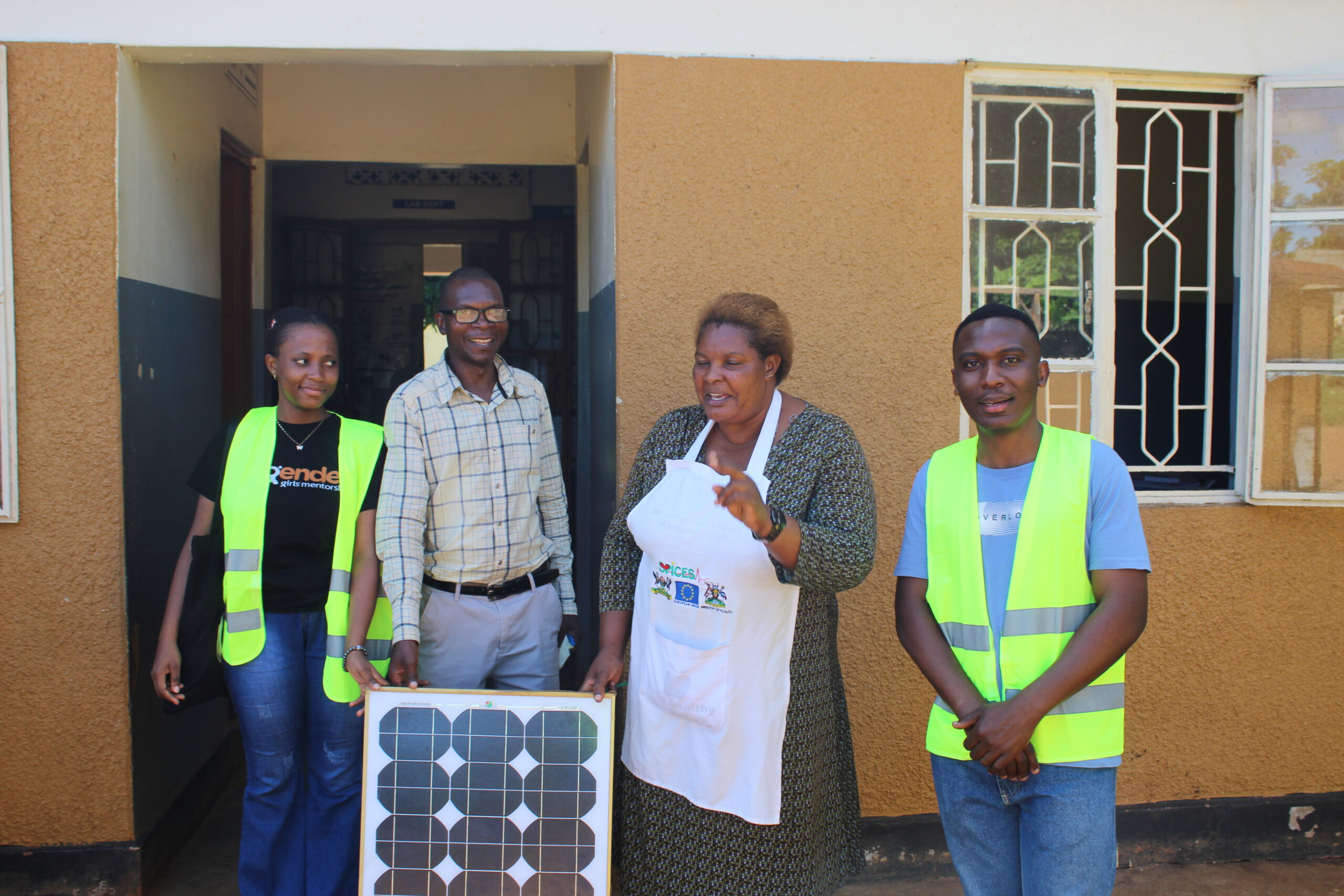
The inception of Emasa Distributors addressed critical gaps in Uganda’s agricultural sector. “Farmers, youth, and women in Uganda face enormous challenges transitioning from subsistence farming to climate-smart agriculture,” King-Lukwago explains. Additionally, there’s a “critical gap in moving from biomass and fossil fuels to renewable energy.” Emasa exists to support these groups, focusing on solar irrigation and home power systems to enhance productivity and sustainability.
When exactly did you move from an idea to a registered business?
Emasa Distributors transitioned from concept to reality swiftly. “We were founded in October 2020 and moved from an idea to a registered entity in April 2021,” King-Lukwago states. This rapid formalization reflects the urgency of addressing Uganda’s agricultural needs amid growing climate concerns.
What is the core mission of Emasa Distributors today?
At its heart, Emasa Distributors aims to empower Ugandan farmers with renewable energy. “Our core mission is to support Ugandan farmers in harnessing the power of the sun—using renewable energy for solar irrigation and home power—to grow more food and feed nations,” says King-Lukwago. The company also emphasizes training, capacity building, and trade in agro-inputs, as highlighted in its profiles on platforms like African Food Changemakers.
Who are the key members of your team keeping operations running smoothly?
Leading the charge is King-Lukwago as Managing Director, overseeing strategic planning, innovation, and leadership. The team includes Samuel Paul Wells as CFO and Co-founder, John Mary Segawa as Coffee Value Chain Officer, Aine Hannah as Manager, Joan Mutuwa as Projects Manager, and six dedicated farm workers. This compact yet efficient group ensures smooth operations in a competitive sector. The word Emasa comes from the names of the 2 co-founders Emmanuel and Samuel Wells.
How does your organization bridge the gap between global suppliers and local Ugandan needs?
Emasa Distributors connects international and local suppliers to meet Ugandan demands. “We have two major international suppliers: seeds from Holland and inputs from South Africa,” King-Lukwago notes. Locally, they partner with agricultural giants like Bukoola Chemical Industries, a longstanding Ugandan firm since 1973 specializing in crop protection solutions and serving millions of farmers. Currently fundraising for infrastructure like trucks and logistics networks, the company is building a robust export-import system.
What was the first major contract or deal Emasa successfully closed?
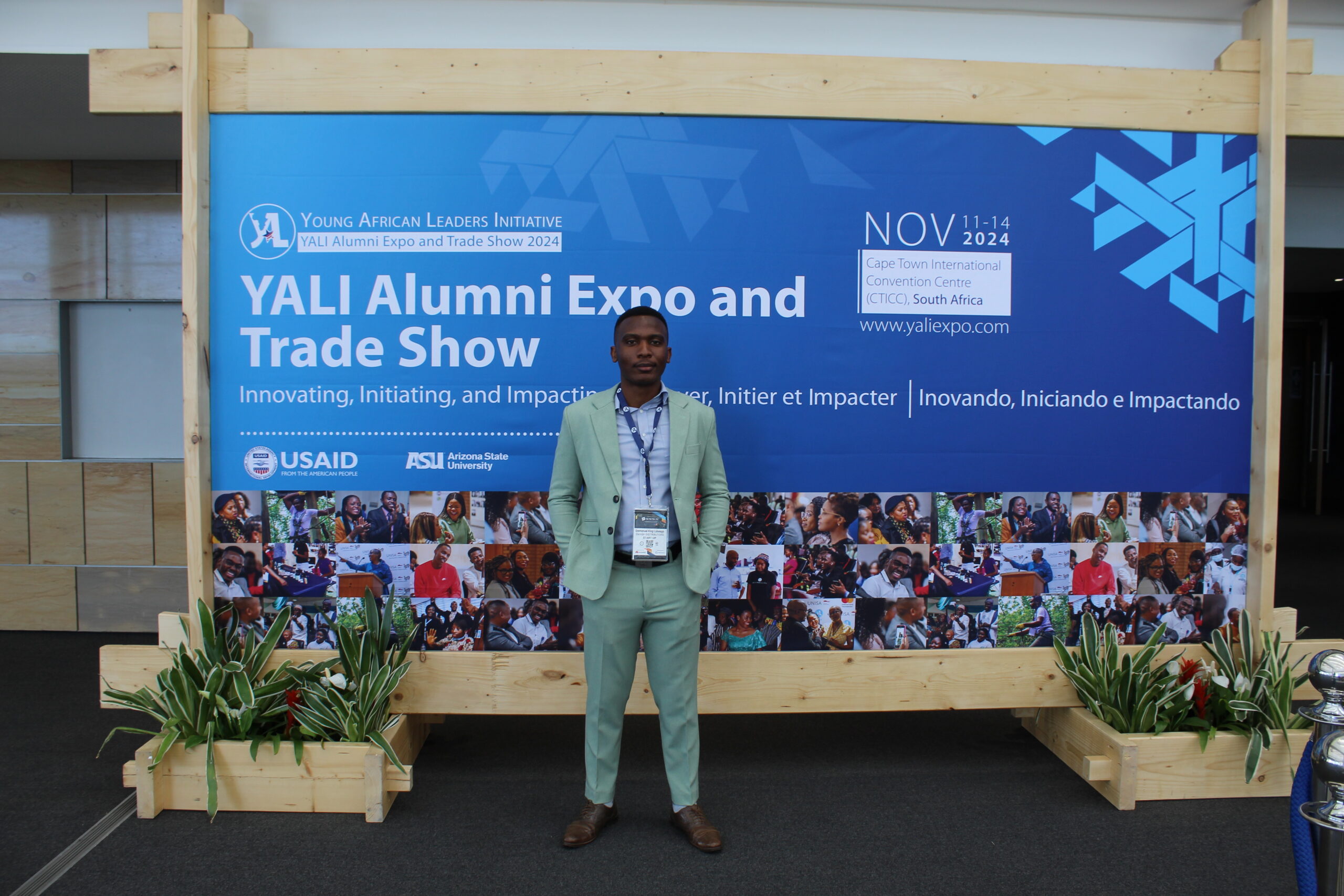
A milestone came in 2023 with “our first major contract… with USAID under the Young African Leaders Initiative (YALI),” recalls King-Lukwago. This partnership marked Emasa’s entry into high-impact collaborations, boosting its credibility in climate tech.
What is the most significant achievement the company has recorded so far?
Among Emasa’s accolades, “being part of the Climate Tech Innovators and GIGDAS program in Accra, Ghana, in October 2023” stands out. “USAID flew me to Ghana to refine the business structure of the program,” King-Lukwago shares. This international exposure, echoed in events like the YALI Expo24 at Africa Tech Festival, has refined Emasa’s strategies for global scaling.
Tell us about the toughest moment you’ve faced as a CEO.
In 2024, a financial crisis hit hard: “We suffered a severe financial setback when we lent capital—our ‘lifeline’—to a supplier who defaulted. It was a devastating blow that took us a long time to recover from,” King-Lukwago admits. This challenge tested the company’s resilience in Uganda’s volatile business environment.
What lesson did that specific challenge teach you about resilience?
The setback imparted a key insight: “It taught me the vital importance of separating business from family. You must never involve family in business operations if you want to maintain professional resilience.” This lesson has strengthened Emasa’s operational framework.
How has being part of the Impact Forge refined your business strategy?
Participation in Impact Forge brought valuable perspectives. “It gave me a huge awareness of the importance of organizational branding,” King-Lukwago says. He learned that “the founder must live and breathe the brand” and discovered the power of mentorship and alternative funding like grants over bank loans.
What is the biggest misconception people have about the distribution industry in Uganda?
Many underestimate agribusiness’s potential. “People—especially the youth and Gen Z—often think agribusiness is just ‘dirty work’ that takes too long to return an investment,” King-Lukwago counters. “In reality, agriculture is life and it is an incredibly viable business,” especially with innovations in climate-smart practices.
How do you balance the demands of high-level trade with personal growth?
King-Lukwago prioritizes balance through efficiency. “I have mastered the art of delegation. I delegate any task that can be done by others so I can focus on my core strengths,” he explains. This frees time for the gym, reading, and mentor visits, ensuring personal development amid business demands.
Where do you see Emasa Distributors in the next five years?
Looking ahead, King-Lukwago envisions growth: “I see us producing 20 to 50 tons of fresh fruits and vegetables per month. We plan to be fully registered and operational in the USA and the UAE.” This ambition aligns with Emasa’s focus on expanding distribution networks and sustainable agriculture.
Who is the one entrepreneur you look up to the most?
“My mentor, Samuel John Kibuuka, has been instrumental in driving the business spirit into me and showing me what is possible in the world of trade,” King-Lukwago affirms. Kibuuka’s experience in Ugandan business circles, including recent corporate governance roles, continues to inspire.
What advice do you have for youth looking to enter the import/export space?
For aspiring entrepreneurs, King-Lukwago advises: “Understand that agribusiness is not just about farming; it is about the logistics of life. Don’t be afraid of the ‘dirty’ work, and focus on building a brand that speaks for itself.” His words encourage embracing innovation in Uganda’s agro-trade sector.
Where can people find your products and follow your business journey?
“You can follow our progress as we build our digital presence and expand our distribution network across Uganda and beyond,” invites King-Lukwago. Visit the Emasa Distributors website for updates on products like solar solutions and agro-inputs, or connect via social media platforms.