Table of Contents
Introduction: Who is Jane Frances Abodo?
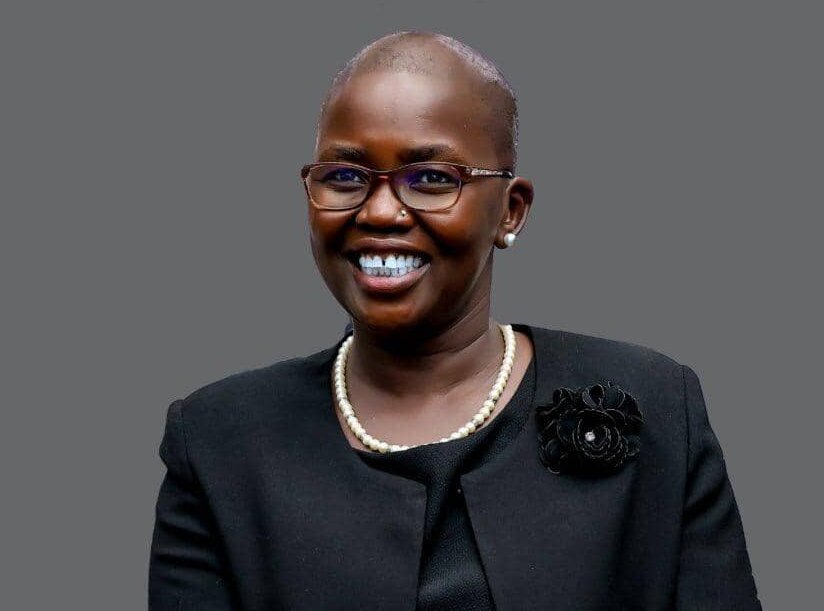
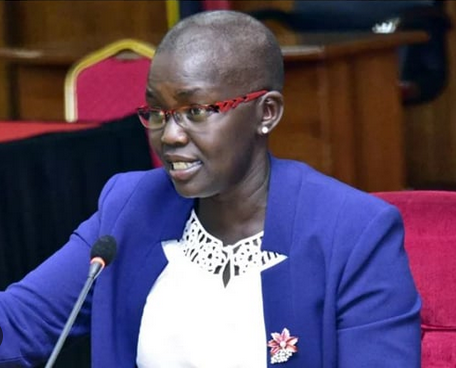
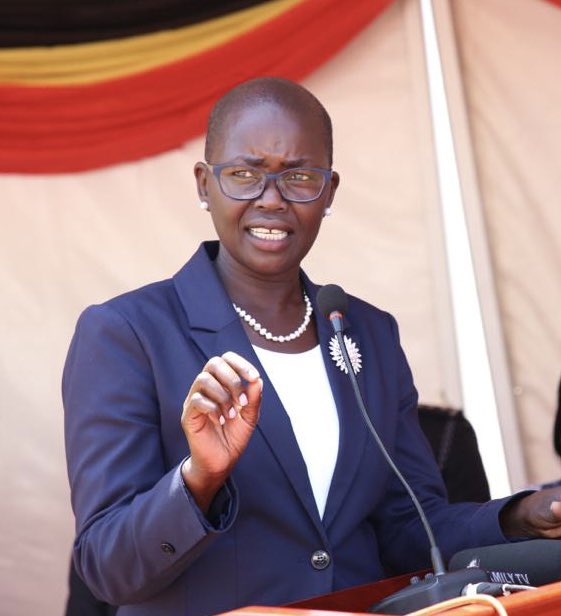
Jane Frances Abodo is a distinguished Ugandan lawyer, judge, and prosecutor whose career has been marked by groundbreaking achievements in the country’s judicial system. Her career has been marked by groundbreaking achievements in the country’s judicial system. She has held the position of Director of Public Prosecutions (DPP) in Uganda since April 2, 2020. This makes her the first woman to lead the Office of the Director of Public Prosecutions (ODPP). On August 5, 2025, President Yoweri Kaguta Museveni nominated her for the role of Principal Judge, a historic appointment that would make her the first female to hold this prestigious position in Uganda’s judiciary, pending parliamentary approval.
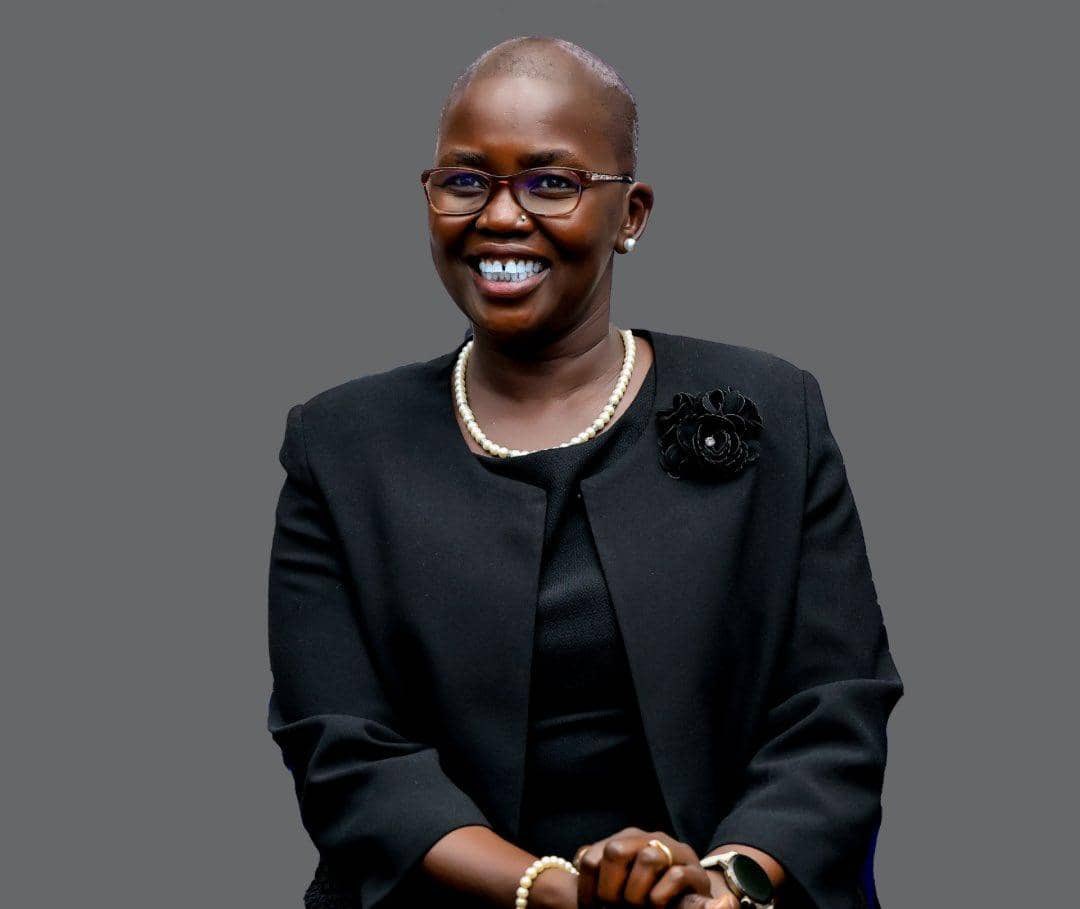
The journey of Abodo started from a remote village in Karamoja to the upper echelons of Uganda’s legal establishment exemplifies resilience, dedication, and a commitment to justice. Known for her expertise in white-collar crime, cybercrime, and high-profile prosecutions, she has become a symbol of empowerment for women in law, particularly those from marginalized regions. Her leadership style emphasizes efficiency, high conviction rates, and addressing systemic challenges in the prosecution of crimes, earning her both acclaim and scrutiny in public discourse.
Early Life and Family Background
Jane Frances Abodo was born on August 18, 1973, in Moroto District, located in the Karamoja sub-region of northern Uganda. This arid and historically underserved area, known for its pastoralist communities and challenges such as poverty and insecurity, shaped her formative years. Abodo hails from a remarkably large family; she is the ninth-born among an astonishing 62 siblings, a testament to the extended family structures common in some Ugandan rural communities. While specific details about her parents’ names are not widely documented in public records, her upbringing in a humble, resource-scarce environment is well-noted.

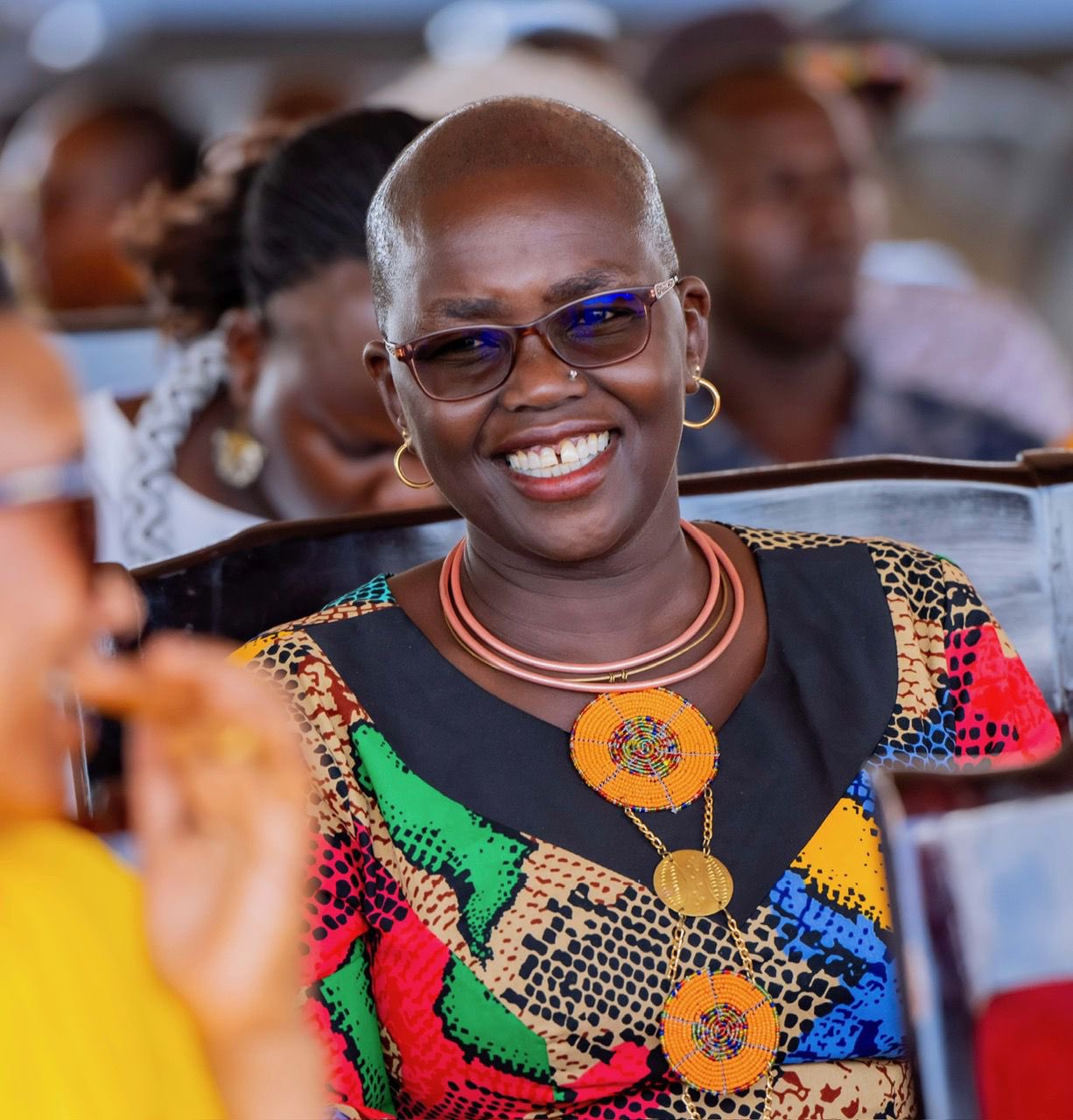
She has often reflected on her childhood, recalling how she studied under trees and wrote on the ground during her primary education due to the lack of formal classrooms and materials in her village. This background instilled in her a strong work ethic and a deep appreciation for education as a pathway out of hardship. Regarding her siblings, there is no precise information on their birth years or individual biographies, but Abodo’s position as the ninth child suggests a family spanning multiple decades, with her likely having both older and younger brothers and sisters who contributed to a supportive, albeit challenging, household dynamic.
Education and Academic Pursuits
Abodo’s educational journey began in the rudimentary settings of Karamoja but progressed through some of Uganda’s notable institutions, demonstrating her determination to overcome geographical and socioeconomic barriers. For her secondary education, she attended St. Mary’s College Aboke in Lira District, a renowned girls’ school known for its academic rigor, followed by Trinity College Nabbingo in Wakiso District, another prestigious institution that has produced many influential Ugandan women. These schools provided her with a solid foundation in academics and discipline.
She pursued higher education at Makerere University, Uganda’s oldest and most esteemed university, where she earned a Bachelor of Laws (LLB) degree. To qualify for legal practice, Abodo completed a Diploma in Legal Practice at the Law Development Centre in Kampala, a mandatory postgraduate program for aspiring lawyers in Ugandan Boy Talk Show.
Her commitment to advancing her expertise led her abroad; in 2015-2016, she was awarded an Irish Aid Fellowship to study for a Master of Laws (LLM) at Trinity College Dublin in Ireland, specializing in areas relevant to her prosecutorial work, such as international law and cybercrime. This international exposure not only honed her skills but also positioned her as a specialist in emerging legal fields like white-collar and cyber offenses.
Entry into Law and Early Career
Abodo’s foray into the legal profession was driven by a passion for justice, particularly in a country grappling with corruption, crime, and inequality. After obtaining her qualifications, she joined the Office of the Director of Public Prosecutions (ODPP) around 2001, starting as a trainee state attorney. Over the next two decades, she rose through the ranks, serving in various capacities that built her reputation as a tenacious prosecutor.
Her early roles involved handling routine cases, but she quickly specialized in complex matters, including white-collar crimes and cybercrimes, areas where Uganda was facing increasing challenges. By 2015, her excellence was recognized when the Uganda Law Society named her Prosecutor of the Year, highlighting her contributions to maintaining high conviction rates in her department.
In 2018, Abodo transitioned to the judiciary when she was appointed as a judge in the High Court’s Criminal Division, a role that allowed her to preside over significant trials. This judicial experience further solidified her expertise and prepared her for higher leadership.
Rise to Leadership and Proximity to President Museveni
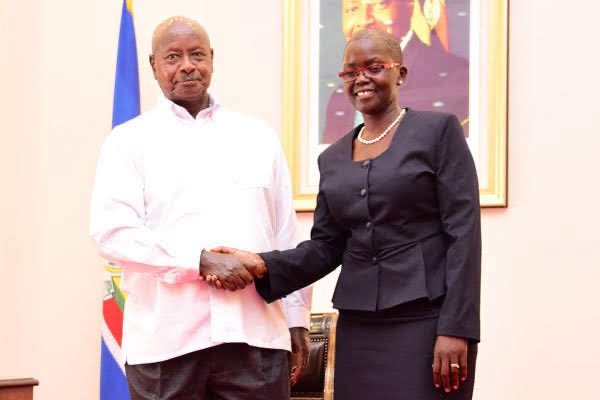
Abodo’s ascent to leadership was a culmination of her proven track record in prosecution and judiciary. Her proximity to President Yoweri Museveni, Uganda’s long-serving leader, appears to stem from her professional merits rather than personal connections, as evidenced by her appointments based on recommendations from the Judicial Service Commission. On April 2, 2020, Museveni appointed her as DPP, succeeding Justice Mike Chibita, in a move that underscored her competence and broke gender barriers in the ODPP. As DPP, she has overseen the prosecution of major cases, including those involving corruption and national security.
Her latest elevation came on August 5, 2025, when Museveni nominated her as Principal Judge, a position responsible for administrative oversight of the High Court and subordinate courts. This nomination reflects Museveni’s confidence in her ability to reform and streamline judicial processes, drawn from her prosecutorial successes.
Major Achievements
Abodo’s career is replete with milestones. As DPP, she achieved some of the highest conviction rates in Uganda’s history, particularly in anti-corruption and cybercrime cases. She led the prosecution in high-profile matters, such as the 2017 murder case of Assistant Inspector General of Police Andrew Felix Kaweesi, demonstrating her skill in handling sensitive investigations.
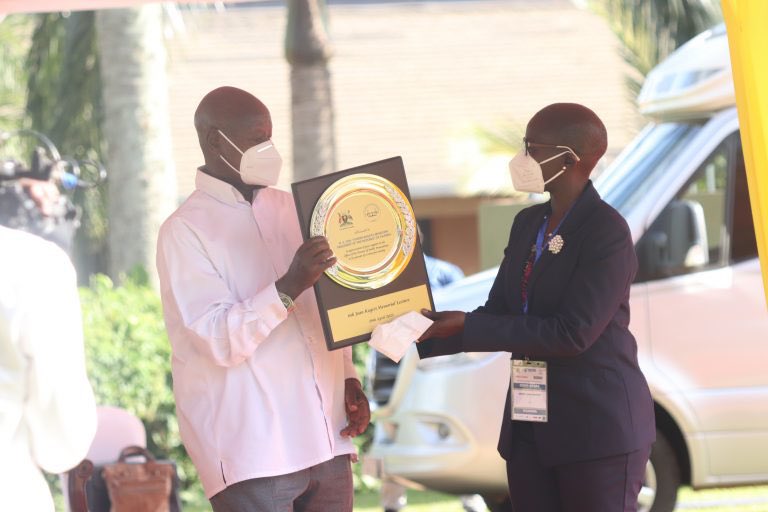
In 2023, she received the ABETO Africa Peace Award for her contributions to peace and justice, recognizing her efforts in promoting fair prosecutions amid societal challenges. By April 2025, she marked five years as DPP, during which she implemented reforms to enhance the ODPP’s capacity, including workshops for staff development. Her international fellowship and LLM have also positioned her as a thought leader in legal education and policy.
Public Challenges Faced
Despite her successes, Abodo has encountered public scrutiny. As DPP, she has faced criticism over the handling of politically sensitive cases, including allegations of selective prosecution in opposition-related matters, which some view as reflective of broader systemic issues in Uganda’s justice system. In 2020, her early tenure as DPP coincided with the COVID-19 pandemic, presenting logistical challenges in court operations and case backlogs. Public debates have also arisen regarding resource constraints in the ODPP, with Abodo advocating for better funding to address these hurdles. Additionally, as a woman from a marginalized region, she has navigated gender and regional biases, turning them into motivators for her advocacy on inclusivity in law.
Conclusion
Jane Frances Abodo’s biography is one of triumph over adversity, from her roots in Karamoja to her impending role as Uganda’s first female Principal Judge. Her story inspires not only aspiring lawyers but also underscores the potential for transformative leadership in Africa’s legal systems. As she steps into this new chapter, Abodo continues to embody the pursuit of equitable justice, leaving an indelible mark on Uganda’s history.