Table of Contents
1. Who is Kasirye Costantine in a few words?
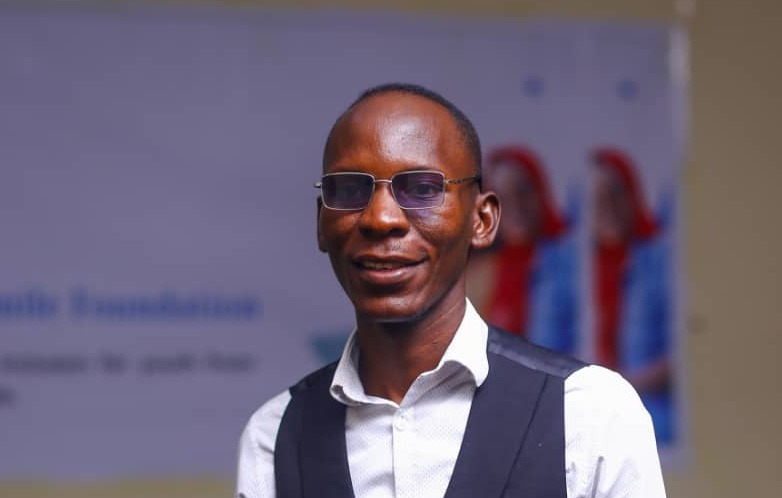
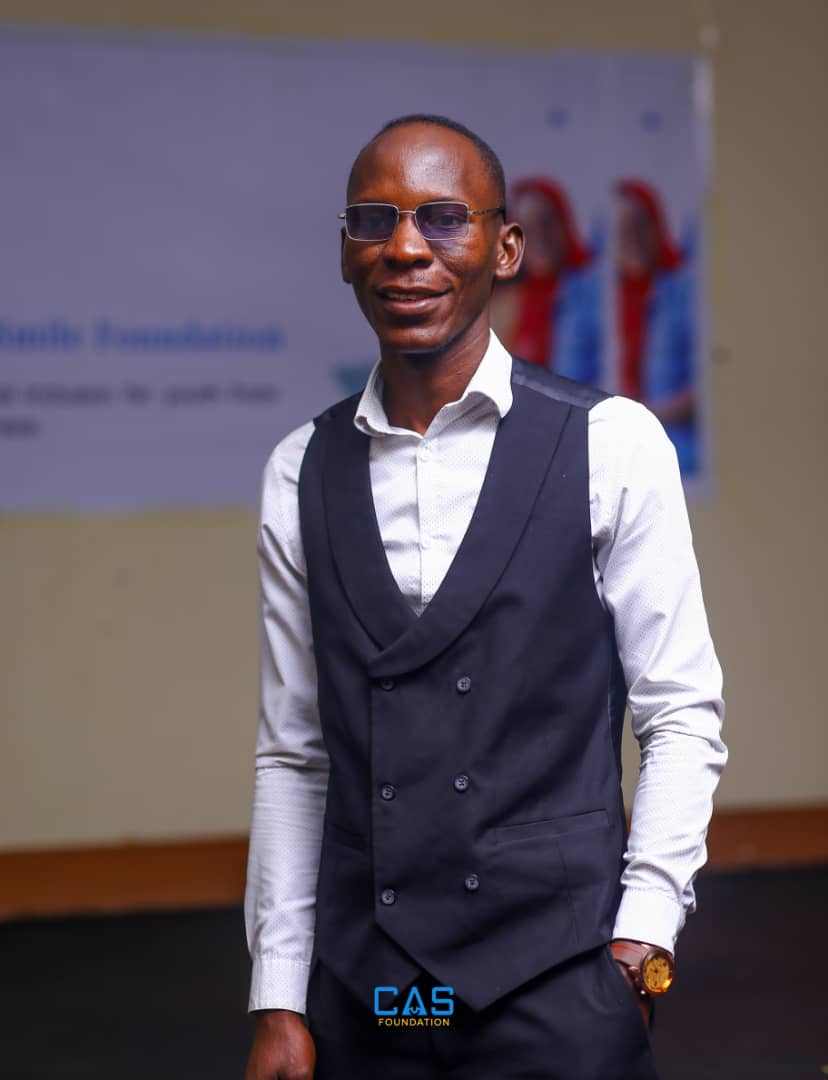
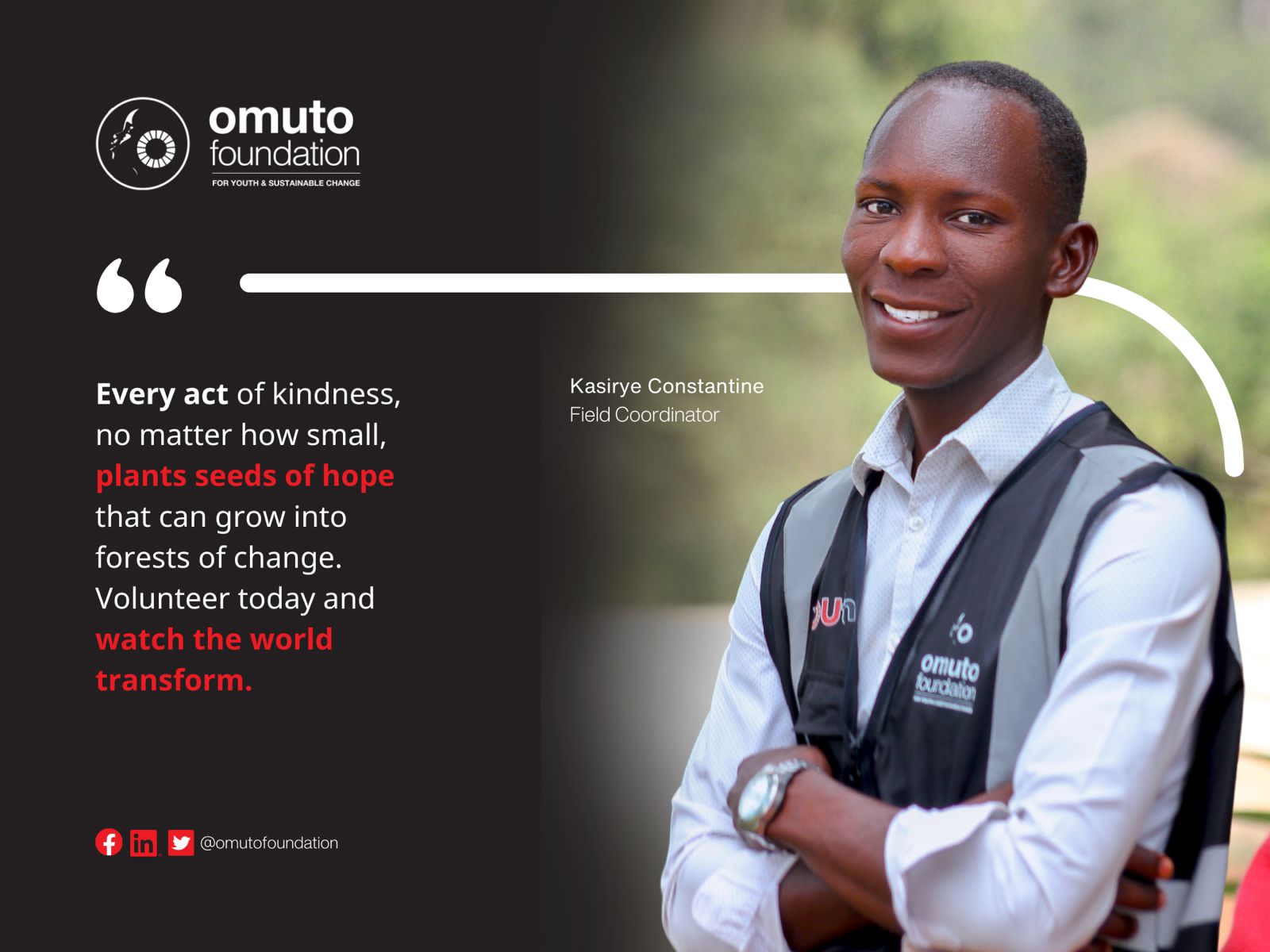
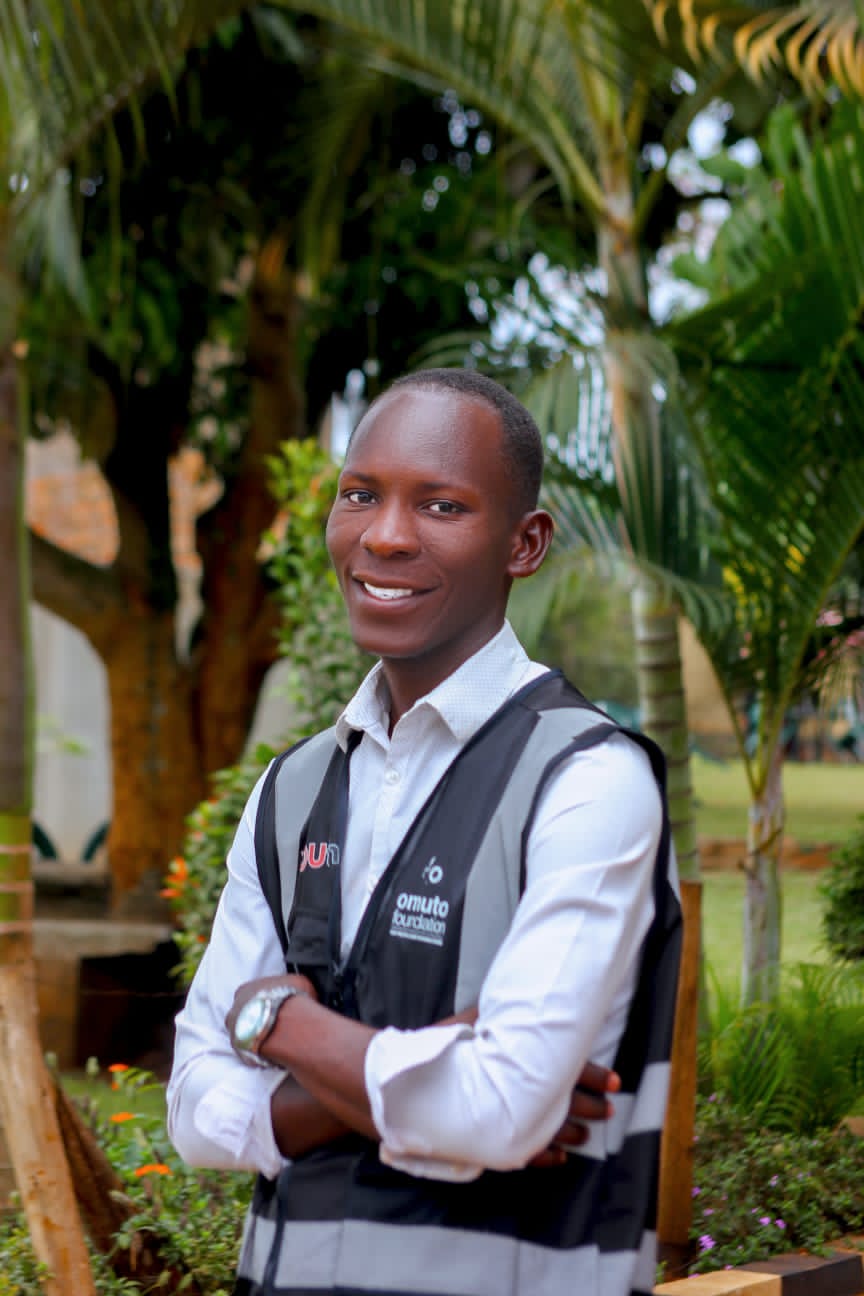
I am a 25-year-old professional social worker and the current Operations Manager at the Omuto Foundation. I describe myself as a resilient advocate for justice, and I am deeply committed to creating a positive, lasting impact in the lives of the individuals and communities I serve.
2. When and where were you born?
I was born in Gakoola village, which is located in the Lwengo District of Uganda.
3. What did you study, and how did it lead you toward community development?
I hold a Diploma in Social Work and Social Administration. My studies equipped me with core skills in community assessment, advocacy, and empowerment. This professional background really fueled my passion for identifying community challenges and finding sustainable solutions, which ultimately led me to join the Omuto Foundation in 2023 while I was still at campus.
4. How did your family and siblings influence the person you have become today?
While my professional journey is rooted in my studies, my drive to push through adversity and seek justice for my community is deeply tied to the resilient spirit I look up to and try to emulate every day.
5. What does the nickname “Kasirye Gwanga” mean to you personally?
To me, the name represents immense resilience and the courage required to tackle tough, systemic issues like poverty and youth vulnerability. It is inspired by the legacy of the late General Kasirye Ggwanga, reflecting a strong commitment to justice and community transformation.

6. What specific problem in Mpigi or Butambala led to the birth of the Omuto Foundation?
The foundation was created to address several critical gaps we noticed in the Mpigi District. We saw extreme poverty and very limited access to education for children and youth aged 5 to 24. There was also a severe lack of safe drinking water, which was leading to frequent waterborne disease outbreaks. Furthermore, we were dealing with high school dropout rates and a complete lack of leadership skills or safe spaces for young people to grow.
7. When was the foundation officially registered and launched?
The Omuto Foundation was officially registered and launched on April 22, 2022.
8. For those who don’t know, what does the “OMUTO” model stand for?
The acronym represents our holistic framework for youth development:
- O: Overcome challenges
- M: Maximize talents and potential
- U: Utilize resources for health and education
- T: Transform communities via social action
9. Who are the key team members working alongside you at the Omuto Youth Centre?
I work with an incredibly dedicated core team to keep the foundation moving forward:
- Mark Mike Mutumba: Overall Director, who oversees the movement.
- Nansikombi Dianah: Programs and Partnerships Manager.
- Kisalo Alex: Communications Lead.
- Boaz Edwin: Photography and Videography.
- Sewante Gerald: Board Member.
- And myself, as Operations Manager, handling workflows, HR, and budgeting.
10. What is the core mission of your RED Campaign, and why is it so vital for girls in school?
The core mission of the RED Campaign is to fight period poverty using our “Mines, Toilets, Pads” strategy. It is vital because providing reusable pads and menstrual health education keeps girls in school, preserves their dignity, and directly reduces dropout rates caused by bullying or a lack of resources. Recently, we trained over 500 youth in health awareness and donated 300 pads to girls at Jakajira Primary and St. Benedict Buwama. For Women’s Day 2026, we are also partnering with Reach a Hand Uganda to donate pads to adolescent girls at St. Peter’s and Buwama Modern schools.
11. How does the PureWater project change lives in the communities you serve?
We partnered with Spouts of Water to distribute 65 water filtration units to schools and families across Kammengo, Buwama, and Mpigi. This initiative has directly reduced waterborne diseases in these communities and actively supports the Sustainable Development Goals regarding health and clean water access.
12. What was the first “big win” the Omuto Foundation achieved?
Our Tree Planting Initiative stands out as our first major success. In 2025, we successfully planted 1,160 trees across 16 different sites in Mpigi and Butambala. Building on that, our Green Schools Campaign planted an additional 1,315 trees across 20 schools, and we have managed to maintain an impressive 85% survival rate.
13. Tell us about the toughest moment you’ve faced since starting this journey.
The hardest challenge has definitely been managing community expectations. Many people expect direct financial aid or free items because they view NGOs as entities with unlimited resources. On top of that, we face a constant lack of funds to smoothly run our daily operations and meet all our intended goals.


14. How did you overcome that challenge, and what did it teach you about leadership?
I focused on building close friendships and strategic partnerships with community leaders. This approach made mobilization and project implementation much easier. It taught me that leveraging volunteer manpower and securing local endorsements from council chairpersons can provide immense credibility and resources, even when big financial funding isn’t available upfront.
15. Why did you decide to start Omuto Essentials (soap and pad production) as a social enterprise?
The ultimate goal is financial independence. By producing and selling soap, shower gel, and reusable pads, the foundation can generate sustainable revenue that directly funds our core programs, like the RED Campaign and our environmental initiatives. It creates a “triple win”: we generate income, we break the cycle of period poverty, and we provide valuable employment and technical training for local youth.
16. How has the Impact Forge program helped you refine your vision for the foundation?
Programs that focus on intensive leadership and capacity building have been instrumental in shifting our mindset. They have helped us transition from a traditional “charity” model to a more sustainable “social enterprise” structure, ensuring our long-term survival and impact.
17. What is the most rewarding feedback you’ve received from a young person in your programs?
The story of a young man named Jimmy is incredibly rewarding for me. Jimmy had dropped out of school and felt entirely hopeless. After joining our foundation, he overcame his fears, discovered a passion for music, and gained technical skills. He went on to create the “Rural Talented Kids” chapter and is now utilizing his skills as a Photography and Videography Lead with us, giving back to the very organization that helped him.
18. Where do you see the Omuto Foundation in the next five years?
I see us becoming Uganda’s premier youth-led network, operating out of 10 district hubs. We aim to establish a fully realized Omuto Youth Centre that hosts innovation summits and football academies. In terms of impact, our five-year goals are to reach 50,000 youth, expand the RED Campaign to 100 schools, and plant 50,000 trees while maintaining that 85% survival rate.
19. What advice do you have for “Gen Z” Ugandans who want to fix problems in their own villages?
Start small, but think big. Leverage your technological skills and use social media to mobilize your peers. Seek out local endorsements—partner with your local council chairpersons to gain credibility, which helps you start making an impact even without massive funding. Above all, focus on sustainability and holistic solutions.
20. Where can people go to support your work or buy Omuto Essentials products?
People can visit our website at omuto.org for donations, volunteering, or partnerships. You can purchase “Omuto Essentials”—our soap, shower gel, and dignity pads—directly at the Omuto Youth Centre or online. For direct contact, you can reach us by phone at 0743-005447 or via email at info@omuto.org.