


Table of Contents
When was the LEAD Bootcamp 2025 held?
In the bustling slums of Kampala, Uganda, where challenges like poverty, limited education access, and teenage pregnancies often stifle potential, one organization is relentlessly painting smiles and restoring hope. Touch The Slum Charity Foundation Uganda, a grassroots nonprofit dedicated to empowering vulnerable youth—particularly adolescent girls and young mothers—recently hosted its first-ever LEAD Bootcamp. This transformative event, held in December 2025, brought together 25 dynamic young leaders from diverse organizations to foster collaboration, build capacity, and ignite purpose-driven leadership. Co-created by Mandela Washington Fellowship 2025 alumnus Ronald Eligu and Sharon Ssekimpi, the bootcamp represents a bold step toward creating synergistic networks among Uganda’s emerging changemakers. More details are on LinkedIn here

What is Touch The Slum Charity Foundation Uganda and How Does It Support Marginalized Youth?
Founded in 2018 by Ronald Eligu, Touch The Slum Charity Foundation Uganda has grown into a vital lifeline for communities in Kampala’s informal settlements. Eligu, a Ugandan social entrepreneur, philanthropist, content creator, and community developer, established the organization with a clear mission: to address the triple threats of limited education, poverty, and teenage pregnancy that disproportionately affect teen girls in slums. Through programs like free literacy classes, vocational training in skills such as hairdressing and tailoring, and mental health support, the foundation has empowered over 1,000 youths under its Safe and Inclusive Cities project.



The organization’s work extends beyond immediate aid. It provides residential programs for at-risk young mothers, offering them safe spaces to learn, heal, and rebuild. Stories of transformation abound—take Hellen, who at 16 lost her parents and became homeless after an early pregnancy. Enrolled in Touch The Slum’s literacy and vocational programs in 2024, she learned to read, write, and braid hair, eventually starting her own small business. Similarly, Sheilah, another teen mother abandoned by her family, found solace and skills through the foundation’s weekly Teens Day sessions, which focus on emotional support and practical life skills.
Touch The Slum’s impact is amplified through partnerships and community outreach. Events like charity drives—such as the one scheduled for October 4, 2025, led by Sharon Ssekimpi—invite volunteers to distribute essentials and engage directly with beneficiaries. The foundation’s Instagram and Facebook pages are filled with reels and posts showcasing “Faces of Change,” highlighting how education and empowerment equip young people to break cycles of poverty. As Eligu often emphasizes, the goal is not just survival but thriving: “We are building bridges through collaboration, ensuring every young mother and adolescent can access opportunities to lead fulfilling lives.”
How Did the Mandela Washington Fellowship Inspire the Creation of the LEAD Bootcamp?
The genesis of the LEAD Bootcamp can be traced back to Ronald Eligu’s transformative experience in the Mandela Washington Fellowship 2025. Selected as one of Uganda’s finalists from over 58,000 applicants across Africa, Eligu joined 700 young leaders for a six-week program in the United States, hosted by institutions like Drexel University. The fellowship, sponsored by the U.S. Department of State, focuses on leadership in civic engagement, business, and public management.
Eligu, who attended as the Executive Director of Touch The Slum, immersed himself in sessions on collaborations, resource mobilization, and community-based leadership dynamics—particularly for youth-led initiatives. “There were lots of things I learned during my fellowship,” Eligu shared in a recent conversation. “I had a chance to learn about communities coming together to drive similar goals, and the dynamics of leadership in community-based organizations.” Upon returning to Uganda in late 2025, he was determined to apply these insights locally.
Also read about Humphrey Nabimanya
One key takeaway was the power of synergy among leaders from different spheres. Eligu envisioned a platform where young Ugandans could converge, share experiences, and amplify each other’s capacities. Partnering with Sharon Ssekimpi, a fellow social entrepreneur and key team member at Touch The Slum, they co-created the LEAD Bootcamp. Ssekimpi, known for her work in youth empowerment and community development, brought her expertise in organizing outreach events and fostering inclusive environments. Together, they defined LEAD as an acronym for Leadership, Empowerment, Action, and Development for the Community—a fitting encapsulation of the bootcamp’s ethos.
The U.S. Embassy in Uganda celebrated Eligu’s selection, noting his role in grassroots nonprofit work. His fellowship journey included dinners with U.S. Ambassador to Uganda and interactions with global peers, reinforcing the idea that leadership thrives through shared purpose. As Eligu reflected on LinkedIn after his selection: “I’m incredibly honored… This is a chance to learn, grow, and bring back tools to uplift my community.”



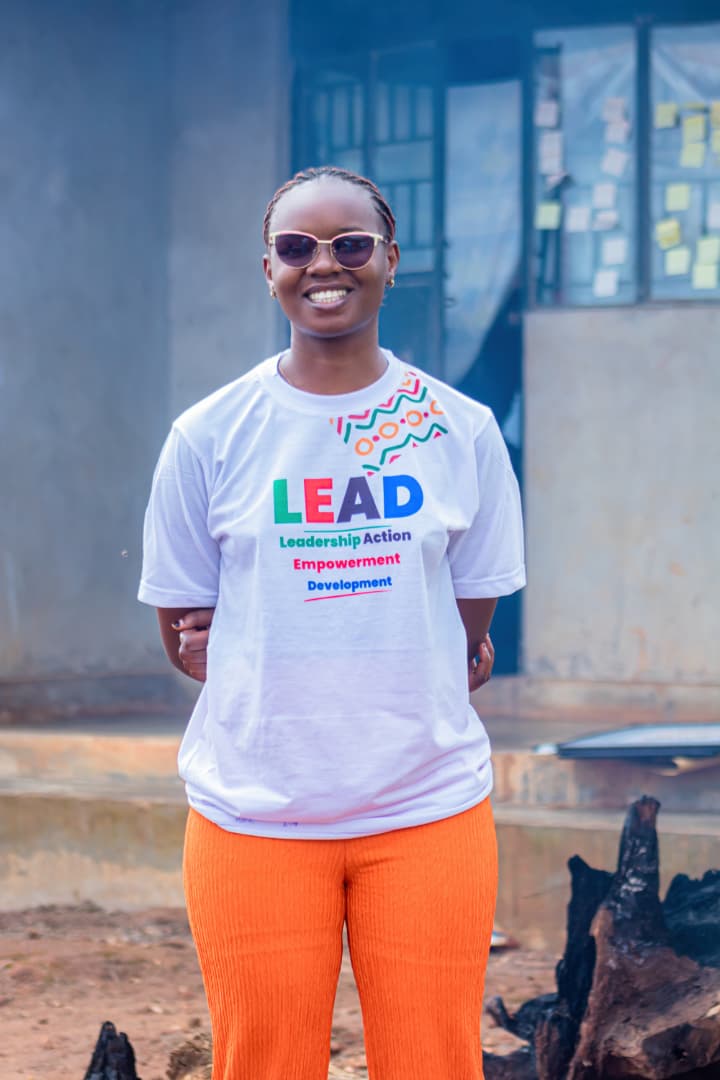


What Happened at the Inaugural LEAD Bootcamp and What Were Its Key Themes?
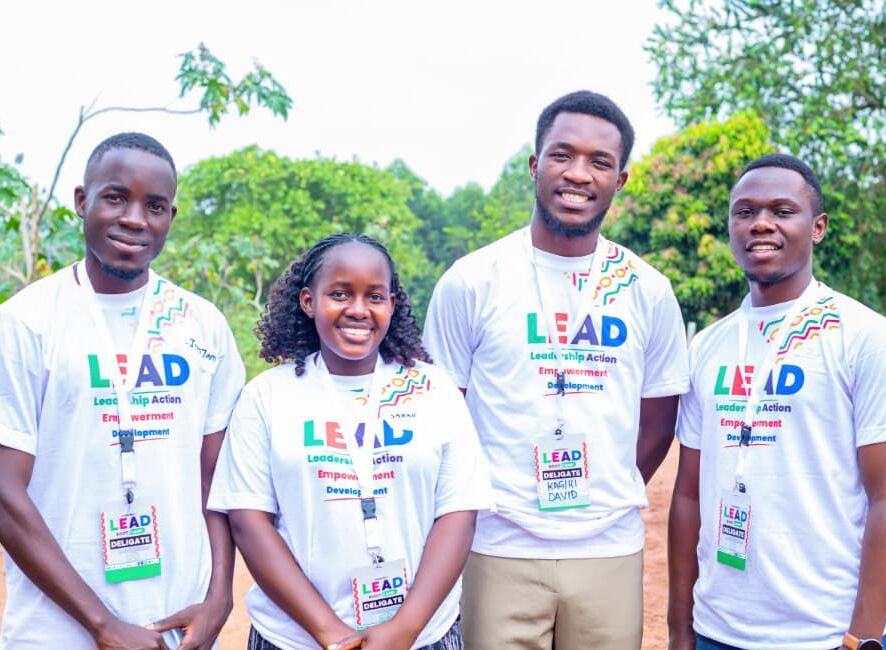
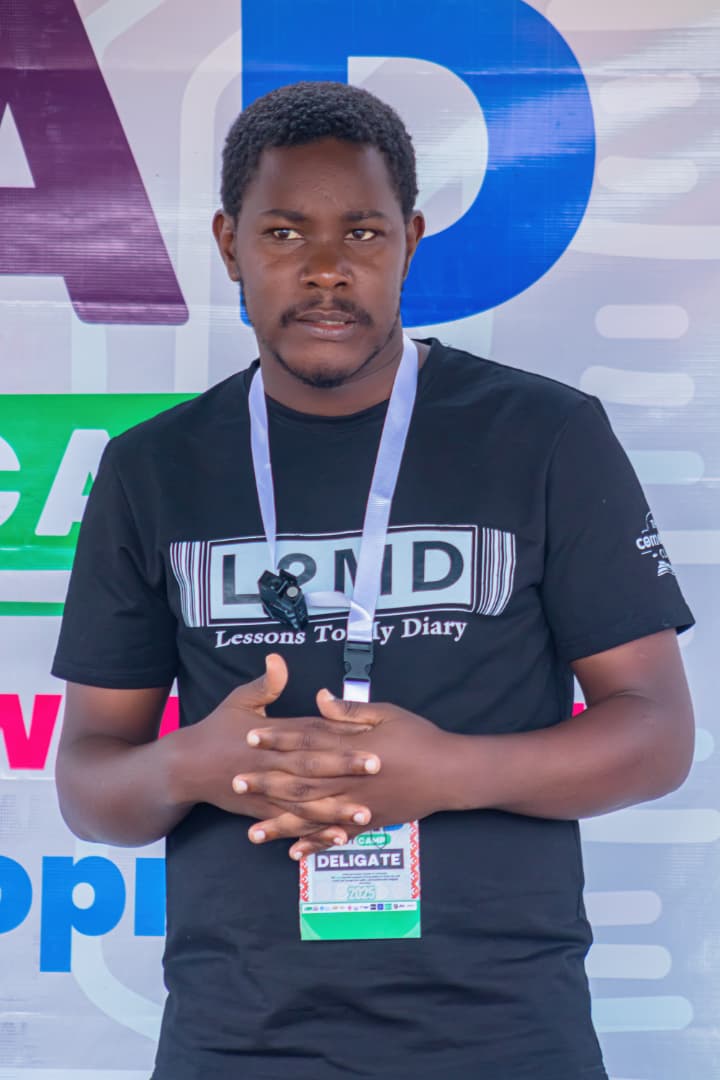
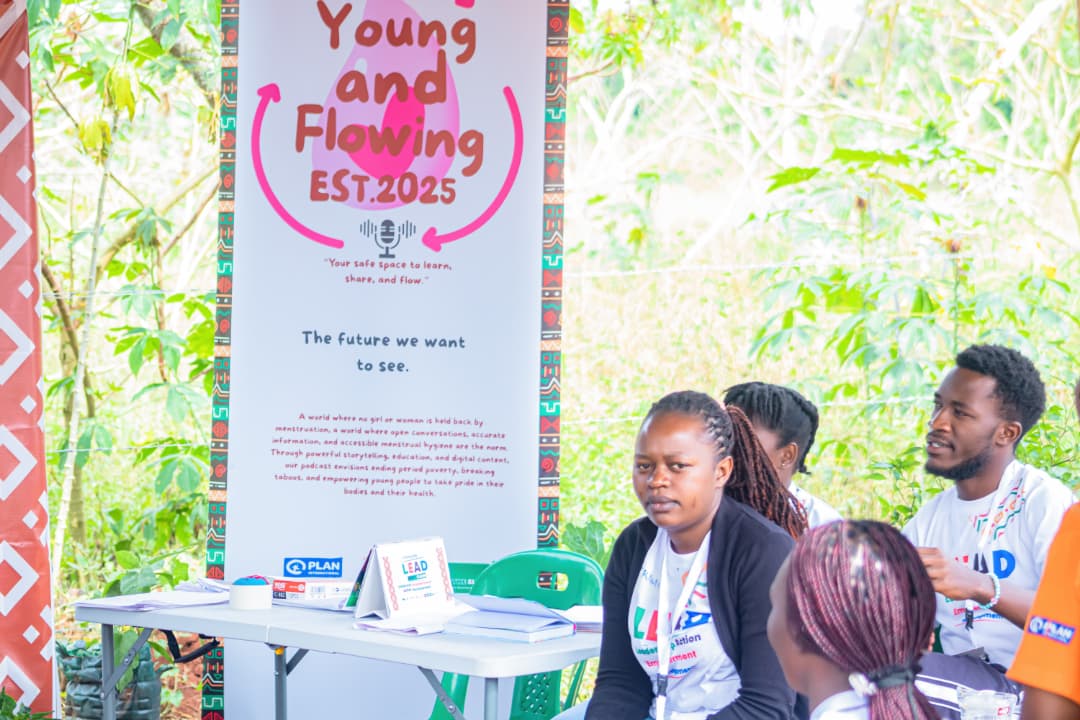
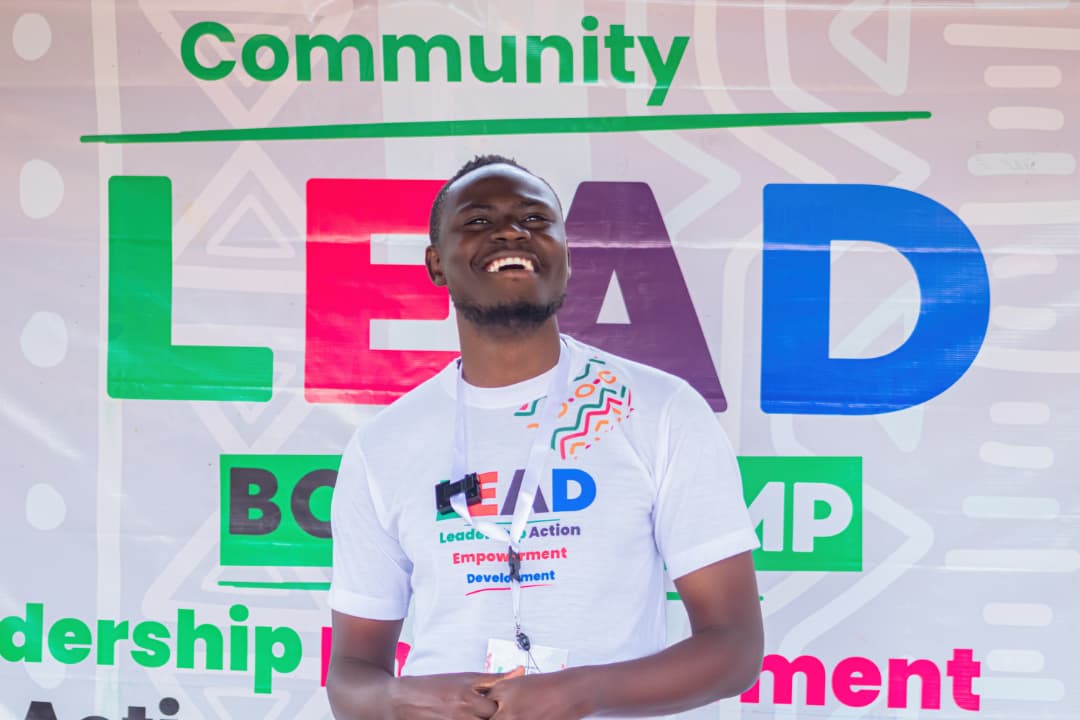
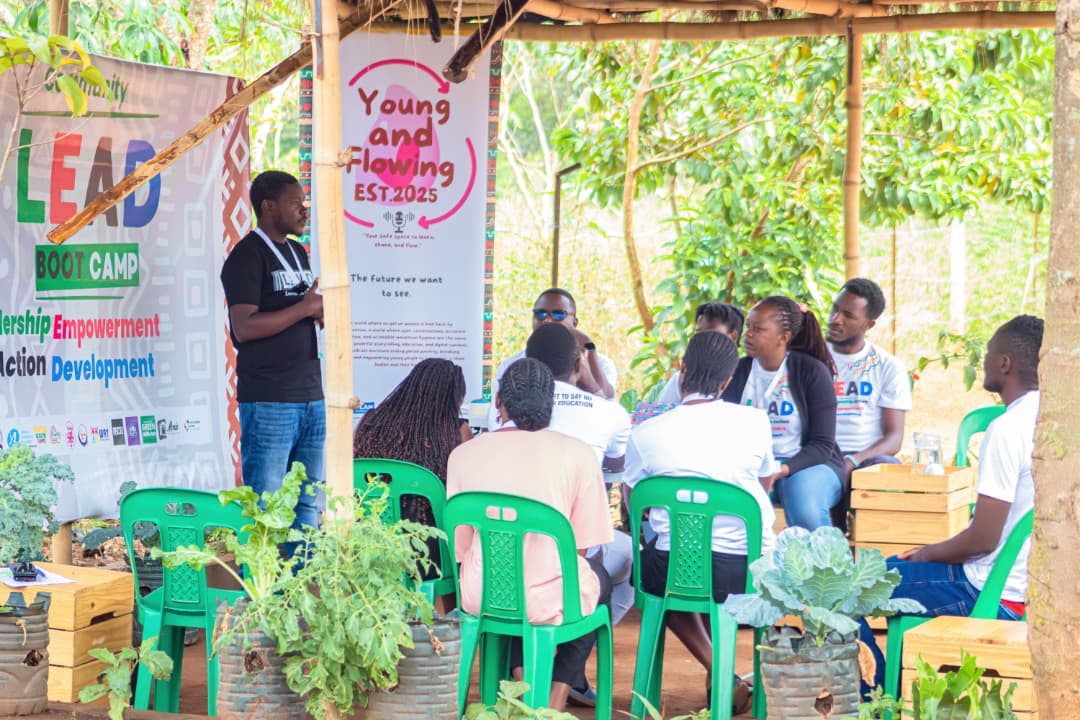
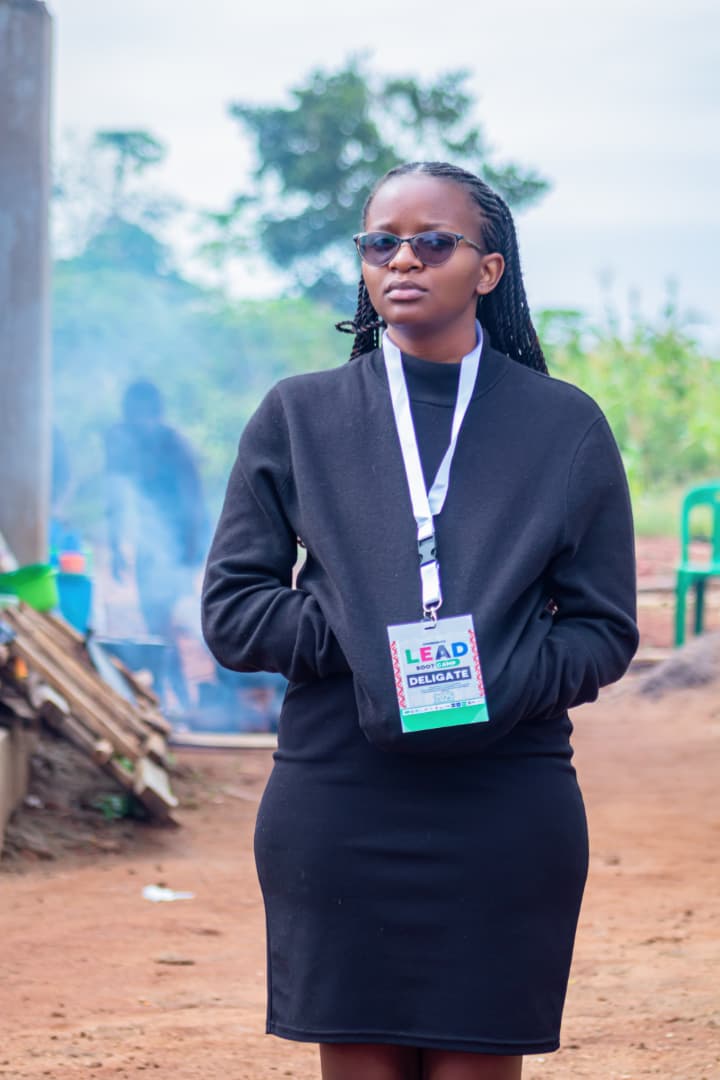
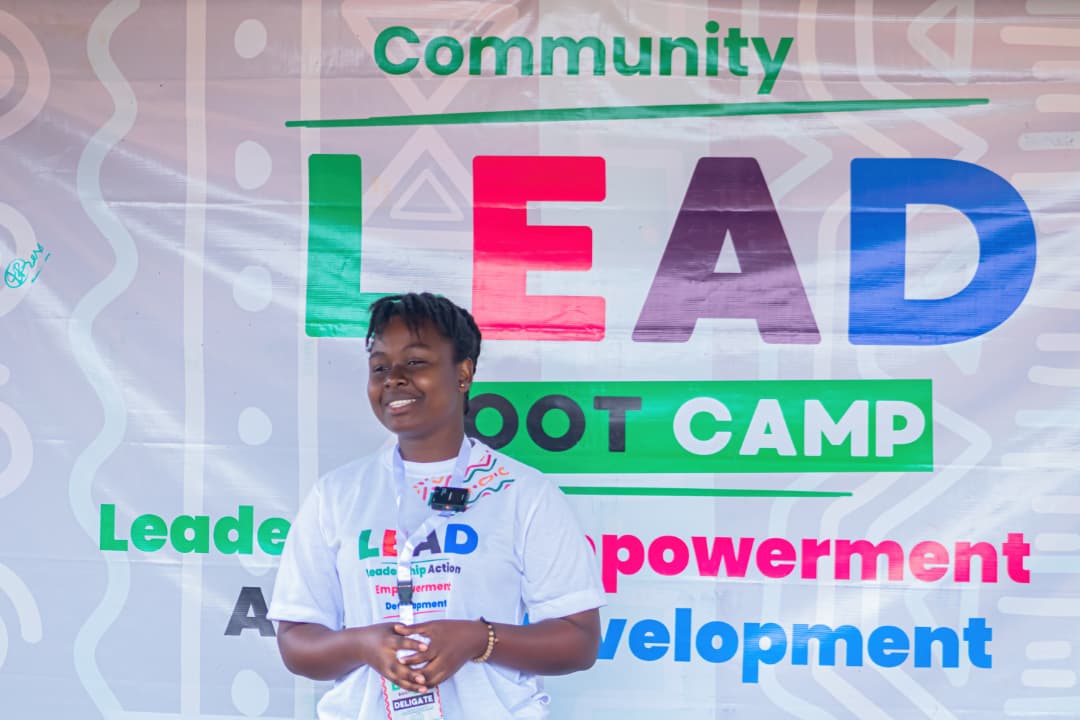
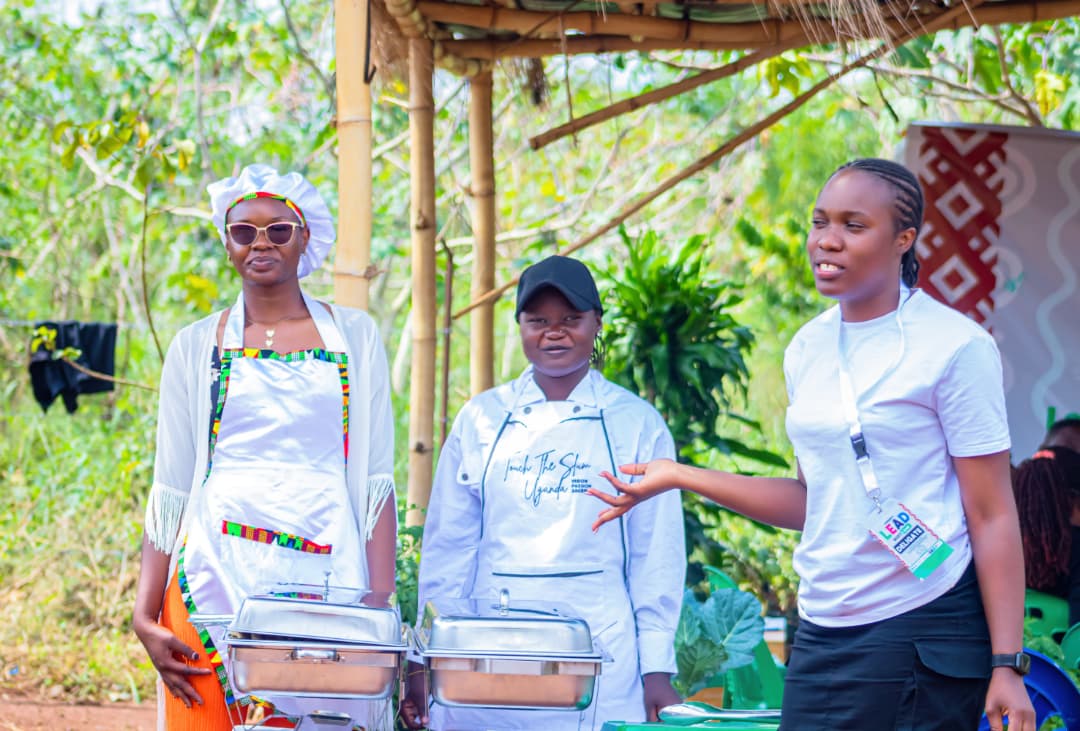
The first edition of the LEAD Bootcamp, themed “Leading with Purpose,” unfolded on December 13, 2025, in Kikyusa, Luweero District—a location chosen for its accessibility to participants from Kampala’s slums and surrounding areas. Organized under the banner of Touch The Slum, the event drew 25 young leaders from various sectors, including nonprofits, community initiatives, and youth groups. It was an open invitation, welcoming anyone passionate about personal and communal growth, with no barriers to entry.
The bootcamp’s structure blended interactive discussions, practical activities, and real-life leadership reflections. Sessions delved into core themes like self-awareness, effective communication, building confidence, teamwork, and ethical decision-making. A standout focus was on “leadership with purpose,” challenging participants to view leadership not as a title or position but as a commitment to impact, character, and service. As one facilitator quoted during the event: “Leadership is not about position; it is about impact, character, and service.”
Delegation emerged as another pivotal topic, with workshops emphasizing how effective leaders empower others by sharing responsibilities. Participants engaged in role-playing exercises, group challenges, and reflective storytelling, designed to unlearn outdated mindsets and encourage accountability. The energy was palpable, as described by attendee Agaba Patience Kawesa in her LinkedIn post: “The willingness to learn, unlearn, and grow… When people are given the right tools and environment, leadership potential naturally rises.”
The roster of participants read like a who’s who of Uganda’s rising stars. Among them were Atori Peace, a driven advocate for young people; Achieng Monica Angel (of Monie Photography), who captured the event’s moments; Julius Tito Wambuzi, focused on community engagement; Jovia Imesa, a youth empowerment specialist; Derrick Tumukunde, who later shared how the bootcamp inspired him to implement new ideas; and others like Namubiru Lauza, Shallon Nyankubito, Nabwonso Sarah, Tigaiza Shalif, Fortunate Martha, Charity Abago, Kagiri David, and Adakuni Francisca. These individuals hailed from organizations such as KAPS Shining Charms Foundation and We Are Youths Uganda, creating a rich tapestry of perspectives.
Sharon Ssekimpi played a central role in facilitation, drawing from her experience in Touch The Slum’s programs. In her LinkedIn reflection, she highlighted the bootcamp’s emphasis on “shaping purpose-driven leaders” through hands-on activities. Eligu, fresh from his fellowship, infused the sessions with global insights, stressing resource mobilization and cross-sector collaboration. The event wasn’t just theoretical; it included team-building exercises that mirrored real-world community challenges, such as planning outreach for slum youth.
What Did Participants Say About Their Experiences and the Bootcamp’s Impact?
The bootcamp’s true success shone through in the stories of its participants. Atori Peace, in a heartfelt LinkedIn post, described it as “one of the most rewarding experiences.” She noted how conversations and presentations revealed leadership’s deeper essence: “Not just about personal growth but about serving the community.” Peace, alongside peers like Agaba Patience Kawesa, emphasized the bootcamp’s role in building “stronger, more impactful leaders.”
Derrick Tumukunde echoed this sentiment in comments: “It was such a wonderful insightful experience… Now it’s time to implement with God’s grace.” Julius Tito Wambuzi called it “a great engagement,” while Agaba Patience Kawesa praised the organizers for creating an environment where delegates could “challenge mindsets and encourage responsibility.”
For many, the bootcamp was a catalyst for action. Participants left with actionable plans to apply delegation in their organizations, mobilize resources collaboratively, and prioritize ethical leadership. One attendee, reflecting on Instagram, shared how the event aligned with Touch The Slum’s broader mission: “Empowering youth through skills transforms futures.” The foundation’s social media buzzed with photos and reels from the day, showcasing group discussions, smiles during activities, and certificates awarded at the close.
The impact extends beyond individuals. By uniting leaders from different spheres, the bootcamp fostered synergies that could lead to joint projects—such as expanded mental health camps or vocational training collaborations. Eligu envisions this as a ripple effect: “We brought together young leaders to see how best we can work together and grow each other’s capacity.”
What Are the Plans for the Future of the LEAD Bootcamp?
As the dust settles on the inaugural edition, excitement builds for the future. Organizers have already announced plans for the second LEAD Bootcamp in 2026, with an even stronger emphasis on equipping the next generation with purpose and integrity. “We’re hoping to have this happening every single year,” Eligu stated. The event remains open to all, inviting more young leaders to join and contribute.
Touch The Slum continues its daily work, from Teens Day Fridays—where young mothers like Sheilah receive support—to broader campaigns against child marriage and HIV/AIDS in slums. With Eligu’s fellowship-inspired vision and Ssekimpi’s on-the-ground expertise, the foundation is poised to scale its impact. As Eligu aptly puts it, “These camps are helping to build stronger, more impactful leaders.”
In a world where youth potential is often untapped, the LEAD Bootcamp stands as a testament to what happens when inspiration meets action. Through Touch The Slum, Uganda’s young leaders are not just dreaming of change—they’re leading it. For more information or to get involved, visit touchtheslum.org or follow their social media channels.

1 Comment
I was lucky to take part of the inaugural LEAD Boot Camp, it was truly constructive as I personally got to network with young social entrepreneurs. We learnt skills in leadership (Traditional and Servant Leadership), importance of personal branding. We also had chance to share and here experiences from various young leaders, what inspired them to start up initiatives, challenges they face and we brainstormed about the possible solutions. I will surely take part in the 2nd edition. Thank you so much to the Organizers