Table of Contents
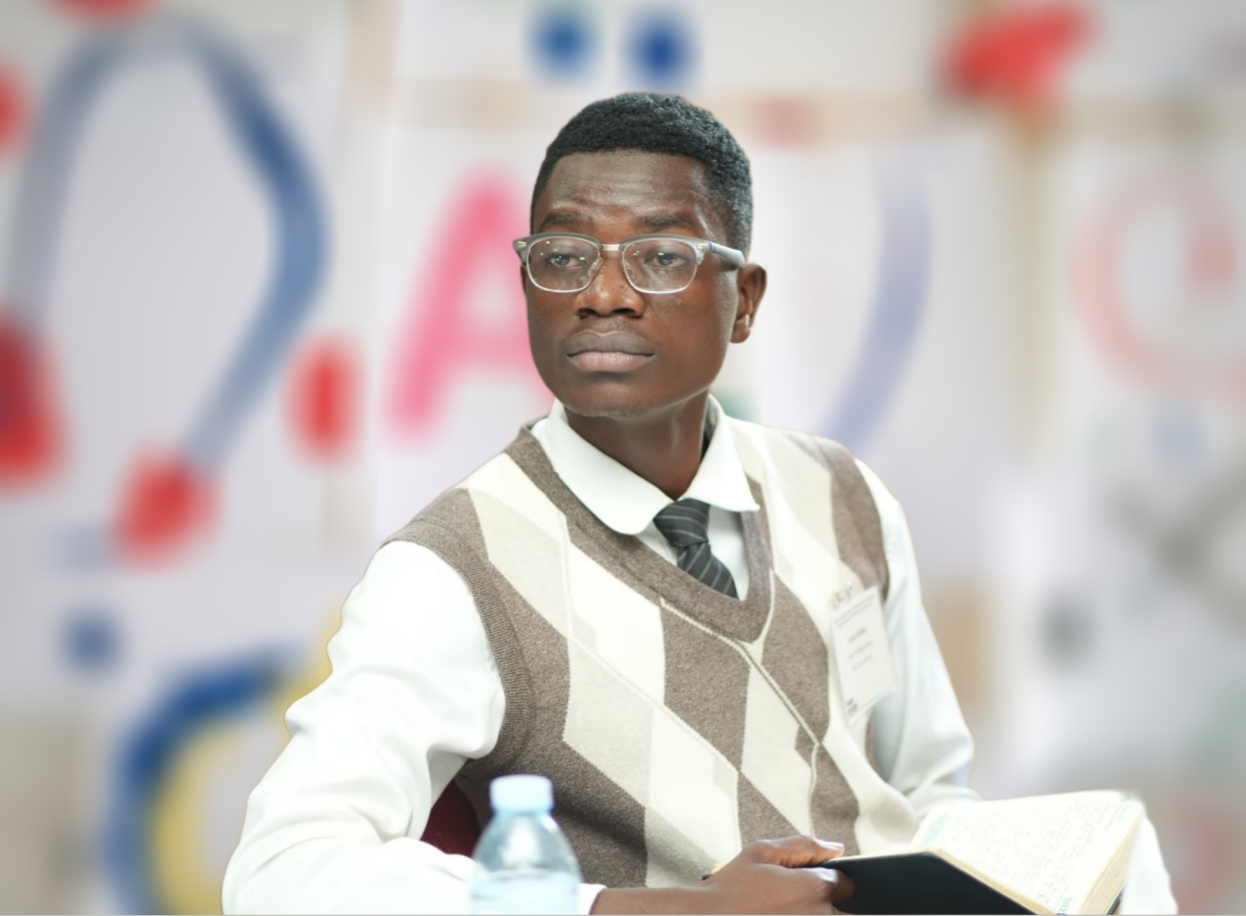
In this exclusive interview, we dive deep into the life of Levis Chidolo, a filmmaker and social entrepreneur who is reshaping the narrative of displacement in Uganda. From fleeing conflict in the DRC to founding a media movement, Levis shares how he is using the lens of a camera to restore dignity and empower a new generation of refugee creatives.
1. Who is Levis Chidolo beyond the lens of a camera?
Besides camera work, I would like to define myself as a storyteller, because I am a writer, a poet, a youth leader, and a social entrepreneur. I believe deeply in stories, as I believe they can transform lives. I am someone shaped by displacement as a Congolese refugee living in Uganda. I found my purpose in storytelling and have never stopped dreaming about seeing other young people in the community evolve and adapt to this skill.
2. When and where were you born (and tell us about your journey from DRC)?
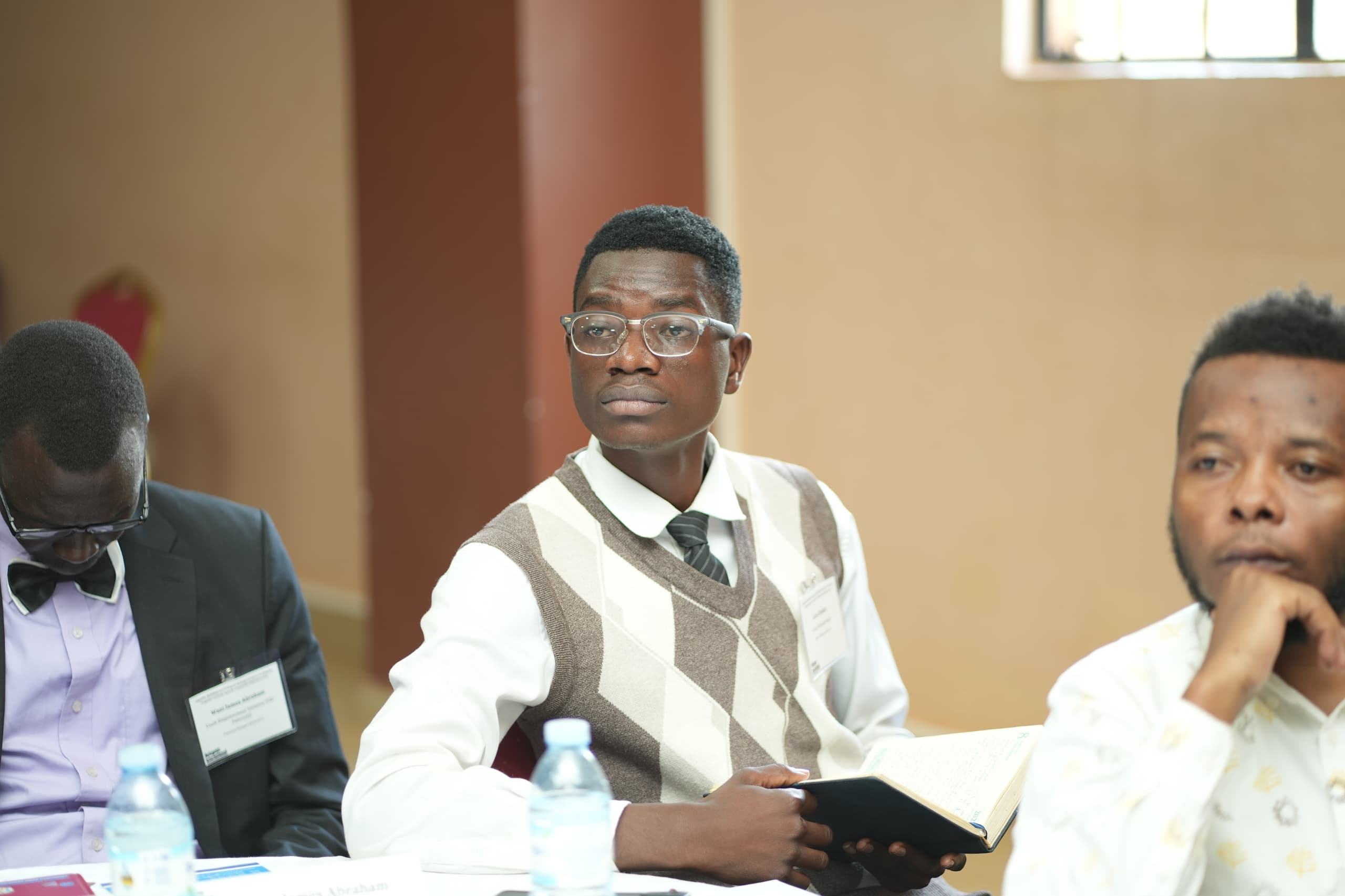
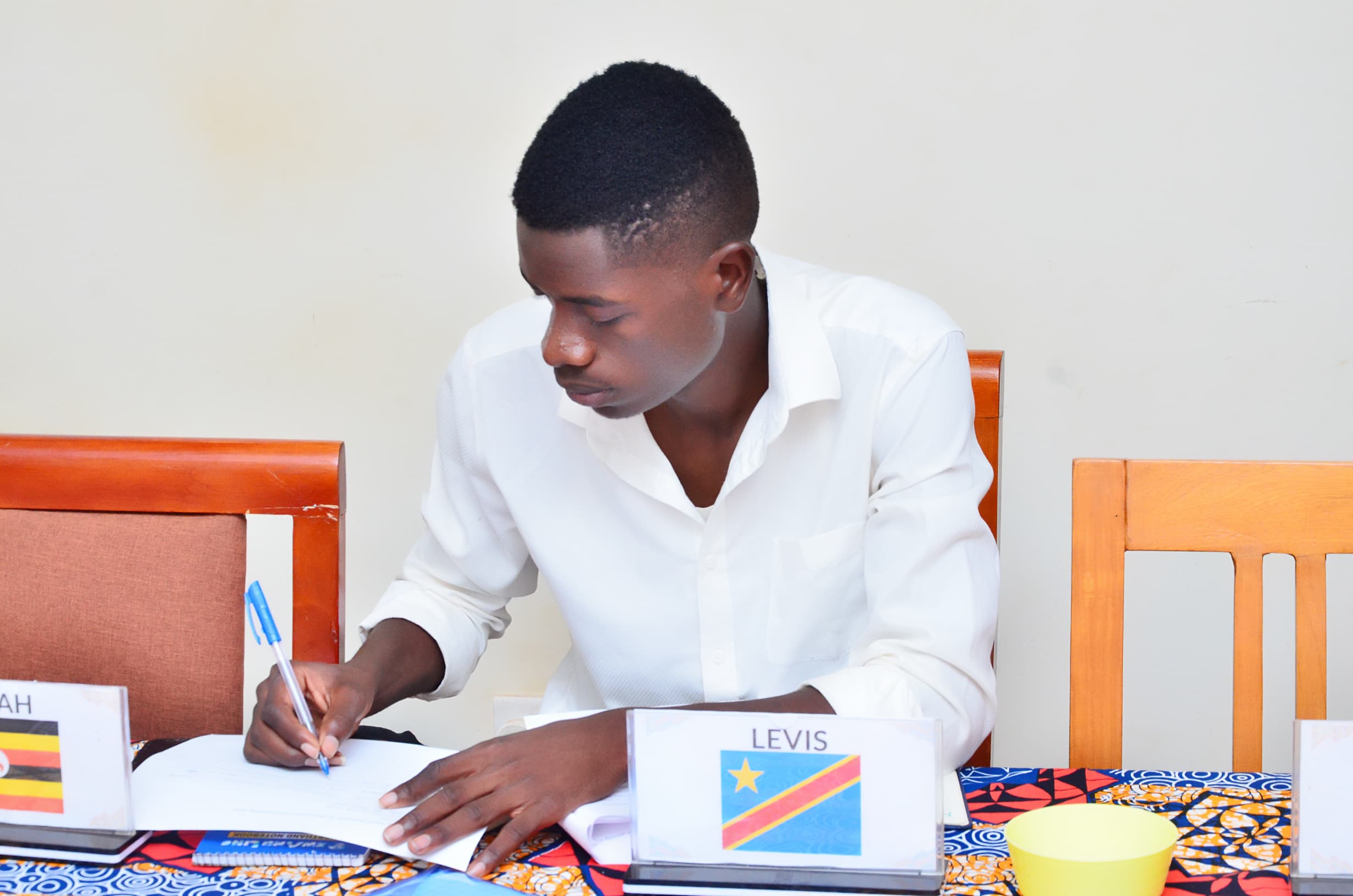
I was born in the Democratic Republic of Congo (DRC), a country rich in culture and ground wealth, but deeply affected by conflict. In 2011, my family and I fled the war and found refuge in Uganda. The journey of displacement shaped my identity; living as a refugee exposed me to experiences that formed my resilience—struggle and hope—stories that later became the foundation of my filmmaking.

3. What did you study, and how did you become a self-taught filmmaker?
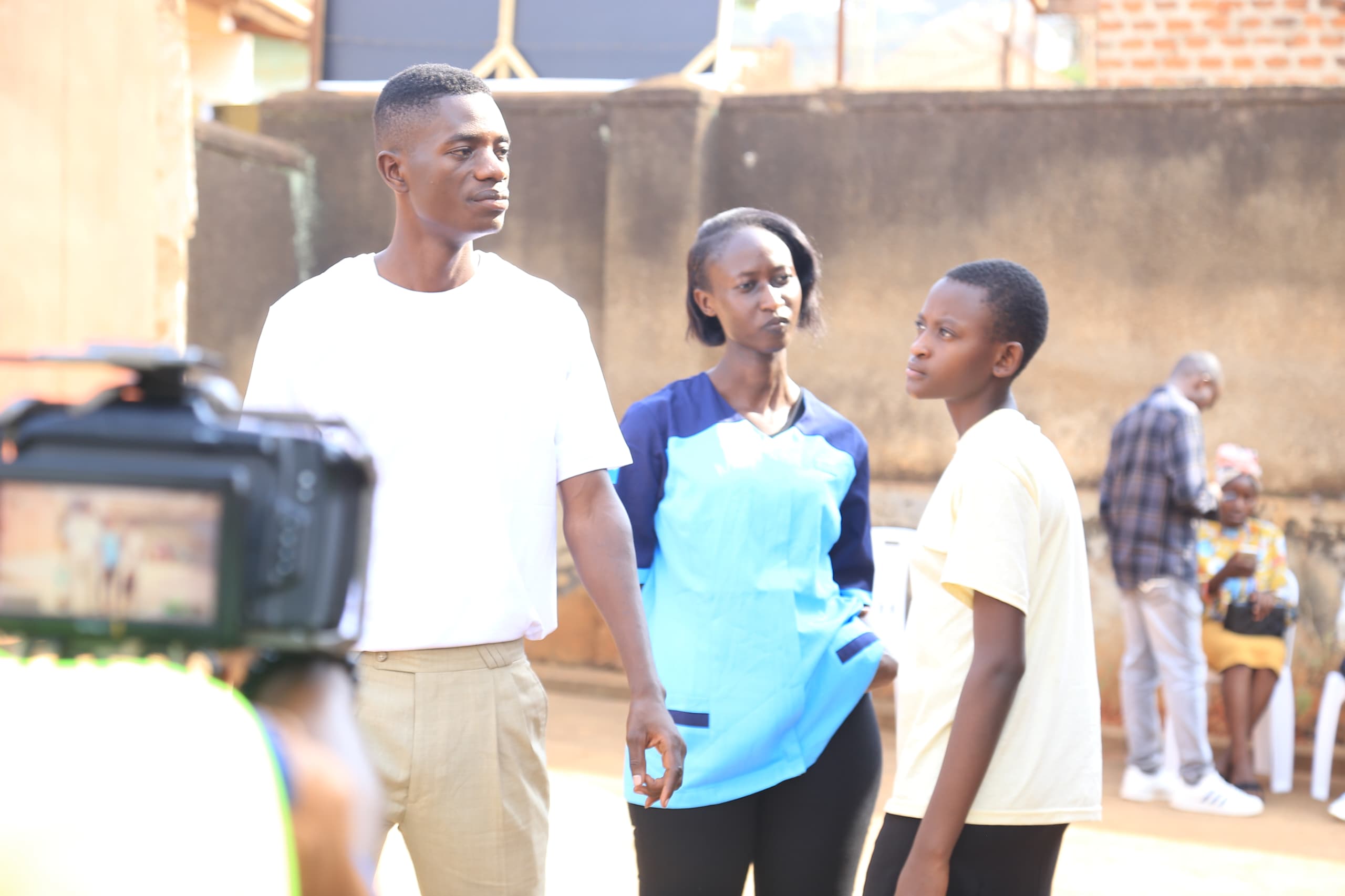
My journey in filmmaking did not begin in a classroom or any institution, but through curiosity and determination. I studied media informally, learning through online resources, community practices, and experimentation. I picked up a camera and started documenting the stories around me. I also started by writing these stories. I am a scriptwriter and have written the scripts for movies like Mpumba, The Refugee Dispatch, and The Outcomes, which are both movies depicting the lives of refugees. Over time, through trial, collaboration, and persistence, I developed these skills.
4. How did your siblings and family story influence your art?
Growing up in a refugee environment meant witnessing both hardships and strength within my own family and community. My siblings and parents showed me resilience in difficult times. These experiences helped me understand that every family carries powerful stories worth telling. Our journey together, facing trials and having each other by our side, is something I cannot dismiss.
5. What was the exact moment you realized refugees needed their own “Voice of Media”?
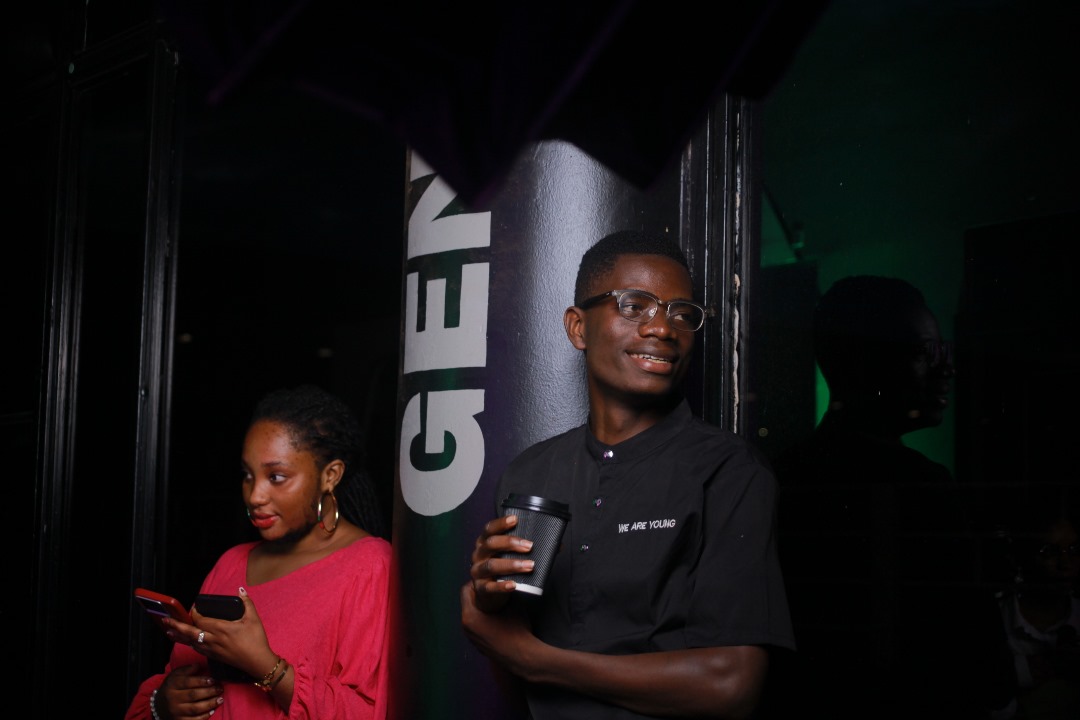
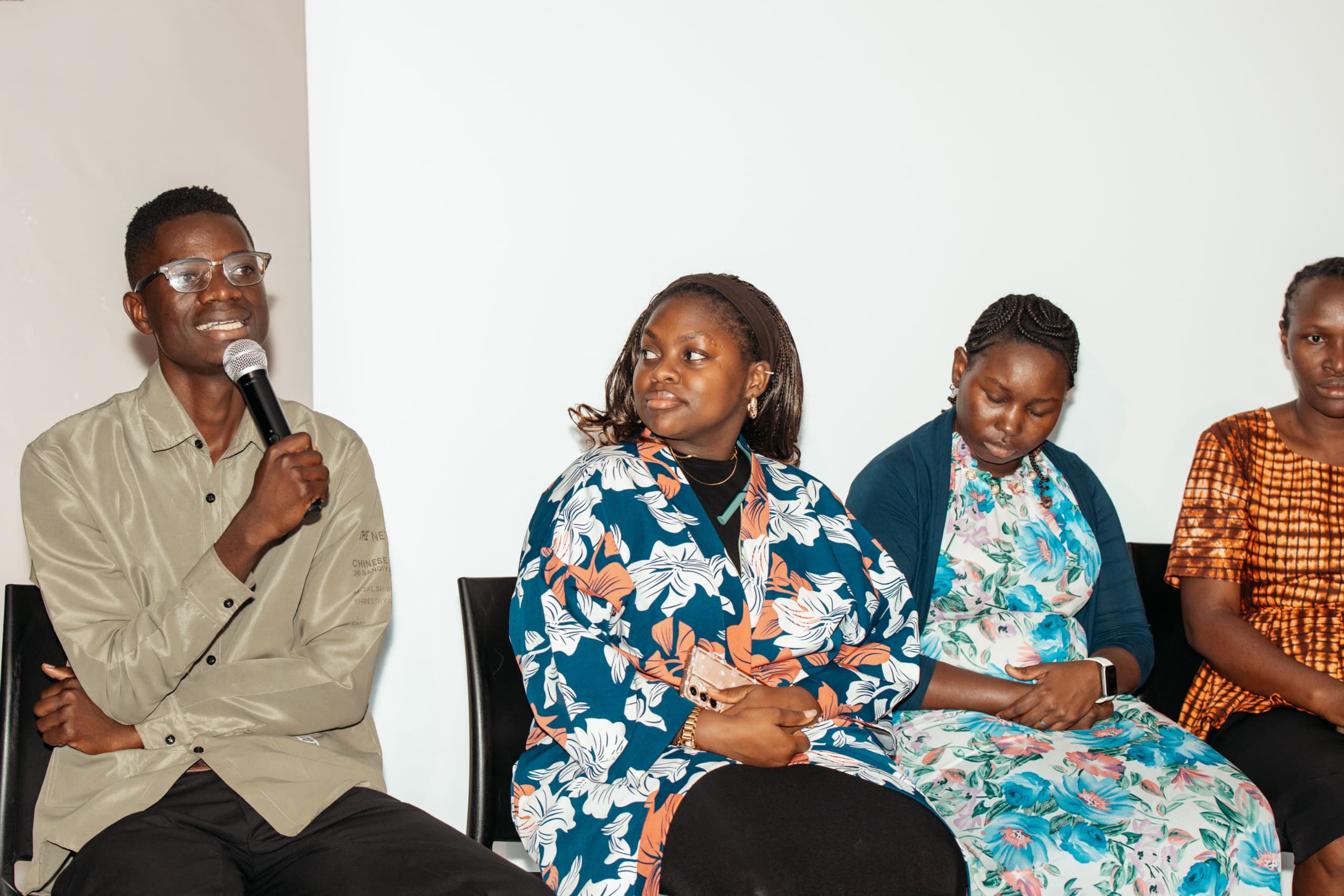
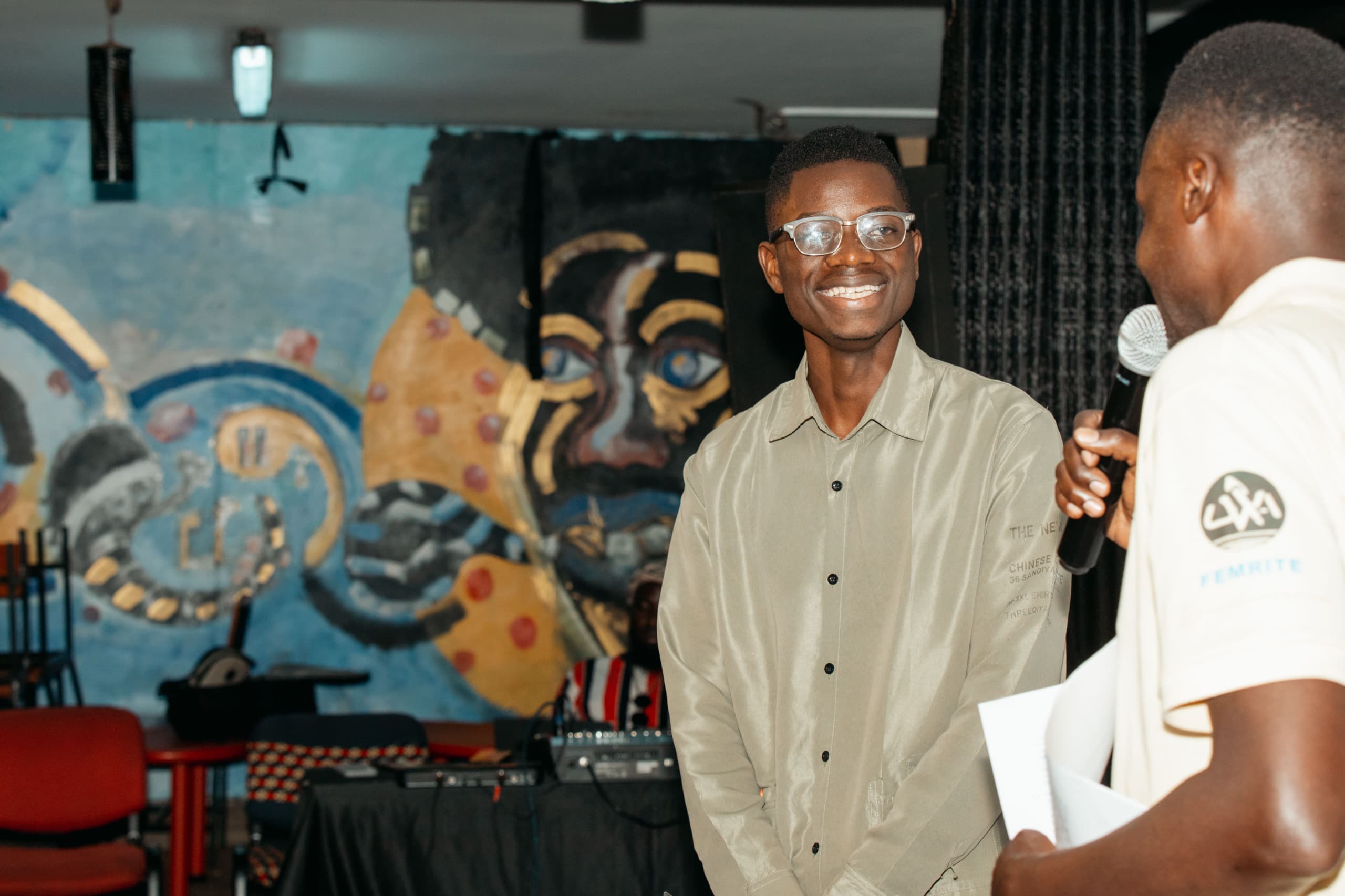
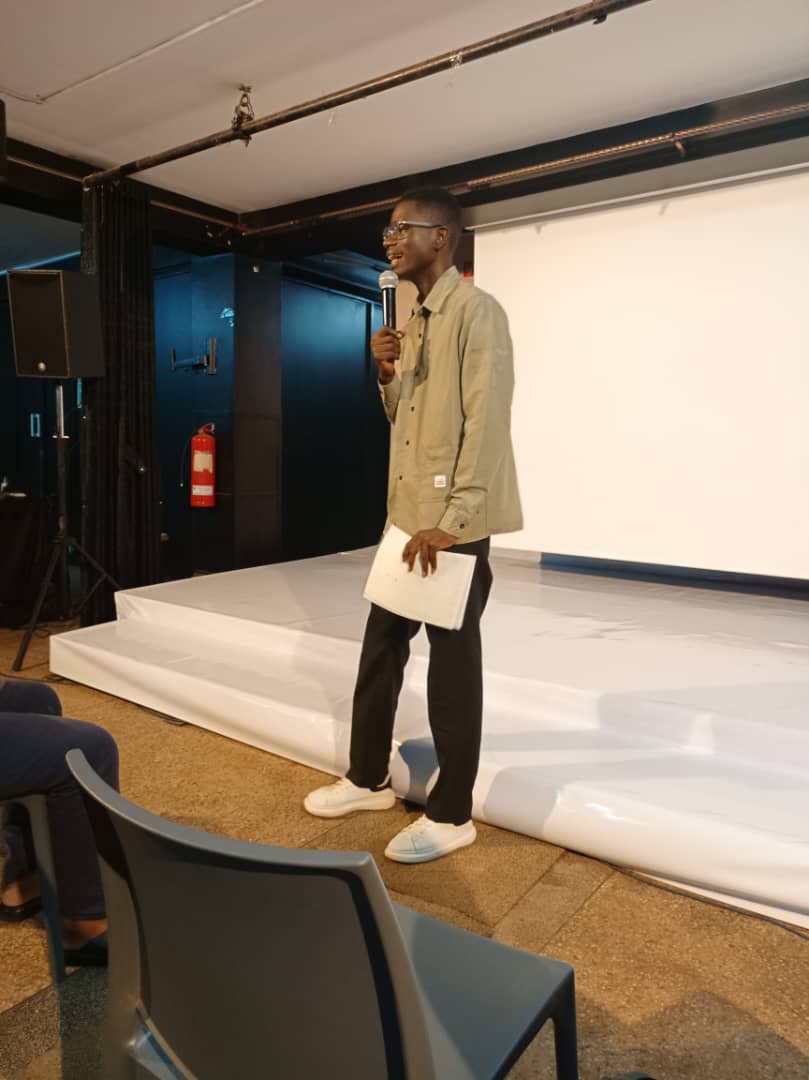
The moment came when I noticed that most refugee stories were being told by outsiders. There is a lack of representation for refugees in mainstream media and the creative filmmaking industry. After realizing this, I decided to be part of those who highlight the suffering, but also the ignored resilience and creativity of refugees. I realized refugees needed a platform where they could tell their own stories, express themselves, heal together, and be integrated into the host community.
6. When was VORM founded?
Voice of Refugee Media (VORM) was founded with the vision of empowering refugees through storytelling, digital innovation, and multimedia. It started as a grassroots creative movement. We were a group of young people who would borrow a phone from a certain guy in the community to shoot our small skits. From that passion, it has grown into something more real.
7. What is the core work of Voice of Refugee Media?
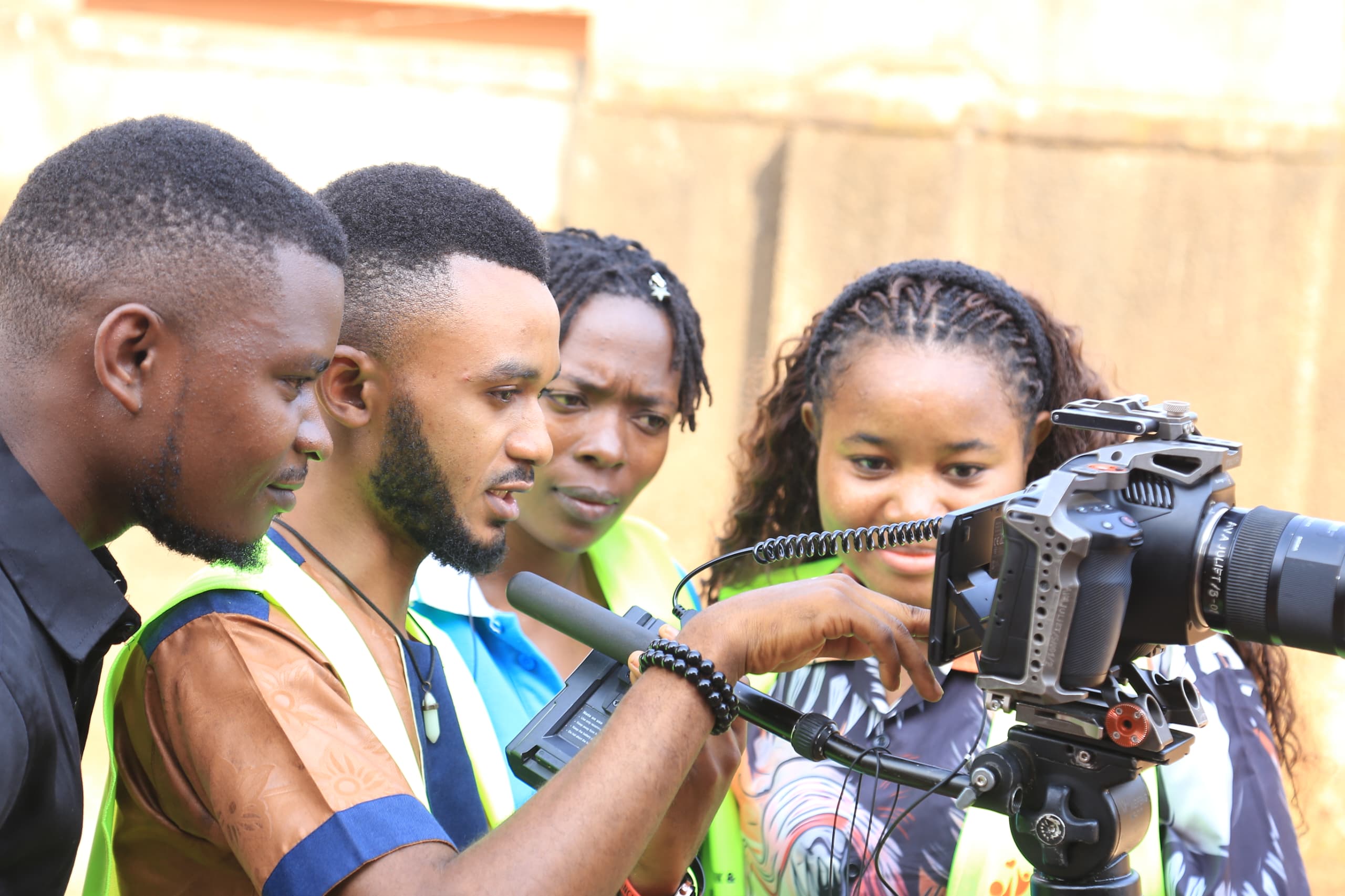
Our core work includes the production of films, documentaries, radio dramas, digital stories, and creative writing. We also conduct digital capacity training for refugee youth. Our goal is to empower them to become storytellers, creators, and changemakers in their communities.
8. Who are the creative storytellers on your team?
Our team includes passionate creatives like Joel Muganguzi, Jovia Nalubega, and Dr. Emma Immanuriho. Together, we work to amplify refugee voices and build a creative community.
9. How does filmmaking help in the healing and empowerment of refugees?
Storytelling allows refugees to express experiences that are often difficult to put into words. This skill allows youth to express themselves and heal from trauma, especially for those who have faced war and conflict in their countries. My work is not just about filming moments; it is about restoring dignity, amplifying unheard voices, and inspiring young refugees to see their potential.
10. What is your most significant achievement in the world of media?
My most significant achievement has been the creation of Voice of Refugee Media (VORM) itself. Seeing it grow from a small group of passionate youth into a platform that actually produces professional films and trains others is my proudest moment. Additionally, being able to screen our films, like Ntumba, the Refugee Despite Him, to audiences that finally see the refugee experience through our own eyes is a massive milestone.
11. What was the toughest moment you faced as a refugee entrepreneur?
The toughest moment was definitely the lack of resources and the “refugee” label. Starting out, we had no cameras, no laptops, and no funding. We were often dismissed because people didn’t believe refugees could lead a professional media organization. There were days when we couldn’t even afford data to upload our work or transport to reach filming locations.
12. How did you turn that struggle into a strength?
I turned that struggle into strength by embracing our reality. Instead of waiting for high-end equipment, we used what we had—borrowed phones and free editing software—to prove our talent first. The “refugee” label, which was once a barrier, became our unique selling point because it gave us an authentic perspective that no one else has.
13. Why is it important for refugees to tell their own stories rather than others telling them?
When others tell our stories, they often focus only on the misery or the “victim” narrative. It’s important for us to tell them because we can show the resilience, the joy, the innovation, and the complexity of our lives. It’s about ownership of narrative; it’s the difference between being a subject and being the author of your own life.
14. How has the Impact Forge helped you refine your business model?
The Impact Forge was a turning point. It helped me move from just having a “creative passion” to building a sustainable business structure. I learned about financial management, how to pitch to investors, and how to structure VORM so that it can generate income while still serving its social mission of empowering refugee youth.
15. What is the most powerful story you have ever captured on film?
The most powerful story is probably in our film Ntumba, The Refugee Despite Him. It captures the raw emotions of families trying to rebuild their lives from nothing. There is a specific scene where a young boy looks into the camera and speaks about his dreams for the future—that moment of pure hope amidst displacement is something I will never forget.
16. How do you use digital skills to empower the next generation?
We conduct workshops where we teach youth photography, video editing, and digital marketing. These aren’t just creative skills; they are employable skills. By giving them these tools, we are giving them a way to earn a living in the digital economy, regardless of their status as refugees.
17. What is your dream for the refugee creative community in Uganda?
My dream is to see a Refugee Creative Hub in Uganda—a physical space fully equipped with studios, editing suites, and theaters where refugees can create, collaborate, and showcase their work to the world without limits.
18. What is the next big production VORM is working on?
We are currently working on a new documentary series titled Beyond the Border. It focuses on the success stories of refugee entrepreneurs across different settlements in Uganda, showing that we are contributors to the economy, not just consumers.
19. What advice do you have for young creatives in refugee settlements?
Don’t wait for the “perfect” moment or the best camera. Start with the story you have in your head and the tools you have in your hand. Your perspective is your power. Consistency and curiosity will take you further than any expensive equipment ever will.
20. Where can people watch your films and support VORM?
You can find our work on our YouTube channel, Voice of Refugee Media, and follow us on our social media platforms. To support us, people can reach out for collaborations, donate equipment, or sponsor a training session for a young storyteller.