Table of Contents
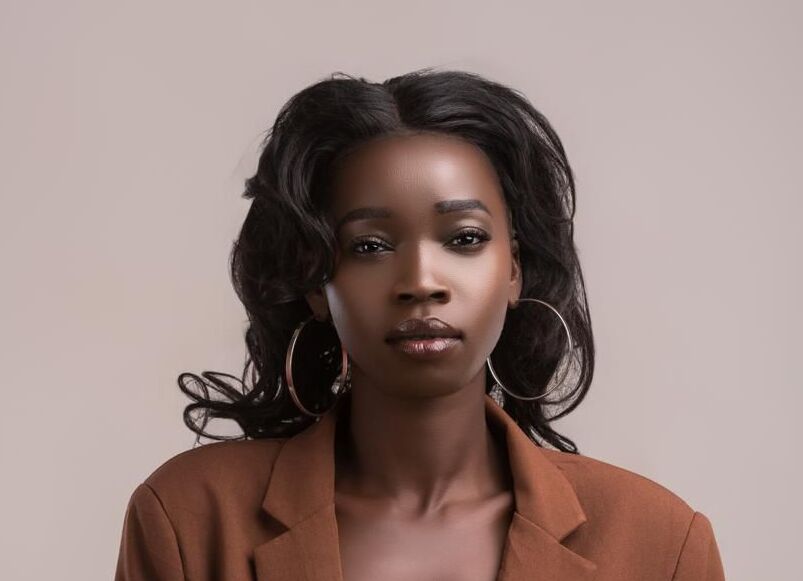
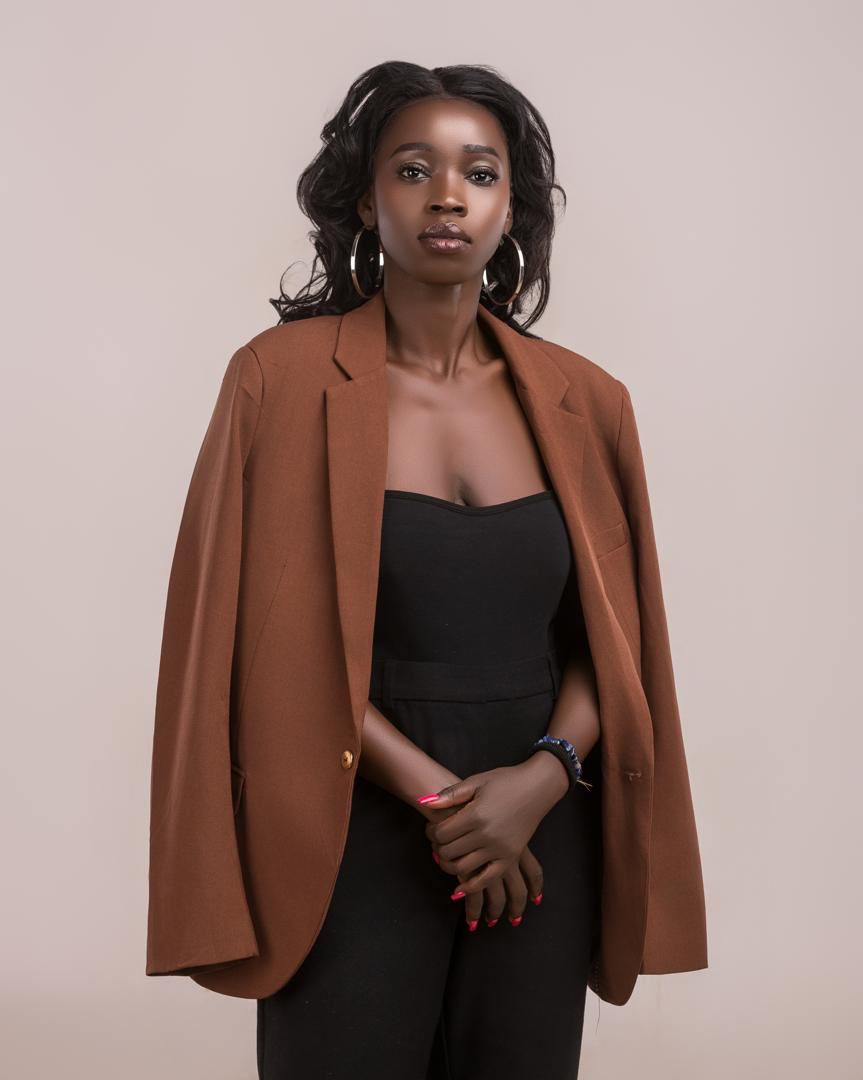
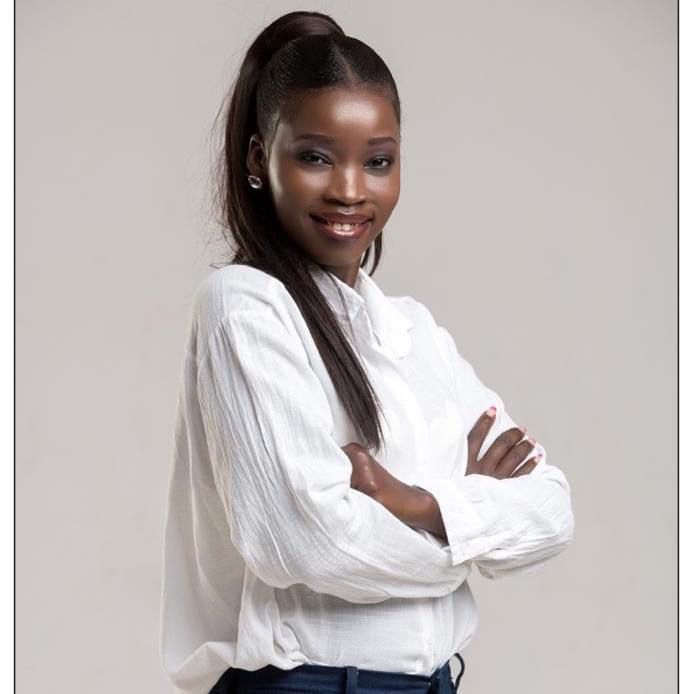
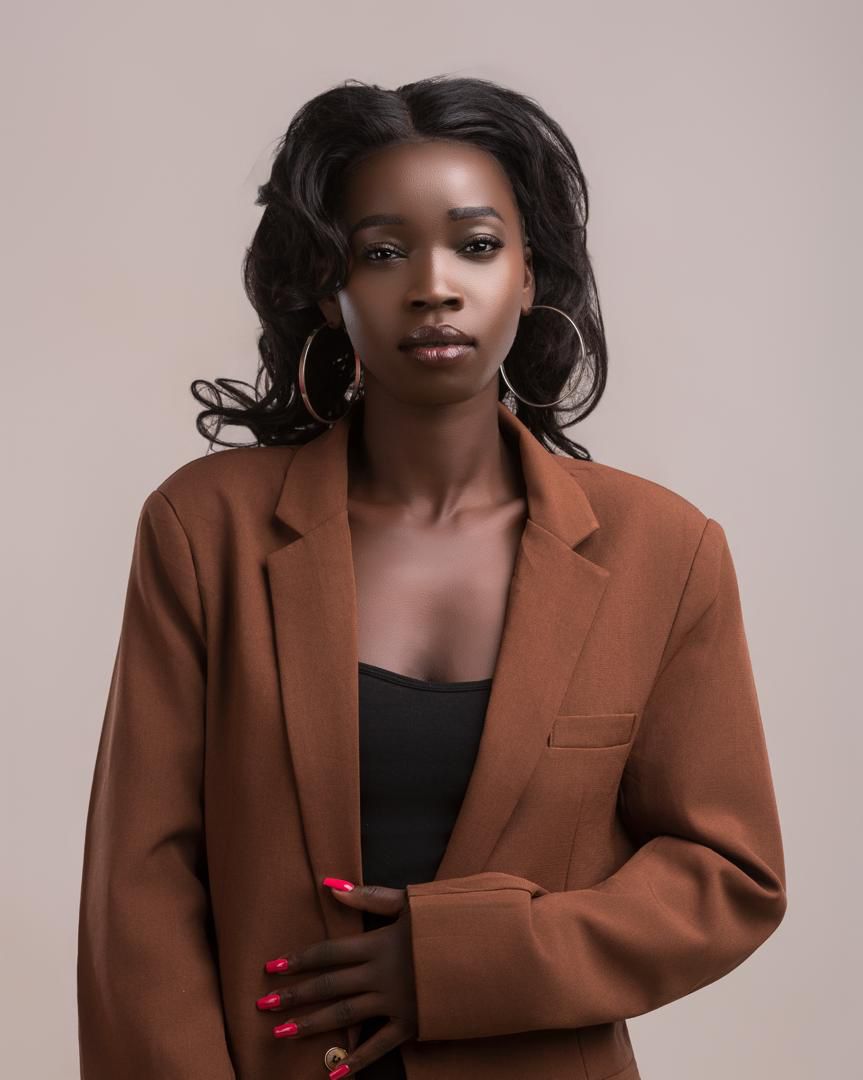
My name is Lucy Karabo Joyce, and this is the story of how a single negative comment in a small village in West Nile ignited a movement to empower thousands of young women across Uganda. I speak not just as a founder, but as someone who has lived through the challenges I now fight to solve.
Who is Lucy Karabo Joyce in three words?
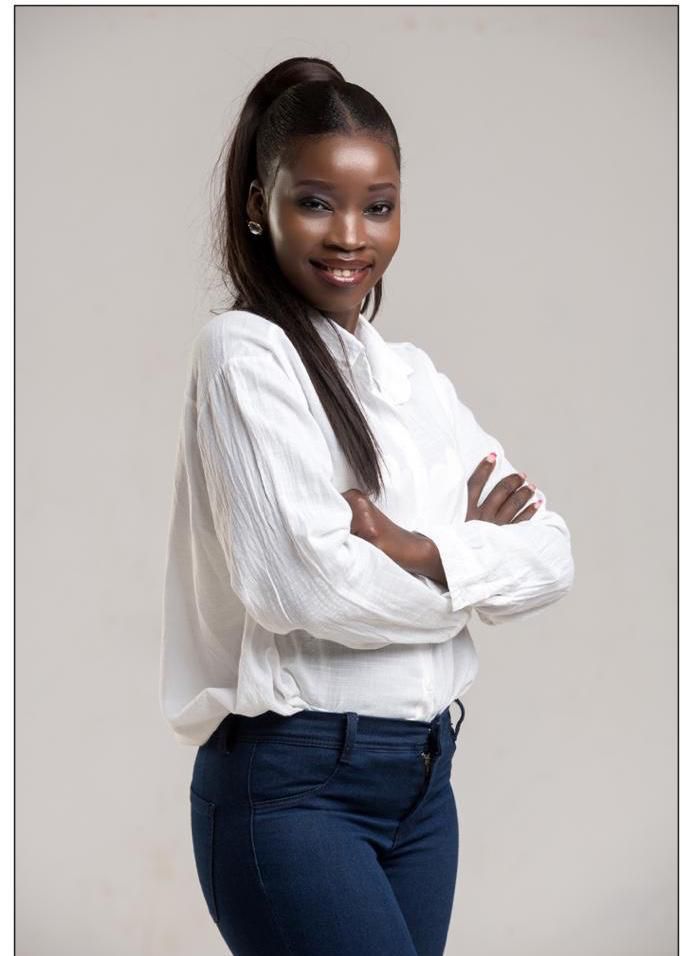
If I had to define myself in just three words, I am an entrepreneur, a mentor, and a human rights activist. Above all, I am the founder of the Girls Lifeline Organization (GLLO), an entity born out of a deep-seated desire to see the youth of my country take charge of their own destinies.
When and where were you born?
I was born and raised in the Koboko District of the West Nile Region. Growing up in this community shaped my perspective on the unique obstacles that girls face in rural Uganda, where traditional expectations often clash with individual potential.
What was your educational journey, and how did it influence your focus on public health and women’s rights?
I pursued a Bachelor’s degree in Public Administration and Management. My studies were not just about bureaucracy; they were a gateway into social work, diplomacy, and organizational management. This academic background provided the framework I needed to understand how social systems affect public health and why advocacy for women’s rights is a critical component of community development.
How did your family and siblings shape your passion for social advocacy?
The spark for GLLO came from a very personal place. In my community, I saw many girls dropping out of school because they were viewed as a source of income—a “bride price” to be collected once they reached a certain age. The defining moment for me was when a male relative told me directly that educating a girl child is a waste of time. That comment “blew my head off.” It didn’t discourage me; it made me realize that I had to ensure other girls would never have to hear those words or believe them.

What was the specific community need or personal experience that led to the founding of GLLO?
I realized that there was a massive gap in knowledge and empowerment. Girls were being pushed into early marriages and domestic roles because they didn’t know they had rights or other options. I wanted to create a platform that would give them the voice and the tools to stand on their own feet and contribute to nation-building.
When was the organization officially registered and launched?
We officially registered the Girls Lifeline Organization in November 2017. We then spent about a year preparing our groundwork before officially launching our field activities in October 2018.
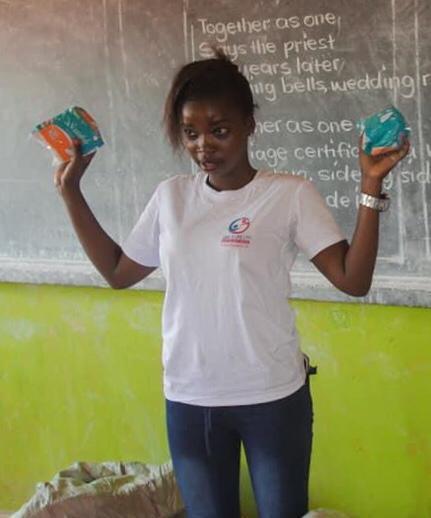
What is the core mission of Girls Lifeline Organization today?
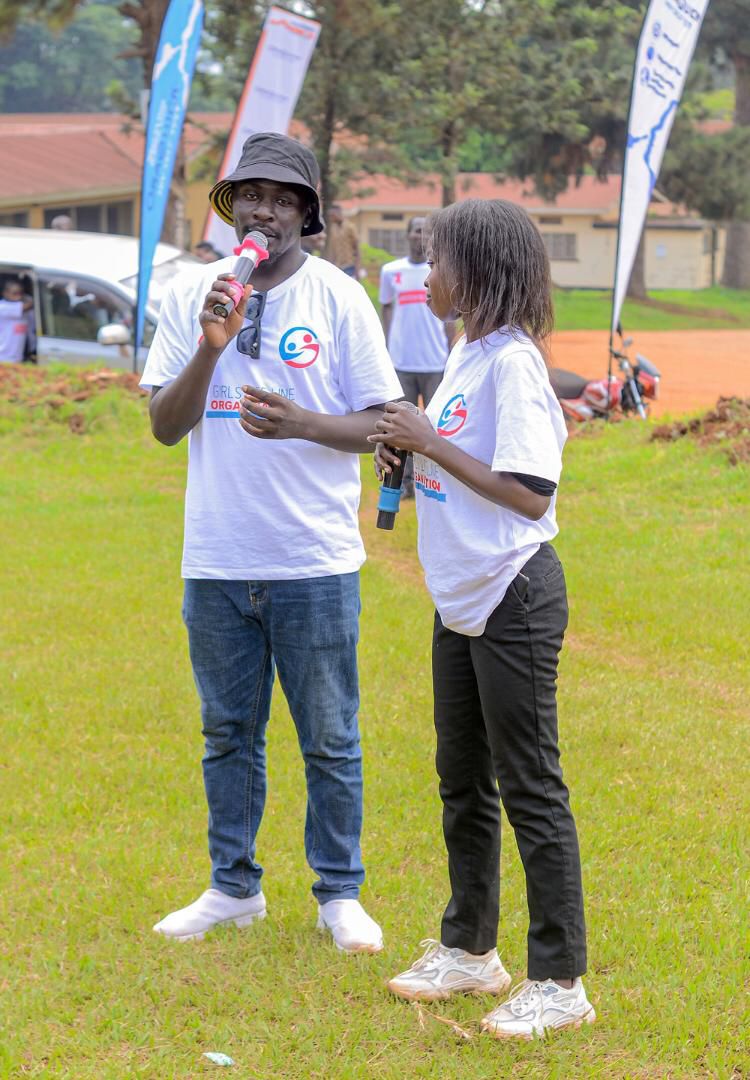
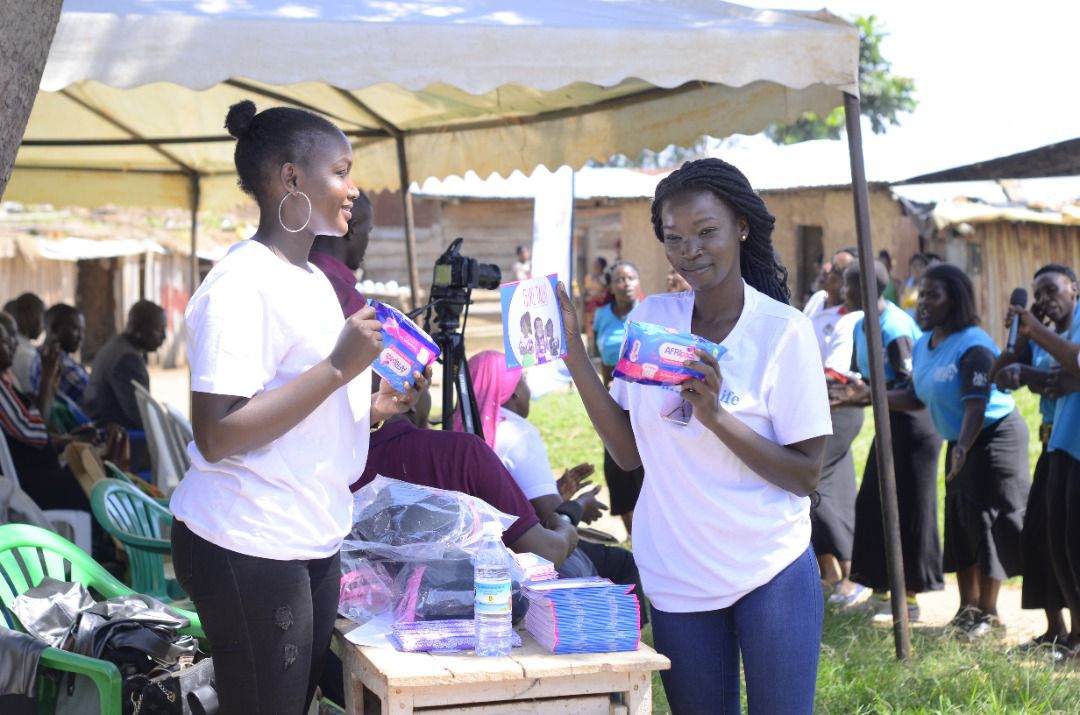
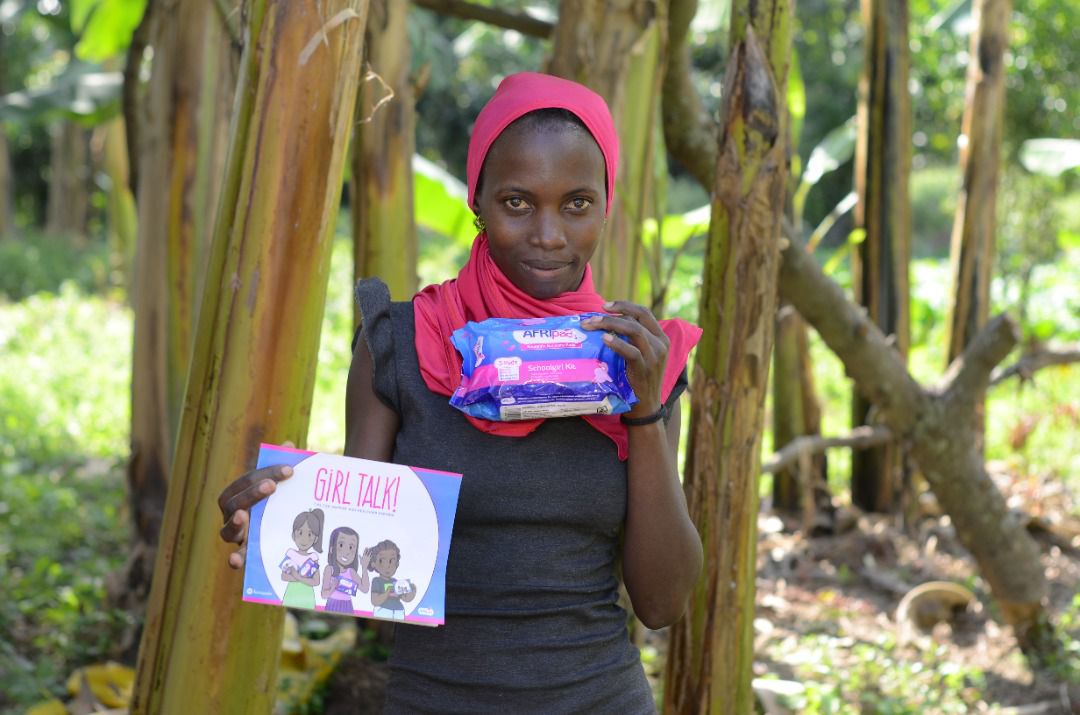
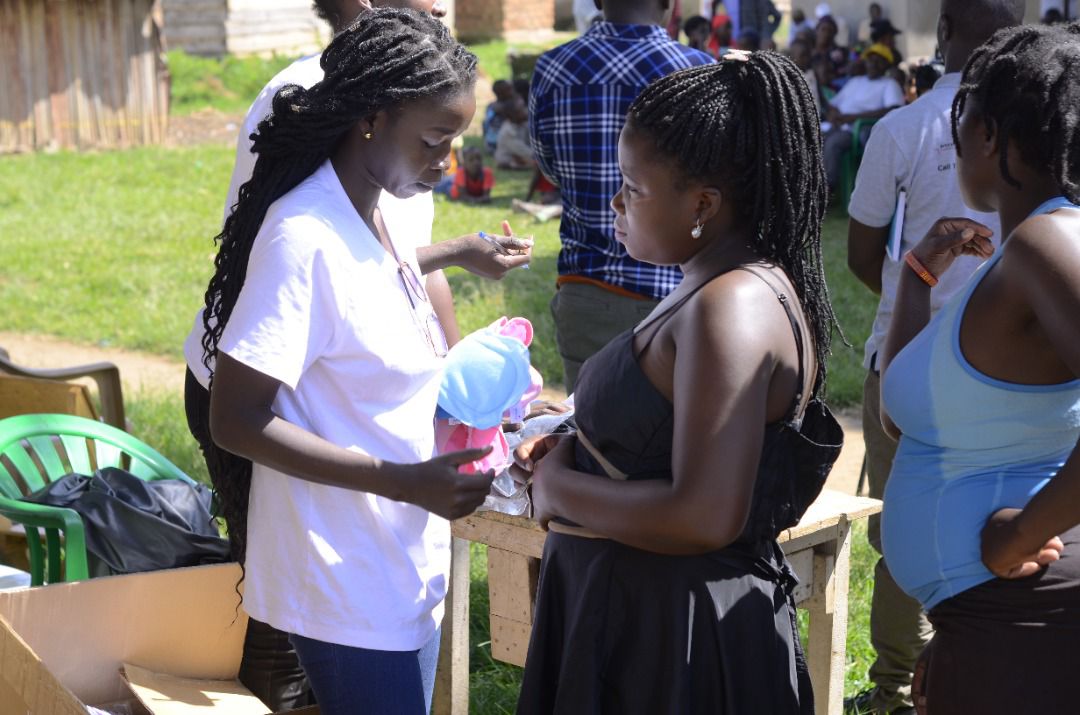
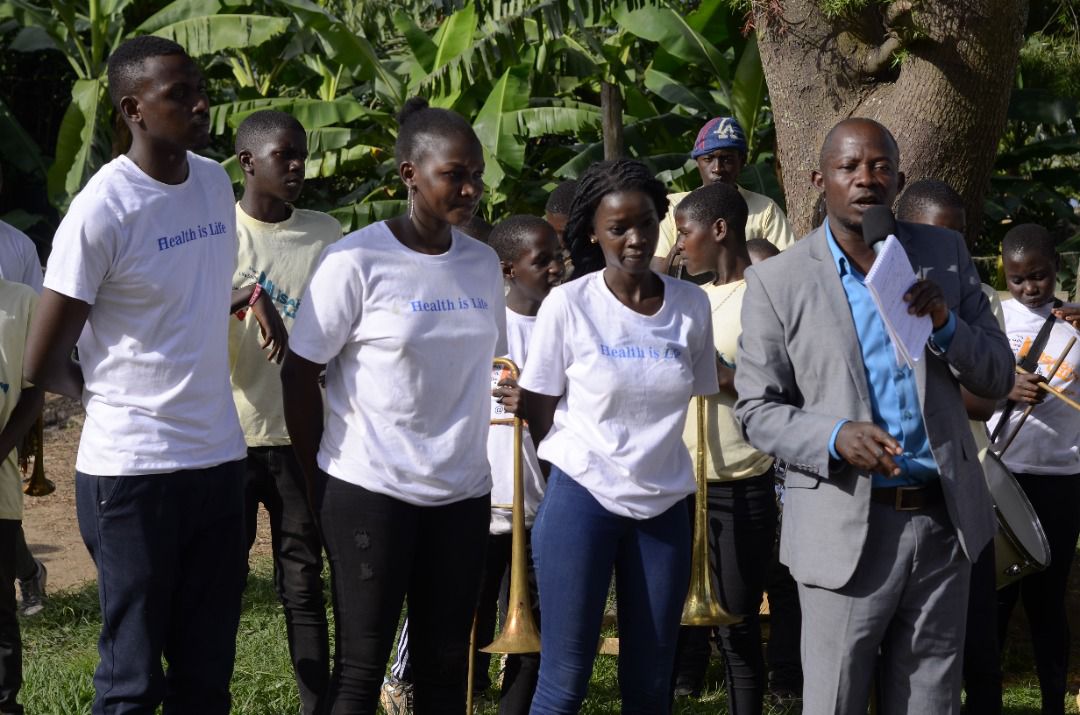
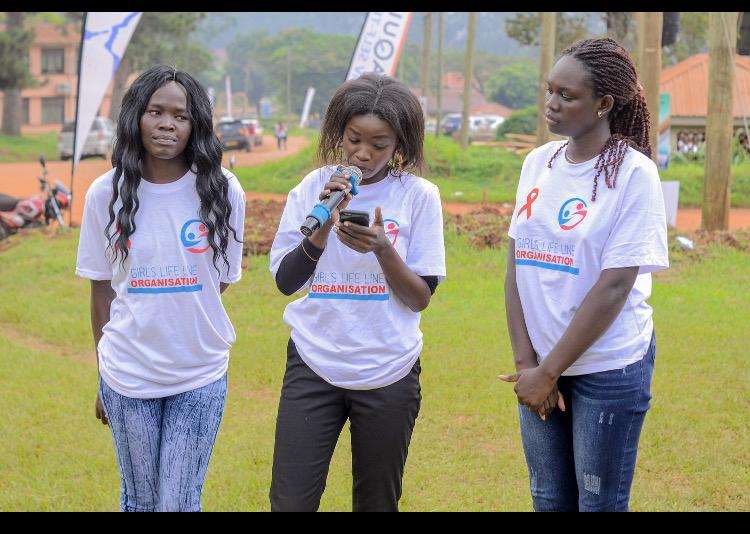
Our mission is simple but profound: to empower girls, young women, and youth with the knowledge and skills they need to live healthy, productive lives. We want them to take responsibility for their futures and play an active role in the development of our country.
Who are the key pillars on your team—like your Program Manager and Counselors—who help you execute your vision?
While we are a small entity, our team is composed of passionate experts. Counselor Liz is a professional counselor focusing on HIV/AIDS, Hepatitis B, and TB. Yagwe Paul is our medical expert specializing in Sexual Reproductive Health (SRH) and maternal health. Our Program Manager, Jasper, handles grant writing and resource mobilization, while Richard oversees policy, programming, and school outreach. We also have Gloria in finance and administration, Samuel as our photographer, and Ronald managing our digital presence.
GLLO is known for its medical camps in unique locations like the Old Taxi Park; why is reaching people in these busy hubs so vital?
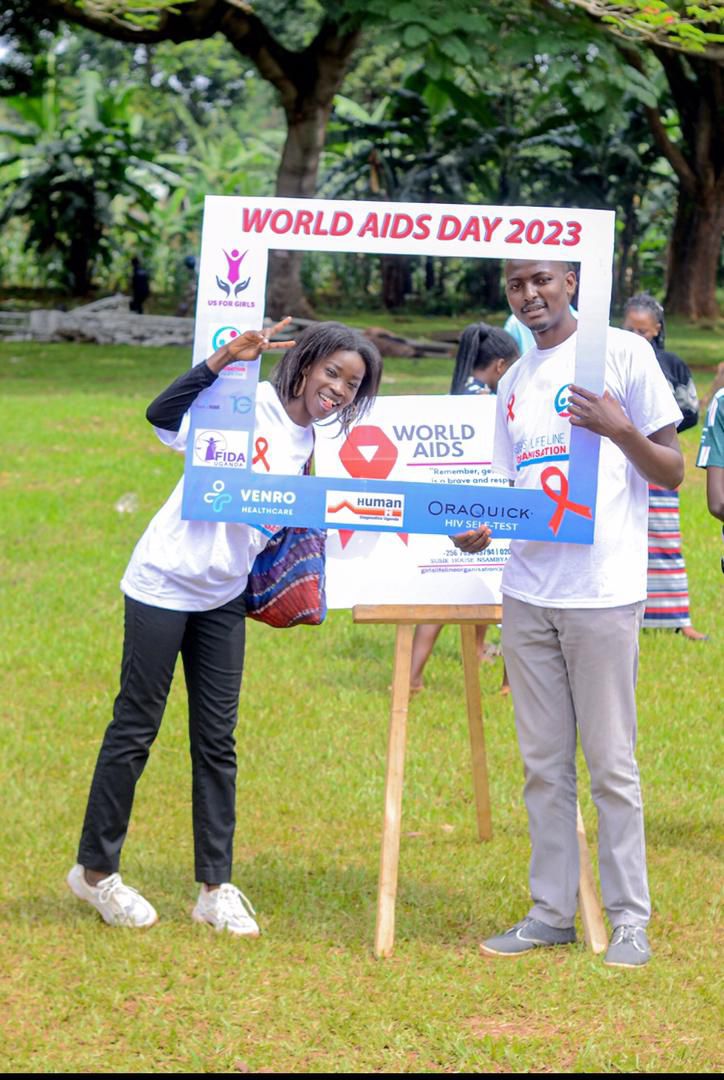
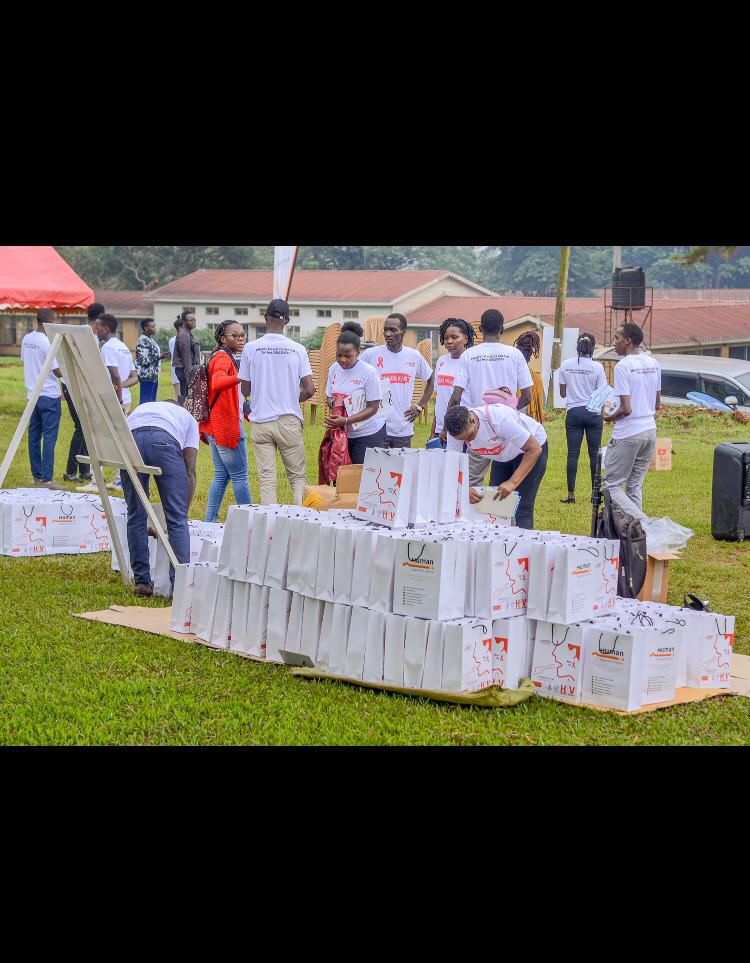
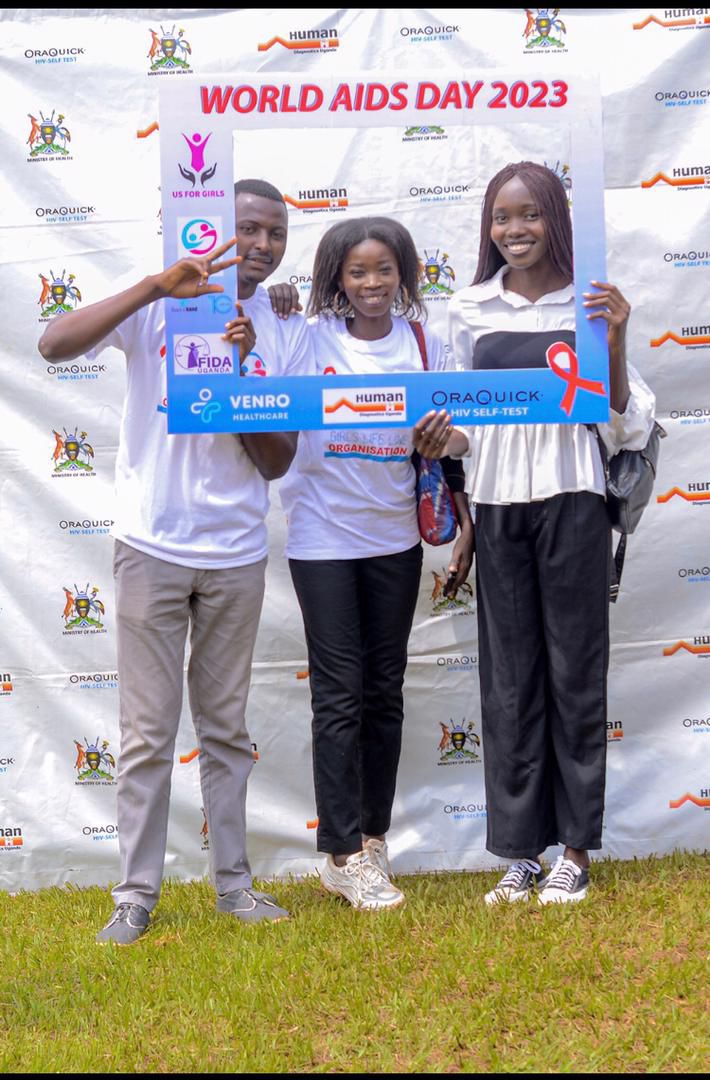
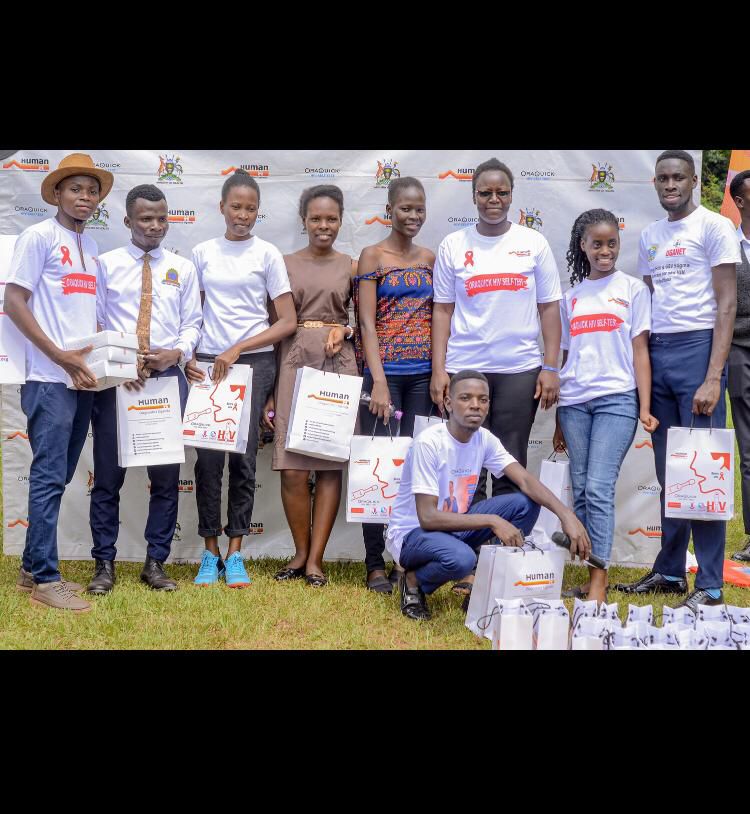
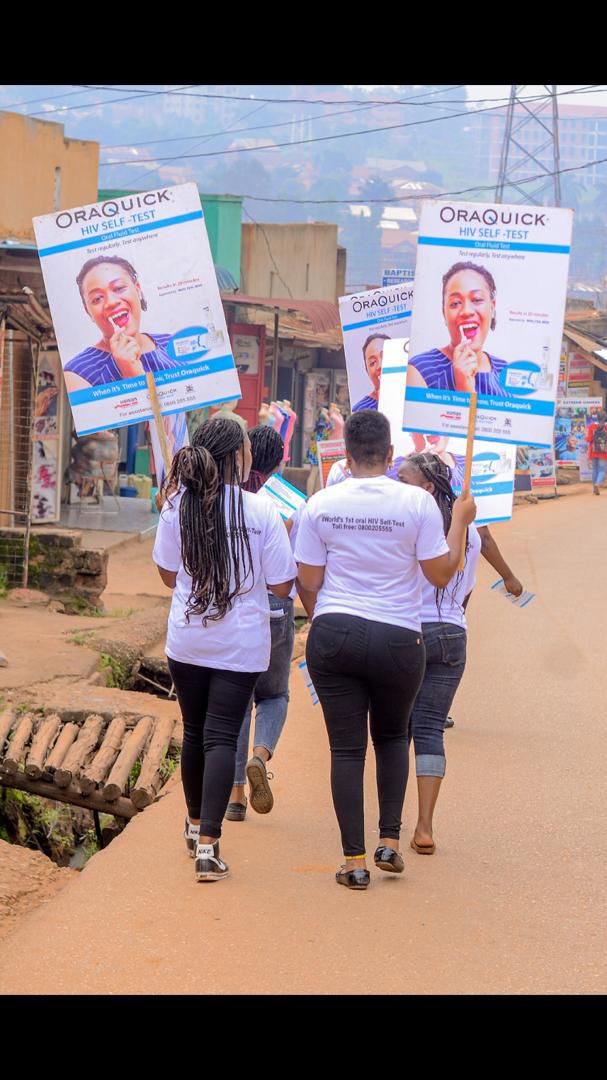
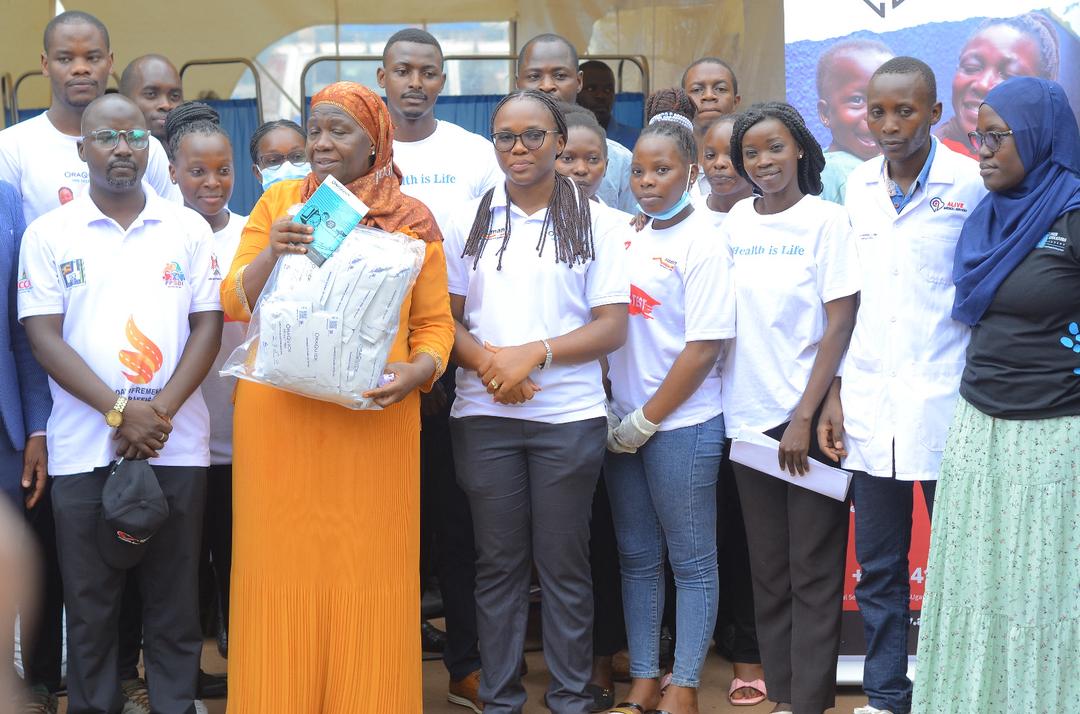
We go where the people are. Drivers, conductors, and vendors in places like the Old Taxi Park or Usafi Park are at the heart of the city’s economy, but they are often too busy to visit a traditional clinic. By bringing HIV testing, family planning, and Hepatitis B screening directly to these crowded hubs, we reach populations that others might abandon. We’ve found that Hepatitis B, in particular, is a silent threat in these high-density areas that requires urgent advocacy.
How does your organization address the specific needs of girls in refugee settlements, such as those in Yumbe?
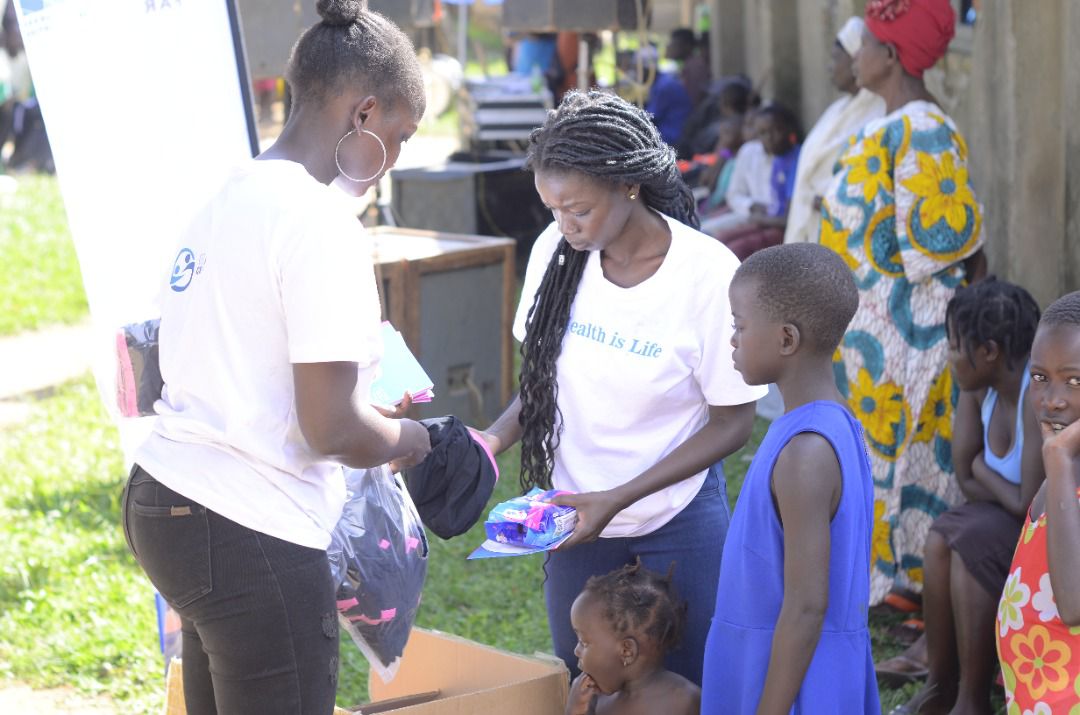
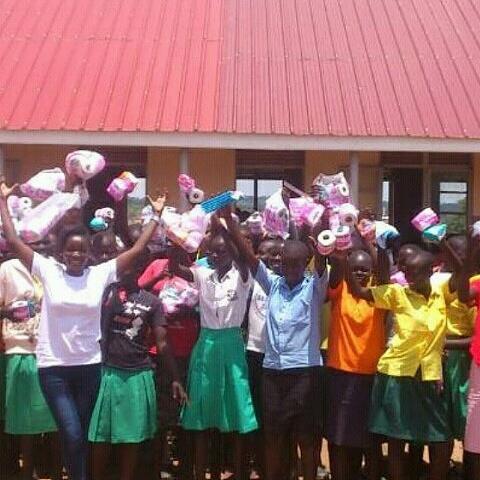
Since 2018, we have maintained a presence in the Bidibidi Refugee Settlement. In Zone 1, we focused on menstrual hygiene at Yigigi Primary School, providing sanitary pads to keep girls in class. By 2020, we moved to Zone 2 at Highland Secondary School, providing career guidance and leadership training to candidate classes. We believe that being a refugee should not mean losing your voice or your future.
What is the most significant milestone GLLO has achieved in the fight against HIV/AIDS and teenage pregnancy?
In our first five years, we have reached over 5,000 young women across Kampala, Masindi, Yumbe, Busia, and the islands of Kalangala. In Busia, we successfully worked with HIV-positive girls to reduce school dropouts by fighting the stigma and mockery they faced from peers. In Masindi, we expanded our reach to girls with disabilities, providing white canes, hearing aids, and wheelchairs to ensure they could access education.
Tell us about the toughest moment you’ve faced as a founder in the NGO space.
The beginning was incredibly hard. I started GLLO while I was still a third-year university student with no experience in leadership or resource mobilization. People often assume “NGO” means you have a lot of money; once, I was nearly arrested because community members believed I was withholding funds that simply didn’t exist. Most painfully, I have faced constant sexual harassment. There are men who only offer “help” in exchange for sexual favors, and I have even survived an attempted rape. Some men feel threatened, telling me that by empowering girls, I am making them “too big-headed” to be manipulated.
What lesson did that specific challenge teach you about the sustainability of social programs?
It taught me that I had to be more than just an activist; I had to be a business coach and a personal initiative trainer. I learned the importance of formal contracts and Memorandums of Understanding (MoUs) to protect the organization from misunderstandings and extortion.
Why is combining Sexual Reproductive Health (SRHR) with Vocational Skilling a priority for your model?
Health is the foundation of everything—health is wealth. You cannot build a nation if you are sick. For those living with HIV, medication is not enough; you need nutrition and food, which require an income. By teaching vocational skills like fashion design or modeling, we give young women the economic power to support their own health needs.
How has being part of the Impact Forge refined your approach to measuring your foundation’s impact?
It has forced us to look at the data and the real stories behind the numbers. We’ve learned that sustainability isn’t just about the next grant; it’s about the internal reorganization and constant growth of the team.
What is the biggest misconception people have about the health challenges facing young women in Uganda today?
Many believe that having money guarantees good care, but that isn’t always true. I once visited a top private clinic and received poor service for a women’s health issue, which made me wonder: if I could pay and still be treated poorly, what is happening to the girl in a rural village? There is a massive lack of information. Many teenage mothers don’t even know they need antenatal care, leading to preventable deaths and children being born with conditions like sickle cell anemia because no screenings were done.
How do you manage the responsibility of being a “lifeline” for so many young people while focusing on your own growth?
For five years, I had no personal life. Every coin I made for myself went back into the organization. It was mentally draining, and I had to sacrifice many social connections and hobbies. Being a single woman has allowed me the time to balance this heavy responsibility, but it has required immense personal sacrifice to keep this dream alive.
Where do you see the Girls Lifeline Organization in the next five years?
I want GLLO to expand across East Africa. My vision is to see us empower millions of young women across the region, focusing on leadership and the core belief that health is the foundation of all development.
What advice do you have for young women who want to start an organization but feel they lack the resources?
Do not start without training. Join leadership and mentorship programs first. You must master “self-leadership” before you try to lead others. Ensure you have a supportive background and that your mental health is strong enough for this journey. Money is not the primary problem—it’s your mindset and your understanding of the management and the industry. If you can manage a small project effectively, the resources will follow.
Where can people go to support your medical camps or follow GLLO’s upcoming projects?
You can find us on our website at girlslifeline.org. We are very active on Facebook (Girls Lifeline Organization), Instagram (@girlslifeline03), and TikTok. We post all our upcoming camps and projects there, especially those held in universities and high schools.