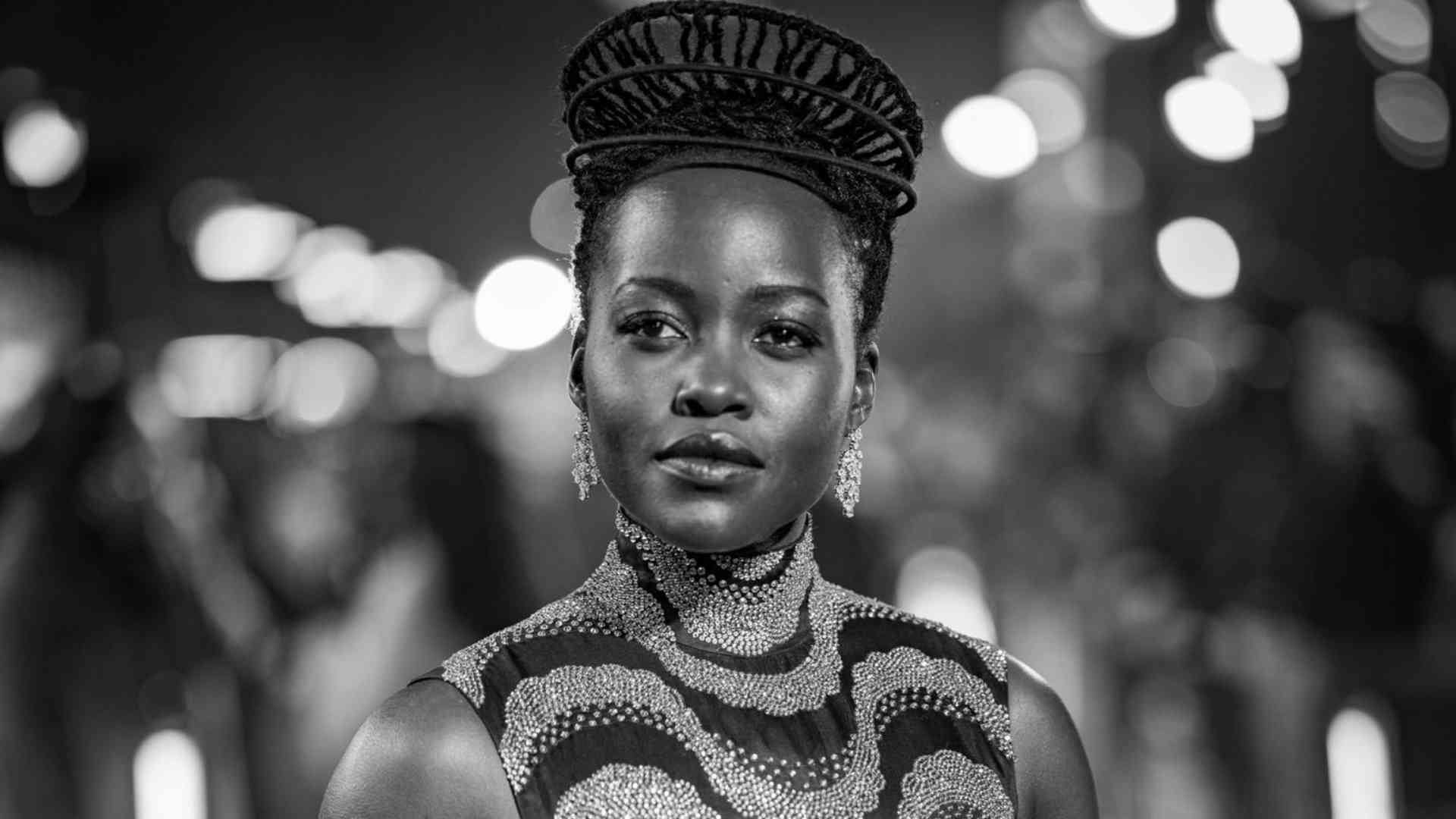
In a special episode of Inside Africa, celebrated artist Lupita Nyong’o opened up about her career. She reflected on identity and the power of telling her own stories. Her words revealed a shocking truth about Hollywood. Even after achieving its highest honor, the fight for authentic representation continues.
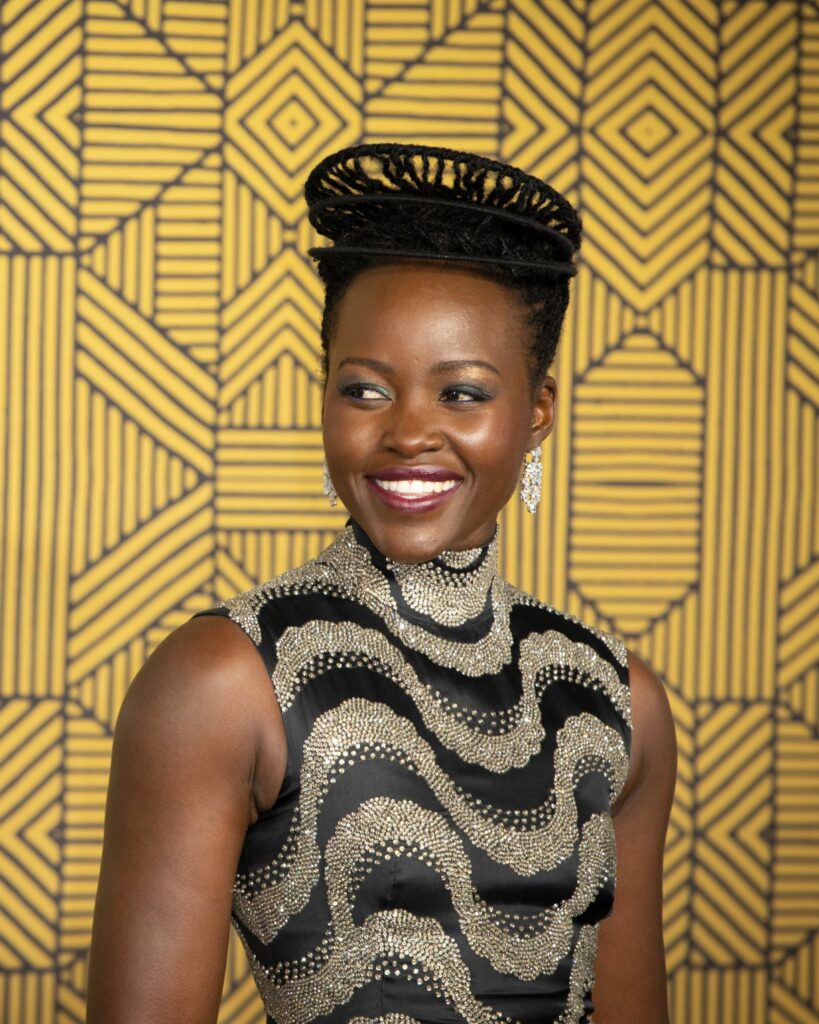
This is the story of an actress choosing integrity over easy fame. It is a lesson in the power of saying no.
The Oscar Win and the Immediate Backlash
In 2014, Lupita Nyong’o won the Academy Award for Best Supporting Actress for her stunning performance in 12 Years a Slave. Many believed it was the start of a major leading-lady career. However, the reality was very different. Instead of a variety of complex roles, the offers she received were narrow and disappointing.
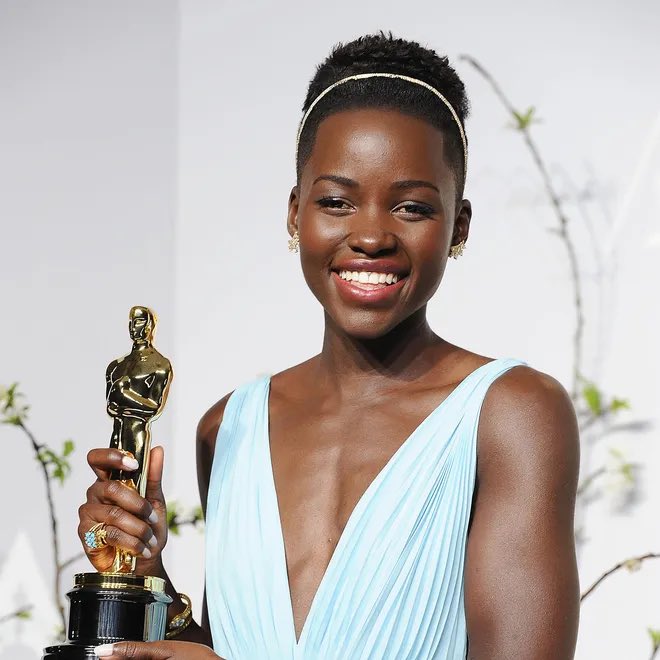
She shared the type of roles she was offered. She said, “After I won the Academy Award, you’d think, ‘I’m gonna get lead roles here and there.’ [They’re like], ‘Oh, Lupita, we’d like you to play another movie where you’re a slave but this time you’re on a slave ship.’” These were the parts offered to a newly-crowned Oscar winner. Furthermore, public commentary began to question her future. Think pieces wondered if her career was already over. This created a difficult environment of doubt and pressure.
Lupita Nyong’o on Choosing Integrity Over Stereotype
Faced with these limited options, Lupita made a conscious and brave choice. She decided to reject roles that perpetuated harmful stereotypes about Africans. This was not an easy decision. Turning down work in a competitive industry is always a risk. However, she stood firm in her principles.

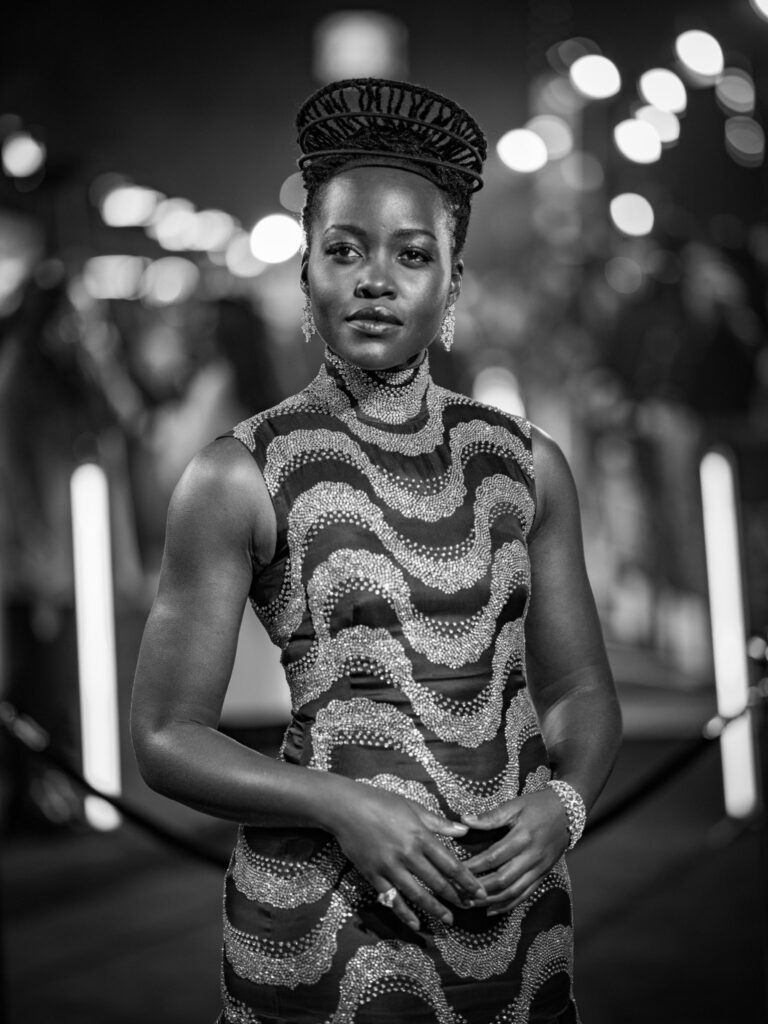
She explained her reasoning powerfully. She stated, “I had to deafen myself to all these pontificators because, at the end of the day, I’m not a theory— I’m an actual person.” Her goal was clear. She wanted to be a “joyful warrior” changing what it means to be African on screen. She was willing to work less to ensure her roles were meaningful and progressive. This commitment to her craft and her identity defines her career path.
Internet Reactions: Praise and Solidarity
The internet responded with an outpouring of support and respect for Lupita Nyong’o’s stance. Many people praised her strength and integrity. They recognized the difficult position she was in.
One comment highlighted her dignity. It read, “I’m very proud of Lupita for standing up for Africans and maintaining her dignity in a racist industry.” The user also noted her previous statements about refusing sexual advances from powerful Hollywood figures. Her career proves that success is possible without compromising one’s values.
Another reaction focused on her strength. This person wrote, “Hearing this from someone as accomplished as Lupita really shows how deep the industry biases still run.” They expressed massive respect for how she protects both her craft and her cultural identity. This sentiment was shared by many who see her as a role model.
A Larger Problem in Hollywood
Lupita Nyong’o’s experience is not an isolated incident. It points to a systemic issue within the entertainment industry. There is often a very narrow view of what stories about Black people and Africans are worth telling. The demand for stereotypical narratives remains frustratingly high.
Some online comments even connected her story to wider industry shifts. One user pointed out, “Notice how so many of these leading ladies and leading men were on the rise in Hollywood… until Weinstein went away.” This suggests that the machinery behind creating stars is complex and sometimes corrupt. It implies that true talent can be sidelined by systems resistant to change.
The Path Forward: Creating New Systems
So, what is the solution? How can artists ensure their stories are told authentically? Many believe the answer lies outside the traditional Hollywood studio system. Creatives are being encouraged to take control of their own narratives.
One online reaction proposed a clear path. It said, “I really think all the creatives in Hollywood need to start working outside the existing system and produce their own films.” The user suggested creating a new cooperative model, like a modern United Artists. This is especially urgent as studios explore replacing human actors with AI. Building new platforms ensures that diverse and truthful stories continue to be told.