
Table of Contents
When did Aga Khan V visit Uganda?
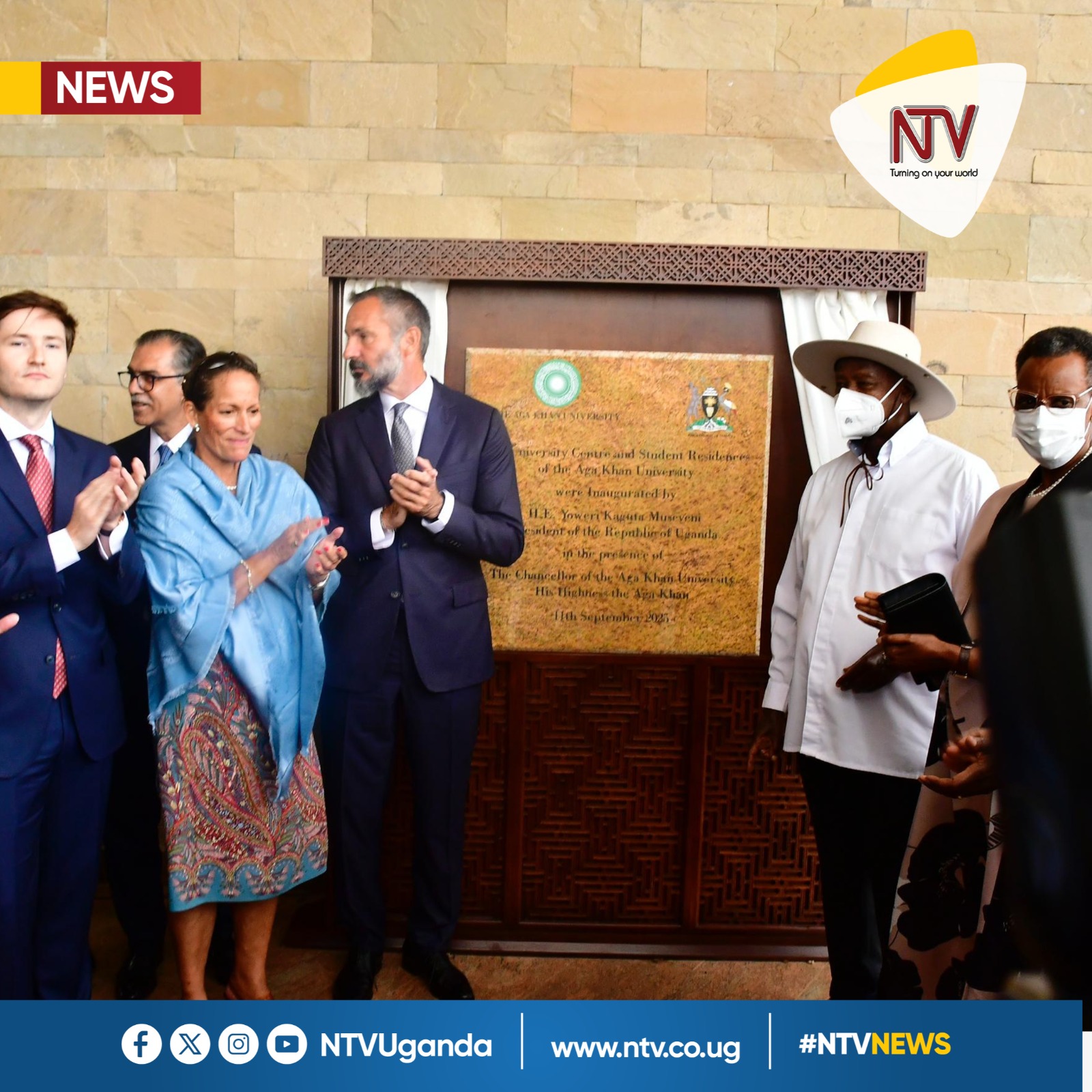
KAMPALA — President Yoweri Kaguta Museveni and His Highness Prince Rahim Aga Khan V on 11 September 2025 officially opened the first phase of the Aga Khan University (AKU) campus in Nakawa, Kampala, and launched the ground-breaking for the Aga Khan University Hospital, Kampala — a 101-bed teaching hospital that AKU and partners say will be completed by 2027.
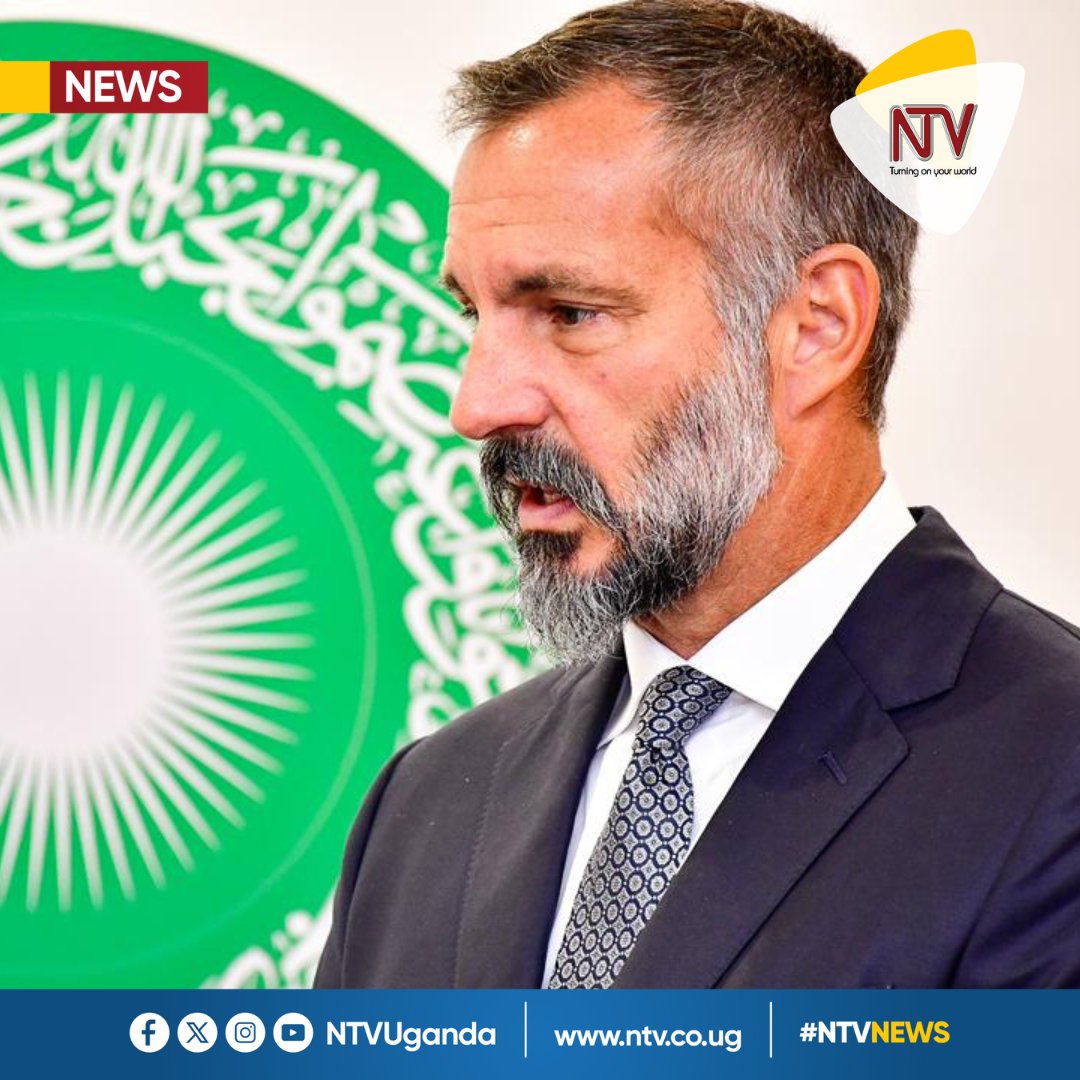
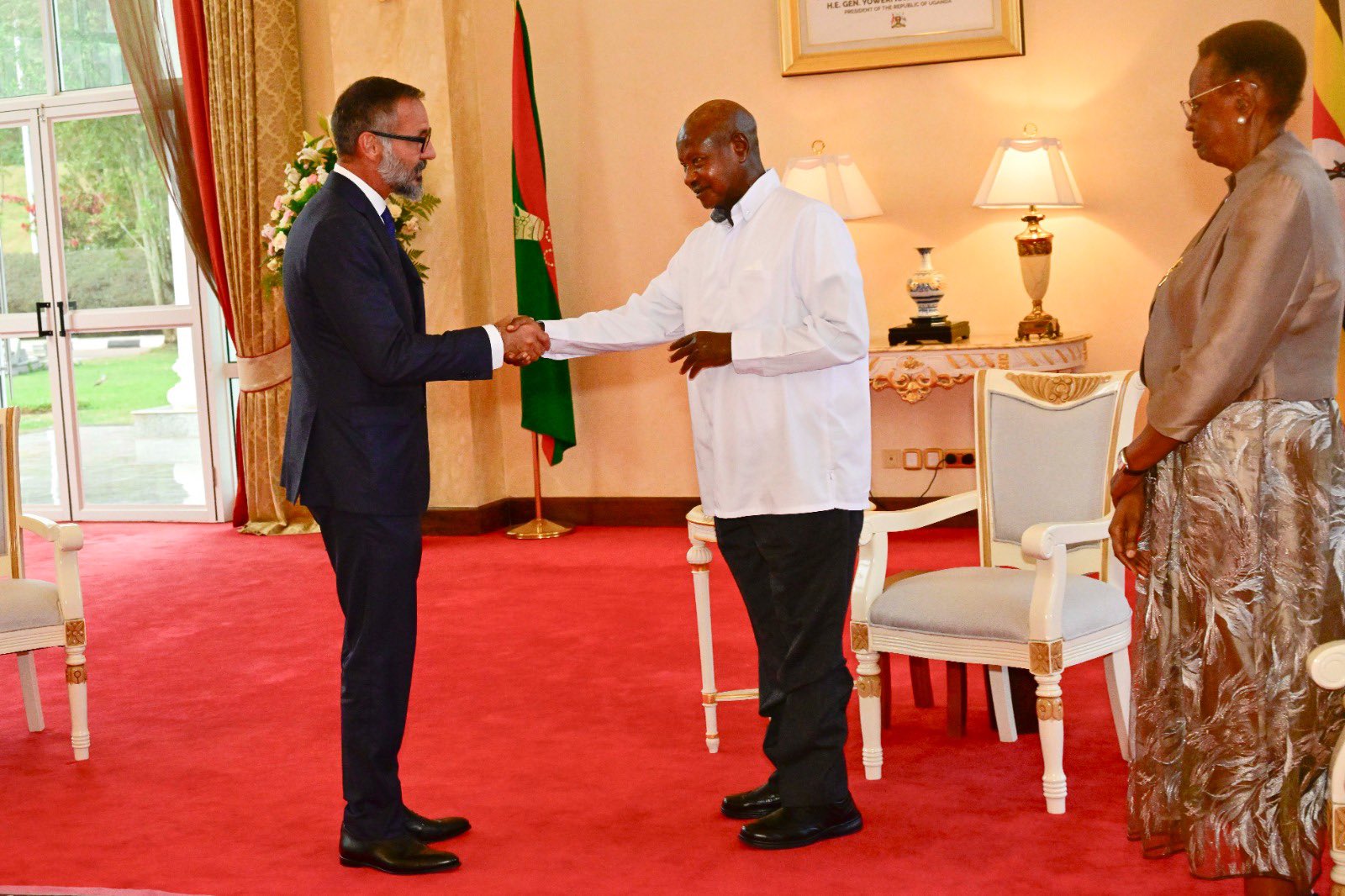
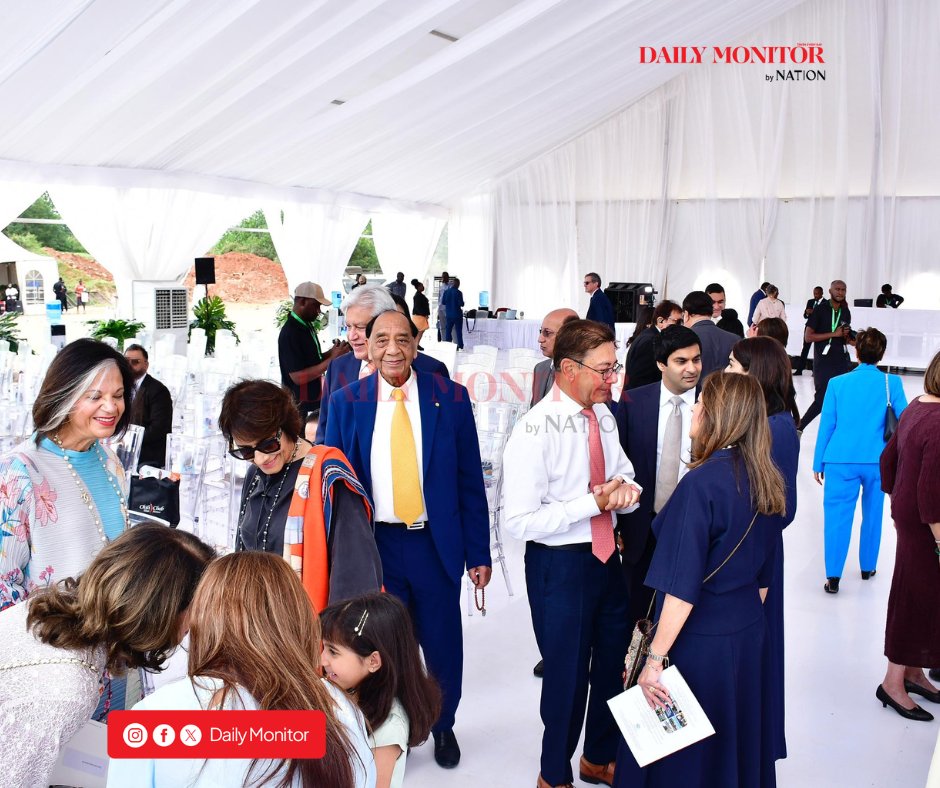
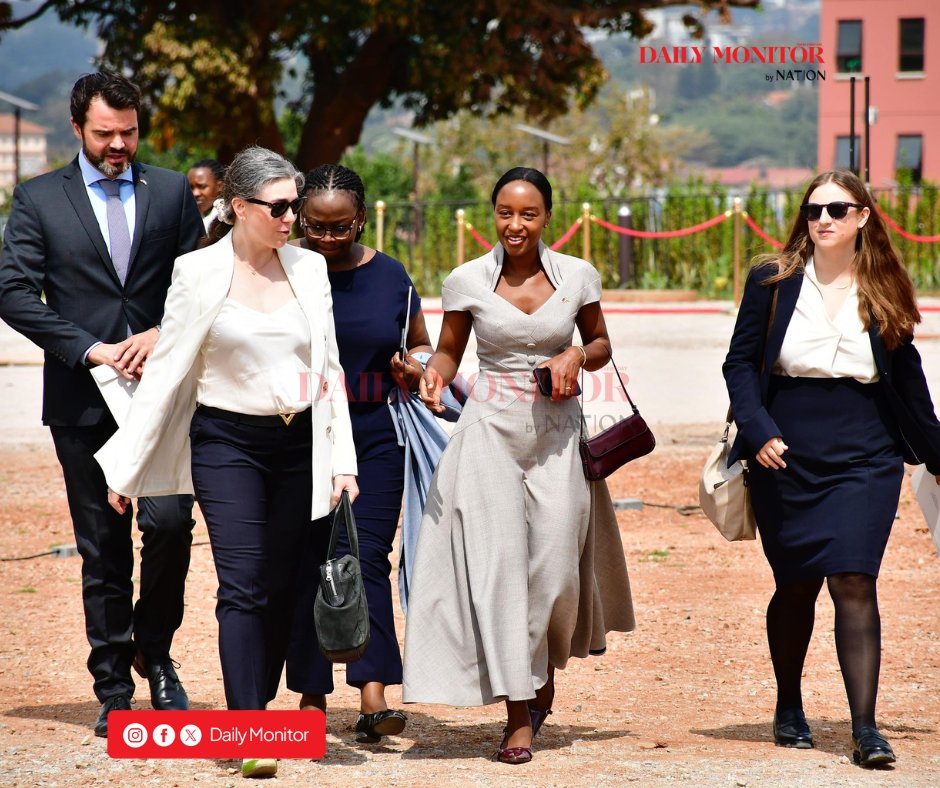
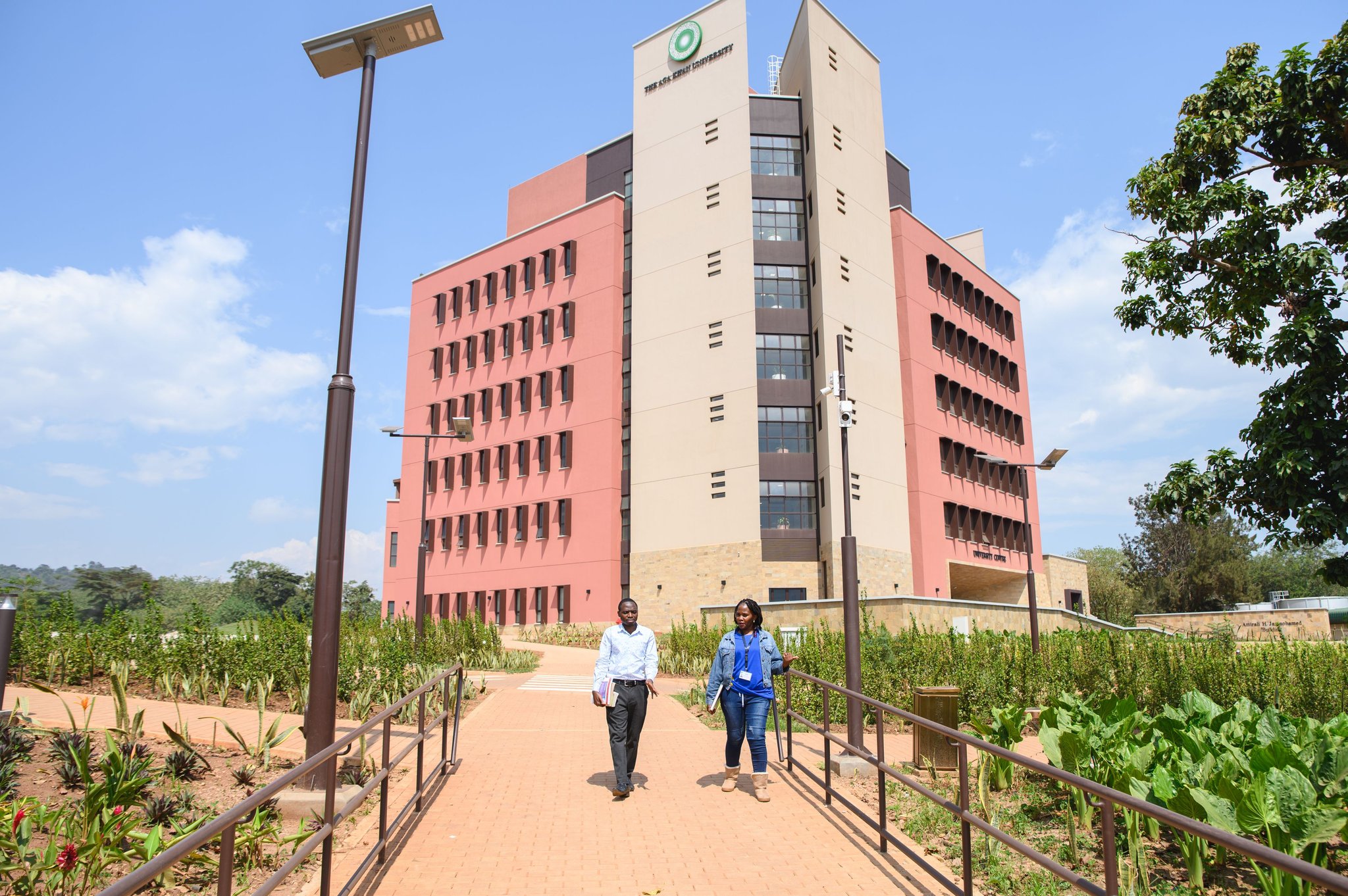
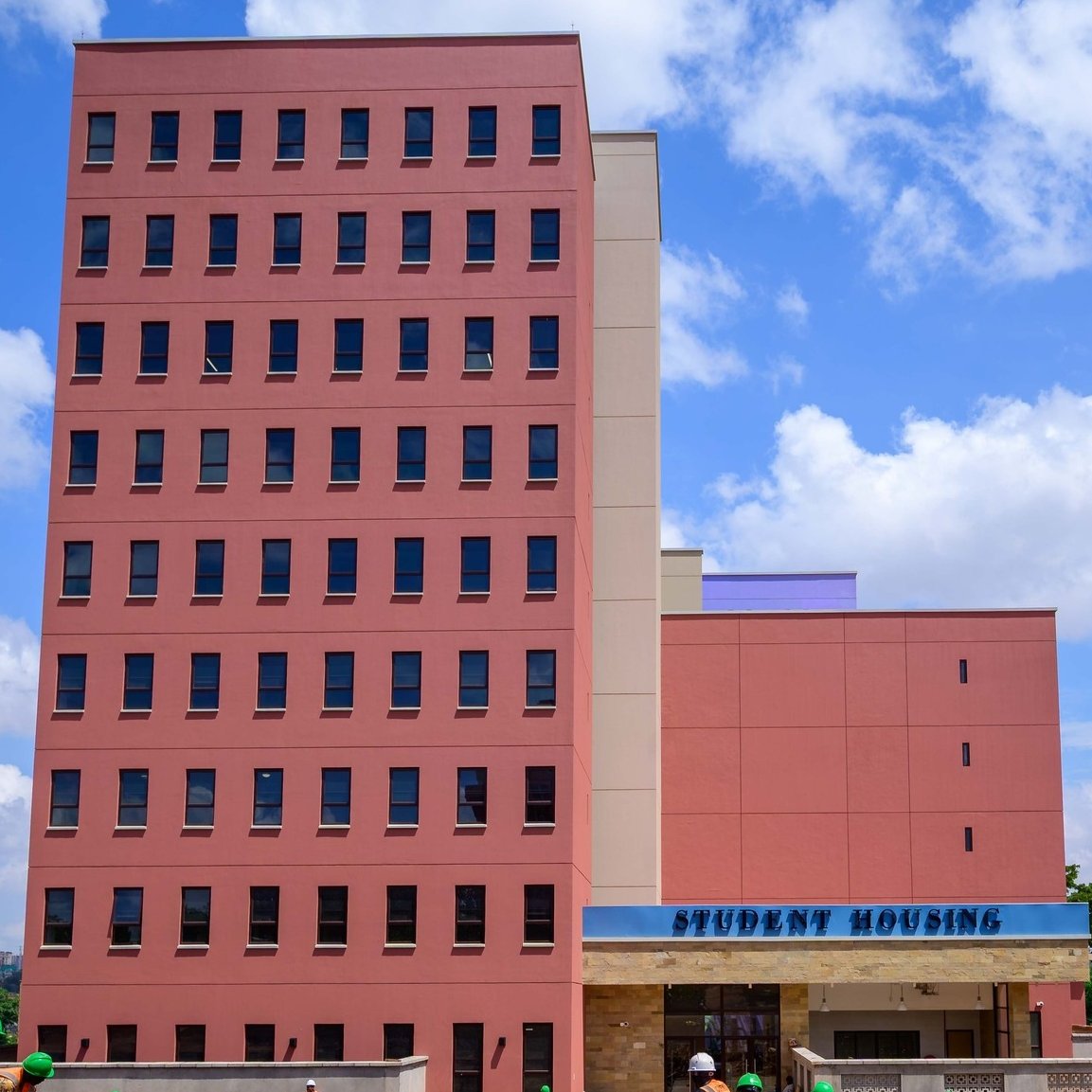
The inauguration marked a visible milestone in a decades-long partnership between the Aga Khan Development Network (AKDN) and the Government of Uganda. AKU President Dr. Sulaiman Shahabuddin called the occasion “a powerful and meaningful step forward in our shared mission,” framing the campus and hospital as practical expressions of a vision shared by the late Aga Khan IV and the Ugandan state. Below are some images from the event and also pictures of the newly launched university. Please note that the source of the images is Nation Media Group which is directly affiliated with The Aga Khan V.




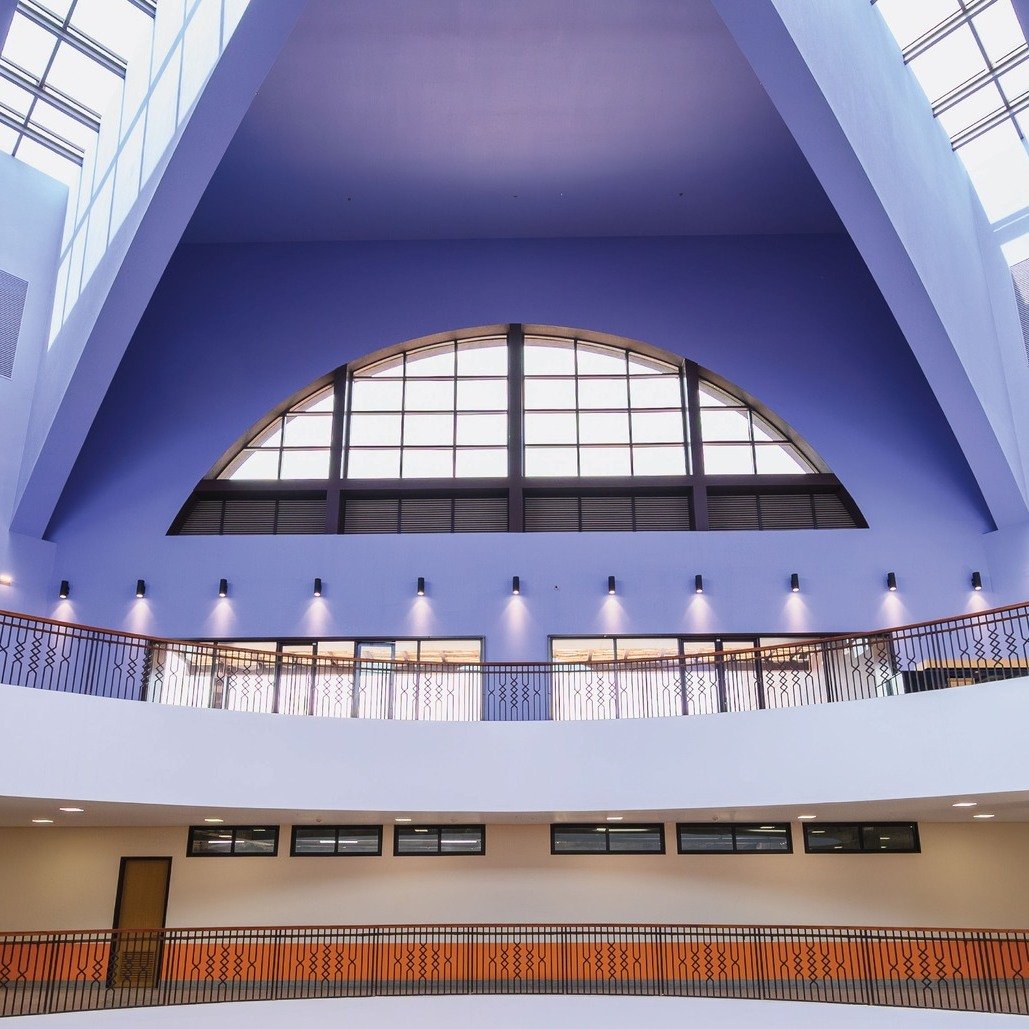
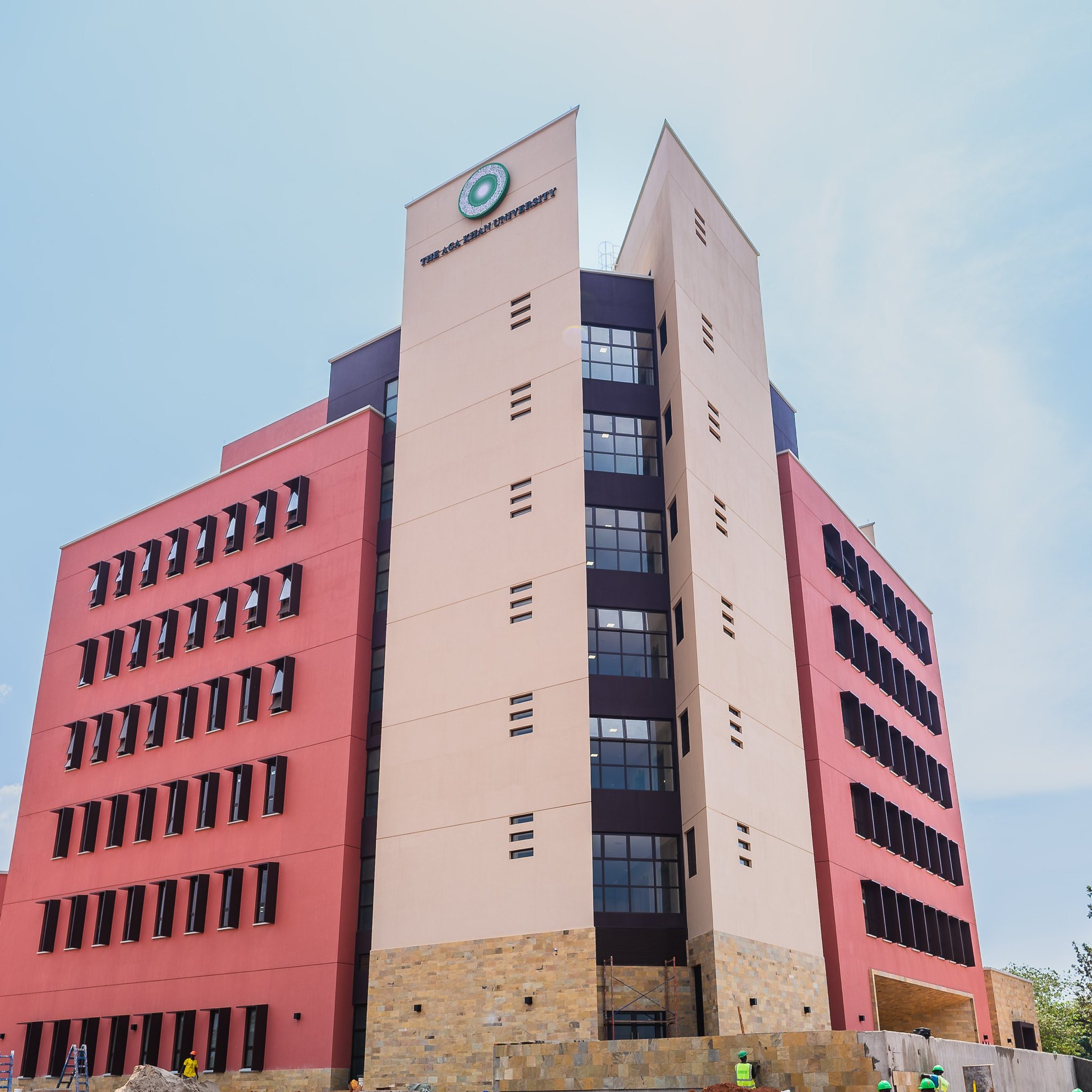


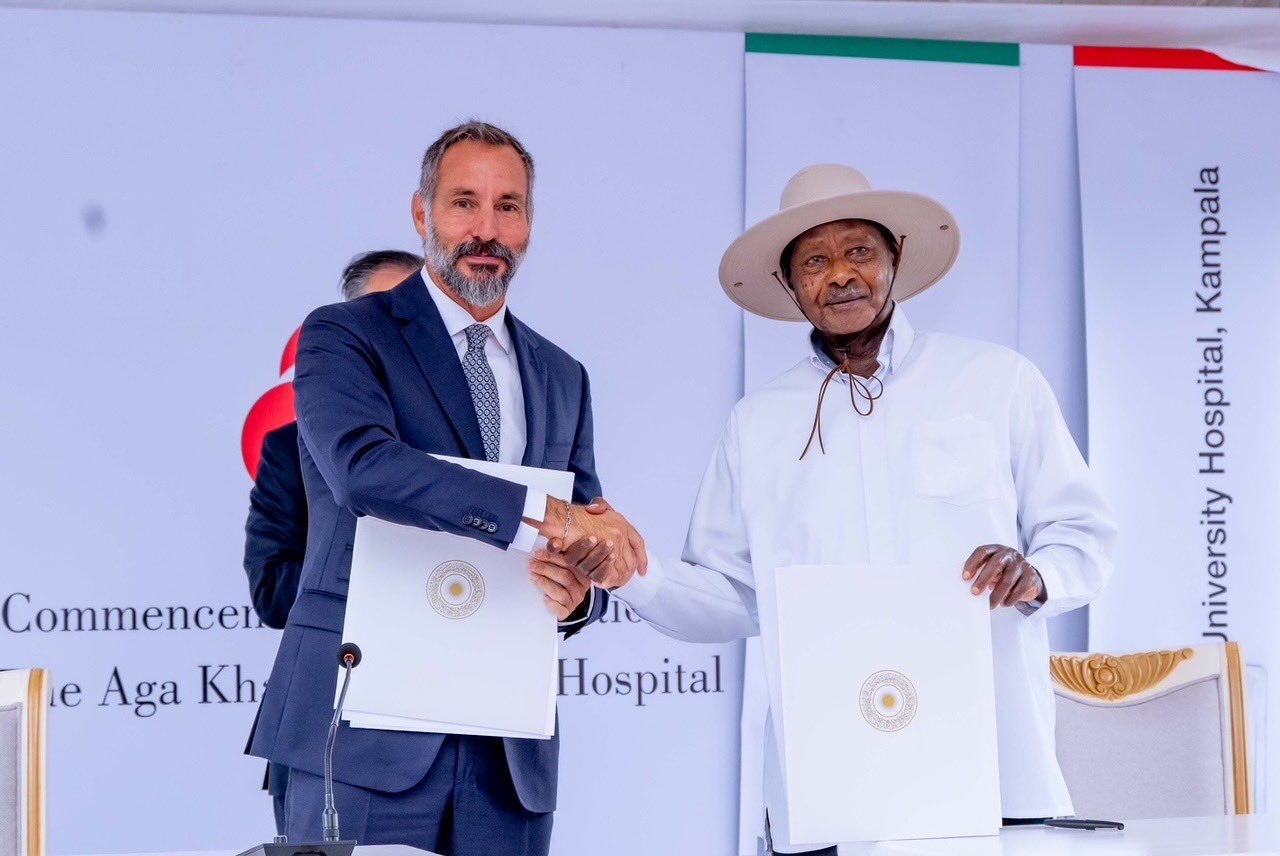
Who else attended the event?
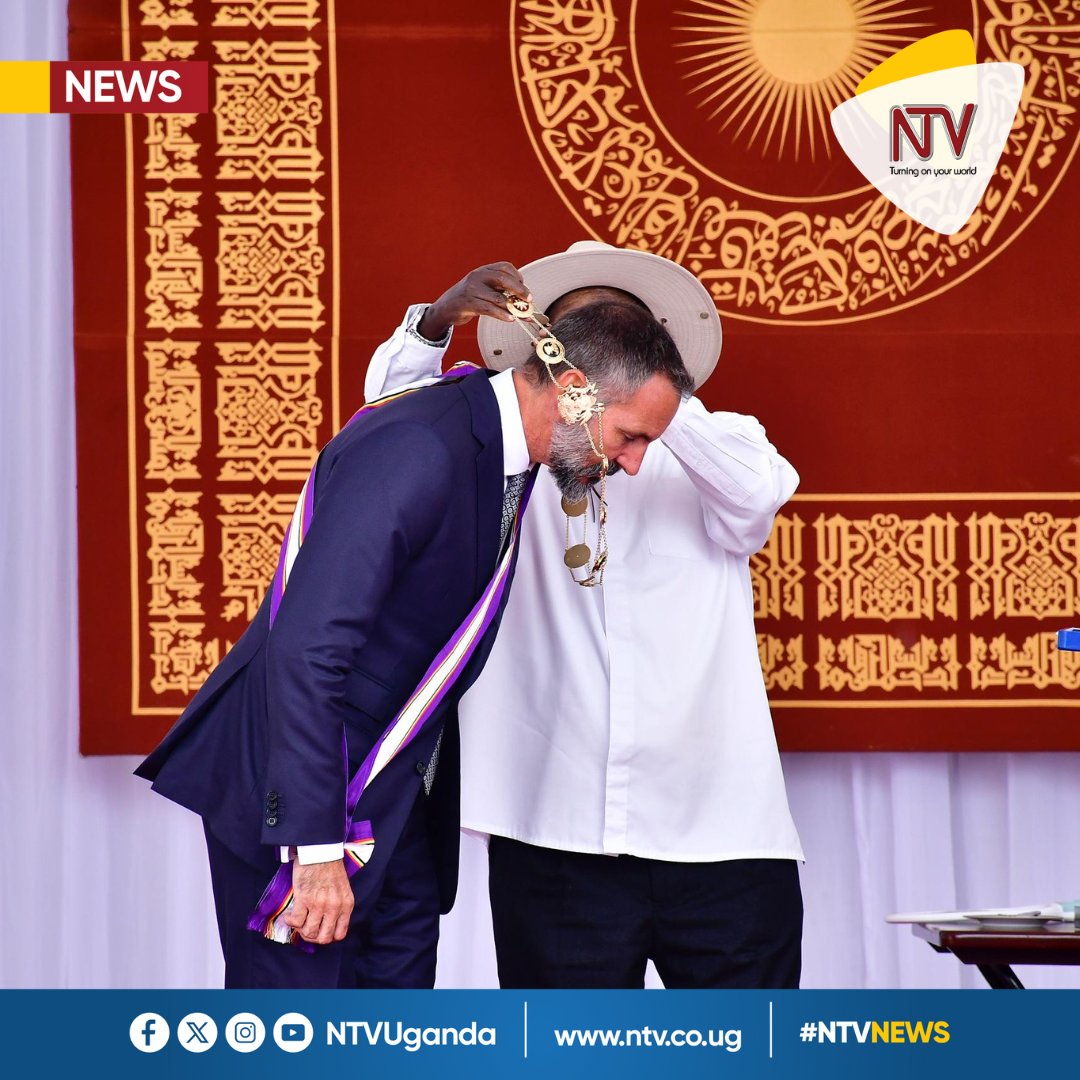
The official event brought together senior government figures, AKU leadership and AKDN representatives. President Museveni presided over the inauguration alongside His Highness Prince Rahim Aga Khan V, who had arrived in Uganda on 10 September 2025 for an official visit running through the 12th. First Lady Janet Museveni attended, as did Princess Zahra Aga Khan (AKU’s Pro-Chancellor) and Prince Aly Muhammad. During the programme, President Museveni conferred on Prince Rahim the Most Excellent Order of the Pearl of Africa (Grand Master), Uganda’s highest civilian honour — a ceremony that underscored the diplomatic and symbolic importance Kampala attaches to AKDN’s projects in the country.
AKU arranged a livestream of the event and coordinated broad media coverage to make the inauguration visible to national and international audiences. In speeches, university officials emphasised partnership, community engagement and the integrated nature of the education-and-health model they are building in Nakawa.
What the Nakawa campus contains — buildings, beds and student numbers
The Nakawa campus is a compact, mixed-use university and medical precinct designed to combine teaching, residential life and ambulatory clinical services. The first phase unveiled on 11 September includes a seven-storey University Centre, a nine-storey student residence and a four-storey ambulatory care building called the Nakawa Specialty Medical Centre. At full planned capacity the campus is expected to accommodate about 700 students, supported by roughly 100 academic staff, with 164 residents living on campus.

AKU describes the Nakawa facility as both a training site and a community resource: the ambulatory centre will provide outpatient specialist consultations, while the planned Aga Khan University Hospital will deliver tertiary inpatient care and serve as the primary teaching hospital for AKU Uganda.
When can we expect the Aga Khan hospital to be completed?
A focal point of the Nakawa development is the Aga Khan University Hospital, Kampala — a 101-bed tertiary and teaching facility whose ground-breaking was part of the inauguration programme. AKU and AKDN officials say the hospital will offer multi-specialty services and advanced care, from surgery and internal medicine to specialist services such as oncology and advanced midwifery practice. The integration of a teaching hospital with university programmes is intended to give students clinical exposure while expanding local specialist capacity so fewer Ugandans must travel abroad for key treatments. AKU projects the hospital’s completion in 2027.
The hospital is being presented as an integrated node: inpatient services at the 101-bed facility will be supported by the Nakawa Specialty Medical Centre for ambulatory care, diagnostic services and outpatient specialist clinics, creating a continuum of care and a practical training environment for students and trainees.
Academic programmes already running — and those planned once AKU is chartered
AKU Uganda has not started from zero. The university currently runs nursing and midwifery programmes: a Diploma in General Nursing, a Bachelor of Science in Nursing, and a Bachelor of Science in Midwifery. The National Council for Higher Education recently approved a four-year Bachelor of Nursing Science that will admit students directly from Senior Six; the first cohort is expected to join later in September. Dr Nicholas Kitende, AKU’s academic registrar, has reiterated the university’s intention to expand degree offerings as accreditation and chartering progress.
AKU has also signalled plans to bring programmes from its Graduate School of Media and Communications (currently based in Nairobi) to Kampala so Ugandan students can access those programmes locally. Once the university acquires its charter, additional degrees scheduled for phased introduction include a Bachelor of Education, an Executive Master’s in Media Leadership and Innovation, a Master of Education, a Master of Science in Advanced Practice Midwifery, and a Master of Arts in Digital Journalism. These programmes reflect AKU’s stated priorities: building teacher capacity, strengthening media and communication skills, and deepening clinical graduate training for midwives and other allied health professionals.
Relocation and repurposing: Old Kampala to Nakawa
AKU completed a planned relocation from its former Gaddafi Road campus in Old Kampala to the new Nakawa site in July 2025, after securing occupation permits and clearances from regulators. Dr Joseph Mwizerwa, AKU’s Associate Vice Provost for Uganda, told journalists that the move was the result of a phased process that ensured all statutory requirements were met before the transfer. The university has handed the Old Kampala facilities to the Aga Khan Foundation-Uganda for repurposing in partnership with Aga Khan Education Services.
Officials describe the shift as part of a strategic consolidation: Nakawa offers a larger purpose-built footprint for education and health, while the Old Kampala site can be reused for other Aga Khan family institutions or programmes that better suit its scale and location.
Funding, donors and the public-private model
The Nakawa project is built on a multi-actor funding and partnership model. AKU’s memo to its global community notes that the Government of Uganda provided the land; construction financing and donor support include contributions from AKU’s founding chancellor, generous philanthropists and German development partners such as BMZ and KfW. AKU frames the Kampala campus as the realisation of a long-held vision for public-private partnerships — a blend of public enabling support and private philanthropic and technical investment.
The presence of government leaders at the inauguration reflected this shared approach. Officials emphasised that the project is not a standalone private hospital or campus but rather a collaborative venture that will interact with national health and education systems. That said, some analysts caution that the sustainability and accessibility of a modern tertiary facility depend heavily on cost-recovery models, insurance linkages and scholarship schemes to ensure equitable access.
Who is the Aga Khan V leading the visit?
At the centre of the visit was His Highness Prince Rahim Aga Khan V (Rahim al-Hussaini), who was named the 50th hereditary Imam of the Nizari Ismaili Muslims earlier in 2025 following the death of his father. Born in 1971, Prince Rahim has held leadership roles across AKDN institutions and is now serving as the university’s Chancellor. His official visit to Uganda from 10–12 September 2025 included the Nakawa inauguration and state engagements. Biographical reporting highlights his education and previous governance roles within the AKDN.
His arrival in Entebbe on the 10th was formally received by Ugandan officials. He attended the Nakawa event with members of the Aga Khan family including Princess Zahra and Prince Aly Muhammad; the family’s public participation reinforced the generational continuity of the Aga Khan institutions’ engagement in East Africa.
Expectations: what Ugandans and stakeholders hope to gain
Stakeholders laid out a practical set of expectations tied to education, health and employment:
- More locally trained specialists. Policymakers and AKU leaders expect that the teaching hospital and expanded clinical programmes will increase the number of specialist clinicians available in Uganda and reduce medical referrals overseas.
- Improved education pipelines. The introduction of undergraduate and graduate programmes in nursing, midwifery, teacher education and media aims to keep more students in Uganda while raising qualification levels across priority professions.
- Research and community partnership. AKU emphasises joint research with local institutions and community engagement — a bid to orient academic work around local health and education needs.
- Economic effects. Construction, campus operations and the hospital will generate jobs and stimulate local economic activity in Nakawa and surrounding divisions.
Civil-society watchers and health-sector analysts, meanwhile, flagged three challenges to monitor: affordability for ordinary Ugandans, the university’s ability to attract and retain specialist faculty, and how scholarships and public-sector referral pathways will be structured to ensure equitable access.
The inauguration of the university and hospital
The launch of the new Aga Khan University campus and the groundbreaking of the Aga Khan University Hospital both took place on 11 September 2025, presided over by President Museveni and His Highness the Aga Khan. The university campus is already operational for certain programmes, while the hospital construction, commissioned that same day, is set for completion in 2027.
The next milestones — accreditation, construction and sustainability
The success of the Nakawa project now depends on measurable steps:
- Charter and programme accreditation. AKU is progressing toward a national charter; formal charters and approvals are required before the full slate of planned programmes can be offered and degrees fully recognised.
- Hospital construction and commissioning. AKU’s target for hospital completion is 2027. Keeping to that timetable will require steady financing, equipment procurement, and recruitment of specialist clinicians.
- Affordability and access mechanisms. Observers will watch whether AKU develops robust scholarship programmes, insurance partnerships and public referral arrangements that enable access by lower-income patients and students.
- Workforce development. Recruiting and developing faculty and clinical supervisors — both locally trained and internationally experienced — is essential for the hospital to function as a teaching institution.
If these milestones are met, the Nakawa campus and the hospital could become a durable node for specialist care and professional education in East Africa. If they falter, the political goodwill generated by a high-profile launch risks slipping into unmet expectations.
Why this matters now
The AKU Nakawa project arrives at a moment when many African nations are seeking scalable ways to build local health and education capacity without losing talent overseas. By coupling a university campus with a teaching hospital, AKU is betting on an integrated model: train clinicians, keep them engaged in local systems through employment and research, and offer advanced care that reduces the need for costly outbound referrals. The model has precedent in other AKDN projects, but an effective roll-out in Kampala would be an important test of how philanthropic and public partners can combine strengths to address structural gaps.
Closing: ceremony done — the real work begins
The fanfare of 11 September — state speeches, the presidential decoration, and the Aga Khan’s presence — made for a memorable day. But beyond the plaque unveiling and photo-ops lies a far more ordinary and exacting set of tasks: building a hospital to international standards, accrediting academic programmes, securing long-term financing, and creating scholarship and access mechanisms so the benefits reach a broad cross-section of Ugandans.
The success of the Nakawa campus and the 101-bed hospital will be measured not by ribbon cutting but by graduates trained, patients treated and research produced over the coming years. For Prince Rahim Aga Khan V, the visit was both a continuation of his father’s legacy and the public start of his leadership role in AKDN’s work; for Uganda, it was an invitation to convert a high-profile partnership into sustainable national capacity.