Table of Contents
When did the electoral commission announce Museveni as the winner ofthe 2026 elections?
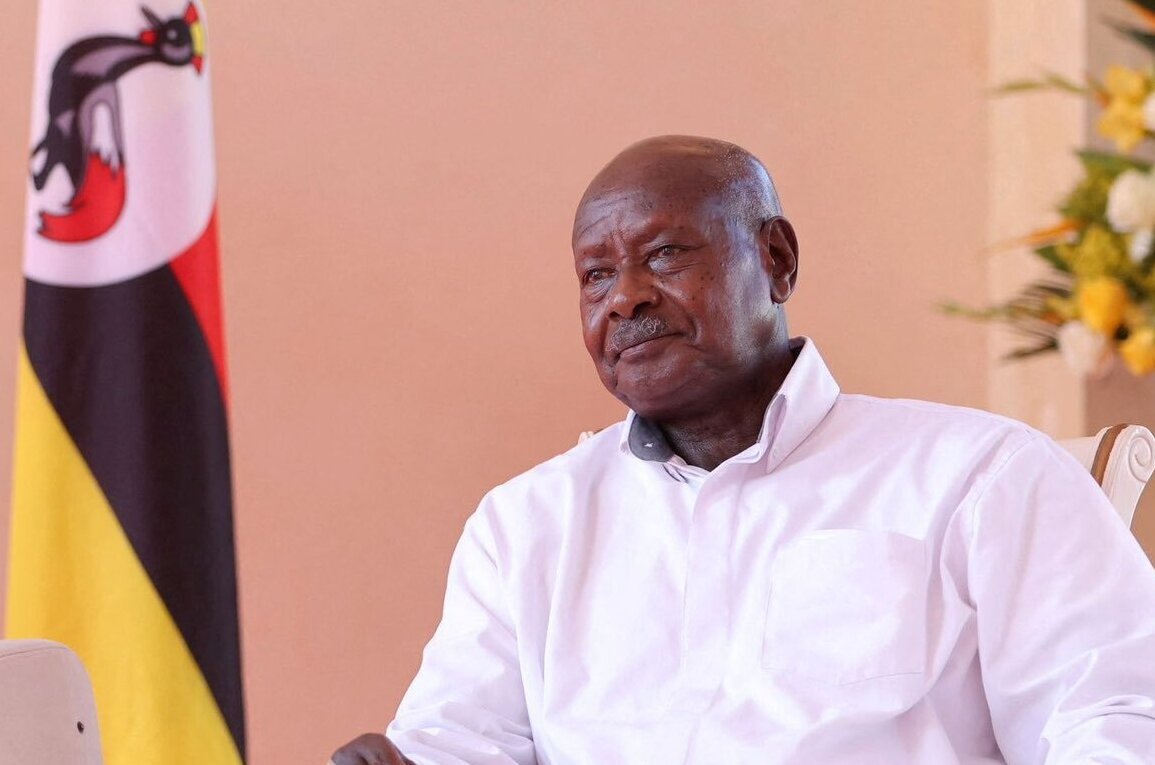
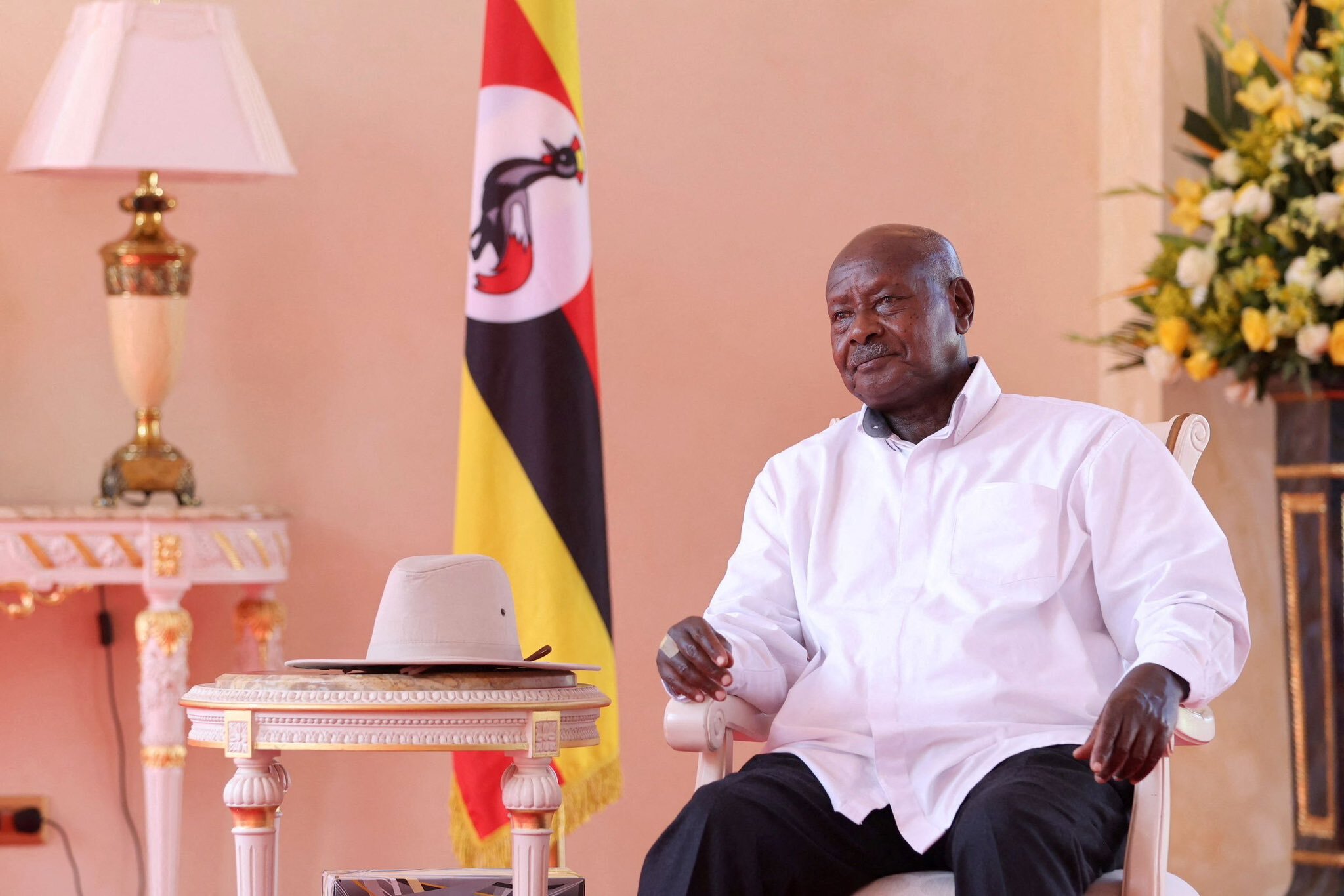
The Ugandan Electoral Commission (EC) announced on January 17, 2026, that President Yoweri Museveni was the winner of the 2026 presidential election. This victory secures his seventh term, extending his rule beyond four decades, in an election widely criticized for irregularities, violence, and a prolonged internet blackout that was lifted only after the results were proclaimed. While the government and EC describe the process as free and fair, many Ugandans view it as yet another instance of those in power manipulating institutions to safeguard their positions—and the billions in taxpayer funds that come with them—leaving the country economically scarred and psychologically traumatized.
What Triggered the Nationwide Internet Shutdown?
The government, through the Uganda Communications Commission (UCC), imposed a full internet blackout starting January 13-14, 2026, days before the January 15 polling. Officials cited the need to curb misinformation, electoral fraud, and potential violence. Critics, including international observers, condemned it as a strategic tool to limit opposition coordination, suppress evidence of irregularities, and isolate the country from global monitoring. This marked a repeat of tactics seen in previous elections but was more extensive, lasting over four days and severing essential communication for millions.
How Did the Internet Blackout Impact Businesses and Daily Life?
The blackout caused devastating economic damage, with businesses losing billions of Ugandan shillings from halted digital transactions, frozen mobile money services, disrupted supply chains, and inability to operate online. Small traders in Kampala markets couldn’t process payments or restock, while larger firms faced operational paralysis. Families endured agonizing uncertainty, unable to contact relatives amid rising fears of unrest. This economic sabotage amplified collective trauma, prioritizing regime security over national welfare and eroding trust in institutions that protect elite interests at public expense.
What Made the 2026 Election So Bizarre and Communication So Difficult?
Polling day was chaotic: biometric verification machines malfunctioned widely—especially in opposition areas—forcing manual voting and fueling suspicions of deliberate interference. With internet gone, information relied on radio, TV, and word-of-mouth, breeding rampant rumors of ballot stuffing, voter intimidation, and even supernatural claims. NTV Uganda offered raw, independent coverage of events, while NBS TV largely echoed the EC’s narrative of a smooth, free, and fair process. Opposition agents reported DR forms being seized by security, mismatched tallies, and transport barriers preventing voting in rural spots. The disconnection turned democracy into a fog of distrust and fear.
How Did Violence and Arrests Unfold During the Results Dispute?
Disputes over results triggered deadly crackdowns. Reports indicate at least seven to ten people were shot dead in overnight clashes, particularly in areas like Butambala, where opposition supporters gathered. Security forces used tear gas, live ammunition, and arrests against those challenging presidential or parliamentary outcomes. Officials claimed the process was “smooth” and denied detailed knowledge of fatalities, but eyewitnesses described brutal suppression of protesters and opposition agents. This pattern reflects a broader strategy: using state power to protect seats that grant access to vast public resources, instilling widespread fear that silences dissent.

What Are the Official Presidential Results Announced by Byabakama?
EC Chairman Simon Byabakama declared the final tallies on January 17, 2026, with Museveni securing over 70% amid opposition rejection as fraudulent. Here is the full breakdown:
| Candidate | Party | Votes | Percentage |
|---|---|---|---|
| Yoweri Museveni | National Resistance Movement (NRM) | 7,946,772 | 71.65% |
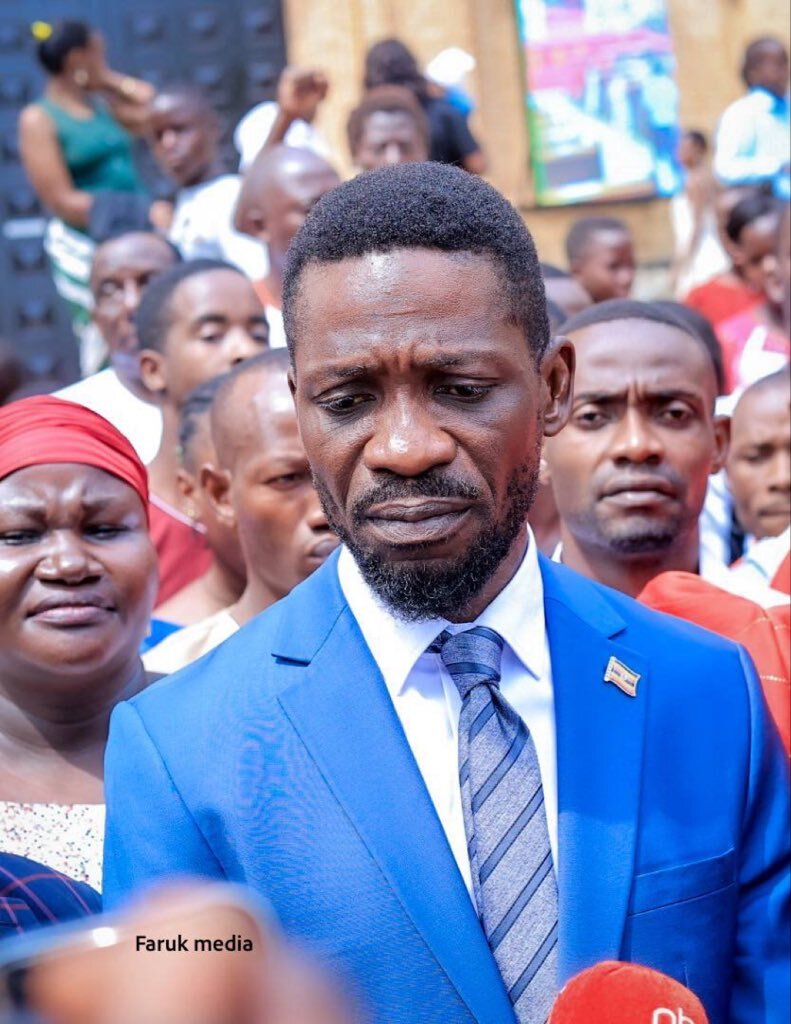
| Bobi Wine (Robert Kyagulanyi) | National Unity Platform (NUP) | 2,741,238 | 24.72% |
| Nandala Mafabi | Forum for Democratic Change (FDC) | 209,039 | 1.88% |
| Mugisha Muntu | Alliance for National Transformation (ANT) | 59,276 | 0.53% |
| Frank Bulira Kabinga | Revolutionary Peoples Party (RPP) | 45,959 | 0.41% |
| Robert Kasibante | National Peasants Party (NPP) | 33,440 | 0.30% |
| Munyagwa Mubarak Sserunga | Common Man’s Party (CMP) | 31,666 | 0.29% |
| Elton Joseph Mabirizi | Conservative Party (CP) | 23,458 | 0.21% |
| Total Valid Votes | 11,090,848 | 100.00% |
- Invalid/Blank Votes: 275,353 (2.42%)
- Total Votes Cast: 11,366,201
- Registered Voters/Turnout: 21,649,067 / 52.50%
Opposition leaders cite biometric failures and form seizures as evidence of manipulation.
Who Won Key MP Seats?
Full parliamentary results for all 529 seats (including constituency and district women’s representatives) are still being finalized by the EC as of January 18, 2026, with announcements ongoing amid delays and disputes. Early declarations show the NRM retaining strong rural control, while the opposition National Unity Platform (NUP) made notable gains in urban Kampala, securing 7 out of 10 parliamentary seats there. In Kampala Central, Minister Minsa Kabanda (NRM) was declared the winner, defeating NUP’s David Lewis Rubongoya and others in a hotly contested race. In Soroti districts, NRM candidates like Peter Edeku Edopu in Dakabela County and Patrick Aeko in Soroti County prevailed, highlighting the ruling party’s dominance in eastern rural areas despite some upsets.
How Did Opposition Leaders Respond to the Results?
Bobi Wine and other opposition figures immediately rejected the EC announcement as “fake,” pointing to discrepancies with their DR forms and calling for peaceful resistance. Wine faced reported house arrest or forced removal amid security raids. Protests were minimal due to heavy military and police presence across Kampala and other areas. Streets remained eerily quiet—no celebrations for Museveni’s win, no large-scale demonstrations—only pervasive fear of arrest, beatings, or worse by security forces. This atmosphere of intimidation perpetuates trauma and entrenches power imbalances.
How Did Journalists Deliver News Without Internet?
Amid the blackout, NTV Uganda’s journalists—Mildred Pedun, Priscilla Nalwoga, Sandra Twinoburyo, Joram Paul Ssonko, Solomon Kaweesa, Aniwalu Katamba, Privah Nuwamanya, Shamim Nayiga, and Sandra Nakiwala—delivered exceptional bulletins and updates. Using satellite feeds, pre-recorded reports, and relentless fieldwork, they provided critical on-the-ground insights into polling issues and violence, countering official narratives and earning widespread respect for journalistic courage under pressure.
What Does Internet Restoration Mean for Uganda Moving Forward?
Internet was restored on January 18, 2026, soon after the victory declaration—automatically on mobile for many, though some WiFi users (like those on Airtel routers) needed to switch to auto APN settings to reconnect. While a relief, it doesn’t undo the trauma, economic losses, or deepened distrust. The shutdown and its timing underscore how connectivity is weaponized to protect power. As Uganda grapples with the aftermath, the question remains: Will the wounds of this election heal through accountability, or will they deepen the cycle of fear and division? The nation’s path forward depends on confronting these realities head-on.