
Table of Contents
Where have women turned on purple profile pictures?
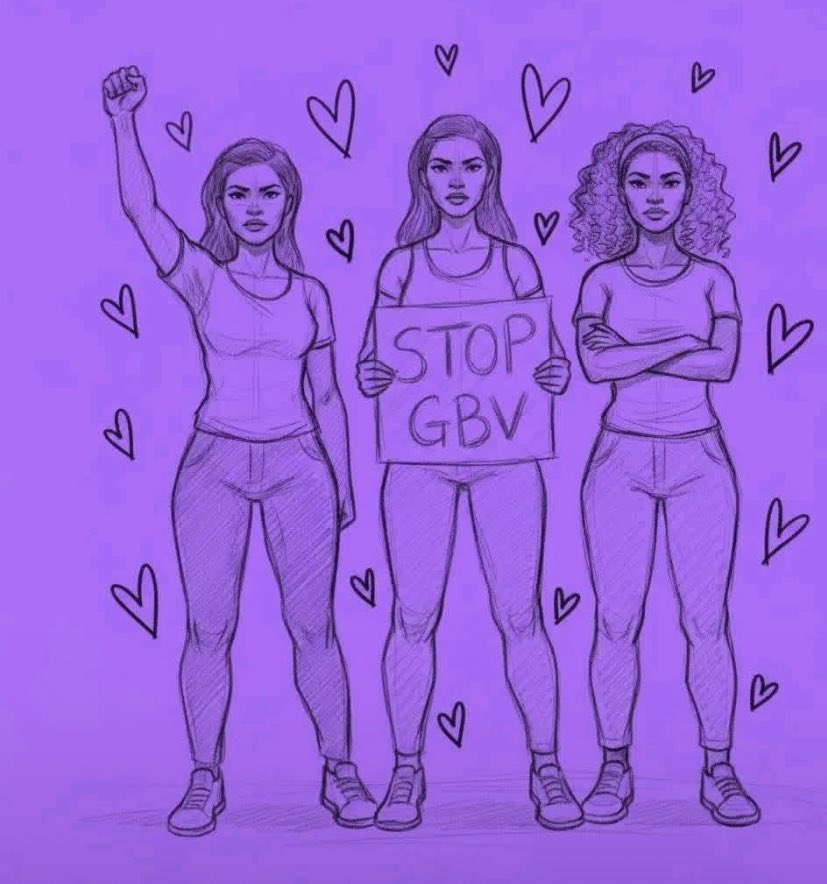
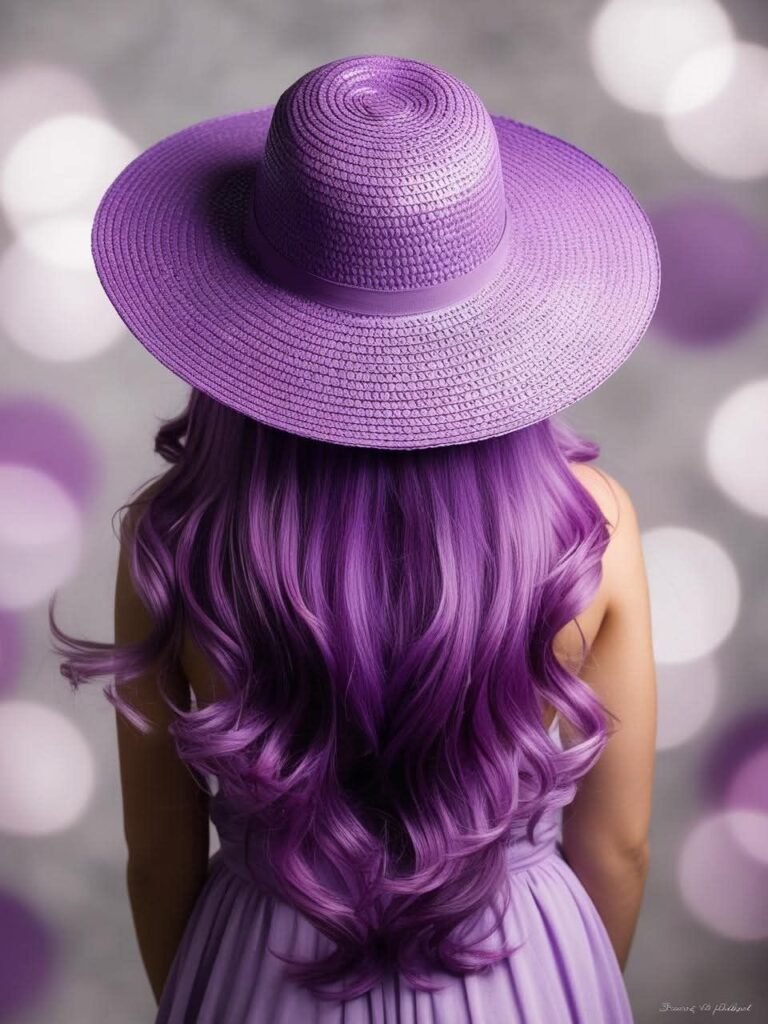
If you’ve opened WhatsApp, Instagram, or even TikTok recently, you’ve probably noticed something strange — a lot of girls have purple profile pictures. Yes, many have turned their profile pictures purple. Some are just plain purple. Others show a purple background with an eye symbol. It’s everywhere.
At first glance, it might look like a random colour trend, but it’s not. This one carries a message. It’s about gender-based violence (GBV) — the fear, trauma, and anger that women across the world are living with every day.


How did the Purple Profile Picture trend start?
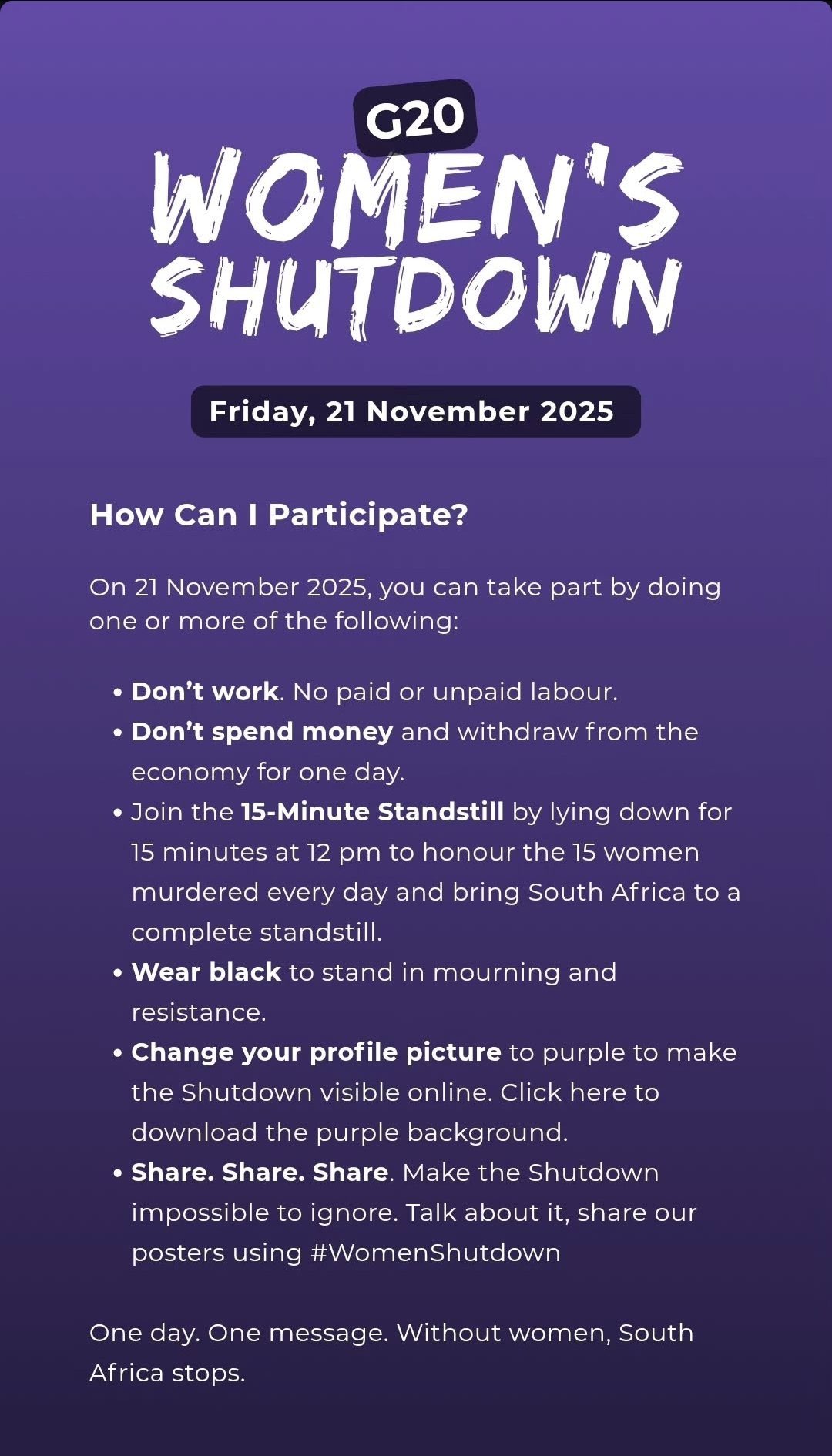
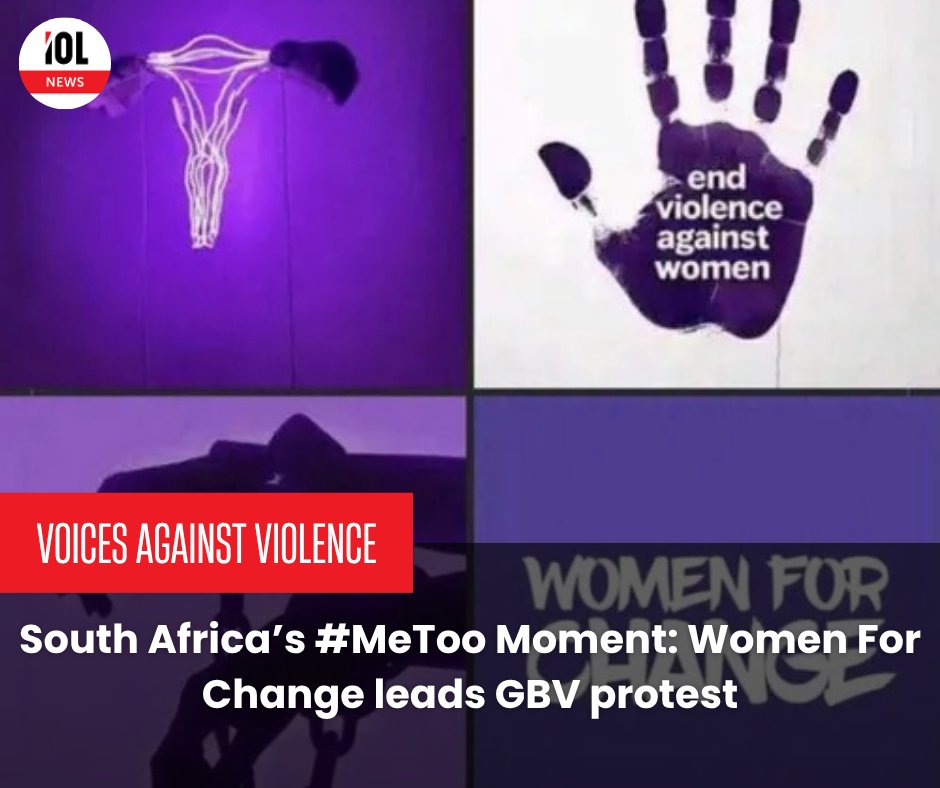
This campaign began in South Africa, led by a women’s rights organisation called Women For Change (WFC). The group has long been speaking out against femicide and GBV, and this November, they decided to make a louder statement. They chose purple as their symbol — a colour that represents strength, justice, and remembrance — and called on women everywhere to change their profile pictures.
According to reports, the campaign picked up in early November 2025, just before the G20 Summit in Johannesburg, which is set for November 22–23. Women For Change announced a national shutdown on November 21, asking women not to work — whether in paid jobs or unpaid household labour — to show how much society relies on them.
The campaign also asked women and allies to wear black and turn their profile pictures purple in solidarity. From there, it spread fast. Within days, timelines were flooded with purple — from Johannesburg to Kampala.

Why Purple profile pictures not another color?
Purple has a long history in activism. It symbolises dignity, justice, and courage. In this campaign, it stands for remembrance — of all the women whose lives have been lost to gender-based violence — and a call for strength among those still living in fear.
For Women For Change, purple isn’t just a colour. It’s a visual protest. It’s saying: We are here, we remember, and we’re not staying silent anymore.
The Meaning of the Eye in the purple profile pictures
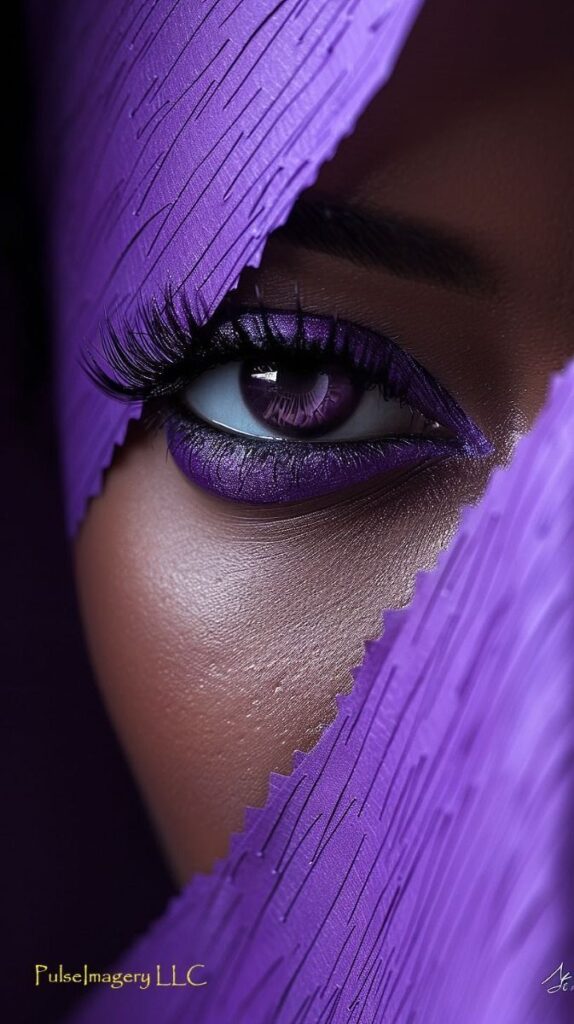
Now, if you’ve seen a purple profile picture with an eye on it, you’re not alone. That eye isn’t officially part of the campaign, but many people have added it themselves. The meaning seems to vary, but one interpretation stands out — “We are watching.”
It’s symbolic. The eye represents awareness. It says: we see the violence, we see the pain, and we will not turn away. Some also use it to mean remembrance — that the faces of victims won’t be forgotten.
What Sparked the Movement
Women For Change’s decision to launch this campaign comes at a critical moment. South Africa’s rates of GBV and femicide remain among the highest in the world. The organisation cited the shocking figure that a woman is killed every 2.5 hours in the country.
The G20 timing isn’t a coincidence either. As the world’s top leaders meet in Johannesburg to discuss global growth and stability, activists are demanding that violence against women be treated as an international emergency — because, they argue, there can be no progress when half the population is living in fear.
Celebrities have joined in too. South African stars like Tyla and Bonang Matheba have turned their profile pictures purple, using their platforms to amplify the message. That visibility has only made the campaign spread faster across Africa and beyond.

How It Reached Uganda
It didn’t take long for the movement to reach Uganda. Scroll through WhatsApp and you’ll see many girls here also switching their profile pictures to purple. Some add captions like “I’ve been there” or “It’s so hard being a woman.”
And you can understand why. Many Ugandan women say that even walking down a street — just trying to go to school, to work, or to the shop — can be deeply uncomfortable. Men staring, calling out, making sexual comments, following you… and the fear that if you reject them or talk back, something bad could happen.
As one girl put it online:
“People don’t understand what it means to be a babe here. You can’t even walk 100 meters without someone trying you. And the worst part is, if you reject a man politely, you might not make it home safe.”
Those feelings are real. That fear is real. And when women change their profile pictures to purple, they’re saying: this is what we live with every day.
The campaign also reminds us of real stories here in Uganda — like Rebecca Cheptegei, the Ugandan athlete who was killed by her partner. According to reports, she was doused in petrol and set on fire, later dying of severe burns. Her death was described by activists as a case of femicide — a word that sadly captures the fate of too many women across the country.
When people see those purple profiles now, they don’t just think of a colour. They think of Rebecca. They think of all the women who never got justice.
What the Trend Means for Women
The purple profile trend may look like a simple digital gesture, but for many, it carries a heavy emotional weight. It’s a way of saying “I’ve been through it too” without having to explain the details. It’s a quiet protest against harassment, violence, and inequality.
And for others, it’s a form of solidarity — a small but powerful way to tell survivors, “you are not alone.”
The campaign also highlights what’s often unspoken: that being a woman in today’s world can feel dangerous. Women say they’re constantly calculating their safety — avoiding certain routes, dressing “appropriately,” ignoring insults, or pretending not to hear harassment, just to stay safe.
The Critics and the Questions
As with any social campaign, not everyone is convinced. Some people argue that changing a profile picture is performative — that it’s easy to post purple online but harder to challenge the systems that allow violence to continue. Others talk about solidarity fatigue, saying there are too many awareness campaigns that fade after a week or two without real change.
And they have a point — changing a picture doesn’t fix the problem. But at the same time, campaigns like this one keep the issue visible. They remind the world that gender-based violence is not normal, not “just part of life,” and not something women should quietly accept.
Sometimes visibility is the first step toward change.
Localising the Fight
For the purple movement to make real impact here in Uganda, it needs to connect with our context — our laws, our communities, and our stories.
Uganda has made efforts to address gender-based violence, but many survivors still struggle to access justice. Some fear reporting to police. Others are shamed or silenced by their own families. That’s why campaigns like this one matter — they help open up conversation, especially among the youth.
This is where local organisations, schools, and youth groups can step in — to turn awareness into action.
What Can Be Done Beyond the Profile Picture
If you’ve already turned your profile purple, that’s good. But don’t stop there. Here’s what else can help:
- Talk about it. Encourage open conversations about harassment and safety. Silence helps the violence continue.
- Support survivors. Share information about helplines, counselling centres, or shelters that offer help.
- Call out abuse. Don’t ignore or excuse harassment, whether it’s online or in person.
- Involve men and boys. Gender-based violence is not just a “women’s problem.” Men need to be part of the solution — by challenging sexist behaviour, standing up for what’s right, and teaching respect from a young age.
- Push for accountability. From law enforcement to policymakers, demand real action.
- Keep the conversation alive. The goal isn’t just a one-week trend. It’s consistent awareness, education, and protection.
The Real Message Behind the Purple
When you see someone with a purple profile picture, understand what it really means. It’s not a fashion statement. It’s pain, memory, protest, and hope all in one.
It’s a woman saying, “I’ve been afraid before, and I don’t want to live like that anymore.”
It’s a man saying, “I see you, I hear you, and I’ll do better.”
And collectively, it’s a statement that gender-based violence has no place in our homes, streets, schools, or workplaces.
So yes, the purple profile pictures are trending — but behind them are real people, real stories, and a shared call for change.
And maybe this time, that call will be too loud to ignore.