On July 7, 2025, Kenya marked the 35th anniversary of the historic Saba Saba protests, a day etched in the nation’s collective memory as a symbol of resistance against oppression and a clarion call for democratic reforms. The term “Saba Saba,” meaning “seven seven” in Swahili, commemorates the pivotal protests of July 7, 1990, when Kenyans took to the streets to demand multiparty democracy, challenging the authoritarian rule of President Daniel arap Moi.
In July 2025, the spirit of Saba Saba protests remains alive, fueled by a new generation—largely led by Gen Z—demanding accountability, economic justice, and an end to state violence. However, the day was marred by heavy police crackdowns, economic disruptions, and a haunting repetition of past grievances, underscoring the persistent struggle for a truly democratic Kenya.
The Roots of Saba Saba: A Historical Context
The original Saba Saba protests in 1990 were a turning point in Kenya’s political history. Opposition leaders Kenneth Matiba, Charles Rubia, and Raila Odinga, among others, organized a rally at Nairobi’s Kamukunji Grounds to demand political pluralism and an end to human rights abuses under Moi’s one-party regime. Despite the arrest of key organizers days before the event, thousands defied government bans, taking to the streets in Nairobi and other towns. The response was brutal: police unleashed tear gas, batons, and live bullets, resulting in at least 20 deaths and over 1,000 arrests.
The sacrifices of 1990 bore fruit. Sustained pressure forced Moi to repeal Section 2A of the Constitution in December 1991, ending Kenya’s one-party state and paving the way for multiparty elections in 1992. Since then, Saba Saba has been commemorated annually, evolving into a platform for addressing ongoing issues such as corruption, police brutality, and economic inequality. The day serves as both a tribute to past struggles and a call to action for contemporary challenges.
Saba Saba 2025: A New Generation’s Cry
In 2025, Saba Saba took on renewed significance amid growing public discontent with President William Ruto’s administration. The protests, largely driven by Gen Z activists and civil society groups, were fueled by grievances over corruption, economic hardship, and police violence. The movement drew parallels to the 1990 protests but was distinct in its decentralized, leaderless nature, amplified by digital activism on platforms like X, TikTok, and Facebook.

The protests were preceded by violent clashes on June 25, 2025, when Gen Z-led demonstrations, initially organized to honor victims of the 2024 anti-Finance Bill protests, turned deadly. At least 19 people were killed, with hundreds injured, as police responded with excessive force. The 2024 protests, sparked by opposition to the Finance Bill, had already claimed 39 lives, with 32 abductions and 627 arrests reported. These events set the stage for Saba Saba 2025, with Kenyans mourning the fallen while demanding justice and systemic change.
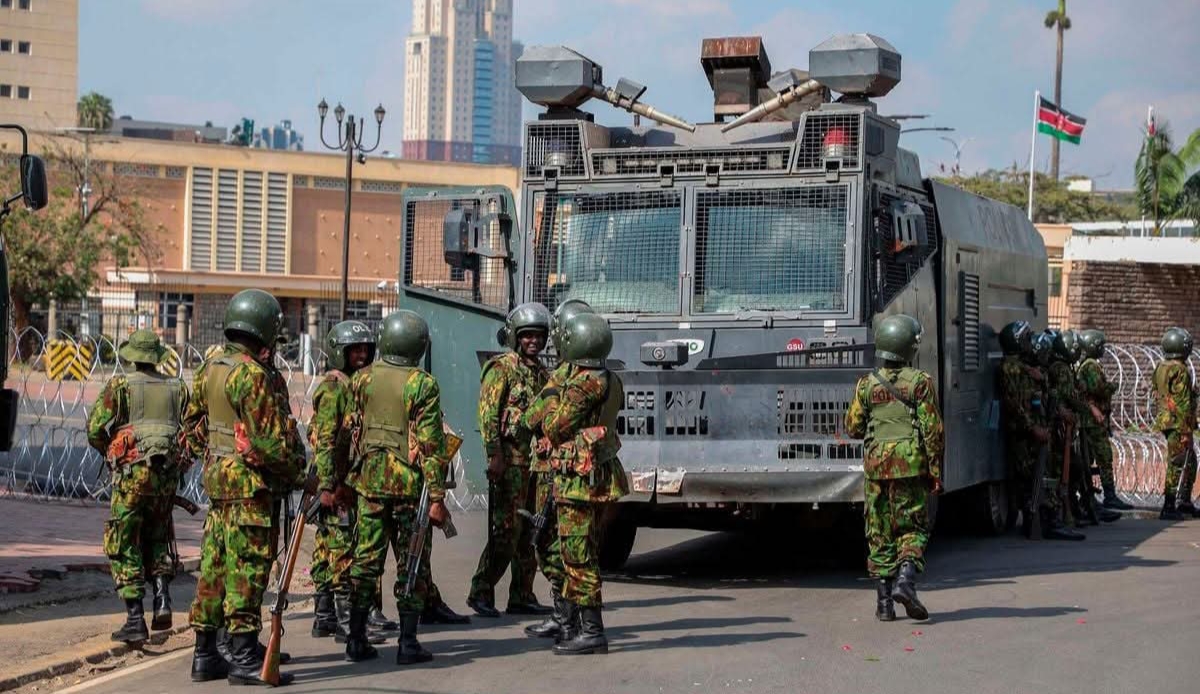
On July 7, 2025, Nairobi’s Central Business District (CBD) came to a standstill as security forces mounted roadblocks on major routes, including Waiyaki Way, Thika Road, and Mombasa Road, to prevent protesters from accessing key government sites like Parliament and State House. Businesses closed, schools advised students to stay home, and commuters were stranded, with some long-distance buses halted as far as 13 km from the city center. The Kenya National Chamber of Commerce and Industry estimated a one-day economic loss of over KSh 3 billion in Nairobi alone, highlighting the profound economic toll of the government’s heavy-handed response.
Also Read: Kenya Airways Inaugural Flight to London Gatwick, Led by Two Inspiring Female Captains
Demands and Dynamics of 2025
The 2025 Saba Saba protests were not just a commemoration but a continuation of a broader movement for accountability. Protesters, primarily youth, demanded an end to corruption, police brutality, and tribalism in governance, echoing the 1990 call for justice but with a modern, digitally-driven edge. Unlike the 1990 protests, which were led by prominent political figures, the 2025 demonstrations were grassroots, with no clear leaders, making them harder for the state to suppress through arrests.
Government Response and Public Backlash
The government’s response to Saba Saba protests 2025 mirrored the repressive tactics of the past. The National Police Service (NPS) issued warnings against “illegal” protests, citing concerns over looting and vandalism, despite a court order prohibiting roadblocks. Police spokesperson Muchiri Nyaga emphasized the NPS’s duty to maintain order but urged officers to act professionally amid allegations of brutality. However, reports of police collaborating with armed gangs to attack protesters and loot property raised serious concerns about state complicity.
The heavy security presence and economic disruptions drew criticism from various quarters. Political analyst Billy Mijungu argued that the government’s reliance on force over dialogue alienated Kenya’s youth, who were not seeking chaos but meaningful engagement. Siaya Governor James Orengo, a veteran of the 1990 protests, praised the youth’s resolve, urging them to remain steadfast against dictatorship and corruption. Conversely, South Mugirango MP Silvanus Osoro dismissed the protests as “outdated” and politically manipulated, a view that further inflamed tensions.
What measures has security personnels taken towards this protests.
The security personnel in Kenya, primarily the National Police Service (NPS), have taken several measures in response to the Saba Saba protests on July 7, 2025, which were marked by widespread demonstrations demanding accountability, economic justice, and an end to police brutality. These measures, largely characterized by efforts to maintain order and prevent unrest, have drawn criticism for their heavy-handedness and impact on civil liberties. Below is an overview of the actions taken by security personnel, based on available information:

Heavy Deployment of Security Forces:
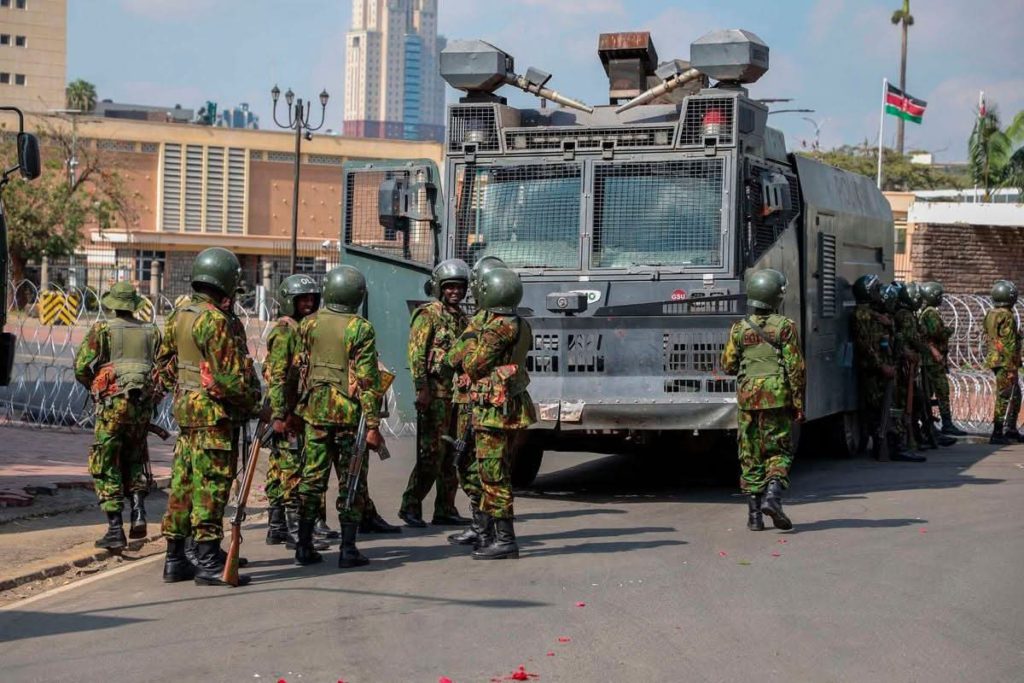
Security personnel were heavily deployed across Nairobi and other major towns, particularly in the Central Business District (CBD), to prevent protesters from accessing key government sites such as Parliament and State House. This involved a significant presence of police officers, including anti-riot units, equipped with tear gas, batons, and water cannons.
Roadblocks and Traffic Disruptions:
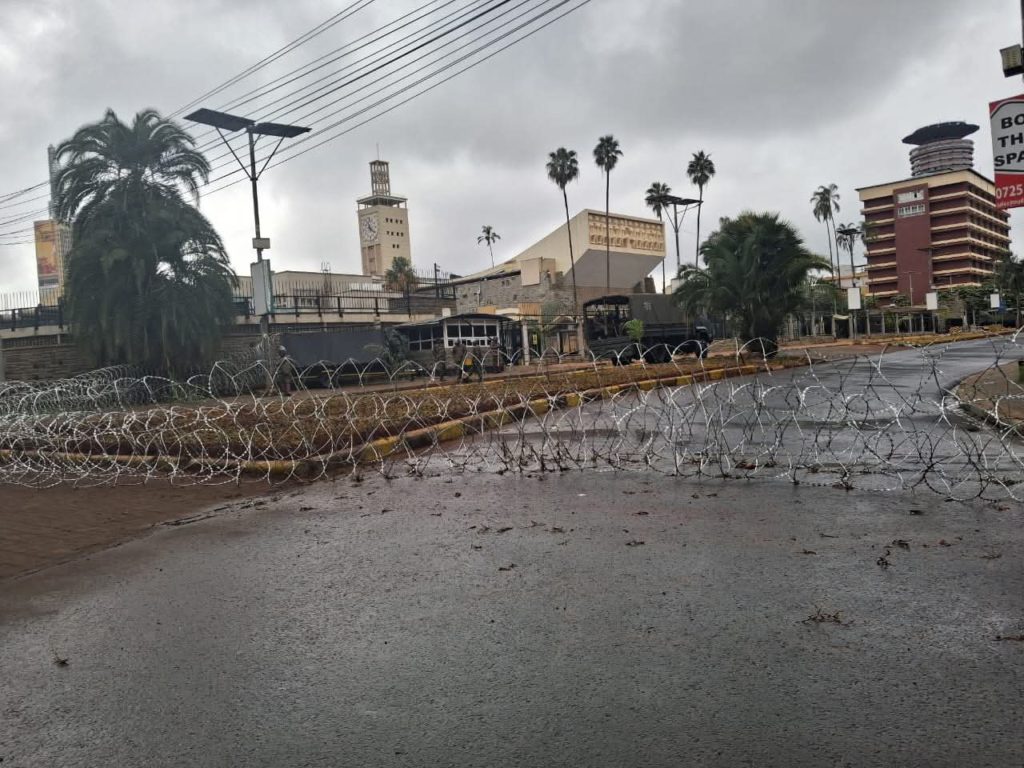
Police mounted roadblocks on major routes leading to Nairobi’s CBD, including Waiyaki Way, Thika Road, and Mombasa Road. These roadblocks were set up to restrict protesters’ movements and prevent large gatherings. As a result, commuters faced significant delays, with some long-distance buses halted up to 13 km from the city center, causing widespread disruption.