


Table of Contents
When will Starlink launch in Uganda?
As Uganda gears up for its general elections on January 15, 2026, a surprising development has emerged in the telecommunications sector. The Uganda Communications Commission (UCC) has signaled the imminent arrival of Starlink’s satellite internet services through a collaboration with Airtel Uganda. This move promises to revolutionize connectivity, particularly in remote areas, but it comes against a backdrop of recent restrictions and lingering suspicions about government control over digital access during the polls.
What is Starlink and How Does It Work?
Starlink, operated by SpaceX, is a satellite-based internet service that uses a constellation of low-Earth orbit satellites to provide high-speed, low-latency broadband. Unlike traditional providers that rely on ground-based infrastructure like fiber optics or cell towers, Starlink beams signals directly from space, enabling coverage in hard-to-reach rural and underserved regions. Users access the service via a compact dish antenna and router, with speeds often exceeding 100 Mbps for downloads—far surpassing many local options in Uganda.

This technology has gained global acclaim for bridging the digital divide, offering uninterrupted access even in areas prone to outages. In Africa, Starlink has already launched in over 19 countries by mid-2025. Its appeal lies in reliability during crises, as satellites bypass local networks that can be easily disrupted.
When and How Will Starlink Uganda Launch?
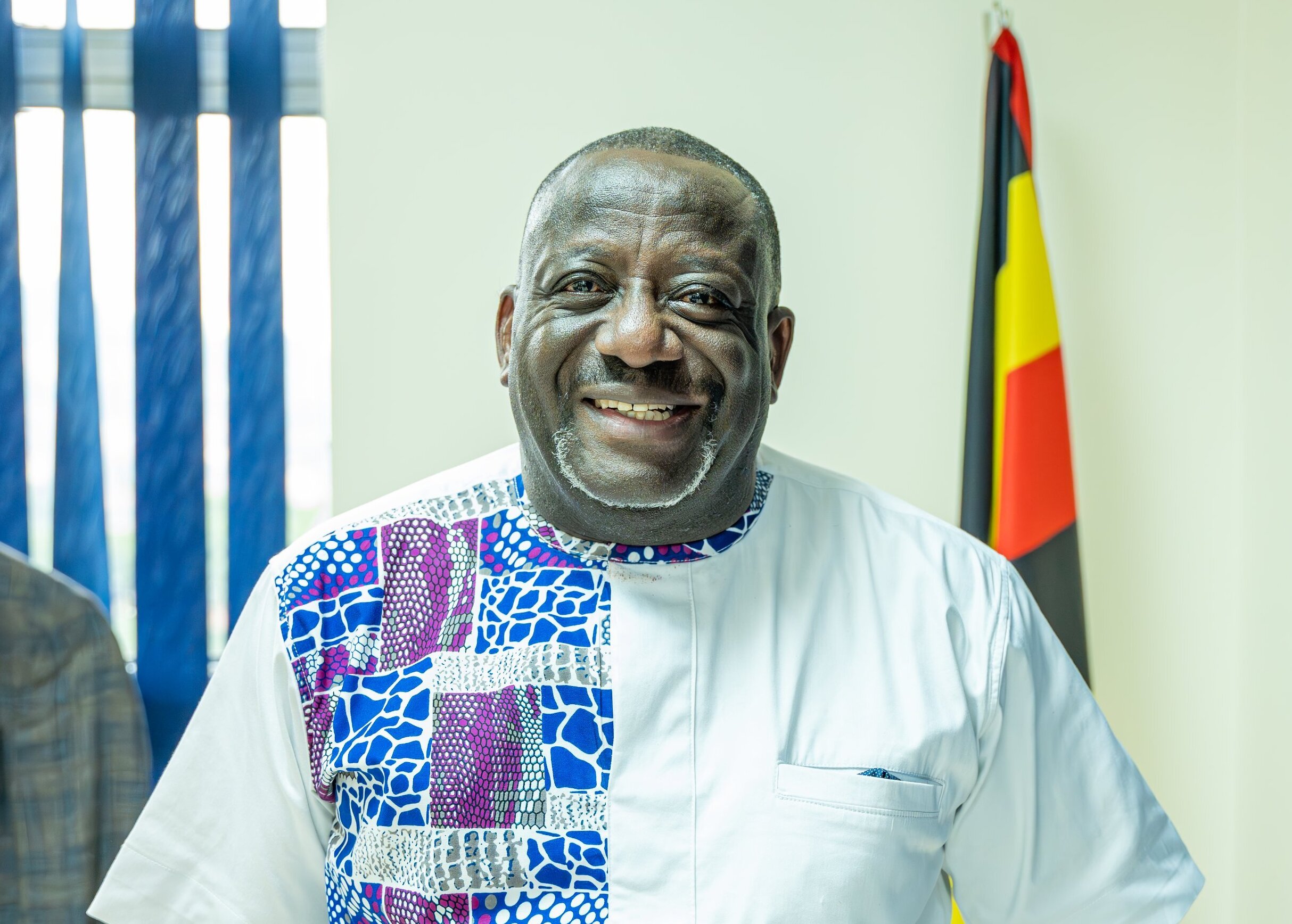
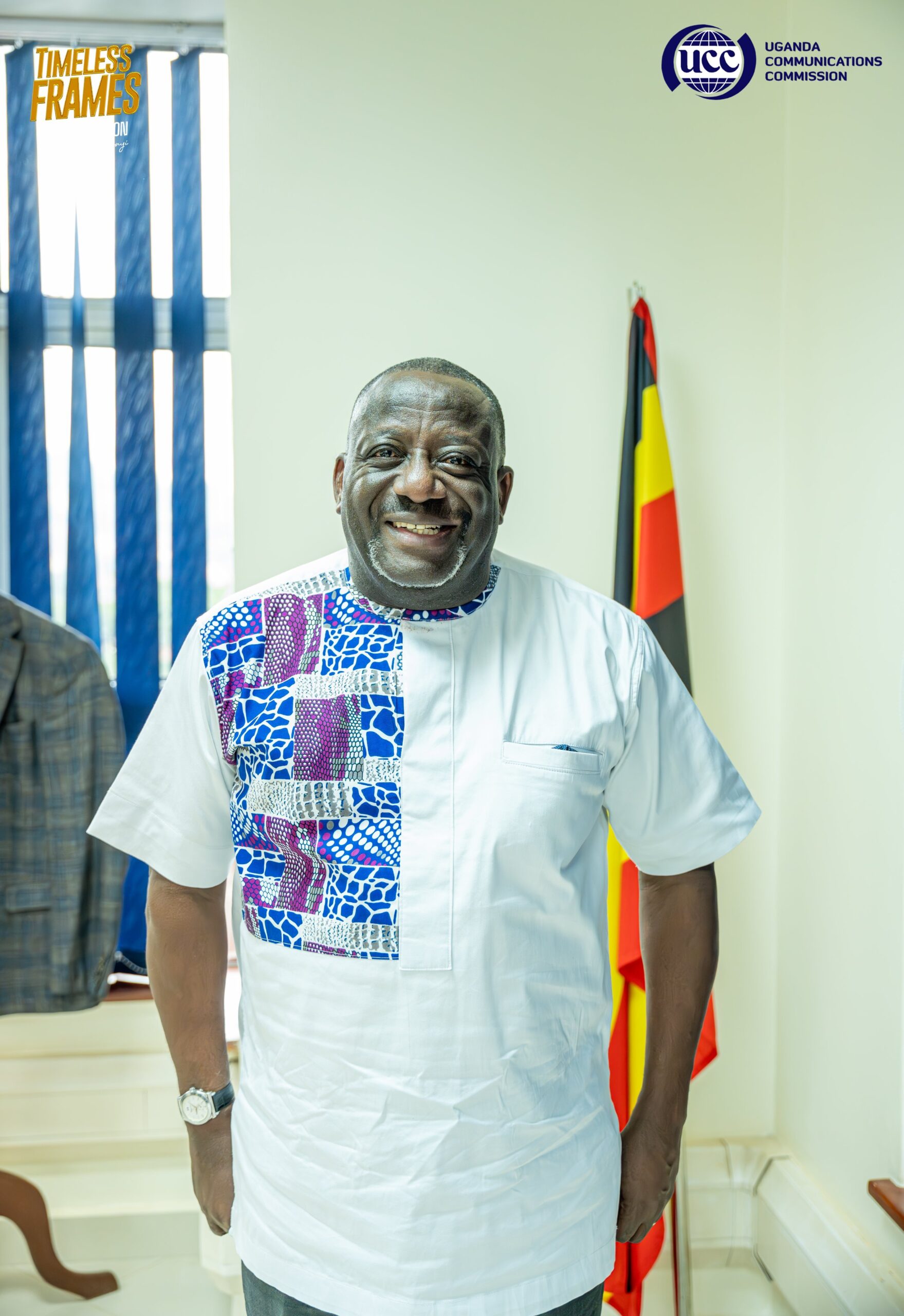
According to UCC Executive Director George William Nyombi Thembo, Starlink is set to launch this week in partnership with Airtel Uganda. The announcement, made on January 5, 2026, emphasizes that the service will allow Ugandans to “access connectivity anywhere in the country.” This follows a broader agreement between Airtel Africa and SpaceX, signed in December 2025, to roll out Starlink’s Direct-to-Cell services across 14 African markets, including Uganda.
The Direct-to-Cell model integrates satellite connectivity directly into mobile devices, starting with text messaging and limited data for select apps in 2026, with full voice and broader data services to follow. Airtel will handle distribution, leveraging its existing network to ensure compliance with local regulations. While exact pricing for Uganda remains unconfirmed, Starlink’s global kits typically cost around $499 for hardware, plus monthly subscriptions starting at $50—potentially adjusted for local markets to include partnerships with telcos like Airtel for affordability.
This week’s timeline aligns with the week beginning January 4 (Sunday), as the announcement came on January 5. Pending final licensing approvals, initial rollout could target urban centers before expanding rurally.
At What Event Did UCC’s Nyombi Thembo Announce Starlink’s Arrival?
Nyombi Thembo announced during a stakeholder engagement meeting organized by the Ministry of Information, Communications Technology, and National Guidance in Kampala on January 5, 2026. The event focused on digital transformation and regulatory updates ahead of the elections, involving key players from telecoms, media, and government. Tagged participants included UCC officials, Airtel representatives, and media outlets like NBS Television, which broadcast parts of the session.
The meeting addressed ongoing licensing processes, with Thembo clarifying that UCC is conducting due diligence while affirming the collaboration with Airtel. This public forum was part of broader efforts to reassure stakeholders about connectivity stability, especially given recent controversies.
Why is This Starlink Announcement Ironic in Light of Recent UCC Actions?
The timing of the launch reveal is strikingly ironic, as it follows UCC’s aggressive crackdown on Starlink just days earlier. On December 19, 2025, the Uganda Revenue Authority, at UCC’s behest, imposed a ban on importing Starlink equipment, requiring military clearance from the Chief of Defence Forces—President Museveni’s son, General Muhoozi Kainerugaba—citing national security concerns.
This led to Starlink fully suspending services in Uganda on January 1, 2026, disabling all terminals after UCC complained about “illegal” operations without a license. In a January 2 letter, Starlink confirmed the blackout, reiterating no official presence in Uganda yet. Critics viewed the ban as a preemptive strike to control information flow ahead of elections, echoing tactics from 2021.
Now, the sudden pivot to a launch this week suggests a strategic reversal, possibly to counter public backlash or align with Airtel’s continental deal. This flip-flop highlights tensions between innovation and regulation, with UCC insisting the earlier restrictions were about compliance, not denial of service.
What Role Could Starlink Play in Uganda’s Upcoming Elections?
With elections on January 15, 2026, Starlink’s potential launch could provide a lifeline for voters in rural areas, where traditional networks often falter. President Yoweri Museveni seeks a seventh term against challengers like opposition leader Robert Kyagulanyi (Bobi Wine), amid high stakes for youth employment and freedoms.
However, its global coverage raises questions about bypassing potential shutdowns. In 2021, Uganda endured a five-day internet blackout during polling, ordered by UCC to curb “misinformation,” severely impacting businesses, media, and voter coordination. Starlink’s satellite nature could offer resilience, but the recent suspension shows it’s not immune to regulatory pressure.
Why Are Critics Speculating About Government Plans to Shut Down the Internet?
Opposition figures and civil society fear a repeat of 2021’s shutdown, viewing the Starlink ban-and-reversal as evidence of manipulation. Critics speculate the government might cut internet on January 15 to suppress dissent, as in past elections where protests erupted. UCC has assured no blackout this time, but skepticism persists given the timing of restrictions.
Bobi Wine has urged supporters to download Bitchat, a decentralized app by Jack Dorsey that uses Bluetooth mesh networks for offline communication. The app enables encrypted messaging and file sharing (like election results forms) without internet, potentially thwarting disruptions. Wine’s endorsement reflects widespread distrust, with many seeing it as a tool for grassroots resistance.
What Could Starlink Mean for Uganda’s Digital Future?
Beyond elections, Starlink’s entry could accelerate Uganda’s digital economy, supporting e-learning, telemedicine, and agriculture in rural areas where only 42% have internet access. However, challenges like affordability, regulatory hurdles, and integration with local providers remain. As Uganda navigates this plot twist, the launch could either ease tensions or fuel debates on digital sovereignty in a politically charged environment.
