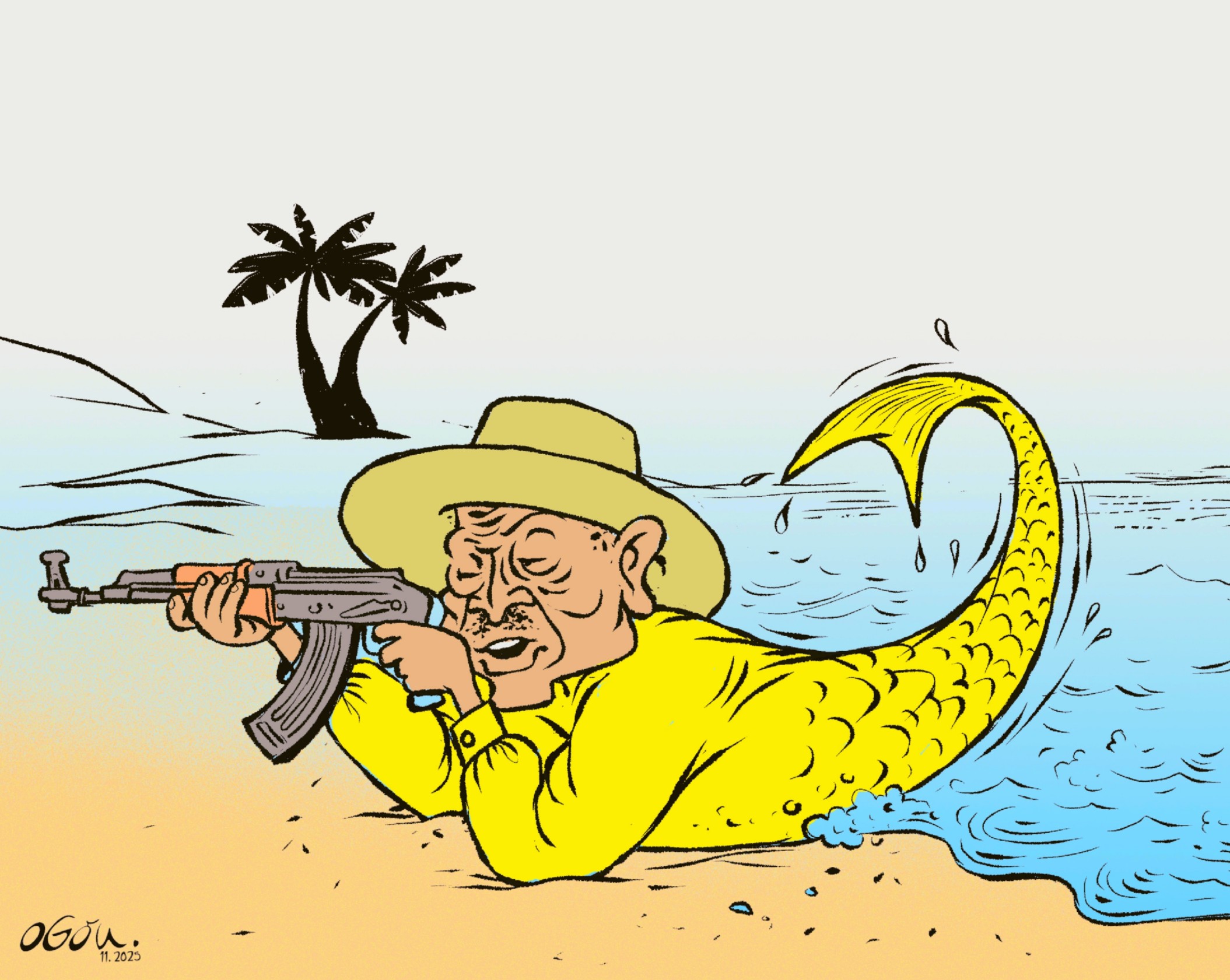
President Yoweri Museveni has ignited a viral storm. Just four days ago, on November 12, 2025, “Indian Ocean” began trending across Uganda’s social media feeds, spawning hundreds of memes, satirical maps, and heated debates. At the heart of it: Museveni’s assertion that the Indian Ocean “belongs” to Uganda, warning of potential “future wars” if access is denied.
What started as a geopolitical flex has morphed into a meme-fueled fever dream, with Ugandans joking about beachfront property in Mombasa and redrawn borders that turn their landlocked nation into a coastal powerhouse. But beneath the humor lies a serious undercurrent—Africa’s thorny history of land disputes, economic dependencies, and the fragile peace between neighbors Kenya and Uganda. This article unpacks the frenzy, blending hard facts with the absurdity that’s captivating the internet.
Why Did Museveni Claim the Indian Ocean ‘Belongs’ to Uganda?
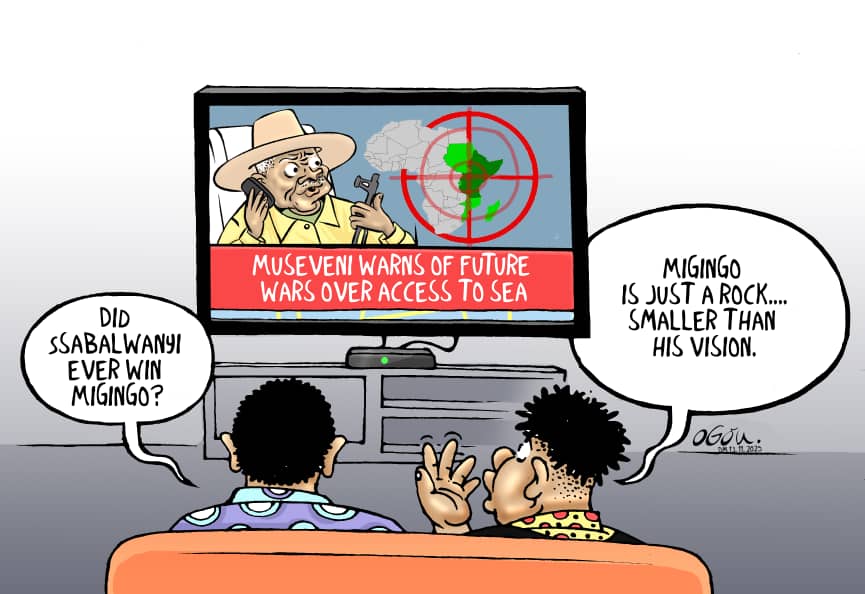
President Yoweri Museveni dropped the bombshell during a public address on November 9, 2025, at a security forum in Kampala, where he was discussing East African Community (EAC) integration and regional defense. Flanked by military brass, he declared, “That ocean belongs to me; it is my ocean. I am entitled to it. In the future, we may have wars” if landlocked nations like Uganda are blocked from sea access.
The remark wasn’t off-the-cuff; it stemmed from decades of frustration over Uganda’s reliance on Kenya’s Port of Mombasa for 90% of its imports and exports, which Museveni has long viewed as a strategic vulnerability. What pushed him this time? Escalating trade frictions, including recent delays at Mombasa due to Kenyan port privatizations and customs hikes, which Museveni called “madness” for punishing landlocked neighbors. Echoing pan-African ideals, he argued that colonial-era borders unfairly deny Uganda—historically a lakeside kingdom with Nile access—its “natural” maritime rights. Critics see it as saber-rattling to rally domestic support amid economic woes, but Museveni framed it as a call for equitable EAC resource-sharing, not outright conquest.

What Sparked This Viral Trend in Uganda?
The statement hit X (formerly Twitter) like a tidal wave, amplified by Museveni’s son and Uganda’s Chief of Defence Forces, General Muhoozi Kainerugaba, who tweeted his full agreement: “I agree with my father: Kenya must grant us access, or there will be big problems.” Within hours, Ugandans—ever quick with wit—turned it into meme gold.
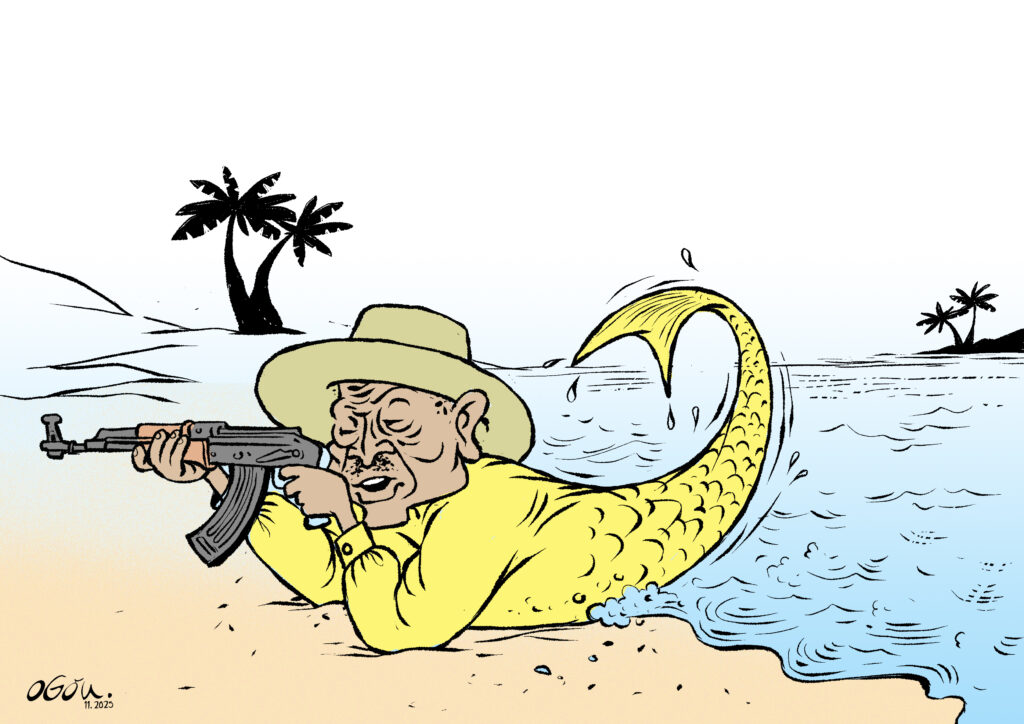
By November 16, over 500 posts under #UgandaIndianOcean had circulated, featuring Photoshopped images of Museveni in swim trunks claiming Mombasa Beach or altered Google Maps showing Uganda “annexing” Kenya’s Rift Valley for a direct ocean highway. One viral post quipped, “Me in 2070 explaining to my grandkids why Uganda’s map touches the Indian Ocean,” paired with a cartoon of a bloated Uganda swallowing Kenya’s coast.
The frenzy dates back to a 2022 incident when Muhoozi tweeted threats to “invade” Kenya in two weeks and “capture” Nairobi, forcing Museveni to apologize publicly and demote his son temporarily. That fiasco ended in handshakes, but it planted seeds of unease. This week’s revival feels like déjà vu, blending family bravado with genuine gripes over port fees that cost Uganda $500 million annually in transit levies.
What Would Uganda Gain from Direct Indian Ocean Access?
For a landlocked economy like Uganda’s—valued at $50 billion GDP, heavily reliant on coffee, gold, and oil exports—seaside access isn’t just prestige; it’s survival. Currently, 80% of Uganda’s trade funnels through Mombasa, incurring delays, bribes, and tariffs that inflate costs by 20-30%. Direct access via a sovereign corridor or joint EAC port could slash these by half, unlocking $2-3 billion in annual savings and boosting exports to Asia and Europe through faster maritime routes. Tourism would surge too: Imagine Ugandan safaris extending to Mombasa beaches, drawing 5 million more visitors yearly.
Strategically, it bolsters defense—Museveni cited naval needs for Lake Victoria patrols extending to the ocean—while fostering industries like shipbuilding and fisheries. One meme captured the dream: A Ugandan fisherman hauling “Nile perch from the Indian Ocean,” symbolizing untapped wealth. Realistically, though, benefits hinge on diplomacy, not drums of war.
Is Direct Access Even Possible Without War?
Legally, yes—under the UN Convention on the Law of the Sea (UNCLOS), landlocked states like Uganda have a “right of access to and from the sea” via neighbors’ territories, without discrimination. Kenya has reaffirmed this, with Foreign Affairs Principal Secretary Korir Sing’oei stating on November 13, “We assure Uganda: No blockade. Our ports are open.”
But Museveni’s “ownership” rhetoric flirts with red lines, evoking 1978’s Uganda-Tanzania war over border salients. A full corridor? Feasible via EAC infrastructure like the $3.5 billion Standard Gauge Railway extension, but sovereignty tweaks could spark unrest. Enter the memes: Circulating “new maps” show Uganda’s borders ballooning southward, gobbling Kenya’s Busia and Kisumu en route to Malindi—pure satire, but with 10,000+ shares. One X user posted: “Uganda’s map updates faster than iOS—next stop, the Moon?” War? Unlikely—both economies interlock ($1 billion bilateral trade)—but escalation risks refugee crises and EAC collapse.
How Did Land and Sea Disputes Evolve Between Uganda and Kenya?
Colonial carve-ups sowed the seeds: British Uganda lost its Juba coast to Italian Somalia in 1926, dooming it to lake-bound isolation, while Kenya inherited the ocean lifeline. Post-independence, frictions simmered—Museveni’s 1986 rise quelled them via EAC revival, but Muhoozi’s 2022 “invasion” tweets reignited colonial grudges over Migingo Island and oil pipelines. This week’s spark? A November 10 EAC summit where Kenya pushed port fees, prompting Museveni’s retort.
It’s symptomatic of Africa’s 20+ active border spats, from Ethiopia-Somalia to Congo-Rwanda, where “simple statements” like Muhoozi’s “some Kenyan land belongs to Uganda” balloon into boycotts or skirmishes. Ugandans meme it away: One viral thread pits “Uganda vs. Kenya Ocean Battle” with cartoons of matatus racing to the beach, captioned, “Free the Ocean—Uganda Edition.”
What Are Legislators and Kenyans Saying About the Claims?
Ugandan MPs are split: NRM loyalists like Theodore Ssekikubo hail it as “bold pan-Africanism,” urging EAC law reforms for “universal sea rights,” while opposition firebrand Ibrahim Semujju Nganda calls it “a distraction from corruption probes.” In Kenya, Parliament’s Defense Committee dismissed it as “hot air,” with MP Millie Odhiambo quipping, “We’ll use NYS youth to build sandcastles if they try.”
President Ruto’s administration downplayed threats, emphasizing joint ventures like the LAPSSET corridor. Reactions fuel the memes: A top post shows Kenyans “surrendering” with a white flag reading, “Take the ocean, but leave the ugali,” racking up 2,000 likes. Another: “Ugandans arriving at Indian Ocean—first stop, Nile Special on the beach.” It’s cathartic humor amid real stakes—escalation could cost East Africa $10 billion in disrupted trade.
Why Are Ugandans Flooding the Internet with Ocean Memes?
In just 96 hours, Uganda’s meme economy has boomed: TikToks of “Ocean dividends” (free Rolex from Mombasa stalls), WhatsApp forwards of Museveni as a pirate captain, and X threads roasting Kenya with “Our Ocean, Your Drought.” One standout: “Stressing over 5k for a beer? Nah, dividends from the Indian Ocean incoming!”—mirroring economic anxieties with absurd pride.
It’s classic Ugandan coping: Turning colonial curses into viral triumphs, much like Bobi Wine’s protest anthems. But experts warn the laughs mask dangers—border rhetoric has sparked African wars before (e.g., 1998 Ethiopia-Eritrea). For readers navigating this: Monitor EAC talks; support transit pacts over tweets. In the end, the real winner? Social media, where Uganda’s “ocean fever” proves humor is the ultimate border-crosser.