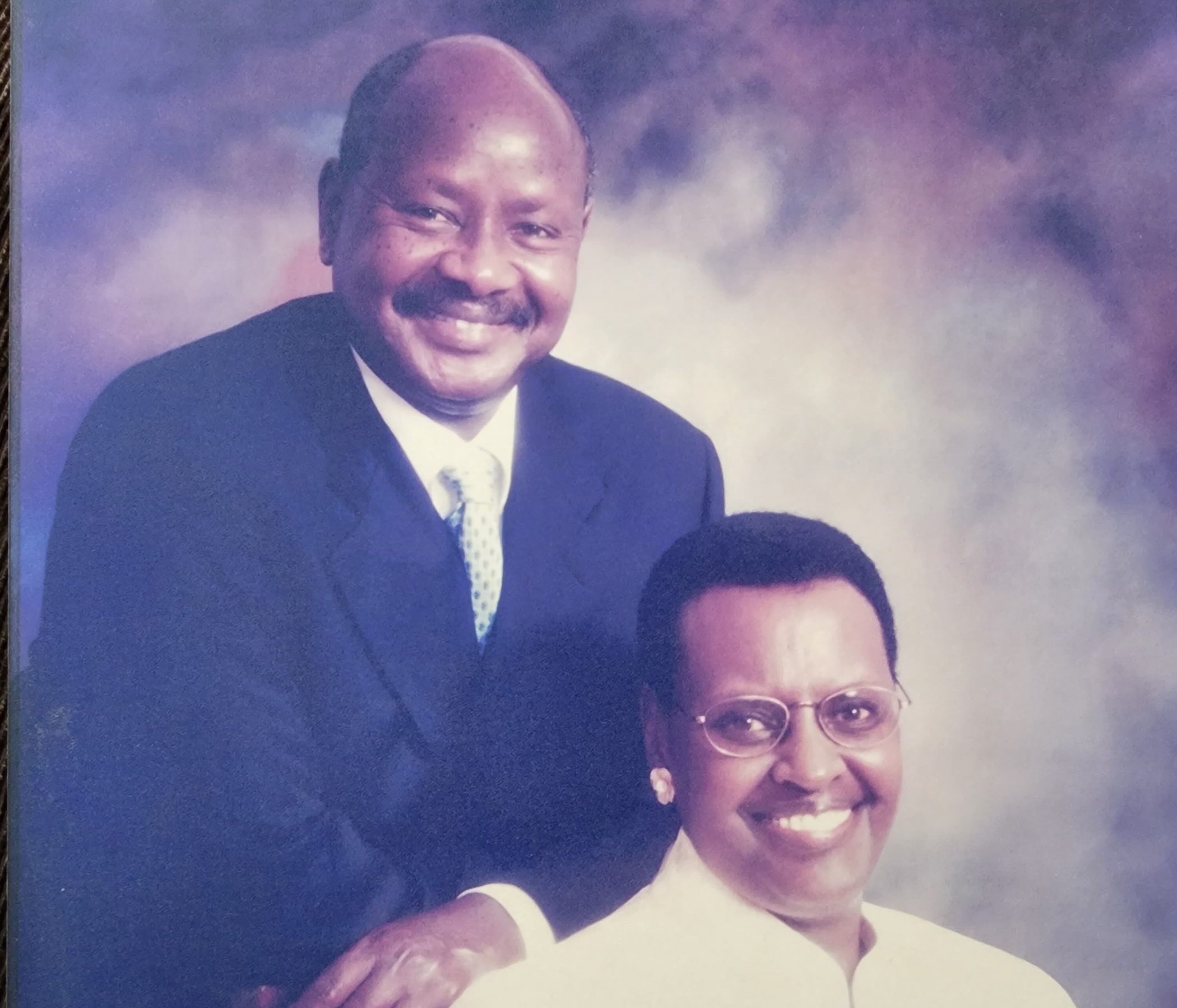

What has Museveni said about Janet Museveni?
President Yoweri Kaguta Museveni has broken months of intense public speculation, deep anxiety, and dark internet rumors surrounding the health and whereabouts of the First Lady and Minister of Education and Sports, Maama Janet Kataaha Museveni. In an emotional, historically detailed celebratory message shared on his official X (formerly Twitter) platform on Wednesday, June 24, 2026, the President revealed that the First Lady survived a major medical crisis three months ago, which he described as an attack by “Sitaane” (Satan) on her life.
The high-profile revelation serves as the first official communication addressing a massive wave of public concern that has gripped the nation since late March. While the message is filled with immense joy and relief, it highlights a deeply emotional period for the first family, confirming that medical professionals fought behind closed doors to preserve the life of the 78-year-old matriarch.
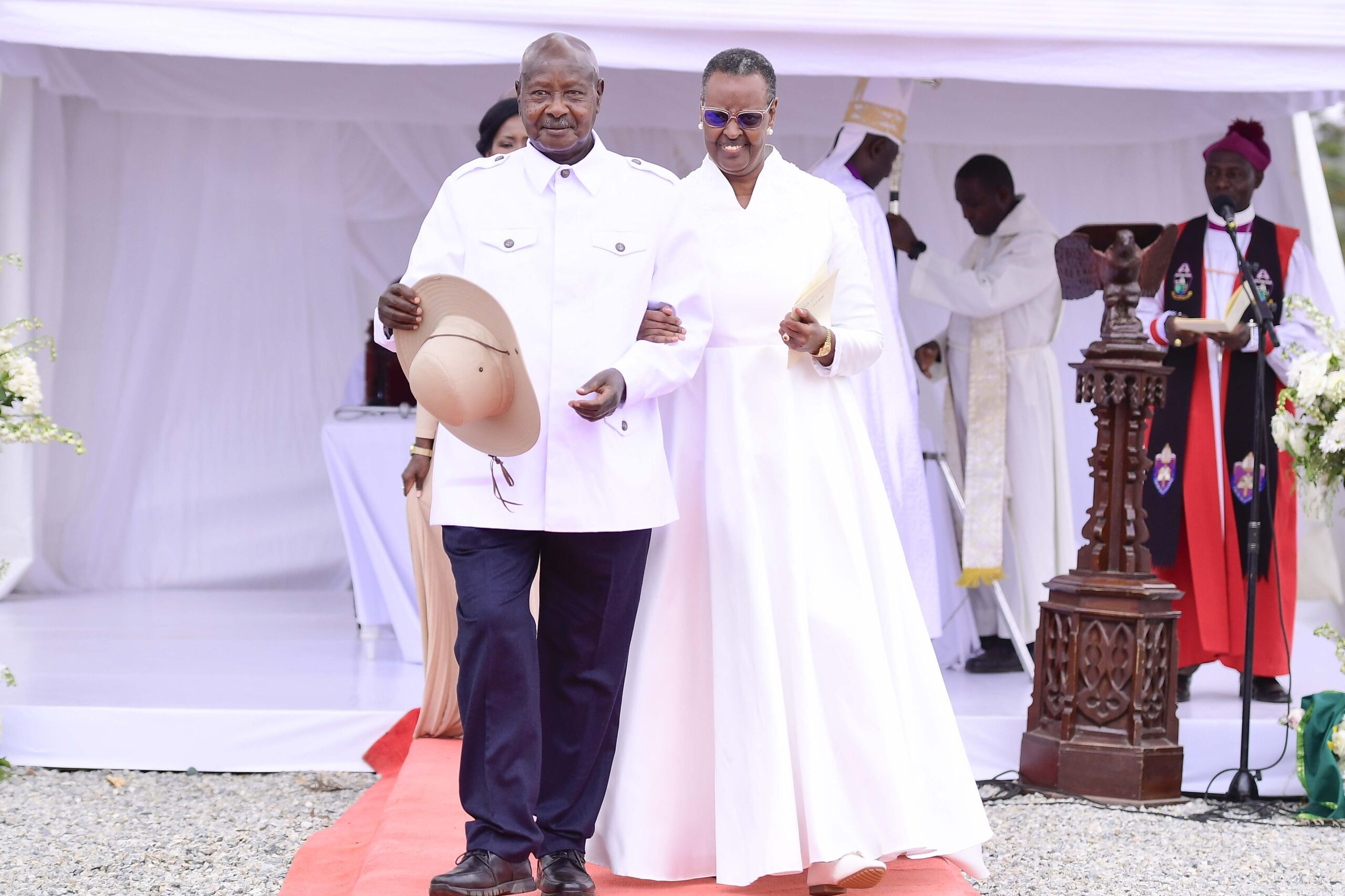
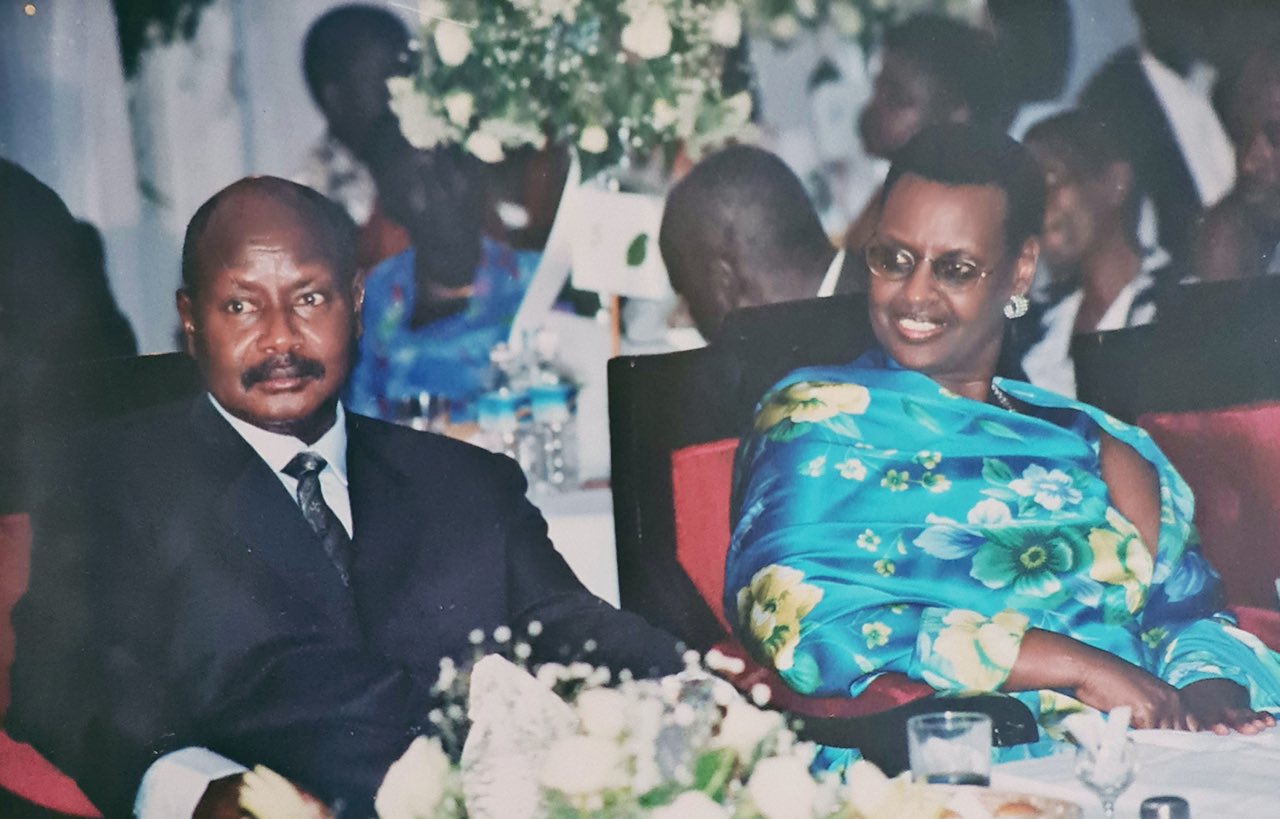
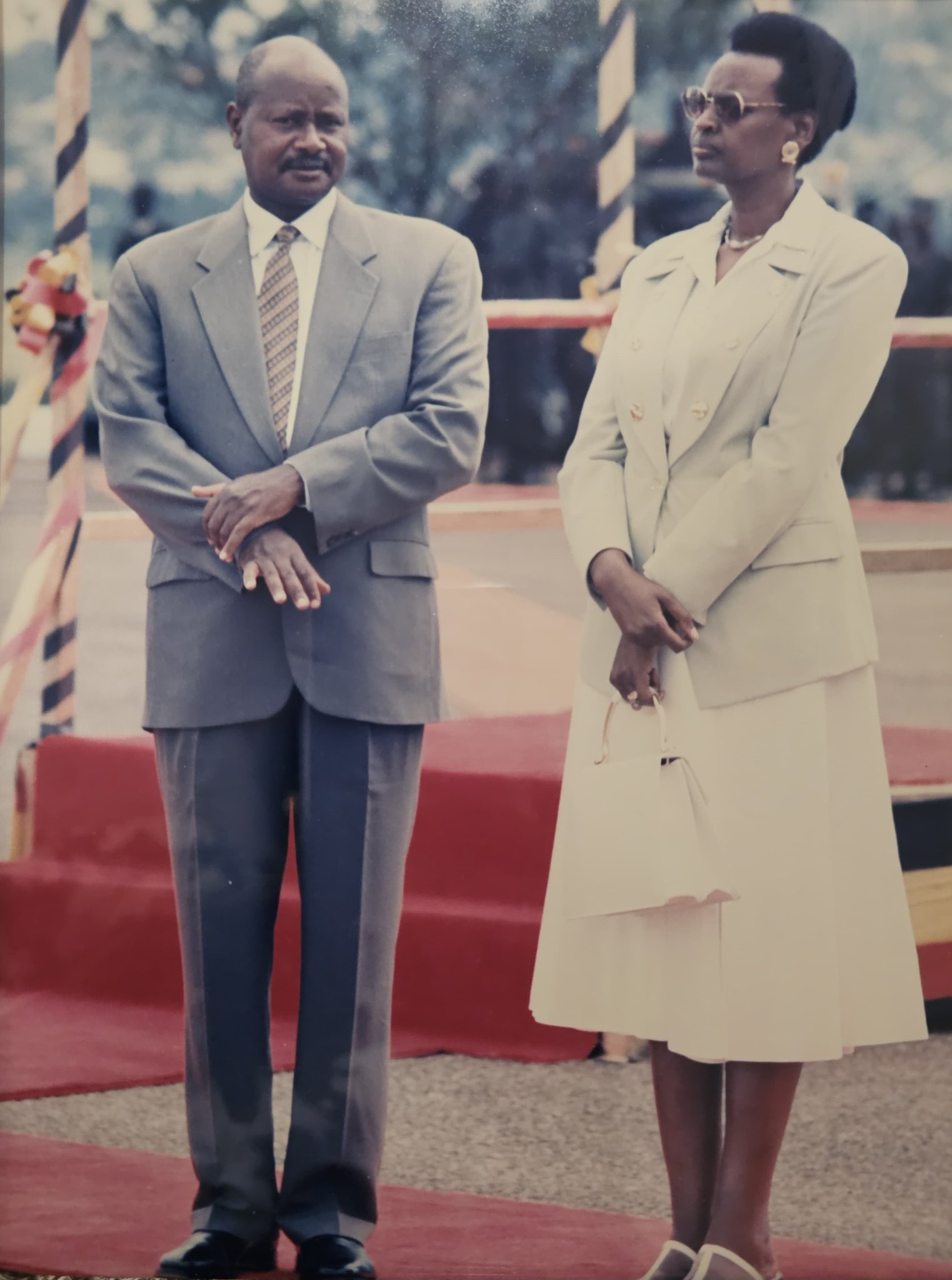
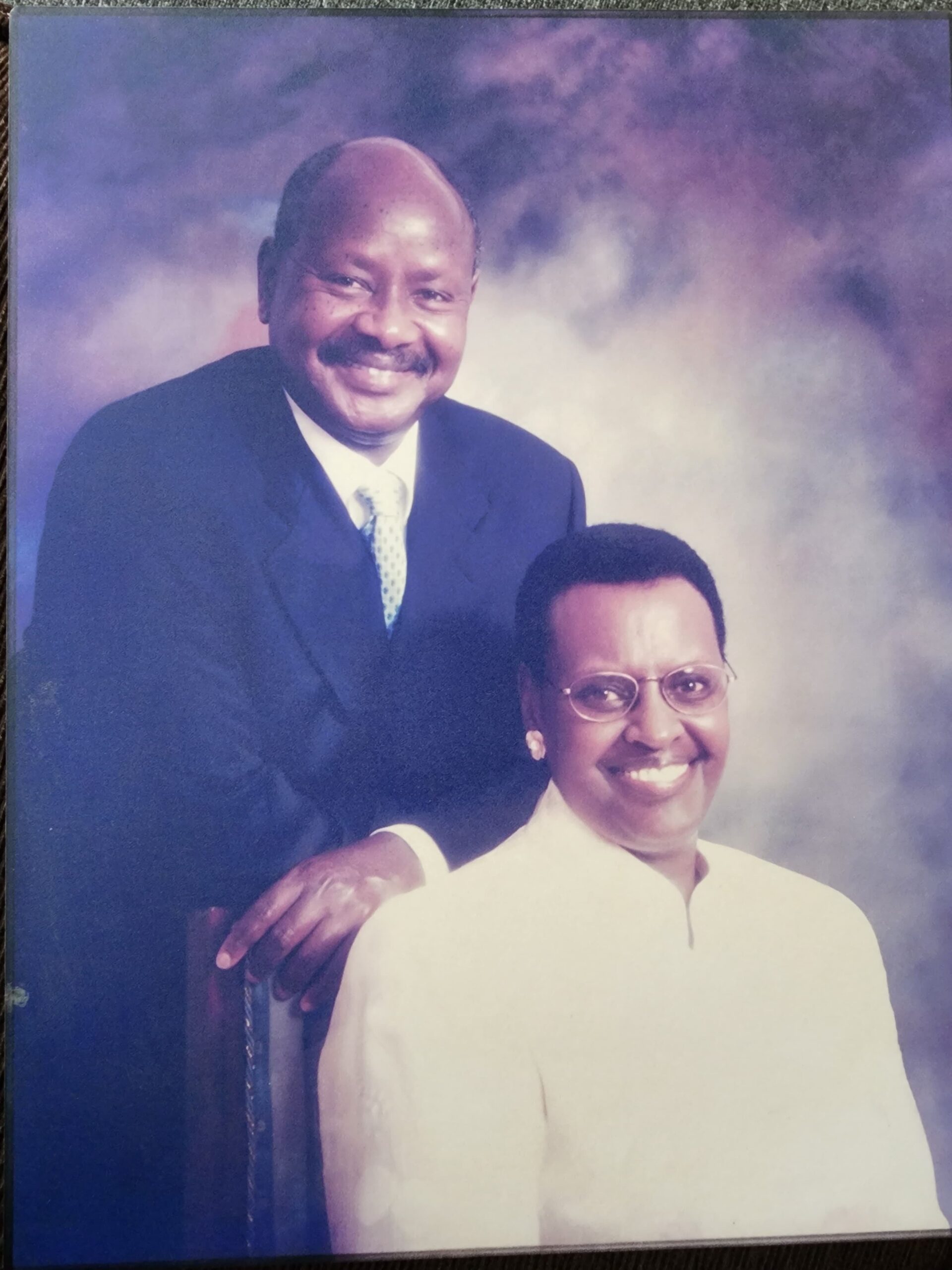
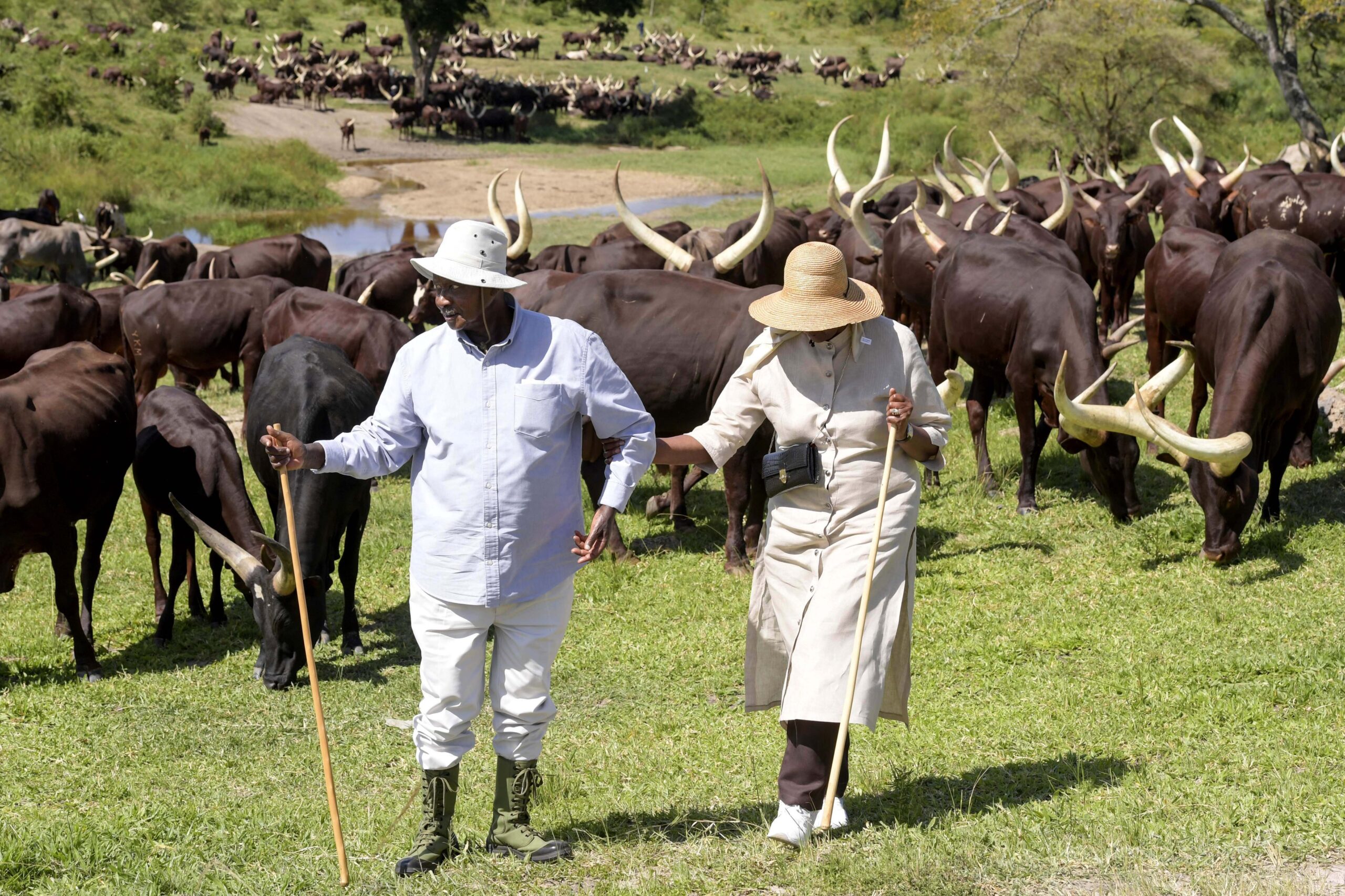
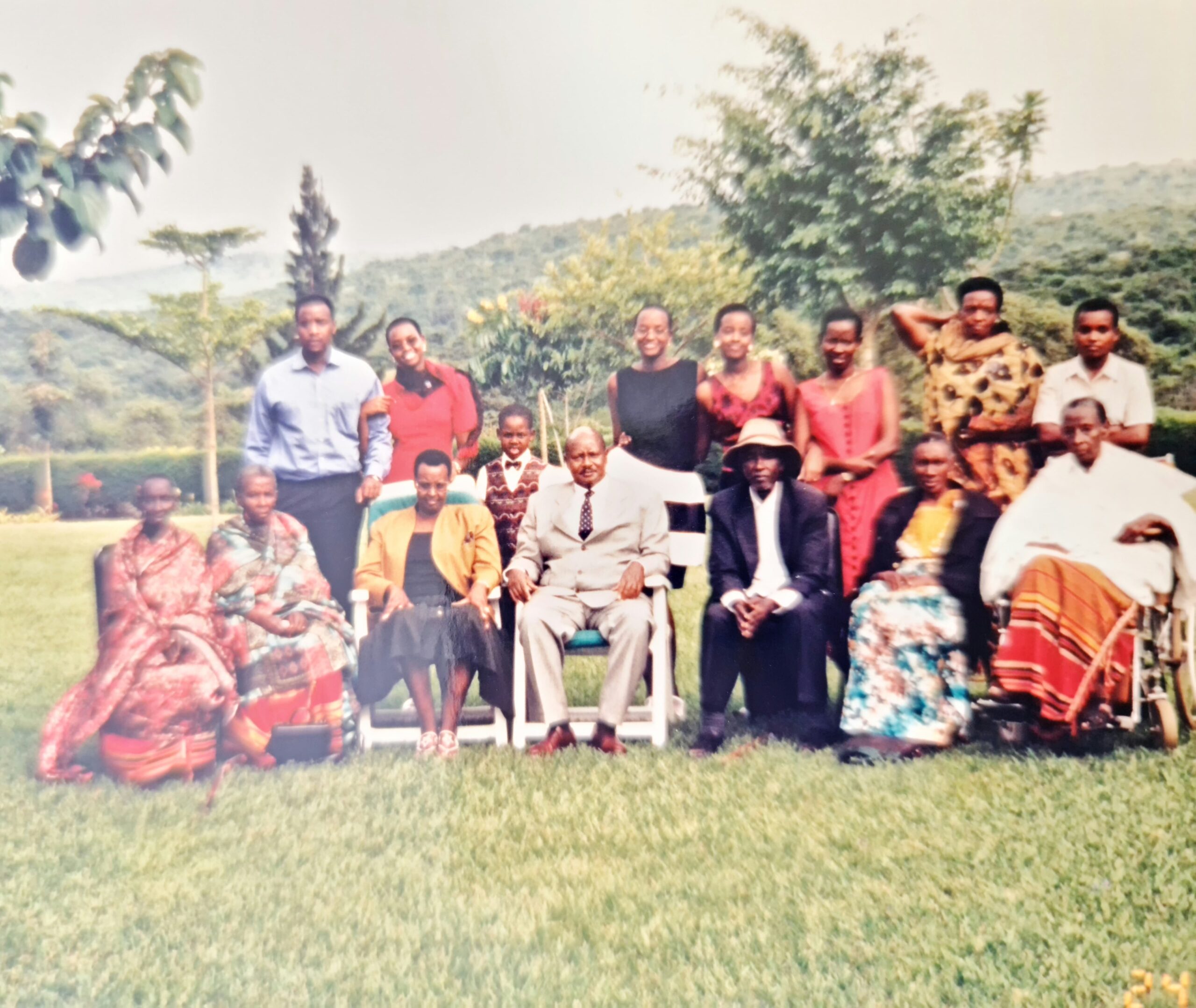
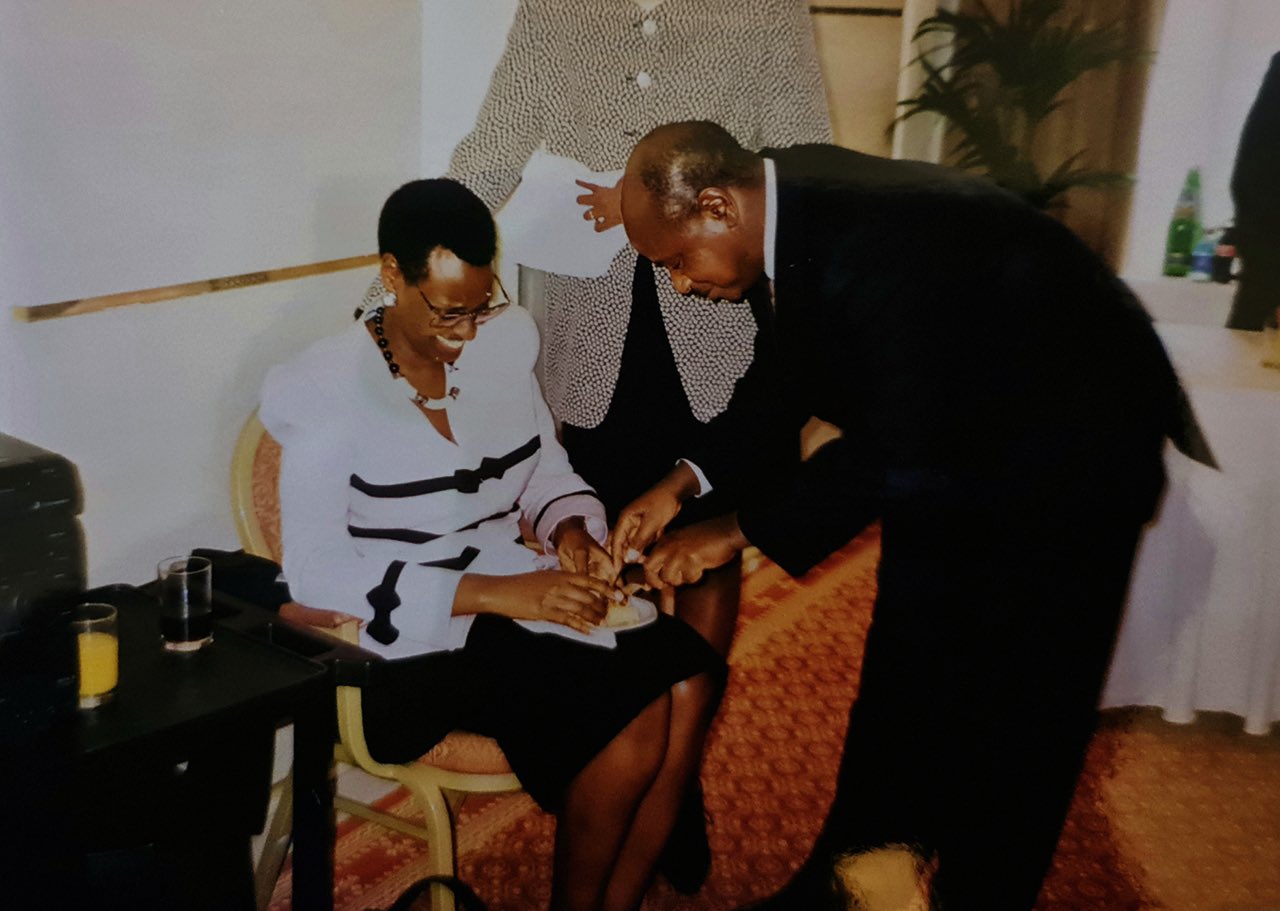
Where is Janet Museveni and is she dead or alive?
For nearly three months, the Ugandan digital space has been dominated by a single, persistent question: Where is Janet Museveni? The public anxiety began peaking around March 28, 2026, after hawk-eyed citizens noticed that the First Lady had completely vanished from the public eye. She was noticeably absent from key state functions, cabinet briefings, national religious celebrations, and educational sector milestones that she typically hosts as a senior cabinet minister.

Also read about the sovereignty protection law
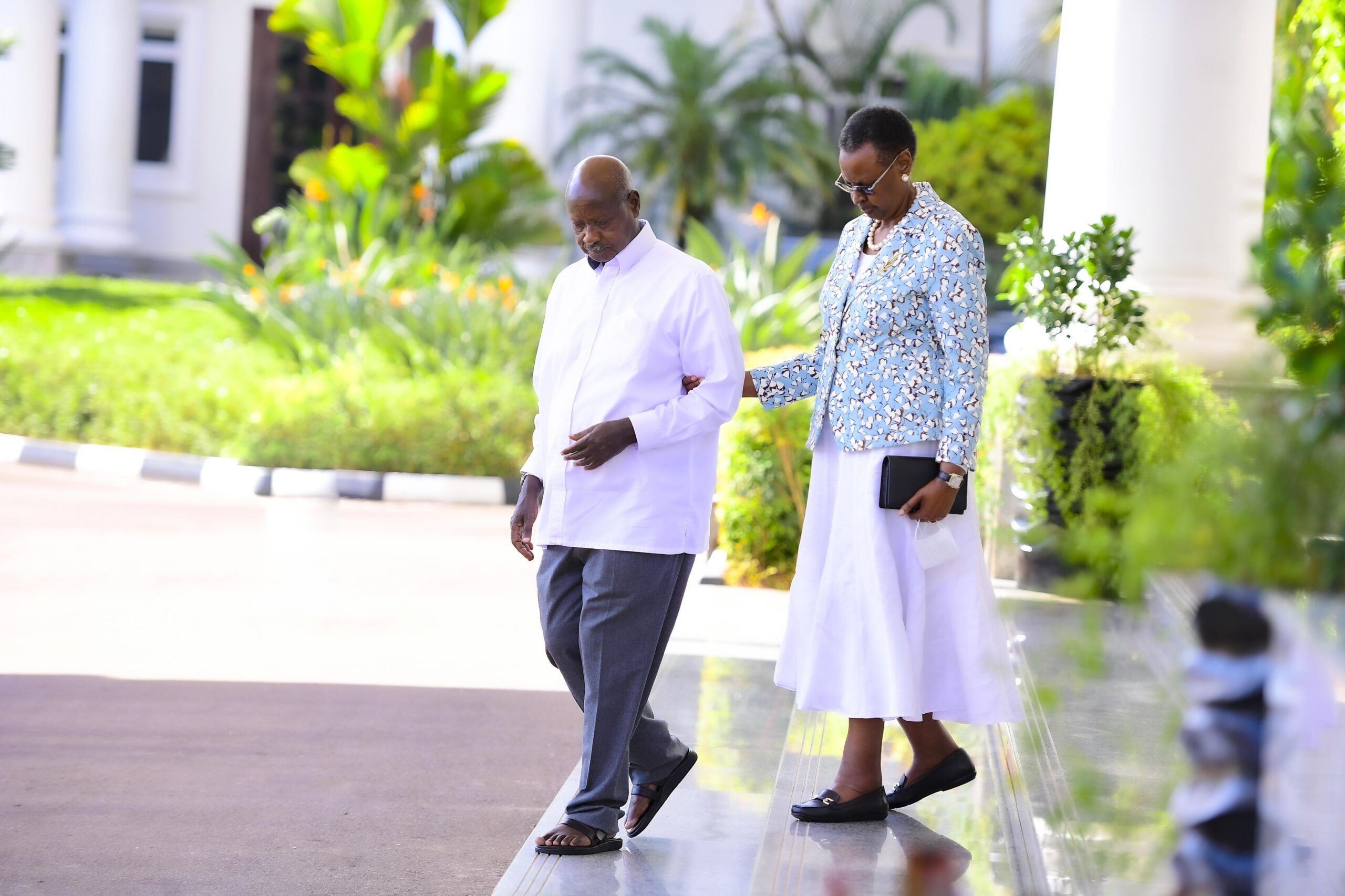
As the weeks dragged on without a single live television appearance, fresh video clip, or updated physical photograph from State House, the vacuum was quickly filled by unverified rumors. Speculation became so intense that several individuals across social media platforms were tracked down and arrested by security agencies for falsely proclaiming her deceased. President Museveni’s official statement today finally shatters those rumors, confirming that while she has been out of the physical spotlight, she is alive and steadily recovering under expert medical supervision.
What happened to First Lady Janet Museveni on March 21, 2026?
According to the official brief penned by President Museveni, the First Lady suffered an acute medical emergency exactly three months ago. The President explicitly linked the date of the crisis to historical milestones of the National Resistance Movement (NRM) struggle, framing her survival as another successful battle against destruction.
“Sitaane, 3 months ago, on the 21st of March, 2026, launched an attack on the life of Maama. However, sitaane miscalculated. The 21st of March is a good day for the Resistance. That is when we defeated the counter-attack of Idi Amin at Rugaando (12 miles from Mbarara) in 1979. God, using good doctors, saved Maama’s life and she is now recovering well.”
While the statement stops short of naming the specific clinical pathology or the medical facility where she was treated, the acknowledgment of “good doctors” underscores the gravity of the intervention required to pull her back from the brink. The historical reference to the 1979 battle of Rugaando highlights the President’s personal relief, viewing her recovery not merely as a medical success, but as a providential victory for the core family of the liberation movement.
The 1972 Nairobi Inter-Continental Hotel miracle and early family life
In a rare, deeply nostalgic reflection, President Museveni used the occasion of her 78th birthday to detail the extraordinary, accidental reconnection that allowed them to build a family together amidst the hazardous realities of fighting a military dictatorship.
The President recounted how they had both grown up in the same geographical area of Ntungamo and attended Kyamate Primary School together in 1958, only to be completely separated by the violent political upheavals of post-independence Uganda. By January 1971, Museveni was operating from Tanzania, launching early, highly volatile guerilla incursions against President Idi Amin Dada.
Following a catastrophic military setback on September 17, 1972, in Mbarara—where Museveni revealed that out of 330 untrained fighters on his axis, he managed to retreat with only 46 survivors—he was transit-bound through Kenya to coordinate a fresh shipment of 100 infiltrated rifles and hand grenades. It was during this high-risk operational transit on Christmas Day in 1972 that a sudden encounter completely reordered his personal life outside the Inter-Continental Hotel in Nairobi.
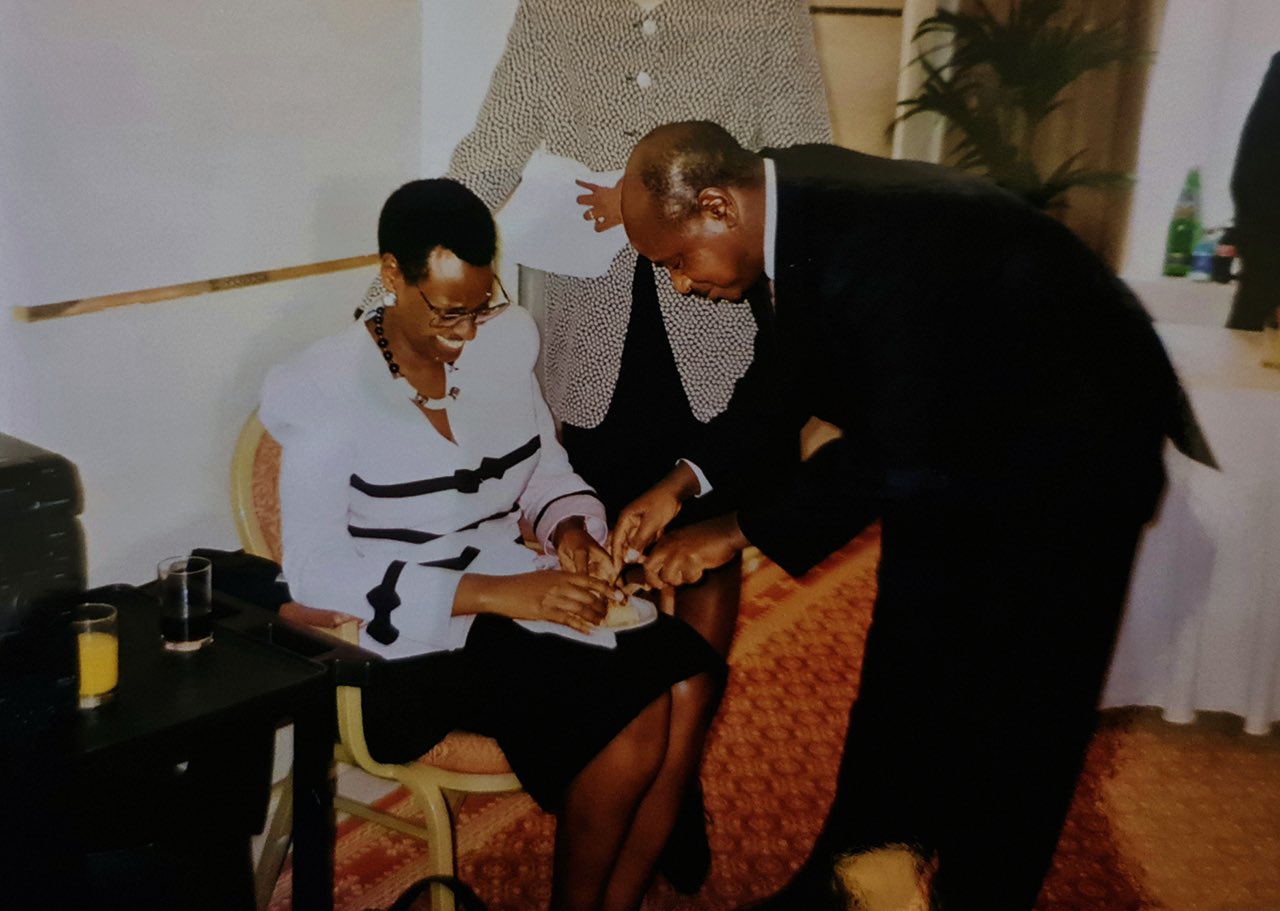
“This is where God’s miracle came in. We had just parked in the Inter-Continental car-park, when I saw the Kazzoras, including Maama, entering their cars after they had had lunch at the hotel. I got out of our car and greeted them. Mr. Kazzora and his wife did not know me but Maama Janet and Maama Jennifer Kutesa, knew me from the Ntungamo- Kyamate days. Without going into details, it is that accidental and miraculous re-connection that enabled me to have a family even when I was still in the risky life of exile and, the Resistance. Praised be the Lord.”
This singular, fateful parking lot meeting laid the foundation for their decades-long marriage, providing the young revolutionary leader with a stable household structure despite spending his youth wandering as a marked freedom fighter.
Janet Museveni’s historical contributions to the NRM resistance and philanthropy
Beyond their early romance, the President paid massive tribute to the immense personal sacrifices made by Maama Janet during the most dangerous phases of the Ugandan liberation war. He specifically lauded her resilience during the second phase of the armed struggle between 1981 and 1986, when he plunged into the jungles of the Luwero Triangle to lead the National Resistance Army (NRA).
During these five years, Janet was forced into a grueling, isolated life of exile, moving across Kenya and Sweden to protect their four young children entirely on her own while her husband faced daily military combat in the bush.
Following the NRM’s capture of state power in January 1986, Janet transitioned her refugee experiences into institutional philanthropy and active national development, establishing foundational footprints that still shape contemporary Uganda:
- UWESO Foundations: In late 1986, she founded the Uganda Women’s Effort to Save Orphans (UWESO), a premier non-governmental relief agency that has provided critical micro-finance, shelter, and vocational education to hundreds of thousands of children left vulnerable by civil wars and the historical HIV/AIDS epidemic.
- Ntungamo & Ruhaama Politics: Breaking traditional conventions for historical First Ladies, she successfully entered active elective politics, serving as the Member of Parliament for Ruhaama County in Ntungamo District, bringing targeted rural infrastructure, safe water access, and economic empowerment models to her home region.
- State Ministerial Leadership: Her administrative portfolio expanded under NRM governance, serving as the pioneering Minister for Karamoja Affairs—where she drove historic disarmament and community resettlements—before being appointed to her current long-standing role as the Cabinet Minister of Education and Sports.
Museveni’s 100-year prayer and the East African Federation
The emotional birthday address concluded with a profound forward-looking prayer, with the President expressing his deepest desire for both himself and Maama Janet to cross the historic 100-year age milestone together. Signed distinctively with his traditional titles—Yoweri K. Museveni, Omugurusi-Ampa, From Omugurusi Ampa to Maama Giinga—the message linked their personal health directly to their overarching pan-African political dream.
The President emphasized that their long-term survival is deeply tied to witnessing the birth of the East African Federation (EAF), a proposed political integration framework uniting East African states into a single sovereign superpower entity. For Museveni, establishing the federation remains the ultimate, non-negotiable insurance policy needed to safeguard the entire African continent against any future forms of external domination, economic marginalization, or neo-colonial manipulation, cementing Maama Janet’s ongoing recovery as a vital anchor for the legacy of the old guard.