
Table of Contents
When did Museveni legalize the sovereignty law?
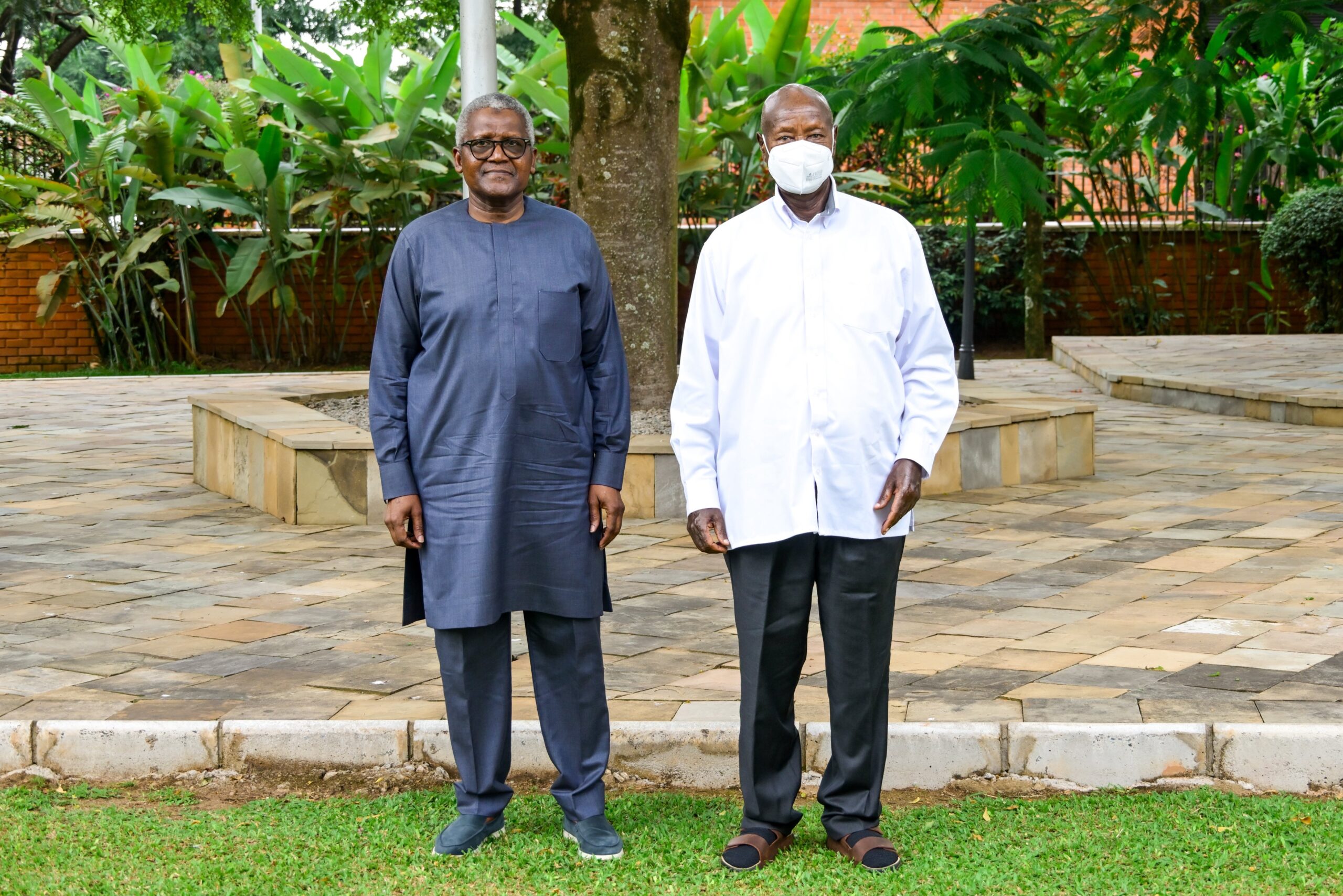
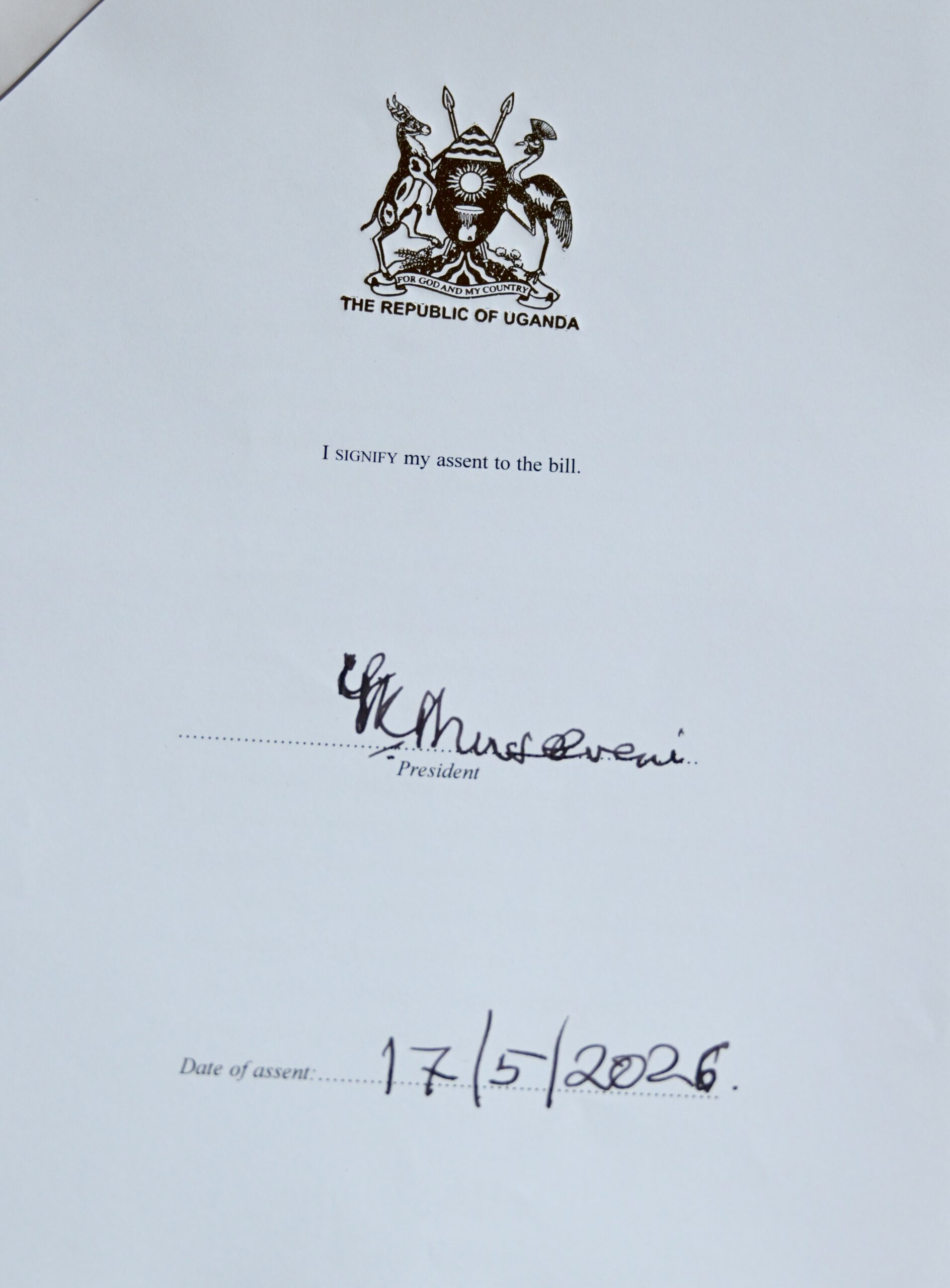
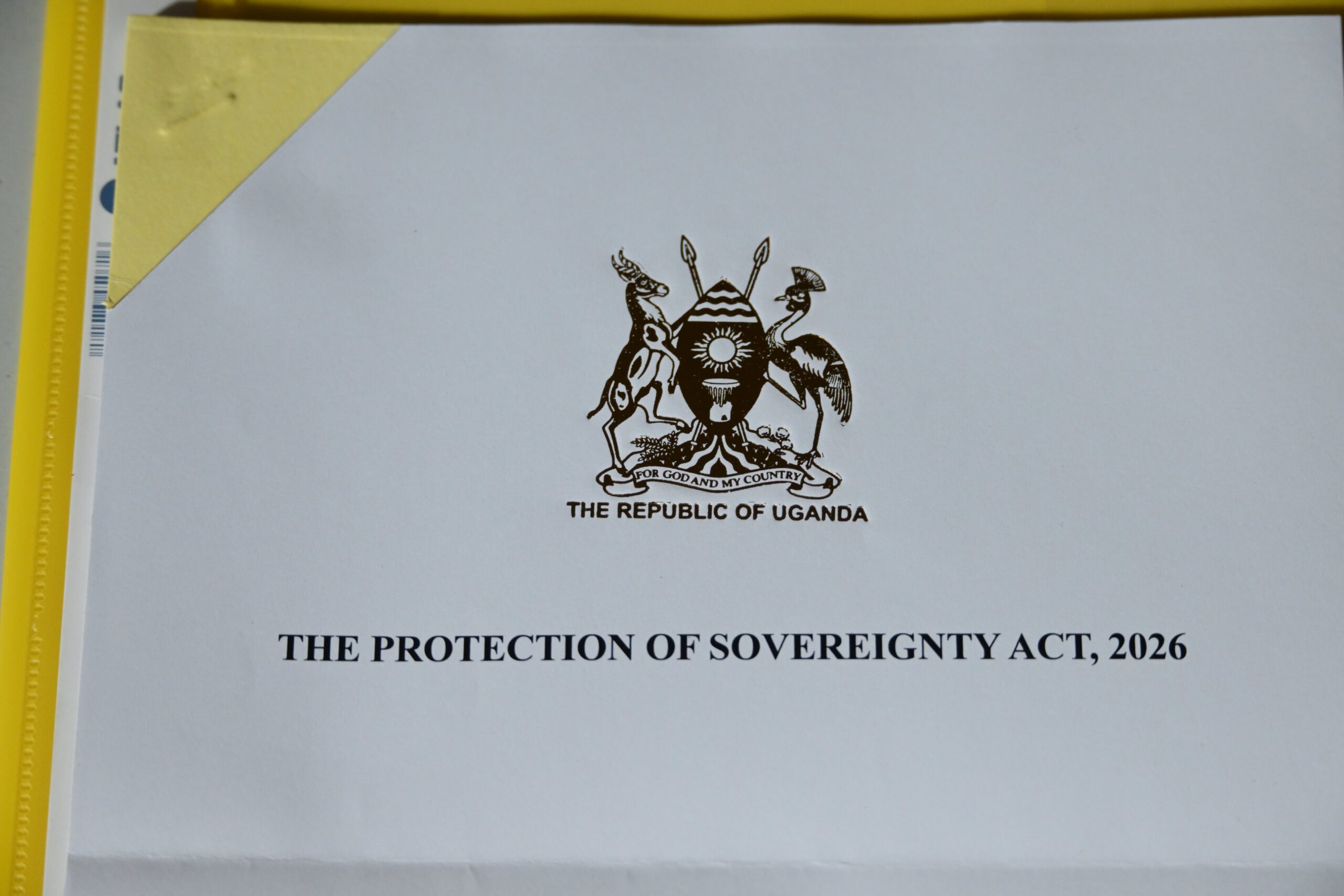
The constitutional and legislative framework of Uganda has undergone a profound, permanent shift, executed under a masterclass of political timing. At exactly 8:30 PM tonight, May 17, 2026, State House officially announced that President Yoweri Kaguta Museveni has given his royal assent to the Protection of Sovereignty Act, 2026.
The signing of this monumental statute brings to a close weeks of high-stakes legislative battles, intense lobbying from the private sector, and fierce resistance from civil society. However, the true story of tonight’s assent lies in the tactical landscape surrounding its announcement.

Also read about Oboth Oboth
The executive branch dropped this massive legal hammer at the exact moment when the entire nation was utterly consumed by a cinematic political drama: the sudden security crackdown and multi-property raids targeting former Speaker of Parliament, Anita Among.
While Ugandans were glued to their feeds watching security forces execute coordinated searches across Among’s residences following explosive revelations about her astronomical wealth—headlined by a Daily Monitor bombshell confirming her acquisition of a custom Rolls-Royce—the state quietly codified a law that structurally resets how foreign influence, civil society, and international capital operate within the borders of Uganda.
What is the Protection of Sovereignty Act 2026 signed by President Museveni?
The Protection of Sovereignty Act, 2026 (originally introduced as Bill No. 13 of 2026) is a comprehensive piece of legislation aimed at monitoring, regulating, and controlling foreign influence within Uganda’s domestic political and economic ecosystem. Enacted under the stewardship of the Ministry of Internal Affairs, the statute formally establishes a state-permission-based architecture, necessitating the registration and strict financial disclosure of any entity operating as an external agent within the country.
According to the official communication from State House, the primary objective of the law is to defend Uganda’s sovereignty by establishing clear, unyielding boundaries against unlawful foreign interference in political, security, and economic matters.
However, acknowledging the economic anxieties that threatened to trigger capital flight during the initial drafting stages, the finalized law explicitly carves out protections for legitimate foreign direct investment (FDI), cross-border trade, international humanitarian interventions, and cross-border academic collaborations. It seeks to separate purely commercial or humanitarian operations from covert political lobbying funded by external state and non-state actors.
How did the Anita Among Rolls-Royce scandal and house raids distract the country from this law?
In politics, timing is everything, and tonight’s announcement was perfectly synchronized with a national distraction. For the past week, the collective gaze of the Ugandan public has been held hostage by the dramatic fall from grace of former Speaker Anita Among. For years, whisperings and investigative dossiers had accused her of amassing infinite, unpredictable amounts of wealth through systemic institutional corruption and the manipulation of parliamentary oversight budgets.
The tipping point—what insiders are calling the absolute last nail in the coffin of her political career—came when the Daily Monitor broke a damning exposé revealing that Among had purchased a brand-new, custom-built Rolls-Royce, one of the most expensive and exclusive luxury vehicles on the planet. The optics of a public official flaunting a multi-billion-shilling vehicle while the ordinary citizen navigates historic economic pressures ignited a firestorm within State House and the NRM caucus.
The situation escalated into full-blown crisis mode when a security operation was launched against the former Speaker. Coordinated security teams descended upon all her known luxury residences, placing her under intense surveillance while conducting exhaustive, room-by-room searches of her properties to locate assets, financial documents, and hidden wealth.
As the public breathlessly waits to see if the state will follow through with formal prosecution and asset forfeiture, this unprecedented security deployment served as the perfect smoke screen. With the media and the public entirely preoccupied with the unfolding spectacle of Among’s houses being searched, the executive was able to assent to the highly sensitive Sovereignty Act with minimal immediate public scrutiny or pushback.
How could the new Sovereignty Law be weaponized against Anita Among?
While the Protection of Sovereignty Act is primarily framed as a tool to curb foreign funding to civil society, its stringent financial tracking and reporting mechanisms present an immediate legal threat to Anita Among. Because the law empowers the Ministry of Internal Affairs and commercial banks to scrutinize all major cross-border financial flows and international asset acquisitions, the state now possesses a streamlined statutory mechanism to audit how her luxury foreign assets—including the controversial Rolls-Royce—were financed.
If the ongoing residential searches uncover undisclosed foreign bank accounts, offshore shell companies, or illicit international wire transfers used to bypass local tax protocols, Among could be targeted directly under the Act’s enforcement clauses. Under this new legal regime, the state could freeze her global assets, enforce mandatory disclosure of her international financial networks, and prosecute her for “economic disruption” if her offshore financial dealings are found to be tied to unauthorized political lobbying or illicit wealth accumulation, rendering her vulnerable to total asset forfeiture and long-term imprisonment.
Why did the Ugandan government pass the Protection of Sovereignty Act?
The geopolitical motivations behind the law were outlined when the bill was first formally tabled before Parliament on April 15, 2026, by the State Minister for Internal Affairs, General David Muhoozi. The state’s primary grievance centered on the rising volume of foreign aid funneled into local civil society organizations (CSOs), independent media houses, and legal advocacy groups. The NRM establishment argued that this funding often carried implicit political conditions or funded parallel social and civic programs designed to run counter to government policies.
In the view of the executive, unregulated external funding had transitioned from developmental assistance into an aggressive tool for domestic policy dictation. The state maintained that external actors were leveraging financial dependencies to shape public opinion, build anti-regime sentiment, and directly interfere with the country’s sovereign decision-making processes. The Act is designed to shift Uganda away from a passive compliance framework to an active oversight model, ensuring that every shilling entering the country for civic or political purposes is accounted for, transparently tracked, and aligned with national strategic interests.
What were the controversial clauses amended by Parliament before Museveni’s assent?
The journey from a draft bill to an enacted law was marked by intense friction. When the draft was first gazetted on April 13, 2026, it was met with immediate pushback from legal experts, corporate bodies, and commercial banks who warned it could completely paralyze the economy. The original version contained several draconian provisions that threatened the broader business community:
- The Broad Definition of “Agent of a Foreigner”: Originally, the bill classified any individual or company whose activities were “directly or indirectly financed or subsidized” by a non-citizen as a foreign agent. This meant local businesses with foreign minority shareholders, joint ventures, or media houses receiving international ad revenue were captured under the same restrictive net as political lobby groups.
- The Shs 400 Million Funding Cap: Clause 22 originally barred any registered agent from receiving more than Shs 400 million ($106,000) in foreign financial support within a 12-month period without prior written authorization from the Minister of Internal Affairs. For large-scale commercial entities and mid-sized NGOs, this threshold was low enough to cause total operational gridlock.
- Severe Criminal Penalties: The draft proposed sweeping criminal liabilities, including up to 20 years in prison and fines of up to Shs 4 billion for individuals or institutions carrying out policy advocacy or publishing information deemed to cause “economic disruption” without executive approval.
Recognizing these systemic risks, Parliament intervened on Tuesday, May 5, 2026. Lawmakers passed the bill only after adopting substantial amendments that significantly narrowed its scope. Contentious provisions that encroached on basic commercial transactions were removed, and robust legal safeguards were introduced to align the final text with the protections enshrined in the 1995 Constitution.
How will the new Sovereignty Law impact NGOs, banks, and foreign investors in Uganda?
The final version signed by the President balances national security with economic realism, but it still introduces strict compliance requirements that will fundamentally alter how organizations operate:
- Civil Society & NGOs: Non-governmental organizations engaged in governance, human rights, anti-corruption advocacy, and civic education will face the tightest scrutiny. Mandatory registration with the Ministry of Internal Affairs remains a core feature for entities directly acting under the instruction or exclusive funding of foreign principals for political or policy-altering purposes.
- The Banking and Financial Sector: Under the initial draft, supervised financial institutions faced civil penalties of Shs 4 billion if they processed transactions for unregistered foreign agents. The final Act refines these obligations, requiring commercial banks to utilize existing Anti-Money Laundering (AML) and Counter-Terrorist Financing (CFT) infrastructure to report suspicious, politically motivated external inflows rather than freezing standard commercial facilities.
- Multinational Corporations: Major players in telecom, oil and gas, and manufacturing successfully lobbied to ensure that standard supply-chain financing, foreign loan facilities, and equity investments are explicitly protected under the “legitimate investment and trade” exemptions of the Act.
What are the legal enforcement mechanisms under the Protection of Sovereignty Act 2026?
With the presidential assent complete, the Ministry of Internal Affairs is empowered to establish an administrative registry and enforcement apparatus. Registered agents of foreign entities are legally obligated to submit clear disclosures regarding the precise sources, amounts, and intended targets of their external funding. These returns will be maintained in a registry available for executive oversight to prevent clandestine political financing.
Enforcement will be governed by a tiered penalty structure. While the draconian 20-year sentences for ordinary policy research and civic discourse were mitigated during the parliamentary committee stage, severe penalties remain intact for entities found guilty of executing “disruptive activities”—defined as actions directly intended to compromise national security, fund unlawful assemblies, or manipulate domestic policy outside authorized legal channels. Financial institutions or organizations that intentionally bypass the disclosure mandates face substantial structural fines and potential asset forfeiture.
The Convergence of Accountability and Sovereignty
The Protection of Sovereignty Act, 2026, places Uganda within a growing global cohort of nations—including the United States under its Foreign Agents Registration Act (FARA) and various European jurisdictions—that demand absolute transparency regarding how foreign capital interacts with domestic politics.
By assenting to the law at 8:30 PM tonight, President Museveni has handed the state a powerful statutory shield to guard its political space as the country navigates a volatile domestic environment. The fact that this law was signed while the state was actively raiding the homes of its former Speaker shows a dual-track strategy by the executive: crushing internal corruption and purging unaccountable domestic power centers on one hand, while closing the door to unauthorized external manipulation on the other.
Whether Anita Among faces full judicial punishment or the Sovereignty Act is enforced with precision, the events of tonight mark a cold, calculating reconfiguration of power in Uganda.