
Table of Contents
The political tectonic plates of Uganda shifted violently at exactly 7:00 AM today, May 15, 2026. General Muhoozi Kainerugaba—the Chief of Defence Forces (CDF) and Chairman of the Patriotic League of Uganda (PLU)—officially endorsed Hon. Oboth-Oboth as the next speaker of the 12th Ugandan parliament.
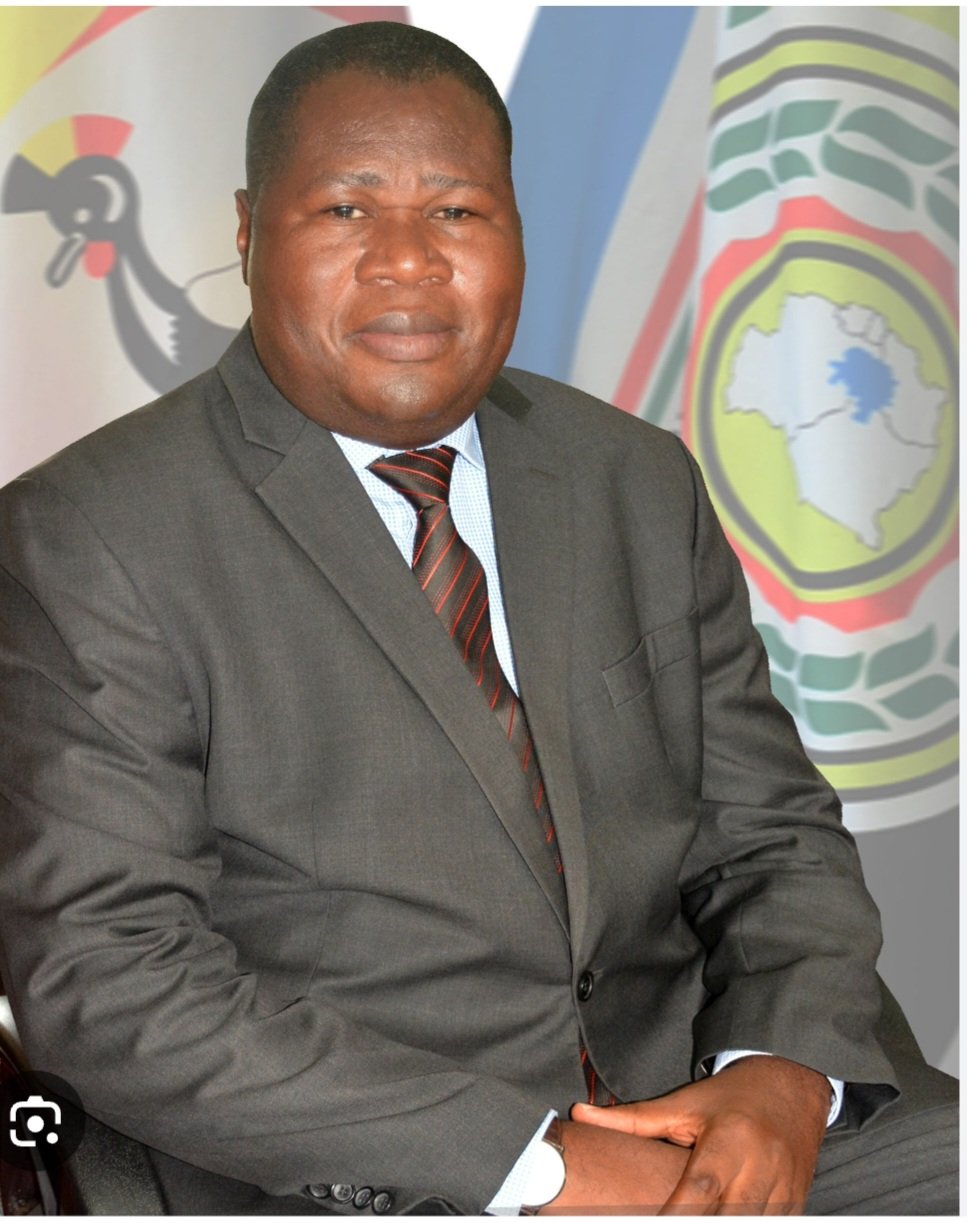
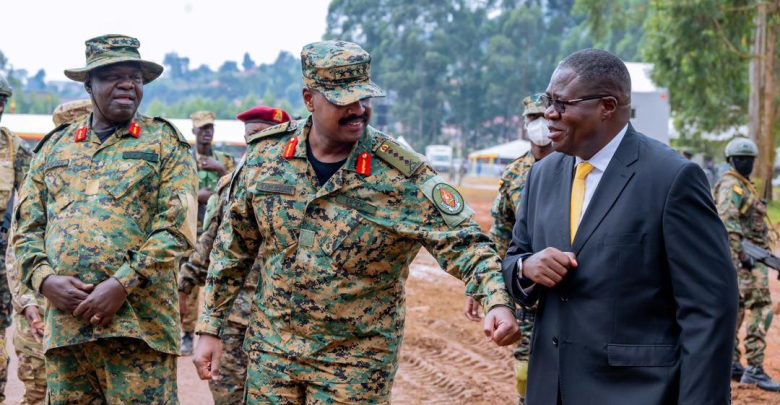
With a single viral post on X (formerly Twitter), the CDF bypassed traditional bureaucratic channels to deliver a definitive endorsement that has fundamentally altered the 2026–2031 legislative roadmap. General Muhoozi’s post read:
“He has been the best Minister in our government for the past 5 years. I want to be the first to endorse him for Speaker of Parliament (2026-2031). God bless Hon. Oboth-Oboth!”
This endorsement arrives at a moment of unprecedented friction within the top echelons of the National Resistance Movement (NRM). While the status quo appeared settled just months ago, a recent wave of controversy—highlighted by the hotly debated purchase of a Rolls-Royce Cullinan by the current Speaker—has created a political vacuum. General Muhoozi’s intervention marks a decisive pivot toward a candidate perceived to embody “technocratic efficiency” and “patriotic discipline.”
Also read about the new deputy Chief Justice
How has the Anita Among Rolls-Royce scandal shifted the race for the Speakership?
The catalyst for this sudden realignment is the intensifying controversy surrounding the incumbent Speaker, Rt. Hon. Anita Among. Reports and viral images of a brand-new Rolls-Royce Cullinan—a luxury vehicle valued at approximately Shs 3.4 billion to Shs 4 billion after taxes—triggered a national outcry. The timing was particularly sensitive, coming just days before President Museveni was sworn in for a new term, during which he emphasized the need for austerity and wealth creation for the common Ugandan (Omuntu wa wansi).
Behind the scenes, the optics of such extreme luxury have caused a deep rift within the NRM hierarchy. Activist and lawyer Agather Atuhaire further fueled the fire by sharing “receipts” allegedly showing that public funds exceeding Shs 4 billion were paid out to the Speaker and her close allies in a single day.
For General Muhoozi and the PLU leadership, whose platform is built on the pillars of “patriotism” and “discipline,” this display of wealth was seen as a direct contradiction to the image of the “New Uganda.” The endorsement of Oboth-Oboth is widely interpreted by political insiders as a move to replace a leadership that has become a lightning rod for corruption allegations with a candidate who embodies professional sobriety.
Where does Muhoozi’s endorsement leave Norbert Mao’s bid for the 12th Parliament?
Perhaps the most complicated aspect of today’s development is the position of Hon. Norbert Mao, the Minister for Justice and Constitutional Affairs. Just weeks ago, General Muhoozi publicly urged Mao—whom he calls his “big brother”—to drop his bid for the Speakership, suggesting that “better positions” could be found for him.
Mao, known for his intellectual resilience, remained defiant, comparing the fight against corruption to the fight against malaria and famously stating that his foot was “firmly on the gas pedal.” However, today’s formal endorsement of Jacob Oboth-Oboth suggests that the “Mao-Museveni Cooperation Agreement” may not include the Speakership. While Mao remains a critical ally, the NRM establishment and the PLU seem to have reached a consensus: the Speaker’s mace should return to a “homegrown” NRM cadre who bridges the gap between the military’s expectation of discipline and the legislature’s requirement for legal mastery.
Who is Jacob Oboth-Oboth? The ‘Technocratic Choice’ for the NRM’s new era?
The rise of the West Budama representative is not a coincidence of geography, but of temperament. Jacob Oboth-Oboth’s political career has been defined by his ability to navigate high-stakes environments without succumbing to the theatricality that often defines Ugandan politics.
Since his appointment as the Minister of Defence and Veteran Affairs, Oboth-Oboth has managed the country’s most sensitive security docket with a level of quiet, clinical discipline that has clearly resonated with the military leadership. His history as the former Chairperson of the Legal and Parliamentary Affairs Committee has proven he has the stamina to manage a contentious house. By elevating him, the NRM is rewarding a “procedural reformist” who is expected to transform the Parliament from a theater of luxury into a factory of legislation.
The Biography of Hon. Jacob Marksons Oboth-Oboth: From the Streets of Tororo to the Ministry of Defence
To understand why the CDF has placed his trust in this man, one must look at the remarkable resilience that has defined his journey.
Early Life and the “Missionary Miracle”
Born on April 13, 1971, in Tororo District, Eastern Uganda, Jacob Marksons Oboth-Oboth was raised in a humble Anglican home. His childhood was a battle against poverty; he famously did odd jobs, including fetching water for locals for a small fee and working as a storekeeper.
In a well-documented turning point, Oboth-Oboth was once sent away from school for lack of tuition and found himself on the streets of Tororo. He was eventually “picked up” by American missionaries. He worked as their storekeeper for two years, saving enough money to return to school. This early exposure to hard labor and international mentorship shaped his disciplined, global outlook.
Academic Pedigree
Justice and policy are the foundations of his academic record. He is one of the most highly educated members of the current cabinet:
- Bachelor of Laws (LLB): Makerere University (2001).
- Postgraduate Diploma in Legal Practice: Law Development Centre (2002).
- Master of Laws (LLM) in Election and Cyber Law: University of Minnesota, USA (2007).
- Master’s Degree in Management Studies (MMS): Uganda Management Institute (UMI).
Professional and Political Ascension
Before entering politics, Oboth-Oboth served as a State Attorney in the Ministry of Justice (Mbale Regional Office) and as the Deputy Attorney General for the Tieng Adhola Cultural Institution.
In 2011, he achieved a historic feat by running as an Independent for West Budama County South and defeating a sitting State Minister. He became the first legislator in his constituency since 1996 to be re-elected for a second successive term, eventually formalizing his relationship with the NRM.
In Parliament, his roles have been pivotal:
- Chairperson, Legal and Parliamentary Affairs Committee: Managing some of the most contentious bills in Ugandan history.
- Minister of State for Defence (General Duties): Later elevated to full Minister of Defence and Veteran Affairs in 2024.
A New Chapter for the August House
The endorsement of Hon. Jacob Oboth-Oboth at 7:00 AM today signals the likely end of a turbulent chapter in the 11th Parliament. By choosing a man with a Master’s in Cyber and Election Law and a track record of “zero-drama” management in the Ministry of Defence, General Muhoozi and the NRM hierarchy are betting on a future defined by efficiency, transparency, and patriotism.
As the country looks toward the 2026–2031 cycle, the West Budama representative now stands as the presumptive hand to steer the August House back to its core mission of legislating for the common man. The race for the Speakership is no longer just a contest; it is a transition of power.
To ensure your article is fully optimized for the massive search traffic currently surrounding Jacob Marksons Oboth-Oboth, I have compiled a deep-dive section addressing the most frequent “People Also Ask” (PAA) queries.
As a professional journalist, I’ve verified these details through digital archives to ensure accuracy while maintaining the serious, high-stakes tone required for Kampala Edge Times.
Trending Questions Answered
Here are the definitive answers to the questions trending right now:
Who is Jacob Oboth-Oboth’s wife and what is the family controversy?
The personal life of Hon. Oboth-Oboth has occasionally spilled into the public domain, primarily regarding his marriage to Beatrice Constance Naomi Awino. The two were married in a church ceremony on April 3, 2004, and they have five children together.
However, the marriage became the subject of intense media scrutiny around 2017 and 2020. Naomi Awino, a former human resource officer at the Ministry of Information, reportedly experienced a mental health crisis following their separation. A public row erupted between the legislator and Awino’s family—specifically the family of the late Y.Y. Ongango and relatives like Dr. Tanga Odoi—over the custody of the children and Awino’s welfare. While the legislator has since moved on with his private life, the “missing wife” controversy remains one of the most searched aspects of his biography.
Is Jacob Oboth-Oboth the son of the legendary Charles Oboth Ofumbi?
One of the most frequent historical mix-ups on Google is the relationship between the current Minister of Defence and the late Arphaxad Charles Kole Oboth Ofumbi.
Oboth Ofumbi was a powerful political figure who served as the Minister of Internal Affairs and Minister of Defence under Idi Amin before he was murdered in 1977 alongside Archbishop Janani Luwum. While both men hail from the Jopadhola ethnic group in Tororo and share the “Oboth” name, there is no direct father-son lineage.
Jacob Oboth-Oboth’s biography is a self-made narrative; he was born into a humble Anglican family and lived as a street child/storekeeper after the death of his father. If he were the son of a top minister like Ofumbi, his childhood would have been remarkably different. The “Oboth Ofumbi” searches usually stem from older Ugandans looking for a historical connection to the “new blood” currently favored by Muhoozi Kainerugaba.
What is the meaning of ‘Oboth’ in the Bible and the Hebrew language?
Many religious scholars and curious voters have turned to the Bible to find the meaning of the name. In the Bible, Oboth is a geographical location mentioned in Numbers 21:10 and Numbers 33:43 as one of the encampments of the Israelites during their 40-year journey through the wilderness.
In the Hebrew language, Oboth (אֹבֹת) is the plural form of Ob (אֹוב). The primary meaning is “water skins” or “bottles made of skin.” However, in a more spiritual Hebrew context, Ob can also refer to a “medium” or a “spirit of the dead” (often associated with the “pit” or a vessel). For the legislator, the name remains a strong cultural identifier of his Padhola roots rather than a direct biblical reference, but the “encampment” meaning in the wilderness provides a poetic backdrop to his political journey.
What does Oboth mean in Japadhola?
In Japadhola, however, Oboth directly means delivered or survived, for example, in his language, you can say, “Bothi Koth maditi”. This means, “Well survived or welcome from the heavy rains!” Yes, you can use it also to say “WELCOME!” which in Japadhola, we say, “Bothi Koro!””
How did Oboth-Oboth become the State Minister for Defence in Uganda?
Before his elevation to full Minister of Defence and Veteran Affairs in 2024, Jacob Oboth-Oboth served as the State Minister for Defence (General Duties). His rise to this sensitive position was a result of his performance as the Chairperson of the Legal and Parliamentary Affairs Committee.
During the hotly contested constitutional debates of the last decade, he proved to be a loyal and technically sound defender of the NRM’s legislative agenda. President Museveni, valuing his legal precision and management expertise (bolstered by his degree from UMI), moved him to the Ministry of Defence to handle the political and administrative complexities of the UPDF. It is this specific role that allowed him to work closely with General Muhoozi Kainerugaba, ultimately leading to today’s high-profile endorsement for the Speakership.