
Table of Contents
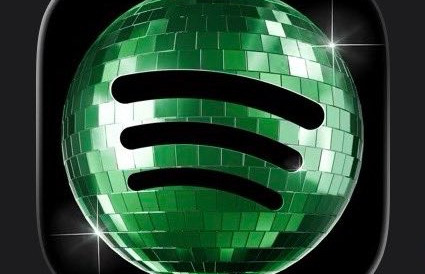
For nearly two decades, the Spotify icon has been a symbol of consistency in our digital lives—three simple, curved lines representing sound waves, set against a signature “Spotify Green” circle. But as the streaming giant enters its 20th year, that familiar flat design has undergone a radical transformation. Users waking up to the latest global update are being greeted by what many are calling the “Disco Icon”: a high-gloss, three-dimensional, iridescent version of the logo that looks more like a physical gemstone than a digital shortcut.
This “glow-up” is part of a larger celebration marking 20 years since the company’s founding in 2006. While the aesthetics are soft, sweet, and visually striking, the reaction from the public has been anything but quiet. From the tech enthusiasts who caught an early glimpse in iOS beta versions to the casual listeners now seeing it globally, the internet is currently a battlefield of design opinions.
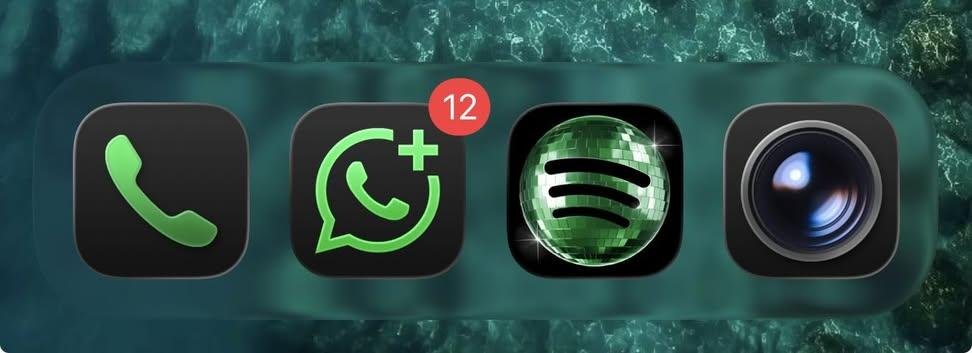


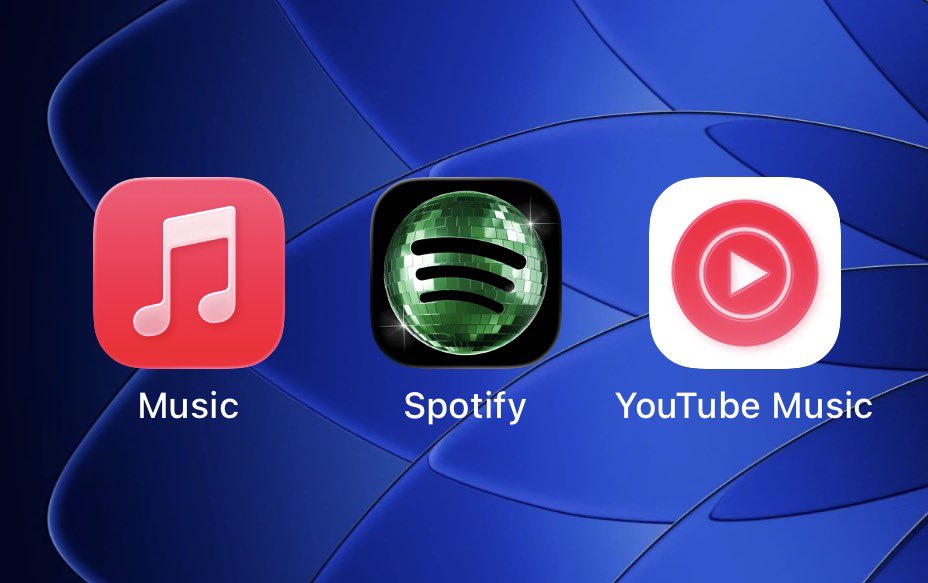
What does the new Spotify ‘Disco’ look like and why did it change?
The new icon is a departure from the “Flat Design” era that has dominated tech for the last decade. It utilizes a style designers call Glassmorphism. It features a deep, translucent emerald base with high-contrast highlights that give it a “wet” or “shiny” look. The three internal waves now appear to be embossed or floating within a glass sphere, reflecting light as if there were a physical source nearby. It is bright, reflective, and undeniably premium.
The change is a direct tribute to Spotify’s 20th anniversary (2006–2026). It is meant to represent the “brilliance” and “multi-faceted” nature of a platform that has grown from a small Swedish startup into the world’s most dominant audio powerhouse. The shine is symbolic of a “Diamond Jubilee” of sorts for the digital age.
How is the internet reacting to the new Spotify 20th anniversary logo?
The reception has been a textbook case of “mixed reviews.” In design circles, some are praising Spotify for finally moving away from the boring, flat icons that have made every app look identical since 2013. However, on platforms like X (formerly Twitter) and Reddit, the “haters” are loud and proud.
One viral post on X summed up the frustration: “Why does my Spotify look like it’s wearing lip gloss? I didn’t ask for my music app to look like a 2004 Windows Vista widget. Bring back the flat green!”
On the other side of the fence, a thread on the r/Spotify subreddit found many users refreshed by the change: “Unpopular opinion, but I love the new 3D glow. It actually stands out on my OLED screen. It feels expensive and futuristic, which is exactly what Spotify is supposed to be.”
The “hate” generally stems from a desire for minimalism, with critics arguing that the shiny texture feels “dated” or “childish.” Those who “love” it argue that it restores personality to the home screen, making the app feel like a special edition rather than a standard utility.
Is the new shiny Spotify logo Permanente or just a temporary celebration?
According to internal reports and design documentation, the iridescent “disco” icon is a temporary commemorative update. Much like the custom icons apps provide for Pride Month or seasonal holidays, this 3D look is tied specifically to the “20 Years of Audio” campaign.
Also read about the new Google Workspace icons
While the application has not officially announced a “reversion date,” industry insiders suggest the icon will remain active through the end of the 2026 anniversary cycle. After the celebration concludes, it is expected that Spotify will return to a more refined version of its classic flat design, though perhaps with a slightly updated color palette to mark the “new era.” For now, users who aren’t fans of the shine may have to tolerate the “gloss” for at least a few more months.
Who invented Spotify and how did it change the history of music?
Spotify was founded in Stockholm, Sweden, in 2006 by Daniel Ek (the former CTO of Stardoll) and Martin Lorentzon (co-founder of Tradedoubler). At the time, the music industry was in a death spiral. Peer-to-peer (P2P) file-sharing sites like Napster, LimeWire, and BitTorrent had made illegal downloading the norm, and record labels were losing billions.
Daniel Ek’s vision was revolutionary: Give people music for free, make it faster and easier than piracy, and pay the artists through ads and subscriptions. When Spotify launched in 2008, it was received with a mix of awe and skepticism. Skeptics didn’t believe “streaming” would ever replace “owning” music, but the ease of use changed everything. It effectively “killed” the era of the illegal MP3 download by making legal access more convenient than theft.
This shift also had a massive impact on infrastructure. As they grew, the demand for “always-on” music pushed telecommunications companies to improve 3G, 4G, and eventually 5G speeds. Spotify didn’t just change music; it forced the world to build a faster internet to support the constant stream of high-quality audio.
What are the most popular Spotify features like ‘Wrapped’ and the new Video section?
What makes the app stand out from competitors like Apple Music or YouTube Music is its data-driven personalization. Its crown jewel is Spotify Wrapped, an annual viral event where the platform gives users a highly stylized summary of their most-played songs, artists, and genres. It has turned “listening habits” into a social currency, where every December, the internet is flooded with screenshots of “User Personas.”
More recently, Spotify has moved into the “Video” and “Learning” space. The platform is currently rolling out a Video Learning section, featuring educational courses and masterclasses, effectively competing with platforms like MasterClass and YouTube. Additionally, the integration of Spotify DJ—an AI-powered voice that narrates your music transitions—and the expansion of full-length music videos in select markets shows that Spotify is no longer just an “audio” app; it is becoming a multimedia hub.
Why are they removing the ‘Viral 50’ tab and what are the other major updates?
One of the most controversial recent updates is the restructuring of the “Charts” section. For years, the Viral 50 tab was the primary way for independent and “TikTok-famous” artists to break into the mainstream. However, Spotify is currently phasing out the prominence of the “Viral” branding in favor of more specific, algorithmically-curated “Niche Mixes” and “Daylist.”
The reasoning is simple: the “Viral” tab was often manipulated by bot farms. By moving toward the “Daylist” (which updates several times a day based on your specific mood) and “Niche Mixes,” Spotify is trying to ensure that discovery is more organic and personal rather than just “trending.”
Other updates to watch for include:
- HiFi Audio: The long-awaited “Supremium” tier offering lossless audio is finally reaching global markets.
- Enhanced “Jam” Sessions: Improving the way groups of friends can contribute to a single live queue in real-time.
- Audiobook Expansion: Spotify is now including 15 hours of free audiobook listening for Premium subscribers, directly challenging Amazon’s Audible.
A Diamond Anniversary for a Digital Titan
Whether you love the “disco” shine or find it a distracting downgrade, the new Spotify icon has succeeded in its primary goal: getting people to talk about the platform’s history. From a Swedish solution to piracy to a global conglomerate defining our cultural tastes, Spotify has spent 20 years proving that it can evolve.
The shiny logo is most likely a reminder of how far we’ve come—from the era of blurry, 128kbps illegal downloads to a world where 100 million songs sit in our pockets in high-definition glory. So, for the next few months, enjoy the “glass” look. It’s a celebratory toast to two decades of the soundtrack of our lives.