
Table of Contents
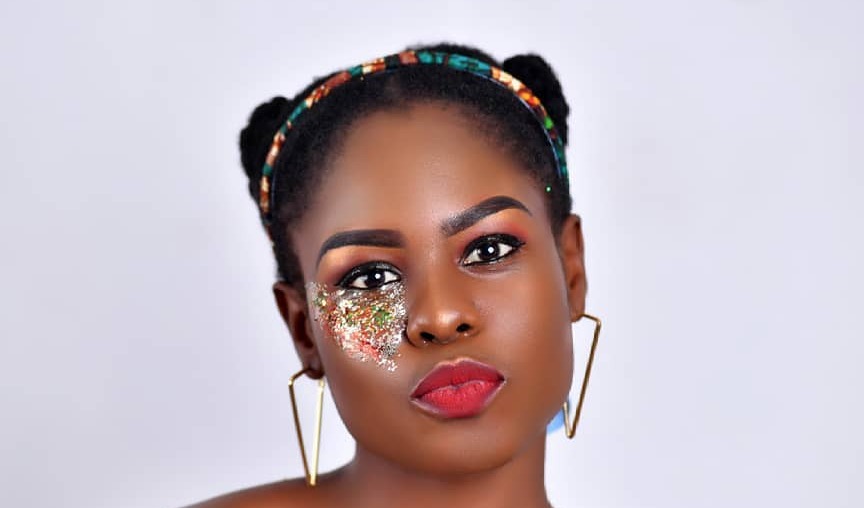
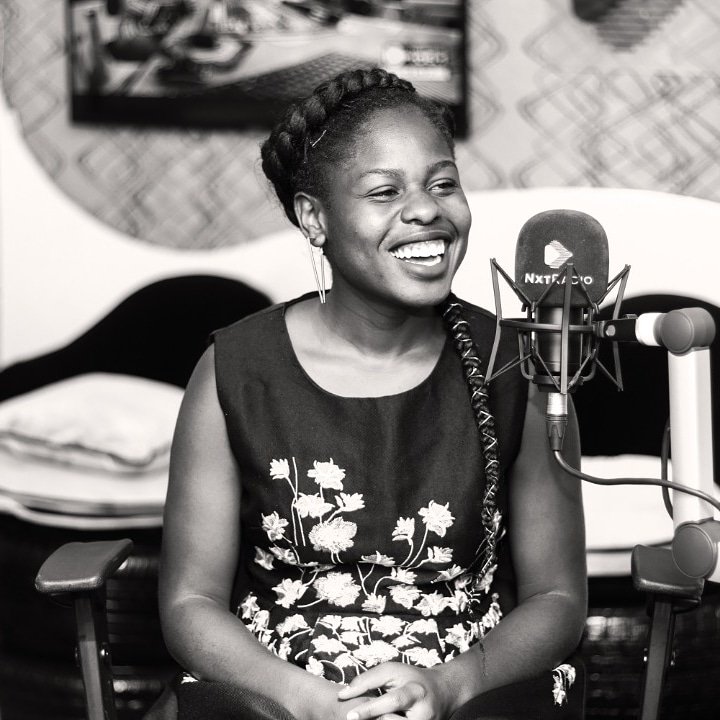
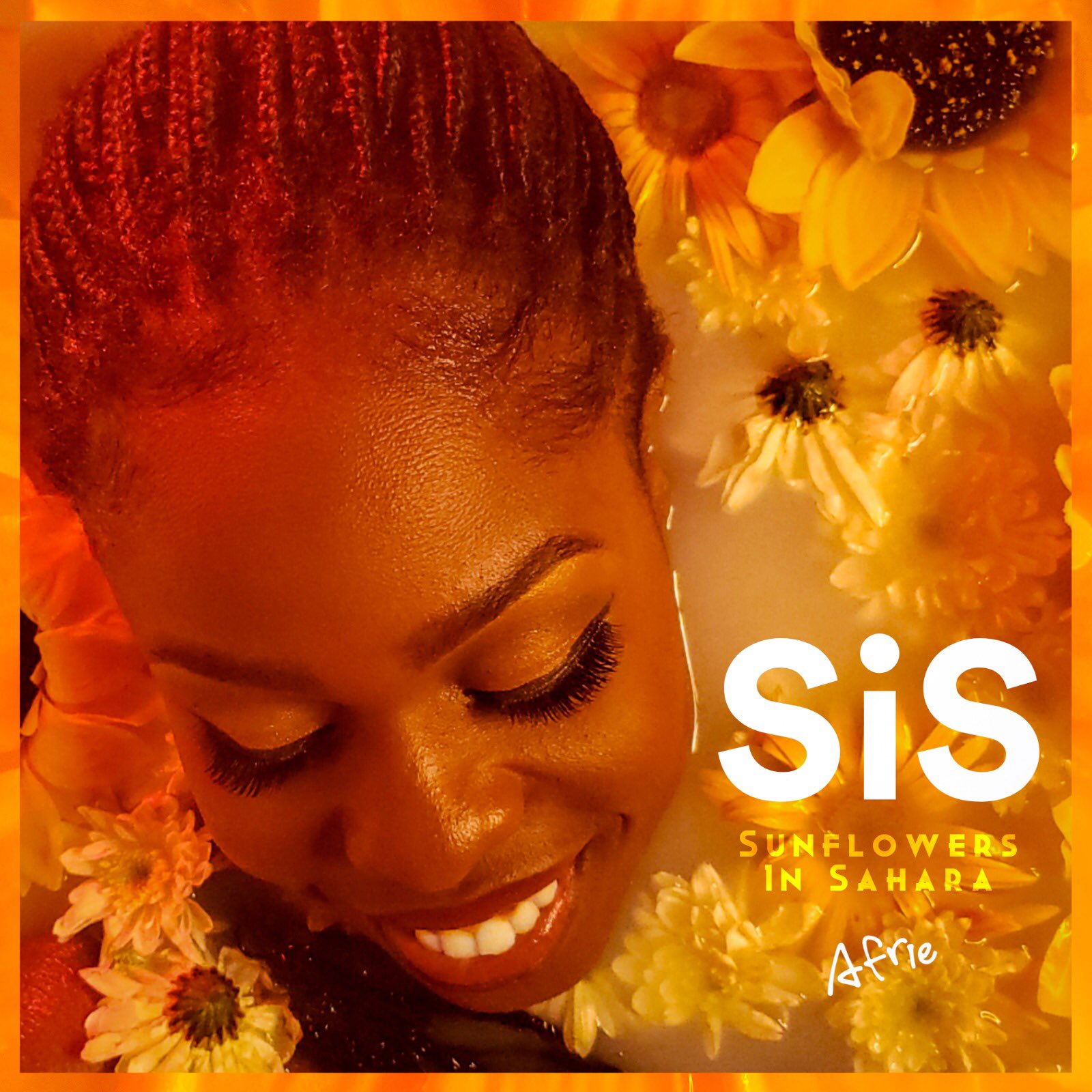
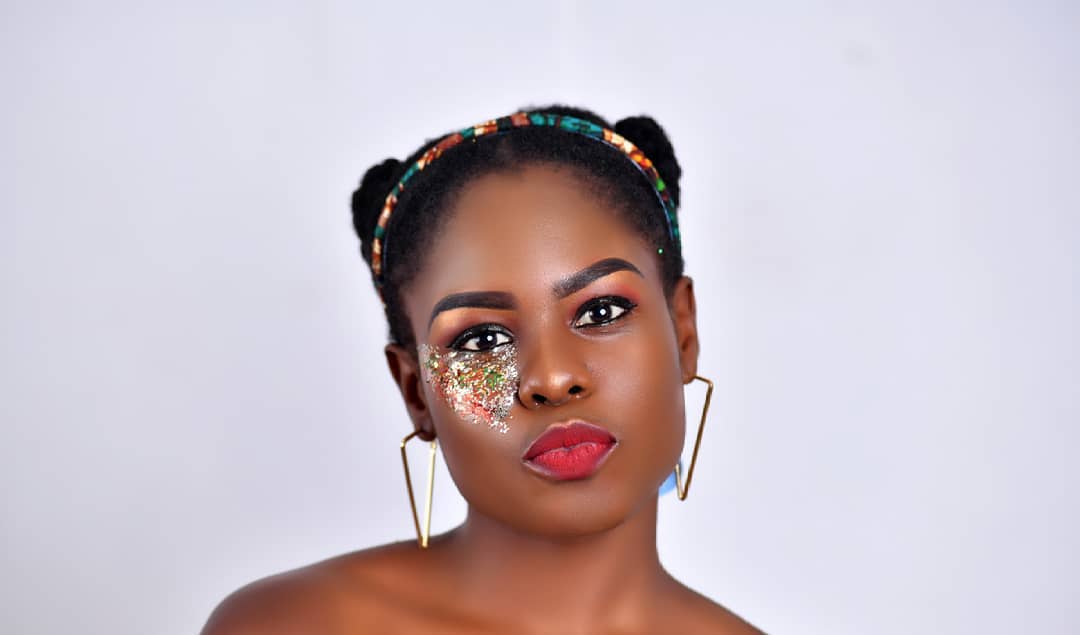
The first time you hear Afrie sing, you don’t just listen—you feel. There is a specific, ethereal quality to her voice that is almost impossible to describe without using words like “honey,” “velvet,” or “soft silk.” In a world of loud, aggressive pop, her vocals are a sanctuary.
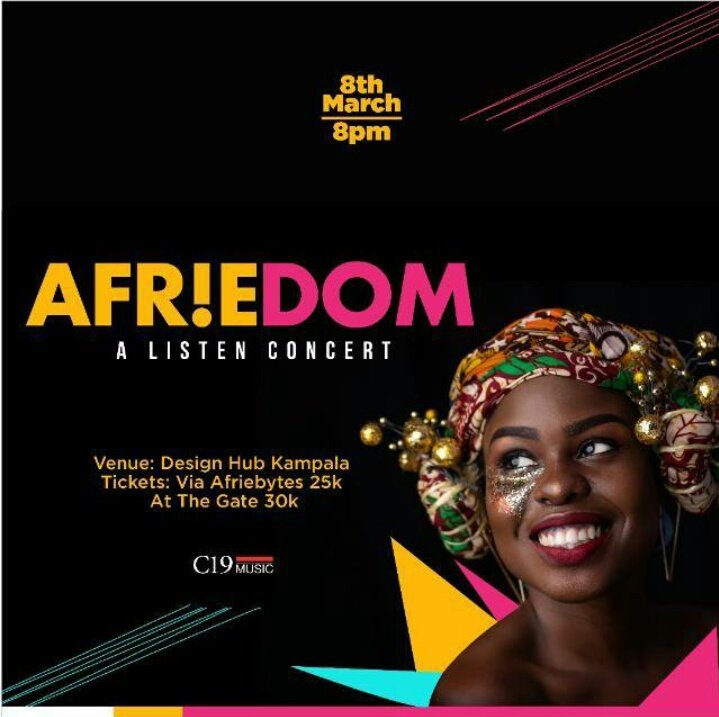
Whether she is trading verses with Kenneth Mugabi in the soul-stirring “Gusula Wano” or commanding the stage solo, her voice is a delicate instrument that carries the weight of a thousand stories. It’s that sweetness, that disarming softness, that makes her the perfect vessel for some of the most difficult conversations currently happening in Uganda.
But as any true fan knows, Afrie (born Ann Nassanga) isn’t just a voice; she is a force of nature. While we may fall in love with her melodies, it is her work on the ground—specifically in the rugged, beautiful terrain of Karamoja—that is defining her legacy. She is taking the same “softness” of her voice and using it to break the hardest cycles of tradition, turning tools of oppression into symbols of liberation.


What is the Kalaverse Initiative and why is it transforming the lives of girls in Karamoja?
The Kalaverse Initiative is far more than a “charity project.” Co-founded by Afrie and her long-time friend, the architect Maria Sheba Atukunda, it is a creative powerhouse designed to give young Ugandan girls the tools to narrate their own lives. For years, the stories of girls in underserved regions were told about them, but rarely by them.
Also read about Abel Chungy and Levixone
In Karamoja, specifically at Kalas Girls Primary School in Amudat, the Kalaverse has set up a sanctuary. This school is not just an educational institution; it is a rescue center for girls fleeing Female Genital Mutilation (FGM) and early forced marriages. The Kalaverse steps in to bridge the gap between “survival” and “thriving.” Through film, design, and storytelling, Afrie and her team mentor these girls, teaching them that they are not just victims of a culture, but creators of a new one.
What is the “Lorwa” and how is Afrie turning a marriage skirt into a “freedom cloth”?
In the visuals that have recently captivated the Ugandan creative scene, Afrie stands with a vibrant, checkered fabric in her hands. This is the Lorwa. Traditionally, the Lorwa is a marriage skirt. In Karamoja, seeing a young girl in a Lorwa often signified that she had been “prepared” for a life that was chosen for her—usually before the age of 18.
As Afrie herself explains in her recent mission:
“The Lorwa is a traditional skirt worn by girls in Karamoja… It’s what they wear to get married, and they get married before the age of 18.”
But Afrie is a professional journalist at heart, and she understands the power of reclaiming a narrative. Through her initiative, the girls at Kalas Girls are still making the Lorwa, but the meaning has shifted 180 degrees. It is no longer a “marriage skirt”; it is what she calls a “freedom cloth.” By teaching the girls to design and sell these products as culturally integrated fashion, the Lorwa has become a source of economic independence. When a girl can pay her own school fees through her craft, she is no longer a “commodity” to be married off. She is a businesswoman.
How does the YeeYa Creative Camp by Kalaverse empower young survivors through art and design?
The YeeYa Creative Camp is the “lab” where the magic happens. Afrie describes it as a place for “girls being girls.” In a region where childhood is often cut short, YeeYa provides a space for play, creativity, and professional skill-building.
“We’re working with a group of girls who are from Karamoja—teenage girls, yes—who ran away from early marriages and sought refuge at a primary school… The story of the Lorwa is actually the story of a marriage skirt becoming a freedom cloth.”
The camp brings together facilitators in film, music, and design to mentor a cohort of young women. They learn camera techniques, acting, and the business of fashion. The goal is simple but radical: Economic Empowerment. By creating products that the world wants to buy, these girls are generating the funds needed for their school fees and daily needs, ensuring they never have to return to the situations they fled.
Who is Afrie and how did a Dental Technology graduate become one of Uganda’s biggest musical and humanitarian voices?
It might surprise many to learn that the “Queen of Afro-fusion” didn’t start her journey in a recording studio. Afrie attended the prestigious Gayaza High School before heading to Makerere University, where she studied Dental Technology. She is quite literally a scientist who found her “lab” in music and film.
Her transition into the arts was born out of a “dark season” in her life where music became her only outlet for expression. From her first song, “Askari,” to her breakout hits, her career has been defined by a refusal to be put in a box. She isn’t just a singer; she is a filmmaker whose documentary, “Little Faith,” won Best Documentary at the Uganda Film Festival. The film tells the story of Karamoja’s first female doctor, Dr. Faith Nangiro, who herself fled an early marriage. It was this film that first drew Afrie to Amudat and sparked the fire that became the Kalaverse.
Which other regions and global causes has Afrie championed beyond the hills of Amudat?
While Karamoja is the heart of her current fieldwork, Afrie’s impact is truly pan-African. She was appointed as an ambassador for the African Union (AU/CIEFFA) for the #AfricaEducatesHer campaign. Her powerful song, “Let Her Know,” was selected as the official theme song for the AU’s campaign to educate girls across the continent post-COVID-19.
She has also been a vocal advocate for mental health, particularly through her film project “Happy Birthday Momo,” which highlights the struggles of young women dealing with mental illness in urban Kampala. Whether she is in the rural corridors of Amudat or on the international stages of the AFRIMA Awards, her message remains the same: the African girl is not a problem to be solved, but a dream to be realized.
Who are the partners and visionaries supporting Afrie’s mission in Karamoja?
No one changes the world alone, and Afrie has built a formidable network of supporters:
- Dr. Faith Nangiro: The inspiration behind the “Little Faith” documentary and a key partner in identifying the needs of the girls in Amudat.
- Maria Sheba Atukunda: The architect and co-founder of Kalaverse, who brings the structural and design expertise to the initiative.
- The Moleskine Foundation: A major supporter of the Kalaverse, helping to amplify the voices of these creative pioneers.
- Wake: Her husband and fellow artist. The two are a creative power couple in the Ugandan scene, often supporting each other’s humanitarian and musical endeavors.
The Biography of a Legend: Things You Didn’t Know About Afrie
Early Life & Education:
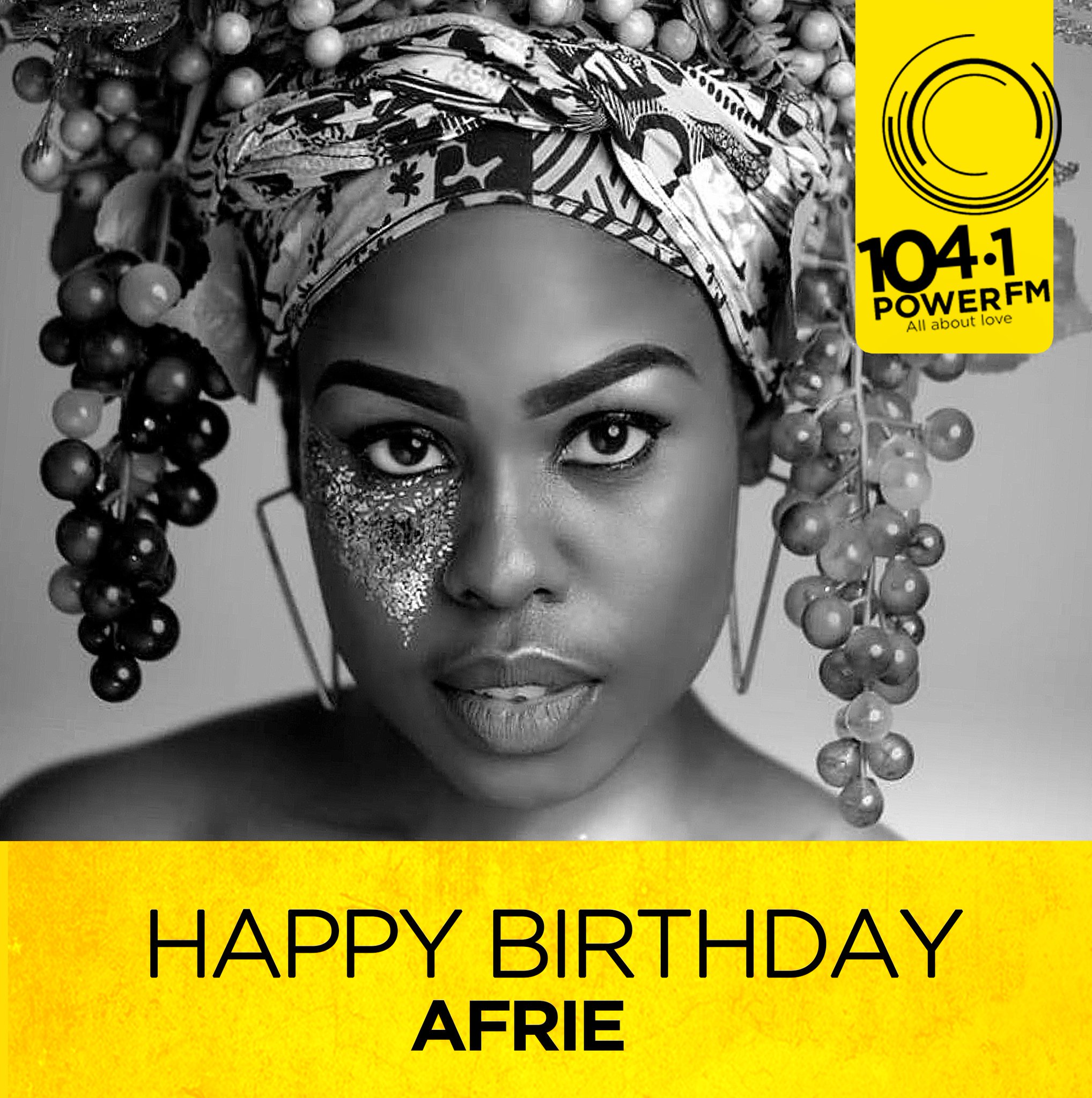
Born Ann Maria Nassanga on April 16, 1995, Afrie grew up in a household of doctors. Her parents initially expected her to follow the family’s medical path, which led her to study Dental Technology. However, her soul belonged to the thumb piano (akogogo) and the grand piano. She is a “Pioneer” in her family, being the first to pursue the arts professionally.
Personal Life:
Afrie’s personal life is as harmonious as her music. In mid-2024, she married the talented poet and rapper Wake. Their relationship is a favorite among fans, often seen as a partnership of two “old souls” who share a deep love for Ugandan culture and social justice. They famously went from “hating each other” in the early stages of their friendship to being one of the most supportive couples in the industry.
Discography & Awards:
If you are looking to update your playlist, these are the essential Afrie tracks:
- “Gusula Wano” (ft. Kenneth Mugabi): A masterpiece of Ugandan soul.
- “Mulala”: A bold, vibrant anthem that showcases her vocal range.
- “Let Her Know”: The anthem of a generation of African schoolgirls.
- “Ggulu”: Her 2025 album which has been hailed as a cultural reset.
- “Revolve” & “Champion”: Her latest 2026 singles that continue to push the boundaries of Afro-fusion.
The “Lorwa” Impact by the Numbers:
Through the “Runaway Runway” campaign and the Kalaverse, Afrie has helped sponsor the education of over 100 girls from Karamoja. This isn’t just about charity; it’s about creating a sustainable cycle where the girls’ own creativity pays for their future.
Conclusion: The Sweetness of Freedom
In the end, what makes Afrie so special isn’t just that she has a “soft and sweet” voice. It’s that she uses that sweetness to speak the hard truths. She doesn’t just sing about Karamoja; she goes there. She doesn’t just pity the girls at Kalas Girls; she hands them a camera and a sewing machine and says, “Show the world who you are.”
The next time you hear Afrie’s voice floating through your speakers, remember the Lorwa. Remember that the same girl hitting those perfect high notes is also on the ground in Amudat, turning marriage skirts into freedom cloths. She is a journalist, a scientist, a singer, and a savior—and she is just getting started.