
Table of Contents
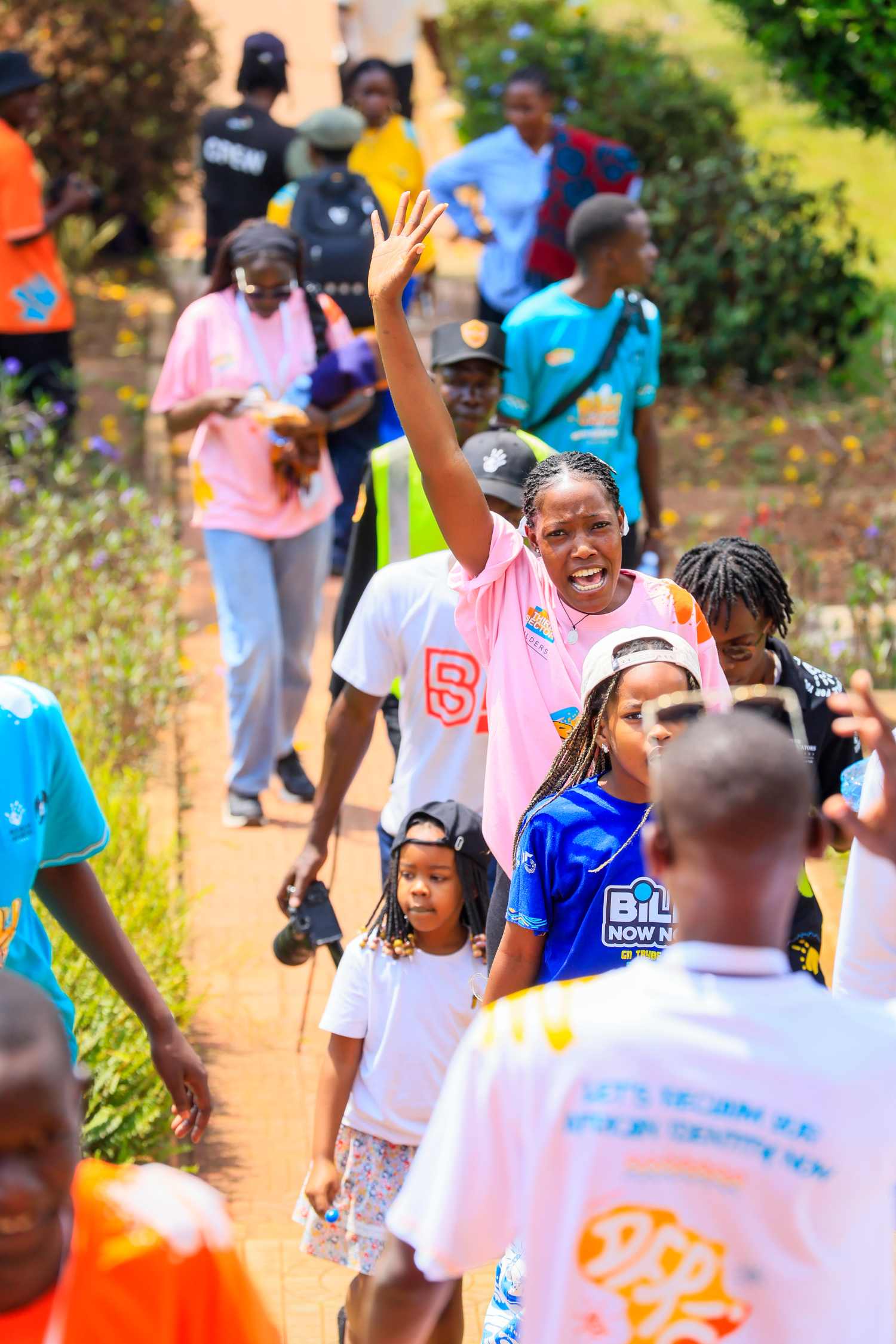
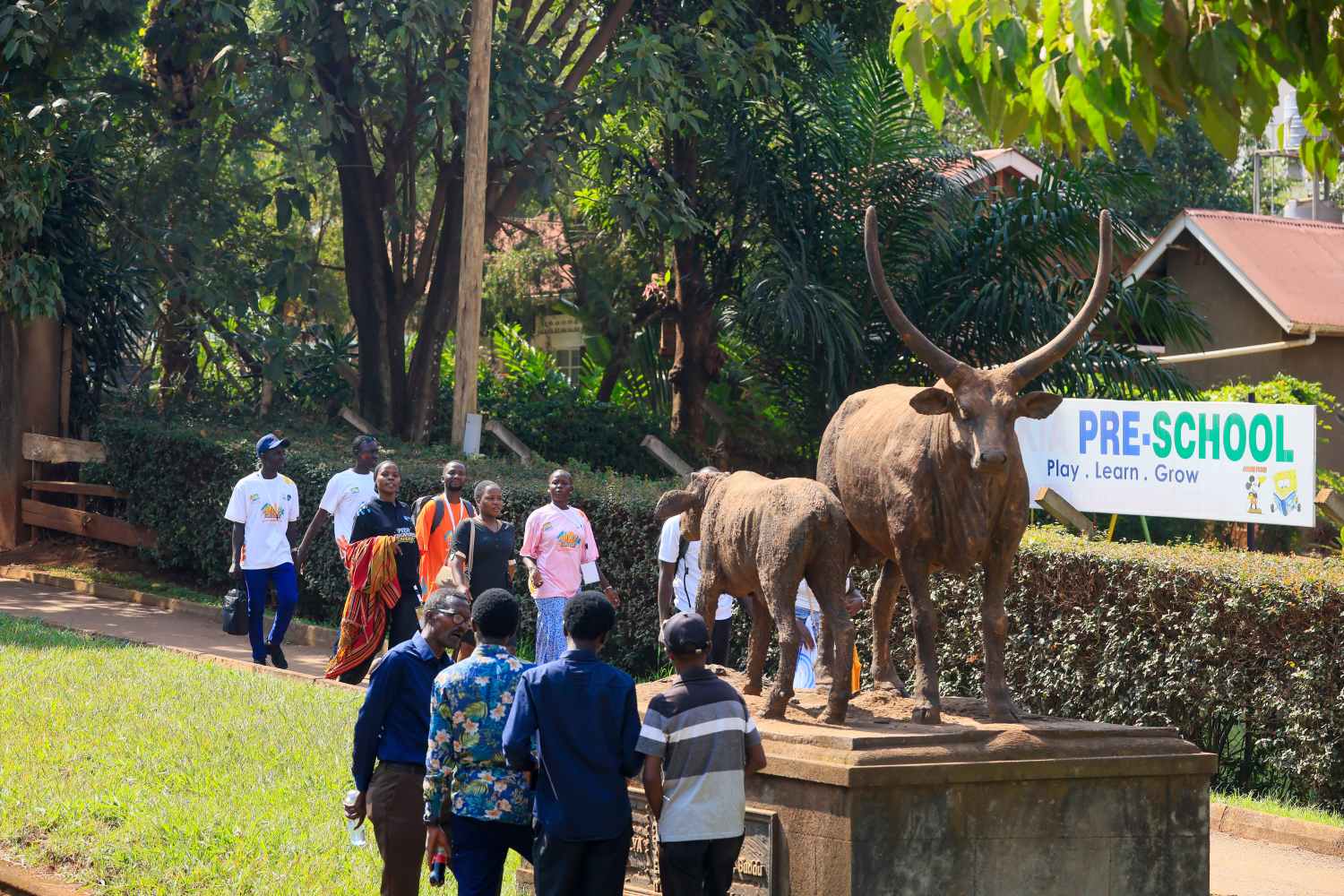
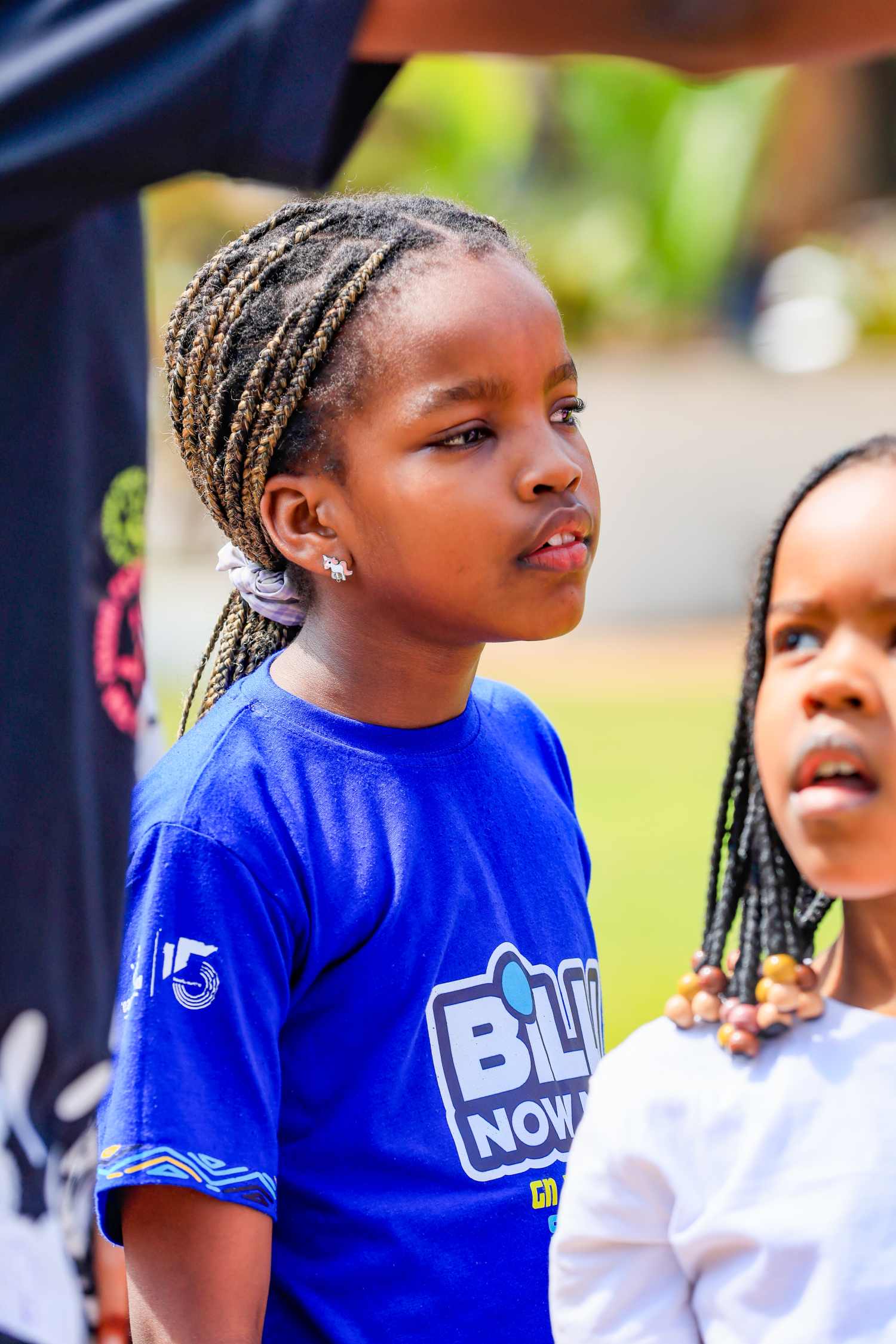
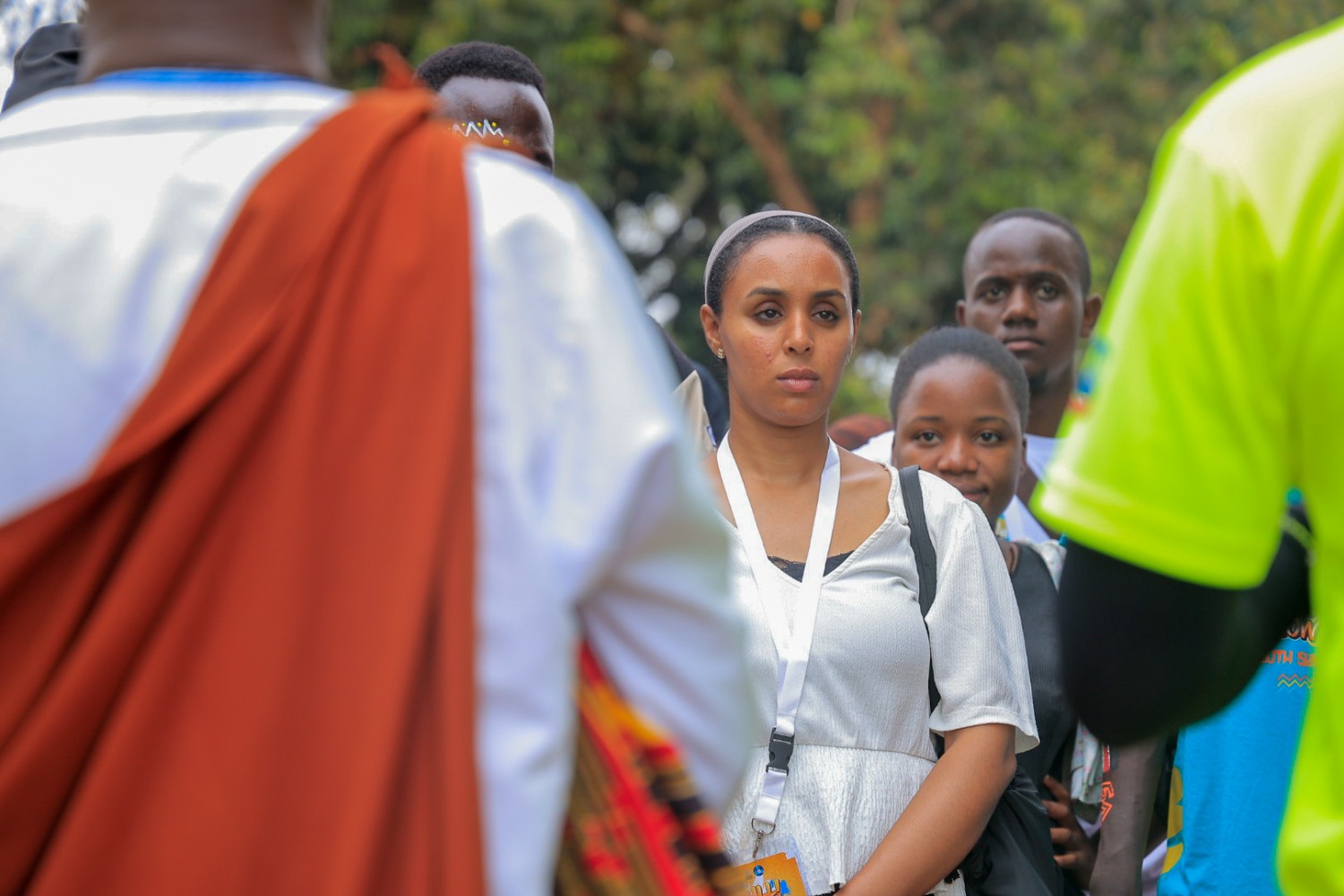
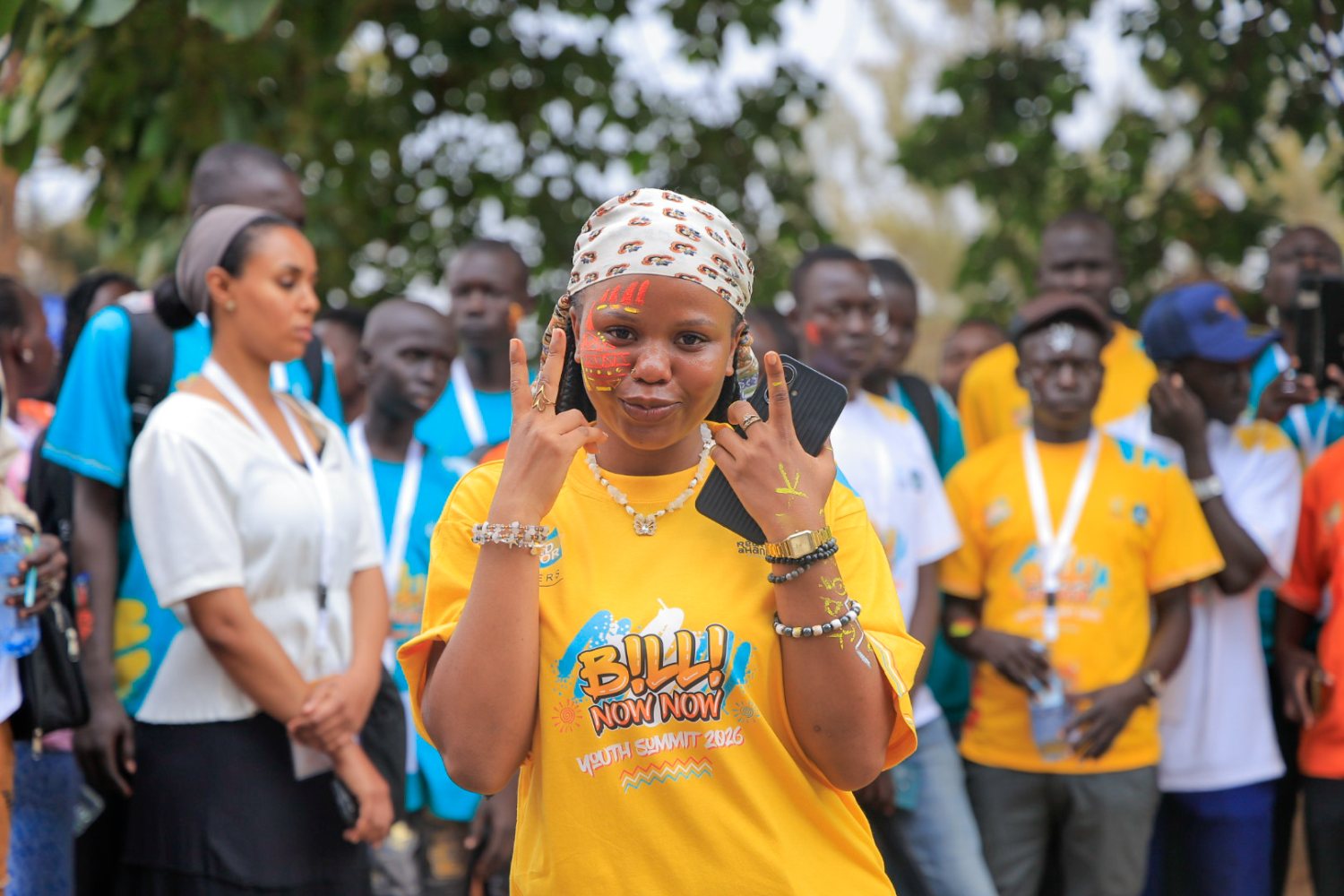
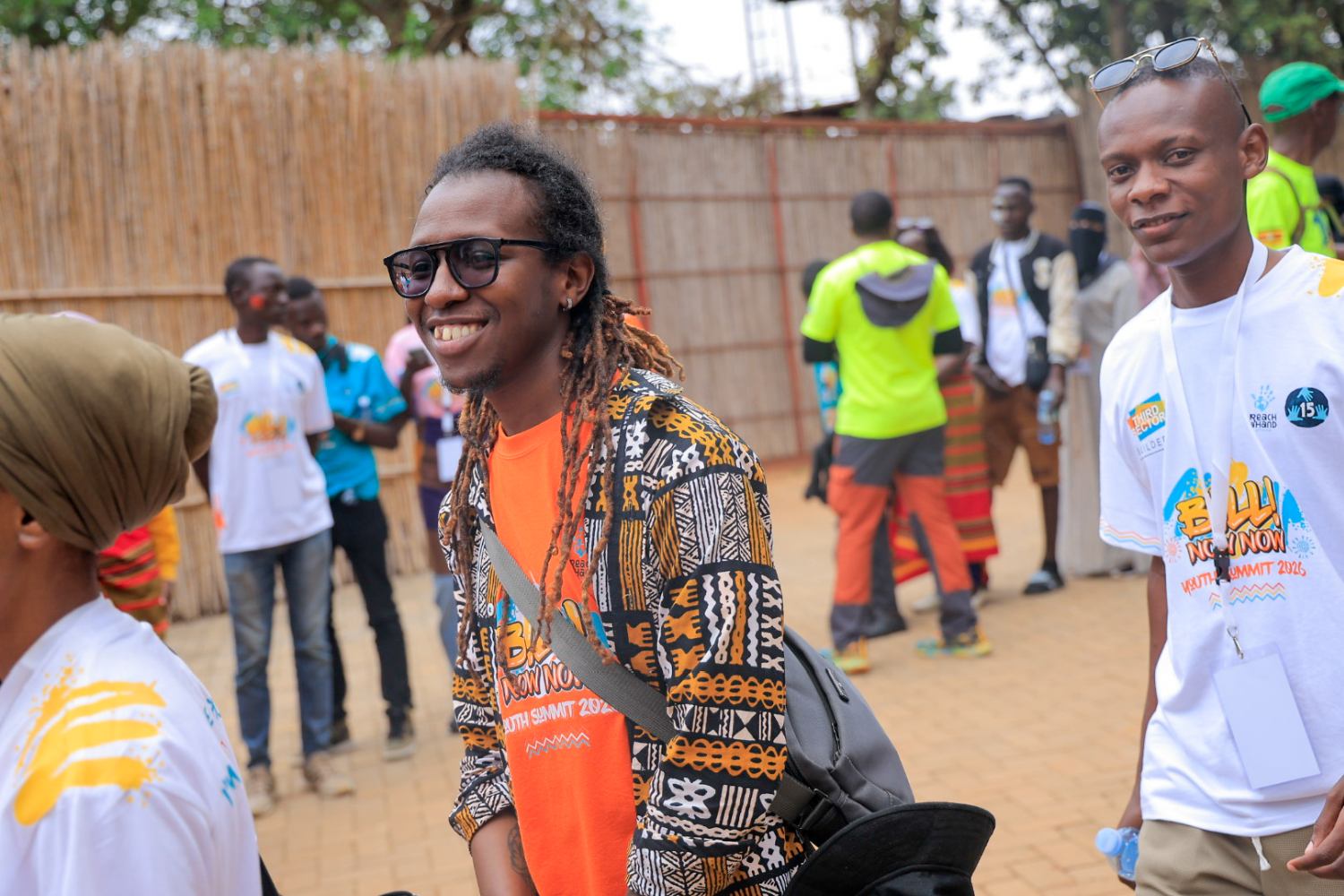
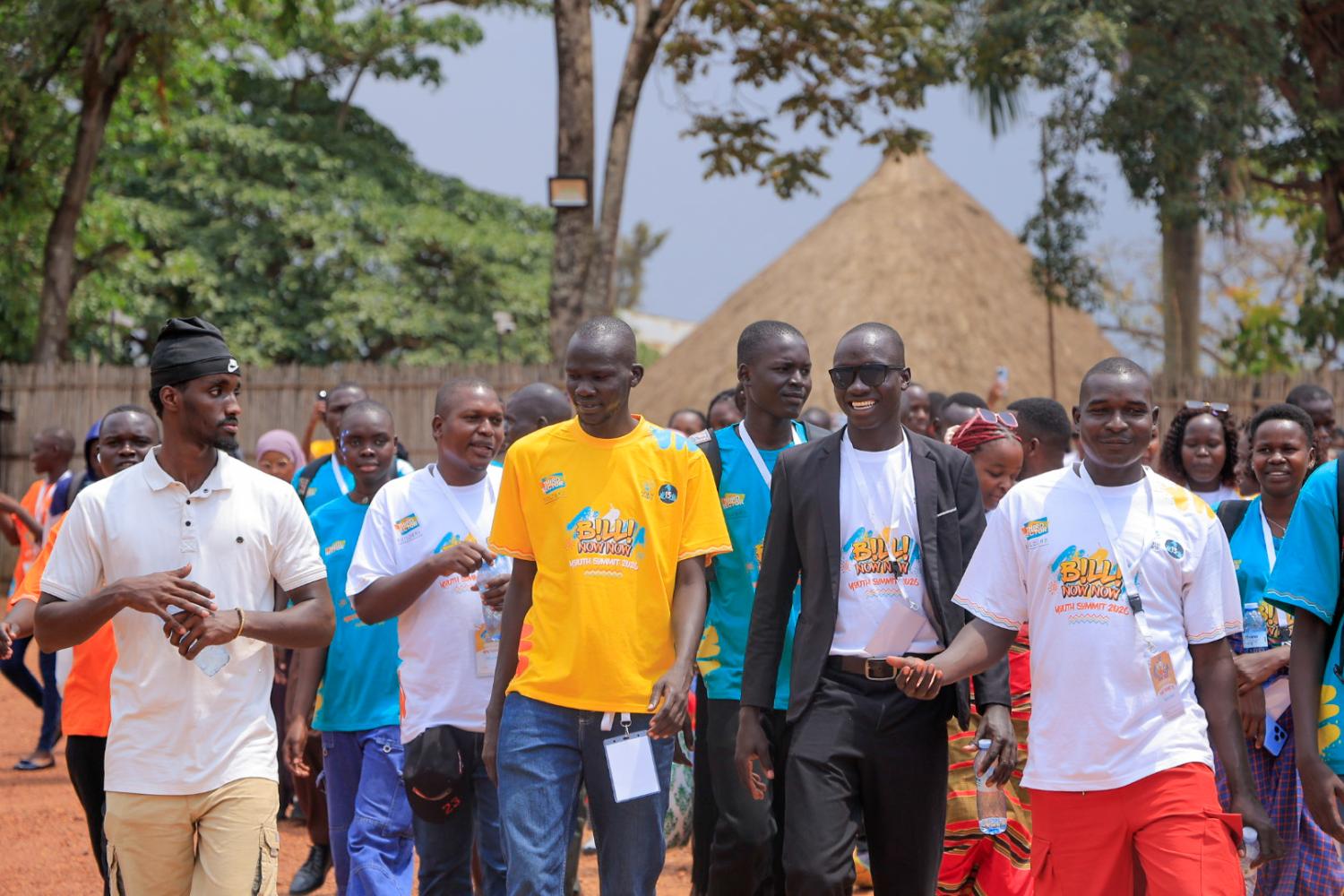
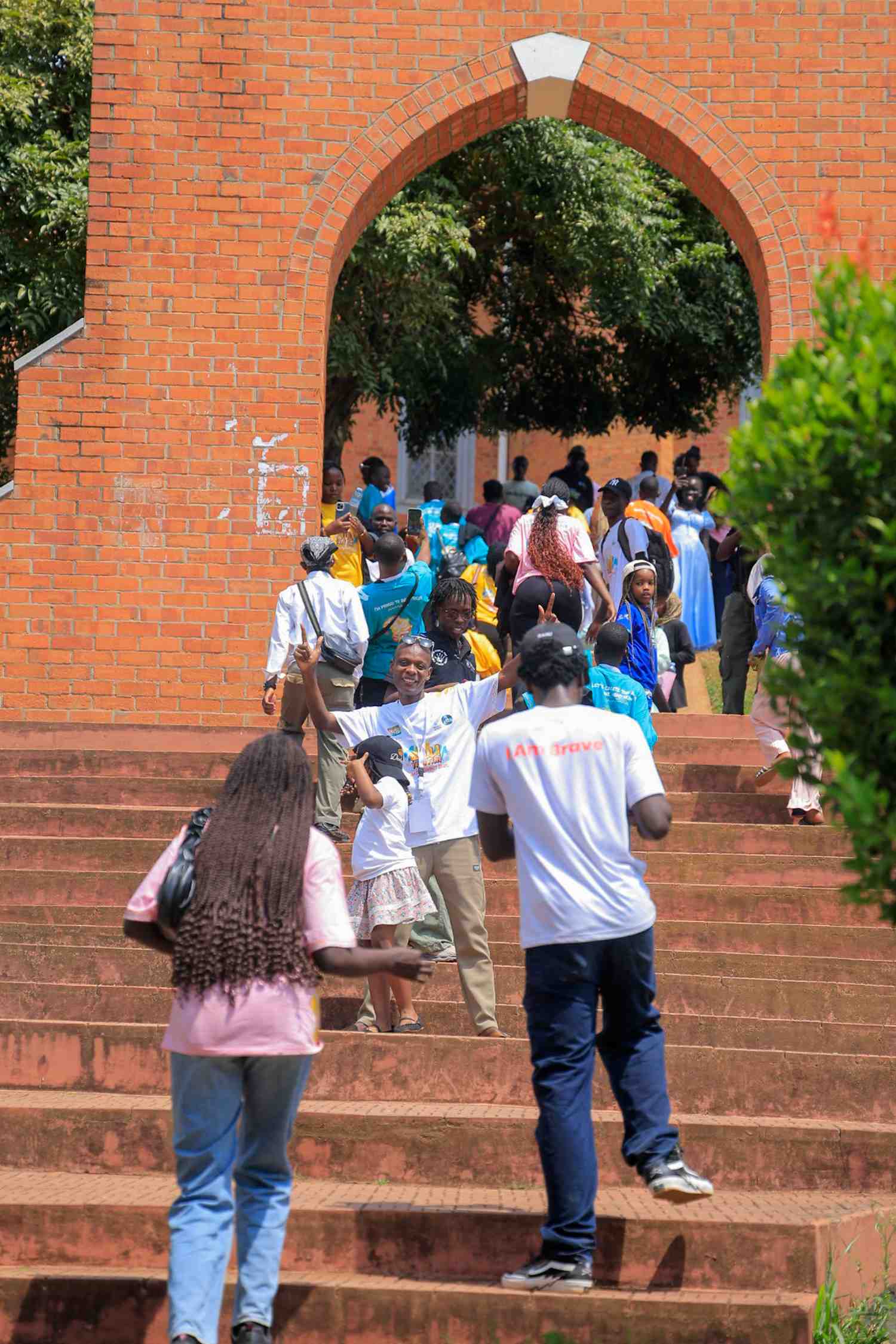
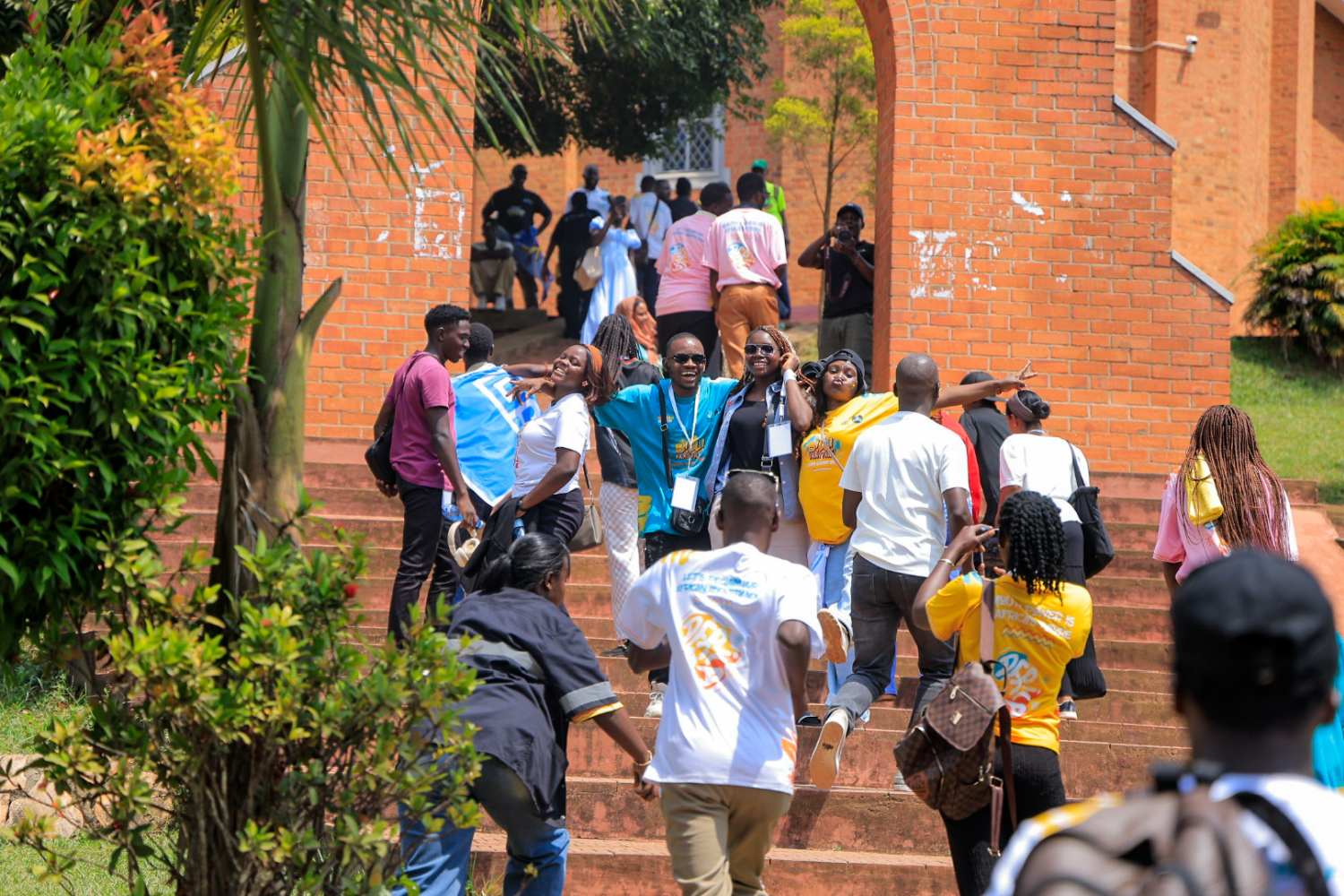
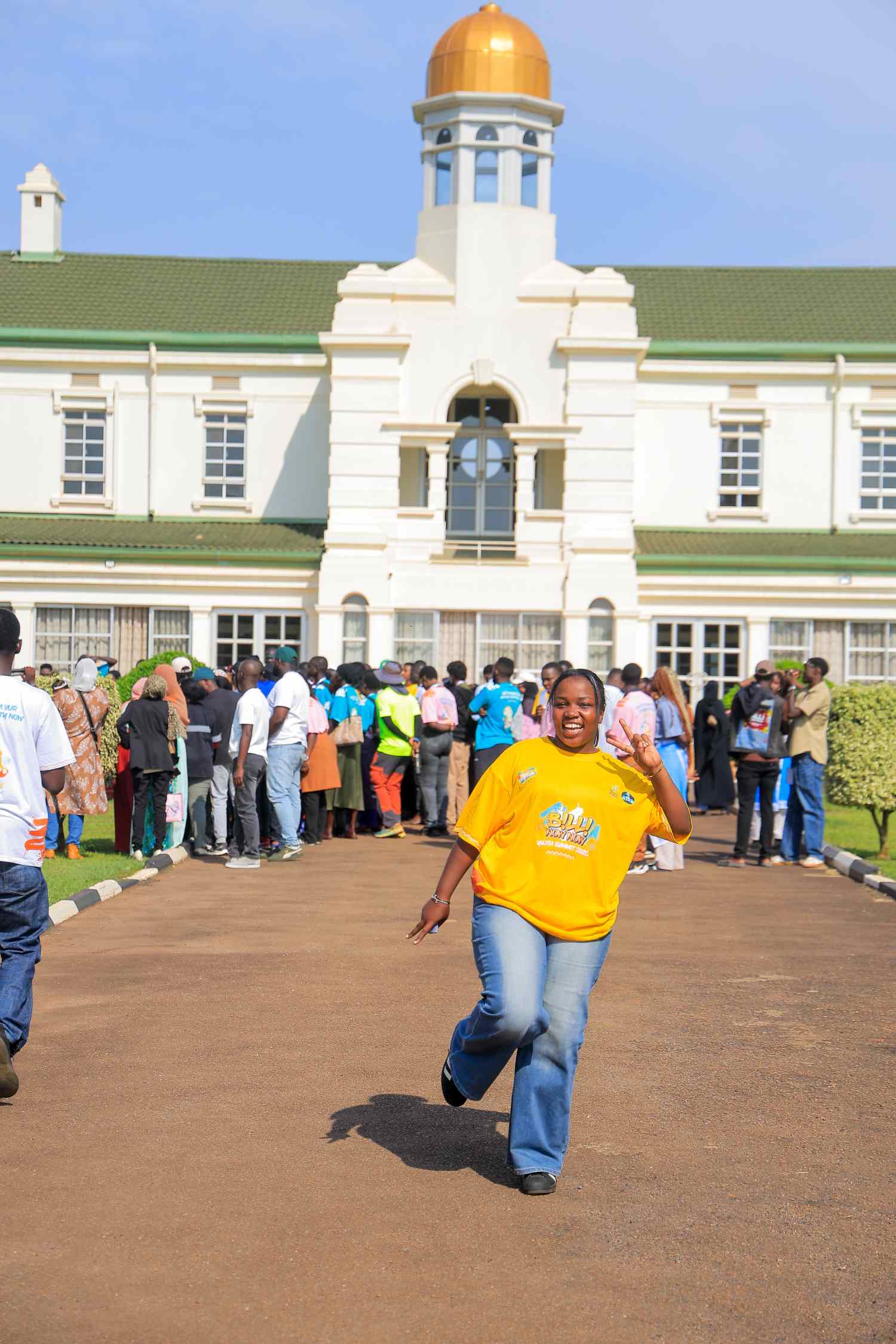
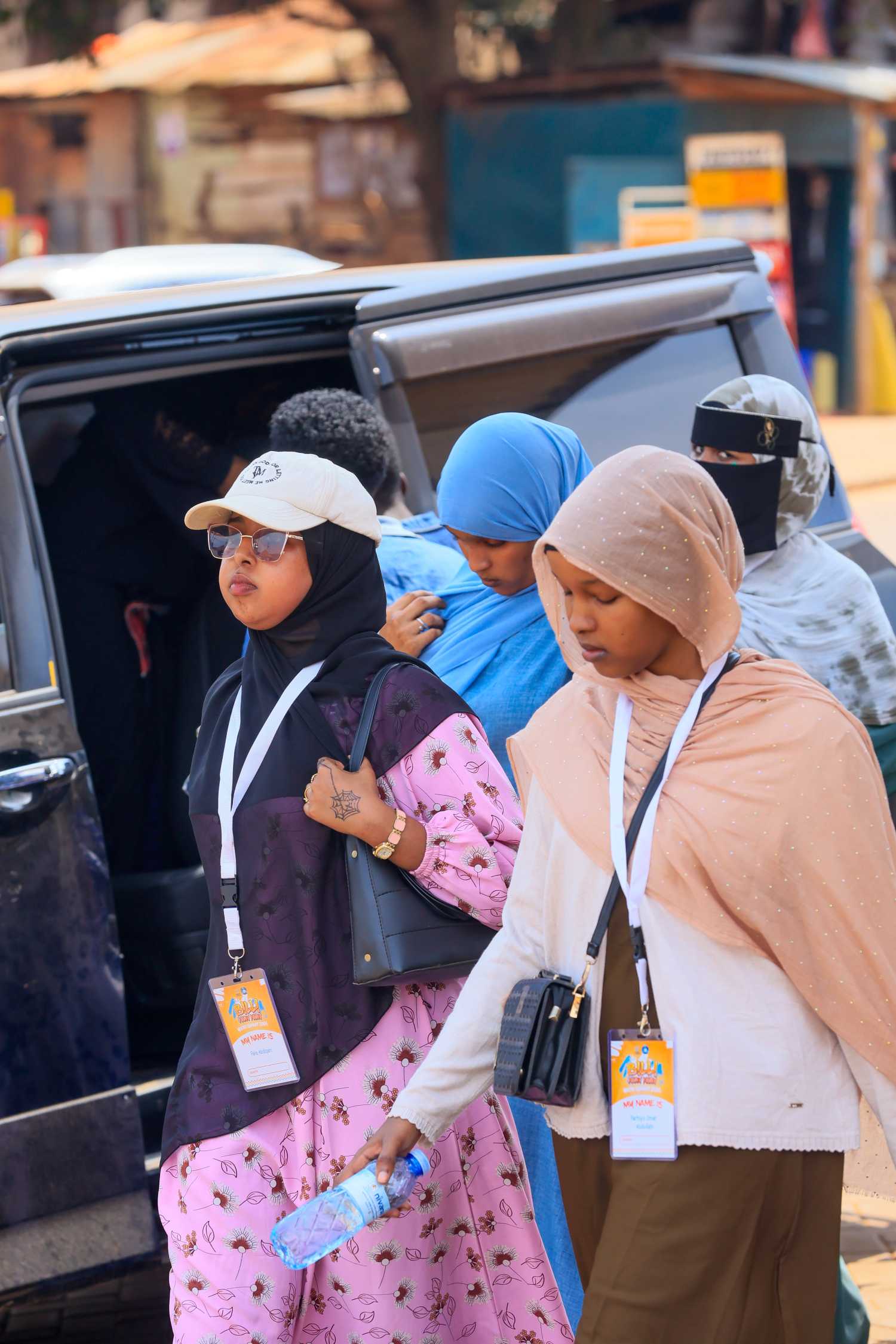
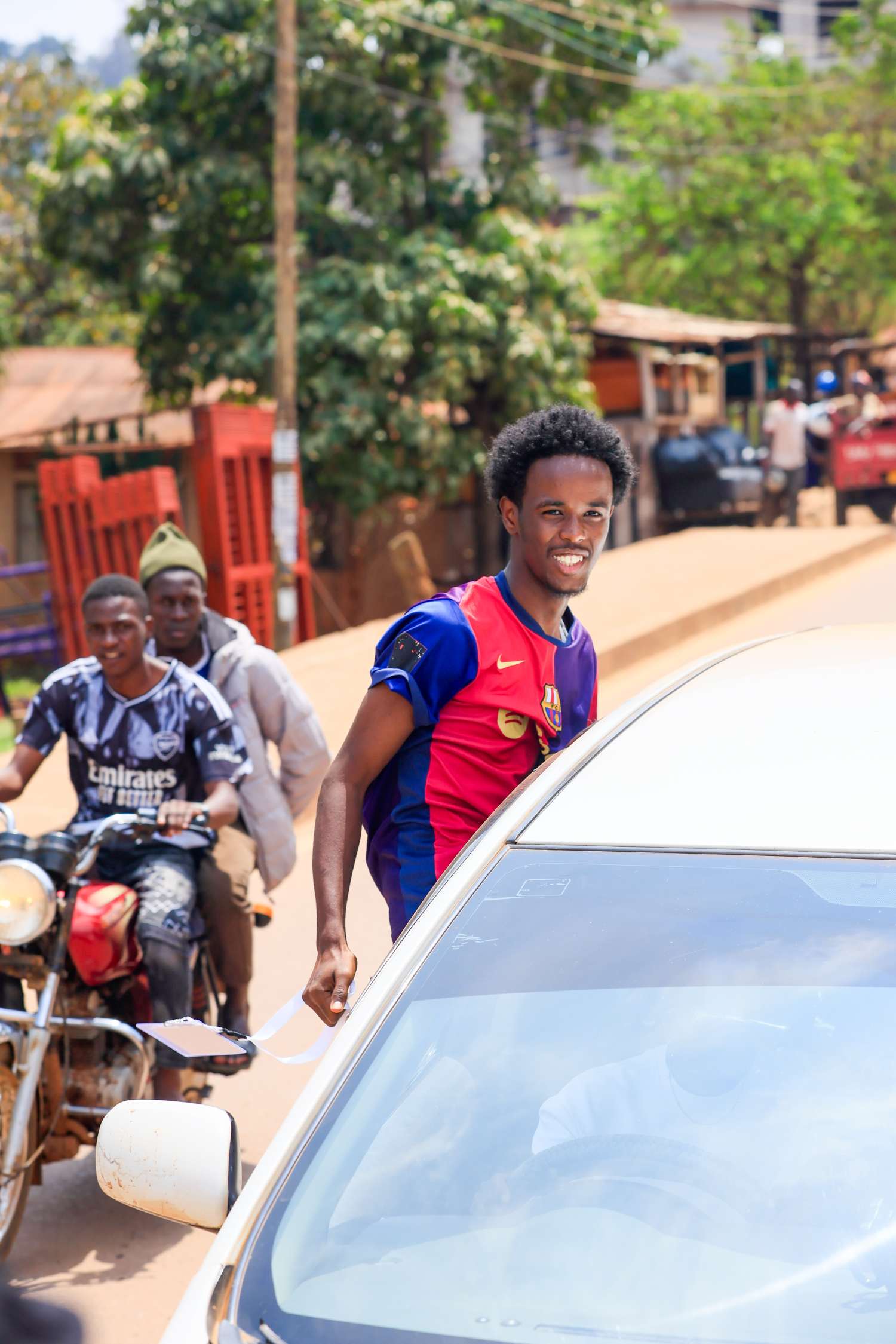
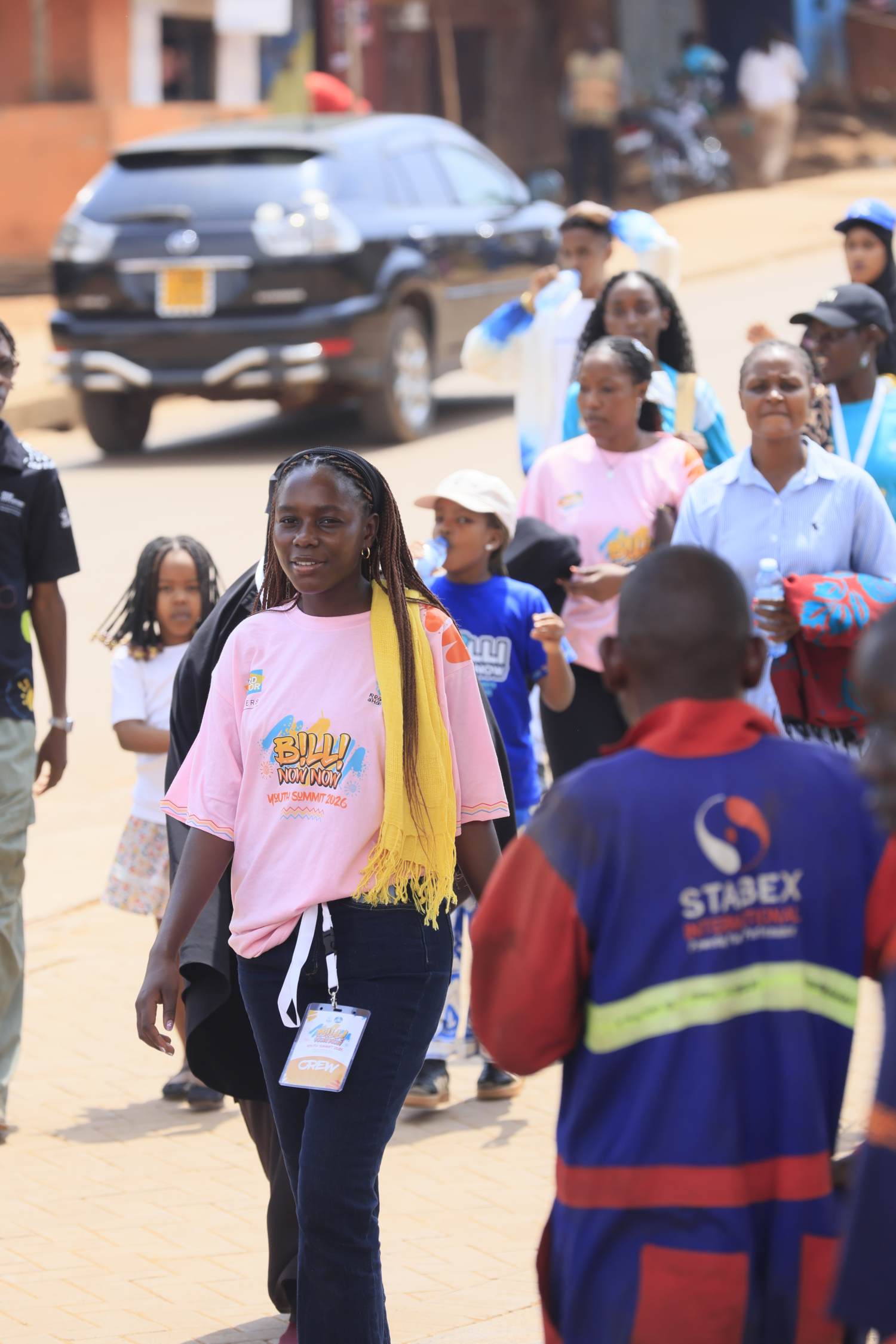
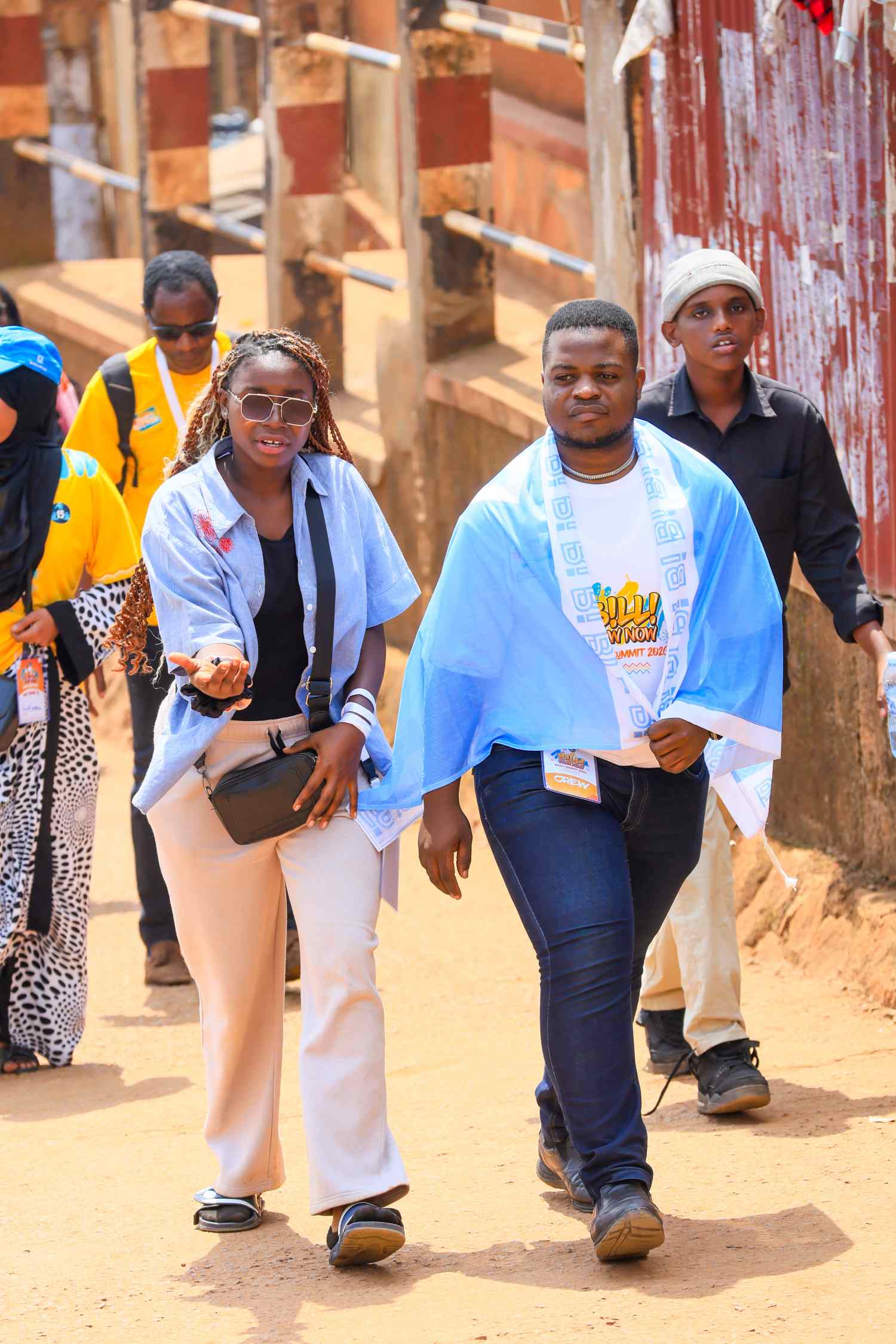
KAMPALA, Uganda — Following two days of intense policy debates, solution labs, and high-energy cultural exchanges, the 4th edition of the Billi Now Now (BNN) Youth Summit 2026 concluded on Friday, 7th August 2026, with an immersive, hands-on Pan-African historical and cultural expedition through Kasubi Tombs across Kampala.
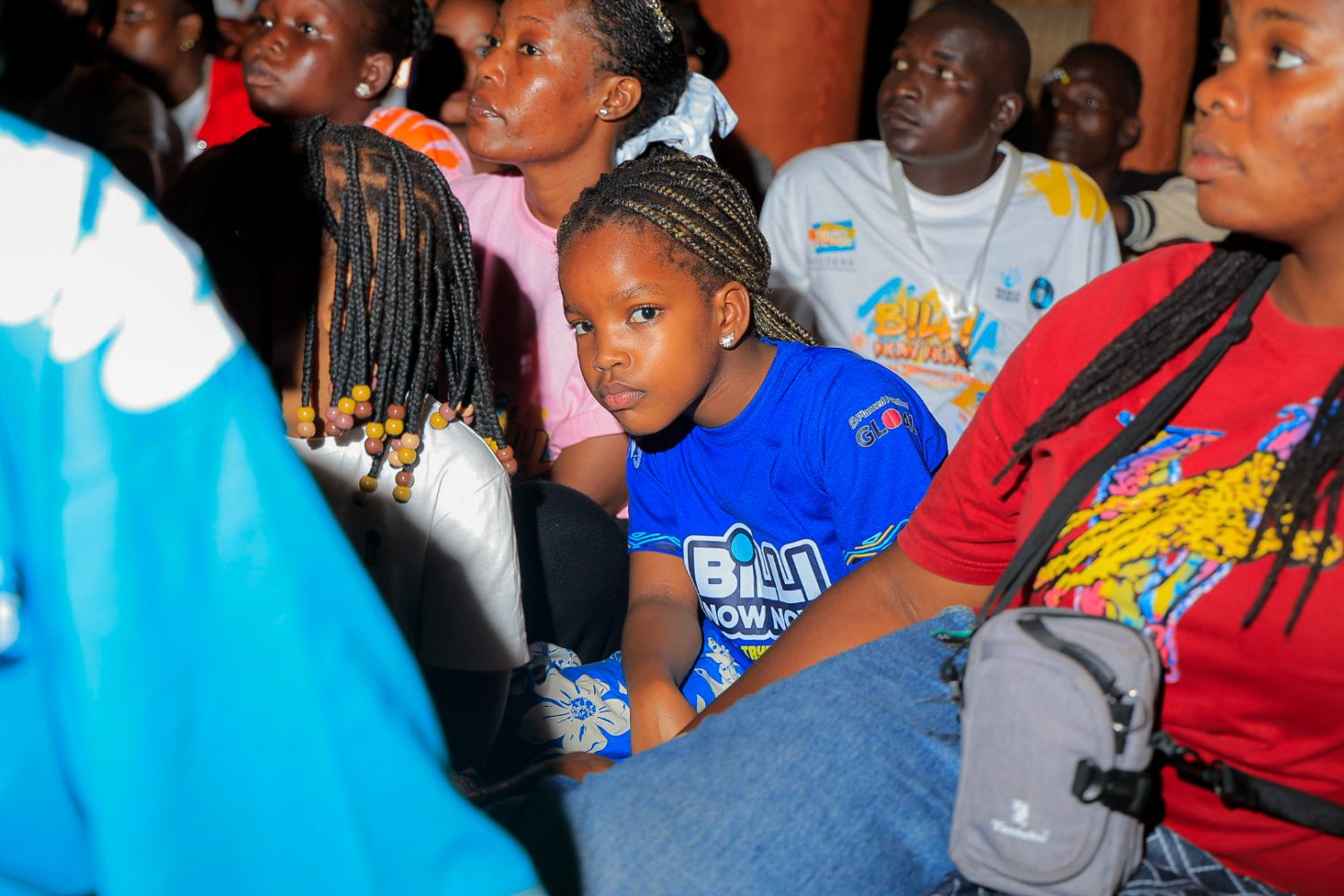
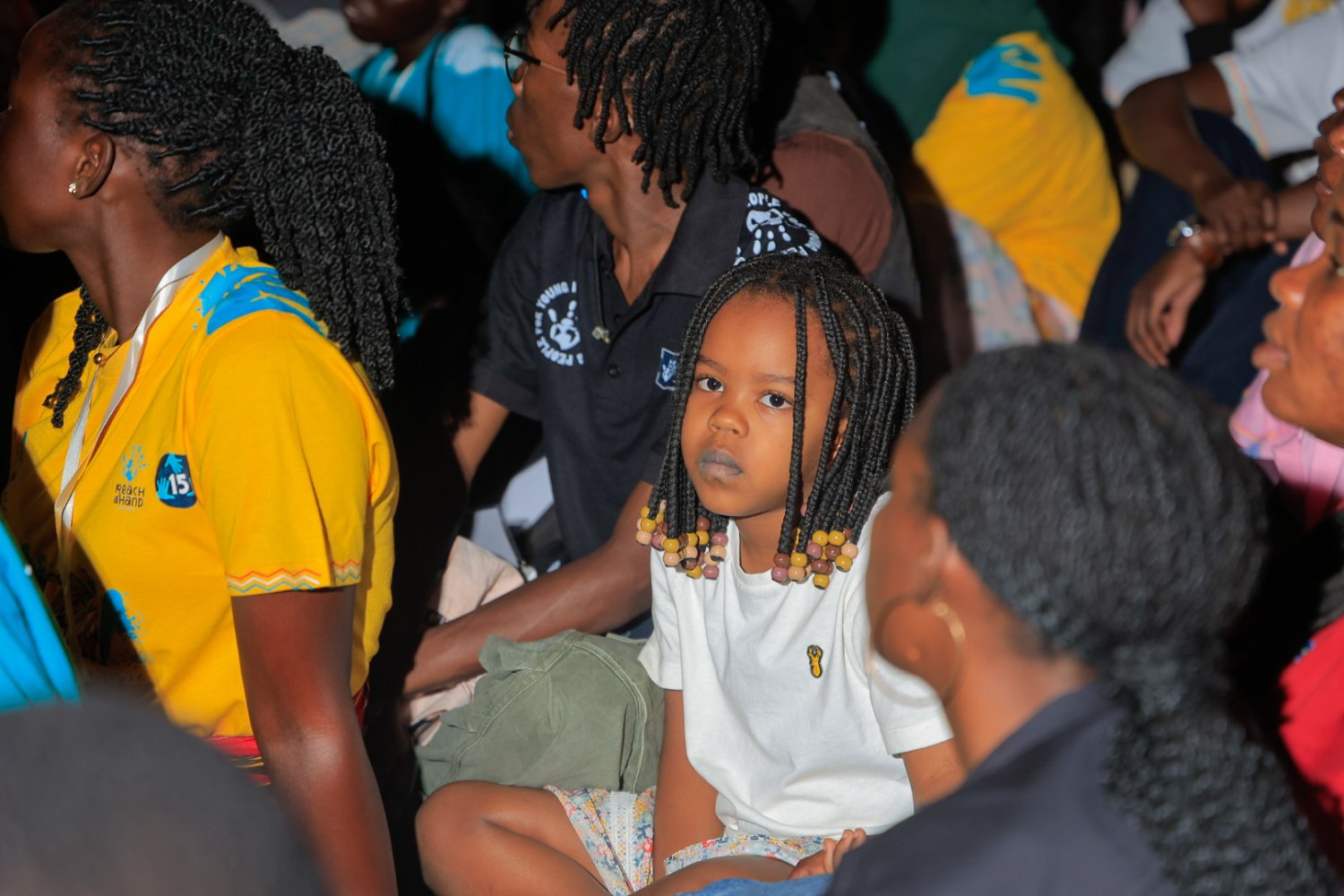
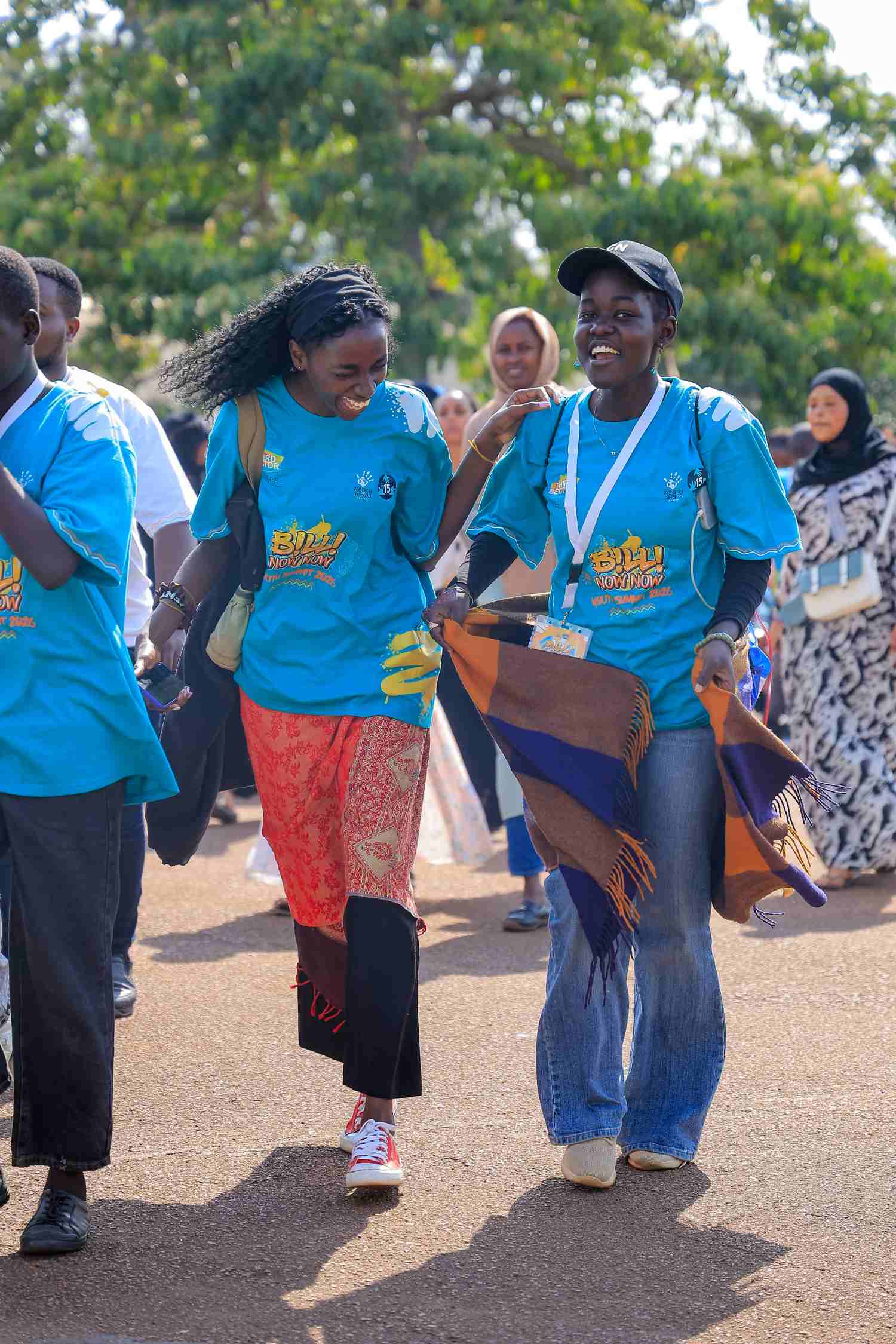
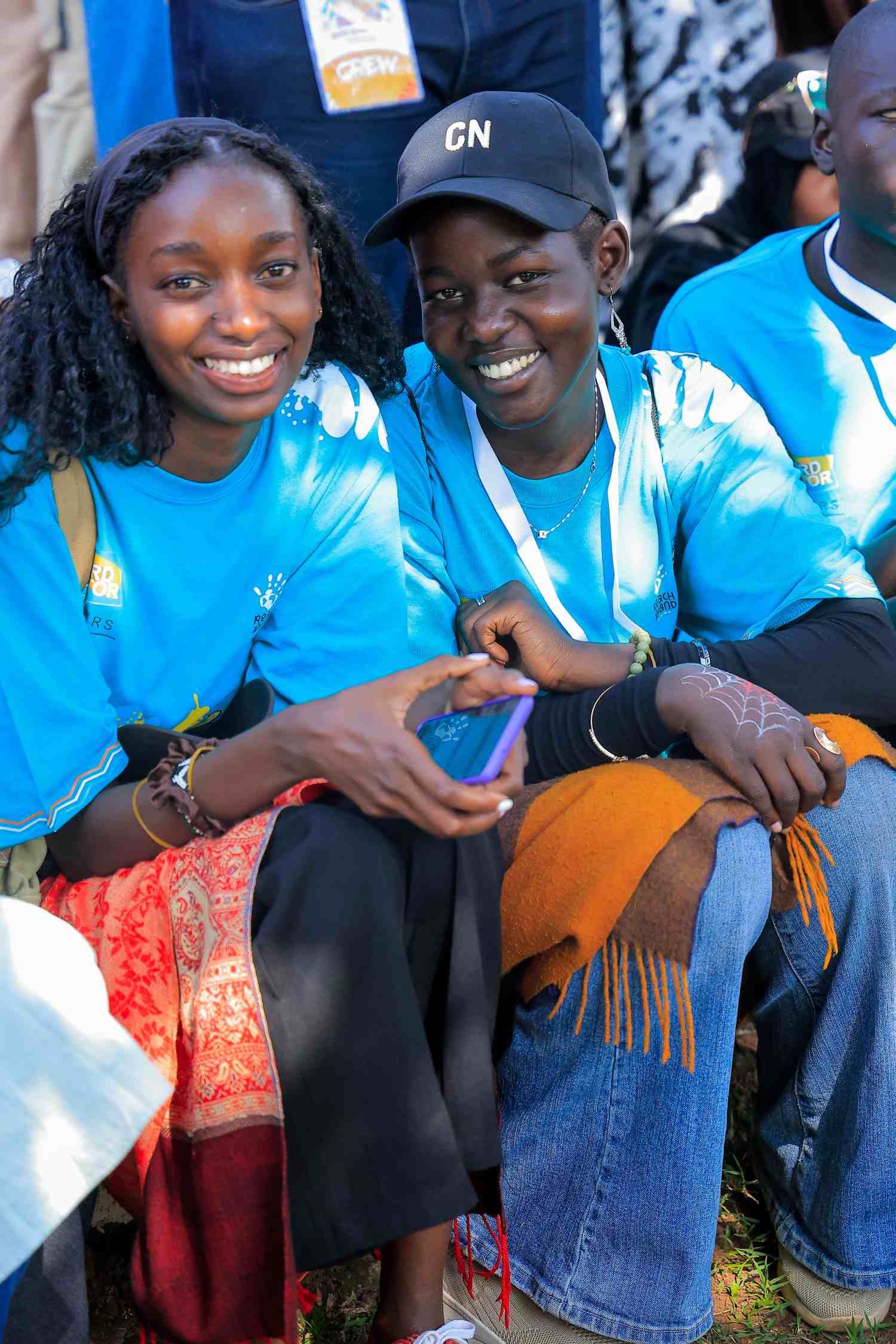
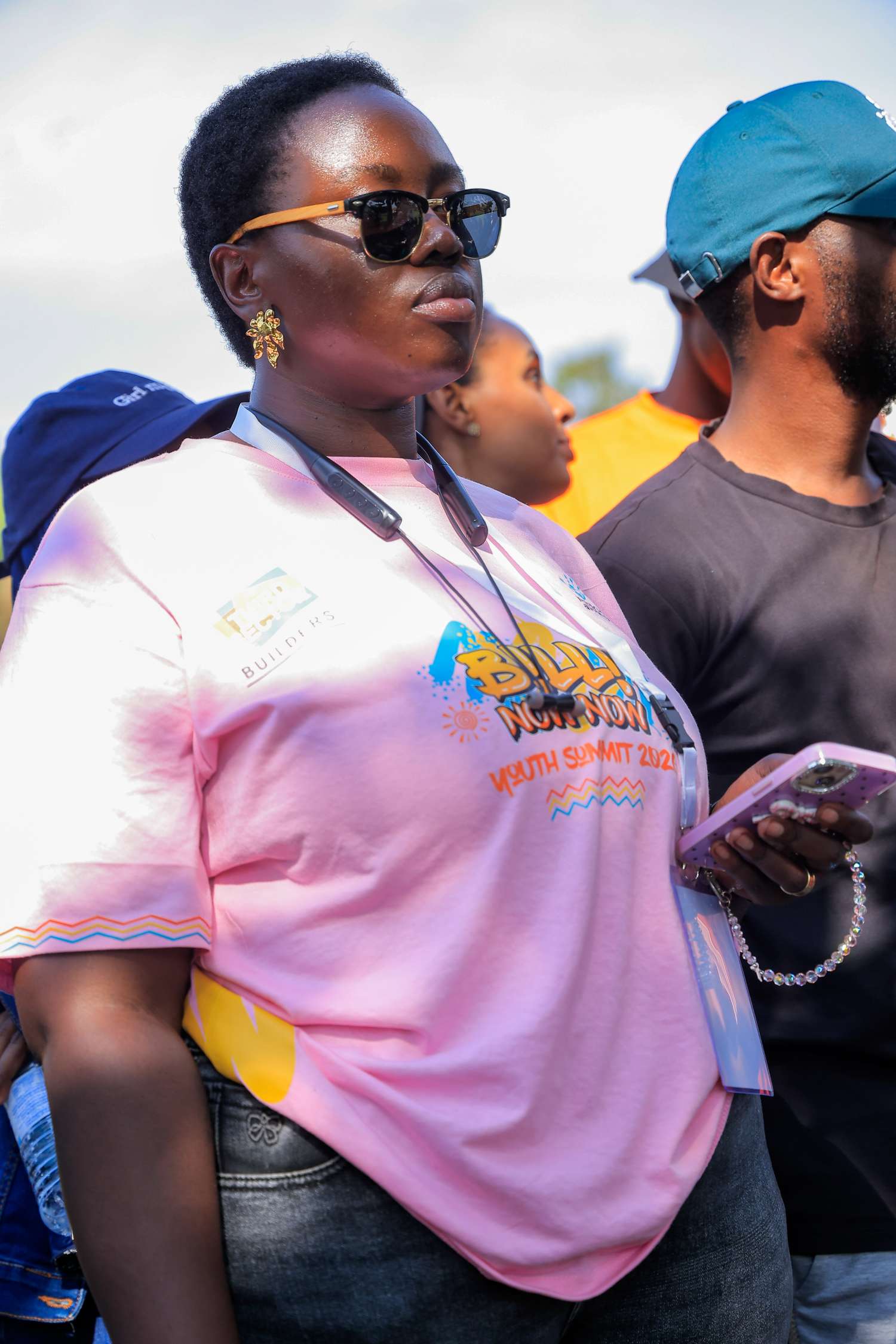
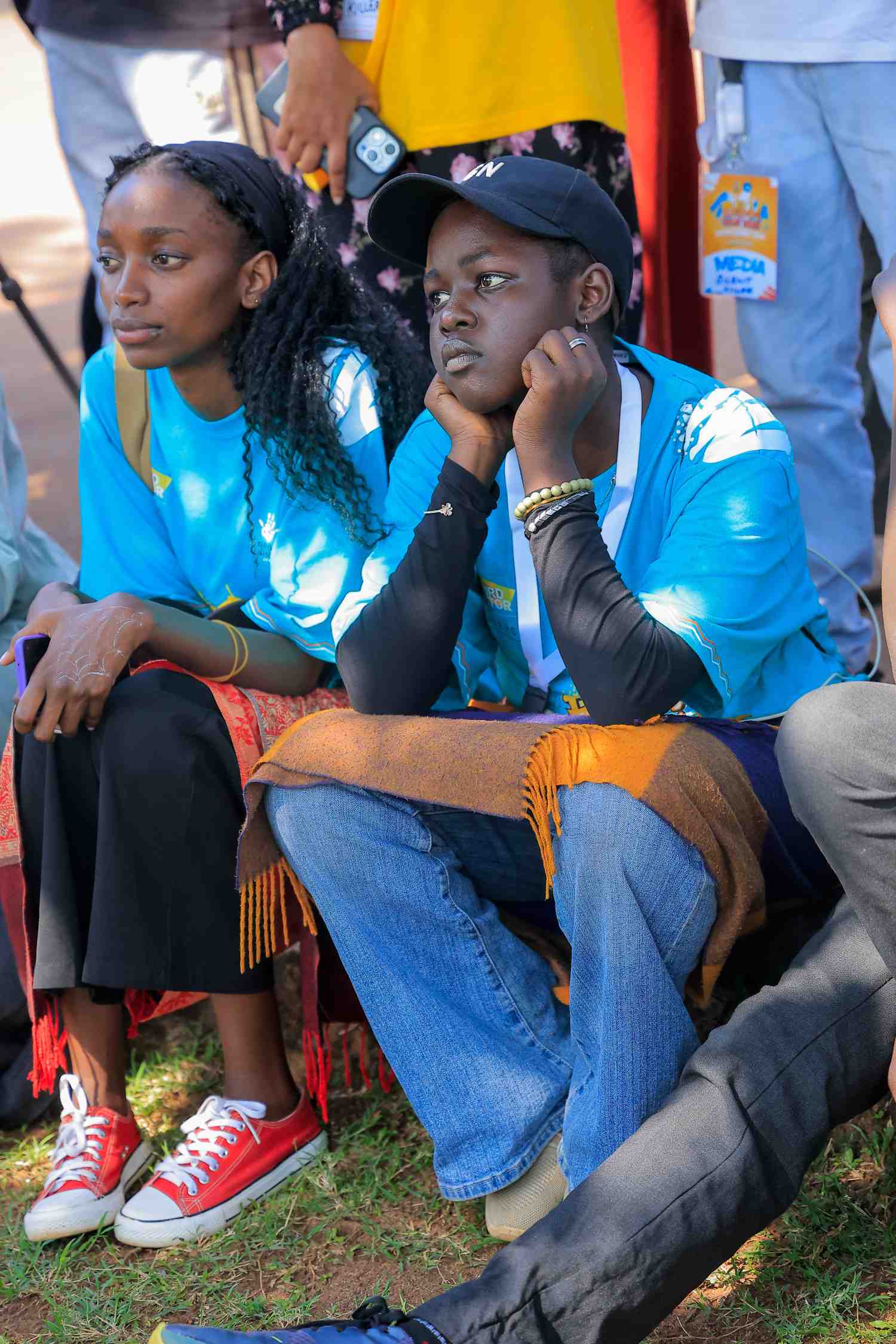
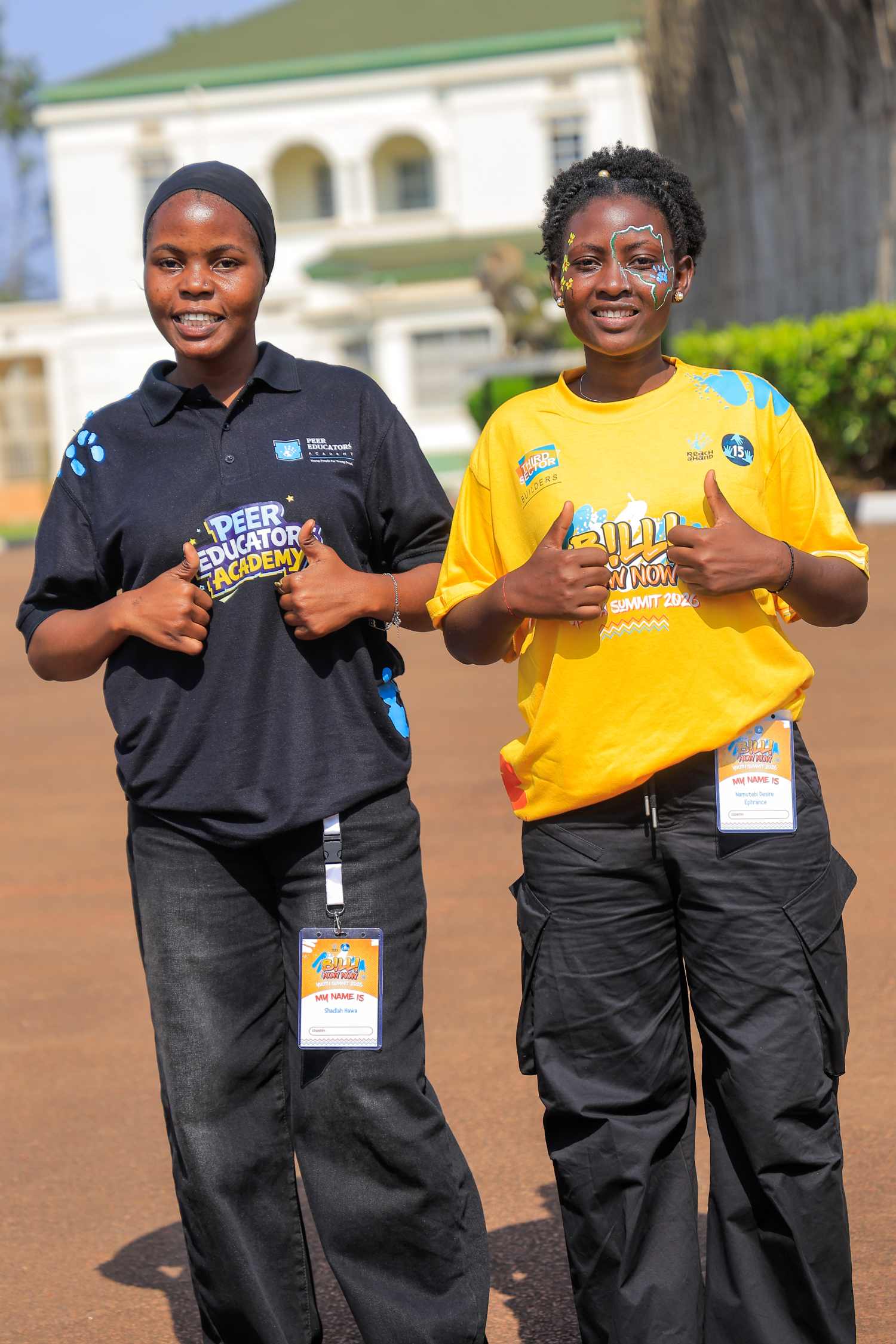
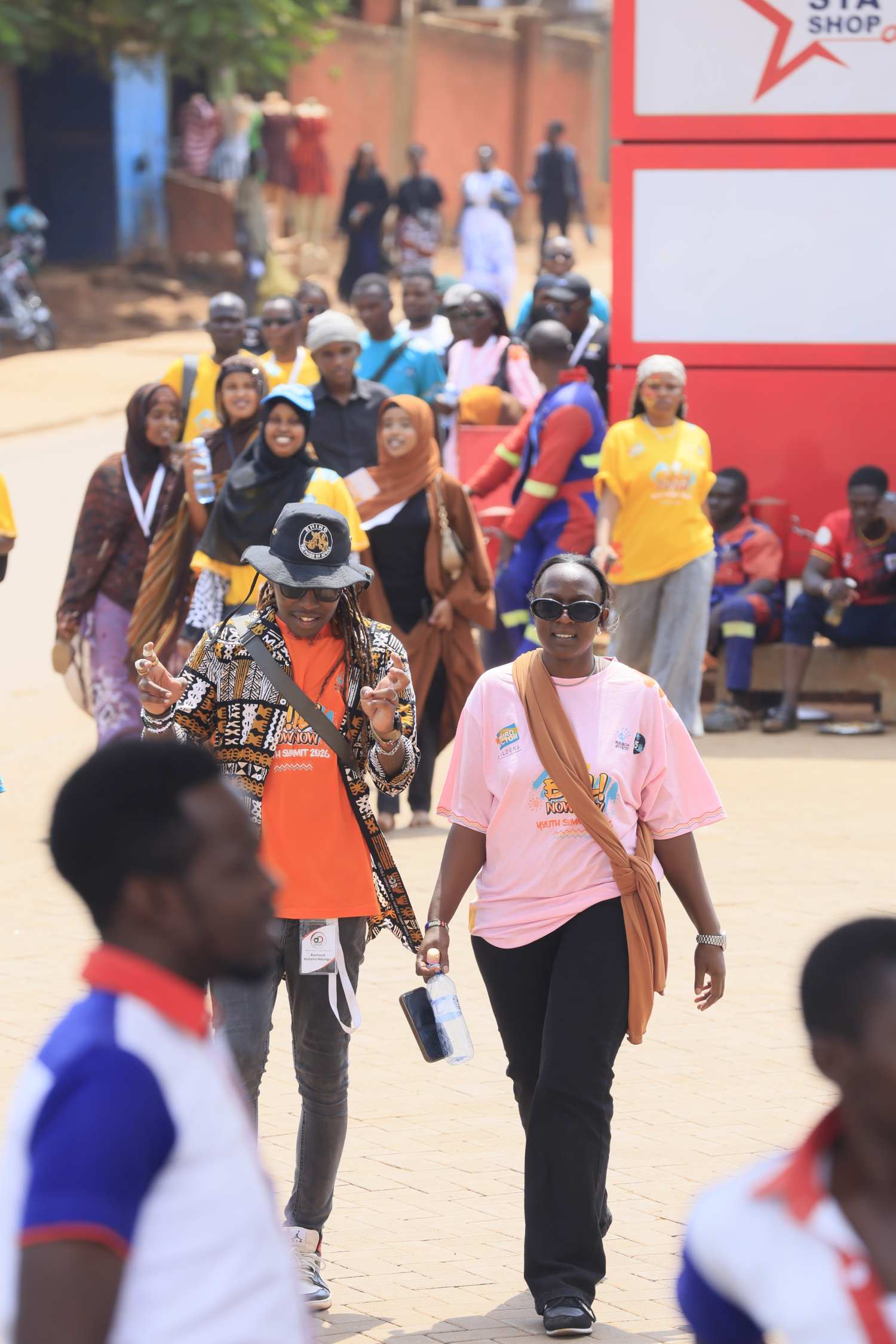
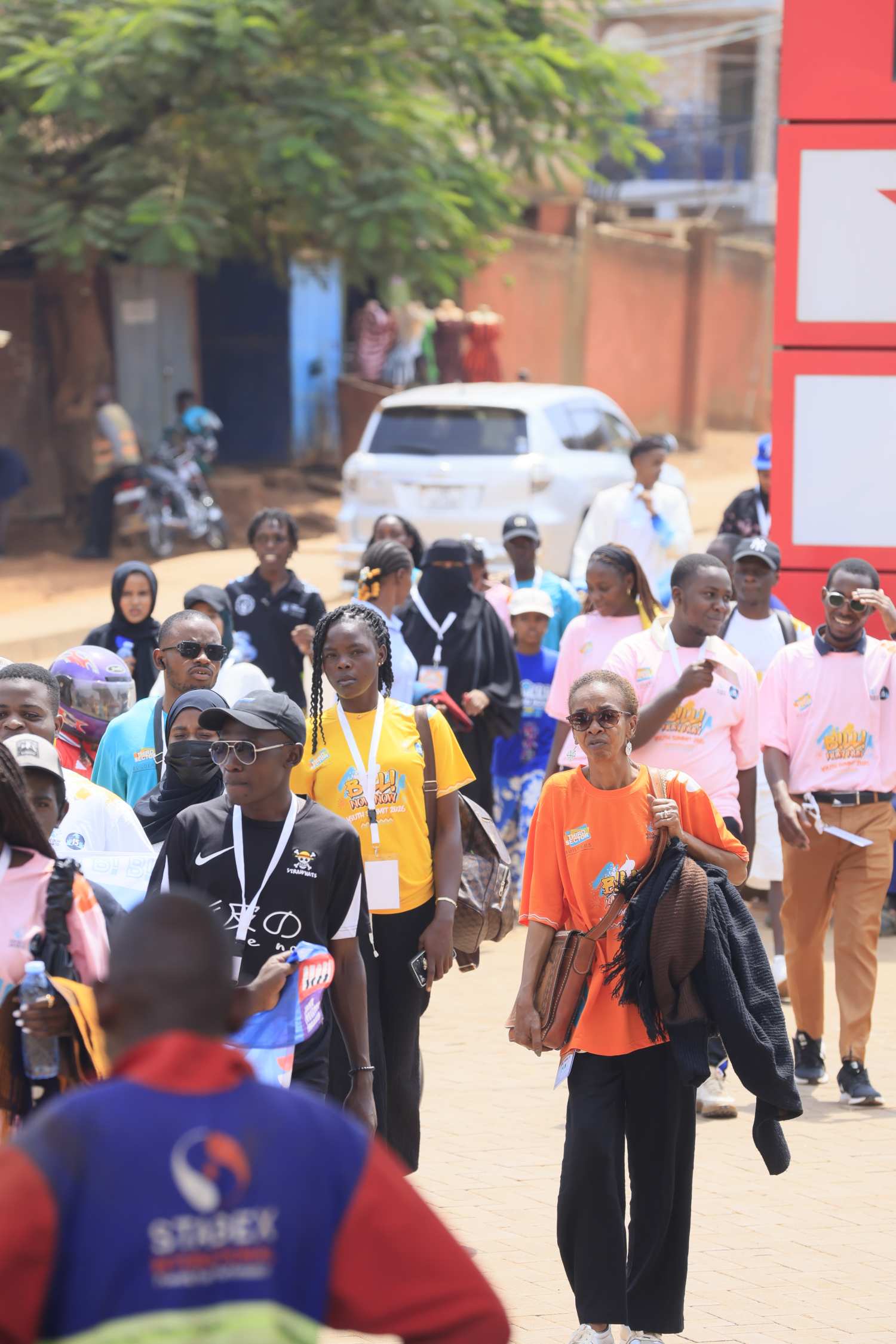
Organized by Reach A Hand Africa (RAHA) in technical partnership with Third Sector Builders, Day Three moved more than 1,000 delegates out of formal conference rooms and into the living history of the Buganda Kingdom and Uganda’s national heritage.
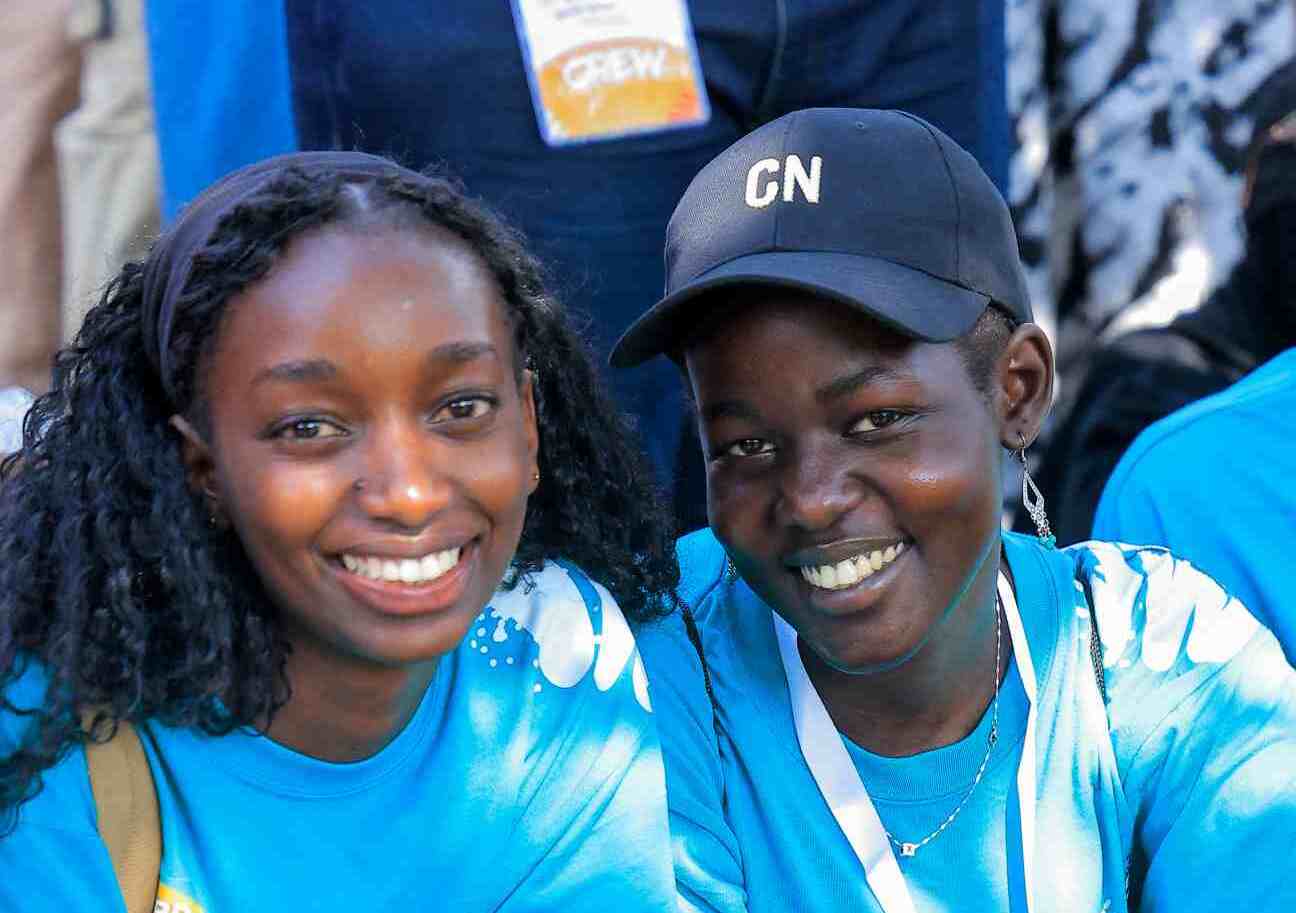
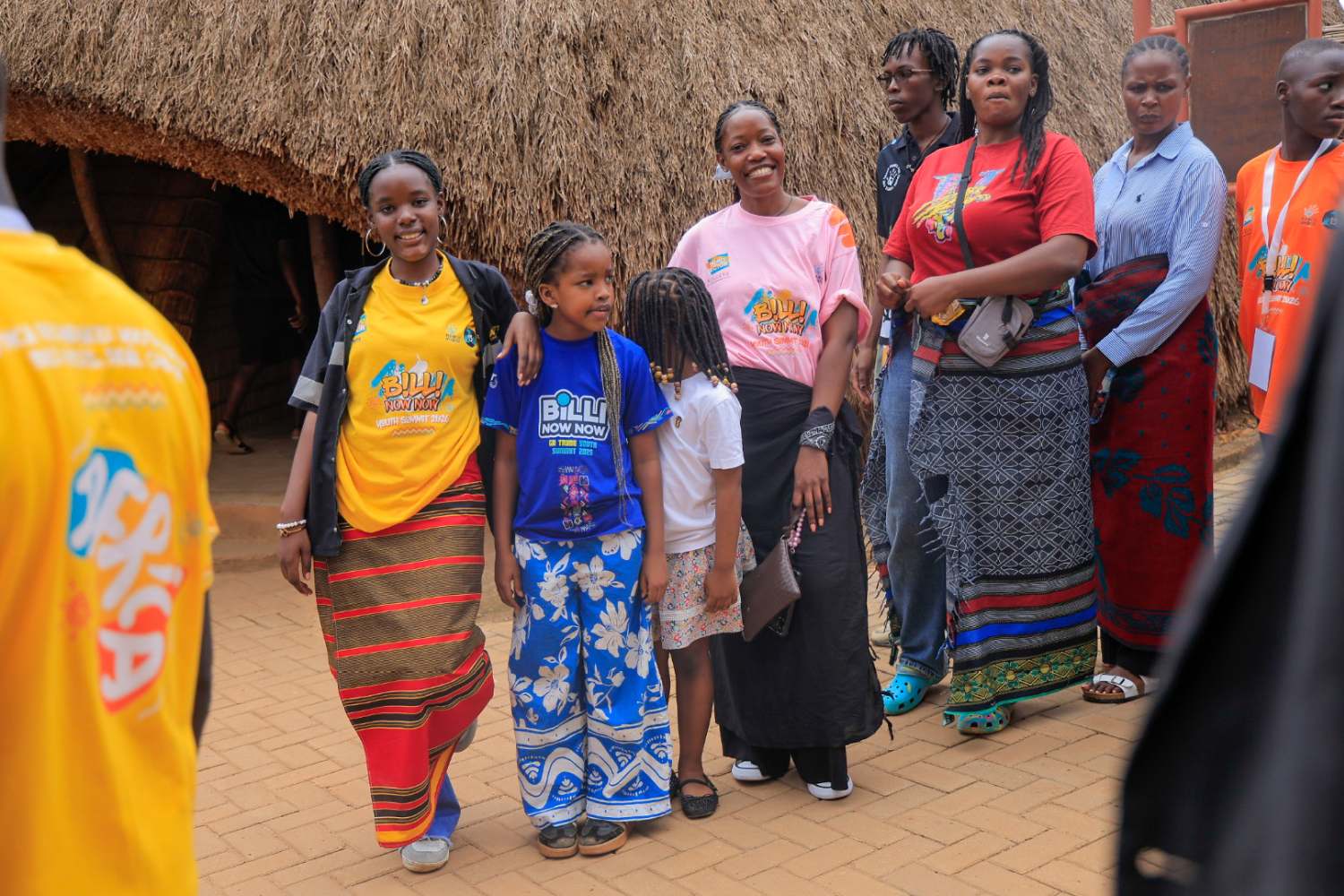
Delegates representing ten African nations—including Uganda, Kenya, South Sudan, Sudan, DR Congo, Somalia, Burkina Faso, Burundi, Eritrea, and Ethiopia—spent the day walking through sacred royal shrines, historical parliamentary chambers, tragic historical monuments, and engineering marvels.

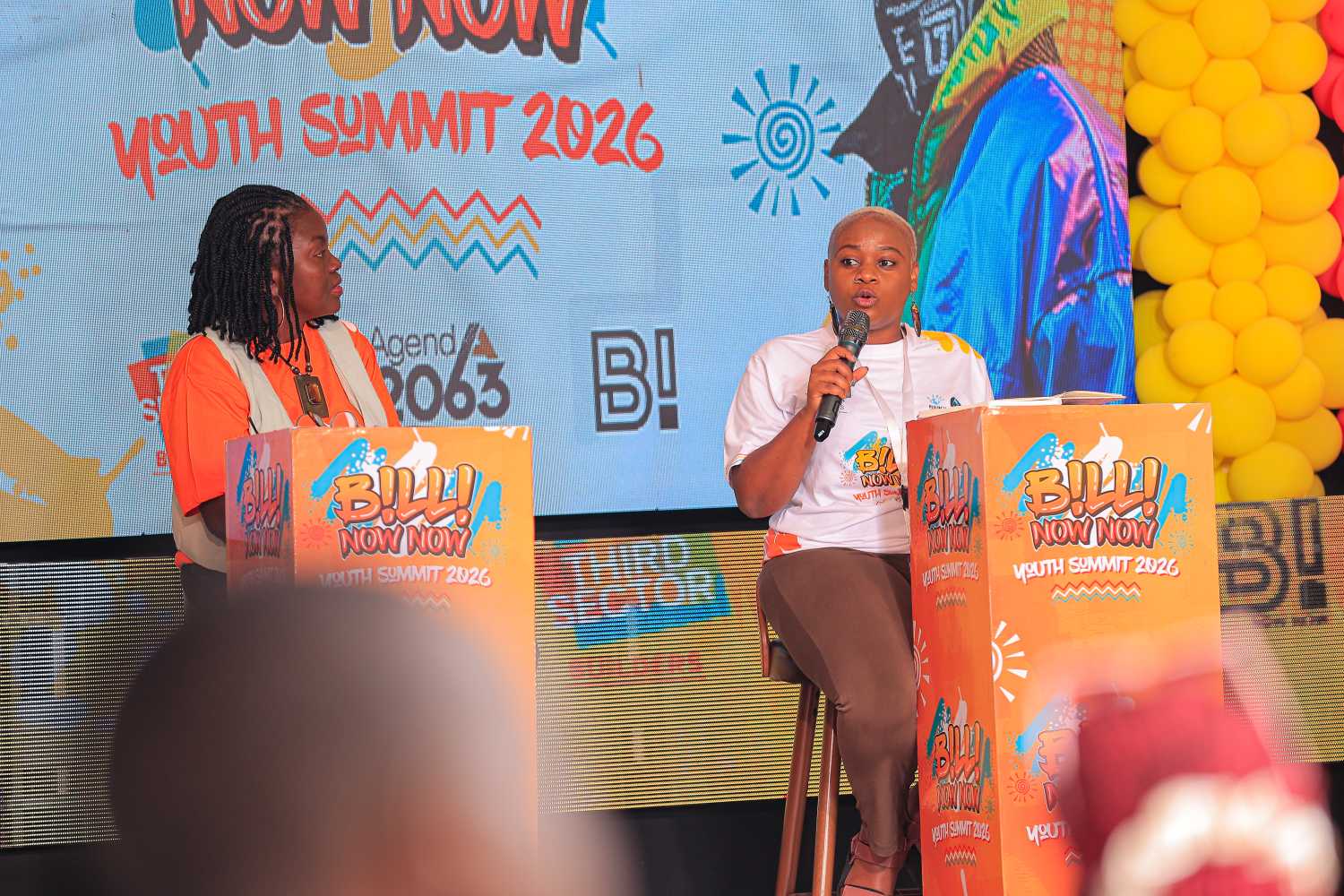
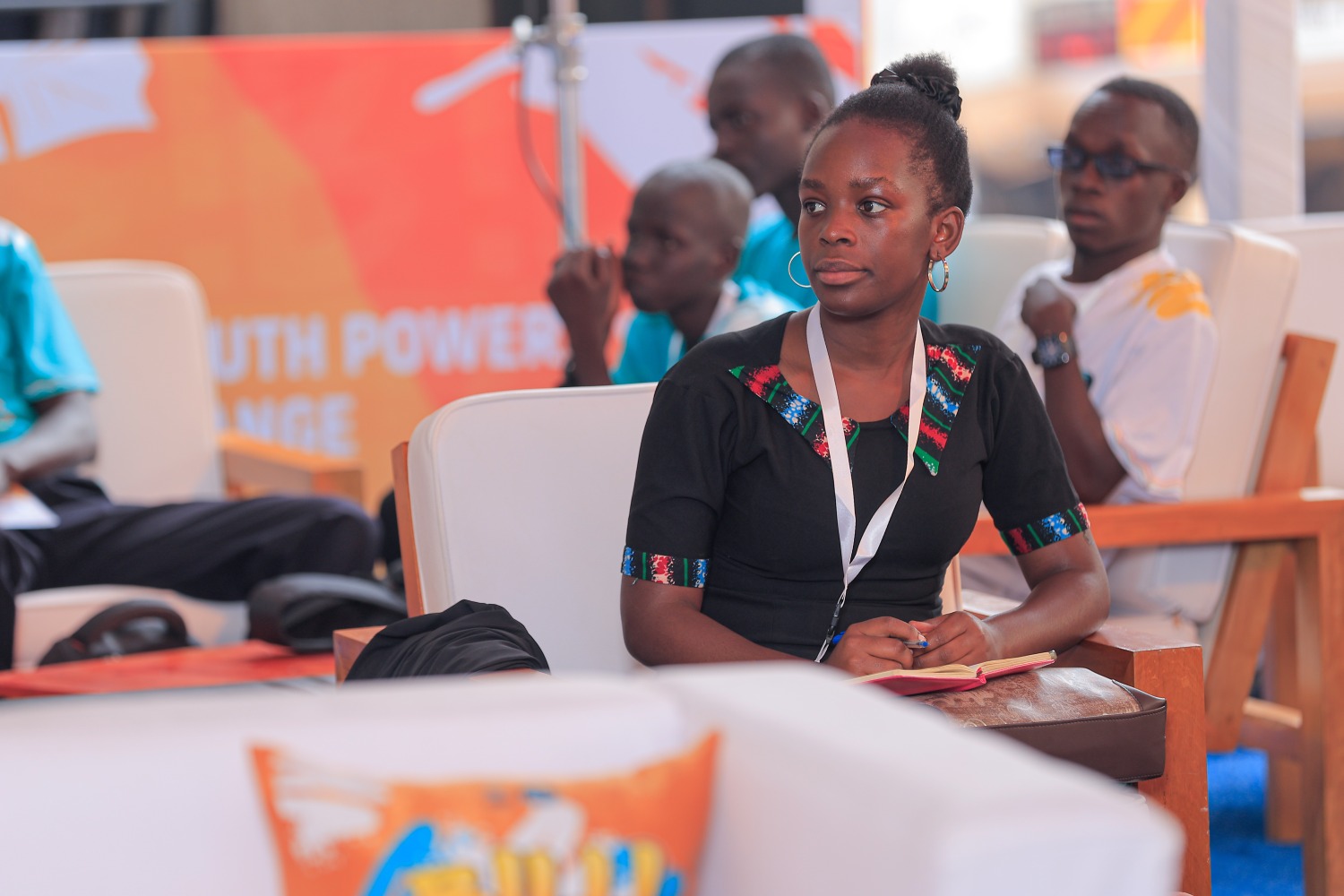
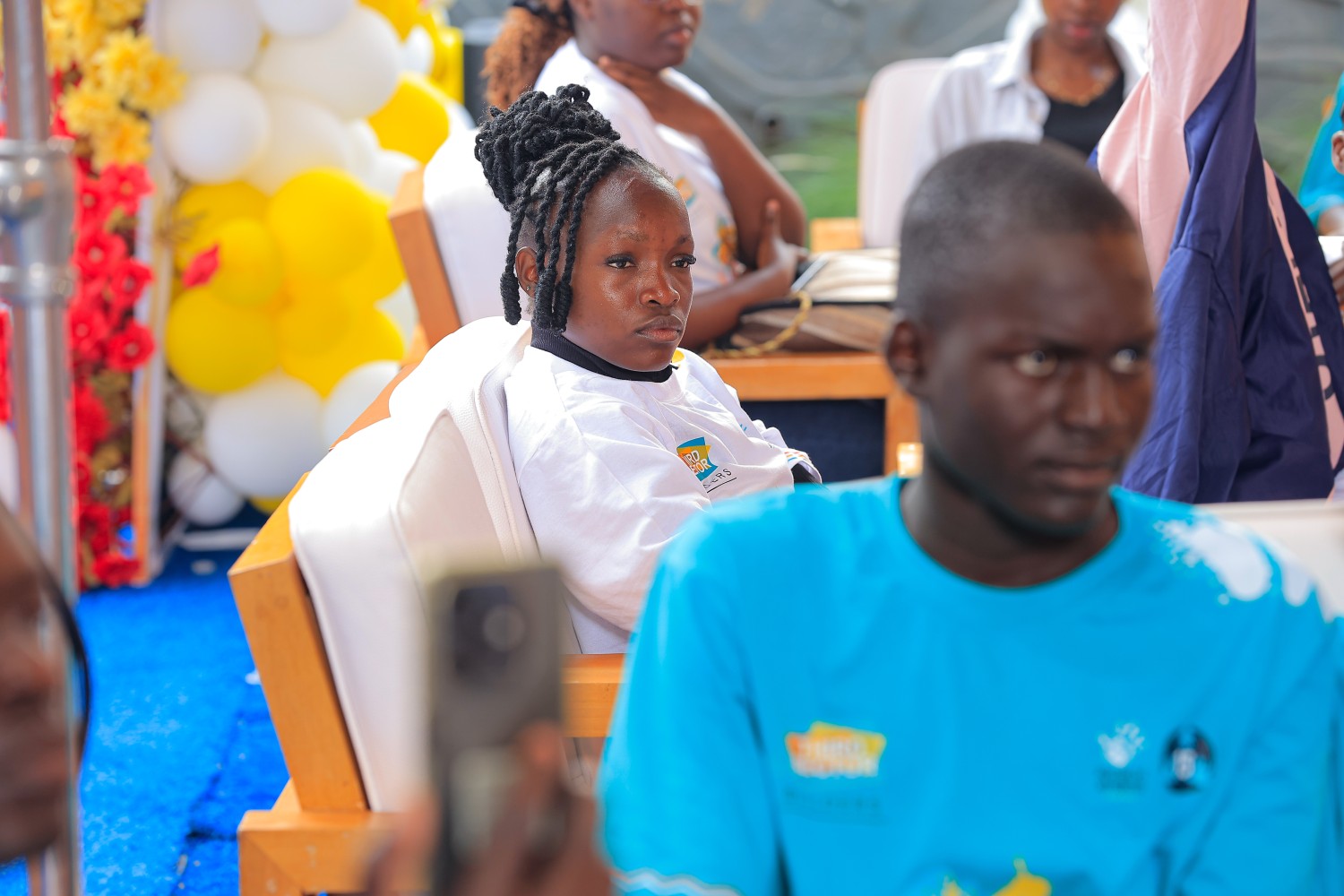
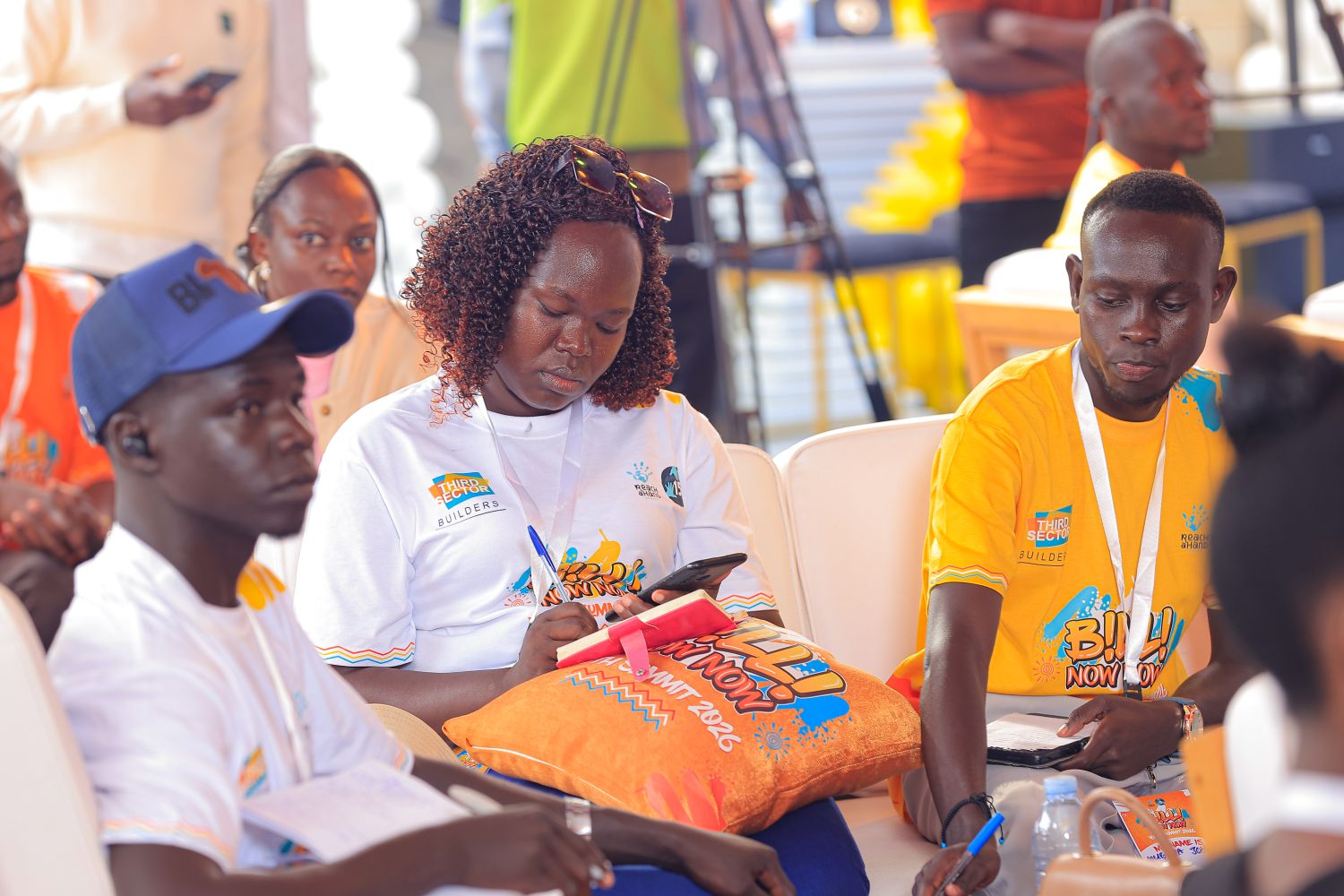
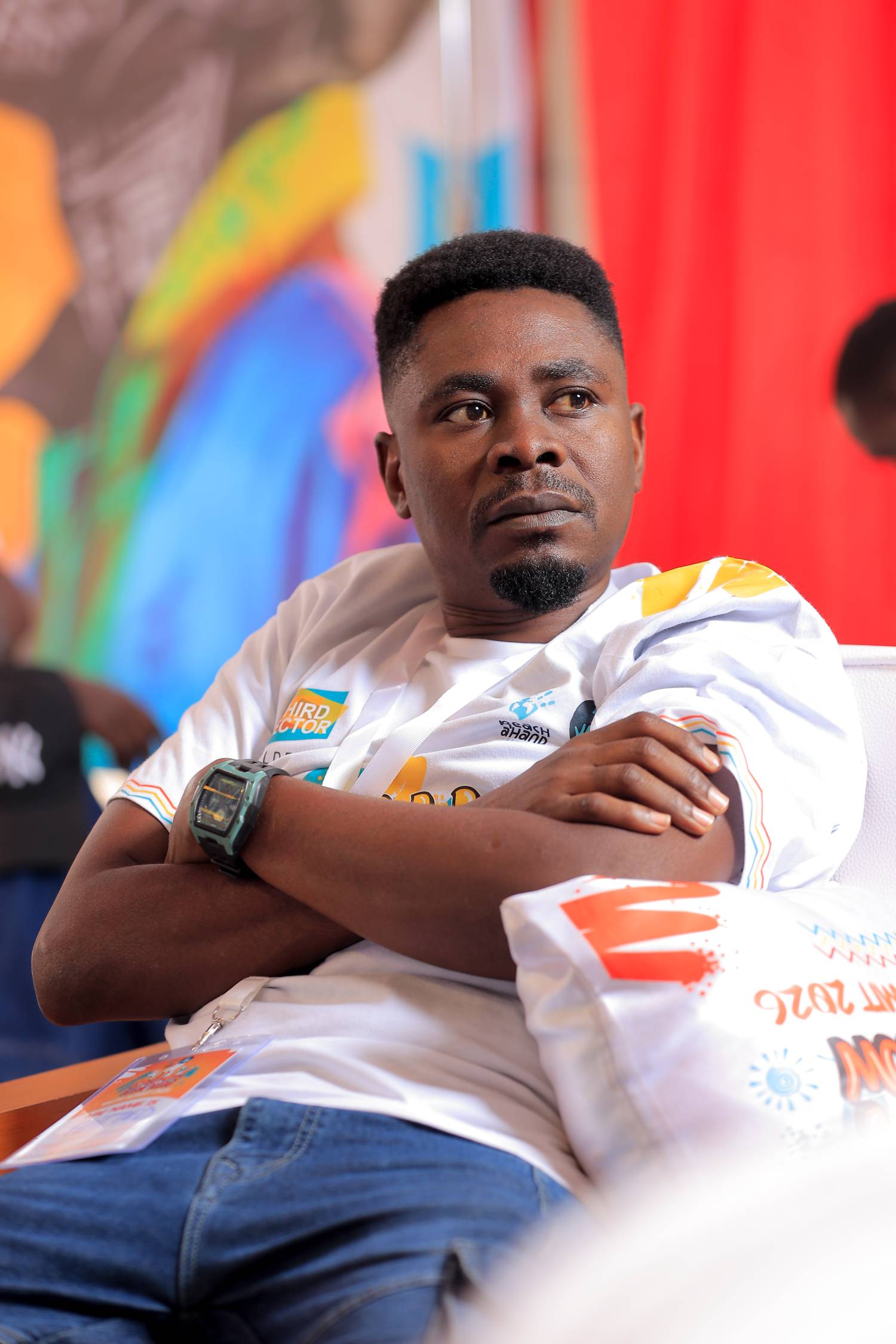
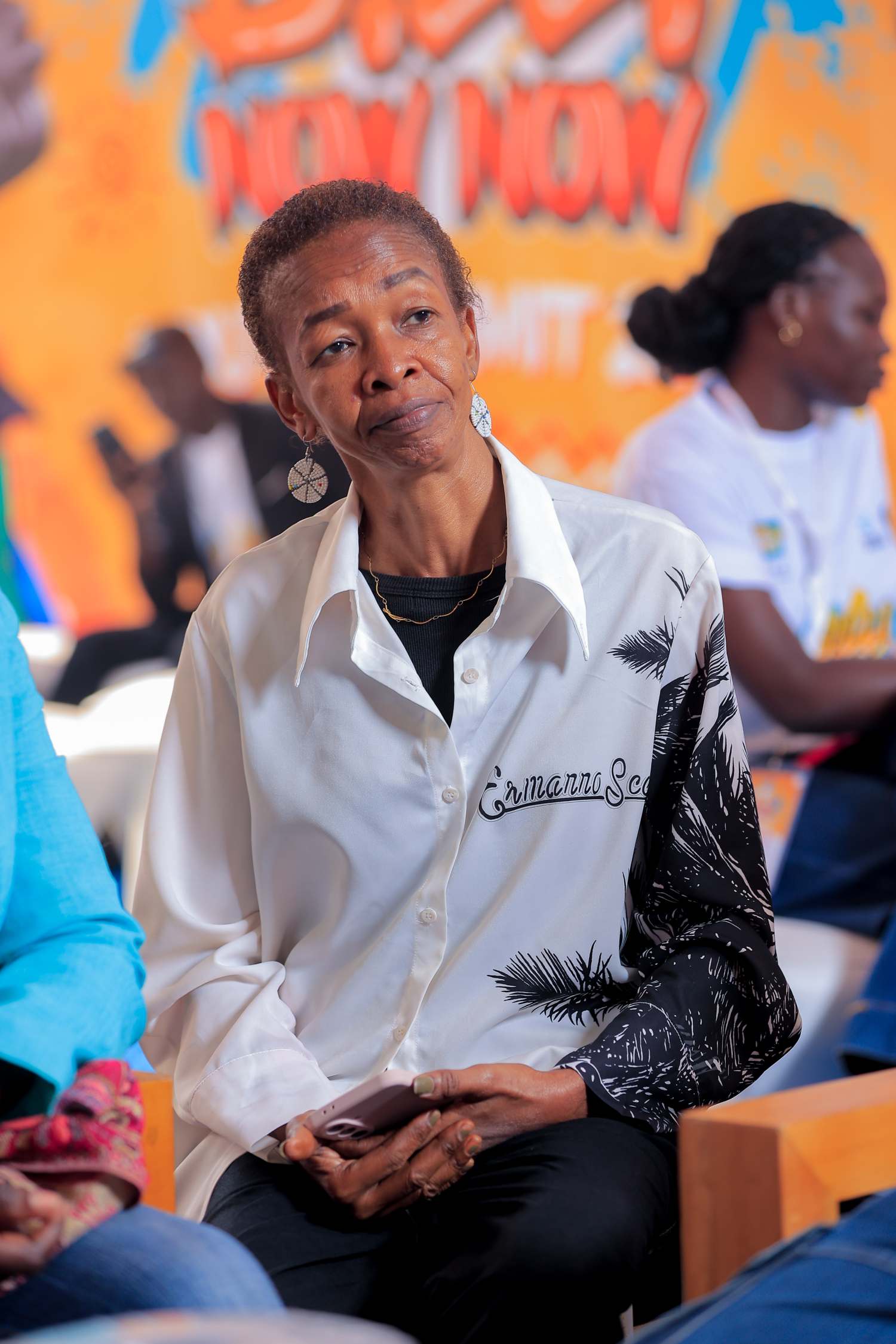
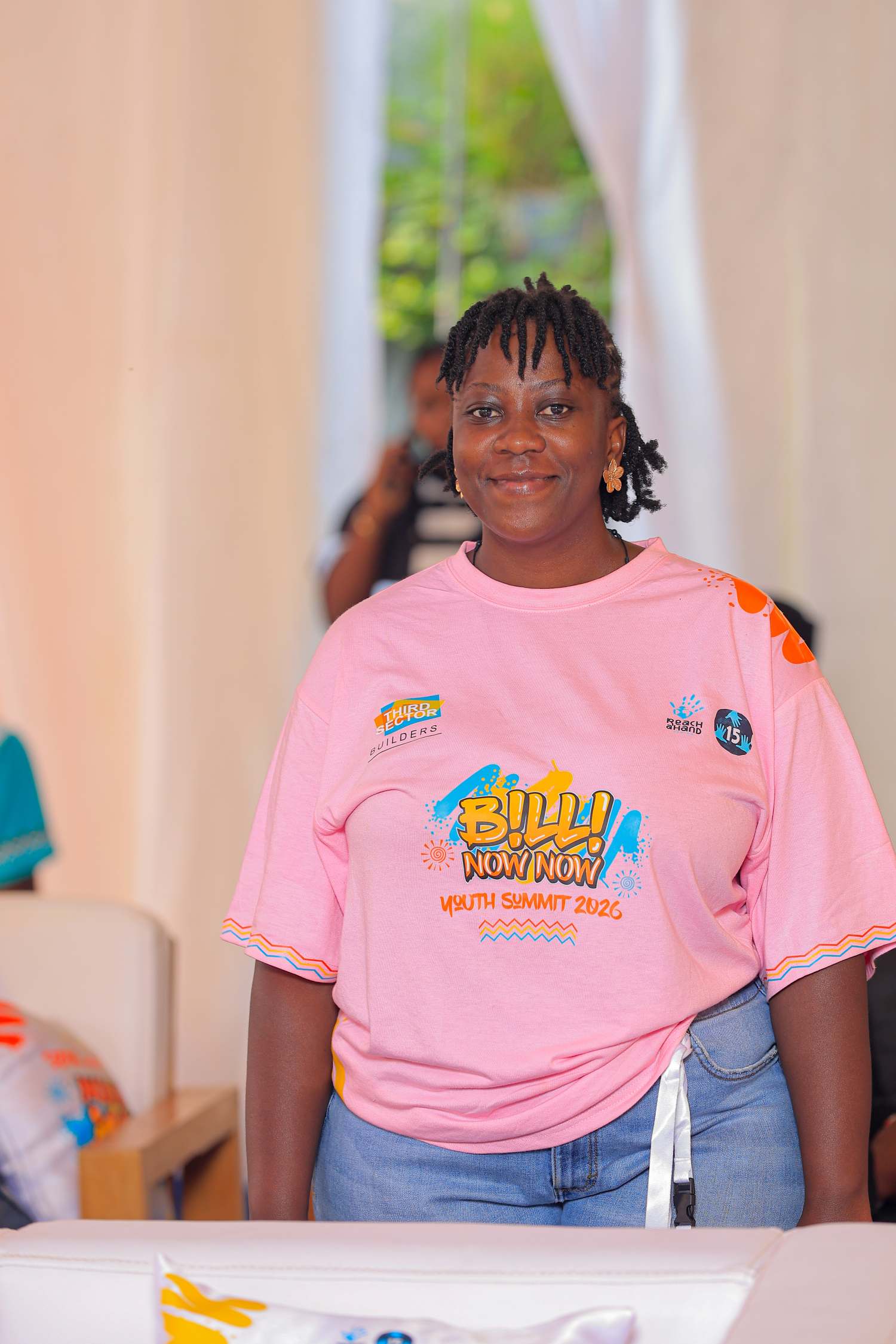
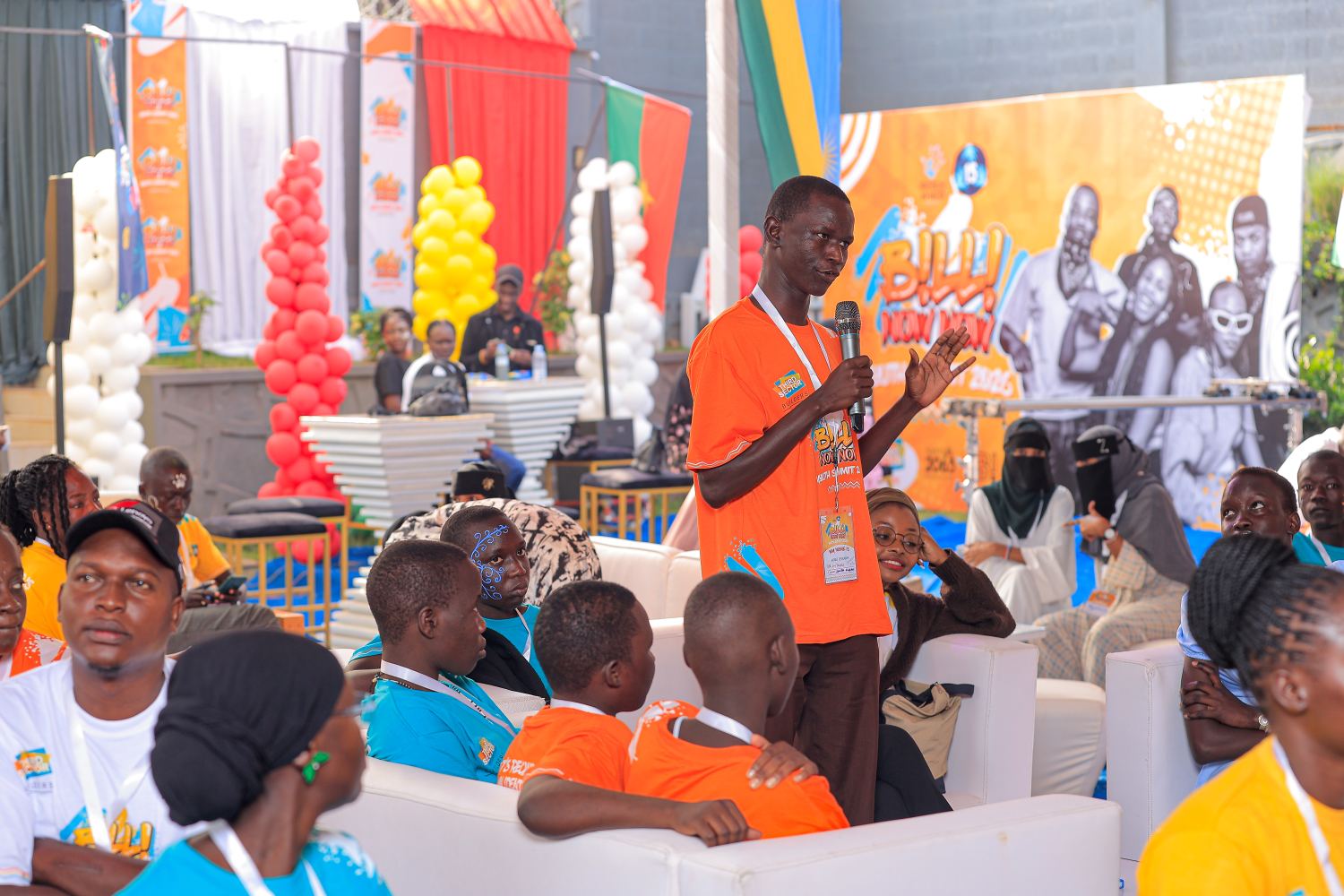
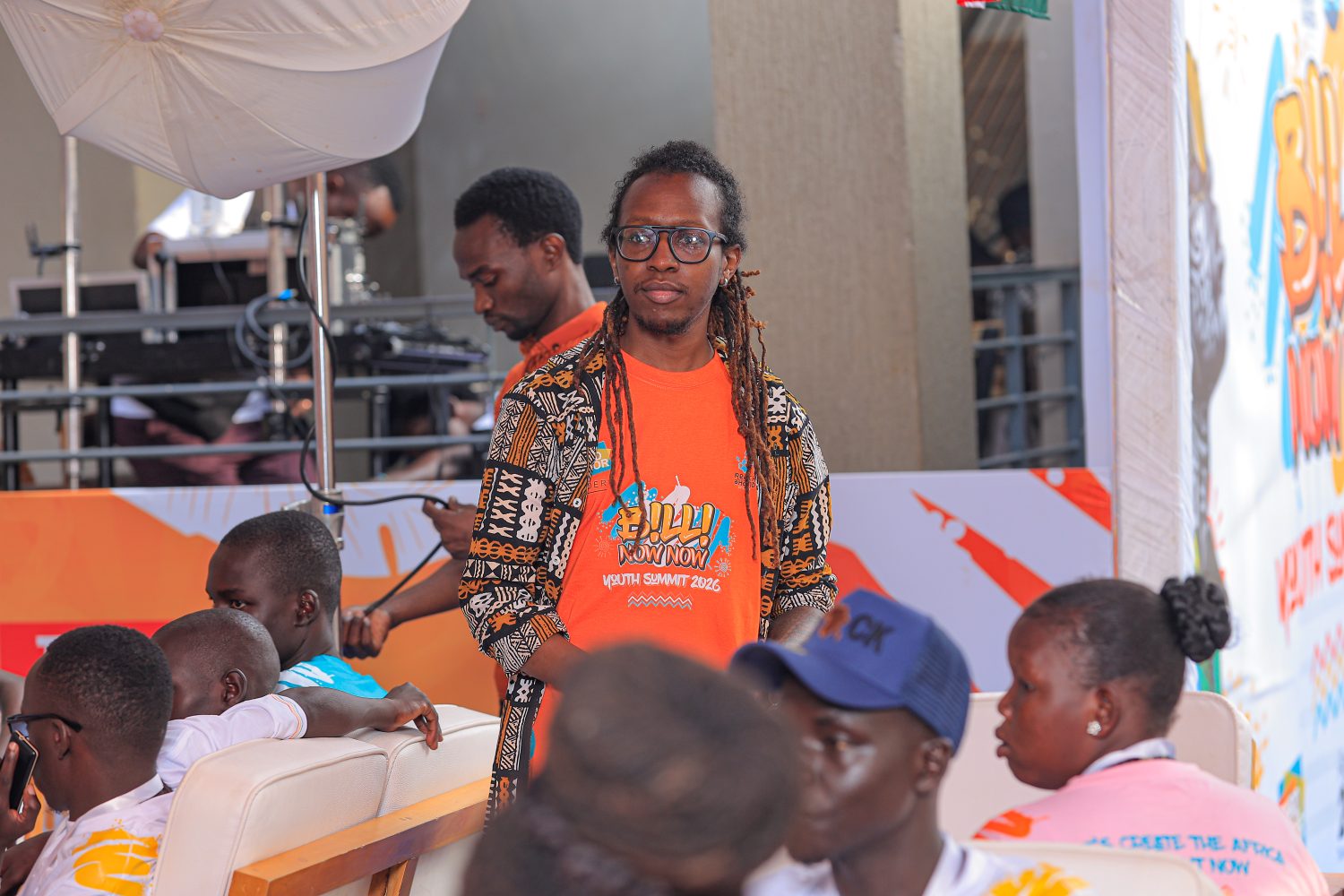
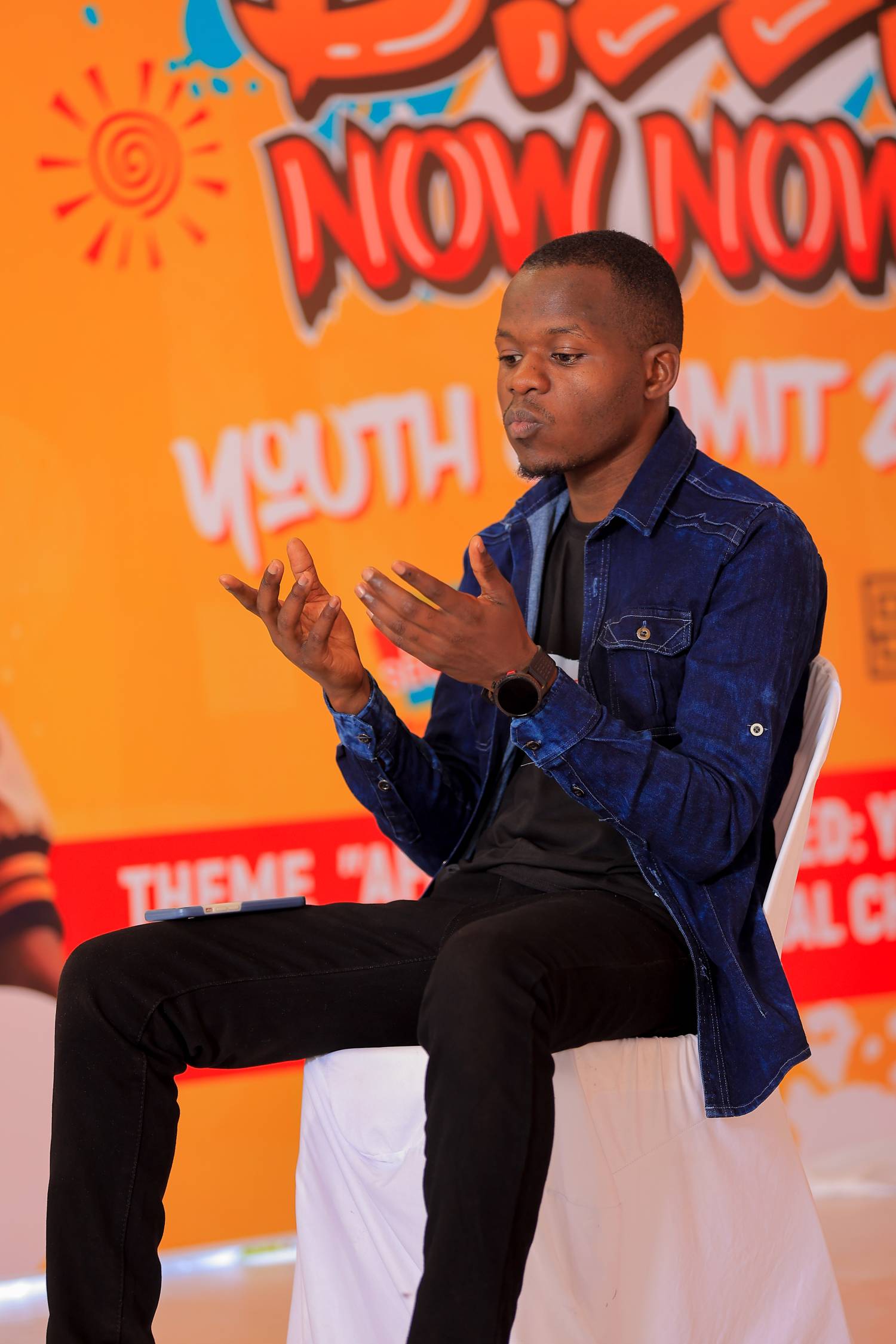
How did BNN Youth Summit 2026 delegates experience the Kampala City Tour on Day Three?
The final day commenced at the Reach A Hand Africa headquarters in Lungujja, where delegates gathered for morning registration, breakfast, and informal reflection circles. Delegates reviewed key takeaways from the previous days’ commitments, exchanged contacts, and discussed how to translate the summit’s policy playbooks into community action across their home countries.
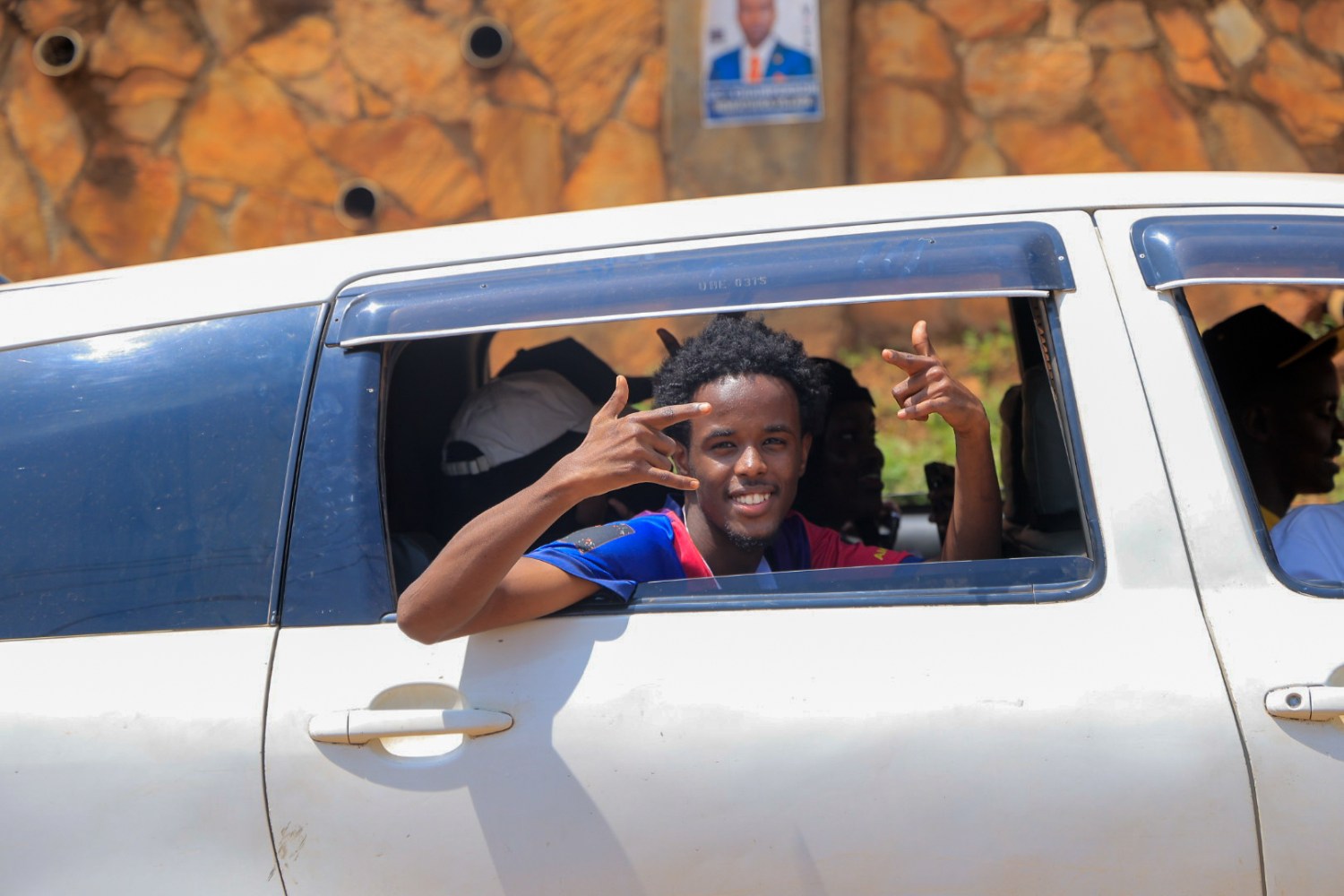
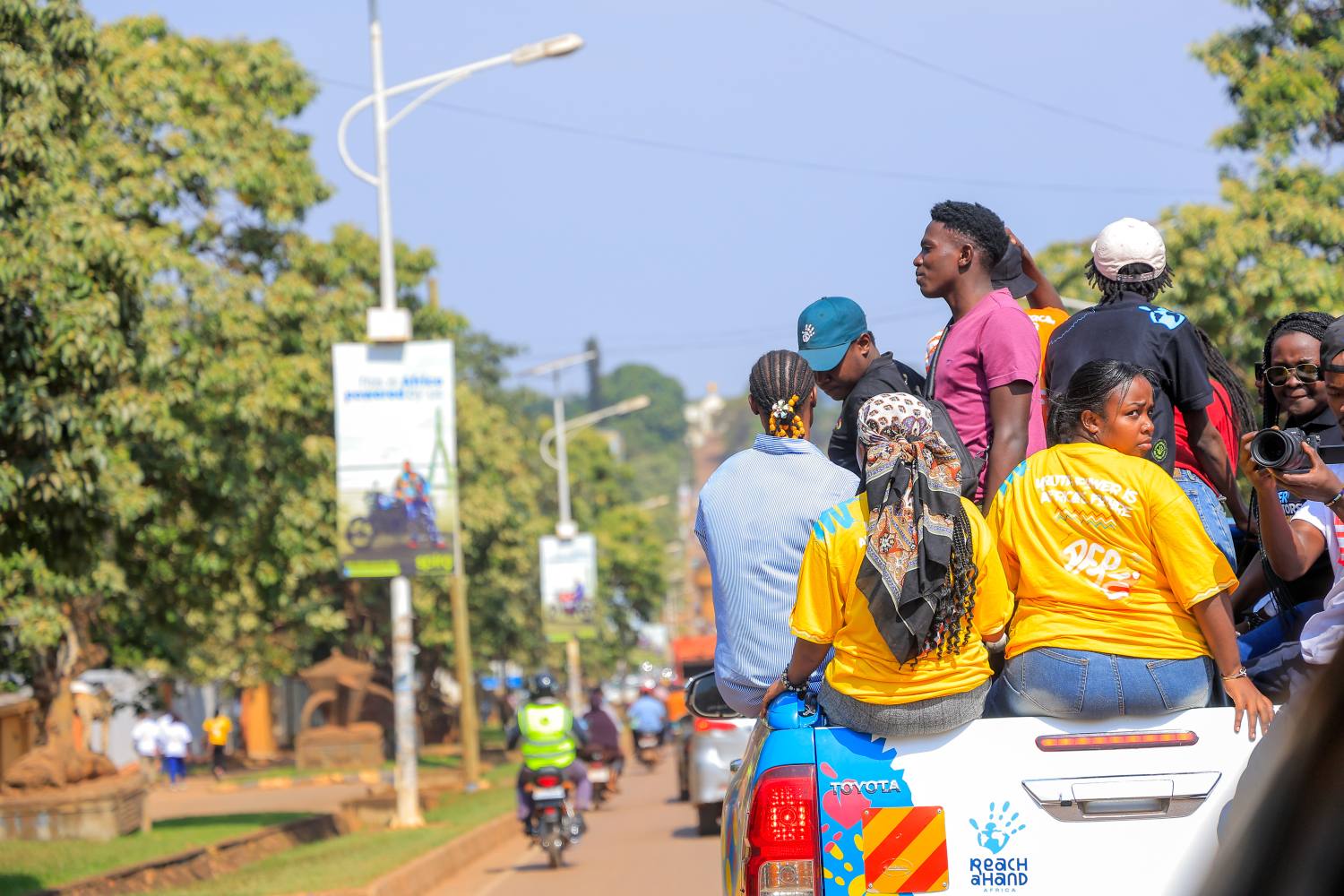
By mid-morning, delegates boarded tour buses to embark on the Kampala City Experience Tour, a guided journey through Buganda’s most revered cultural sites and landmark institutions.
For many international delegates visiting Uganda for the first time, the tour offered a rare, eye-opening look into traditional African governance, royal protocol, and the complex history of East Africa’s oldest surviving monarchy.
What sacred traditions and secrets did delegates discover at the Kasubi Tombs?
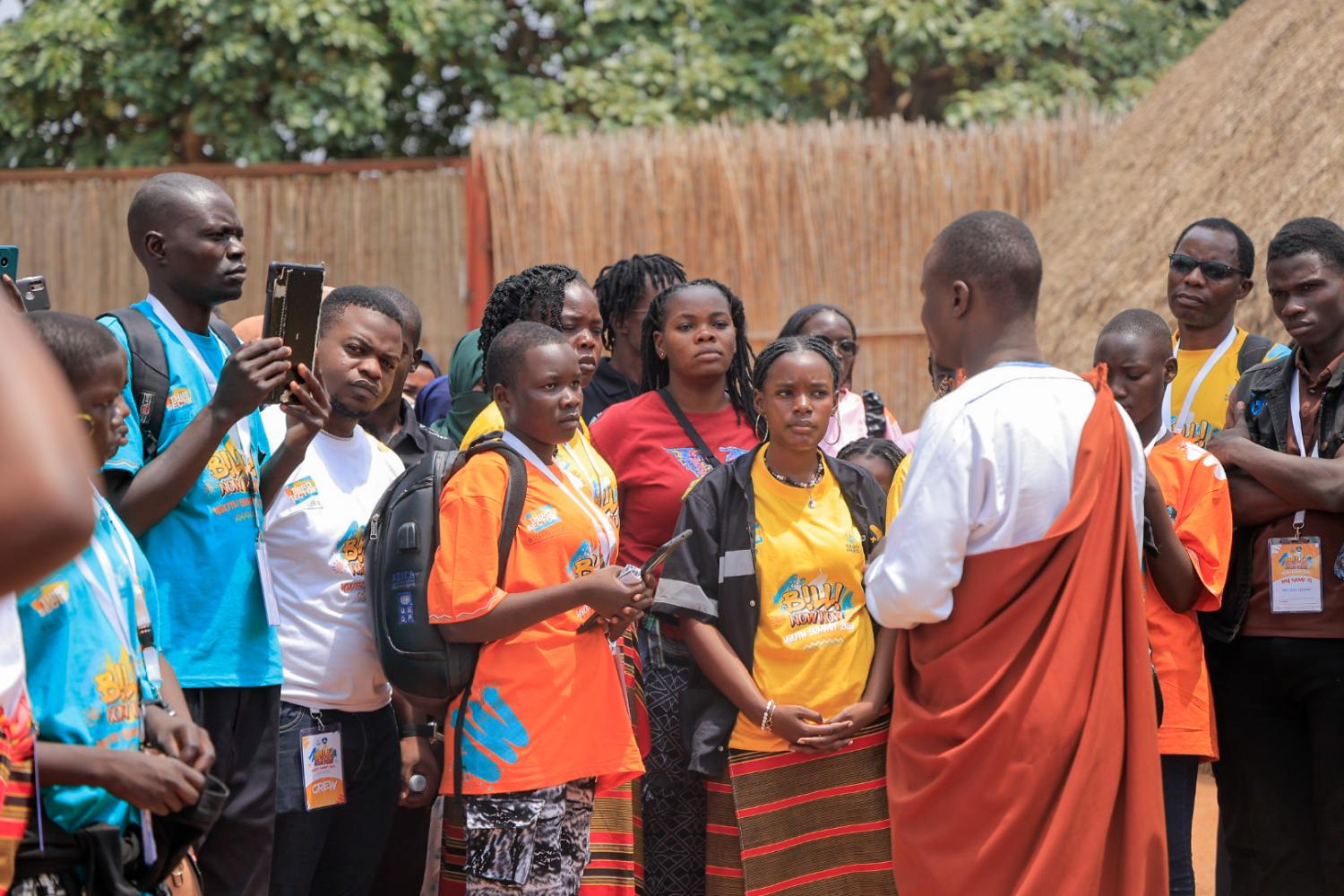
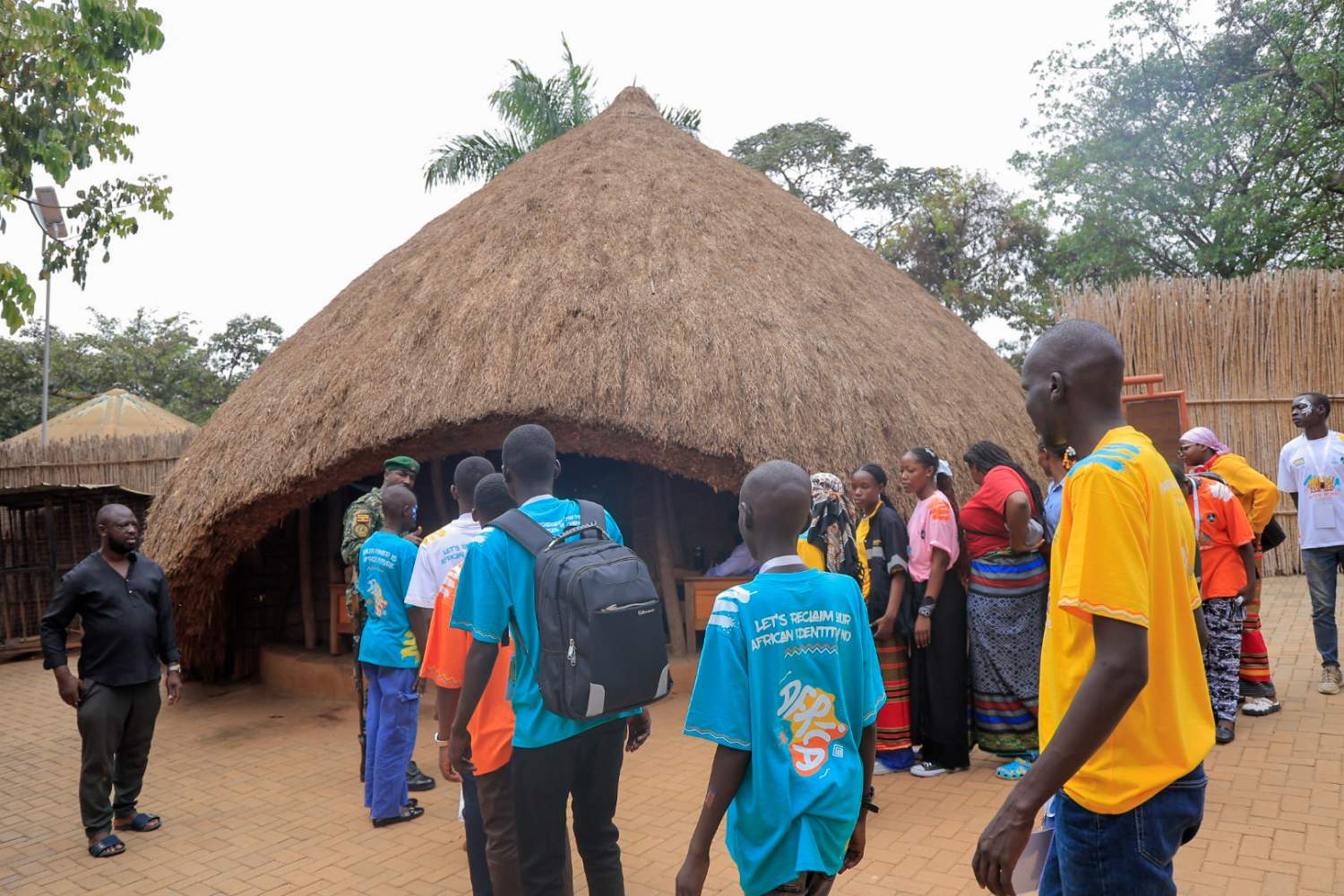
The first major stop on the tour was the UNESCO World Heritage site, the Kasubi Tombs (Muzibu Azaala Mpanga), the official burial grounds for four successive Kings (Kabakas) of Buganda:
- Kabaka Mutesa I (1835–1884)
- Kabaka Mwanga II (1867–1903)
- Kabaka Daudi Chwa II (1896–1939)
- Kabaka Mutesa II (1924–1969)
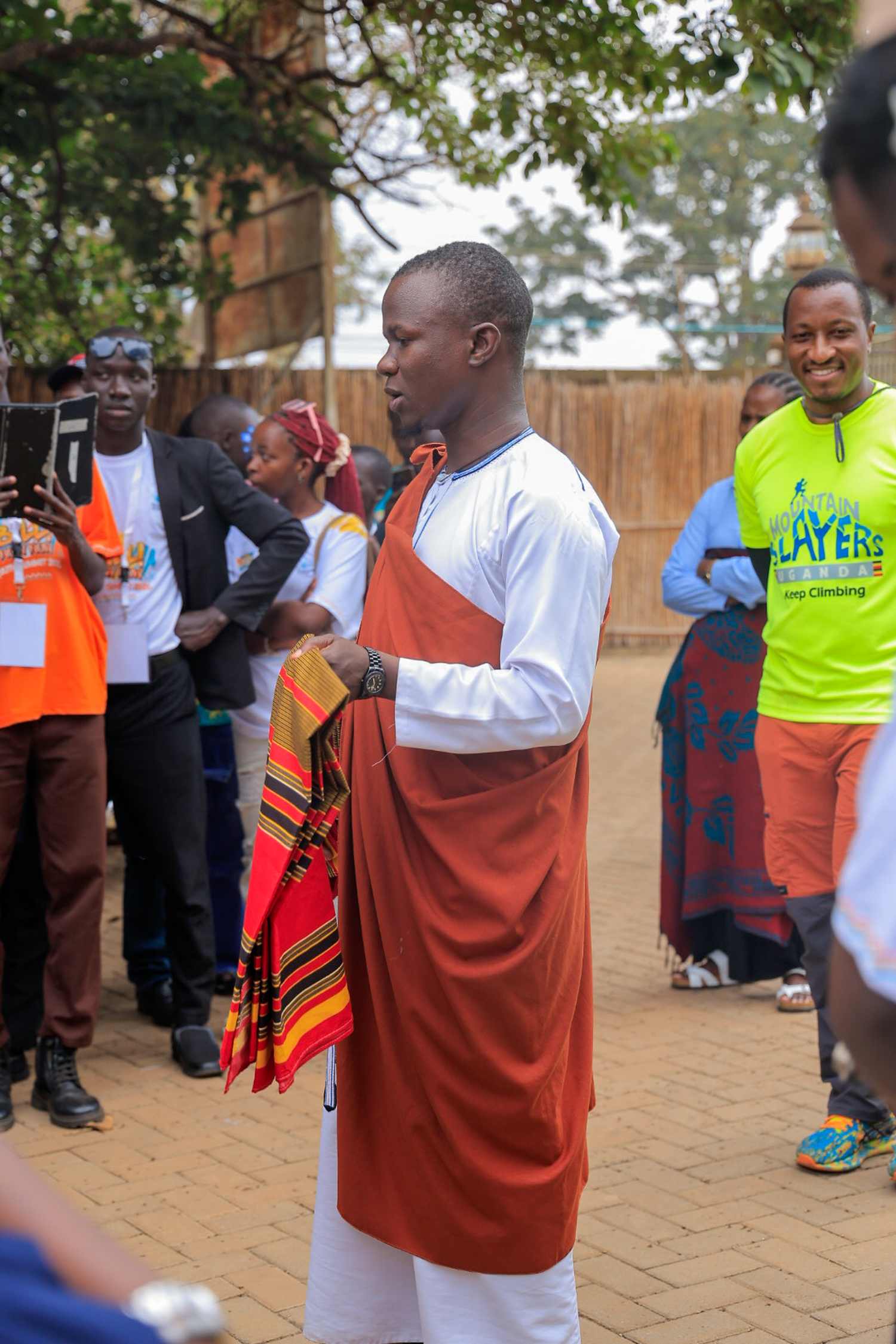
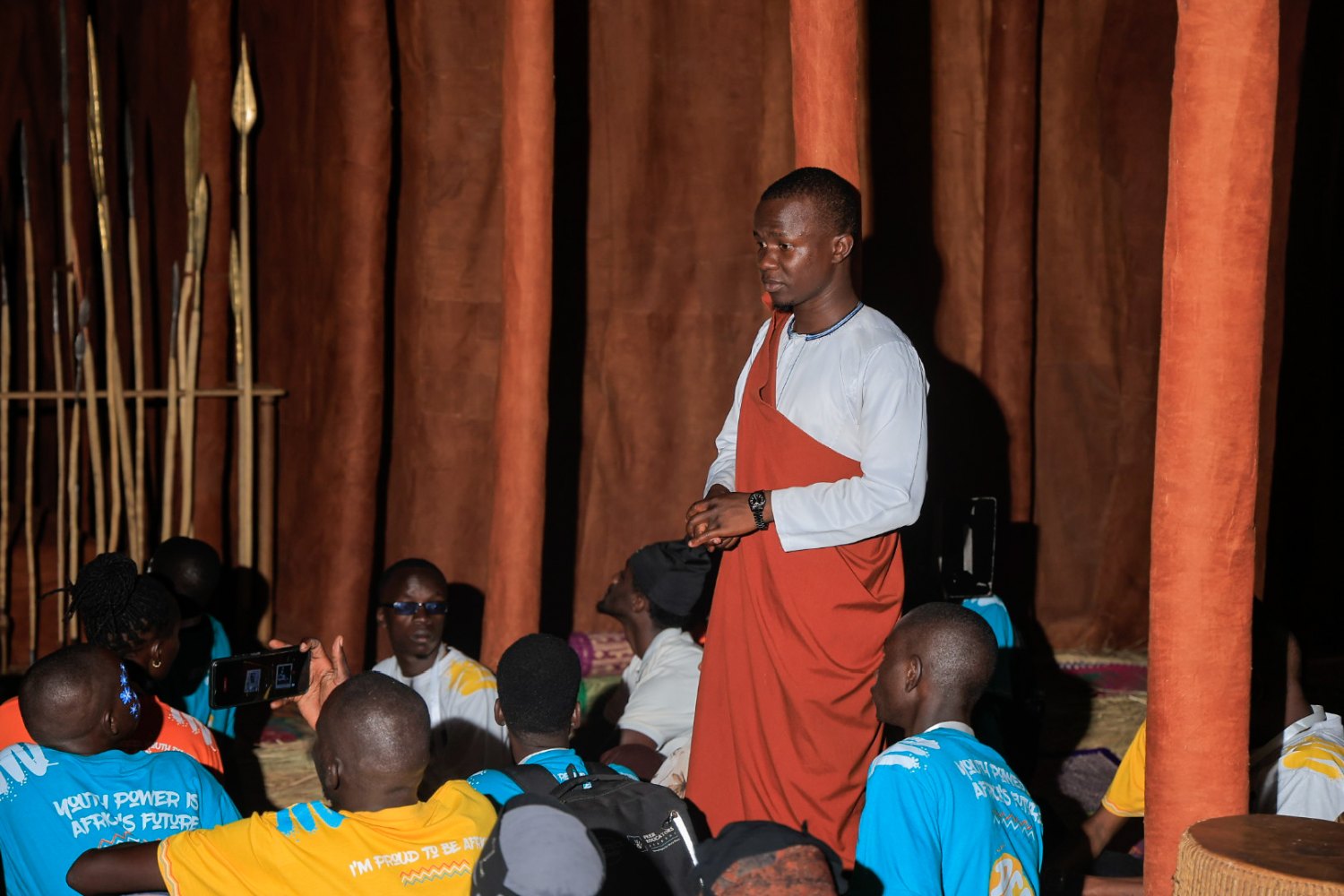
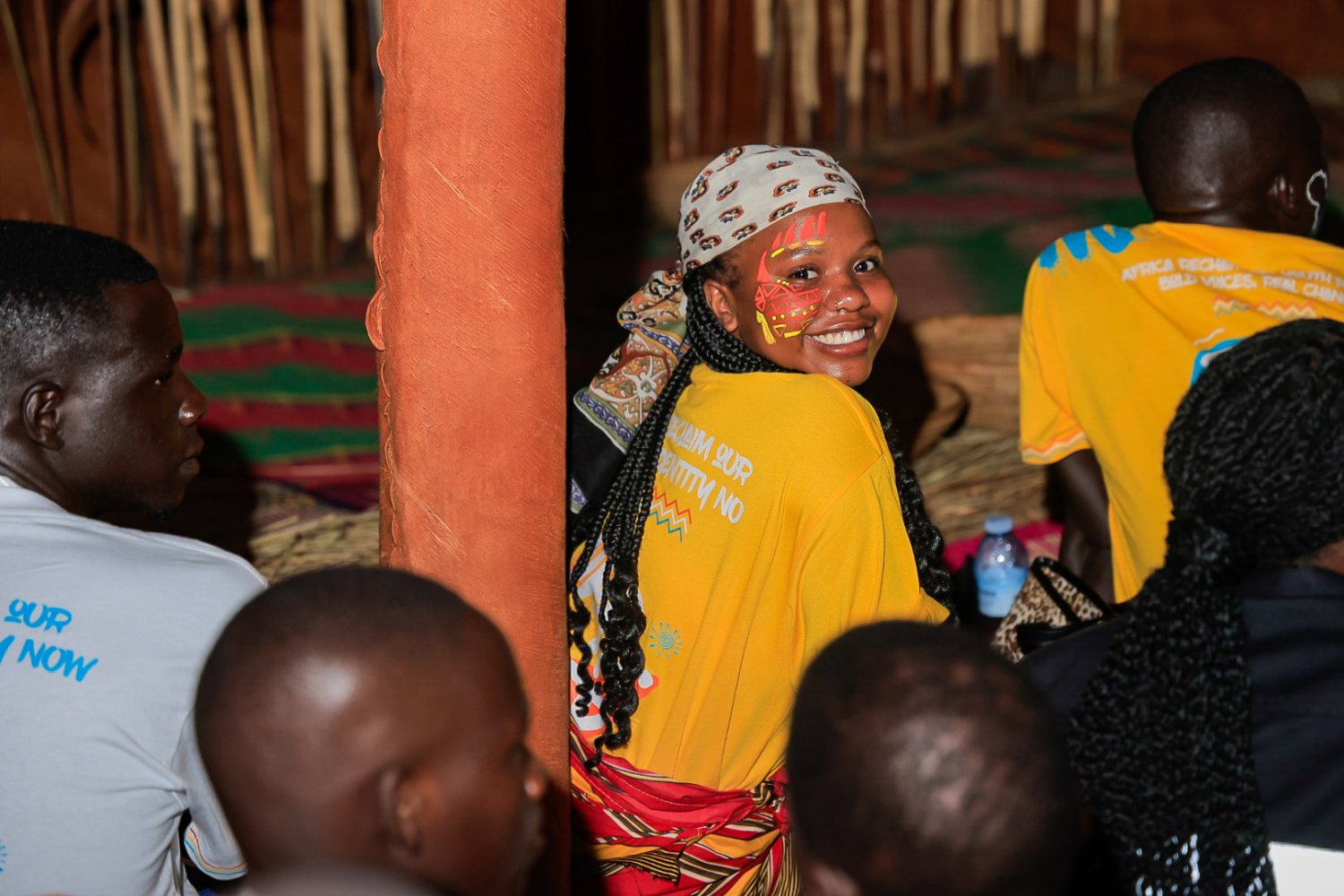
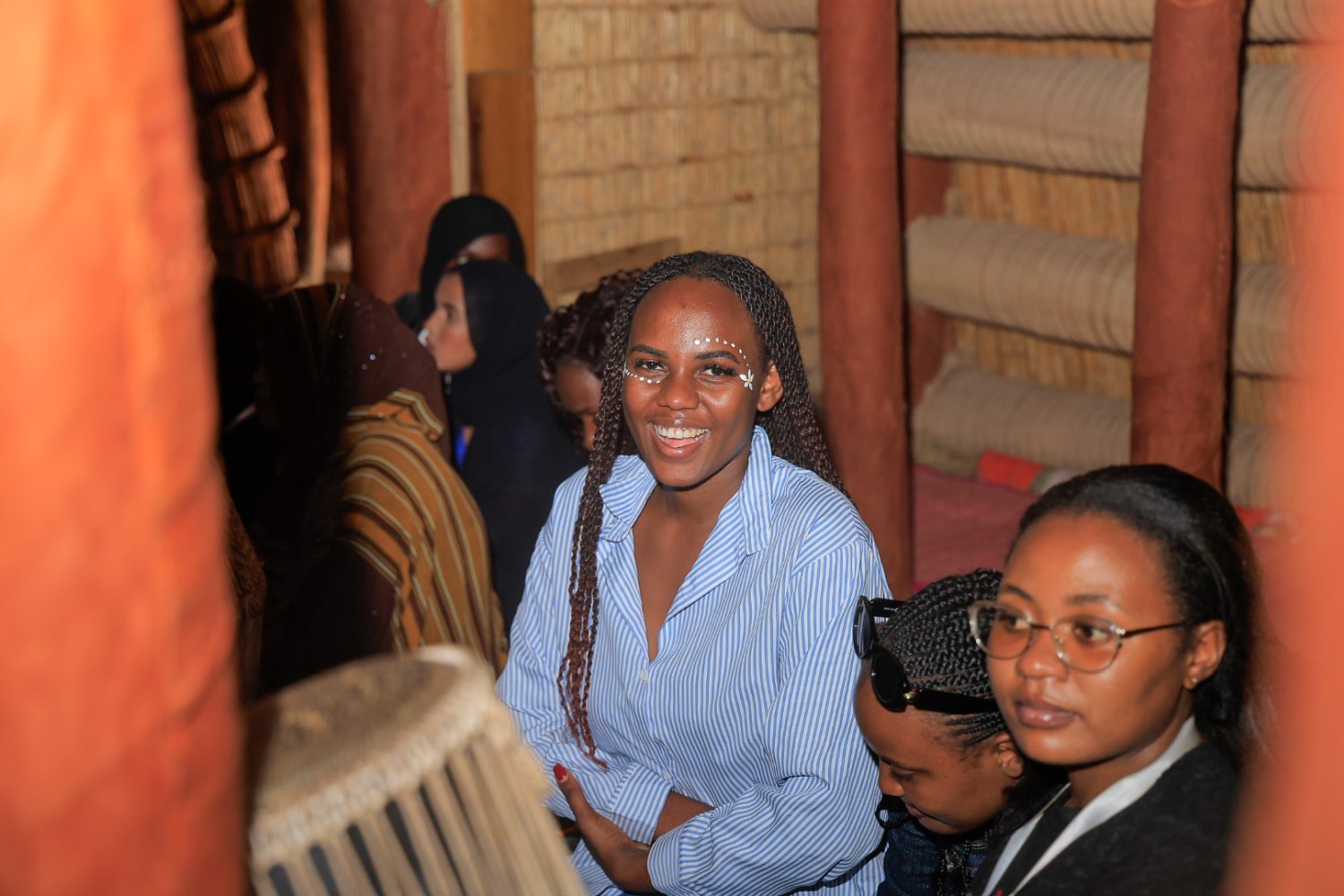
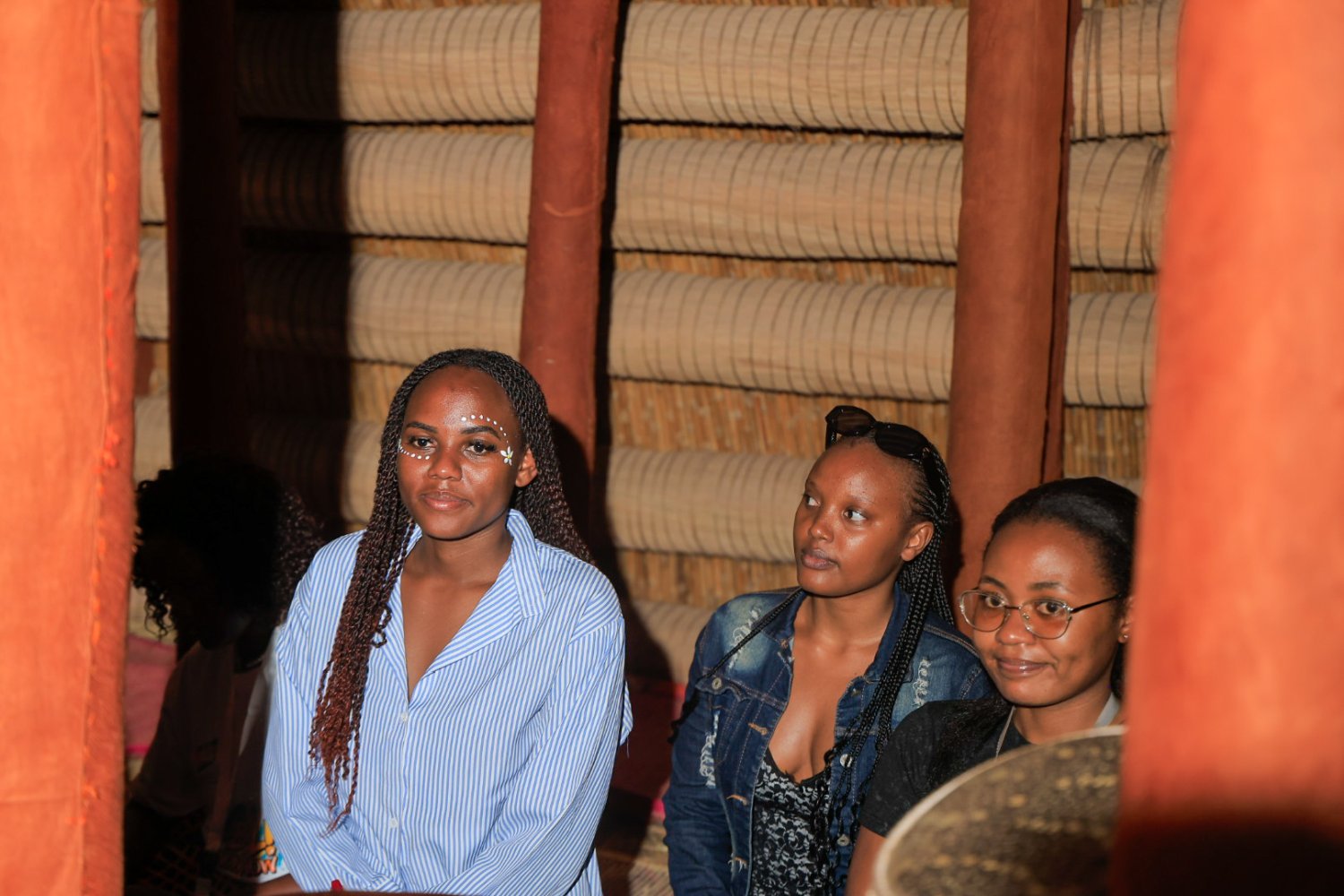
Upon arrival, delegates were introduced to ancient Buganda royal protocols. In accordance with custom, all visitors were required to remove their shoes before stepping inside the sacred thatched shrines.
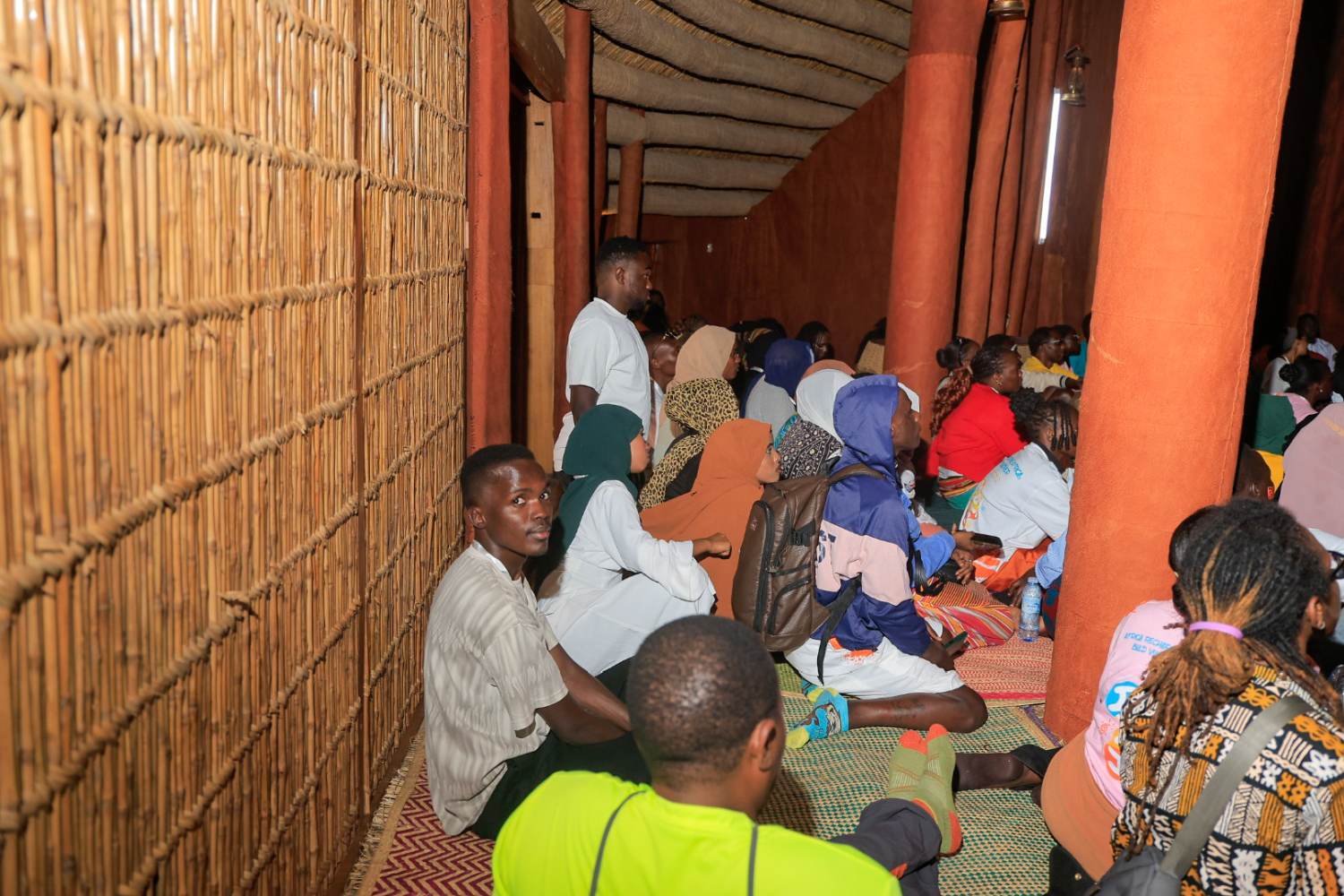
Tour guides explained the spiritual philosophy of Buganda royalty: in Ganda tradition, a Kabaka never “dies”—instead, he “disappears into the sacred forest” (agendede mu kibira). Inside the main shrine structure, delegates viewed the entrance to the sacred curtained forest where no unauthorized person may enter.
Delegates also learned unique protocol rules for exiting the shrine:
- Men’s Exit Protocol: Men must walk out backward without turning their backs to the royal platform, paying continuous reverence to the Kabaka.
- Women’s Exit Protocol: Women are permitted to walk out normally, as traditional protocol considers it pleasant and culturally proper for the King’s spirit to behold their form as they depart.
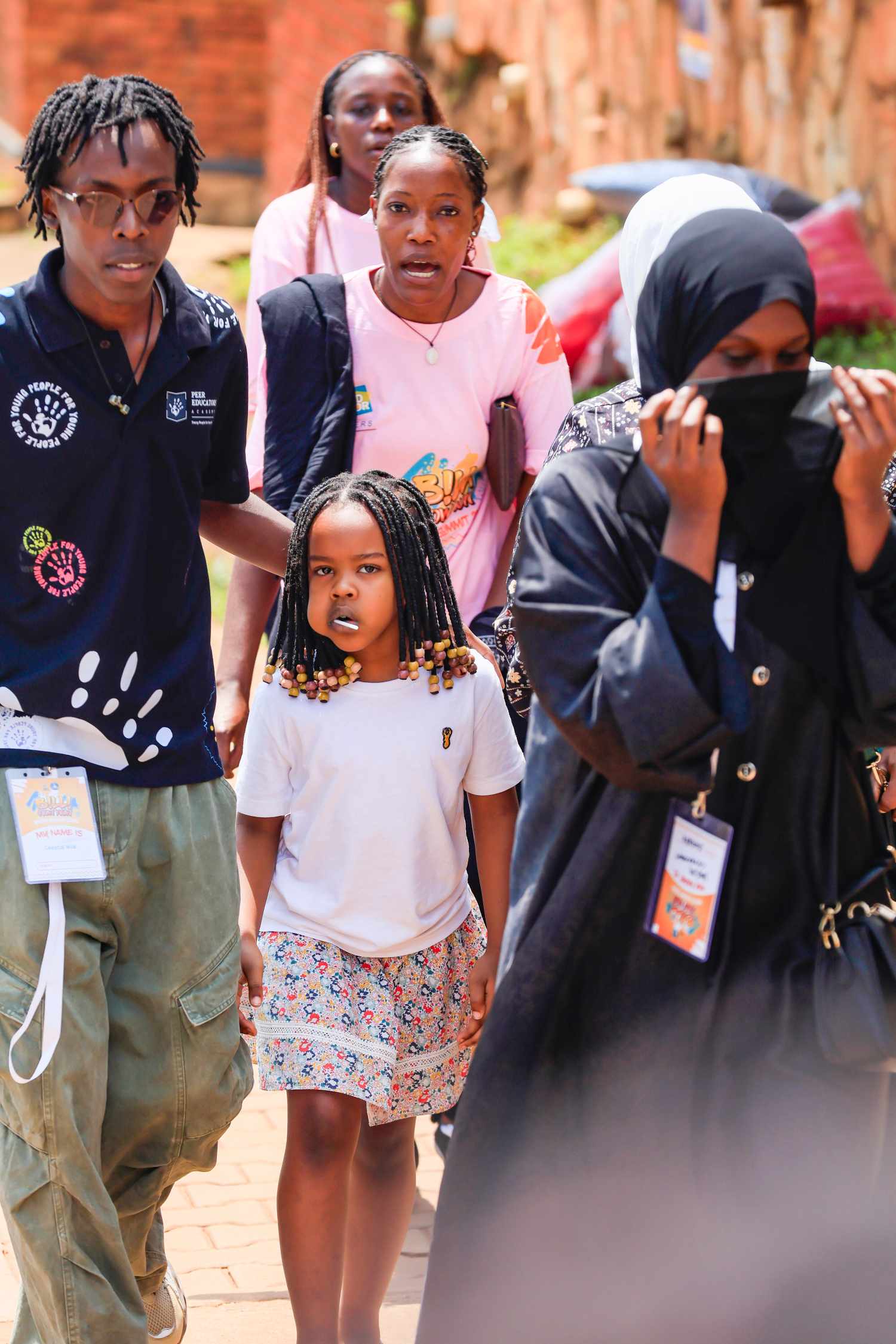
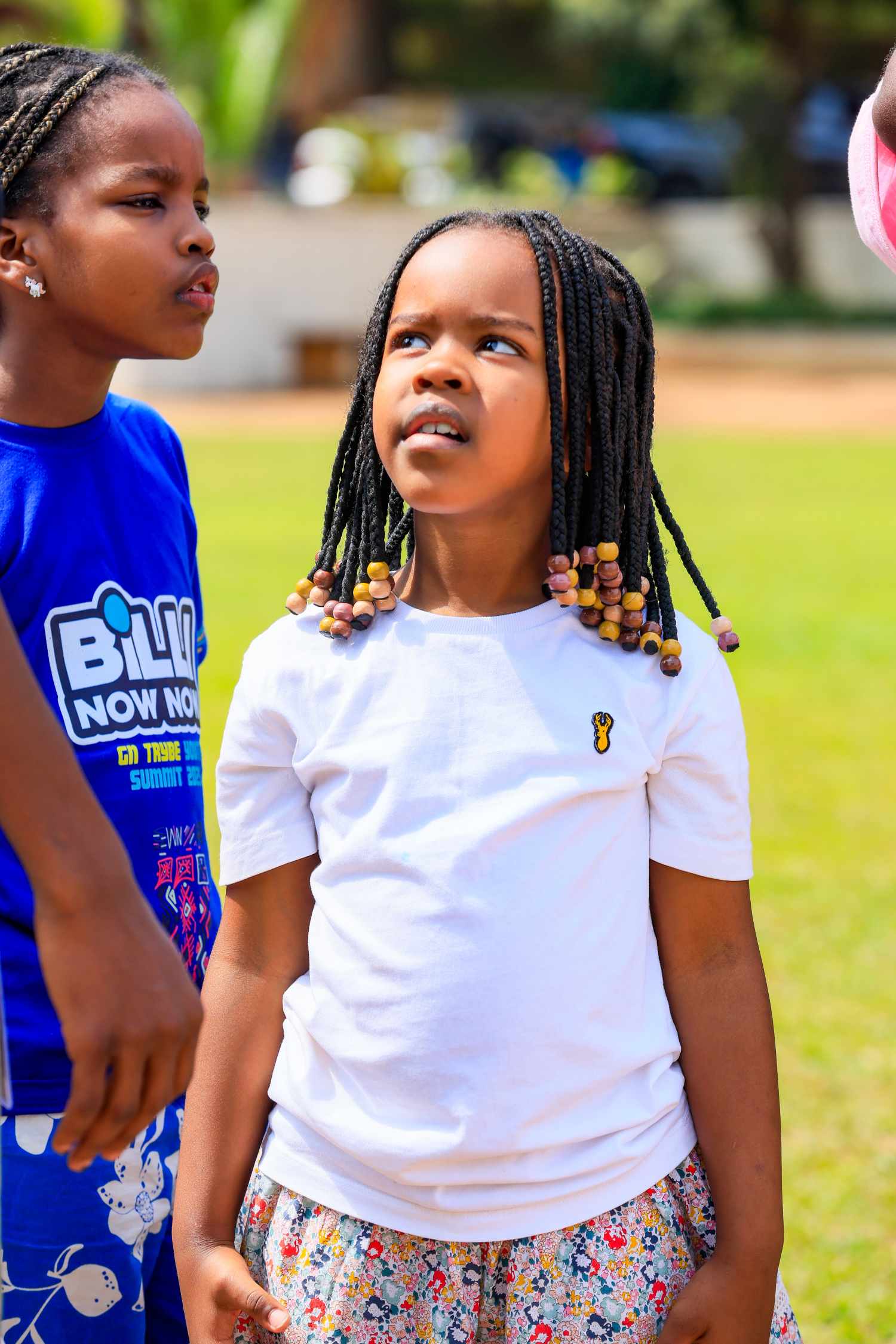
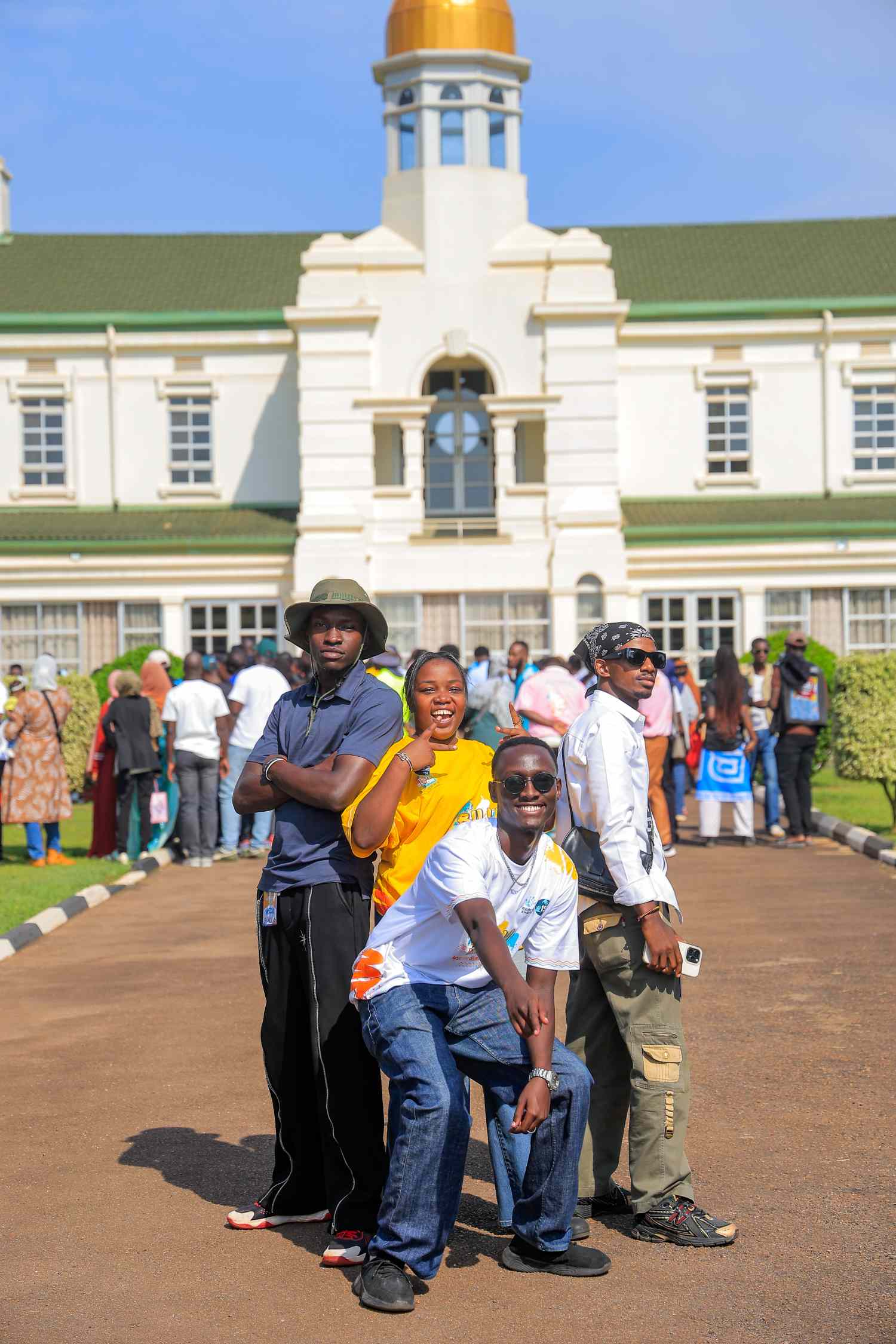
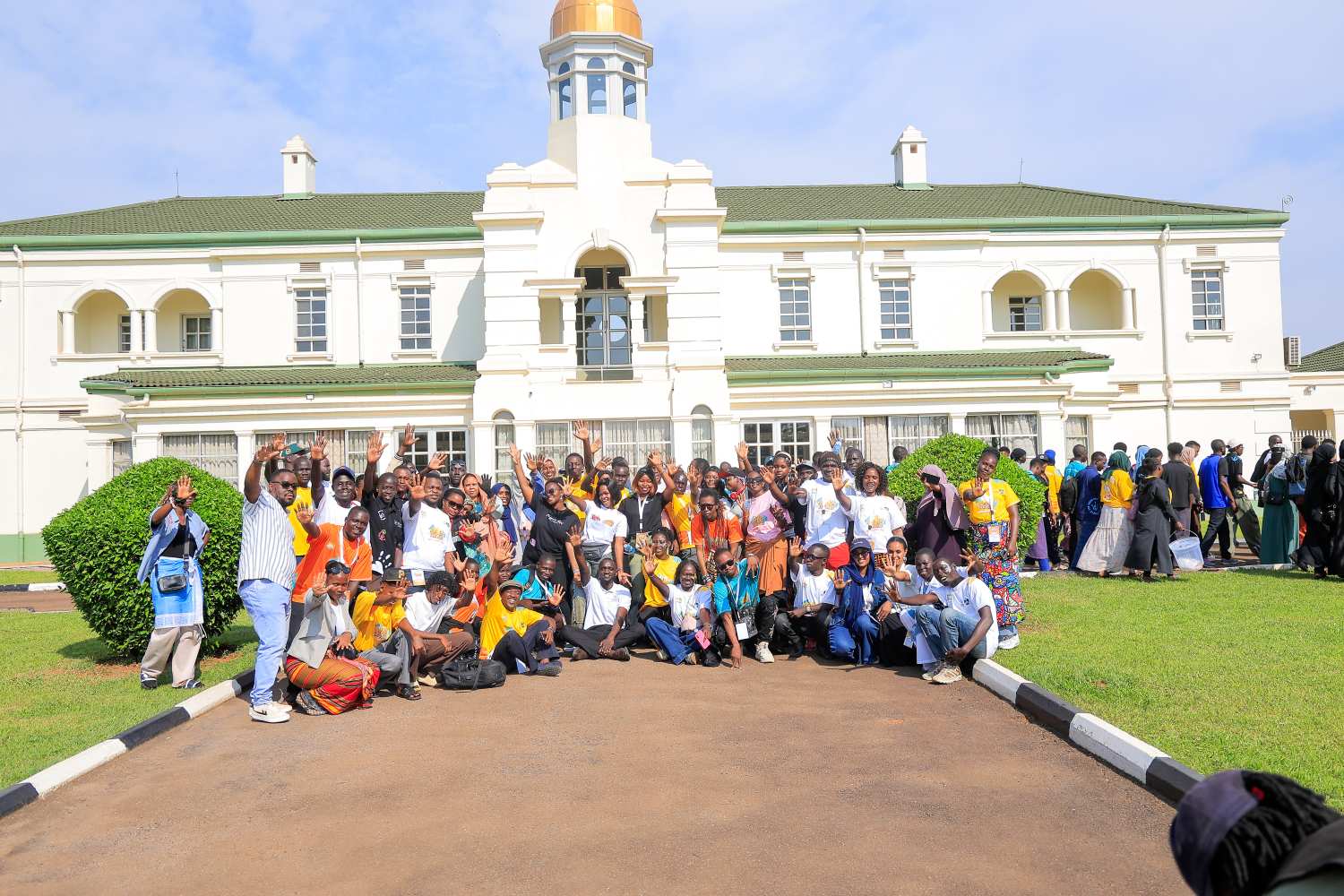
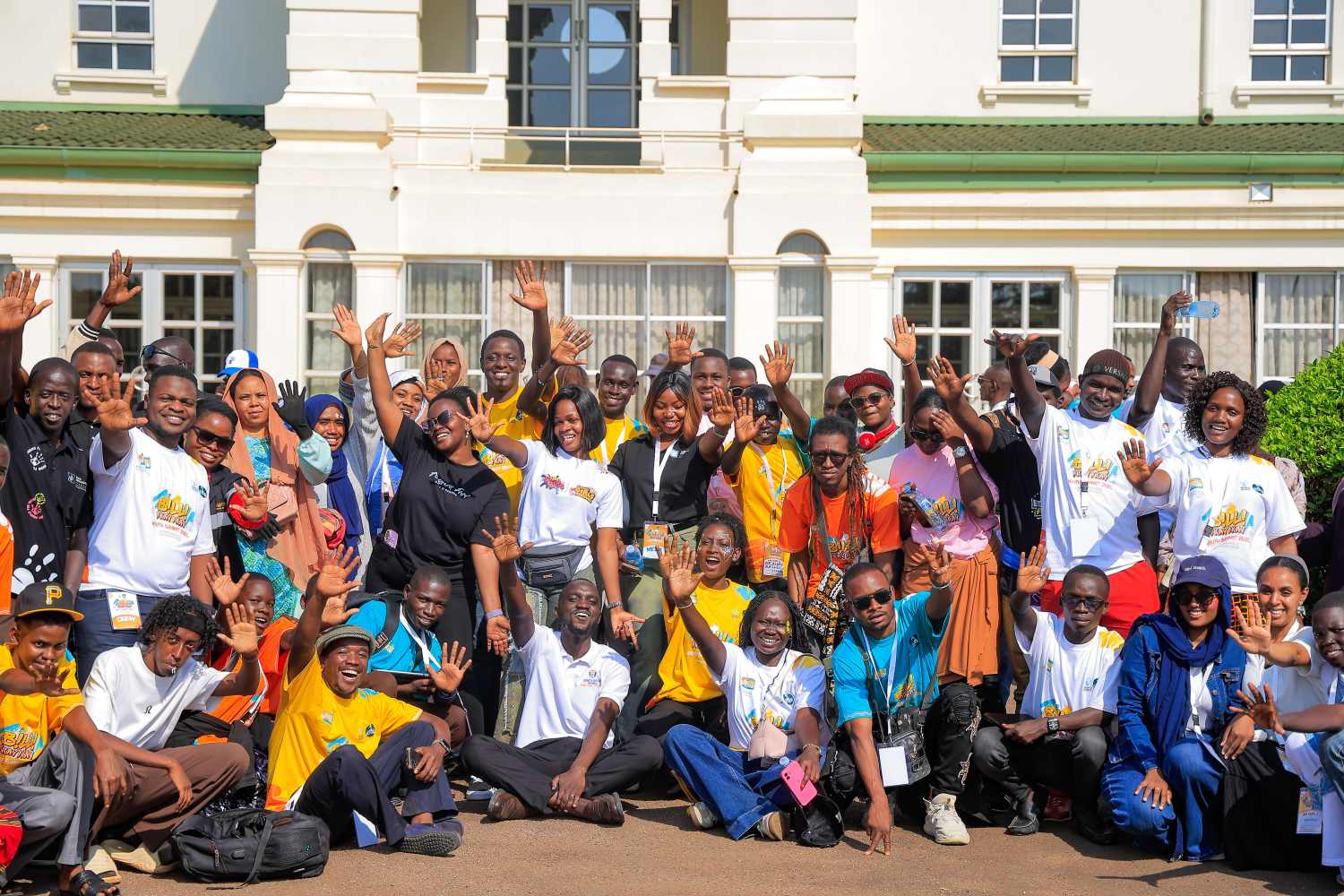
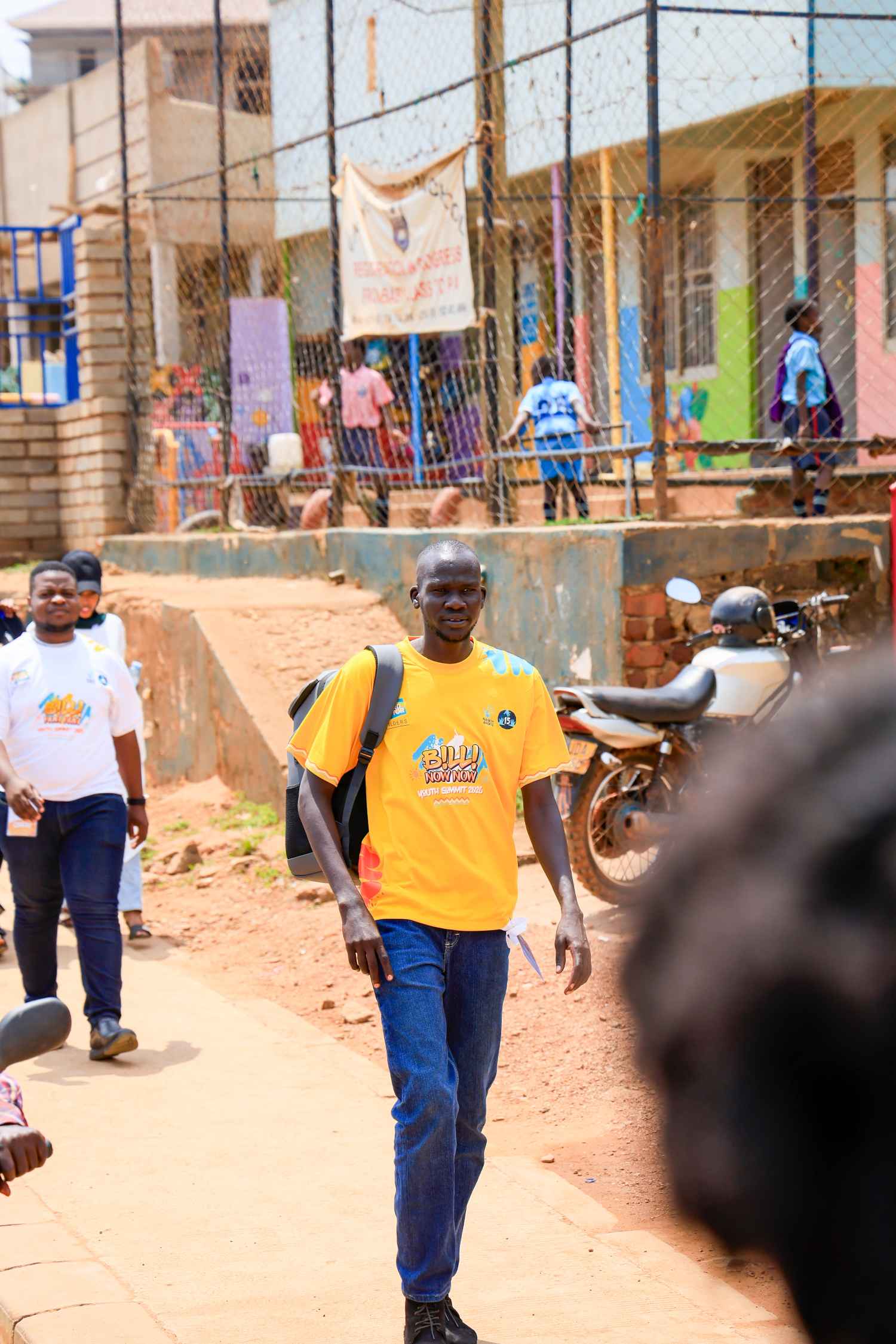
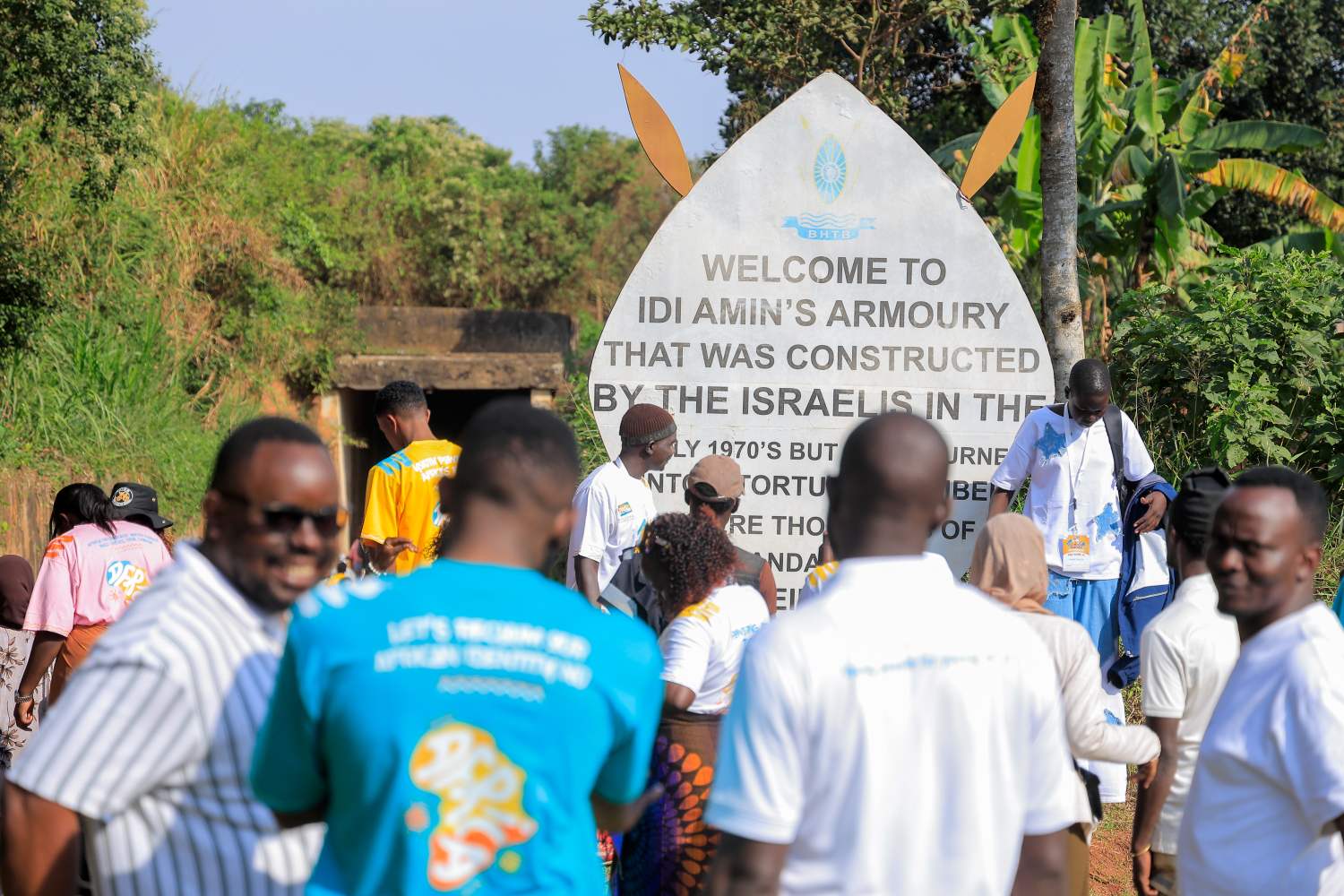
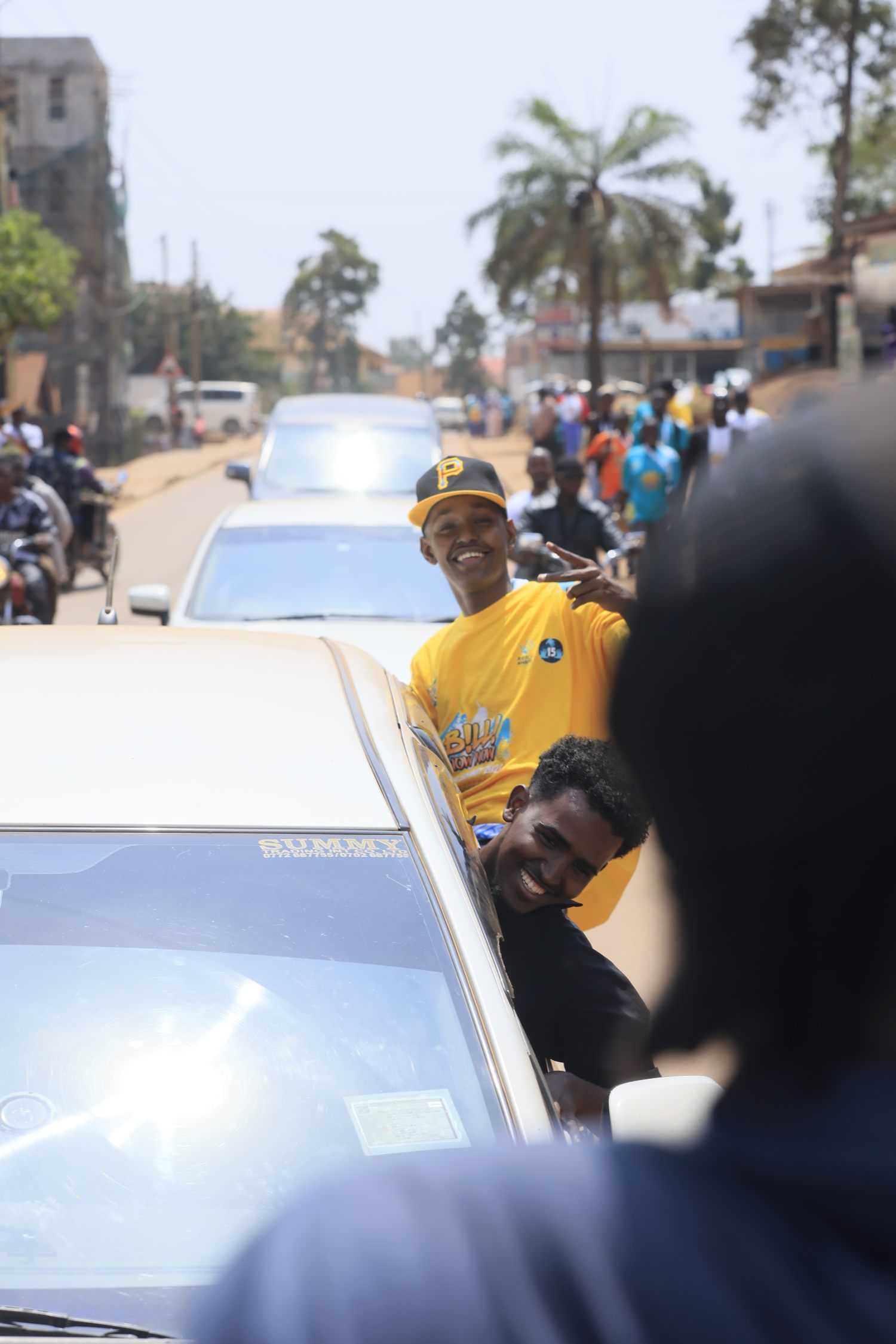
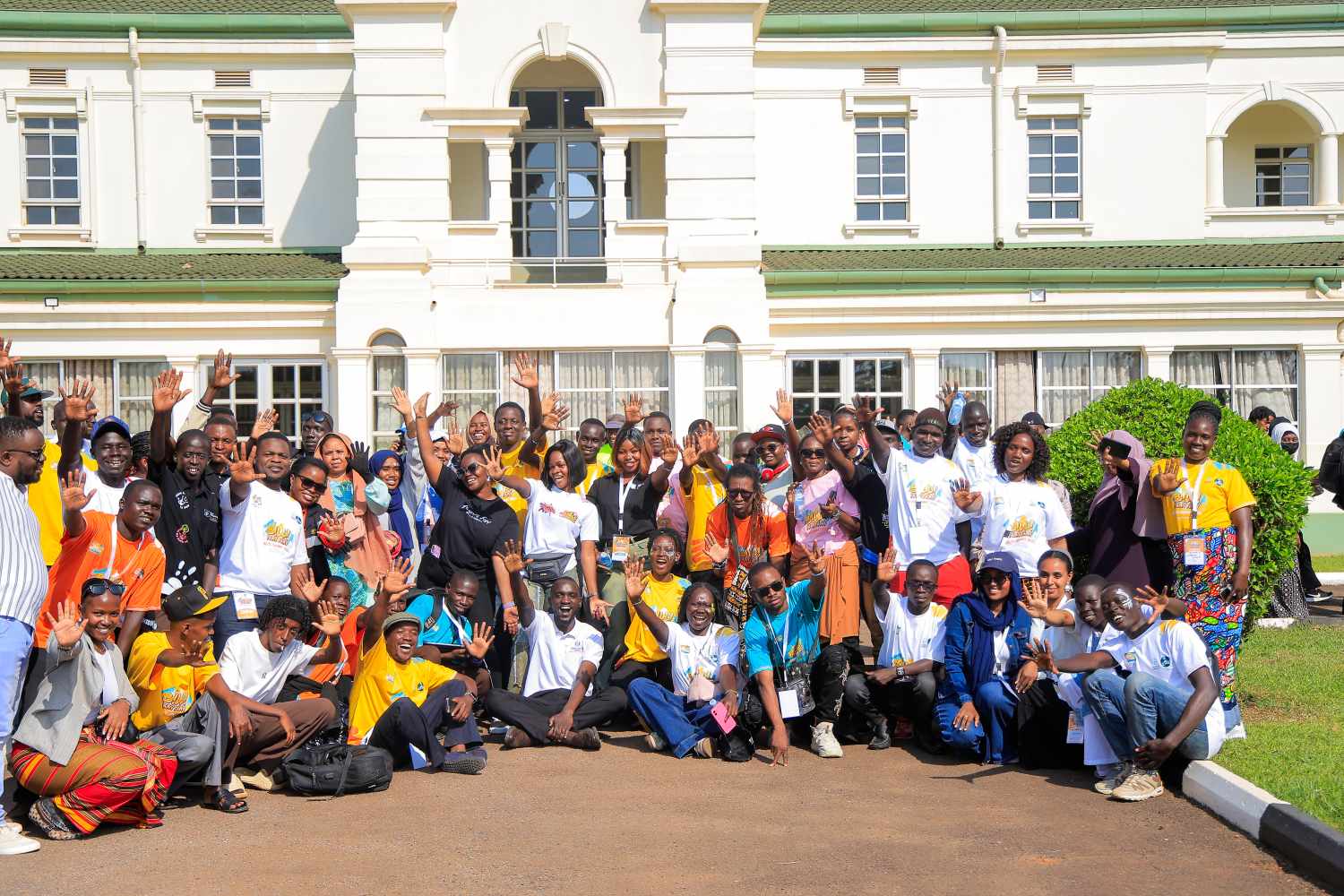
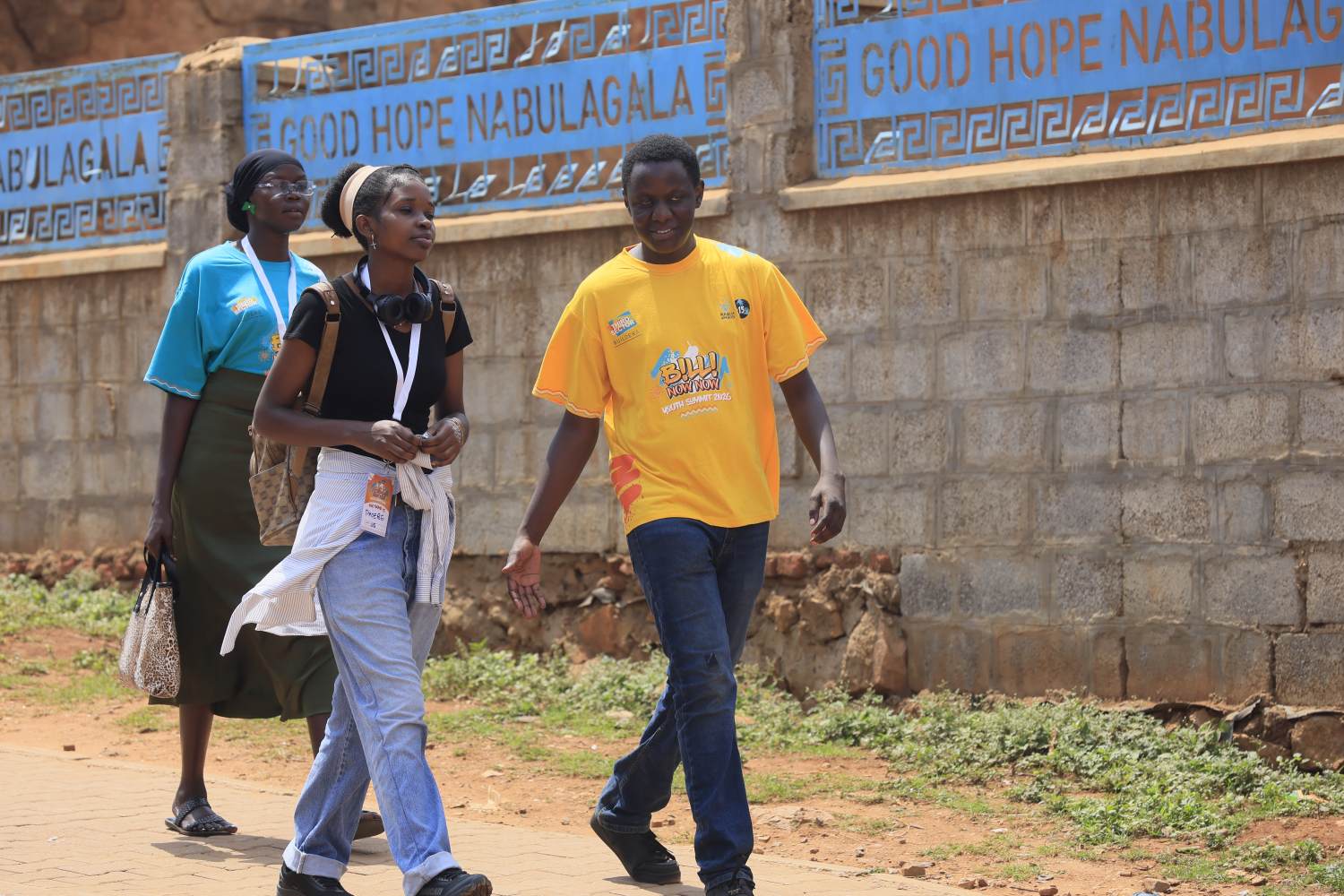
What happened inside Idi Amin’s dark torture chambers at Mengo Palace?
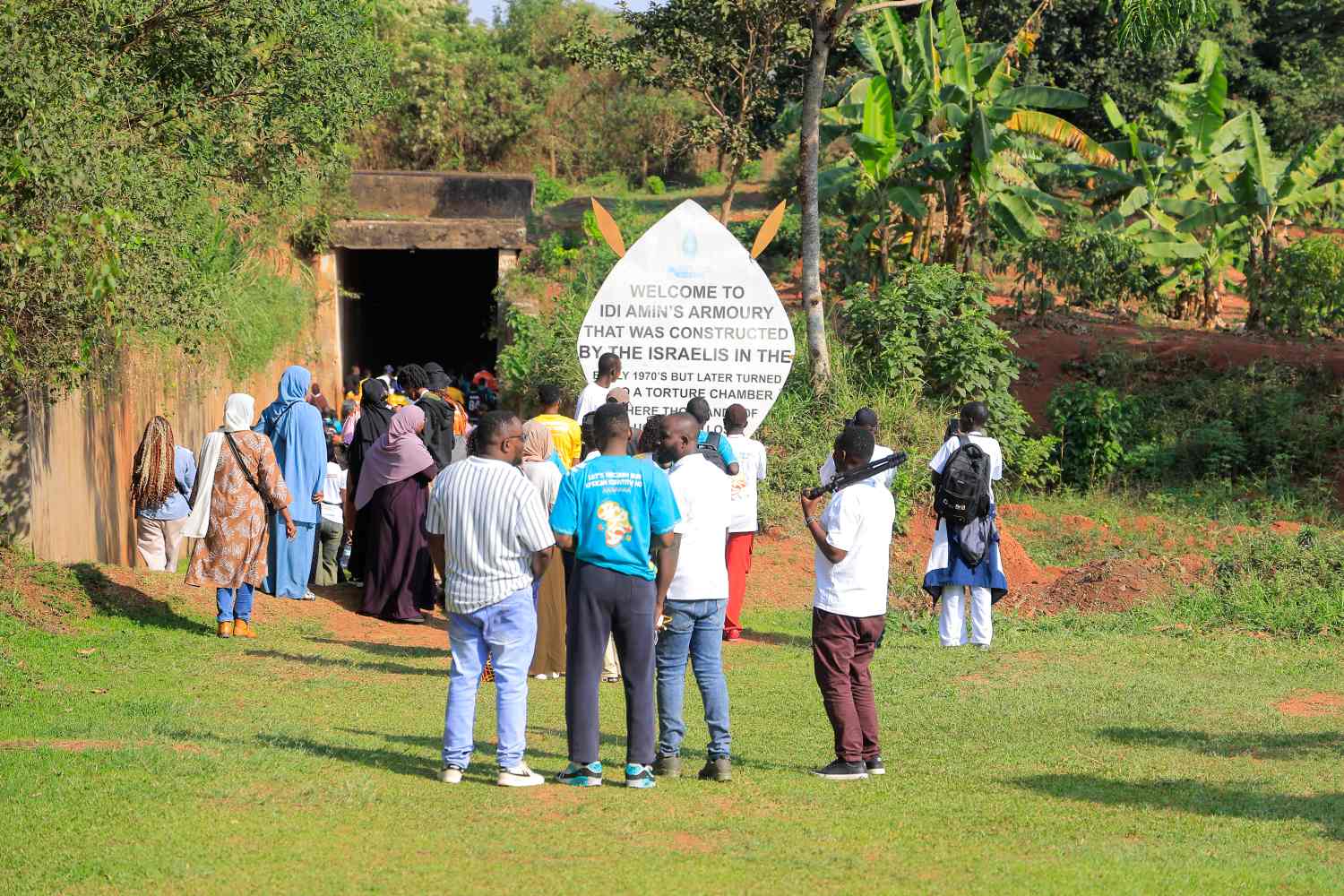
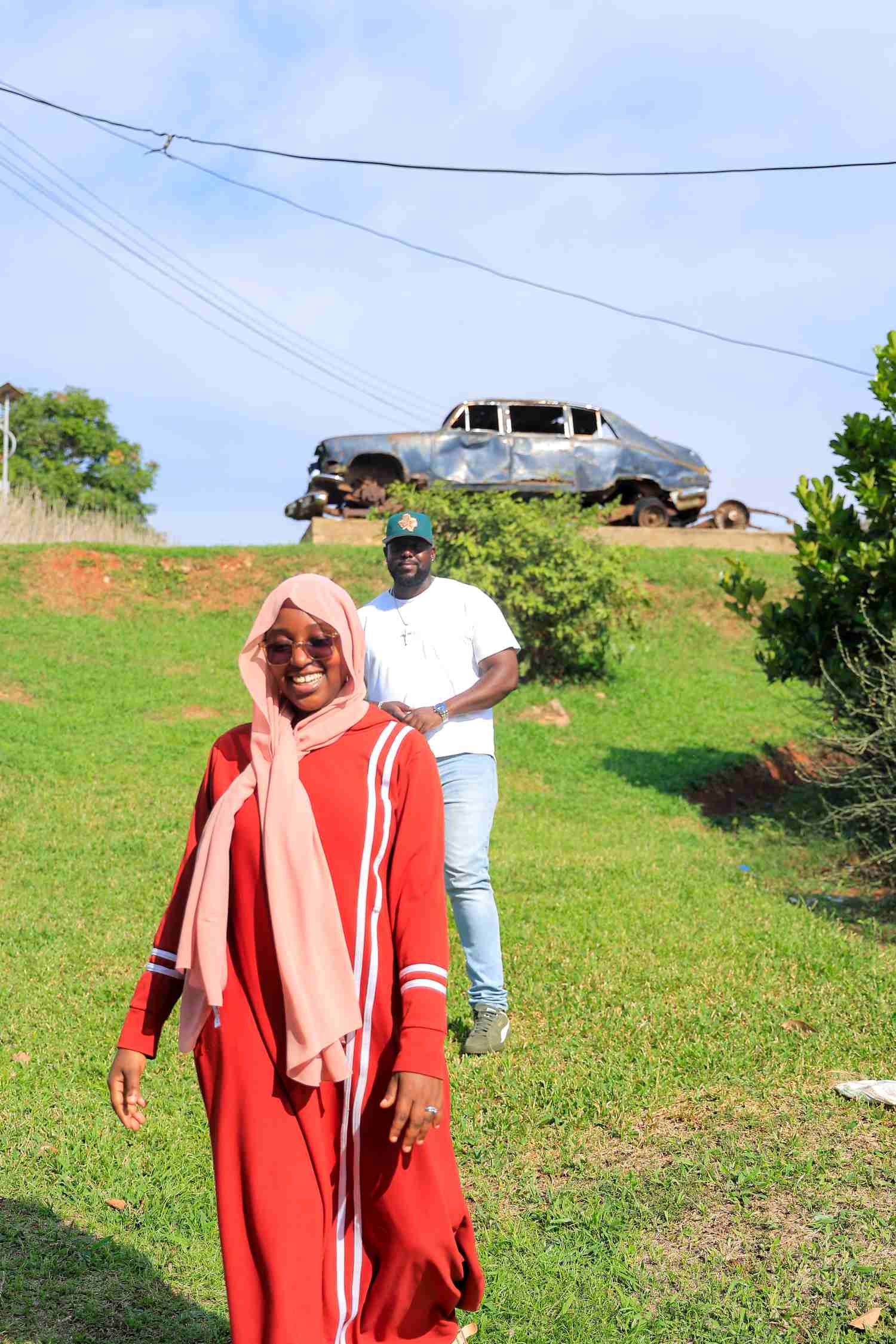
From Kasubi, the tour proceeded to Lubiri (Mengo Palace), the official historic seat of the Kabaka. Within the palace grounds, delegates walked into one of the most chilling chapters of Uganda’s post-independence history: the underground torture chambers built during President Idi Amin Dada’s military regime in the 1970s.
Originally designed by Israeli military engineers as an underground concrete ammunition store, the dark, windowless tunnels were converted into detention and electrocution cells by Amin’s State Research Bureau.
Delegates walked through the oppressive, unventilated concrete chambers as guides detailed the horrific conditions endured by victims:
- Overcrowding: Small, average-sized concrete cells meant for ammunition storage were crammed with between 100 to 500 political prisoners at a time.
- Cruel Conditions: Living detainees were forced to exist alongside decomposing corpses, lacking light, fresh air, or water.
- Electrocution & Executions: Detainees were subjected to systematic water and electric shock torture. Even after prisoners surrendered political information, water inside the entrance trenches was electrified, killing them instantly. It is estimated that over 5,000 Ugandans lost their lives inside those chambers.
The somber experience explained why Kabaka Ronald Muwenda Mutebi II does not reside at Mengo Palace today. Out of respect for the thousands of citizens who lost their lives on the grounds under past dictatorial regimes, the King utilizes the palace strictly for official state functions, administrative meetings, and cultural ceremonies, while maintaining his private residence elsewhere.
How did delegates experience Bulange Parliament and Kabaka’s Lake?
The tour continued along the historic Royal Mile (Kabaka Anagala) to Bulange, the administrative headquarters and parliament (Lukiiko) of the Buganda Kingdom.
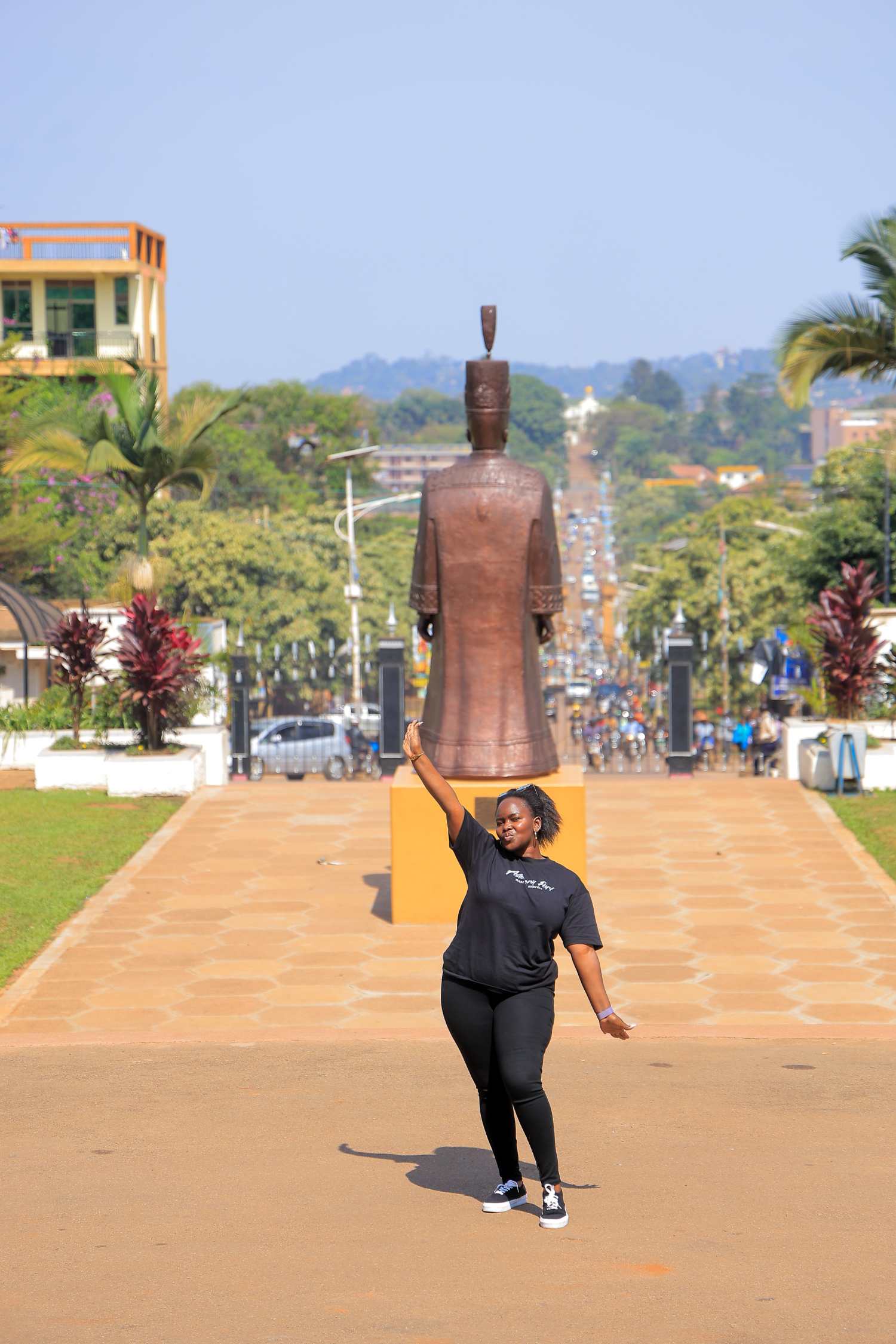
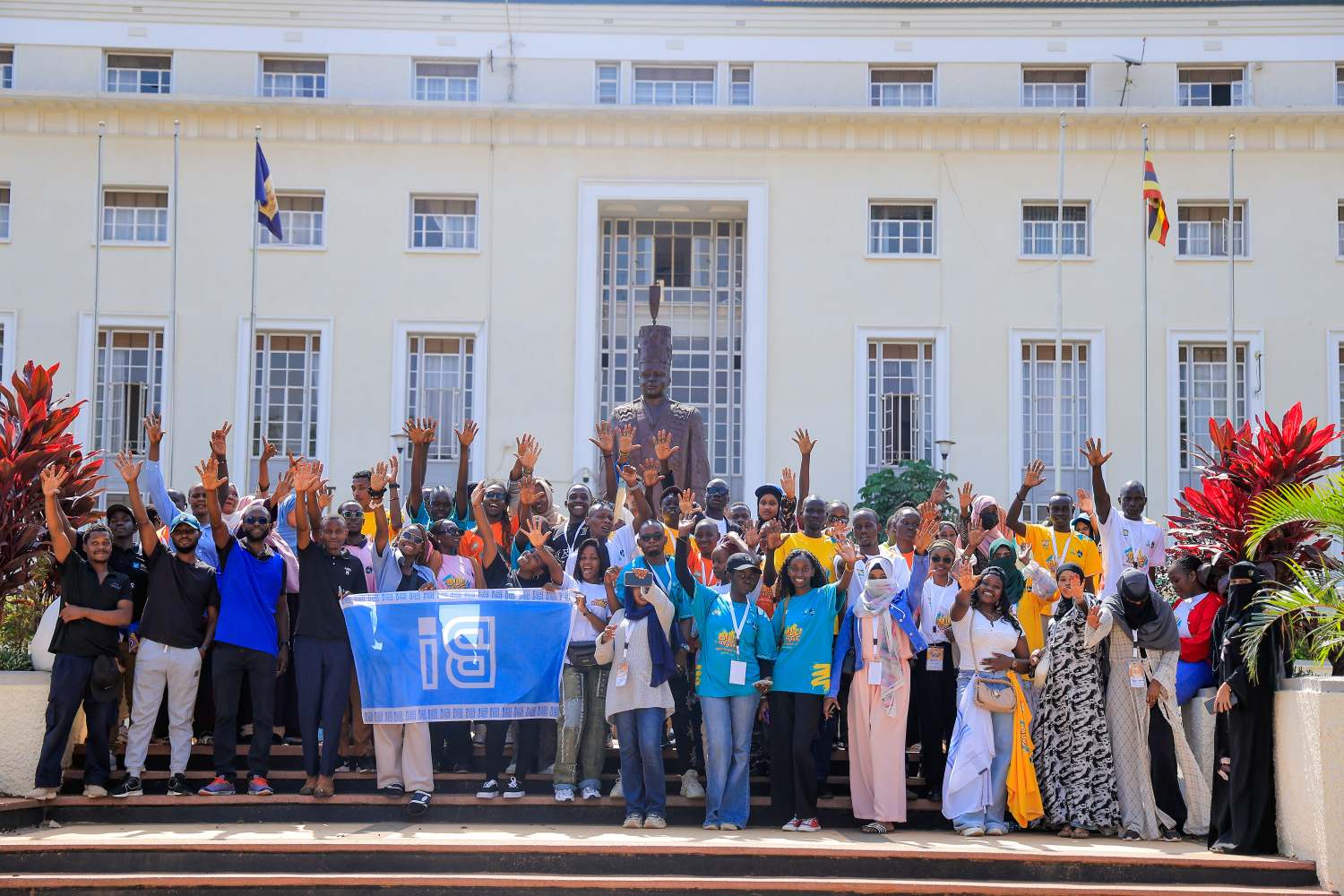
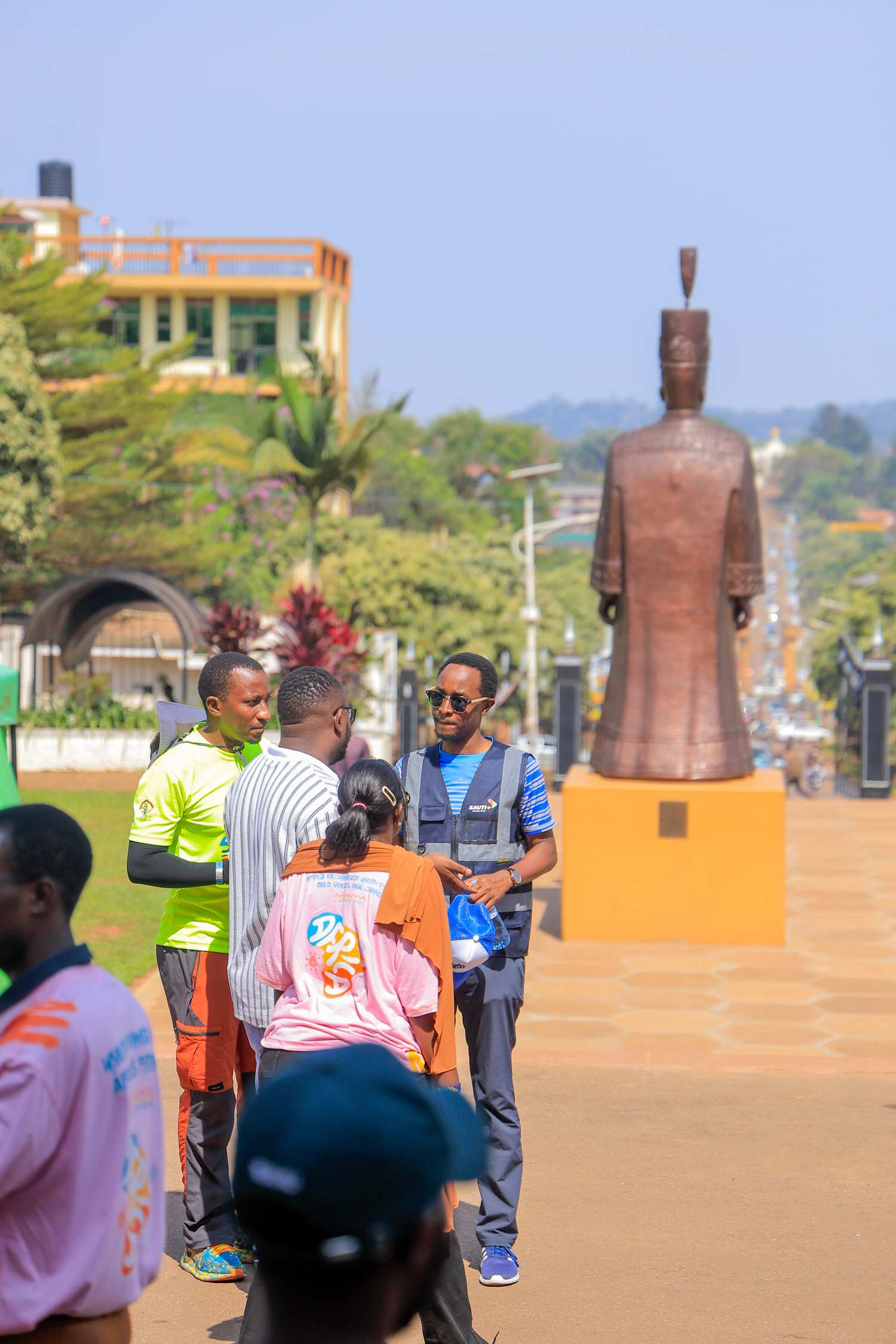
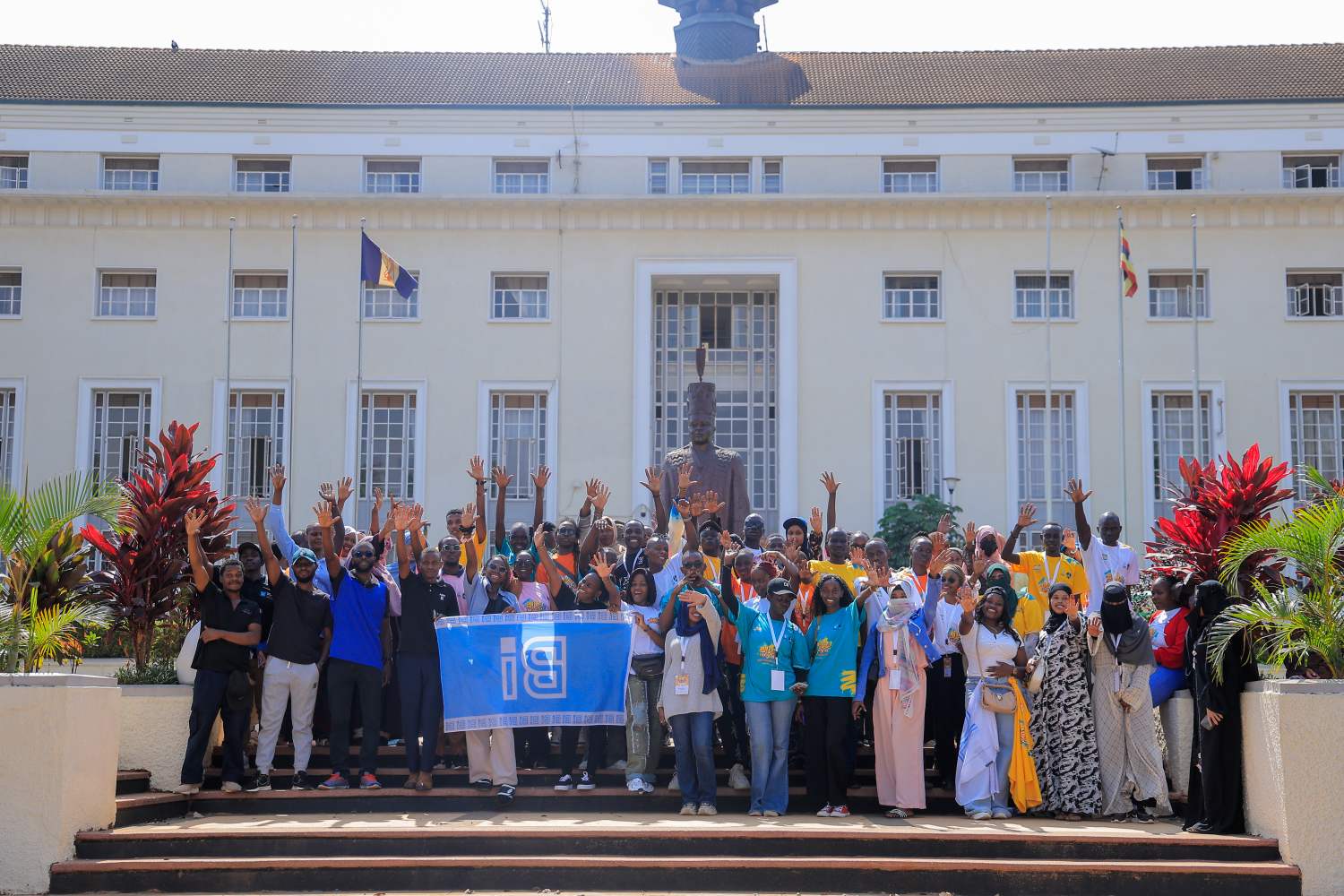
Standing outside Bulange, delegates viewed the grand sculpture of Kabaka Ronald Muwenda Mutebi II. Royal flags hoisted across the premises signaled that the King was nearby on official duty. Inside the sacred parliamentary building, delegates were guided to the upper gallery overlooking the main legislative chamber. From the gallery, youth leaders viewed the raised royal throne where the Kabaka sits when opening the Lukiiko, as well as the Speaker’s bench and clan leaders’ seats.
The final outdoor stop brought delegates to Kabaka’s Lake in Ndeeba/Mengo, the largest hand-dug man-made lake in Africa.
Commissioned between 1885 and 1888 by Kabaka Mwanga II, the massive excavation project was originally intended to create a navigable water escape route and channel connecting Mengo Palace directly to Lake Victoria at Munyonyo. Delegates learned that thousands of royal subjects and chiefs dug the lake entirely by hand using primitive tools, with many laborers losing their lives during deep excavations before political religious wars interrupted the project.
How did the BNN Youth Summit 2026 conclude at Reach A Hand Africa?
After hours of walking, learning, and reflecting across Kampala’s heritage landmarks, delegates returned to the Reach A Hand Africa headquarters in Lungujja for a closing reception and late lunch.
Over shared meals and farewell toasts, young leaders reflected on the profound contrast between the ancient wisdom of Buganda’s heritage, the painful lessons of past tyranny, and the bright future of Pan-African youth unity.
As the 4th edition of the Billi Now Now Youth Summit officially drew to a close, delegates departed with forged cross-border partnerships, heightened historical awareness, and a unified pledge to drive youth-led development, human rights, and good governance across the African continent in line with Agenda 2063.