
Table of Contents
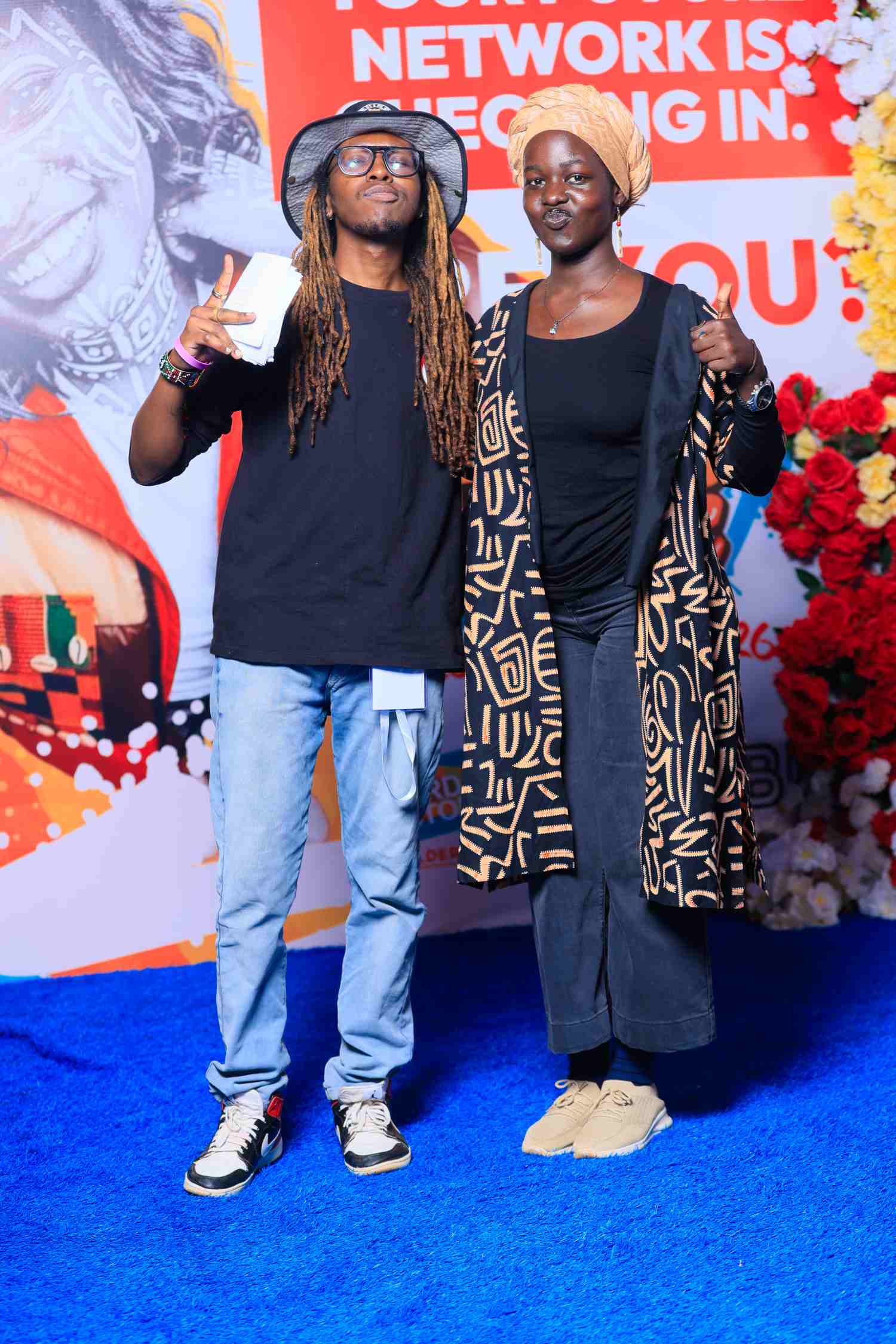
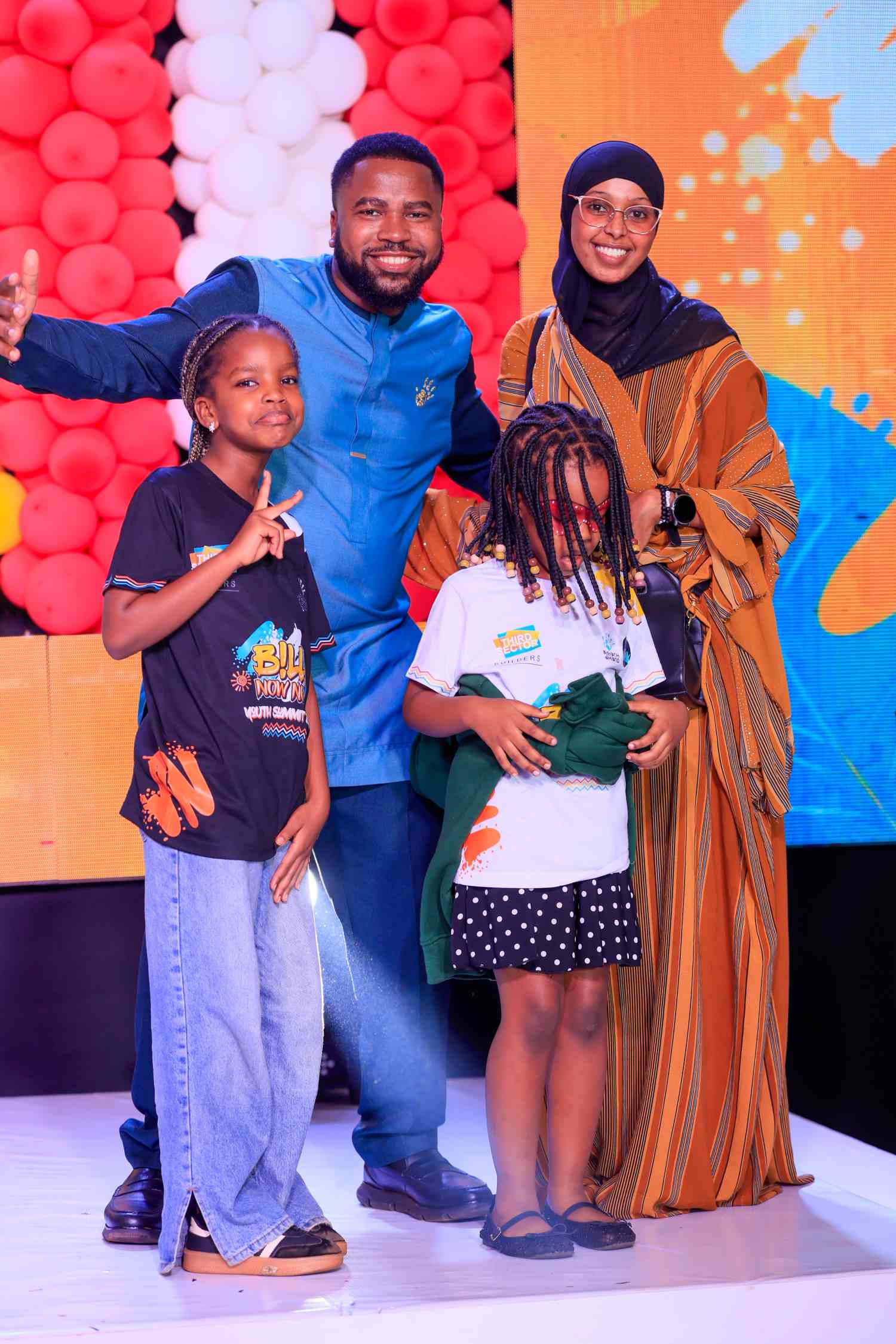
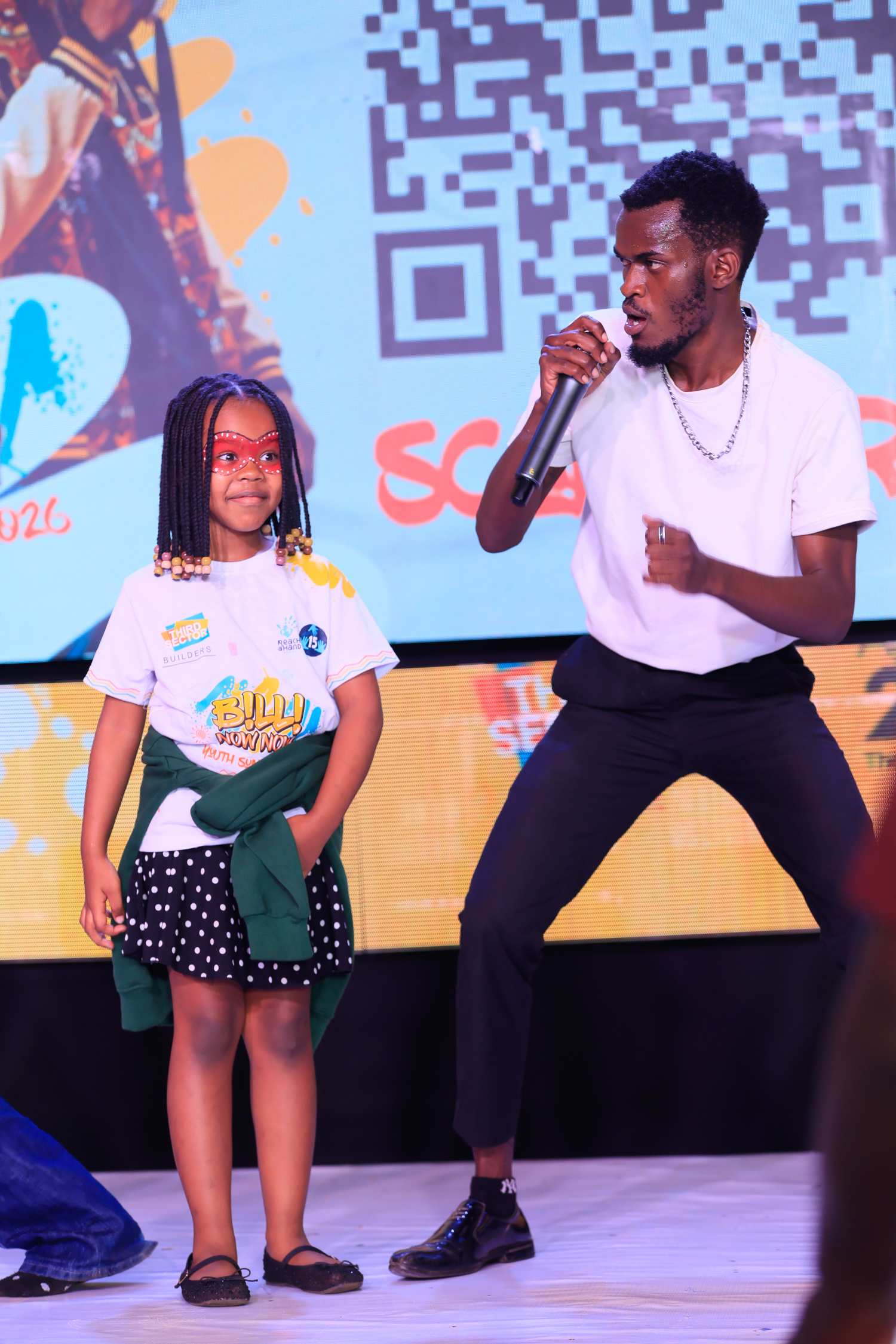
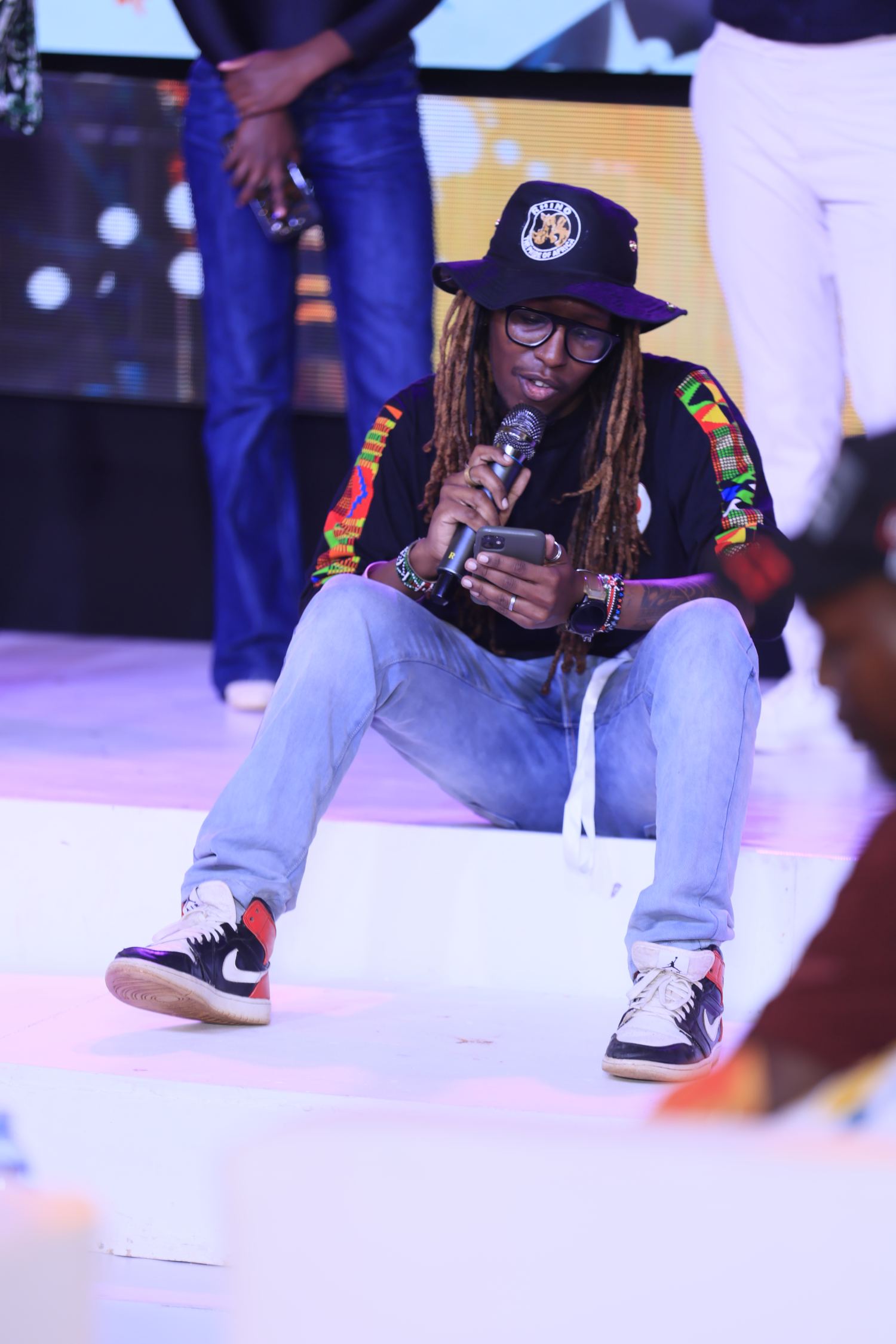
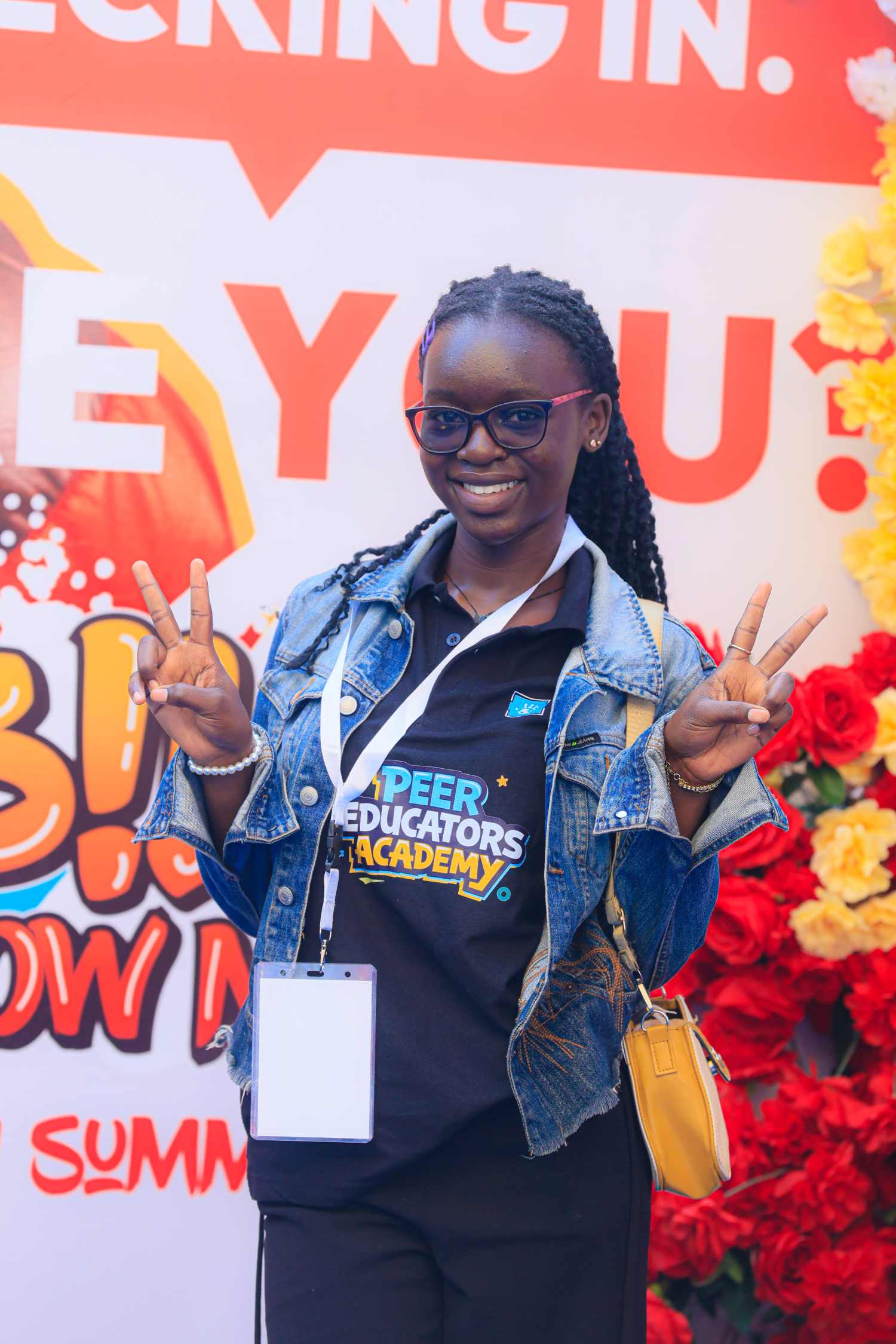
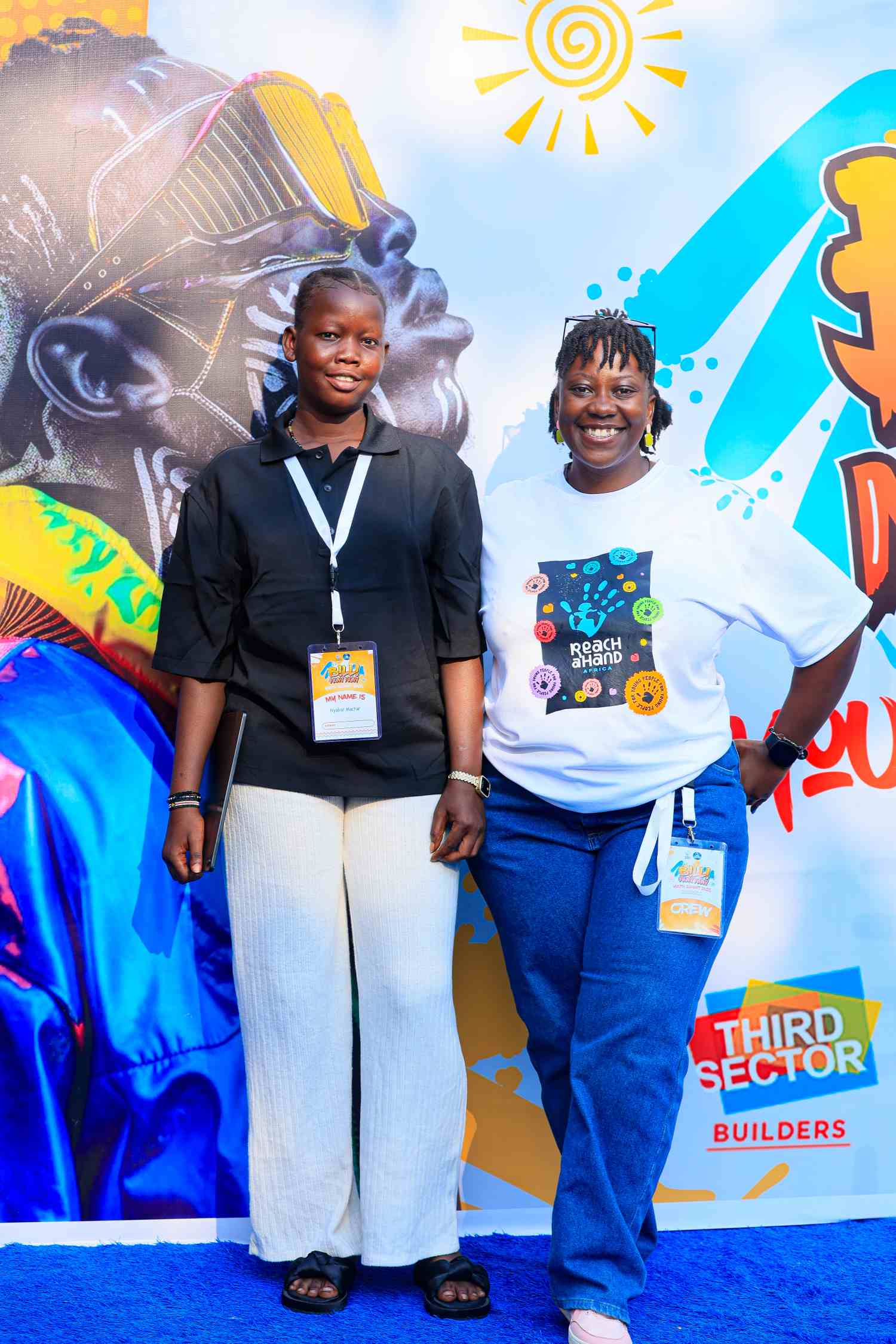
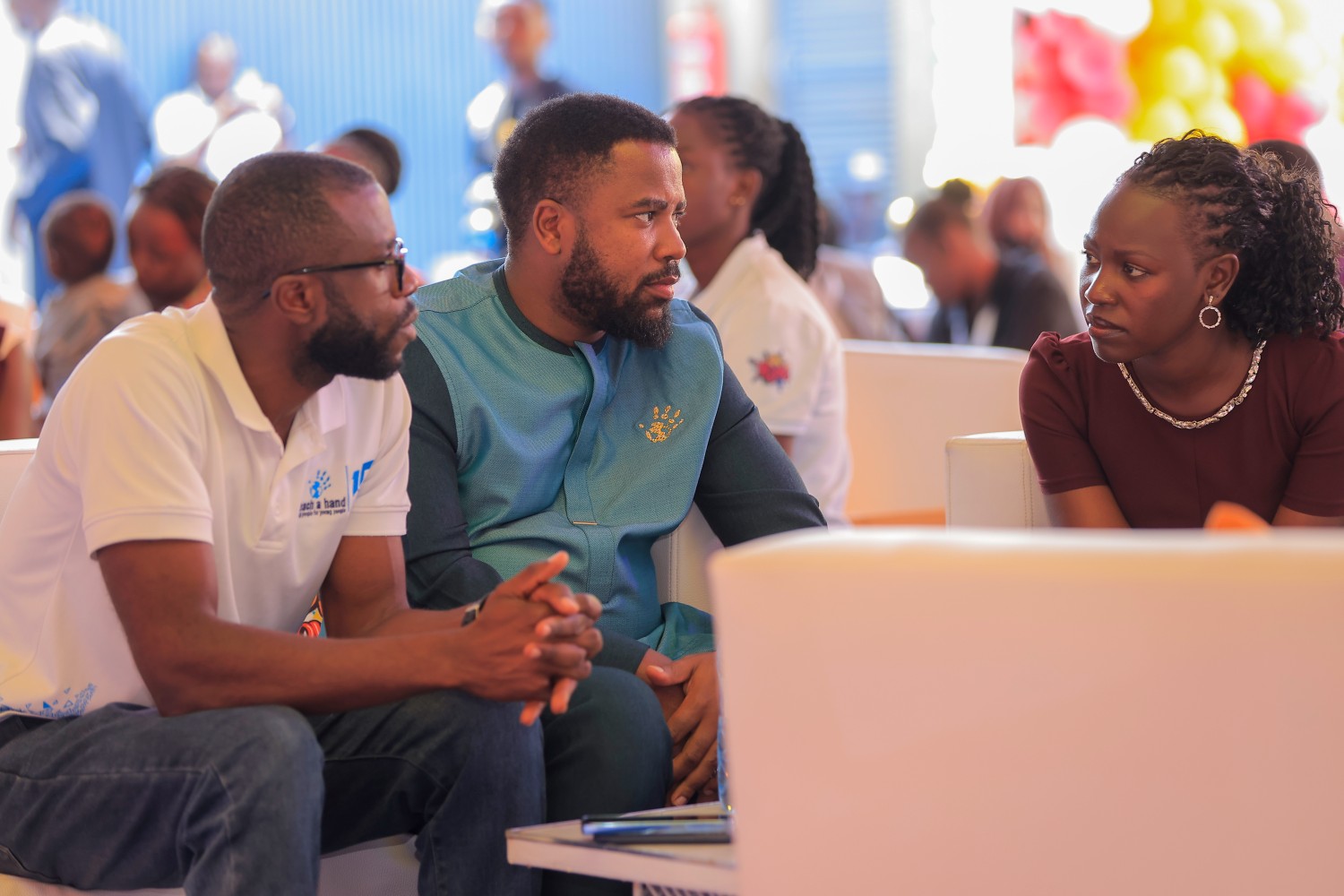
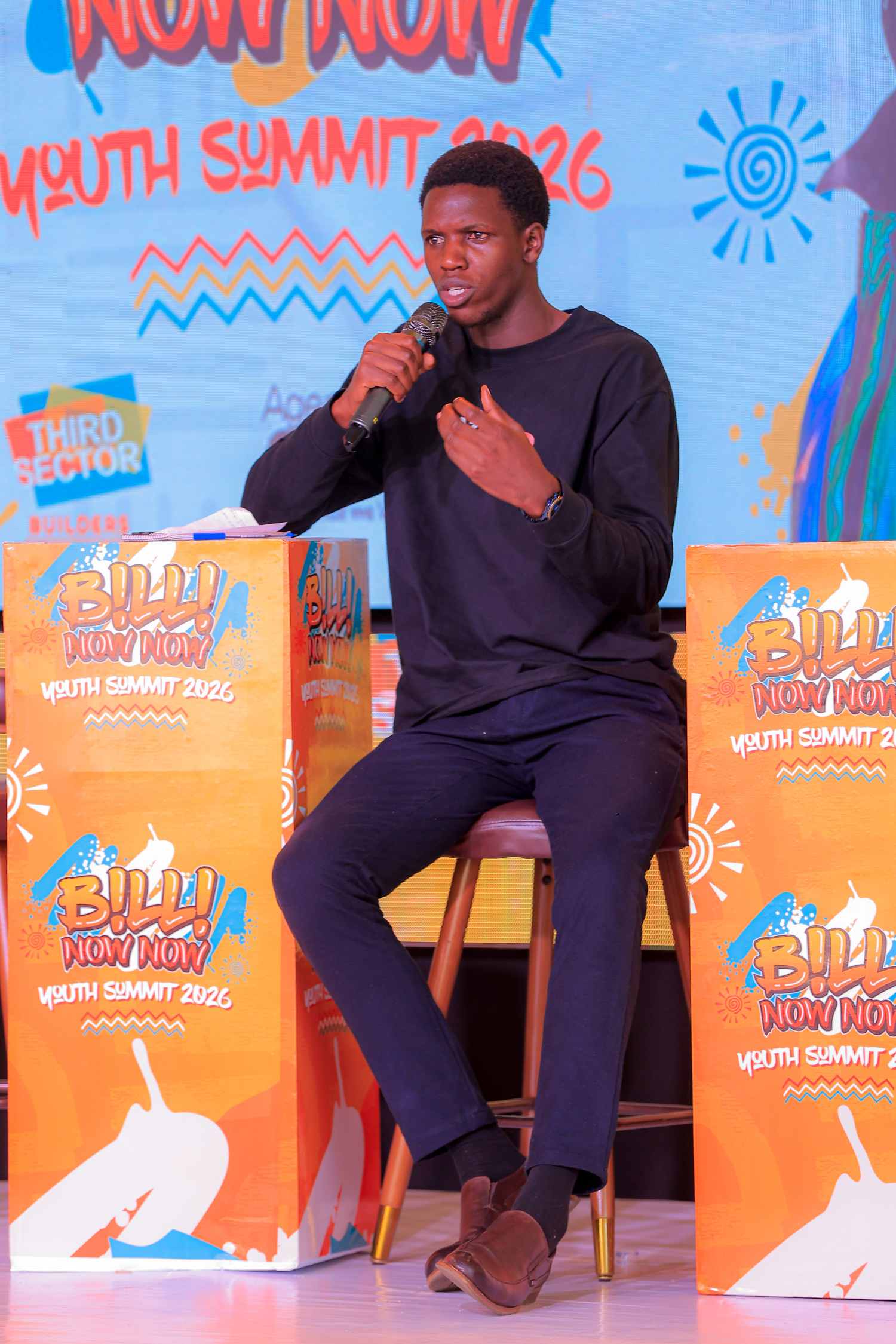
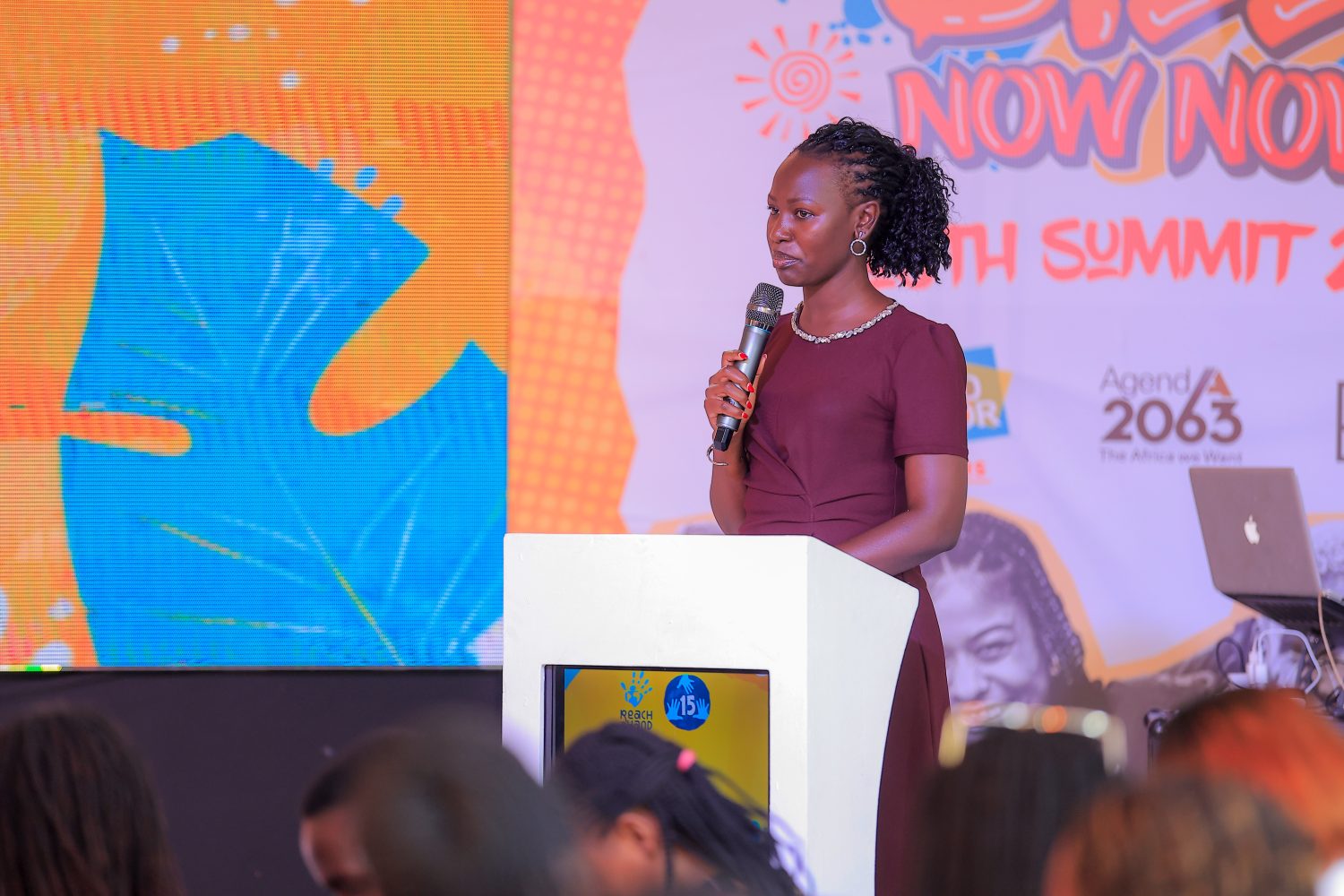
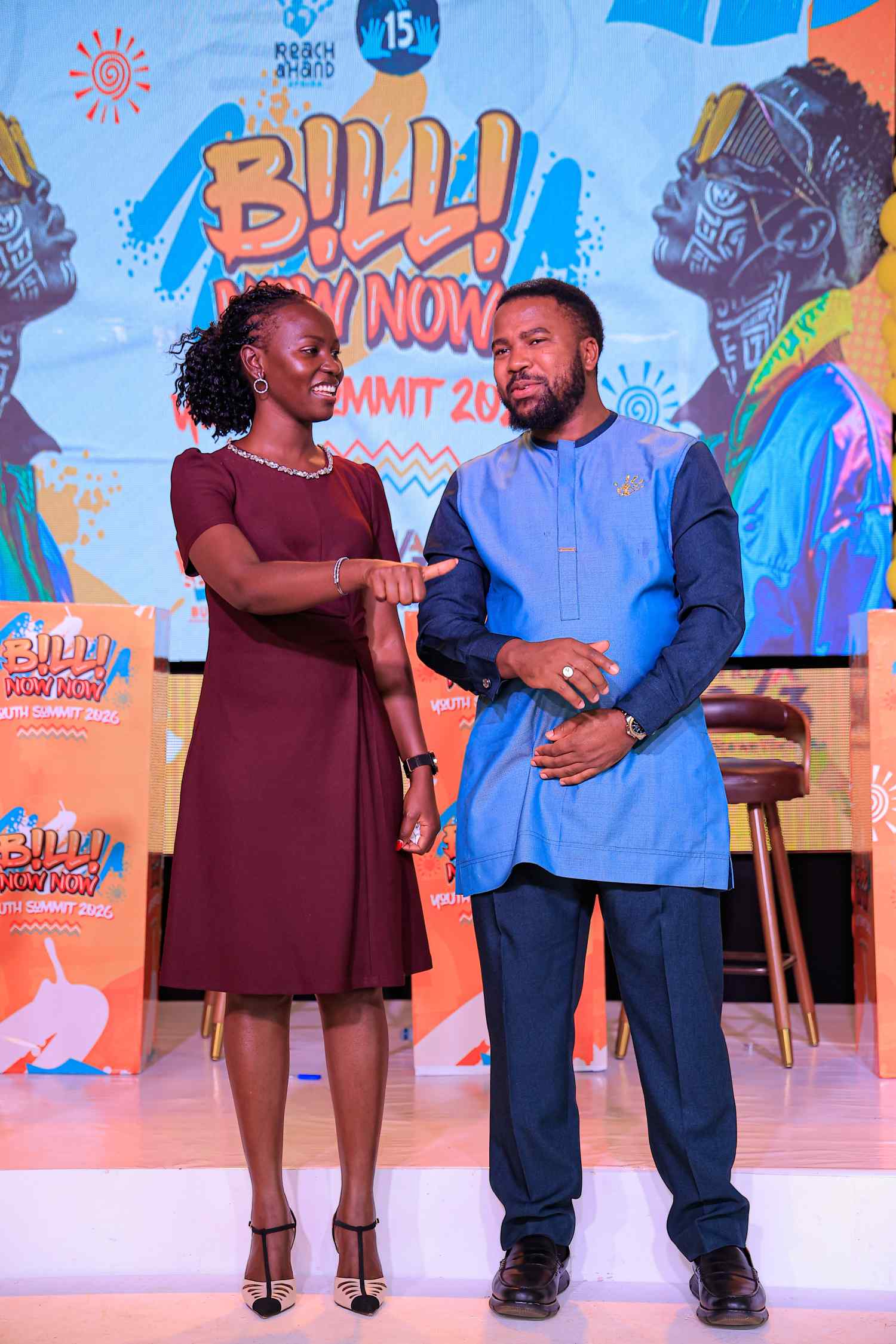
KAMPALA, Uganda — Day Two of the 4th edition of the Billi Now Now (BNN) Youth Summit 2026 delivered an electric blend of high-level policy dialogue, practical solution labs, and cross-border cultural celebration at the Reach A Hand Africa (RAHA) headquarters along Lungujja Avenue. Convened under the overarching theme “Africa Recharged: Youth Power. Bold Voices. Real Change,” the day brought together over 1,000 young leaders, innovators, civil society actors, and policymakers from across the continent.
From insightful sessions on sexual and reproductive health and rights (SRHR), mental health, clean energy, and AfCFTA cross-border trade to a keynote address by Uganda’s youngest cabinet minister, Day Two reinforced the summit’s core mission: moving beyond symbolic youth representation into measurable, youth-led action aligned with the African Union’s Agenda 2063.
What did Minister Mercy Faith Lakisa say during her keynote address at the BNN Youth Summit 2026?
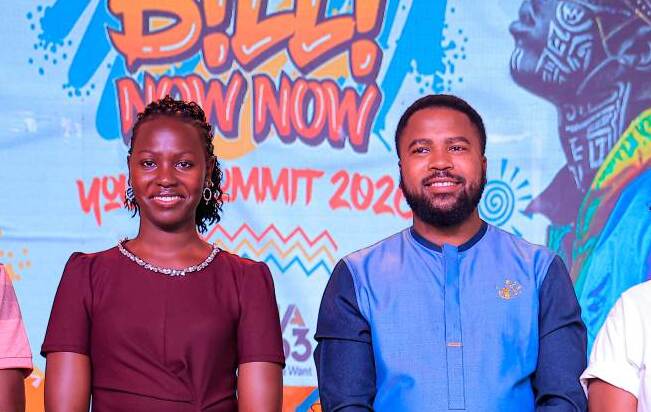
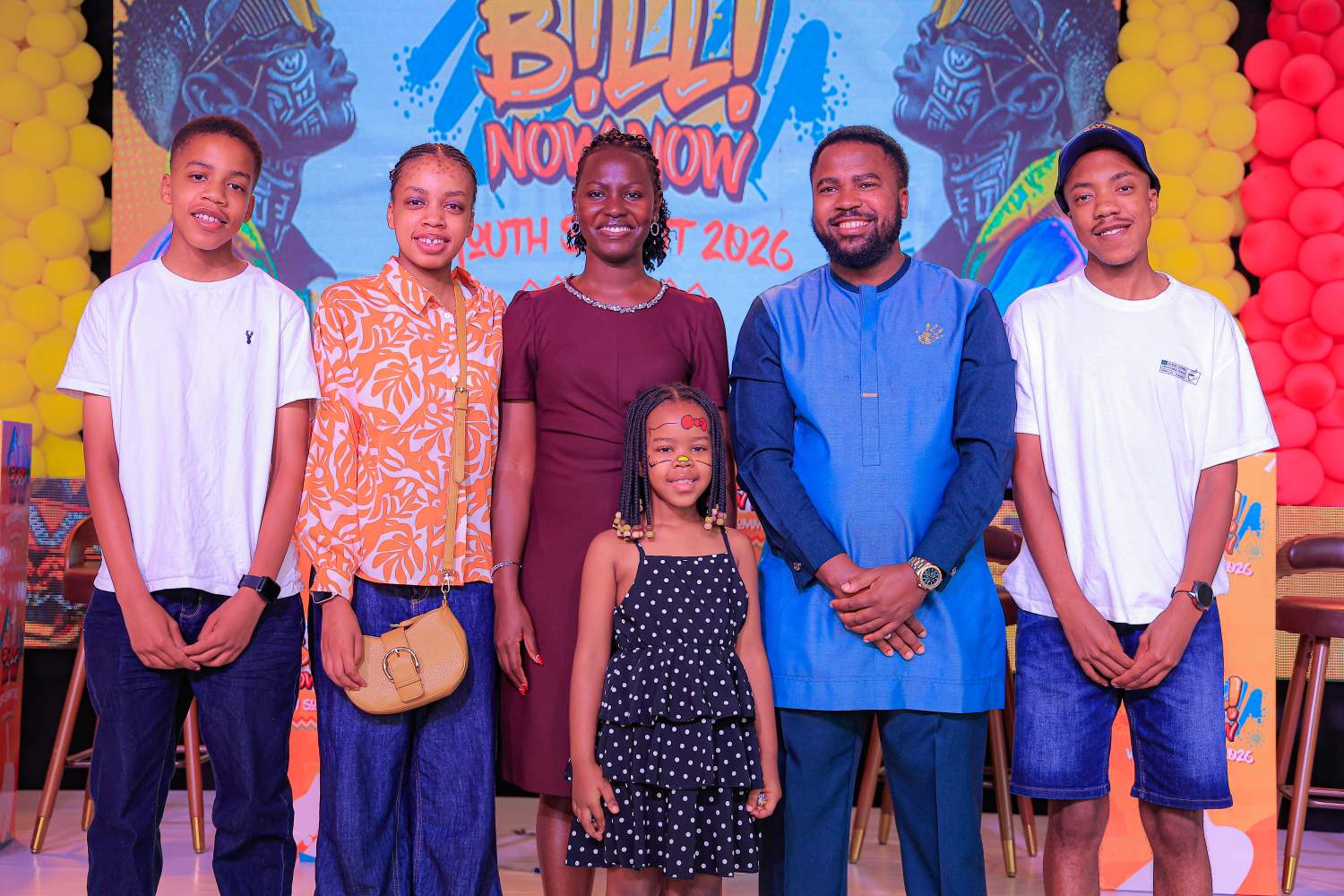
A major highlight of Thursday’s proceedings was the arrival of Hon. Dr. Mercy Faith Lakisa, Minister of State for Youth and Children’s Affairs within the Ministry of Gender, Labour and Social Development (MGLSD). As Uganda’s youngest minister in the 12th Parliament, Dr. Lakisa embodied the very spirit of youth leadership championed by the BNN Movement.
Addressing a packed plenary hall, Minister Lakisa reaffirmed the Government of Uganda’s commitment to enabling young people to innovate, work, and lead:
“Your presence here today is a reminder that Africa’s future is not just something that we’re waiting for, but is something that we are going to build together, and we’re already building together as a team,” Hon. Lakisa stated. “Africa is home of the world’s youngest population, and more than 60% of our people are under the age of 35. So we have one of the greatest opportunities as Africa in history. If we invest in young people, if we create opportunities for them to thrive, and ensure that they are meaningfully involved in decision-making, then Africa will become a continent defined not by its challenges, but by its innovations, its resilience, and its prosperity.”
She emphasized that young people must not be viewed merely as leaders of tomorrow, but as the active architects of today’s solutions:
“Young people are not merely the young leaders of tomorrow. You are the innovators, you’re the entrepreneurs, you’re the artists, you’re the advocates, you’re the scientists that we have, and you are the community builders that we need,” she added. “Through the Ministry of Gender, Labour and Social Development, and together with other partners, we shall continue to invest in programs that strengthen participation of young people, skills development, entrepreneurship, and leadership.”
How did Minister Lakisa address gender equality and digital inclusion for rural youth?
In a poignant segment of her address, Dr. Lakisa advocated for an inclusive approach to gender equality that leaves no one behind, emphasizing that empowerment efforts must embrace both young women and young men:
“As we advance gender equality, let’s continue to create safe spaces where every girl and every young woman can realize their full potential and are free from violence, discrimination, and harmful practices. Gender equality is not just about the girl child, however, it is also about the boy child. So when I talk about gender equality, the boy child, be sure that I’m also talking to you, and I’m also talking about you, and I’m also advocating for you.”
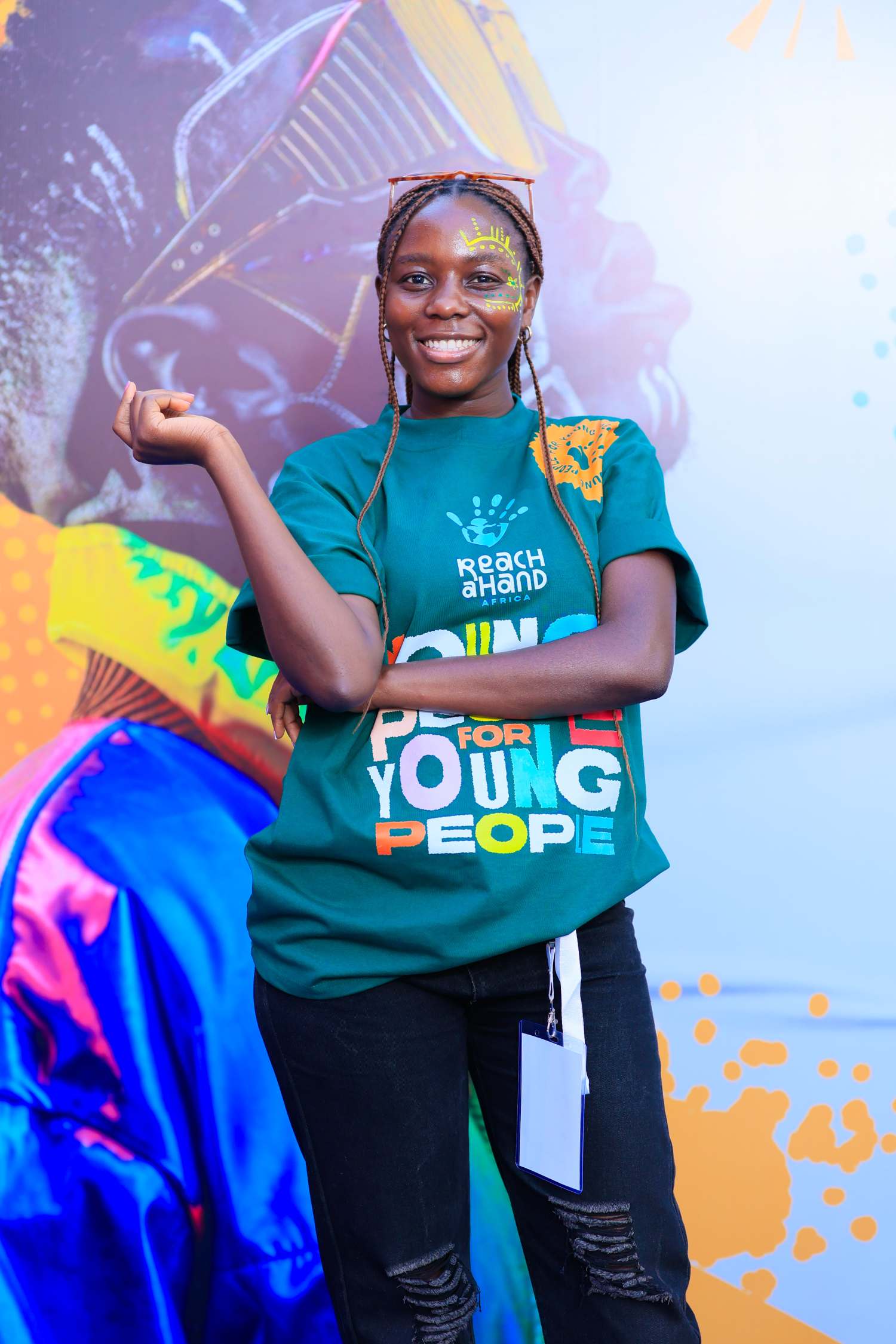




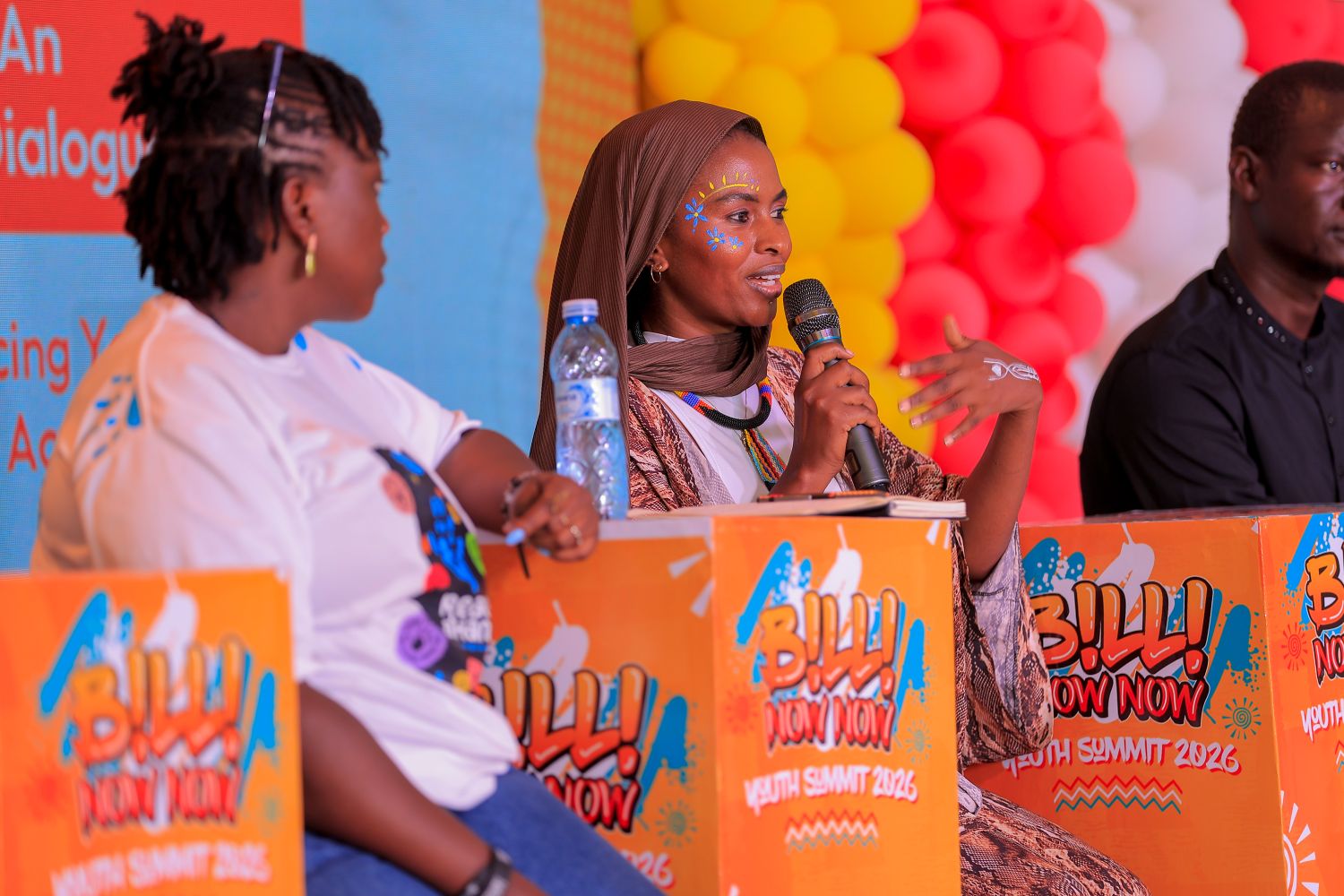
She also challenged Reach A Hand Africa and summit partners to ensure that digital transformation and leadership opportunities extend into the most remote rural communities across Africa:
“Let’s ensure that technology becomes a tool for inclusion rather than exclusion… Let’s ensure that you go to the deepest part of Uganda and pick that one person, go to the deepest part of DRC, Congo, wherever it is, and pick that one person and bring them to light so that they are also a part.”
Why did Minister Lakisa joke about being excluded from the summit’s evening dance party?
Dr. Lakisa brought immense charisma, warmth, and humor to her address, lightheartedly poking fun at her attempt to introduce the #BeFree movement with extra flair:
“That’s why initiatives like… #BeFree… #BeFree Now Now… I was thinking I was going to mention it in a cooler way, I don’t know,” she joked to widespread laughter. “Unfortunately, the ED also just said #BeFree, he wasn’t sounding so cool, so I was expecting to find a cooler way of bringing that out very clearly!”
Acknowledging senior delegates and partners seated near the stage, she added with a smile:
“Remember that you’re only as young as you feel. I can see my others who are seated close to me here, they look like senior youth, but I want to encourage them that you’re only as old as you feel, okay? So age is not in this conversation!”
Closing her address, the Minister humorously called out the organizers for scheduling the cultural evening party after her scheduled departure time:
“They did not—disclaimer—they did not tell me that tonight you are going to have fun, that you’re planning to have fun tonight! So they were deliberate about excluding me! (Laughter) Otherwise, if they knew that I’m as youthful as you are, they would have given me a heads-up… You owe me. I don’t know how you will make it up to me, but I would have really loved to be with you tonight to enjoy and appreciate your different cultures!”
How is Reach A Hand Africa moving youth summits from symbolism to real policy action?
Following the Minister’s speech, Humphrey Nabimanya, Founder and CEO of Reach A Hand Africa (RAHA), expressed deep appreciation for Dr. Lakisa’s presence and ongoing governmental support.
Nabimanya noted that this year’s summit—co-organized alongside technical partners Third Sector Builders—marks a decisive shift away from passive talk shops toward concrete, measurable policy outcomes:
“There are too many young people’s engagements which are symbolic in nature, but this year’s edition is meaningful because of its action-oriented approach,” Nabimanya stated. “We are here to develop resolutions that can drive the implementation of young people’s priorities by governments and other stakeholders.”

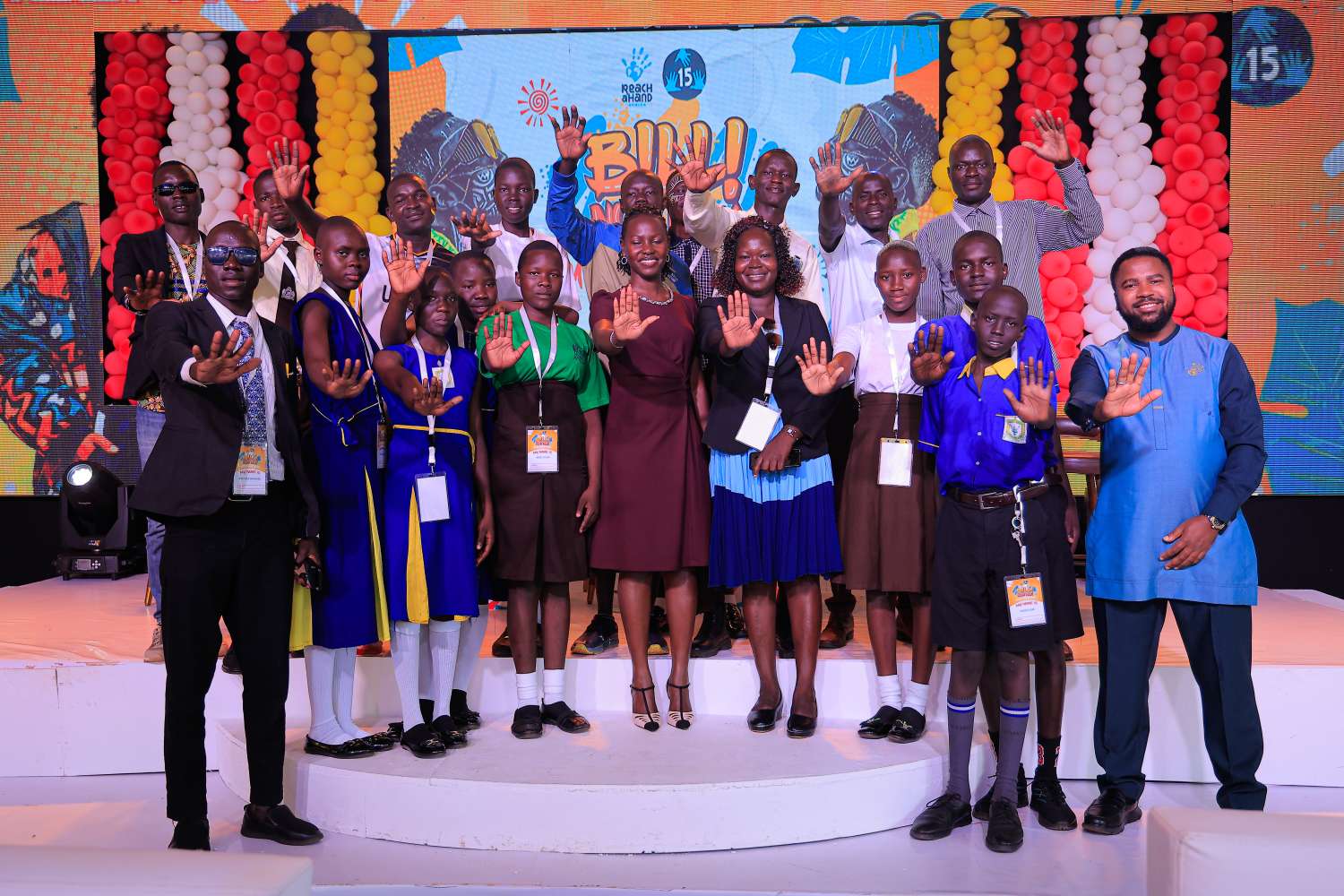
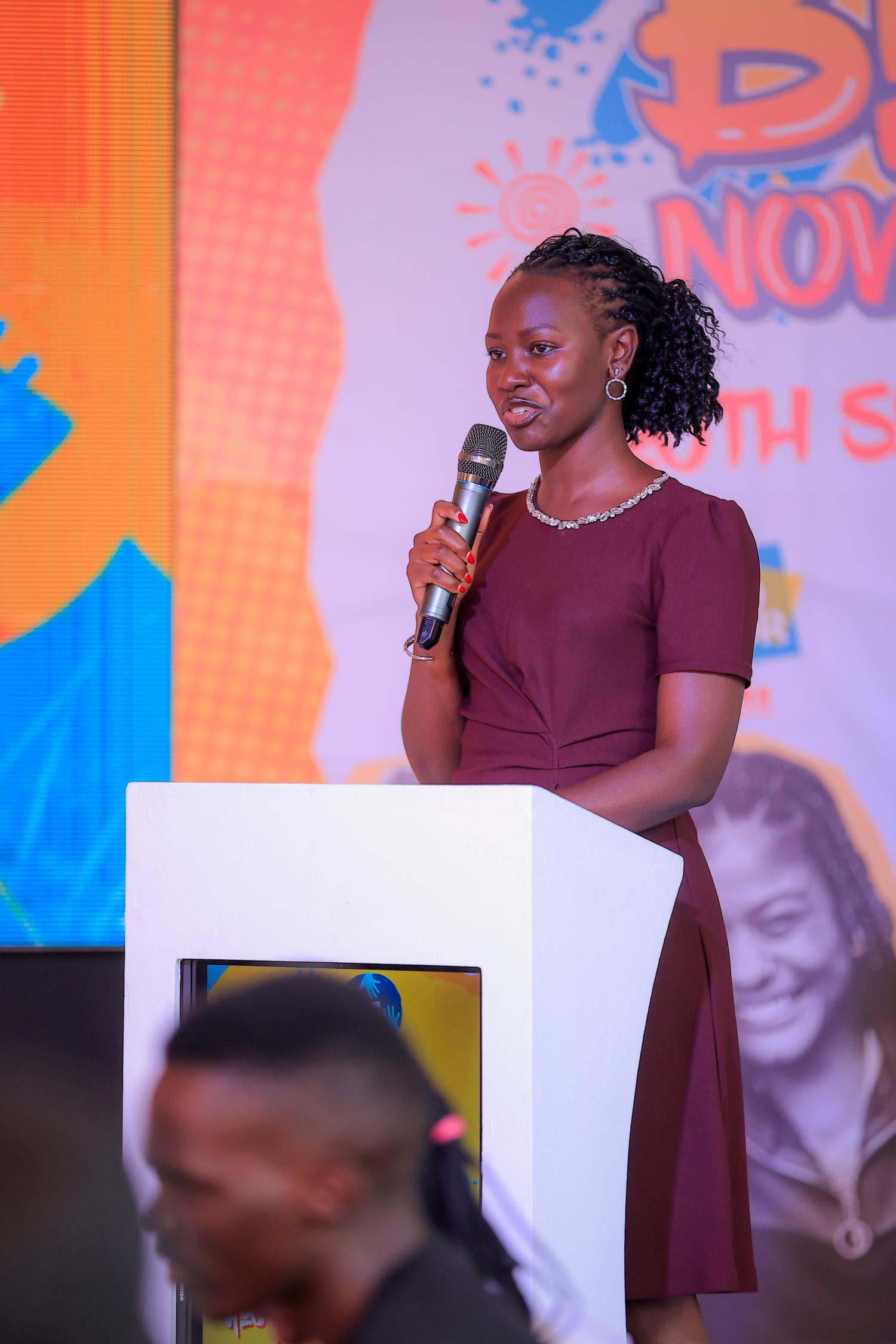
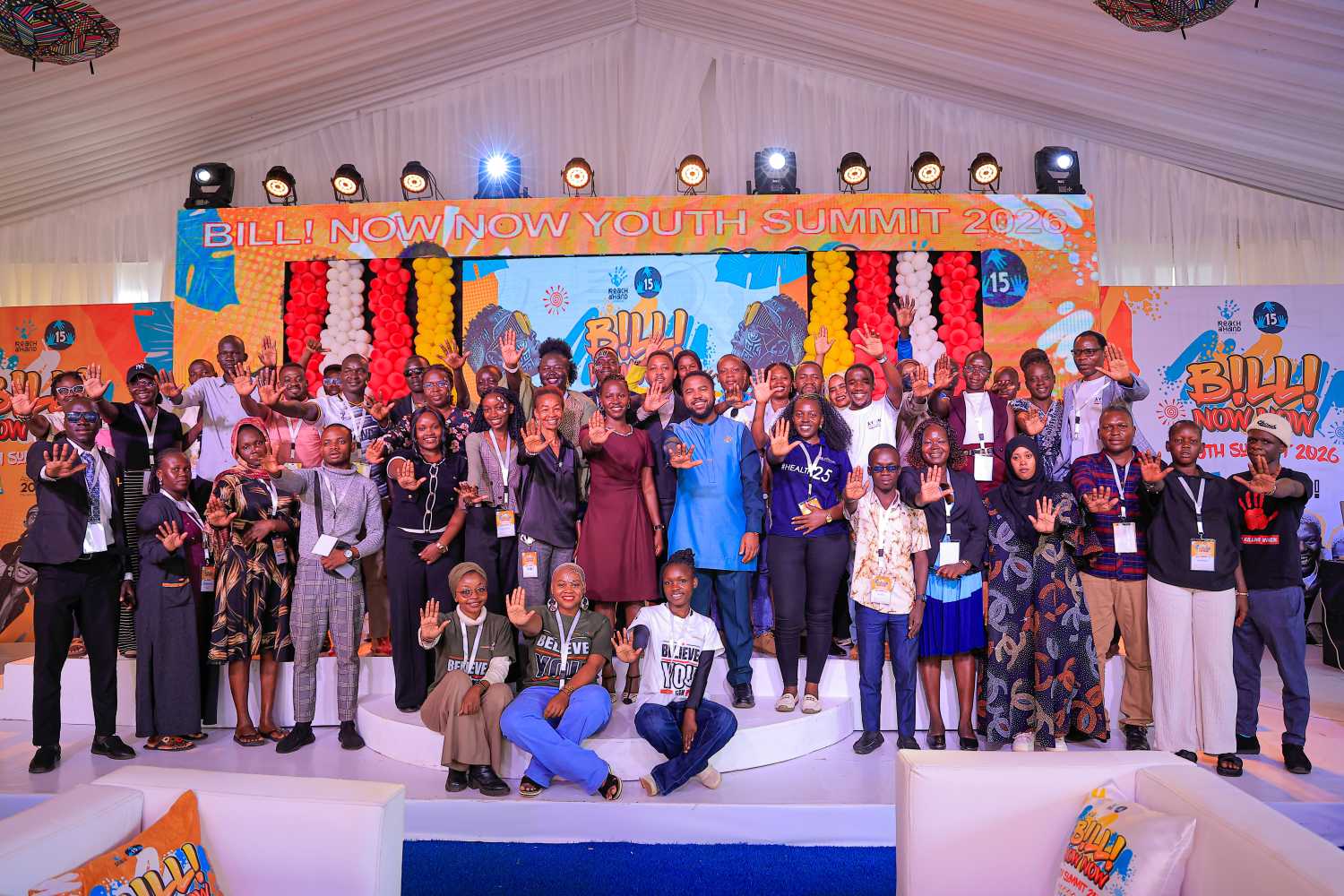
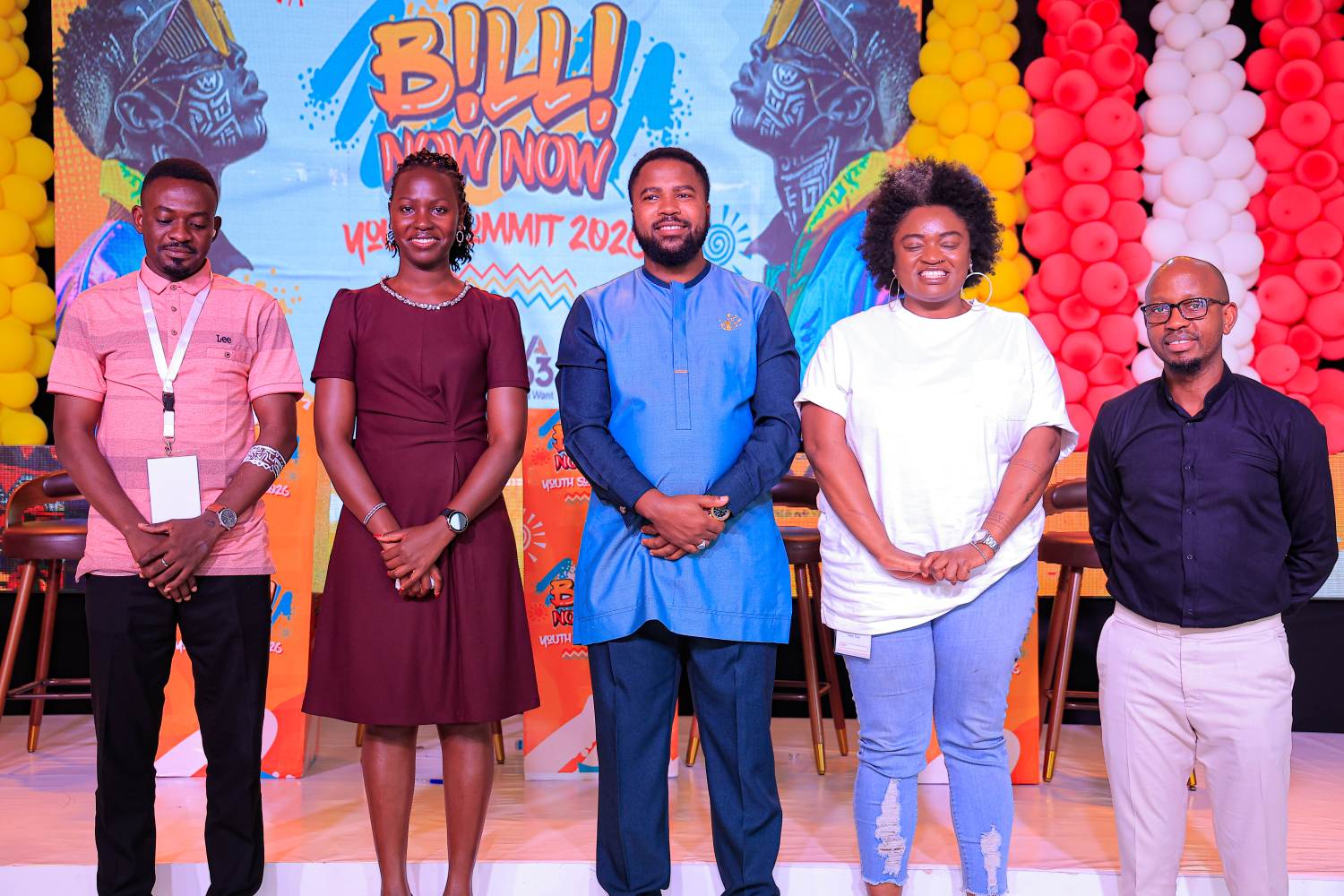
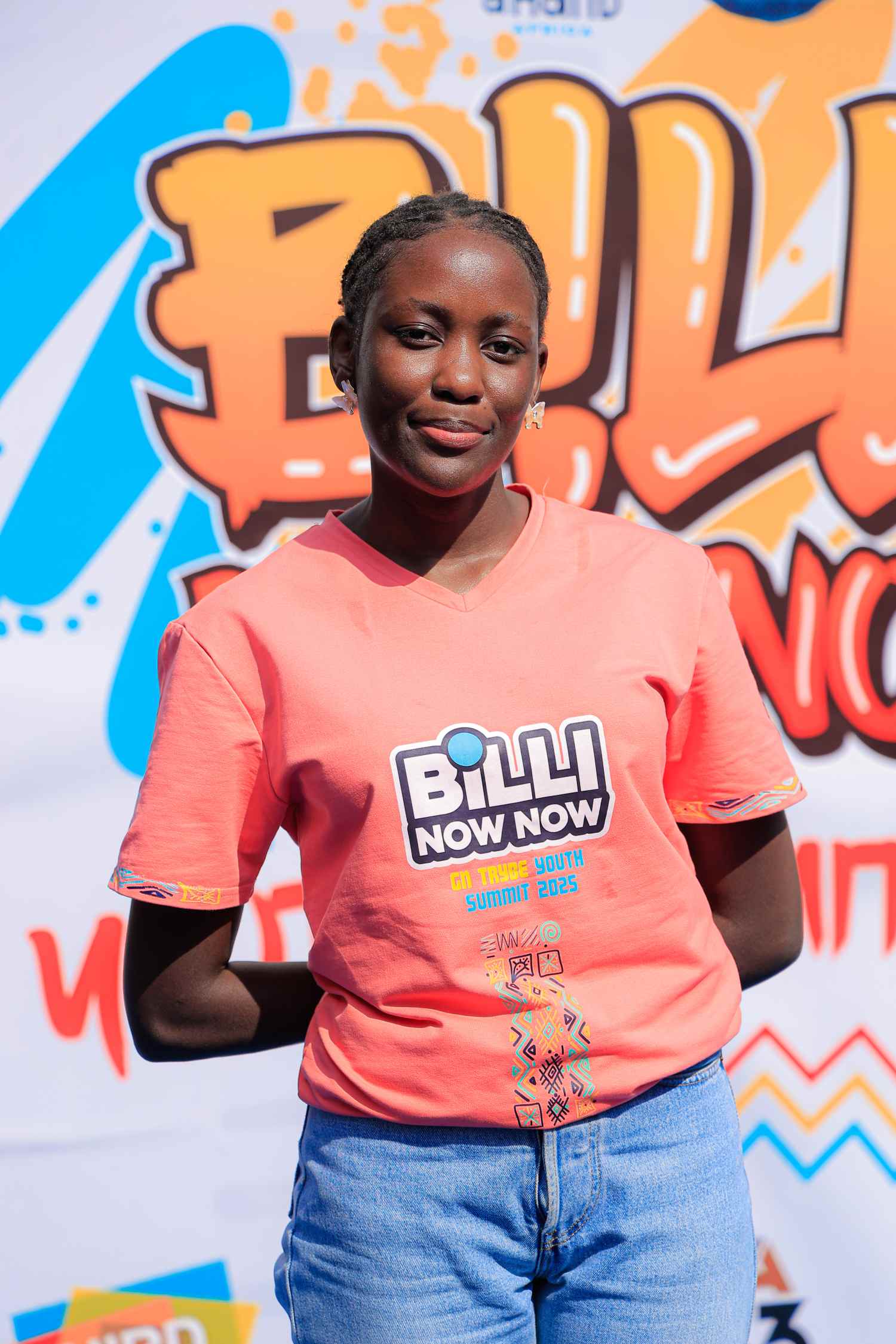
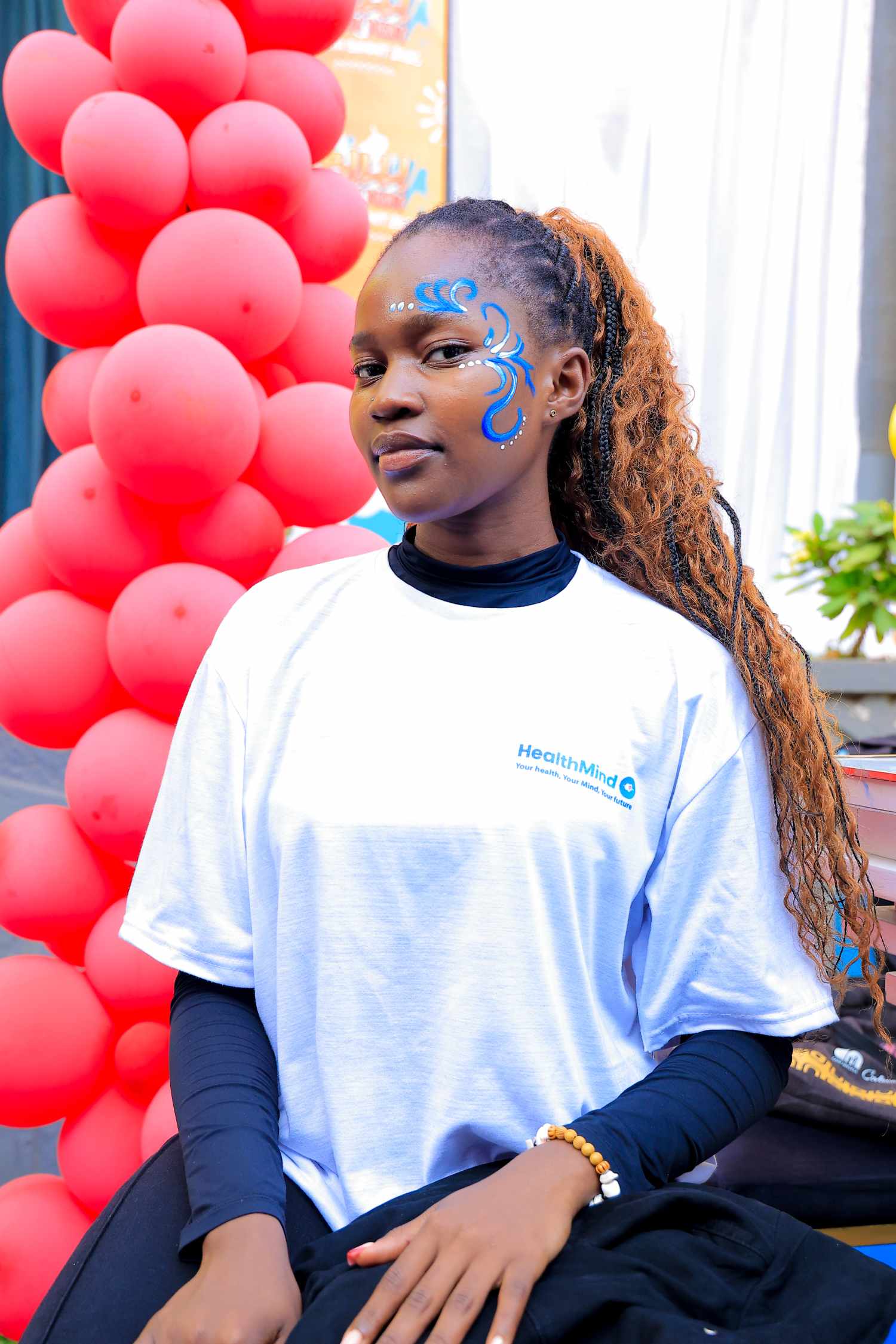
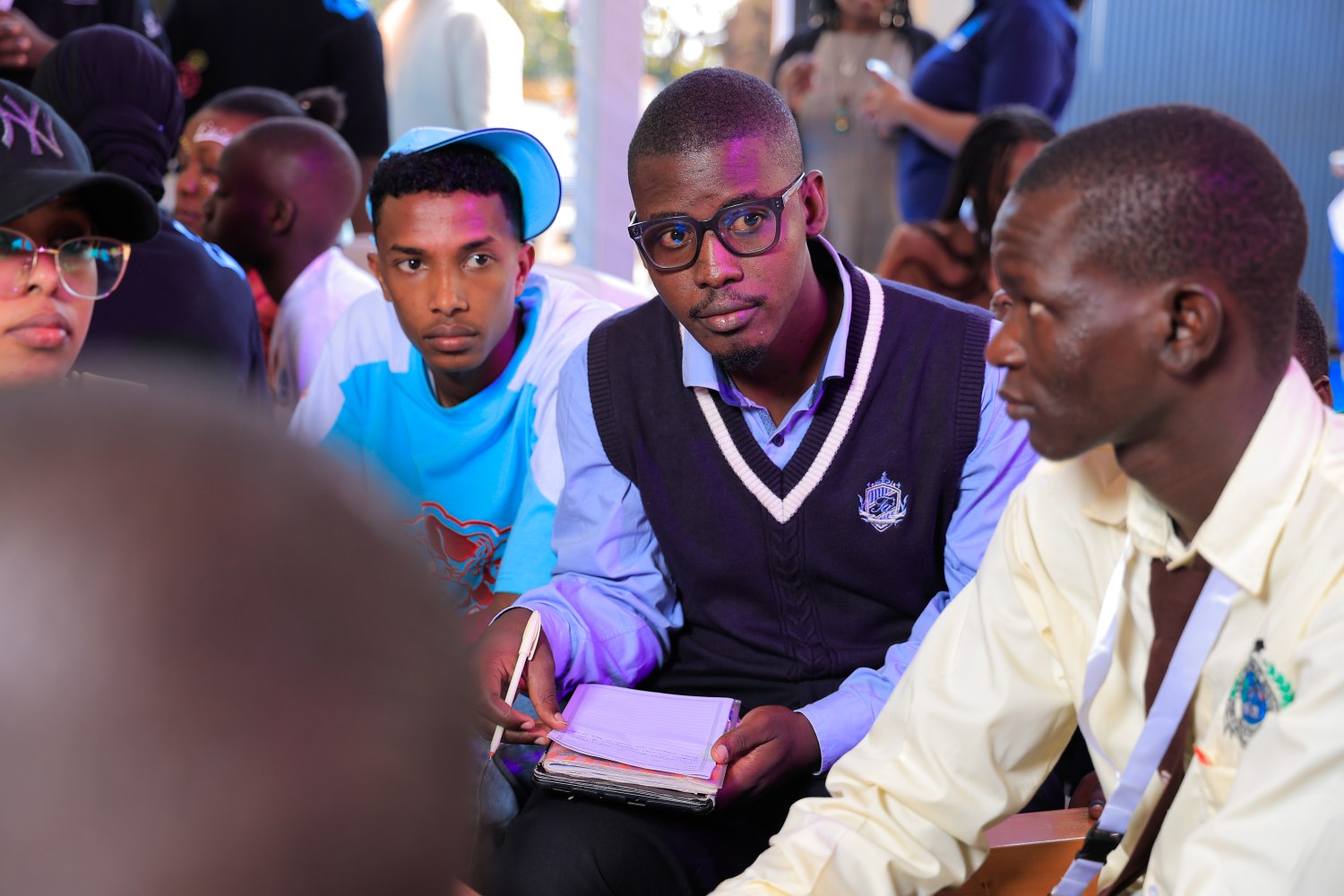

What key youth issues were tackled during the Day Two Solution Labs and workshops?
Day Two featured a rich array of technical sessions, intergenerational town halls, and breakout labs designed to address core socio-economic challenges facing African youth:
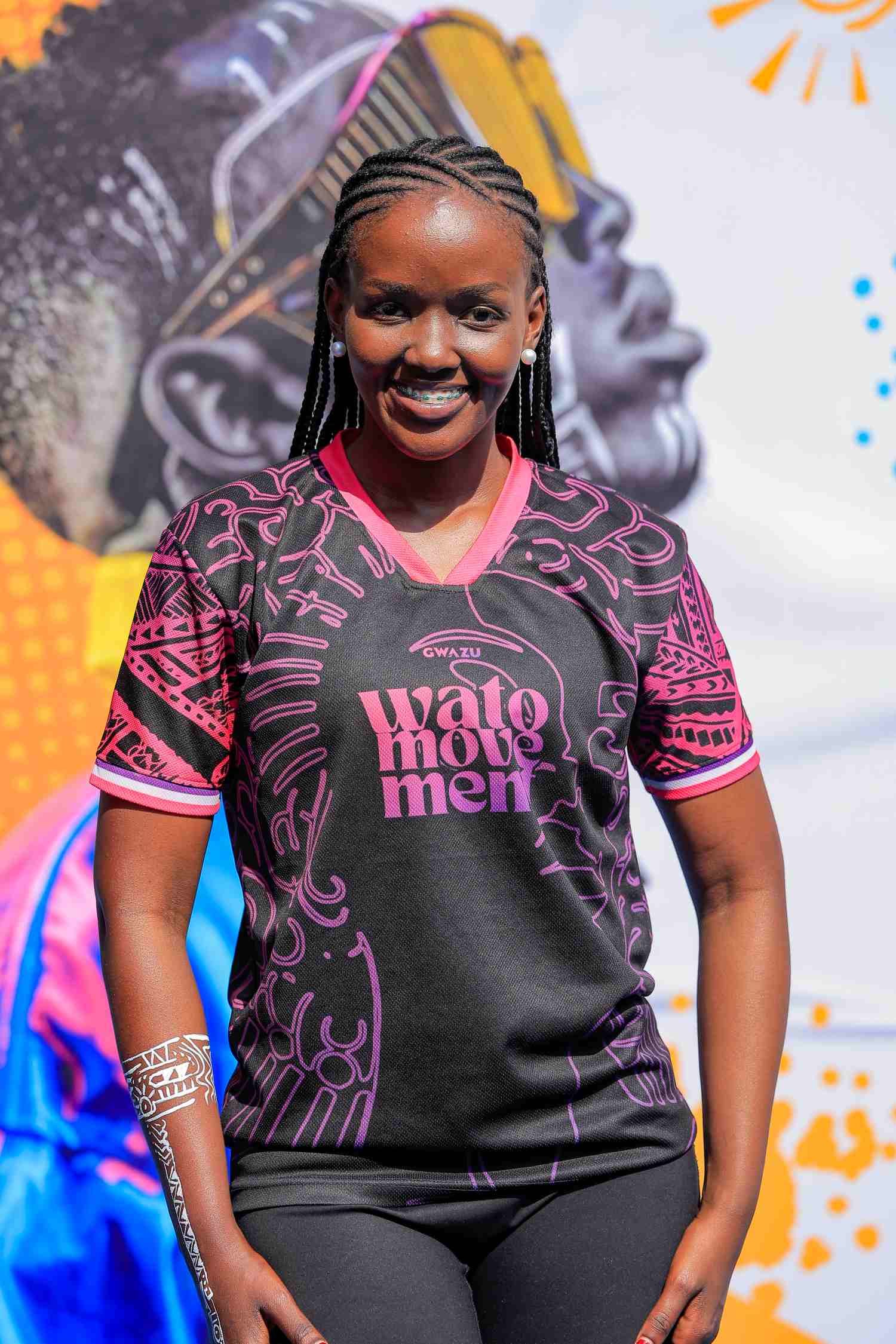
- Morning Wellness & Energizer: The day commenced with an outdoor movement session led by the Wato Movement, followed by a Day One recap hosted by Rasheed Mutaha of Development Dynamics.
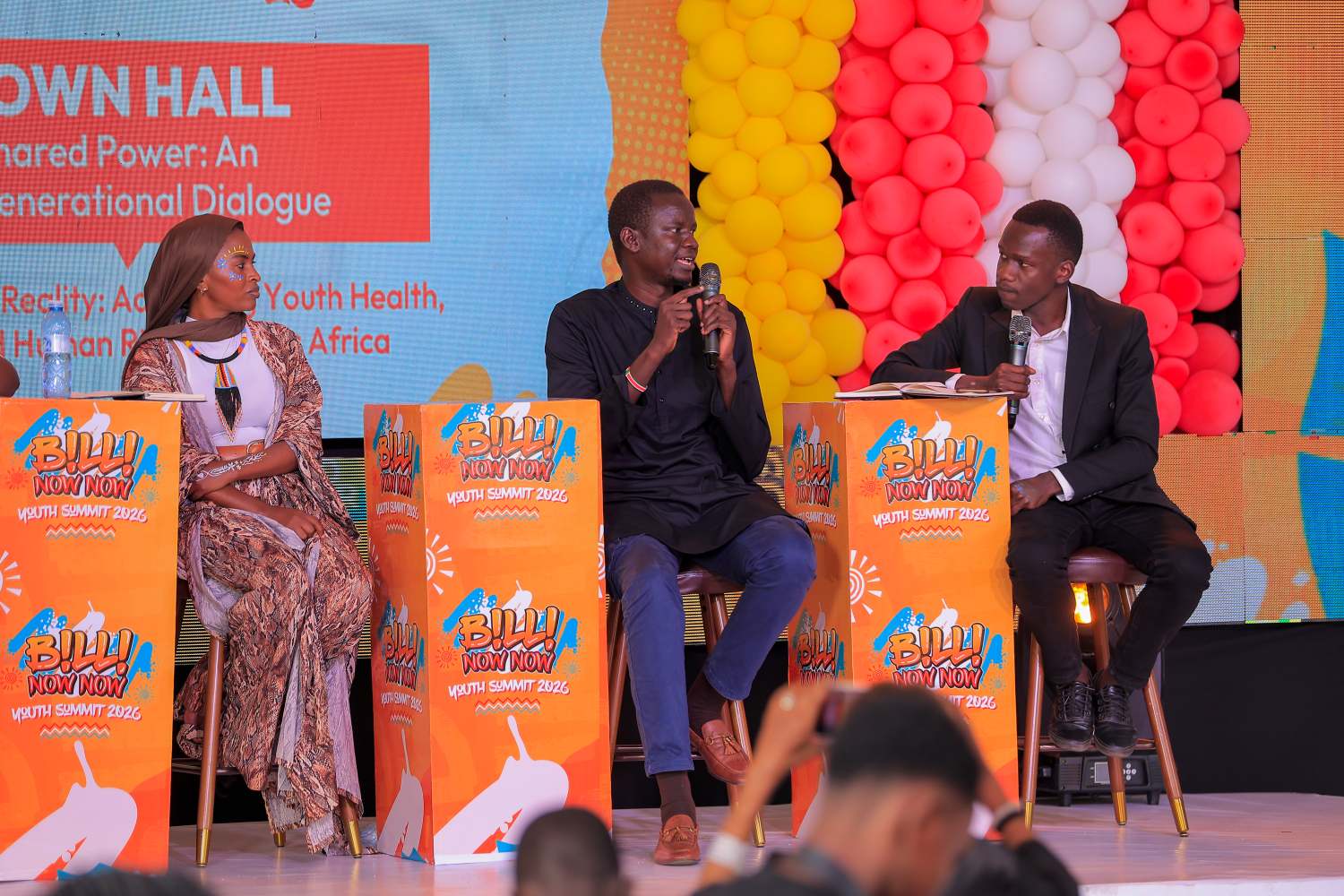
- Intergenerational Town Hall (“Shared Power”): Panelists including Seth from CEHURD, Shamim Ibrahim from Human Development Capital, and Marot from AYAN engaged delegates on advancing youth health rights, justice, and human rights across African jurisdictions.
-
Solution Labs on Entrepreneurship and AfCFTA Trade:
- Lab 1 (Creative Economy & Entrepreneurship): Focused on creative industry financing, digital monetization, and business resilience, featuring real-world insights from Impact Forge.
- Lab 2 (Cross-Border Integration): Explored African Continental Free Trade Area (AfCFTA) opportunities, cross-border enterprise, logistics, and tourism corridors with regional enterprise leaders.
- Clean Energy & Green Jobs: A ministry-led session hosted in partnership with the Ministry of Energy and Mineral Development explored affordable clean cooking and youth opportunities in green energy, followed by climate job workshops facilitated by YARDNET and WASH Innovation Consultancy.
-
Safe Dialogues & Healing Spaces:
- SRHR Rights & Dignity: A safe dialogue hosted by Lucas (Youth Voices & Action Initiative) and Dr. Kaweesi (Usawa) tackled bodily autonomy, youth-friendly healthcare services, and accountability.
- Mental Health & Psychosocial Wellbeing: A dedicated healing space facilitated by Ritah Anindo Obonyo (Community Voices Network) provided burnout prevention tools and peer support strategies for youth organizers.
- Commitments Lab (“The Africa We Want”): Facilitated by Rasheed Mutaha and Mark Kayizi (RAHA), country delegations converted summit debates into actionable resolutions mapped directly to AU Agenda 2063 goals.
How did African delegates and Wembley Mo Foundation celebrate cultural diversity at the summit?
As evening fell, the summit transitioned into a vibrant BNN Culture Night hosted on the RAHA rooftop. The night proved to be an unforgettable celebration of African heritage, rhythm, and cross-border solidarity.
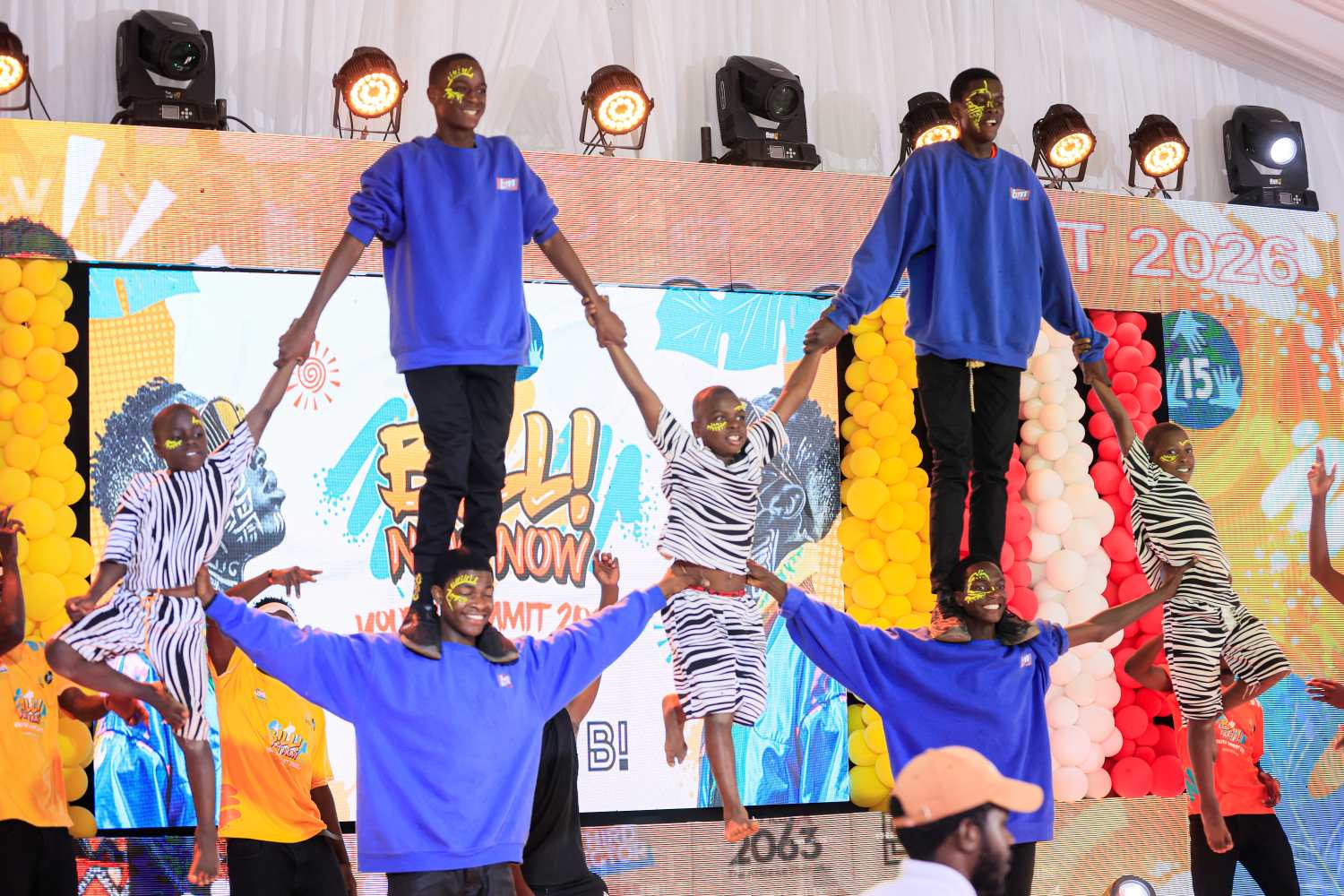
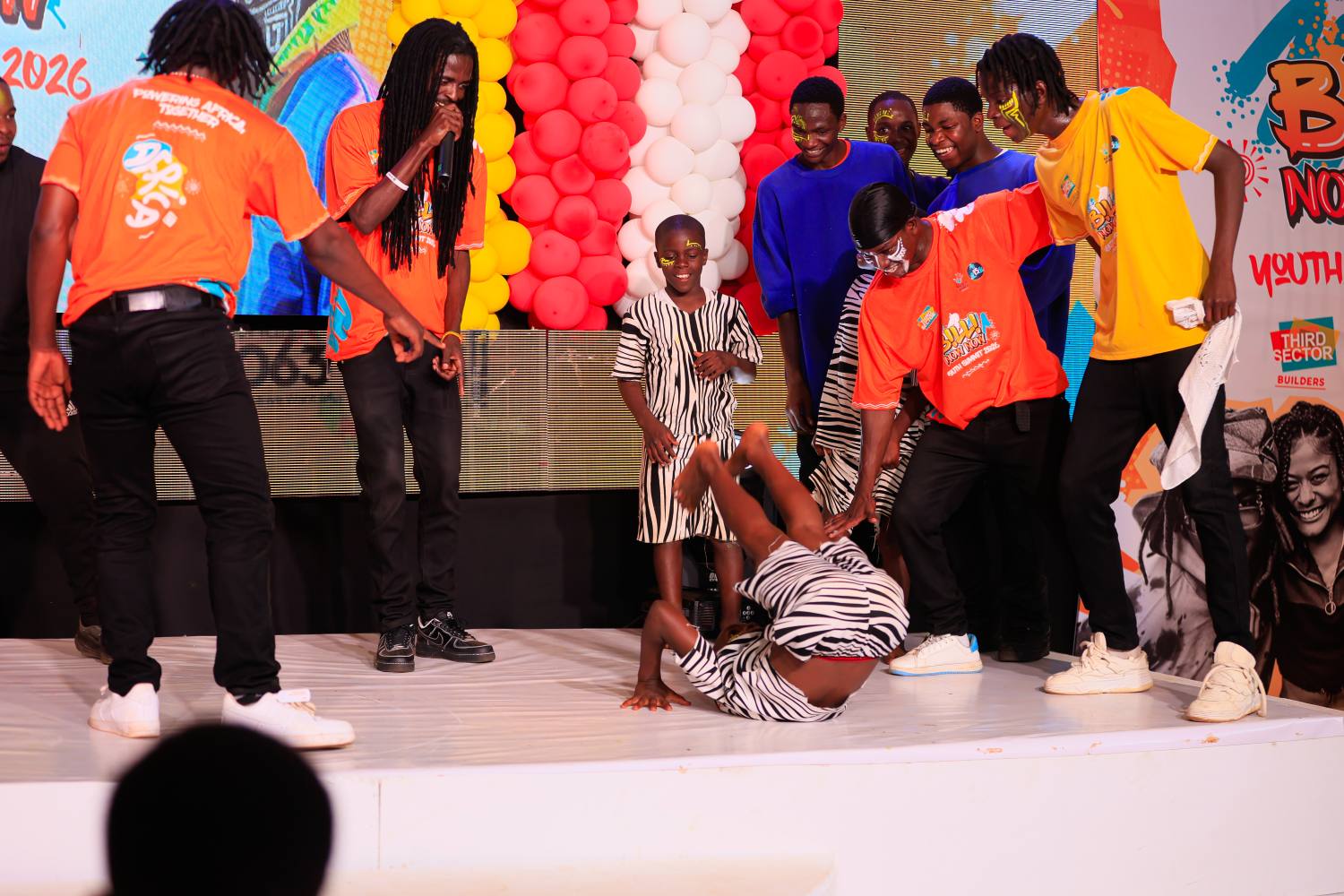
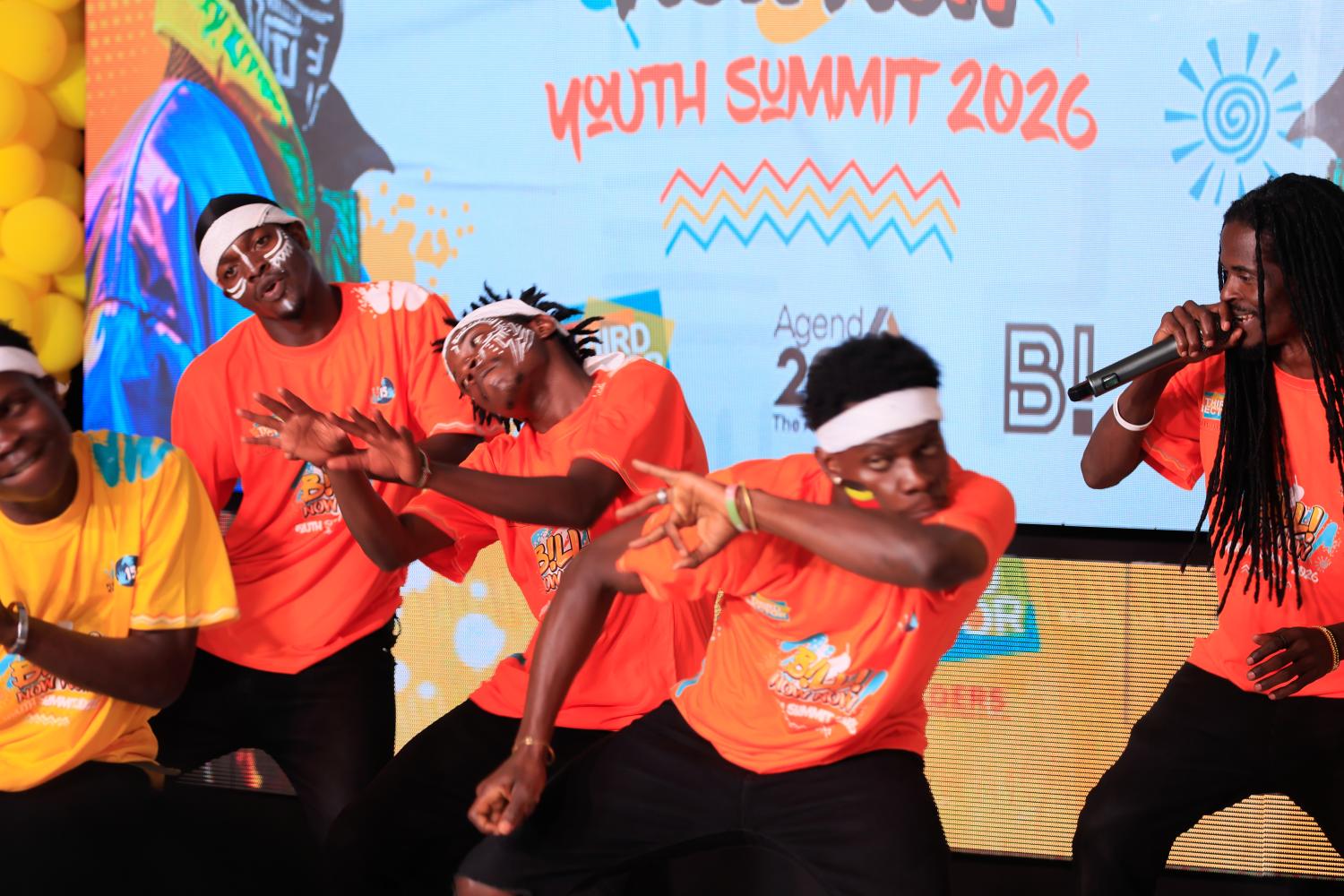
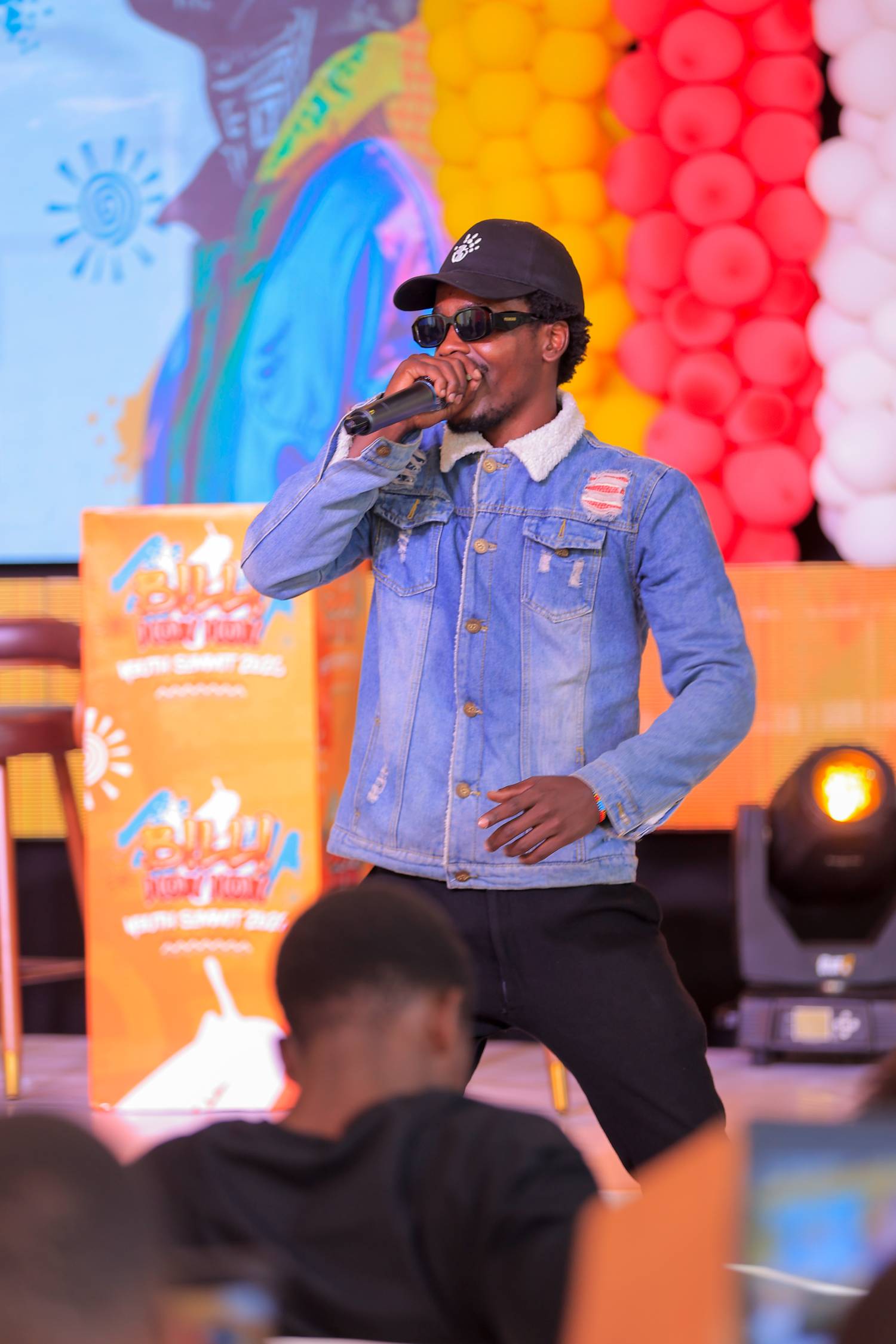
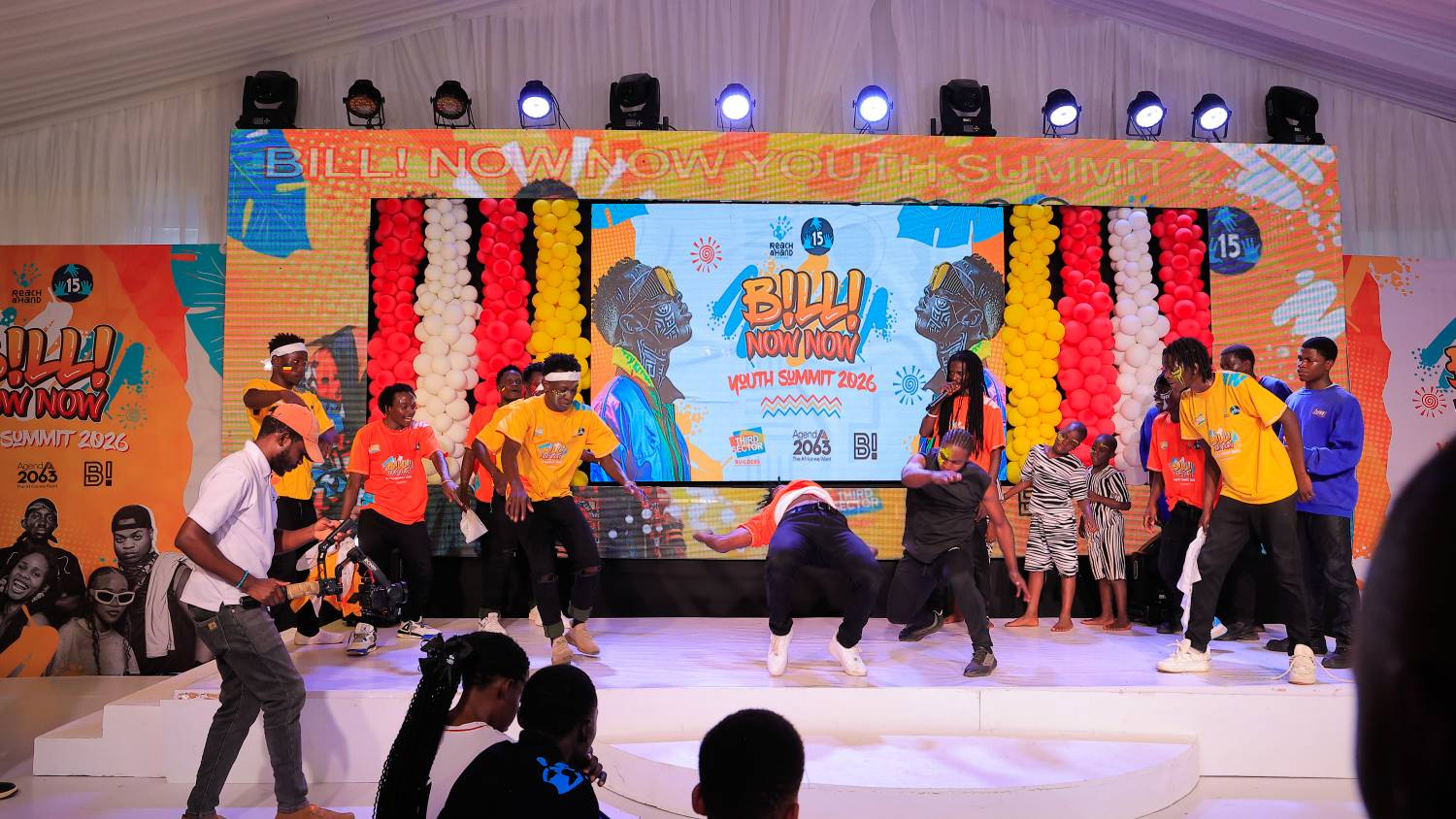
The highlight of the entertainment was an extraordinary performance by popular Ugandan dancer Wembley and his energetic young performers from the Wembley Mo Foundation. The youth troupe delivered jaw-dropping, high-risk acrobatic dance routines, mesmerizing the audience with high flips, flawless synchronization, and intense stage presence.
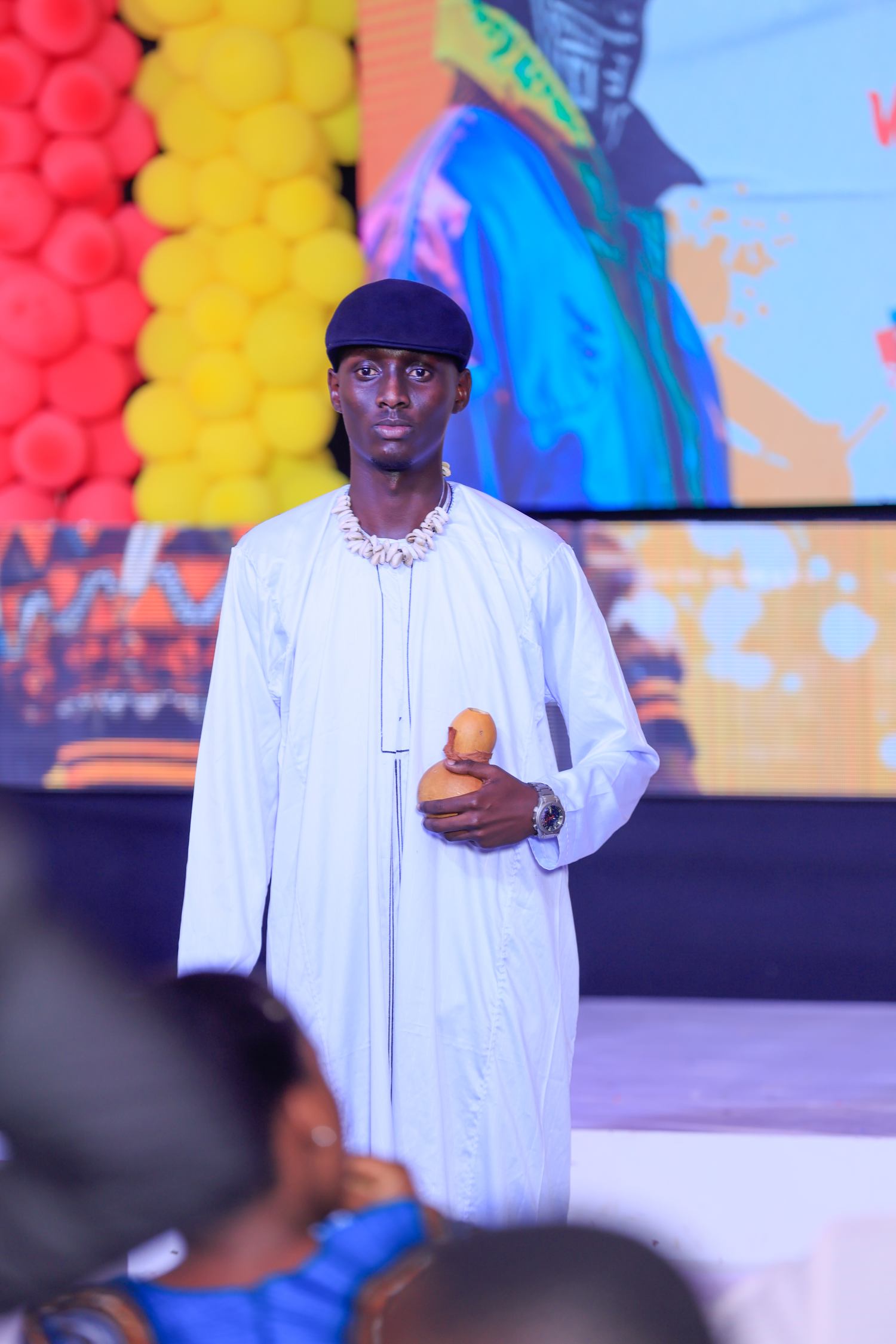
Following Wembley’s performance, youth delegations from across the continent took turns taking the stage to showcase their rich cultural heritage:
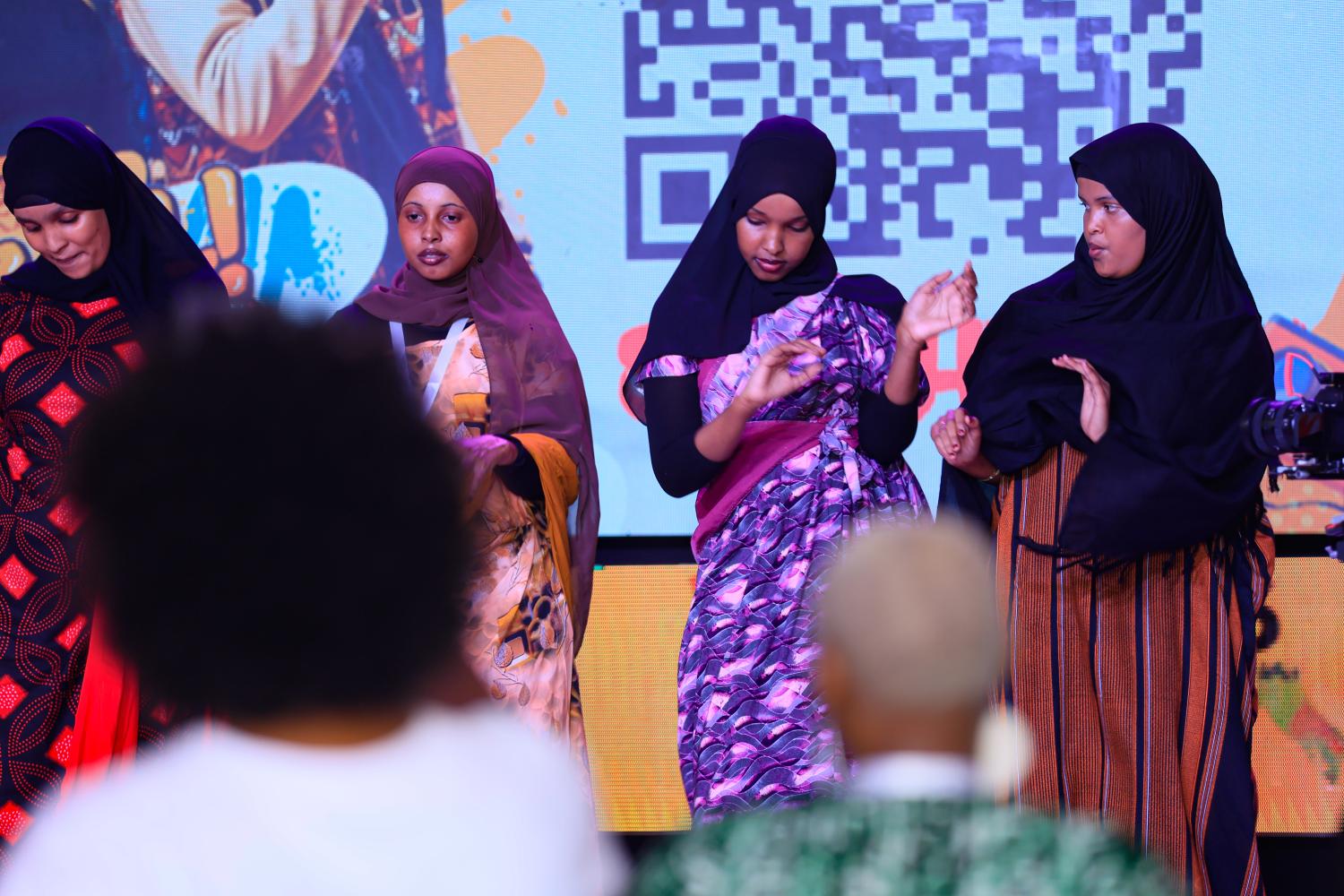
- Somalia: Delegates presented traditional dance moves, poetry, and stories celebrating nomadic heritage and resilience.
- South Sudan: Participants captivated the audience with traditional rhythmic group dances and folk songs.
- Burundi & DR Congo: Delegates performed lively drum-infused dances, seamlessly blending modern East African sounds with traditional moves.
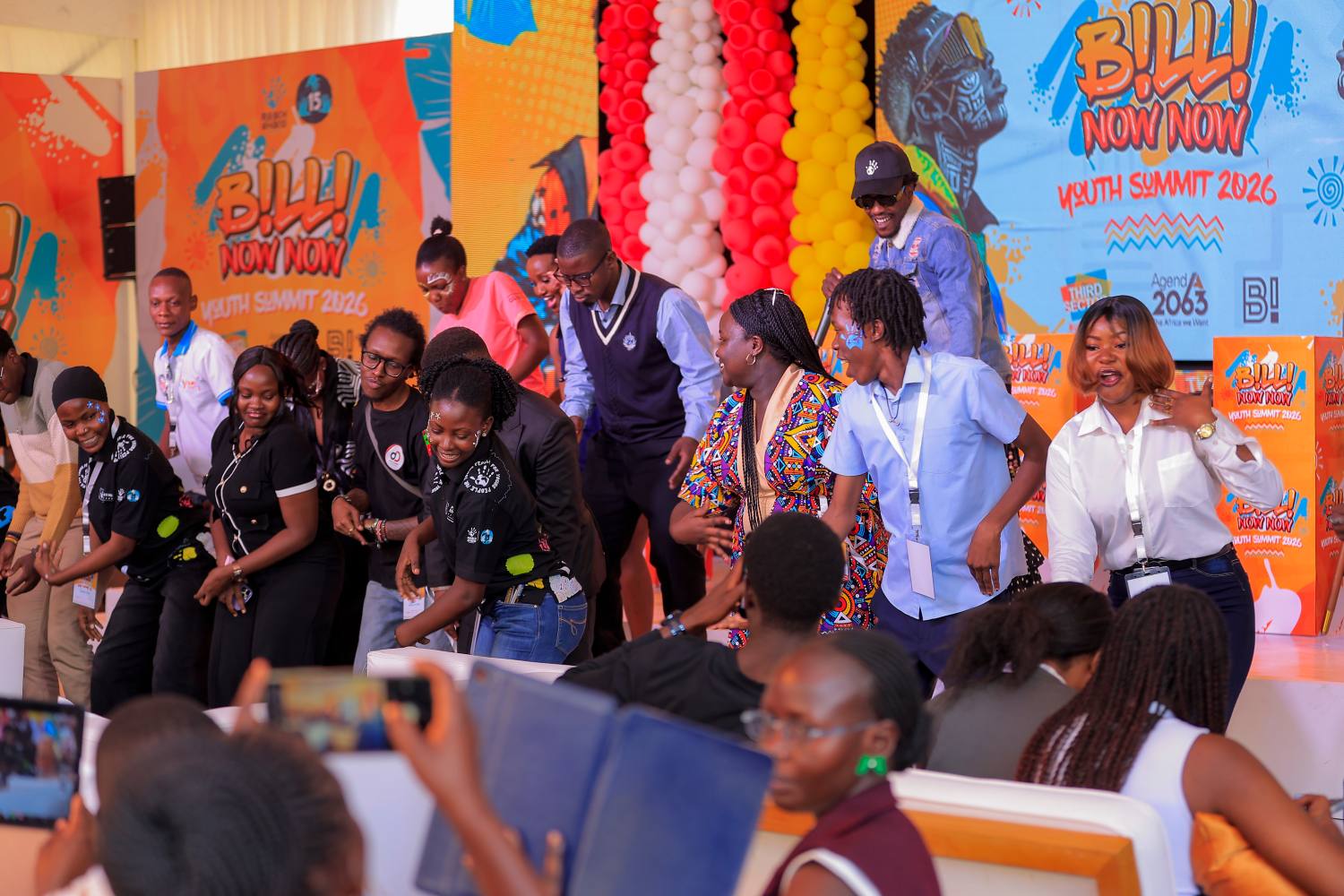
- Uganda: Local youth representatives led energetic regional folk dances that had the entire Pan-African crowd joining in on the dance floor.
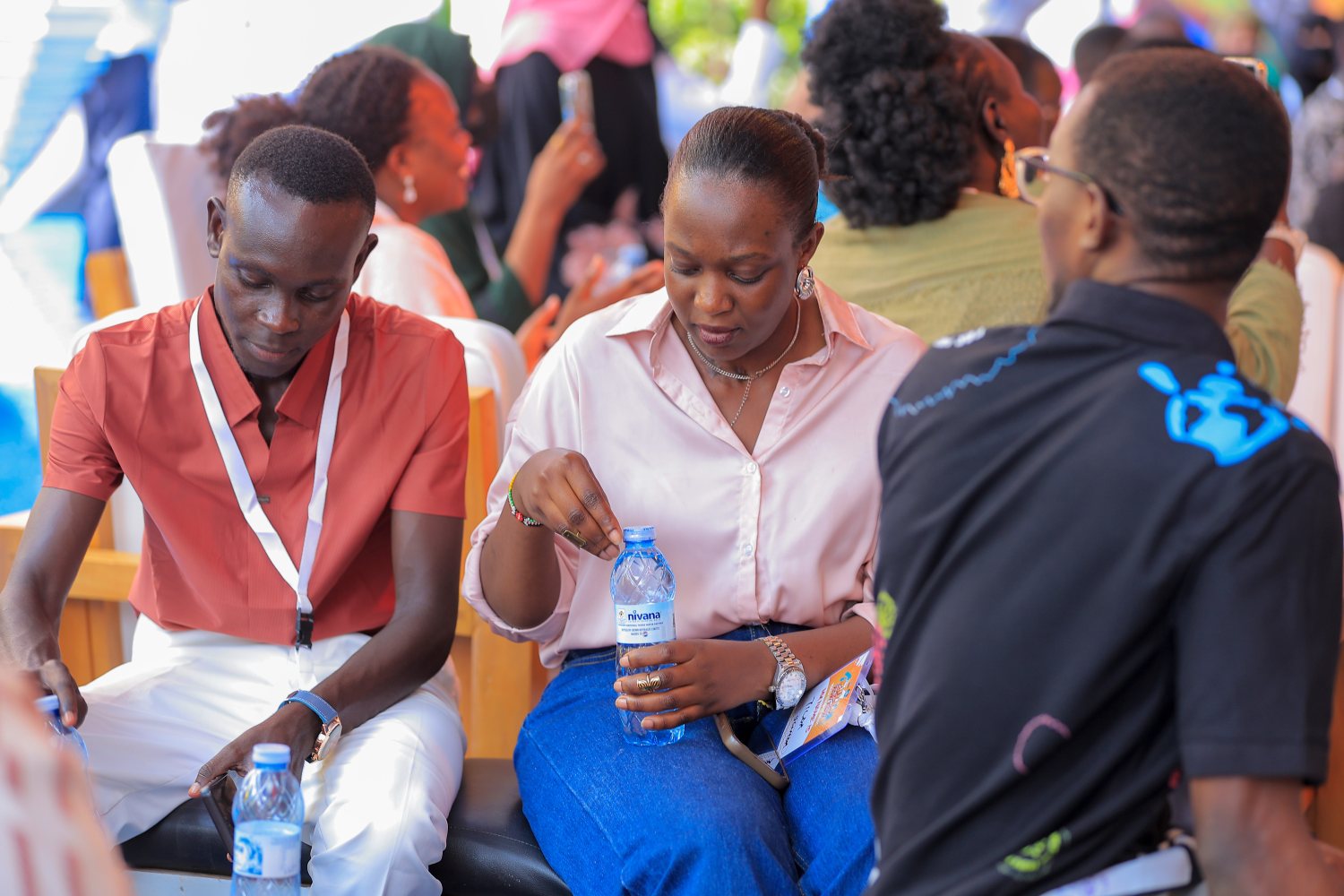
The cultural night fulfilled Minister Lakisa’s call for intentional networking—delegates exchanged contacts, built cross-border friendships, and celebrated their shared identity through music, dance, and storytelling.
What is the long-term impact of the BNN Youth Summit 2026 resolutions?
Day Two of the BNN Youth Summit 2026 proved that when young Africans are provided with genuine platforms, they move effortlessly from conversation to impact. Through strategic networking with authority figures in SRHR, development organizations, and regional technical bodies like Third Sector Builders, delegates established lasting connections that extend far beyond Kampala.
As resolutions from the Commitments Lab feed into the BNN Champions Network, Country Briefs, and Policy Playbooks, the groundwork is officially set for measurable change across the continent—laying a strong foundation for the next chapter of the Billi Now Now movement.