
Table of Contents
Seed Age — Following his scathing critique of Uganda’s risk-averse commercial banking sector, sports leader, engineer, and cultural commentator Joseph Mbazzi Muguluma (writing under his literary persona as the Oracle of Kifuuta) has published a comprehensive policy blueprint designed to transform the country’s financial architecture.
Published on Monday, October 26, 2026, the follow-up essay moves from diagnosis to solution. Titled “From Stone-age to Seed-age Banking: How Uganda’s Banks Can Fund the Beginning,” Muguluma outlines seven actionable, globally tested lending models that commercial banks—such as Centenary Bank, Stanbic Bank, Equity Bank, Absa, and Housing Finance Bank—can deploy immediately to fund early-stage entrepreneurs without risking depositor funds.
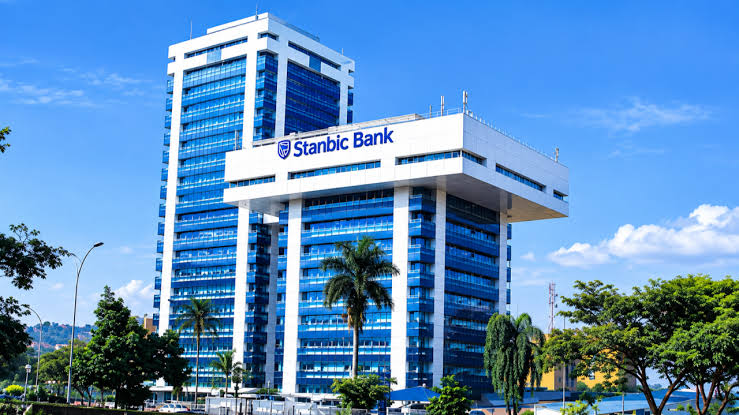
“We have insulted the darkness enough. Now let us light the candle,” the Oracle of Kifuuta declares. “The world solved what Ugandan banks call impossible long ago. Old Banking says: ‘Show me you have run for two years; I give you fuel.’ New Banking says: ‘Show me you have sweated; I give you wings!'”
What is the 7-step seed age global blueprint to transform startup banking in Uganda?
To bridge the gap between capital-starved innovators and risk-averse credit committees, Muguluma synthesizes international development banking history into a seven-tier operational model tailored for Uganda’s economy:
1. The Germany Model: Technical Audits Over Account Audits
In 1850, when Germany was a poor, agrarian society, banks like Deutsche Bank and KfW did not send accountants to review non-existent financial ledgers. They deployed technical teams of engineers and agronomists to evaluate industrial concepts, funding pioneers like Alfred Krupp when he possessed only a small iron shed. Ugandan banks must establish dedicated Start-Up Technical Desks staffed by engineers and agricultural experts who evaluate hardware functionality rather than historical balance sheets.
2. The Japan Model: Sweat Equity as Primary Collateral
Following the destruction of World War II in 1945, Japanese institutions like Mitsubishi and Sumitomo recognized physical labor and personal capital as collateral. If a Ugandan entrepreneur invests UGX 50 million building a warehouse in Njeru Nyenga and imports UGX 100 million worth of machinery, that UGX 150 million investment represents “sweat equity.” Under a 40/60 co-financing formula, the client’s existing physical investment serves as security, with the bank providing the remaining 60 percent operational capital.
3. The Silicon Valley Model: Milestone-Based Capital Release
Rather than disbursing large cash sums upfront, venture lenders in Silicon Valley release funds in strict operational tranches. For a youth launching a garbage-to-charcoal recycling facility in Katwe, the bank disburses funds directly to vendors across verified milestones:
- Milestone 1: Disburse UGX 10 million directly to UNBS for product quality testing and certification.
- Milestone 2: Disburse UGX 30 million directly to raw material suppliers for biomass collection.
- Milestone 3: Disburse UGX 60 million upon production of the first 10 tonnes against a verified buyer contract.
4. The Bangladesh Grameen Model: Community Guarantees
Pioneered by Professor Muhammad Yunus in 1983, Grameen Bank replaced real estate titles with peer-group accountability, extending micro-loans to nine million landless borrowers with a 99 percent repayment rate. In Busembatya or Mutonto, five youth forming a processing cooperative act as mutual guarantors, using community social capital as security instead of ancestral land titles.
5. The Rwanda & Kenya Model: Purchase Order (LPO) Financing
Leveraging legal frameworks from Kenya and Rwanda, commercial banks can treat verified Local Purchase Orders (LPOs) from reputable buyers—such as UNHCR, Mukwano, or Roofings—as cash collateral. Banks discount up to 80 percent of the contract value immediately, providing working capital to fulfill orders without requiring real estate backing.
6. The Islamic & Green Fund Model: Revenue Sharing Over Fixed Interest
Traditional commercial loans carrying 24 percent fixed annual interest rates crush early-stage enterprises before cash flow stabilizes. Under revenue-sharing models utilized by the World Bank Climate Fund, UNDP Green Fund, and Islamic Banking, lenders collect a set percentage (such as 10 percent) of actual monthly sales until the principal and agreed return are recovered, aligning bank returns directly with business performance.
7. The Israel & India Model: Tripartite Risk-Sharing Frameworks
To prevent commercial banks from bearing isolated credit risks, state development agencies, innovation hubs, and commercial lenders share liability. Under this model, an innovation hub (such as the Makerere Innovation Hub) certifies technical viability, a government fund (such as Emyooga or UDB) guarantees 50 percent of the principal, and the commercial bank finances the remaining balance.
What specific regulatory laws must the Bank of Uganda enforce immediately?
While individual commercial banks can adopt these frameworks voluntarily, systemic change requires decisive intervention from the central bank and national legislature.
Muguluma outlines four immediate statutory directives for the Bank of Uganda (BoU) and Parliament:
- Enforce a 30 Percent Start-Up Lending Quota: Enact legislation mirroring Rwanda’s Business Development Fund (BDF) framework, requiring commercial banks to allocate at least 30 percent of their total loan portfolios to first-time builders, green energy initiatives, and manufacturing startups. Non-compliant banks should face a 5 percent statutory penalty redirected into a national industrial fund.
- Establish a National Sweat Equity Register at URSB: Mandate the Uganda Registration Services Bureau (URSB) to create a formal registry where early-stage factory structures, specialized machinery, and verified equipment can be officially registered and legally recognized as commercial collateral.
- Mandate Technical Evaluation Desks: Require every tier-one commercial bank operating in Uganda to employ qualified engineers, agronomists, and climate specialists on their credit committees, shifting risk assessment away from pure accounting metrics.
- Grant Tax Exemptions on Startup Interest Income: Provide a three-year corporate tax exemption to commercial banks on all interest earned from loans extended to manufacturing and recycling enterprises under two years old.
How can young Ugandan entrepreneurs access capital outside traditional commercial banks?
Recognizing that structural banking reforms take time to implement, the Oracle of Kifuuta outlines practical alternative funding channels currently available for young entrepreneurs holding viable industrial projects:
- Uganda Development Bank (UDB): Offers patient, lower-interest industrial development capital designed specifically for manufacturing, agro-processing, and primary production.
- Presidential Initiative on Wealth and Job Creation (Emyooga) & PDM: Accessible, community-level micro-finance structures that prioritize sector SACCOs without requiring traditional bank collateral.
- International Green Capital Facilities: Dedicated climate funds—including the UNDP Green Innovation Fund, the World Bank Climate Investment Fund, and the Mastercard Foundation—which actively target waste-to-energy, circular economy, and youth employment ventures.
- Off-Take Contract Discounting: Utilizing signed purchase agreements from established corporate buyers to secure invoice discounting directly from micro-finance institutions and non-bank financial intermediaries.
What are the most searched questions about startup financing and banking reforms in Uganda?
What is sweat equity collateral in startup banking?
Sweat equity collateral refers to the non-monetary and monetary investments an entrepreneur has already put into a business—such as physical construction, machinery purchases, personal labor, and early product development—which modern banks recognize as valid security for co-financing.
How does LPO financing work for small businesses in Uganda?
Local Purchase Order (LPO) financing occurs when a bank or financial institution extends working capital to a supplier based on a verified purchase contract from a credible buyer. The bank advances a percentage of the contract value directly to cover production costs, collecting repayment when the buyer settles the final invoice.
Who is Joseph Mbazzi Muguluma (The Oracle of Kifuuta)?
Joseph Mbazzi Muguluma—popularly known as MMJ Immanuel Ben Misagga—is a Ugandan sports leader, engineer, and public commentator. A former president of SC Villa (2014–2018) and President Emeritus of Nyamityobora FC, he writes extensively on economic policy, industrialization, football governance, and cultural philosophy under his persona as the Oracle of Kifuuta.
A commercial banking system that functions merely as a warehouse for existing wealth will perpetually stall national industrialization. Real banking operates as a midwife—holding the hand of enterprise during labor, recognizing sweat as collateral, and funding the seed so that the seed can build the future.