
Table of Contents
For over four decades, the lush valleys of Ankole in Western Uganda have been endowed with peace, modern infrastructure, and an iconic heritage asset—the sacred Ankole Long-Horn cattle. Yet, despite this rich cultural and agricultural foundation, the region risks leaving its younger generation behind by exporting raw produce and relying on basic subsistence.
In a biting, visionary economic reflection titled “ANKOLE: THE VALLEY THAT CRIED IN ITS SLEEP,” prominent sports leader, commentator, and former SC Villa President Joseph Mbazzi Muguluma (Immanuel Ben Misagga) issues a stark wake-up call to the region. Misagga challenges Ankole’s leaders and citizens to move away from political gossip and endless talks over Enturire (traditional banana-sorghum wine) and instead embrace massive industrialization—specifically proposing the creation of an “Ankole Gold” chocolate, beef, and leather processing empire.
What is the forgotten ‘covenant’ according to Ben Misagga?
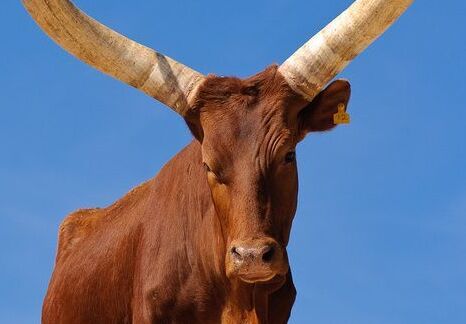
Misagga argues that Ankole’s true economic identity was never rooted in copying crops like matooke or importing rice from neighboring countries, but in the legendary Ankole Long-Horn cow—an animal whose unique aesthetic, high-fat milk, and premium hides hold immense global value.

“In the beginning, God did not give Ankole matooke. He did not give us rice. He gave us THE COW,” Misagga writes. “The Long-Horn. Horns like the moon. Milk like honey. Skin that kings in Cape Town pay $10,000 for one animal. That was our covenant. Our Swiss watch. Our gold mine that walks and breathes.”
However, rather than building world-class brands around this heritage asset over the past 40 years of peace and government programs like NAADS, OWC, and the Parish Development Model (PDM), Misagga laments that the region kept its wealth locked in kraals and raw jerrycan sales while time passed by.
How does Ben Misagga compare Ankole’s progress with global leaders like Lee Kuan Yew, Paul Kagame, and Katikkiro Mayiga?
To demonstrate that economic transformation requires local initiative rather than waiting for central government hand-outs, Misagga draws powerful parallels with transformative regional and global leaders:
- Katikkiro Charles Peter Mayiga (Buganda): Through the “Emwanyi Terimba” campaign over the past decade, Buganda mobilized millions to plant coffee, build factories, and establish direct export brands without waiting for state house directives.
- Lee Kuan Yew (Singapore): Transformed a small island with zero natural resources or water into Asia’s financial capital by building local institutions rather than waiting for external aid.
- Paul Kagame (Rwanda): Rebuilt a post-1994 nation into a clean, digital economy, branding “Rwandan Coffee” into global franchises like Starbucks.
- Deng Xiaoping (China): Turned a humble fishing village in Shenzhen into a global manufacturing hub of 17 million people.
- Narendra Modi & Amul (Gujarat, India): Championed dairy cooperatives like Amul, turning Gujarat’s local milk supply into a global $10 billion agricultural giant.
Misagga contrasts these success stories with Ankole’s hesitation:
| Region / Nation | Natural Endowment | Value-Addition Built | Ankole’s Comparison |
| Buganda | Coffee Soils | Commercial Coffee Farms & Export Brands | Copied matooke farming |
| Switzerland | Cows & Cold Weather | $200B Global Chocolate & Watch Industry | Raw milk sold in jerrycans |
| France | Grapes | Cognac ($500/bottle) | Basic milk consumed in tea |
| Gujarat (India) | Dairy Farming | Amul ($10B Dairy Brand) | No global dairy brand |
| Ankole | Ankole Cattle & Fertile Valleys | Underutilized Potential | Imports rice from Tanzania |
What is the ‘Chocolate Manifesto’ proposed by Ben Misagga?
To reverse 40 years of underutilized opportunity, Misagga outlines a bold, actionable economic roadmap dubbed “The Ankole Revival” or “The Ankole Chocolate Manifesto”. The blueprint focuses on combining agricultural diversification with industrial processing:
- Mass Cocoa Cultivation Across Western Uganda: Plant cocoa extensively across districts including Bushenyi, Ntungamo, Rubirizi, Bundibugyo, Ibanda, Isingiro, Rubare, Nyakabande, and Ntoroko to transform green hills into cocoa-gold production belts.
- Establish the ‘Ankole Gold’ Chocolate Plant in Mbarara: Combine rich local Ankole milk with regional cocoa to produce premium, locally branded “Made in Ankole” chocolate for international markets from Dubai to London.
- Build T-Bone Steak, Leather, and Tinned Beef Factories: Stop selling live cattle for basic farmgate prices. Process premium $50 T-Bone steaks, export $500 luxury leather goods crafted from hides, and launch “Rwizi Tinned Beef” for supermarkets across East and Central Africa.
- Brand the Heritage: Position Ankole’s long-horn cattle culture as an international symbol of luxury, precision, and heritage—akin to Swiss watches or French Cognac.
Why does Ben Misagga insist that Ankole leaders cannot blame the central government?
Misagga delivers an uncompromising message on personal and regional accountability. With modern tarmac roads, regional peace, and government funding initiatives already in place, he argues that the fault for lagging industrialization lies in regional apathy and endless political debates over drinks.
“You cannot blame Museveni for your sleeping in Enturire. You cannot blame the radio for empty factories. You can only blame the mirror,” Misagga asserts. “20 years from now, your grandchild will ask: Jjaajja, Kaaka, when God gave you the cow and 40 years of peace, what did you build? What will your answer be? Will it be factories? Or will it be silence as you sip Enturire?”
Calling on leaders, youth, and investors across Western Uganda to write the “Chocolate Manifesto” today, Misagga warns that the clock is ticking—and history will not forgive a generation that had every tool to build an industrial empire but chose to remain silent.