
Table of Contents
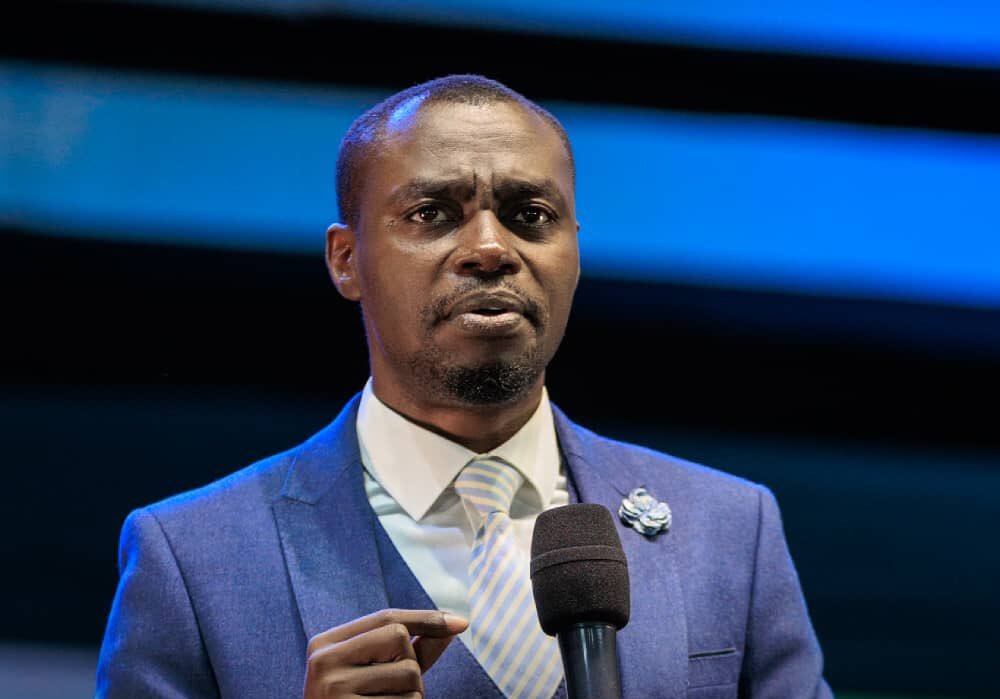
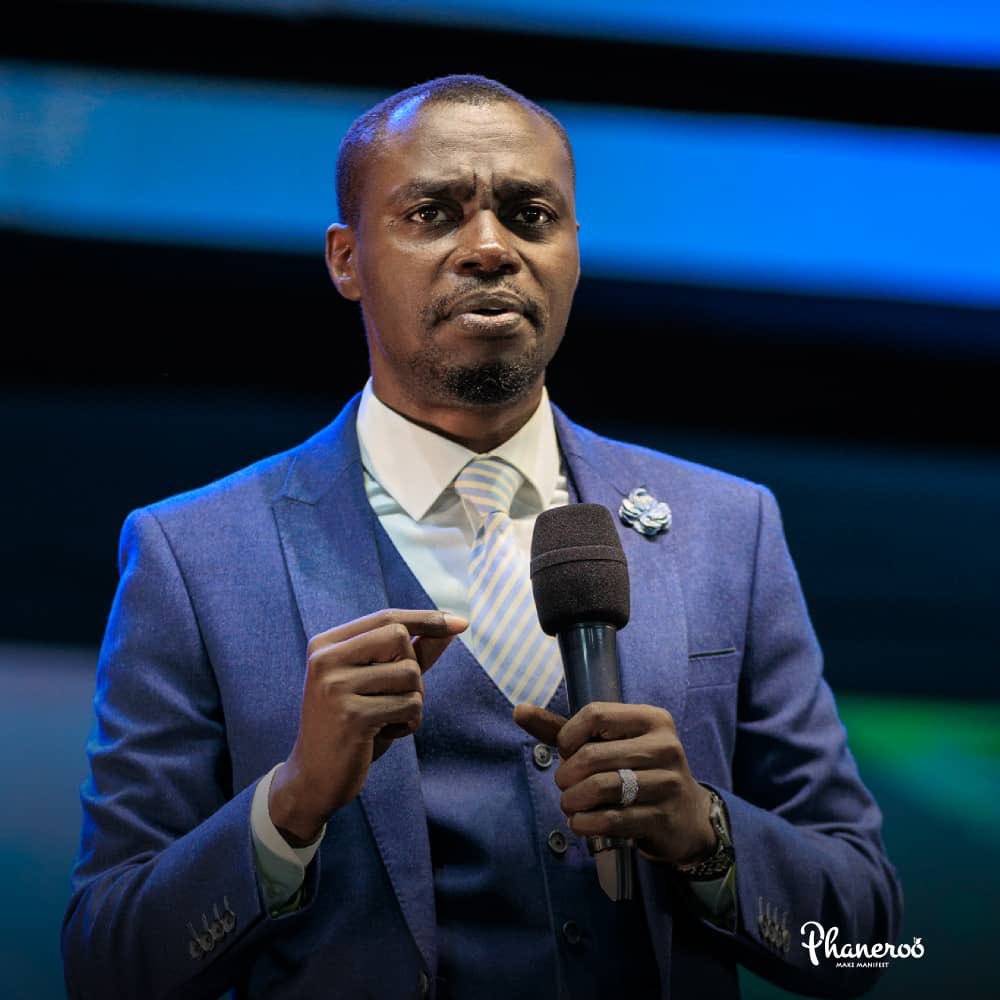
KAMPALA — A single social media post has set off a nationwide conversation across Google trends, TikTok, Facebook, and X (formerly Twitter). The viral wave began when an account named @doraforchrist posted a message on August 6, 2026, stating: “Okia William healed of HIV Thank you Apostle Grace Lubega.”
Within hours, the post accumulated hundreds of thousands of views, triggering an intense national debate surrounding faith, divine healing, medical science, and public health accountability.
As the post circulated across Ugandan digital corridors, public reaction split into distinct camps. Online humorists and skeptics flooded comment sections with memes, with users like Arafat Kato quipping: “I have a friend of mine with AIDS give me Apostles number.” Others raised recurring public questions, asking why ministers do not simply visit hospital wards to clear entire ICUs if divine healing is instantaneous.

On the other side of the aisle, thousands of faithful congregants and supporters of Phaneroo Ministries quickly stepped in to clarify theological boundaries. Believers emphasized that spiritual healing is not performed by a pastor or a human personality, but by God working through faith and prayer.
Yet beyond the viral banter and theological debates lies a critical public health conversation that touches on treatment adherence, viral suppression, and the dangerous consequences of abandoning medical prescriptions.
Why is Apostle Grace Lubega trending on social media over HIV healing claims?
The sudden online explosion highlights a long standing fascination Ugandans have with urban Pentecostal ministries and divine intervention testimonies. When high profile religious leaders like Apostle Grace Lubega are mentioned in connection with incurable medical conditions, public interest spikes instantly.
The viral moment has brought several unresolved societal questions to the surface:
- The Role of the Church: Do modern urban ministries offer physical solutions, or do they primarily cultivate spiritual faith?
- Public Perception vs. Theological Reality: While critics view public testimonies as marketing mechanisms, believers view them as sacred declarations of answered prayer.
- Lack of State Regulation: Because the government does not regulate or audit spiritual claims made within religious institutions, public debates often play out entirely on social media rather than through formal medical channels.
While social media users continues to treat the situation as viral entertainment, public health advocates warn that messaging surrounding chronic diseases must be handled with utmost care to prevent public confusion.
Can faith and prayer actually cure HIV according to religion and science?
The relationship between spiritual faith and physical healing remains one of the most complex topics in human history.
From a theological perspective, millions of believers across generations testify to spiritual interventions, unexplainable physical transformations, and miraculous recoveries that defy traditional explanations. Faith is an internal, spiritual dimension that cannot be measured, calculated, or quantified using physical instruments, mathematical formulas, or clinical trials. For millions of Ugandans, prayer provides mental strength, emotional peace, and hope in times of deep personal crisis.
From a medical and scientific perspective, however, disease eradication requires empirical, laboratory verified proof. Modern medical science operates on strict, peer reviewed testing procedures, requiring repeated blood tests, Western Blot assays, PCR viral load testing, and independent clinical verification before declaring any patient biologically cured of a virus.
Because faith and clinical science operate in two completely different realms, conflict arises when spiritual declarations are confused with clinical medical discharges.
What does an undetectable HIV viral load mean for treatment adherence?
One of the most dangerous misunderstandings surrounding HIV management involves the medical concept of viral suppression.
When a person living with HIV adheres strictly to daily Antiretroviral Therapy (ART), the medication suppresses the replication of the virus in the bloodstream. Over time, the concentration of the virus drops to levels so low that standard laboratory blood tests cannot detect it. This state is known clinically as being Undetectable.
However, an undetectable viral load is not a biological cure:
- Hidden Reservoirs: Even when the virus is undetectable in blood plasma, microscopic copies remain asleep inside body tissues and lymphatic nodes.
- The Power of ARVs: The virus remains undetectable only because daily medication keeps it locked down and inactive.
- The Danger of Stopping Treatment: If a person stops taking their daily medication because a test came back undetectable or because they feel completely healthy, the virus wakes up, replicates rapidly, and rebounds in full force.
Confusion between feeling healthy or testing undetectable and being permanently cured leads many individuals to prematurely abandon their life saving prescriptions.
What are the health risks of stopping ARVs based on religious testimonies?
For young people and individuals navigating chronic health conditions, treatment adherence is a matter of life and death. Through health awareness initiatives like the UNESCO O3 (Our Rights, Our Lives, Our Future) program, public health experts continuously emphasize that peer pressure, social stigma, and unverified cure claims pose massive threats to national health progress.
When a person living with HIV stops taking ARVs based on public influence, group pressure, or premature assumptions of healing, severe medical consequences follow:
- Viral Rebound: The suppressed virus rapidly multiplies, damaging the immune system and lowering CD4 cell counts.
- Drug Resistance: Intermittent use of medication allows the virus to mutate, rendering standard first line ARVs completely ineffective.
- Opportunistic Infections: A weakened immune system becomes vulnerable to severe secondary infections like tuberculosis and advanced pneumonia.
- Increased Transmission Risk: Maintaining an undetectable viral load prevents sexual transmission (Undetectable equals Untransmittable or U=U). Stopping medication eliminates this protection, putting partners at risk.
Believers must understand that taking daily medication does not diminish one’s spiritual faith. True wisdom involves honoring one’s faith while remaining disciplined with daily medical treatments.
How should churches and medical doctors work together on HIV management?
The ongoing public debate presents an opportunity to build a constructive bridge between the altar and the medical clinic.
Churches and religious leaders play a vital role in providing emotional comfort, moral support, and community care to those living with health conditions. However, spiritual encouragement should always reinforce, rather than replace, established medical care.
If an individual or a religious institution genuinely believes that a miraculous biological cure has occurred, the most responsible step is to seek comprehensive, independent medical verification across multiple certified laboratories:
- Documenting Anomalies: If an individual’s blood work consistently demonstrates complete biological clearance of the virus under rigorous medical scrutiny, documenting the case through clinical research could provide invaluable data to global scientists searching for a universal HIV cure.
- Encouraging Medical Adherence: Religious institutions can use their massive platforms to urge congregants to stay on their ARVs, framing daily medication as a gift of modern wisdom.
Until clinical science officially confirms an absolute cure, daily treatment adherence remains the only proven path to living a long, healthy, and fulfilling life. Faith inspires the spirit, but adherence protects the body.