
Table of Contents
The Ugandan government has officially directed all bars, local brew (Malwa) drinking joints, and alcohol-selling establishments across the country to remain closed until 3:00 PM on working days.
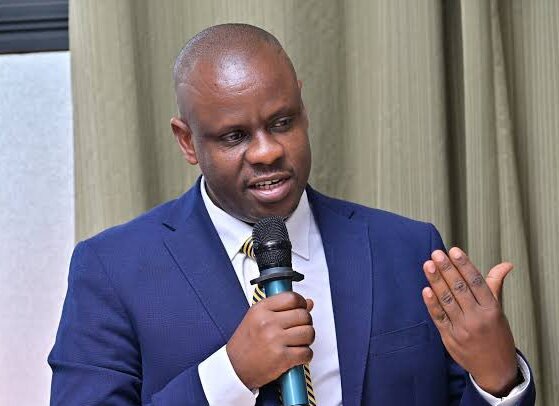
The directive, issued on Tuesday, August 11, 2026, by Minister Balaam Barugahara Ateenyi, instructs all local government leaders—including LC5 chairpersons, city mayors, division mayors, and council speakers—to immediately coordinate with joint security teams and local enforcement officers to implement the restrictions.
The policy shift targets early-morning drinking habits that government officials say have devastated household economies, compromised agricultural productivity, and fueled rising crime rates across rural and urban communities.

Why did the Ugandan government ban bars and Malwa joints from opening before 3pm?
The decision to restrict alcohol operating hours stems from growing government concern over citizens spending productive morning hours drinking rather than engaging in economic activities such as farming, trade, and formal employment.
Minister Balaam Barugahara emphasized that excessive early-morning drinking has left many capable young adults trapped in idleness, leading to severe health complications and untimely deaths when individuals consume high-consequence alcohol on empty stomachs without eating food.
The minister explained that government intervention is necessary to guide society toward economic self-reliance, particularly as the nation rolls out poverty alleviation initiatives such as the Parish Development Model (PDM). By encouraging citizens to dedicate morning hours to hard work, the government anticipates an increase in household incomes, enhanced national productivity, and expanded tax revenues needed to drive infrastructure and social development.
Also read about the new cabinet
What are the legal penalties for selling alcohol to minors under 18 in Uganda?
Alongside the 3:00 PM operating restriction, the ministerial circular orders an immediate, zero-tolerance crackdown on business operators supplying alcohol to children and teenagers under the age of 18.
Under the new directives, bar owners, shopkeepers, supermarket operators, and informal Malwa joint managers who sell or serve alcohol to minors are to be arrested immediately and prosecuted in accordance with national laws.
Local government authorities and joint security enforcement teams have been instructed to monitor commercial centers continuously. Outlets found repeatedly violating operating hours or supplying alcohol to underage citizens will face permanent closure, revocation of operational licenses, and severe legal sanctions.
How will local government council sittings and sports betting operations be regulated?
In addition to alcohol restrictions, the circular introduces mandatory regulations governing the sports betting industry and local council transparency:
- Regulating Betting Hours: Local governments must establish and enforce strict operating hours for sports betting companies within their jurisdictions to protect young people from addictive, disruptive gambling habits during working hours.
- Media Access to Local Councils: All local government councils are now required to grant journalists and members of the press unrestricted access to council sittings, mirroring the open-door policy of the National Parliament.
- Public Budget Displays: Local councils must publicly display their approved budgets on main notice boards, allowing residents to track public expenditure, monitor community projects, and conduct citizens-led audits.
Minister Barugahara urged local government leaders to take personal responsibility for enforcing these reforms, emphasizing that transparency, child protection, and community discipline must take priority across all districts.
What do WHO statistics show about alcohol consumption levels and health risks in Uganda?
The government crackdown aligns with longstanding public health warnings issued by international health organizations regarding harmful alcohol consumption in East Africa.
Data from the World Health Organization (WHO) reveals that Uganda’s annual per capita alcohol consumption stands at an estimated 12.2 liters of pure alcohol per person—more than double the African regional average of 6.3 liters and global averages of 6.18 liters.
Health experts link hazardous alcohol consumption to over 200 medical conditions, including liver cirrhosis, cardiovascular diseases, cancers, and severe mental health disorders. Furthermore, WHO estimates reveal that 13 percent of all alcohol-attributable deaths occur among young adults aged 20 to 39, destroying a critical segment of the national labor force. By restricting daytime access to alcohol and betting, the government aims to mitigate these public health risks and foster a healthier, more productive population.