
Table of Contents
When did Museveni announce the new cabinet?
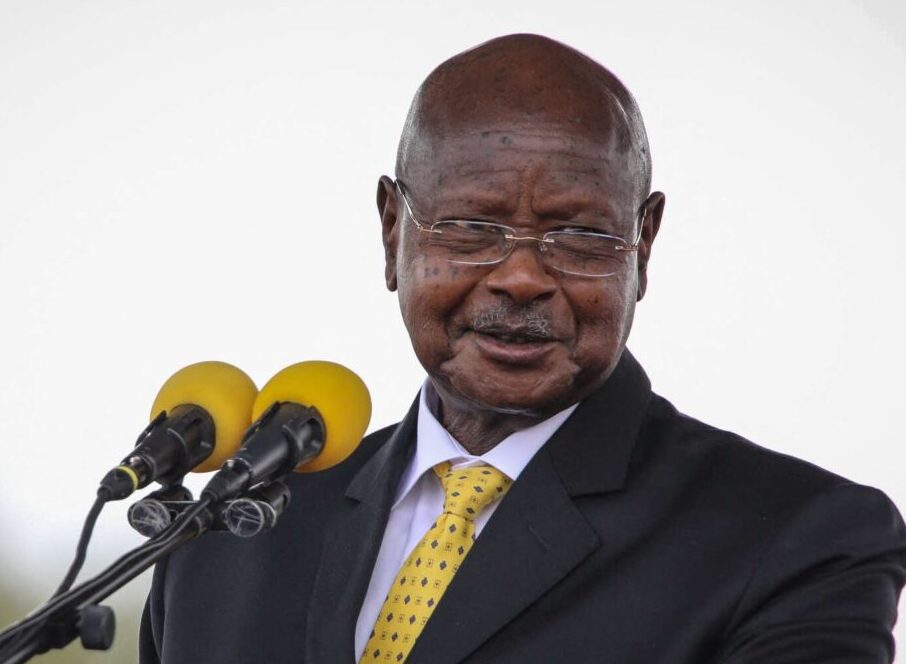
Today, 26 May 2026, President Yoweri Kaguta Museveni has proposed a new cabinet lineup, drawing on constitutional powers under Articles 108(1) and (2), 108A(1), 111(1), 113(1), and 114(1) of the 1995 Constitution of Uganda. The list, shared via his official X account (@KagutaMuseveni), signals a blend of experienced loyalists, technocrats, and emerging figures aimed at driving the National Resistance Movement (NRM) government’s priorities in economic development, regional integration, security, and service delivery.
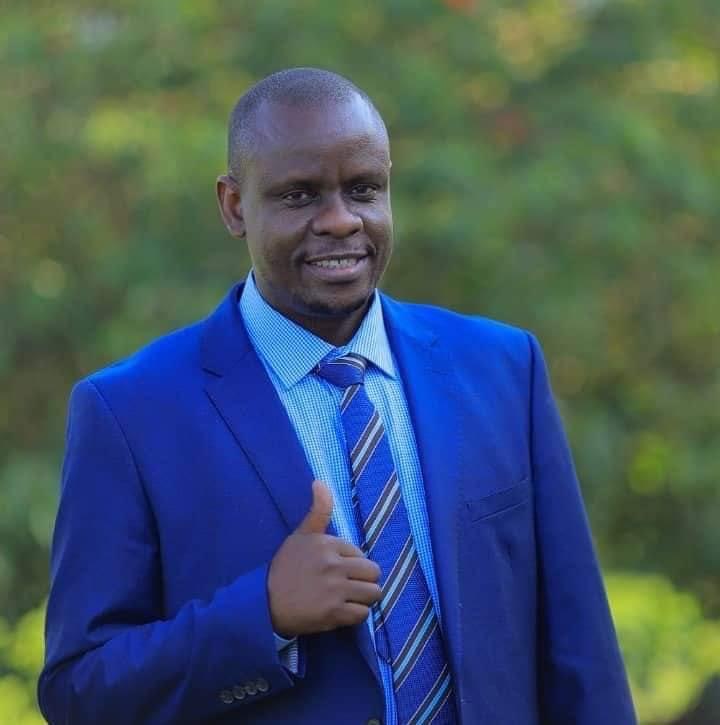
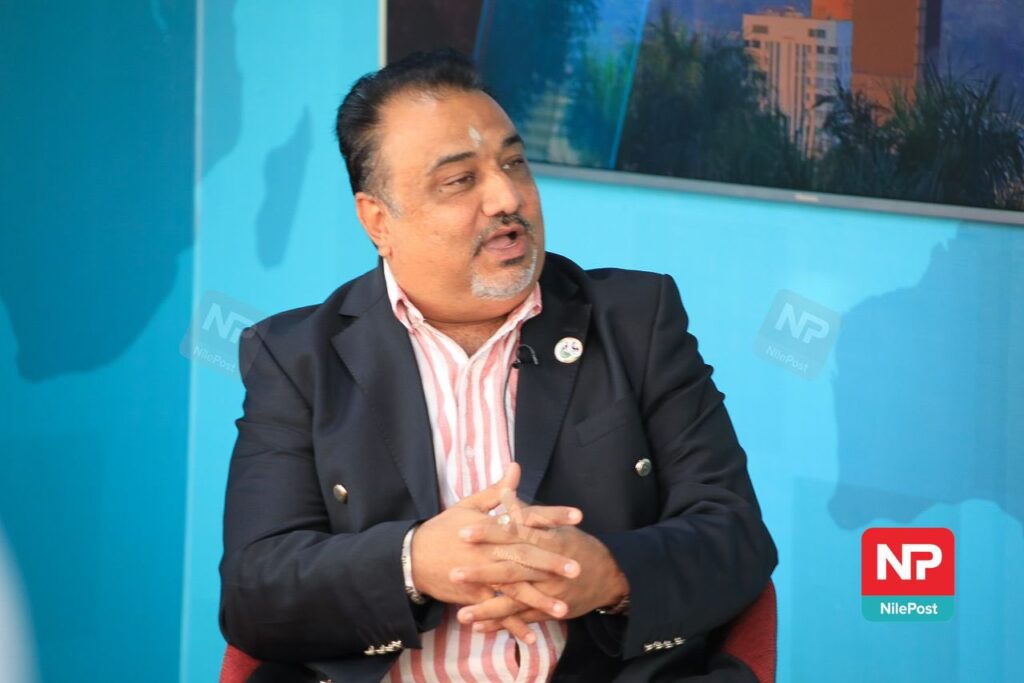
This cabinet comes amid expectations of a performance-based reshuffle, with some long-serving officials retained for stability while others make way for new blood. As Uganda navigates post-election priorities, the appointments reflect efforts to balance regional representation, gender considerations, and expertise in key sectors.
Also read about Anita Among
Who Has Been Retained in Top Leadership Positions?
Several key figures from the previous 2021-2026 administration maintain prominent roles, underscoring continuity in governance.
- Vice President: Hon. Jessica Rose Epel Alupo, Maj. Rtd., retains her position, providing steady leadership in the executive.
- Prime Minister: Rt. Hon. Robinah Nabbanja continues as Prime Minister and Leader of Government Business in Parliament.
- First Deputy Prime Minister: Rt. Hon. Rebecca Kadaga holds the dual role of 1st Deputy Prime Minister and Minister for East African Community Affairs, leveraging her experience in regional diplomacy and legislative matters.
- Education and Sports: Hon. Janet Kataaha Museveni remains at the helm, a consistent presence in shaping Uganda’s human capital development.
- Other holdovers include figures like Hon. Babirye Milly Babalanda (Minister, Office of the President, Presidency), Hon. Jim Muhwezi (Security), Hon. Minsa Kabanda (Kampala Capital City and Metropolitan Affairs), and Hon. Judith Nabakooba (Lands, Housing and Urban Development), among others.
These retentions suggest President Museveni’s confidence in their track records for maintaining stability during the new term.
Which High-Profile Figures Are New or Elevated in the Cabinet?
The 2026-2031 lineup introduces several notable appointments and shifts:
- 2nd Deputy Prime Minister: Hon. Dr. Crispus Walter Kiyonga takes on this role alongside Deputy Leader of Government Business.
- 3rd Deputy Prime Minister: Hon. Lukia Nakadama continues but in a Minister without Portfolio capacity.
- Finance: Hon. Henry Musasizi steps into the critical Ministry of Finance, Planning and Economic Development.
- Defence: Hon. Kiryowa Kiwanuka assumes leadership at Defence and Veterans Affairs.
- Health: Hon. Dr. Chris Baryomunsi moves to Minister of Health.
- Foreign Affairs: Amb. Adonia Ayebare brings diplomatic experience to the Ministry of Foreign Affairs.
- Justice: Hon. Norbert Mao, a former opposition figure, takes the Justice and Constitutional Affairs docket, signaling potential inclusivity.
- Public Service: Gen. Katumba Wamala is appointed Minister of Public Service, a potentially significant elevation.
Newer or less familiar names in full ministerial roles include Eng. Asiimwe Jonard (Science, Technology and Innovation), Hon. Lokii John Baptist (Karamoja Affairs), and Hon. Sanjay Tanna (Trade, Industry and Cooperatives). These appointments may reflect a push for specialized expertise and regional balance.
Who Appears to Be Out or Reassigned from Previous Roles?
While the full details of departures require official confirmation, comparisons with the 2021-2026 cabinet indicate shifts. Long-serving figures like some previous Ministers of State or those in reshuffled dockets (e.g., potential moves for individuals like Hon. Kenneth Omona, noted as transferred to diplomatic service) are making way.
Outright drops or non-reappointments in visible roles often stem from performance reviews, age considerations, or political realignments. Analysts anticipate that ministers associated with underperforming sectors or recent controversies may have been sidelined in favor of fresher leadership.
Notable among those exiting the cabinet is Hon. Dr. Kenneth Omona, who has been reassigned to the Diplomatic Service as Ambassador.
Full List of Proposed Cabinet Appointments (2026-2031)
Vice President and Prime Minister
- Vice President: Hon. Jessica Rose Epel Alupo, Maj. Rtd.
- Prime Minister and Leader of Government Business in Parliament: Hon. Robinah Nabbanja
Cabinet Ministers
- 1st Deputy Prime Minister and Minister for East African Community Affairs: Rt. Hon. Rebecca Kadaga
- 2nd Deputy Prime Minister and Deputy Leader of Government Business in Parliament: Hon. Dr. Crispus Walter Kiyonga
- 3rd Deputy Prime Minister and Minister without Portfolio: Hon. Lukia Nakadama
- Minister of Education and Sports: Hon. Janet Kataaha Museveni
- Minister, Office of the President, Presidency: Hon. Babirye Milly Babalanda
- Minister, Office of the President, Security: Hon. Jim Muhwezi
- Minister, Office of the President in charge of Science, Technology and Innovation: Eng. Asiimwe Jonard
- Minister for Kampala Capital City and Metropolitan Affairs: Hon. Minsa Kabanda
- Minister, Office of the Prime Minister, General Duties: Hon. Eng. Hillary Onek
- Government Chief Whip: Hon. Justine Kasule Lumumba
- Minister, Office of the Prime Minister, Relief, Disaster Preparedness and Refugees: Hon. Sam Engola
- Minister for Karamoja Affairs: Hon. Lokii John Baptist
- Minister of Agriculture, Animal Industry and Fisheries: Hon. Frank Tumwebaze
- Attorney General: Hon. Sam Mayanja
- Minister of Defence and Veterans Affairs: Hon. Kiryowa Kiwanuka
- Minister of Energy and Mineral Development: Hon. Dr. Monica Musenero Musanza
- Minister of Finance, Planning and Economic Development: Hon. Henry Musasizi
- Minister of Foreign Affairs: Amb. Adonia Ayebare
- Minister of Gender, Labour and Social Development: Hon. Lt. Gen. Henry Tumukunde Kakurugu
- Minister of Health: Hon. Dr. Chris Baryomunsi
- Minister of Information, Communications Technology and National Guidance: Hon. Jane Ruth Aceng Ocero
- Minister of Internal Affairs: Hon. Prof. Ephraim Kamuntu
- Minister of Justice and Constitutional Affairs: Hon. Norbert Mao
- Minister of Lands, Housing and Urban Development: Hon. Judith Nabakooba
- Minister of Local Government: Hon. Balaam Barugahara
- Minister of Public Service: Gen. Katumba Wamala
- Minister of Tourism, Wildlife and Antiquities: Hon. Tom Butime
- Minister of Trade, Industry and Cooperatives: Hon. Sanjay Tanna
- Minister of Water and Environment: Maj. Gen. Kahinda Otafiire
- Minister of Works and Transport: Hon. Byamukama Fred
Ministers of State (Full List)
Here is the complete official list of proposed Ministers of State:
Office of the President
- Economic Monitoring: Hon. Alum Sandra Santa
- Ethics and Integrity: Hon. Akello Rose
Office of the Vice President
- Minister of State: Hon. Mutasingwa Diana Nankunda
Office of the Prime Minister
- Relief, Disaster Preparedness and Refugees: Hon. Lillian Aber
- Northern Uganda: Hon. Beatrice Akello
- Karamoja: Hon. Anyakun Esther Davinia
- Luwero Triangle-Rwenzori Region: Hon. Alice Kaboyo
- Bunyoro Affairs: Hon. Grace Mary Mugasa
- Teso Affairs: Hon. Dr. Ongalo-Obote
Ministry of Agriculture, Animal Industry and Fisheries
- Agriculture: Hon. Desire Muhooza
- Animal Industry: Hon. Bright Rwamirama
- Fisheries: Hon. Migadde Robert Ndugwa
Ministry of Justice and Constitutional Affairs
- Deputy Attorney General: Hon. Jackson Kafuuzi
Ministry of Defence and Veteran Affairs
- Defence: Hon. Akifeza Grace Ngabirano
- Veteran Affairs: Hon. Oleru Huda
Ministry of East African Affairs
- East African Affairs: Hon. Magode Ikuya
Ministry of Education and Sports
- Higher Education: Hon. Dr. John Chrysostom Muyingo
- Primary Education: Hon. Phyllis Chemutai
- Sports: Hon. Peter Ogwang
Ministry of Energy and Mineral Development
- Energy: Hon. Sidronius Opolot Okasai
- Minerals: Hon. Phiona Nyamutoro
Ministry of Finance, Planning and Economic Development
- General Duties: Hon. Cissy Mulondo
- Planning: Hon. Amos Lugoloobi
- Privatization and Investment: Ms. Amina Mukalazi
- Micro-Finance: Hon. Shartsi Kutesa Musherure
Ministry of Foreign Affairs
- International Affairs: Hon. Calvin Echodu
- Regional Affairs: Hon. Kyeyune Haruna Kasolo
Ministry of Gender, Labour and Social Development
- Gender and Culture: Hon. Kuteesa Mary Kamuli
- Youth and Children Affairs: Hon. Lakisa Mercy Faith
- Employment and Industrial Relations: Hon. Simon Mulongo
- Disability Affairs: Hon. Acan Joyce Okeny
- Elderly Affairs: Hon. Jacqueline Mbabazi
Ministry of Health
- General Duties: Hon. Anifa Bangirana Kawooya
- Primary Health Care: Hon. Dr. Charles Ayume
Ministry of Information, Communications Technology and National Guidance
- Information: Hon. Joyce Ssebugwawo
- National Guidance: Hon. Alioni Yorke Odria
Ministry of Internal Affairs
- Internal Affairs: Dr. Lawrence Muganga
Ministry of Kampala Capital City and Metropolitan Affairs
- Kampala Capital City and Metropolitan Affairs: Hon. Kabuye Kyofatogabye
Ministry of Lands, Housing and Urban Development
- Housing: Hon. Persis Namuganza
- Urban Development: Hon. Margaret Muhanga Mugisa
- Lands: Hon. Harriet Ntabazi
Ministry of Local Government
- Local Government: Hon. Justine Nameere
Ministry of Public Service
- Public Service: Hon. Lydia Wanyoto Mutende
Ministry of Tourism, Wildlife and Antiquities
- Tourism, Wildlife and Antiquities: Hon. Nakawuki Susan Nsambu
Ministry of Trade, Industry and Cooperatives
- Cooperatives: Hon. Tom Aza
- Industry: Hon. David Bahati
- Trade: Gen. Wilson Mbadi
Ministry of Water and Environment
- Environment: Hon. Beatrice Anywar
- Water: Hon. Aisha Sekkindi
Ministry of Works and Transport
- Works: Mr. Siraji Musa Ali
- Transport: Hon. Julius Maganda Wandera
Senior Presidential Advisors
A cadre of experienced advisors, including Hon. Hamson Obua, Hon. Ruth Nankabirwa, Hon. Francis Mwebesa, and Hon. Evelyn Anite, will support the President in various fields to be specified later.
What Do These Appointments Mean for Uganda’s Governance?
The cabinet emphasizes a mix of military backgrounds (e.g., generals and majors in key security and works roles), technocrats, and political veterans. Retaining core figures like Alupo, Nabbanja, and Kadaga ensures institutional memory, while newcomers in Finance, Defence, and Justice could inject new energy into economic management and legal reforms.
Critics may view the list as heavy on NRM loyalists, but supporters highlight its potential for effective implementation of programs in agriculture, infrastructure, and East African integration. As Parliament vets and approves these proposals, public and legislative scrutiny will focus on competence, diversity, and alignment with national development goals.
This announcement sets the stage for the next five years of governance in Uganda. Updates on parliamentary approval and any further amendments will be closely watched by citizens and analysts alike.