
Table of Contents
The Ministry of Works and Transport has successfully intervened to accelerate the production and issuance of new digital number plates under the Intelligent Transport Monitoring System (ITMS) project.
Following a strict directive from the Minister of State for Works and Transport, Hon. Fred Byamukama, the project contractors have ramped up their operations at the Kyambogo manufacturing facility to restore normal service delivery and clear a massive back-log that had paralyzed vehicle registration services across Uganda.
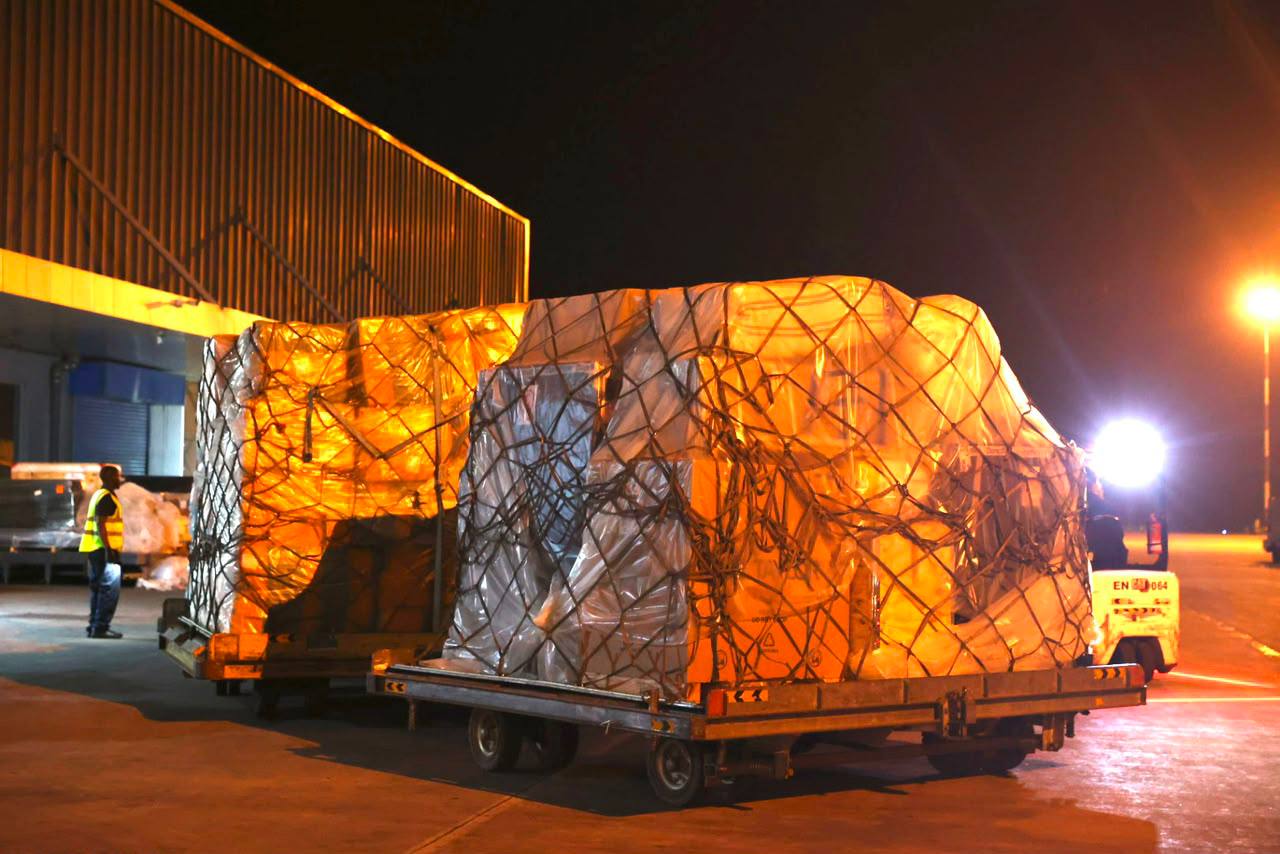
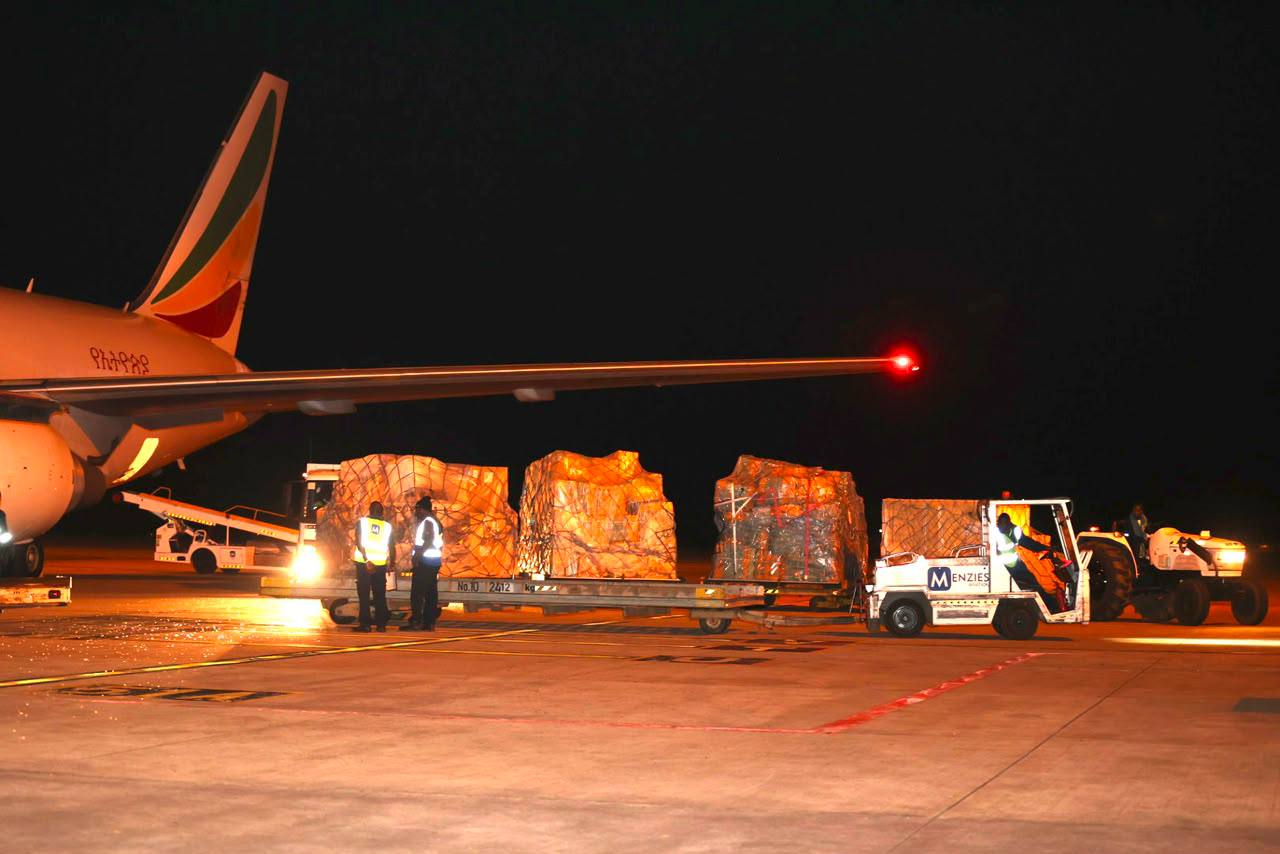
The sudden shift in production speed follows the successful arrival of critical electronic components that had been stalled by international logistics bottlenecks. With strengthened production lines, upgraded technical capacity, and newly optimized delivery protocols, the project managers are working under a strict government deadline to ensure that the current consumer backlog is entirely wiped out, paving the way for a stable and predictable rollout of the digital tracking infrastructure.
Why was there a delay in the issuance of digital number plates in Uganda?
The persistent shortage of digital number plates over the past few months was primarily driven by unexpected disruptions in the international supply chain. The project contractor, Joint Stock Company Global Security (JSCGS), revealed that the ongoing Middle East conflict heavily interrupted their raw material procurement and transport routes. Because a substantial portion of the highly specialized electronic components used to manufacture the smart plates are sourced from Russia, Italy, and Dubai, global shipping cancellations and route closures caused severe delays.
The supply chain freeze created a massive backlog that severely choked Uganda’s automotive sector. Prior to the recent component arrivals, JSCGS was sitting on an estimated Shs 5.7 billion in unfulfilled collections, translating to an undelivered backlog of approximately 6,000 motorcycle number plates and 2,000 car plates. This delay left thousands of newly imported vehicles and commercial fleets stranded in bonded warehouses across Kampala, tying up business capital, causing demurrage fees for car dealers, and preventing first-time vehicle owners from accessing public roads legally.
How did the ITMS project resolve its supply chain bottlenecks?
To build long-term supply chain resilience and circumvent the shipping gridlocks in the Middle East, the ITMS project team successfully diversified its global logistics arrangements. Rather than relying on traditional high-risk transit corridors, the company permanently rerouted its incoming component shipments through alternative transit hubs in Oman and Qatar.
This strategic logistical pivot has completely stabilized the inflow of critical tracking chips and aluminum plates into Uganda. The arrival of the latest massive consignment from these new routes has allowed the Kyambogo factory floor to run at full capacity. By establishing these secure, alternative shipping networks, the ITMS project is now protected against future geopolitical shocks, ensuring a sustainable, uninterrupted flow of manufacturing components moving forward.
What are the new deadlines to clear the digital number plate backlog?
Following an intensive on-site inspection of the Kyambogo digital number plate production plant by Hon. Fred Byamukama, the government has placed the contractor on a tight leash. The Minister chastised officials handling the project for administrative bottlenecks and ordered an immediate internal staff shake-up to clear out inefficiency.
The Ministry of Works and Transport has handed down a non-negotiable ultimatum: the contractor must resolve all outstanding production capacity challenges and completely clear the 8,000-plate backlog by August 30, 2026. ITMS project spokesperson Steven Turyarugayo confirmed that with the new Oman and Qatar supply lines fully operational, the company is on track to hit the August 30 target, restoring the standard turnaround time where motorists can receive their newly applied plates within 8 to 24 hours.
What are the primary goals of Uganda’s digital number plate system?
The digital number plate rollout is a foundational pillar of the wider Intelligent Transport Monitoring System (ITMS), a ten-year joint security and transport modernization program signed between the Government of Uganda and JSCGS. The system is designed to drastically scale down crime rates, vehicle thefts, and traffic offenses across the country through real-time tracking technology.
Every newly issued number plate is embedded with a unique Bluetooth Low Energy (BLE) tag and real-time electronic tracking features linked to a national surveillance database and AI-powered CCTV camera networks. While the immediate focus of the ministry is restoring consumer confidence by ending the supply chain crisis, the long-term objective remains building an integrated, completely traceable vehicle registration matrix to maximize public road safety and streamline national traffic management.