
Table of Contents
Airtel Africa has announced a bold commitment to connect 5000 schools to free internet services by 2027. The initiative, driven by the telecom’s philanthropic arm—the Airtel Africa Foundation—is being executed in close partnership with the United Nations Children’s Fund (UNICEF).
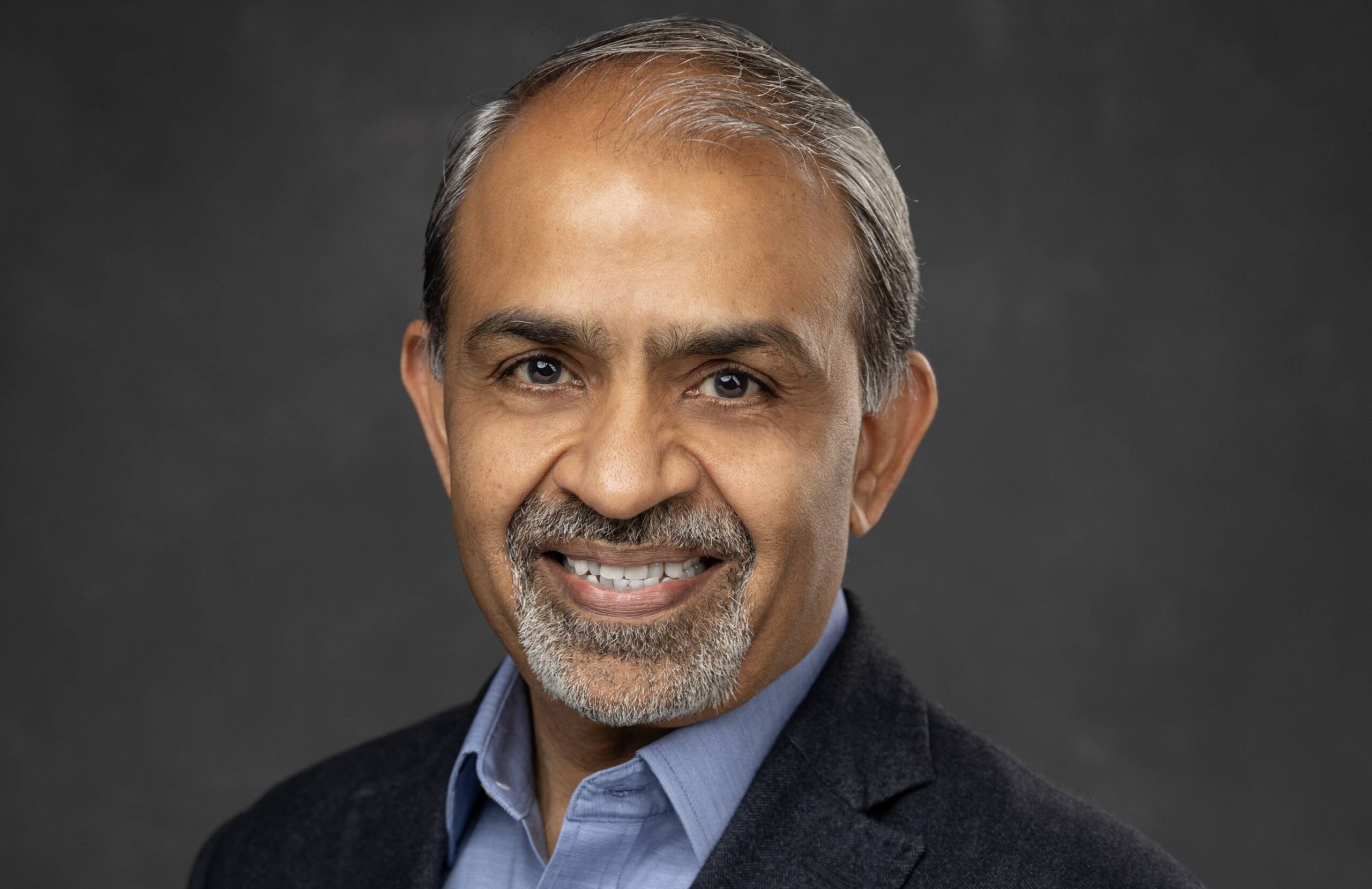
The announcement was made by Airtel Africa’s CEO, Sunil Taldar, during his visit to St. Monica’s Girls School in Lusaka, Zambia, which stands as one of the 300 schools already plugged into the digital grid under this initiative. The program aims to systematically dismantle the barriers to quality digital education by equipping classroom environments with robust connectivity and preparing teachers to deliver digital learning resources.

What is the progress of the Airtel and UNICEF 5000 Schools Connection partnership?
The free internet school connectivity initiative is backed by a massive $57 million pan-African partnership originally launched in 2021. Over the last five years, the program has made significant progress in bringing underserved communities into the digital age.
The current scale of the program, according to official data, highlights the following milestones:
| Key Program Milestone | Cumulative Progress Achieved TXT |
| Total Schools Connected | 3,296 schools across Africa |
| Total Connected Learners | Over 2 million students |
| Total Trained Teachers | Approximately 40,000 educators |
| Zero-Rated Digital Learning Platforms | 64 educational portals |
| Active Zero-Rated Platform Users | More than 11 million users |
How is Airtel Africa bridging the digital divide in African schools?
According to Airtel Africa CEO Sunil Taldar, the partnership’s focus is on establishing deep, meaningful, and sustainable digital infrastructure. Rather than simply installing hardware, the program is designed to integrate high-speed connectivity with customized, localized curricula.
Through the partnership, students can access best-in-class educational content directly from a curriculum developed by UNICEF in collaboration with various national Ministries of Education. This ensures that the digital resources match local academic standards and are deliverable through Airtel’s stable network infrastructure.
“We are also training teachers, so that they deliver digital education effectively,” stated Sunil Taldar during his address. “We aim to continue deepening meaningful connectivity in schools by providing free internet access, zero-rated platforms, and training teachers across the continent.”
This multi-layered approach has drawn significant praise from school administrators. Sister Matilda Soloko, the Headmistress of St. Monica’s Girls’ School, noted that being part of the initial phase of the program has intensified her learners’ studies by allowing them to use learning portals directly in the classroom.
Airtel Ug Begins Starlink Signal Testing Via Direct-to-Cell
Which countries are included in the Airtel School Connection program?
The School Connection program is targeted at expanding digital literacy across 13 major operating countries in Africa, ensuring that children in remote and underserved regions are equipped for the future.
The targeted nations include:
- East Africa: Kenya, Uganda, Tanzania, and Rwanda.
- West & Central Africa: Nigeria, Niger, Chad, Gabon, Congo, and the Democratic Republic of Congo.
- Southern Africa & Islands: Zambia, Malawi, and Madagascar.
By focusing on public and government-run institutions within these regions, the program ensures that children from vulnerable backgrounds are given equal access to global digital resources.
How does zero-rated data improve learning outcomes for underserved students?
A key component of this program is the zero-rating of 64 digital learning platforms. This structural change removes the financial burden of data costs from students and parents, allowing children to continue studying outside the physical classroom.
Dr. Saja Farooq Abdullah, UNICEF’s Country Representative for Zambia, highlighted that this model directly addresses systemic inequality. He noted that the partnership allows young learners to review materials, do homework comfortably, and learn at their own pace, regardless of their family’s economic status.
Yvonne Mwemba Chuulu, the Director of Secondary Education in Zambia’s Ministry of Education, added that the model supports a balanced, blended learning environment. Teachers can employ digital devices in the classroom while students continue to access curriculum portals from the comfort of their homes. She emphasized that partnership models like this are crucial because ministries of education cannot tackle the immense scale of the digital divide alone.
What are the primary pillars of the Airtel Africa Foundation?
The Airtel Africa Foundation, which serves as the core philanthropic arm of Airtel Africa plc, operates across 14 countries on the continent. The foundation has newly released its 2025/26 Annual Report, detailing its corporate progress and long-term sustainability frameworks.
The foundation’s strategy is built around four central pillars:
- Digital Inclusion: Deploying connectivity and digital infrastructure to close the digital gap in remote communities.
- Education: Equipping schools, training educators, and providing curriculum access.
- Financial Inclusion: Enhancing access to mobile financial services and digital banking for unbanked populations.
- Environmental Sustainability: Driving conservation, green energy, and climate protection programs.
As Airtel Africa and UNICEF push toward their 2027 target, the initiative stands as a primary example of how public-private partnerships can drive long-term, systemic value for the next generation of African leaders.