
Table of Contents
When did Airtel begin their Starlink signal testing?
The technological race to eliminate digital dead zones across East Africa has officially moved into low-Earth orbit. On May 19, 2026, Airtel Ug announced the formal commencement of live testing for the Starlink Direct-to-Cell satellite service. This strategic trial aims to dramatically expand mobile coverage and provide emergency communication capabilities to the country’s most isolated geographic regions.
The announcement follows a swift regulatory breakthrough in which the Government of Uganda officially cleared SpaceX’s satellite internet unit to operate domestically. By deploying this satellite-to-mobile infrastructure, Airtel Uganda is positioned as one of the first telecommunications operators on the African continent to turn low-Earth orbit (LEO) satellites into functional cellular infrastructure.
What is the Airtel Uganda and Starlink Direct-to-Cell satellite trial?
The Direct-to-Cell (D2C) trial is a collaborative pilot program designed to evaluate the real-world deployment of space-based cellular coverage within Uganda’s domestic borders. Powered by a specialized constellation of more than 650 Starlink satellites equipped with advanced phased-array antennas, the technology essentially transforms orbiting satellites into cellular towers in space.
| Technical Component | Specification & Operational Metric |
| Technology Class | Direct-to-Device (D2D) / Supplemental Coverage from Space (SCS) |
| Satellite Constellation | 650+ Low-Earth Orbit (LEO) Starlink Satellites |
| Compatible Hardware | Standard, unmodified 4G/LTE enabled smartphones |
| Initial Phase Services | Two-way text messaging, WhatsApp messaging, light data applications |
| Target Launch Horizon | Core network deployment across 14 markets by late 2026 |
| Primary Geographic Targets | Buvuma Islands, Murchison Falls National Park, remote border sectors |
Unlike traditional satellite internet networks that require heavy, specialized ground terminals or fixed satellite dishes, the Direct-to-Cell model integrates directly with existing terrestrial mobile frequencies. This allows standard, unmodified 4G LTE smartphones to lock onto a satellite signal directly when users travel out of range of traditional ground towers.
Also read about the best WordPress themes
How did the UCC regulatory framework clear the path for Starlink in Uganda?
The commencement of Airtel’s technical trials follows a highly publicized regulatory journey between the Uganda Communications Commission (UCC) and SpaceX. Just days prior to the trial announcement, President Yoweri Kaguta Museveni confirmed that the UCC had officially granted an operational license to Starlink after high-level bilateral discussions at State House, Entebbe.
The formal clearance successfully resolved a regulatory impasse from January 2026, when the network was temporarily restricted due to compliance and oversight mandates. Speaking on the strategic terms of the new agreement, President Museveni highlighted the state’s oversight priorities:
“Our interest is security, revenue assurance, and proper accountability within the telecommunications sector so that we know who is operating and who the customers are. I am pleased that Starlink has agreed to comply with Uganda’s laws and regulatory requirements as it prepares to begin service delivery in the country.”
Under the strict operational provisions authorized by UCC Executive Director George William Nyombi Thembo, Starlink is mandated to establish a localized national gateway, provide a physical point of presence, and maintain a staffed local office within Uganda. This regulatory compliance directly unlocked the green light for Airtel to plug its existing spectrum assets into the Starlink network architecture.
What are the strategic implications for hard-to-reach areas like Buvuma and Murchison Falls?
The deployment of space-based cellular coverage shifts the economics of rural telecommunications. In deep rural areas, dense forests, or scattered island archipelagos, building physical steel towers is often commercially non-viable or physically impossible due to environmental restrictions.
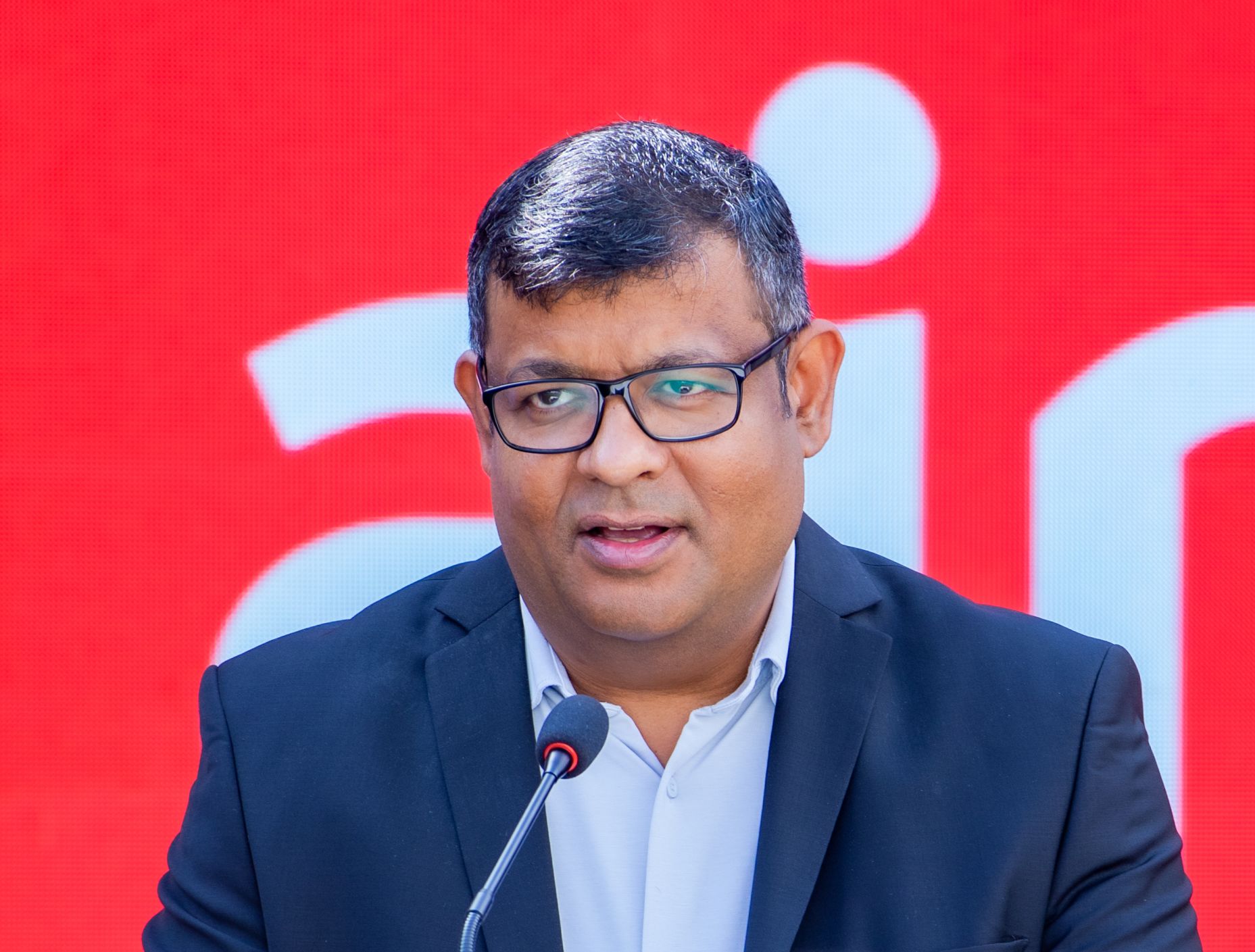
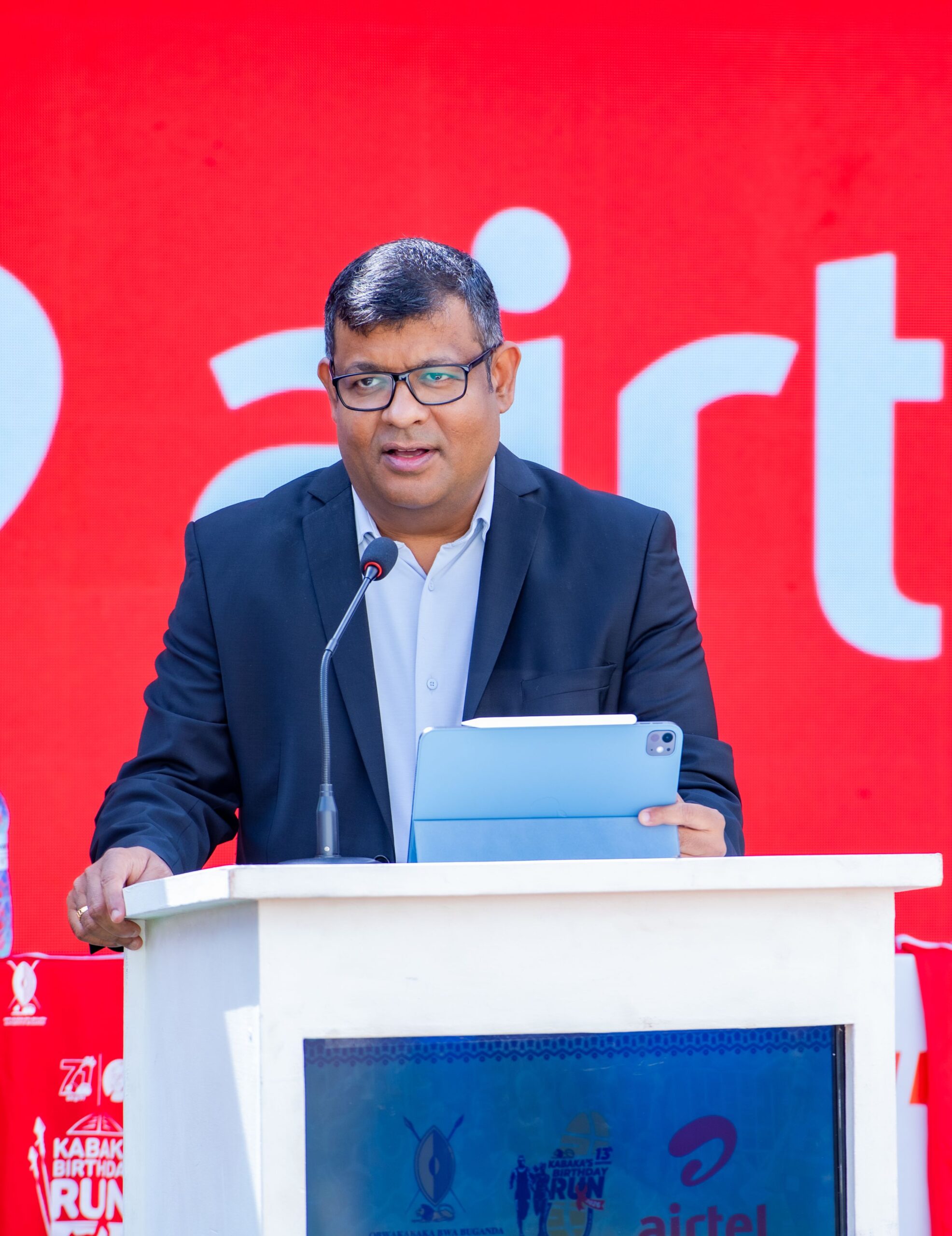
Airtel Uganda Managing Director and CEO, Soumendra Sahu, emphasized that the satellite integration acts as a critical technological leap for communities previously cut off from digital commerce:
“Today, we are pleased to begin our journey of exploring our long-awaited partnership with Starlink. This marks the start of testing a highly advanced technology that enhances smartphone network connectivity through Direct-to-Cell satellite services. This service is a game changer in extending connectivity to remote and hard-to-reach areas. The technology automatically links smartphones to satellites, improving access to calls, text messaging and selected data services.”
Sahu noted that the initial testing footprint will target prominent digital blind spots where terrain or protection status complicates network deployment. These include the water-locked communities of the Buvuma Islands and the vast safari expanses of Murchison Falls National Park.
How does the SpaceX and Airtel Africa partnership scale across the continent?
The Ugandan testing phase is the localized execution of a broad pan-African master agreement signed between Airtel Africa and Elon Musk’s SpaceX. The multi-market alliance targets the systematic rollout of satellite-to-mobile services across all 14 of Airtel Africa’s operational territories, creating a potential safety net for over 174 million subscribers.
Recent technical assessments completed by Airtel Africa’s engineering hubs demonstrated that the constellation could successfully pass traffic to standard mobile units. During these early closed-loop tests, devices successfully transmitted data through light applications, enabling basic text communication, WhatsApp messaging, and essential mobile money interactions via the Airtel app without terrestrial cell tower access.
As SpaceX continues to launch its next-generation Starlink V2 hardware aboard its rocket fleets, the operational throughput is expected to increase by nearly 20 times. This expansion pathway will gradually phase in native voice calling and broader mobile broadband services globally over the 2026–2031 cycle.
How will satellite connectivity augment Airtel’s ongoing 4G and 5G ground infrastructure?
The integration of the satellite layer is designed to act as a supplement to, rather than a replacement for, Airtel’s expanding physical footprint. Because space-based cellular beams have strict capacity thresholds that cannot match the high-speed, dense traffic handling of urban fiber-backed towers, the satellite network functions primarily as a safety layer for remote roaming and emergency resilience.
Simultaneously, Airtel Uganda continues to aggressively scale its physical network to handle high-density commercial urban traffic. The telecommunications firm confirmed the successful commissioning of 258 new 4G LTE sites alongside the expansion of its ultra-fast 5G network to 364 active sites spanning the nation’s primary urban corridors:
- Central Region: Kampala, Masaka
- Eastern Region: Jinja, Mbale
- Northern Region: Lira, Gulu
- Western Region: Fort Portal, Mbarara
Summing up the company’s long-term infrastructure direction, Soumendra Sahu detailed the structural goal of the dual-track network expansion:
“At Airtel, we continue to leverage advanced technology not only to improve our network and services but also to solve real challenges within the communities we serve. Through Direct-to-Cell services, underserved communities across Uganda will enjoy seamless connectivity, enabling them to stay connected with loved ones and access opportunities for business and growth.”
With the regulatory framework settled and technical validation underway, the final phase of trials will determine the commercial commercialization timelines. This initiative moves Uganda closer to a future where geographical isolation no longer dictates a community’s access to the digital economy.