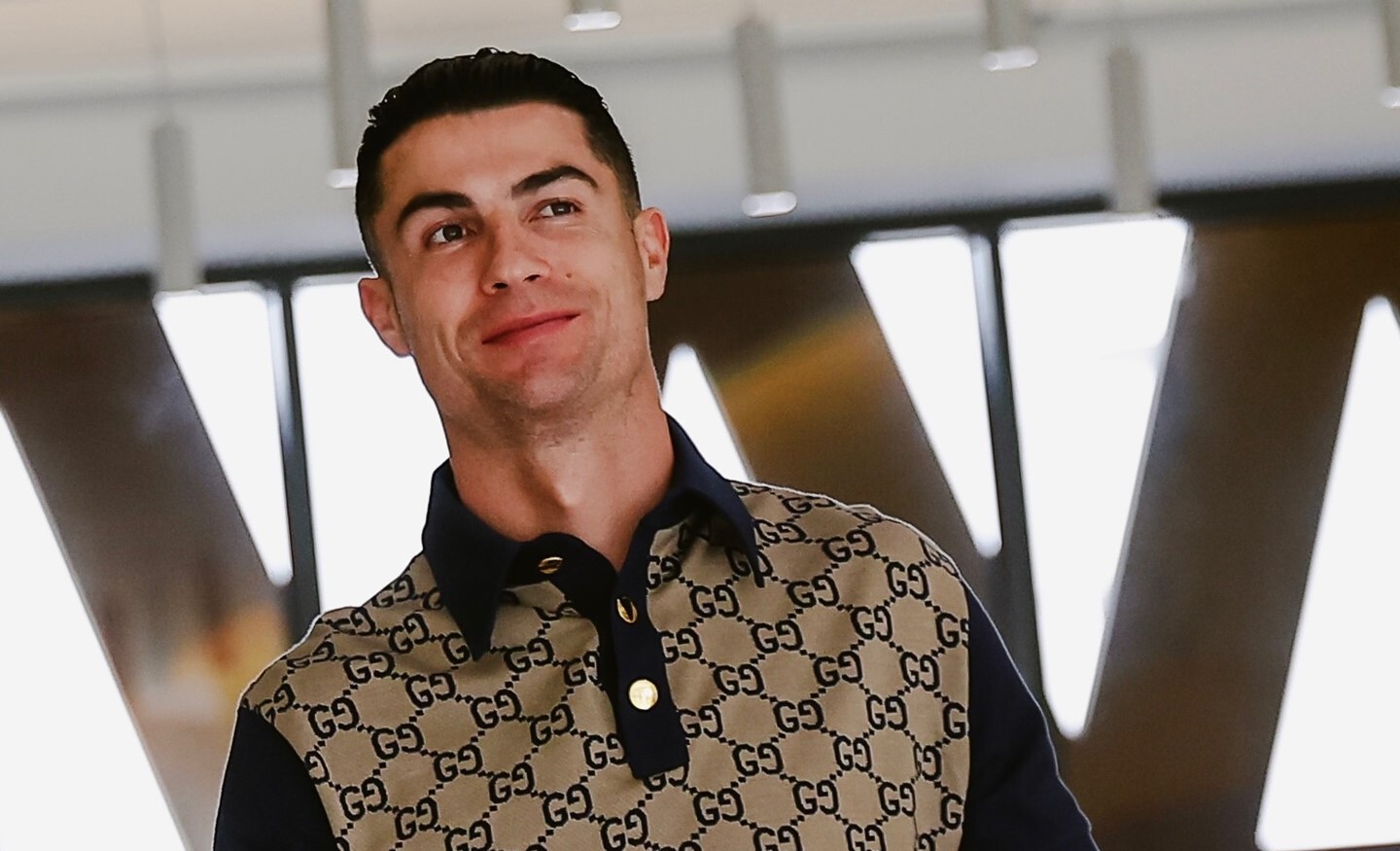

Cristiano Ronaldo has reportedly taken a bold step into football ownership by acquiring a 25% stake in Spanish side UD Almería a move that signals his growing ambitions beyond playing the game. The development positions the Portuguese icon not just as a global football figure, but as an emerging power broker within the sport’s business landscape.
While Ronaldo remains active on the pitch, this investment suggests long-term planning as he gradually transitions toward executive influence in football.
Who Is Cristiano Ronaldo and Why Does His Investment Matter?
Ronaldo is widely regarded as one of the greatest footballers of all time. A five-time Ballon d’Or winner, he has played for elite clubs including Manchester United, Real Madrid, and Juventus, and currently features for Al Nassr. He is also the all-time leading scorer for the Portugal national football team.
His global brand, commercial power, and decades of elite experience make any investment he undertakes significant. When a player of his stature steps into ownership, it carries both financial weight and international attention.
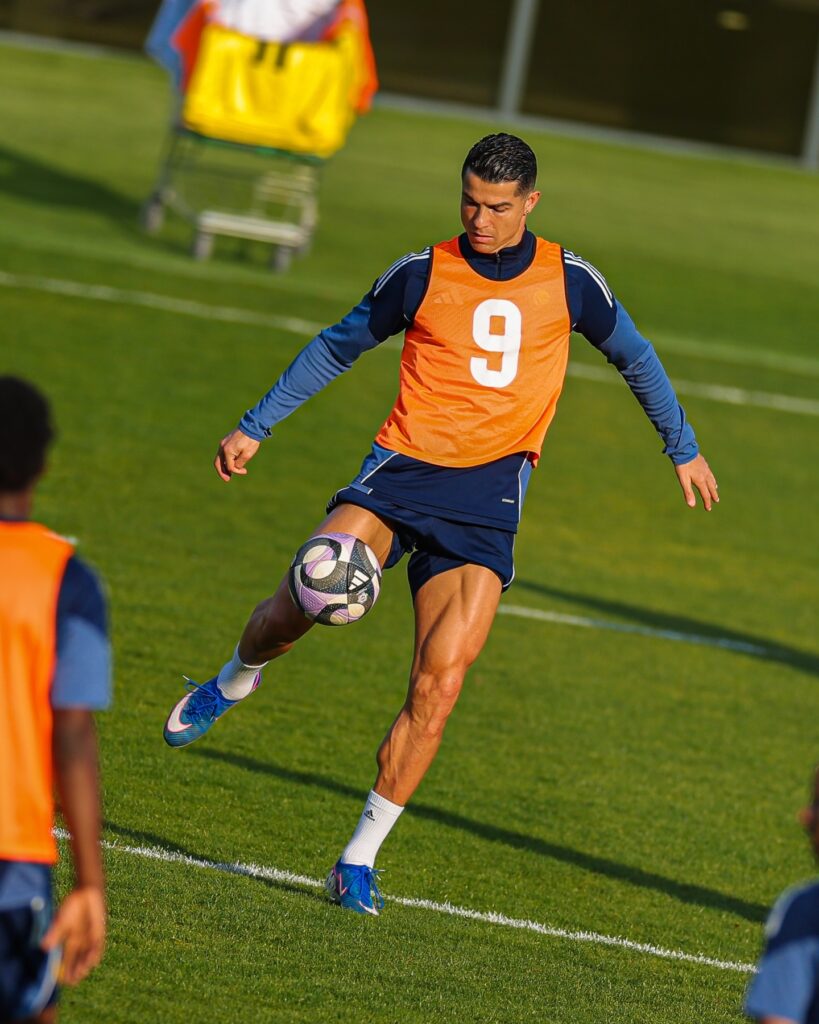
Why UD Almería?
Based in Andalusia, UD Almería has in recent years shown ambition in strengthening its squad, improving infrastructure, and stabilizing its position within Spanish football. Ronaldo’s 25% stake could accelerate those ambitions by increasing the club’s global visibility and commercial reach.
His connection to Spanish football — built during his historic spell at Real Madrid — may also strengthen the club’s strategic positioning in the competitive Spanish market.
Full details here
What Could This Mean for the Club’s Future?
Cristiano Ronaldo’s involvement could attract new sponsorship opportunities, commercial partnerships, and broader international fan engagement. His influence may also support recruitment, branding, and marketing strategies, areas where his personal brand remains among the strongest in global sport.
Beyond financial input, Ronaldo brings elite-level knowledge of professionalism, performance standards, and global football culture — assets that could positively shape the club’s long-term sporting project.
Is This the Beginning of Ronaldo’s Post-Playing Career?
At 41, Ronaldo continues to compete at the highest level, but this move strongly indicates preparation for life after retirement. Modern football increasingly sees top players transition into ownership and executive roles, ensuring they remain influential within the game.
By securing a stake in UD Almería, Ronaldo is not simply investing money — he is investing in legacy. The move reflects strategic foresight, positioning him to remain relevant in football long after his final whistle.
As Ronaldo continues to chase records on the pitch, his latest venture suggests he is equally determined to shape the future of the sport from the boardroom.