
Table of Contents
KAMPALA / KYOTERA, UGANDA — In a fierce, unsparing public health and cultural sermon, the voice of wisdom from Kifuuta—Joseph Mbazzi Muguluma—has issued a dire warning to food vendors, market operators, and commercial kitchens across Uganda.
Titled “The Frog That Tasted Like Chicken — And How We Are Frying Cancer in Our Own Saucepans,” the reflection contrasts high hygiene standards observed across international cities with the alarming, unhygienic practices taking root in urban and roadside food markets across Kampala, Mbale, Jinja, Kamuli, Mbarara, and Luwero.
Drawing from extensive travels across 68 countries, the commentary warns that while unhygienic preparation historically killed appetite, modern practices—such as steaming food in toxic plastics (buveera) and washing produce in contaminated drainage channels—are actively feeding a nationwide cancer epidemic.
“Food is never dirty — it is the cook who is dirty!” the Oracle of Kifuuta declares. “Cleanliness can turn a frog into chicken. Cleanliness can make a Muganda eat what his clan forbids. But in Uganda, dirty cooks make us fail to eat chicken, forcing us to consume plastic and drainage water instead. Before, dirt only killed appetite. Now, dirt kills life.”
What lessons on food hygiene did the author learn in Abidjan and Zambia?
The fundamental difference between acceptable cuisine and repulsive food lies entirely in presentation, sanitation, and kitchen discipline.
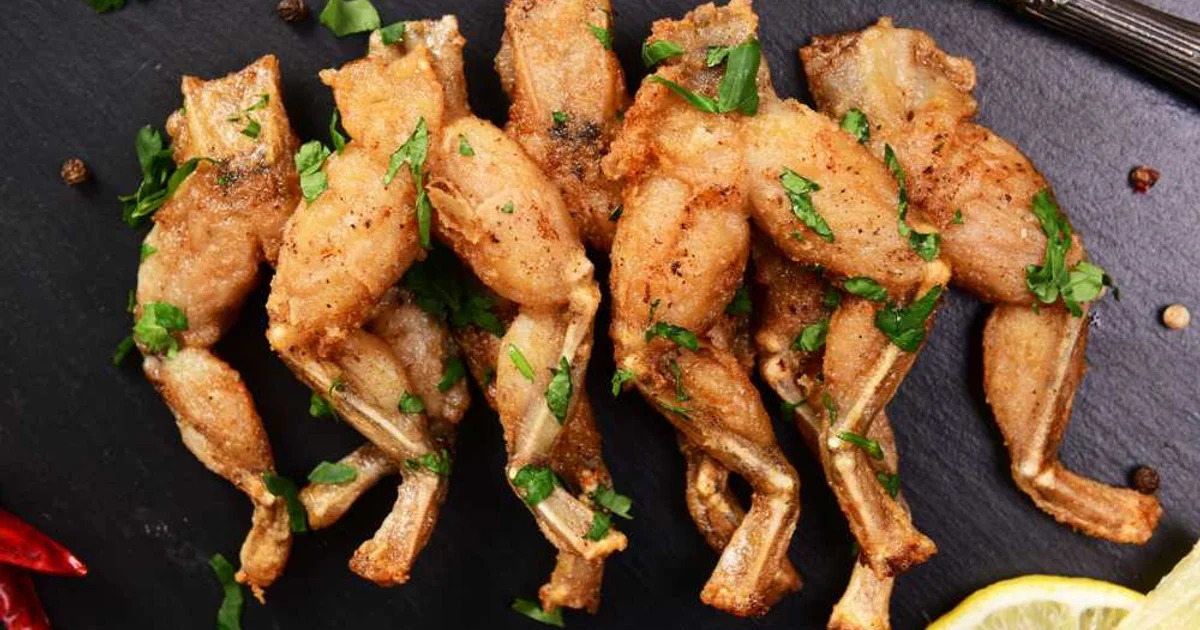
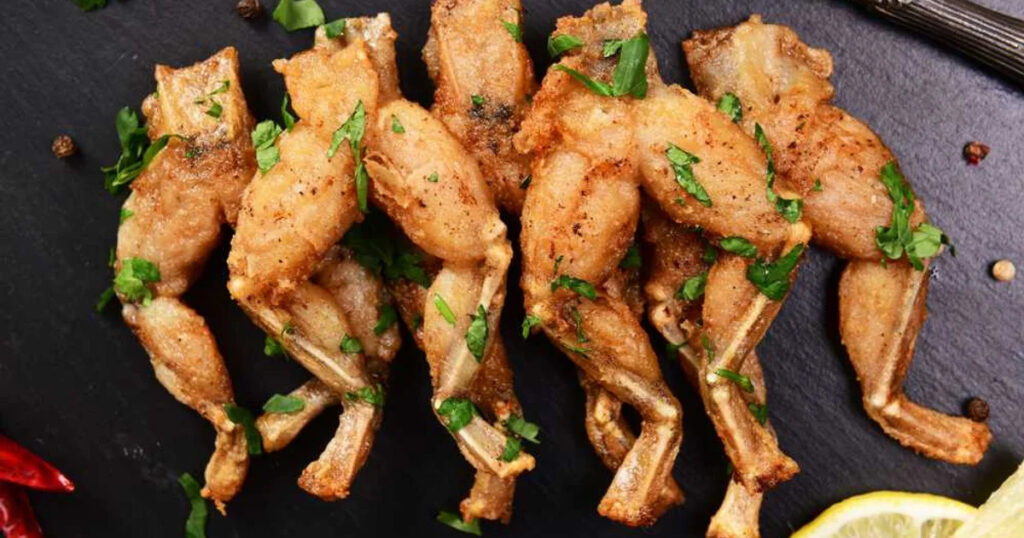
During travels through Abidjan, Ivory Coast, the author was served a golden, crispy dish that rivaled the finest fried chicken from Mukono or Namawojolo. Upon finishing the meal, the host revealed the dish was C’est grenouille—fried Cajun-style frog legs. Despite cultural taboos prohibiting frog consumption within Buganda clan traditions, the pristine environment, fly-free service, and spotless presentation made the meal enjoyable.
Similarly, among the Ngoni people of Chipata, Petauke, and Lundazi in Zambia, traditional dishes such as Mbeba (field rats) and Finkubala (caterpillars, known locally as Ebisanyi in Luganda) were presented with high packaging standards—neat, dry, and clean, resembling supermarket-grade snacks. Small bitter fish (Kakeya) from the Zambezi and Kabompo rivers were served golden and free of grit.
These international experiences reinforce a singular truth: human beings do not reject food based on its nature, but based on the filth of the person preparing it.
How does cooking matooke in plastic bags (buveera) cause cancer?
The most dangerous shift in modern Ugandan culinary practice is the transition from traditional banana leaves (ebitooke) to plastic bags (buveera) for steaming matooke, rice, and vegetables.
Historically, ancestors such as Jjaajja Deborah Naidoo and Mukyala Mangarita Muguluma used natural banana leaves, which imparted organic aroma and zero toxins to cooked meals. Today, commercial kitchens wrap food in recycled black, blue, or clear plastic bags—often the same bags used to transport detergent or paraffin—and subject them to high heat.
When plastic is boiled or steamed, synthetic chemicals leach directly into the food:
| Chemical Compound | Source in Plastic Wraps | Health Impact on the Human Body |
| Bisphenol A (BPA) | Industrial plasticizers in commercial buveera. | Endocrine disruption, hormonal imbalance, fertility complications. |
| Dioxins | Released when synthetic polymers melt under high steam. | Highly toxic carcinogen; directly linked to liver, breast, and stomach cancers. |
| Microplastics | Physical breakdown of degraded polythene under heat. | Gastrointestinal inflammation, tissue accumulation, organ strain. |
Health institutions like the Uganda Cancer Institute (UCI) at Mulago continue to record rising cancer cases across rural and urban districts, fueled in part by commercial kitchens transforming daily meals into toxic chemical factories.
How does washing market vegetables in drainage channels spread cholera and typhoid?
Beyond plastic wrapping, agricultural vendors at major urban hubs—including Kalerwe Market, Nakawa Market, Luwero, and Nakaloke—frequently use roadside drainage channels to wash fresh produce.
Popular leafy greens such as nakati, bugga, tomatoes, and carrots are regularly submerged in basin water drawn directly from drainage channels filled with motor oil, industrial runoff, untreated sewage, and urban runoff.
This practice converts fresh vegetables into carriers of severe waterborne pathogens:
- Cholera & Typhoid Transmission: Bacteria from human waste submerge into porous vegetable skins, triggering severe outbreak risks across city suburb populations.
- Chemical Contamination: Motor oil, heavy metals, and industrial solvents floating on drainage water adhere to produce, causing long-term kidney and liver toxicity when consumed raw or lightly cooked.
- False Freshness: Sprinkling contaminated sewage water over roadside produce creates a false visual appearance of freshness while delivering dangerous bacteria directly to consumers.
What is the food vendor equation for long life and business success?
To reverse the public health crisis and restore dignity to Ugandan culinary culture, the Oracles of Kifuuta propose a straightforward operational framework for all food handlers, market vendors, and restaurant owners:
Actionable Sanitation Requirements for Food Vendors
- Eliminate Cooking Plastics Immediately: Return entirely to natural banana leaves for steaming food. Consumers prefer paying slightly higher prices for natural, toxin-free wrapping over costly oncology medical bills.
- Mandatory Tap Water Rinsing: Wash all market produce using clean, running tap water.
- Strict Personal Hygiene Standards: Maintain short, scrubbed fingernails, cover or plait hair to prevent loose strands from falling into food, and wear clean aprons.
- Sanitize Service Utensils: Ensure plates are thoroughly washed, rinsed free of soap residue, and dried before serving. Replace brown, multi-purpose wiping cloths with clean, dedicated kitchen towels.
- Active Pest Control: Eliminate flies around food displays using nets, covers, and active pest management rather than allowing insects to settle on customer meals.
By taking immediate accountability, eliminating toxic plastics, and upholding strict sanitation standards, Ugandan food vendors can protect their customers’ health, restore public confidence, and prevent avoidable deaths.